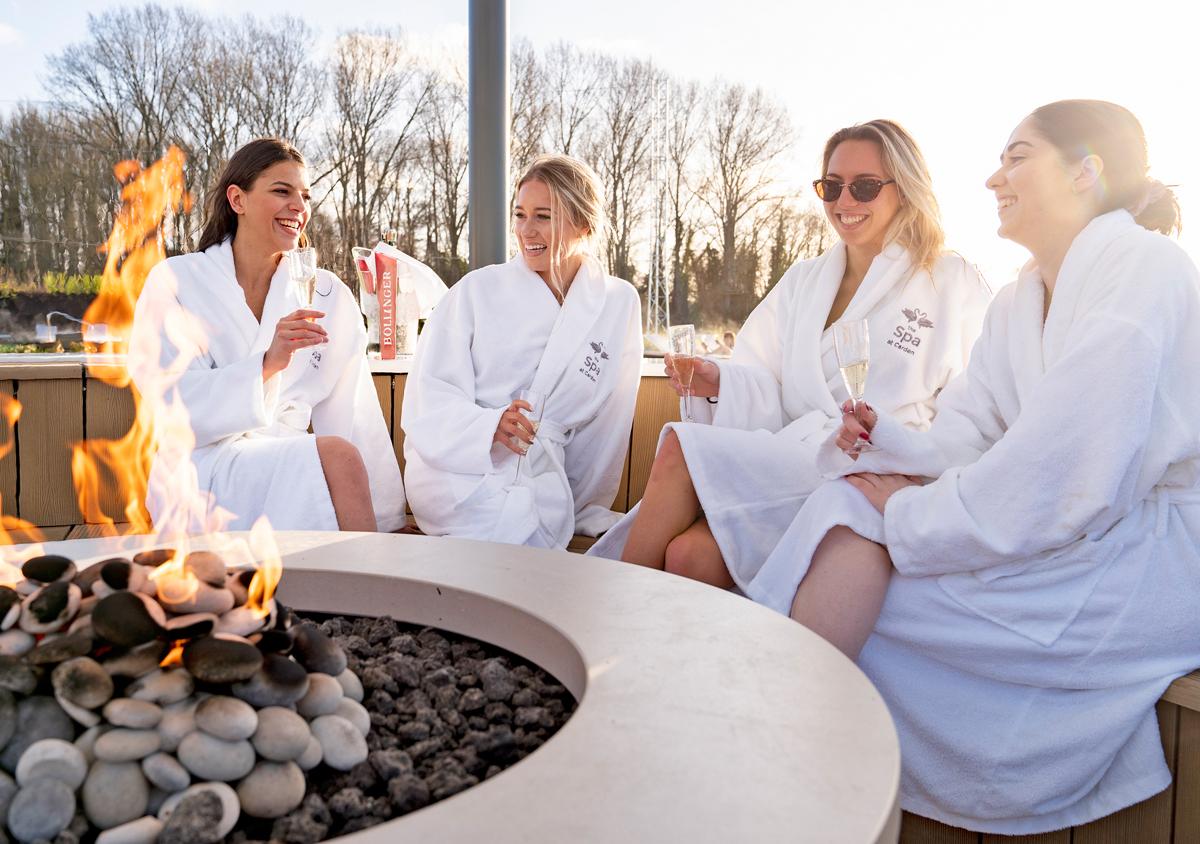
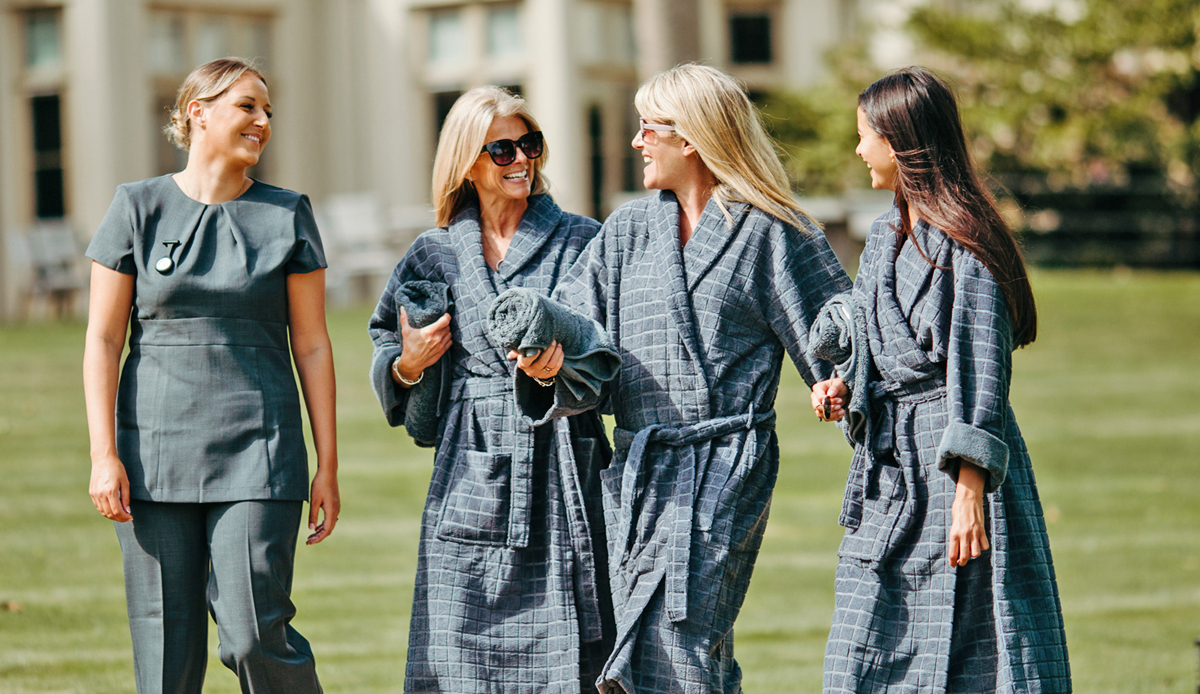
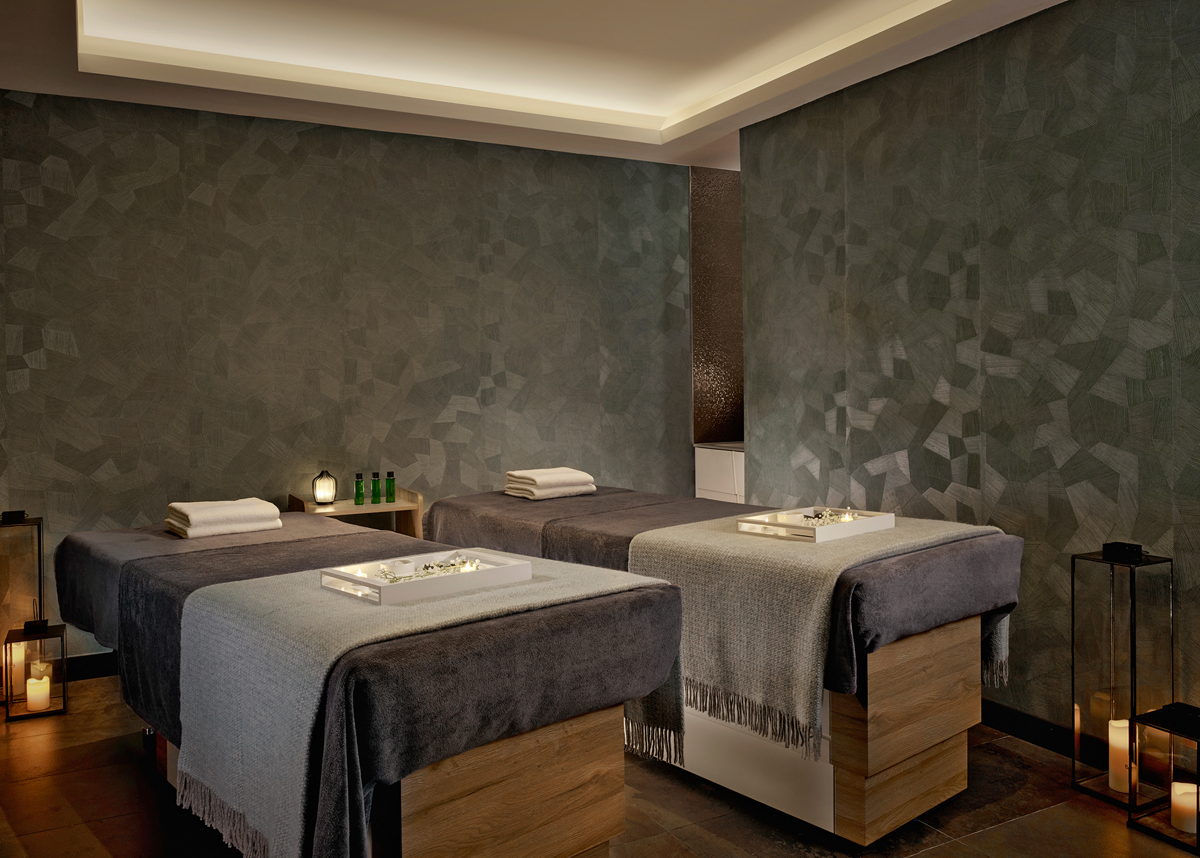
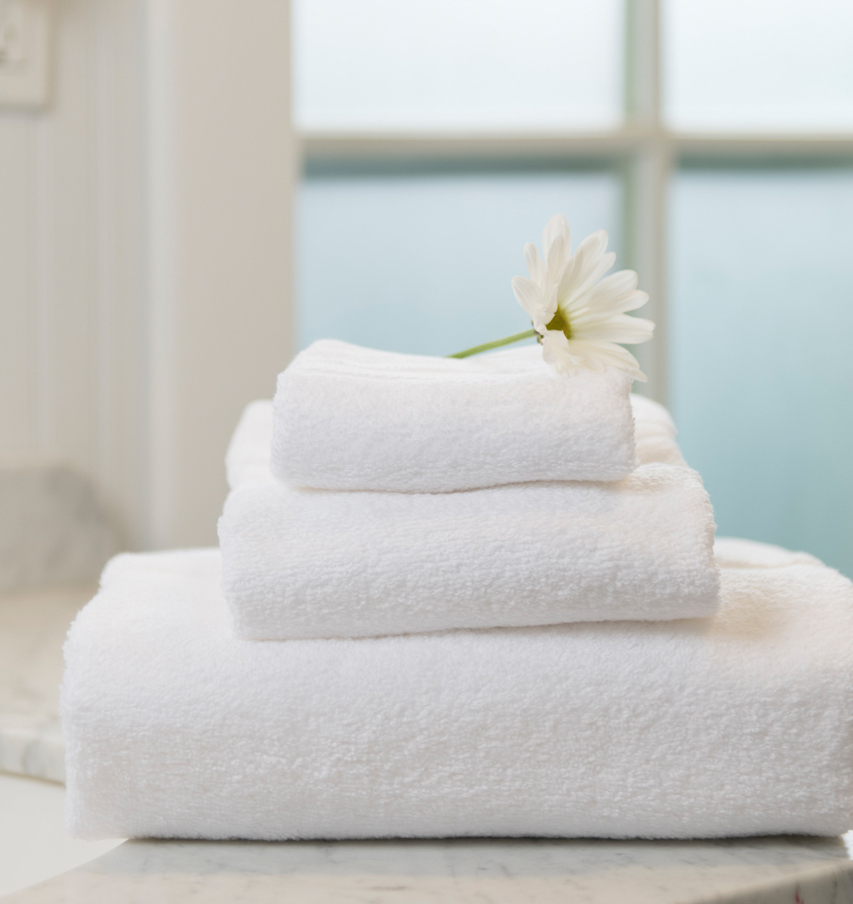
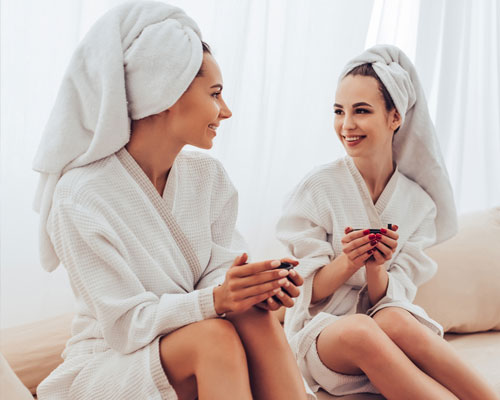
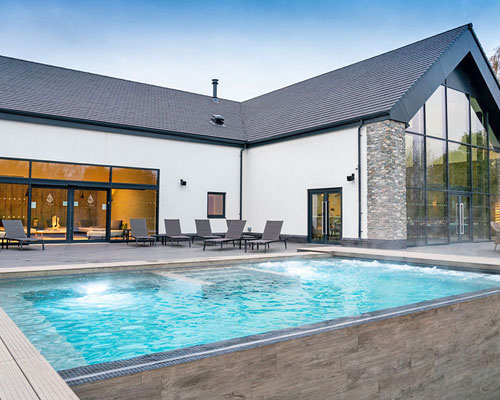
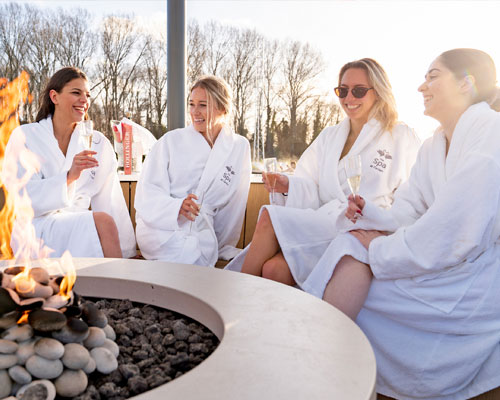
BC Softwear products require less energy to launder / photo: BC Softwear/Carden Park UK
Behaving in a more environmentally conscious way is no longer just a nice ‘extra’. Sustainability needs to be part of every spa’s DNA, as consumers are increasingly seeking out businesses that demonstrate they’re taking steps to become more sustainable.
The World Meteorological Organisation reports record increases in sea-levels, ocean heat and greenhouse gases, while the State of the Global Climate in 2021 report – described by the UN as ‘a dismal litany of humanity’s failure to tackle climate disruption’ – shows we’re ever closer to catastrophe.
As a sector dedicated to wellness and longevity, spas should be leading the way in offering a solution and embedding sustainability into every part of their offer. The problem may be huge, but small changes make a difference and the sustainability of towels and linens – in themselves a significant cost centre – are a valid place to start.
Consider the mountain of towels, robes and linens that go through the wash each week in your spa – after salaries, laundry costs can be the biggest running expense.
We ask linen suppliers to share the eco-innovations that could help you make a genuine sustainability impact while also saving on your costs.
Cinzia Imberti Beltrami
CEO, Beltrami Linen
In the last three years we’ve noticed a steady increase in the sale of our birch wood products, which we believe is an important sign for a better future.
Our Autentica Fibra di Legno Beltrami range of sheets and towels is made from innovative Fibra di Legno yarn, obtained from birch wood sourced from certified forests in Northern Europe.
A sustainable and environmentally friendly process, Autentica Fibra di Legno Beltrami melds nature and technology to create sustainably luxurious linens.
“Our range of sheets and towels is made from birch wood yarn sourced from certified forests in Northern Europe”
Beltrami Linens are made from sustainable yarn sourced from birch wood / photo: Beltrami Linen
The Autentica Fibra di Legno Beltrami is a range of luxurious spa-grade linens / photo: Beltrami Linen
Gilad Lang
Gilad Lang
Vice president, The Madison Collection
Gilad Lang / photo: Madison Collection
In the past 12 months, due to raw cotton shortages, there’s been pressure to mix plastic, synthetic or microfibres with cotton to make robes and towels, but we’ve resisted this trend. Our green manufacturing practices pre-date much of the ‘green bandwagon’ and we remain committed to never using microfibres or any other synthetic/plastic blend.
Microfibres are the single most detrimental thing for our environment – machine washing just one garment can flush 1,900 particles into our water supply. In the last 12 months alone, we’ve prevented millions of microplastics from entering our waters.
Our luxurious Bordado and Tuxedo towel collections require 40 per cent less water and electricity to launder and as they’re highly absorbent and quick-drying (at 300gsm), spas also report their guests use up to 50 per cent fewer towels.
We’re currently working on creating them at 270 gsm with laundering innovations to make further strides in new eco luxury terry.
“Microfibres are the most detrimental thing for our environment – machine washing one garment can flush 1,900 particles into the water supply”
The 300gsm luxury towels are quick drying / photo: Madison Collection
Jon Balladon
Sales director, Hartdean
Jon Balladon / photo: Hartdean
Hartdean has always manufactured products with the aim of reducing energy consumption and reducing carbon emission.
The goal remains to offer customers a choice between traditional textiles or a better, greener solution that has added benefits, far beyond a traditional robe or towel. Each of our ranges offers unique and specific energy and water saving properties, that a 100 per cent cotton woven towel or robe cannot.
Our EcoKnit Spa range is snag-free which saves, on average, 60 per cent energy consumption, while being more durable and long-lasting.
“Each of our ranges offers energy and water saving properties that 100% cotton cannot”
The EcoKnit range is snag-free to extend its lifespan / photo: Hartdean
Mia Richardson
Founder, Comphy
Mia Richardson / photo: Comphy
We consider environmental kindness an essential component of what it means to live truly well. For that reason, since our inception in 2003, we’ve made minimising our carbon footprint and leaving behind a healthier planet a priority.
We’re a certified Sustainable Furnishings Council member, pledging to take immediate steps to minimise carbon emissions, waste stream pollutants and un-recyclable content.
Comphy is committed to removing plastic from all its retail packaging this year. Additionally, we’ve removed all vinyl packaging, we’re recycling all vinyl and cardboard that comes with our products and we are using the scraps from our sheeting to create reusable bags for retail.
We use microfibre, an alternative to cotton, hemp and bamboo, because commercially grown cotton uses millions of tons of water and 20 per cent of the world’s pesticides to produce. Microfibre represents the majority of the world’s fabric usage, but uses only one per cent of fossil fuel demand.
A true sustainability test is how much water is used in the making and care of linens. One acre of cotton requires 25,000 tons of water, whereas the same amount of Comphy microfibre requires just four tons.
www.comphy.com
“Growing an acre of cotton requires 25,000 tons of water – production of the same amount of the microfibre requires just four”
Microfibre production uses far less water / photo: Comphy
Guniz Alkan
President and co-owner
A la Turca
Guniz Alkan / photo: Al la Turca Textiles
Our Pestemal towels make a tangible environmental impact. Made from traditional thin woven cloth, used for centuries in Turkish baths, when used in place of terry cloth towels in spas the energy saving impact is considerable.
Considering the average commercial washing machine can launder 8kg of terry towels per cycle (around 11 towels), this load equates to 22 Pestemal towels in comparison. As the same washing machine uses approximately 35,000 gallons of water and 910 kWh electricity per year – the savings are obvious.
The drying time for Pestemal towels provides yet further savings. An average commercial dryer takes about 30 minutes to dry 8kg of terry towels. The same weight of Pestemals takes just 10-12 minutes to dry.
It is hard to dispute the benefits of switching.
“A commercial dryer takes 30 minutes to dry 8kg of terry towels. The same weight of Pestemals takes 10-12 minutes”
In the light of rising energy costs,
Pestemal can create savings for spas / photo: Al la Turca Textiles
Barbara Cooke
CEO and founder
BC SoftWear
Barbara Cooke / photo: BC SoftWear
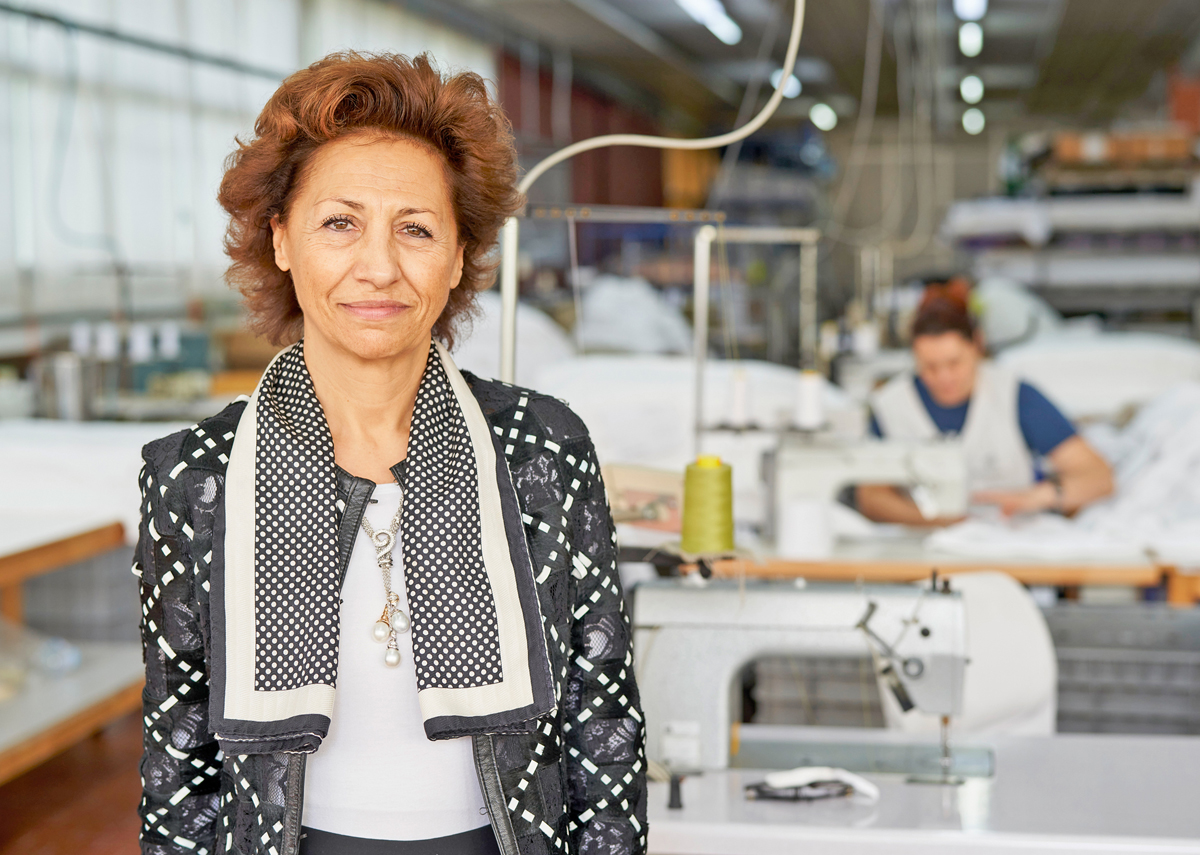
Our team has noticed a shift towards spas seeking more sustainable options in the last year, with increased requests for environmentally-friendly ways to meet towelling needs that don’t compromise on quality.
The International Tourism Partnership states the hospitality sector must reduce its carbon footprint by 90 per cent before 2050 to keep global warming below the two-degree threshold enshrined in the Paris Agreement. With energy saving high on the agenda, BC SoftWear’s SmartSoft range of eco-friendly towels is a sustainable option for busy spas managing a high turnover of clients.
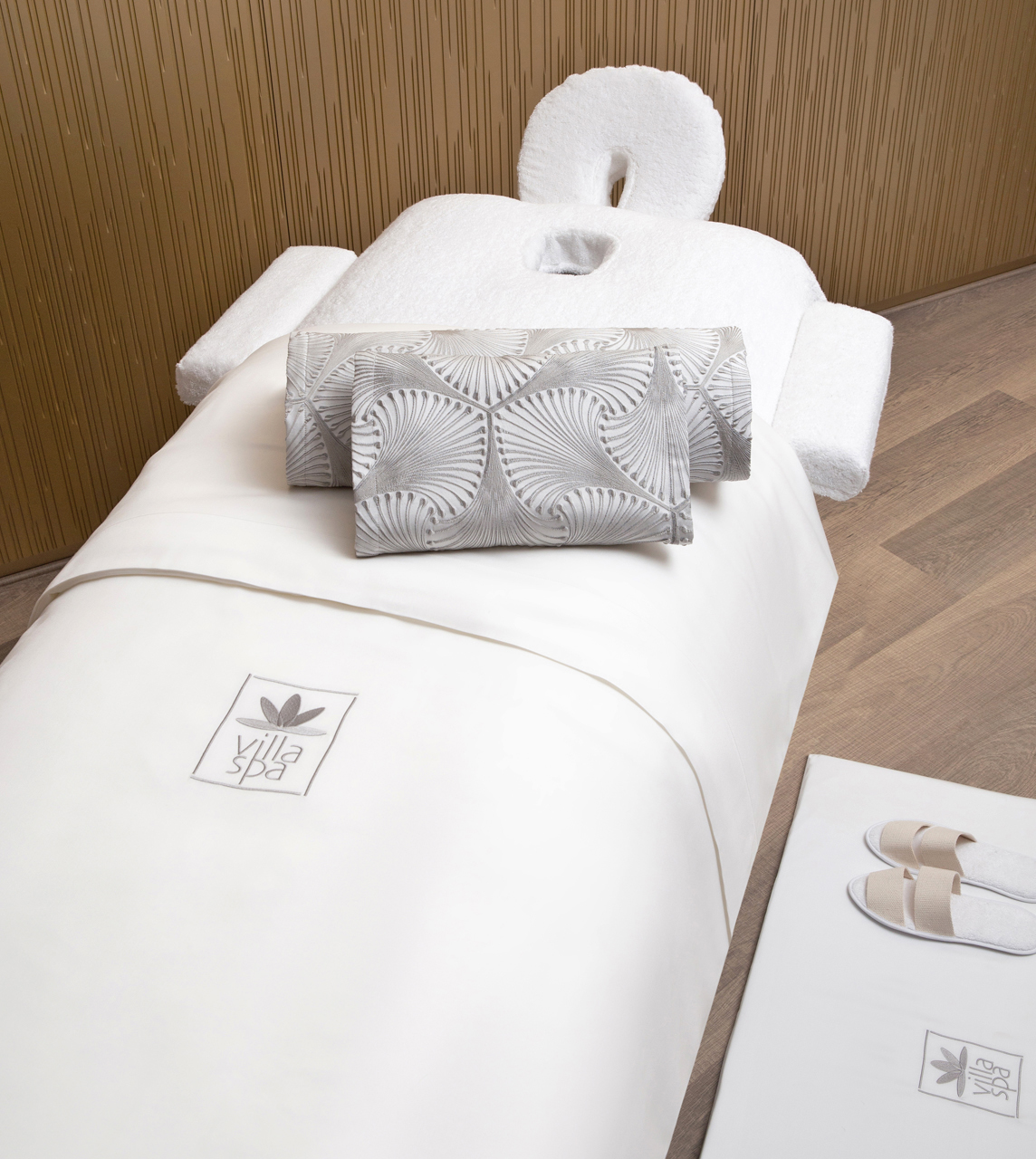
This range includes SupremeSoft robes and spa linens, which require 70 per cent less energy to launder when compared with a traditional towel, as well as needing 10 per cent less water and 31 per cent less drying time, while SmartKnit towels and are made using knitted technology, rather than traditional weave, which means they’re snag-free, aiding longevity.
BC SoftWear considers the environmental impact of everything; from factory operations to plastic-free packaging. Coir spa slippers are biodegradable and a popular choice, and the company has moved to using paper wraps and cornstarch for packaging, saving 50 tonnes of single-use plastic a year. The factory is powered by solar panels, while its water treatment plant reuses waste water.
The company works with Reskinned – a specialist in recycling end-of-life textiles and footwear that turns textiles, such as towels that are no longer fit for purpose, into recycled yarn, which is then used in other textiles. We’re now working to introduce each of our hotel partners to this recycling option including flip flops and slippers. It’s our way of supporting the circular economy.
www.bcsoftwear.co.uk
“The International Tourism Partnership says the sector must reduce its carbon footprint by 90% before 2050”
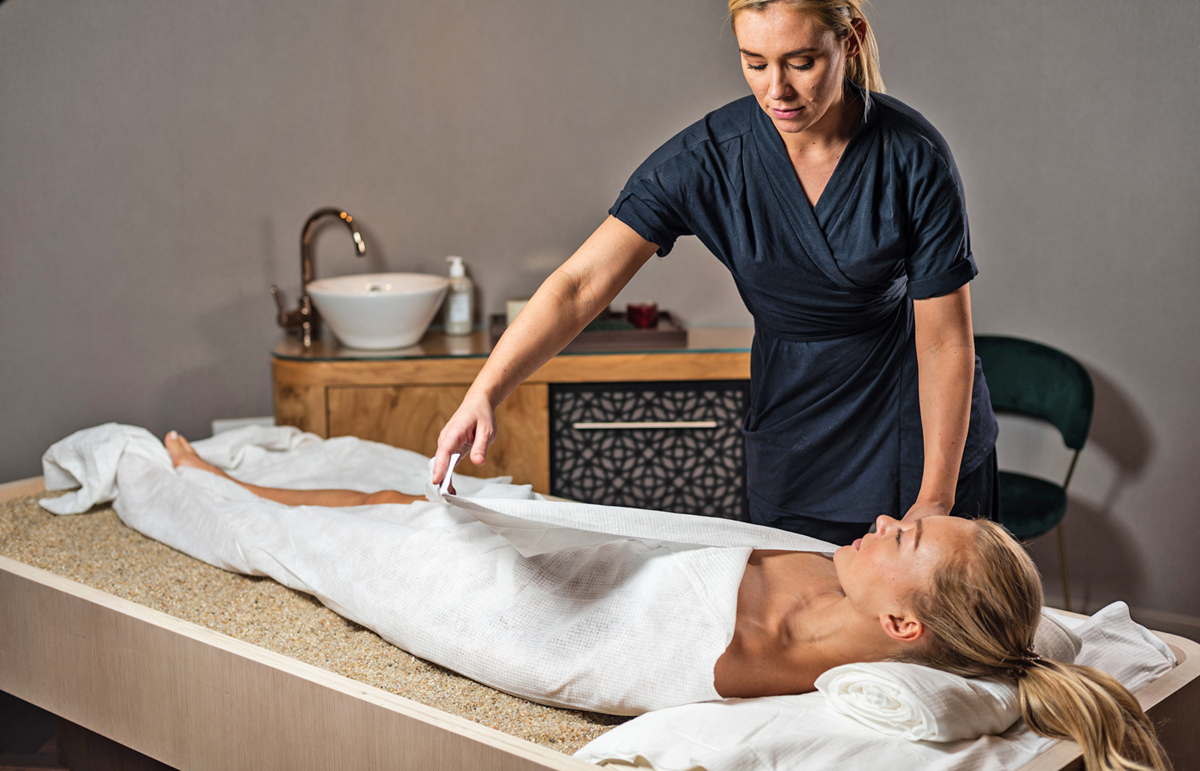
BC Softwear offers sustainable solutions to the problem of excess wastage / photo: BC SoftWear
Robert Cooper
Managing director,
Scrummi Spa
Robert Cooper / photo: Scrummi Spa
Our products were created sustainably 13 years ago. However, we realised there was too much single-use plastic in some of our packaging, so we’ve removed it from 80 per cent of our products and have a target to be 100 per cent plastic free by 2023.
By using Scrummi single-use products within treatments, spas reduce their towel laundry by up to 90 per cent, with no loss of comfort or luxury.
Our single-use towels biodegrade in 12 weeks and are fully compostable. The energy used in the entire lifecycle of a Scrummi spa towel, including its manufacture, is less than the energy used by machine washing a single cotton towel once.
Our customers report clients also love the enhanced hygiene and reassurance that their towel has never touched another person. And for every cotton towel replaced with a Scrummi, spas save up to 90 per cent on contaminated waste water and electricity from the laundry process.
We’re now also working to set up a composting network for our clients.
“Our single-use towels biodegrade within 12 weeks and are fully compostable”
Operators can improve their carbon footprint / photo: Scrummi Spa
Sam Landsman
President
Majestic International
Sam Landsman / photo: Majestic International
Incredibly luxurious, Majestic’s EarthRight collection is made of 100 per cent organic, long-staple cotton. It requires 10-20 per cent less drying time and saves about 30 per cent in water consumption.
In addition, we offer a fully biodegradable and compostable slipper that’s 100 per cent cotton terry upper, with a jute and plant-based sole so it can go into the compost bin.
This is so important, as spas go through thousands of slippers a month and the innersoles are filling our landfills.
We’re looking into packaging alternatives that still protect linens, while being sustainable and have found a bag made from corn-starch that we’re testing. In the interim, for our robes, we’ve converted to a half plastic front bag with a mesh back that can be re-purposed as a laundry bag or a catch-all for the consumer.
“Majestic’s EarthRight collection requires 10-20% less drying time and saves about 30% in water consumption”
Majestic supplies organic towels and compostable slippers / photo: Majestic International
Read more from this issue of Attractions Management magazine
View contents of Attractions Management 2022 issue 2
Editor's letter: The wellness metaverse
We’re being handed a powerful new tool that will become a channel for creativity and innovation – pioneering wellness operators are already getting to grips with its exciting potential
Spa People: Michael Stusser
The wellness pioneer explains how he created an authentic Japanese bathing experience in the heart of the California hills
Spa People: Scot Toon
The Asia MD of The Pavilions Hotels & Resorts unveils the company's latest island development plans
Project preview: Off-grid
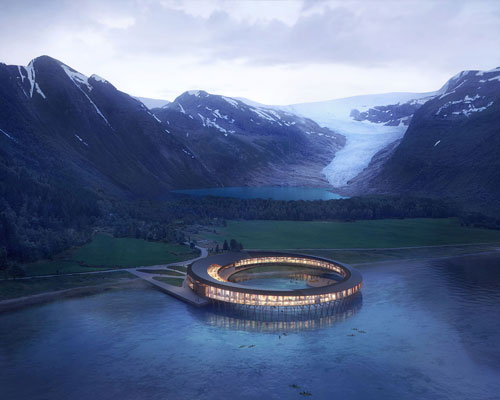
Svart Six Senses is set to open in Norway in 2024, and redefine the meaning of sustainable wellness tourism and regenerative travel
Sponsored: Myrtha Wellness: watertight expertise
Myrtha has transformed the world of aquatics over the last 60 years. Now it’s bringing its ingenuity-driven expertise to the international wellness industry
Interview: Rainer Usselmann
Tech business Happy Finish is bringing metaverse-based experiences to the wellness sector, working with Wund
Everyone's talking about: Menopause
From taboo to hot topic – how can spas offer treatments and a safe space for women to explore this often challenging phase of life?
Research: Bounceback
PwC says the US spa market was worth US$1bn in 2021 and growing well, according to data from ISPA's latest industry-wide study
First person: An icon reborn
Fairmont unveils the stunning renovation of its iconic Century Plaza hotel in LA, and Rianna Riego checks out the new spa
Q&A: Magdaleena Nikolov
The GM of spa, wellness and retail at Fairmont
Century Plaza talks to Jane Kitchen
Q&A: Mia Kyricos
The wellness leader talks about the creation of her new trademarked framework for the development and delivery of wellness interventions
Sponsored: Art of Cryo: raising the bar
Art of Cryo is complementing its high
performance cryotherapy range with advanced
new technology to enhance treatment benefits
Mystery Shopper: The Londoner
Our reviewer travels undercover to check out the spa offering at The Londoner – one of the most high profile openings in the capital in recent times
BC Softwear products require less energy to launder / photo: BC Softwear/Carden Park UK
Behaving in a more environmentally conscious way is no longer just a nice ‘extra’. Sustainability needs to be part of every spa’s DNA, as consumers are increasingly seeking out businesses that demonstrate they’re taking steps to become more sustainable.
The World Meteorological Organisation reports record increases in sea-levels, ocean heat and greenhouse gases, while the State of the Global Climate in 2021 report – described by the UN as ‘a dismal litany of humanity’s failure to tackle climate disruption’ – shows we’re ever closer to catastrophe.
As a sector dedicated to wellness and longevity, spas should be leading the way in offering a solution and embedding sustainability into every part of their offer. The problem may be huge, but small changes make a difference and the sustainability of towels and linens – in themselves a significant cost centre – are a valid place to start.
Consider the mountain of towels, robes and linens that go through the wash each week in your spa – after salaries, laundry costs can be the biggest running expense.
We ask linen suppliers to share the eco-innovations that could help you make a genuine sustainability impact while also saving on your costs.
Cinzia Imberti Beltrami
CEO, Beltrami Linen
In the last three years we’ve noticed a steady increase in the sale of our birch wood products, which we believe is an important sign for a better future.
Our Autentica Fibra di Legno Beltrami range of sheets and towels is made from innovative Fibra di Legno yarn, obtained from birch wood sourced from certified forests in Northern Europe.
A sustainable and environmentally friendly process, Autentica Fibra di Legno Beltrami melds nature and technology to create sustainably luxurious linens.
“Our range of sheets and towels is made from birch wood yarn sourced from certified forests in Northern Europe”
Beltrami Linens are made from sustainable yarn sourced from birch wood / photo: Beltrami Linen
The Autentica Fibra di Legno Beltrami is a range of luxurious spa-grade linens / photo: Beltrami Linen
Gilad Lang
Gilad Lang
Vice president, The Madison Collection
Gilad Lang / photo: Madison Collection
In the past 12 months, due to raw cotton shortages, there’s been pressure to mix plastic, synthetic or microfibres with cotton to make robes and towels, but we’ve resisted this trend. Our green manufacturing practices pre-date much of the ‘green bandwagon’ and we remain committed to never using microfibres or any other synthetic/plastic blend.
Microfibres are the single most detrimental thing for our environment – machine washing just one garment can flush 1,900 particles into our water supply. In the last 12 months alone, we’ve prevented millions of microplastics from entering our waters.
Our luxurious Bordado and Tuxedo towel collections require 40 per cent less water and electricity to launder and as they’re highly absorbent and quick-drying (at 300gsm), spas also report their guests use up to 50 per cent fewer towels.
We’re currently working on creating them at 270 gsm with laundering innovations to make further strides in new eco luxury terry.
“Microfibres are the most detrimental thing for our environment – machine washing one garment can flush 1,900 particles into the water supply”
The 300gsm luxury towels are quick drying / photo: Madison Collection
Jon Balladon
Sales director, Hartdean
Jon Balladon / photo: Hartdean
Hartdean has always manufactured products with the aim of reducing energy consumption and reducing carbon emission.
The goal remains to offer customers a choice between traditional textiles or a better, greener solution that has added benefits, far beyond a traditional robe or towel. Each of our ranges offers unique and specific energy and water saving properties, that a 100 per cent cotton woven towel or robe cannot.
Our EcoKnit Spa range is snag-free which saves, on average, 60 per cent energy consumption, while being more durable and long-lasting.
“Each of our ranges offers energy and water saving properties that 100% cotton cannot”
The EcoKnit range is snag-free to extend its lifespan / photo: Hartdean
Mia Richardson
Founder, Comphy
Mia Richardson / photo: Comphy
We consider environmental kindness an essential component of what it means to live truly well. For that reason, since our inception in 2003, we’ve made minimising our carbon footprint and leaving behind a healthier planet a priority.
We’re a certified Sustainable Furnishings Council member, pledging to take immediate steps to minimise carbon emissions, waste stream pollutants and un-recyclable content.
Comphy is committed to removing plastic from all its retail packaging this year. Additionally, we’ve removed all vinyl packaging, we’re recycling all vinyl and cardboard that comes with our products and we are using the scraps from our sheeting to create reusable bags for retail.
We use microfibre, an alternative to cotton, hemp and bamboo, because commercially grown cotton uses millions of tons of water and 20 per cent of the world’s pesticides to produce. Microfibre represents the majority of the world’s fabric usage, but uses only one per cent of fossil fuel demand.
A true sustainability test is how much water is used in the making and care of linens. One acre of cotton requires 25,000 tons of water, whereas the same amount of Comphy microfibre requires just four tons.
www.comphy.com
“Growing an acre of cotton requires 25,000 tons of water – production of the same amount of the microfibre requires just four”
Microfibre production uses far less water / photo: Comphy
Guniz Alkan
President and co-owner
A la Turca
Guniz Alkan / photo: Al la Turca Textiles
Our Pestemal towels make a tangible environmental impact. Made from traditional thin woven cloth, used for centuries in Turkish baths, when used in place of terry cloth towels in spas the energy saving impact is considerable.
Considering the average commercial washing machine can launder 8kg of terry towels per cycle (around 11 towels), this load equates to 22 Pestemal towels in comparison. As the same washing machine uses approximately 35,000 gallons of water and 910 kWh electricity per year – the savings are obvious.
The drying time for Pestemal towels provides yet further savings. An average commercial dryer takes about 30 minutes to dry 8kg of terry towels. The same weight of Pestemals takes just 10-12 minutes to dry.
It is hard to dispute the benefits of switching.
“A commercial dryer takes 30 minutes to dry 8kg of terry towels. The same weight of Pestemals takes 10-12 minutes”
In the light of rising energy costs,
Pestemal can create savings for spas / photo: Al la Turca Textiles
Barbara Cooke
CEO and founder
BC SoftWear
Barbara Cooke / photo: BC SoftWear
Our team has noticed a shift towards spas seeking more sustainable options in the last year, with increased requests for environmentally-friendly ways to meet towelling needs that don’t compromise on quality.
The International Tourism Partnership states the hospitality sector must reduce its carbon footprint by 90 per cent before 2050 to keep global warming below the two-degree threshold enshrined in the Paris Agreement. With energy saving high on the agenda, BC SoftWear’s SmartSoft range of eco-friendly towels is a sustainable option for busy spas managing a high turnover of clients.
This range includes SupremeSoft robes and spa linens, which require 70 per cent less energy to launder when compared with a traditional towel, as well as needing 10 per cent less water and 31 per cent less drying time, while SmartKnit towels and are made using knitted technology, rather than traditional weave, which means they’re snag-free, aiding longevity.
BC SoftWear considers the environmental impact of everything; from factory operations to plastic-free packaging. Coir spa slippers are biodegradable and a popular choice, and the company has moved to using paper wraps and cornstarch for packaging, saving 50 tonnes of single-use plastic a year. The factory is powered by solar panels, while its water treatment plant reuses waste water.
The company works with Reskinned – a specialist in recycling end-of-life textiles and footwear that turns textiles, such as towels that are no longer fit for purpose, into recycled yarn, which is then used in other textiles. We’re now working to introduce each of our hotel partners to this recycling option including flip flops and slippers. It’s our way of supporting the circular economy.
www.bcsoftwear.co.uk
“The International Tourism Partnership says the sector must reduce its carbon footprint by 90% before 2050”
BC Softwear offers sustainable solutions to the problem of excess wastage / photo: BC SoftWear
Robert Cooper
Managing director,
Scrummi Spa
Robert Cooper / photo: Scrummi Spa
Our products were created sustainably 13 years ago. However, we realised there was too much single-use plastic in some of our packaging, so we’ve removed it from 80 per cent of our products and have a target to be 100 per cent plastic free by 2023.
By using Scrummi single-use products within treatments, spas reduce their towel laundry by up to 90 per cent, with no loss of comfort or luxury.
Our single-use towels biodegrade in 12 weeks and are fully compostable. The energy used in the entire lifecycle of a Scrummi spa towel, including its manufacture, is less than the energy used by machine washing a single cotton towel once.
Our customers report clients also love the enhanced hygiene and reassurance that their towel has never touched another person. And for every cotton towel replaced with a Scrummi, spas save up to 90 per cent on contaminated waste water and electricity from the laundry process.
We’re now also working to set up a composting network for our clients.
“Our single-use towels biodegrade within 12 weeks and are fully compostable”
Operators can improve their carbon footprint / photo: Scrummi Spa
Sam Landsman
President
Majestic International
Sam Landsman / photo: Majestic International
Incredibly luxurious, Majestic’s EarthRight collection is made of 100 per cent organic, long-staple cotton. It requires 10-20 per cent less drying time and saves about 30 per cent in water consumption.
In addition, we offer a fully biodegradable and compostable slipper that’s 100 per cent cotton terry upper, with a jute and plant-based sole so it can go into the compost bin.
This is so important, as spas go through thousands of slippers a month and the innersoles are filling our landfills.
We’re looking into packaging alternatives that still protect linens, while being sustainable and have found a bag made from corn-starch that we’re testing. In the interim, for our robes, we’ve converted to a half plastic front bag with a mesh back that can be re-purposed as a laundry bag or a catch-all for the consumer.
“Majestic’s EarthRight collection requires 10-20% less drying time and saves about 30% in water consumption”
Majestic supplies organic towels and compostable slippers / photo: Majestic International
Read more from this issue of Attractions Management magazine
View contents of Attractions Management 2022 issue 2
Editor's letter: The wellness metaverse
We’re being handed a powerful new tool that will become a channel for creativity and innovation – pioneering wellness operators are already getting to grips with its exciting potential
Spa People: Michael Stusser
The wellness pioneer explains how he created an authentic Japanese bathing experience in the heart of the California hills
Spa People: Scot Toon
The Asia MD of The Pavilions Hotels & Resorts unveils the company's latest island development plans
Project preview: Off-grid
Svart Six Senses is set to open in Norway in 2024, and redefine the meaning of sustainable wellness tourism and regenerative travel
Sponsored: Myrtha Wellness: watertight expertise
Myrtha has transformed the world of aquatics over the last 60 years. Now it’s bringing its ingenuity-driven expertise to the international wellness industry
Interview: Rainer Usselmann
Tech business Happy Finish is bringing metaverse-based experiences to the wellness sector, working with Wund
Everyone's talking about: Menopause
From taboo to hot topic – how can spas offer treatments and a safe space for women to explore this often challenging phase of life?
Research: Bounceback
PwC says the US spa market was worth US$1bn in 2021 and growing well, according to data from ISPA's latest industry-wide study
First person: An icon reborn
Fairmont unveils the stunning renovation of its iconic Century Plaza hotel in LA, and Rianna Riego checks out the new spa
Q&A: Magdaleena Nikolov
The GM of spa, wellness and retail at Fairmont
Century Plaza talks to Jane Kitchen
Q&A: Mia Kyricos
The wellness leader talks about the creation of her new trademarked framework for the development and delivery of wellness interventions
Sponsored: Art of Cryo: raising the bar
Art of Cryo is complementing its high
performance cryotherapy range with advanced
new technology to enhance treatment benefits
Mystery Shopper: The Londoner
Our reviewer travels undercover to check out the spa offering at The Londoner – one of the most high profile openings in the capital in recent times
Abu Dhabi-based investment firm Mubadala Capital has made a binding, fully financed
€1 billion
offer to acquire Pierre and Vacances SA, the European holiday resort operator behind the
continental European Center Parcs business.
Disney has reaffirmed its commitment to investing US$30 billion in its US parks and cruise
business by 2033, using new America250 celebrations to underline the role its attractions play
in supporting jobs, tourism and economic growth.
Expo 2030 Riyadh is being planned as a permanent visitor destination, with organisers
confirming the six-million-square-metre site will become a Global Village after the event closes.
The owner of one of Australia's best-known waterparks has acquired a major competitor,
creating a new attractions business spanning two of the country's largest visitor destinations.
The Toverland theme park in the Netherlands has announced a €98m expansion programme
that will add a resort, new attractions and staff facilities as it pursues plans to become a multi-
day destination.
Hotel de France, located on the British Isle of Jersey, has created a wellness retreat package
that includes a hot yoga session that will take place in Jersey Zoo’s butterfly sanctuary.
A new immersive attraction designed to transport visitors into the final hours of ancient Pompeii
is preparing to open near the world-famous archaeological site in southern Italy.
Experience design company, BRC Imagination Arts, has completed a transition that sees founder
Bob Rogers pass ownership of the business to four long-serving senior executives, while
remaining actively involved with the company.
Movie Park Germany has opened a new Paramount Pictures-themed attraction as part of its 30th
anniversary celebrations, using immersive storytelling and adaptive reuse to reinforce the park’s
longstanding “Hollywood in Germany” positioning.
Therme Manchester’s 28-acre development, which will include interconnected glass pavilions
that measure 65,000sq m, will be the largest bathing and wellbeing attraction in the world once
complete, according to prof David Russell, CEO of Therme UK.
+ More news
COMPANY PROFILES
QubicaAMF UK QubicaAMF is the largest and most
innovative bowling equipment provider with
600 employees worldwi [more...]
Taylor Made Designs Founded in 1993, Taylor Made
Designs supply corporate clothing
and brand-enhancing merchandise
to [more...]
IAAPA EMEA IAAPA Expo Europe was established in 2006 and has grown to the largest international conference and [more...]