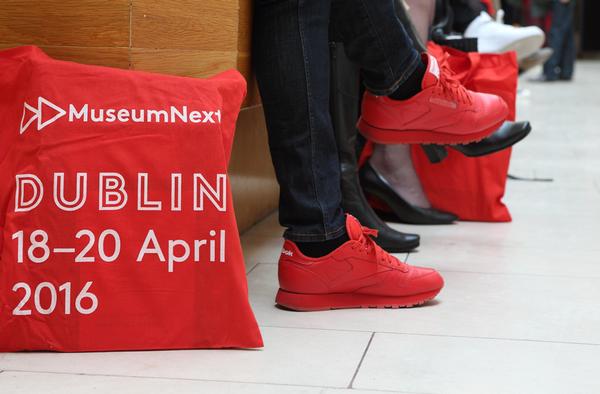
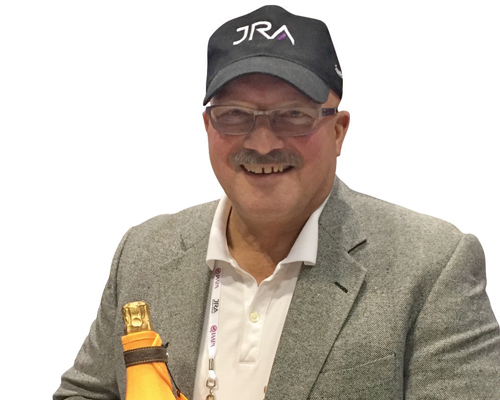
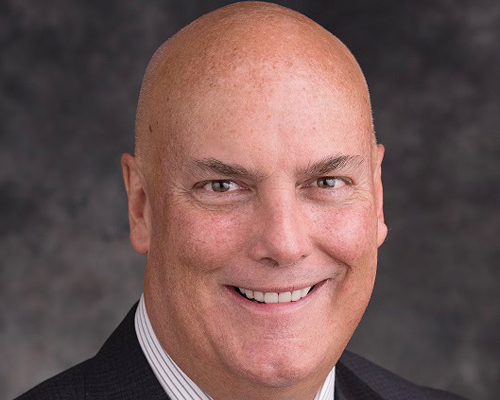
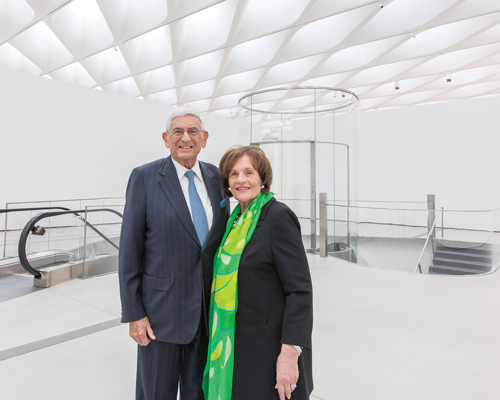
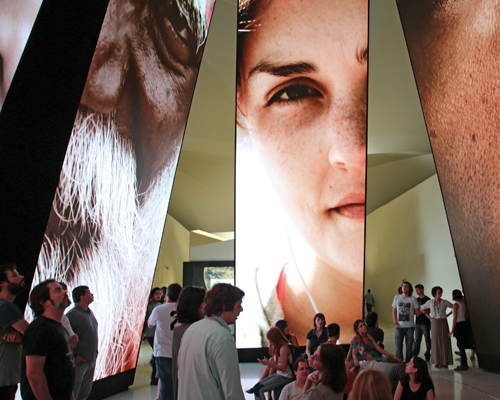
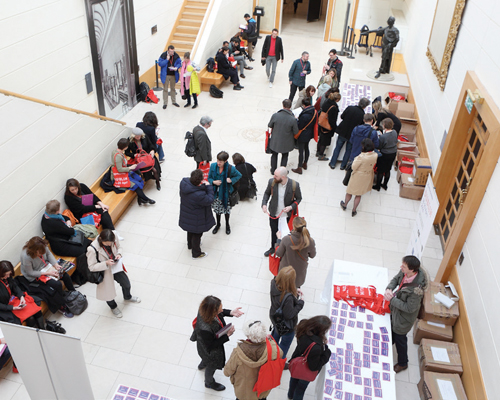
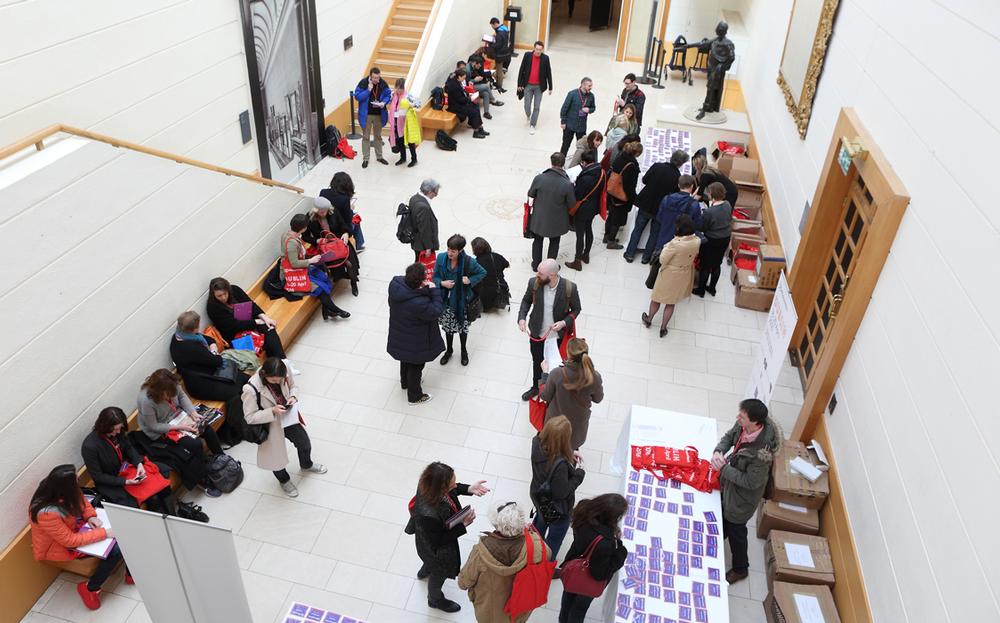
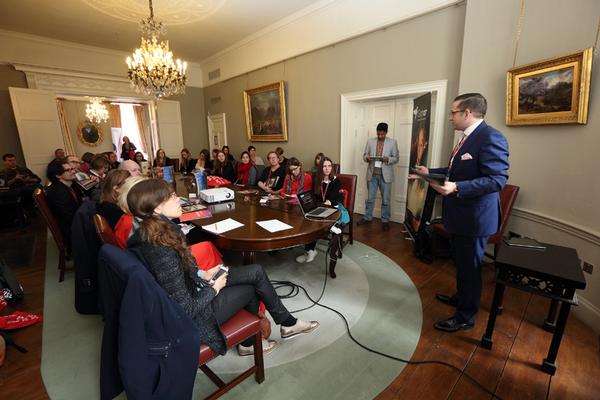
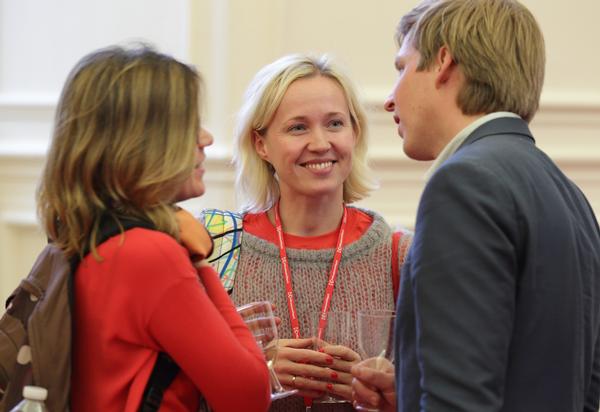
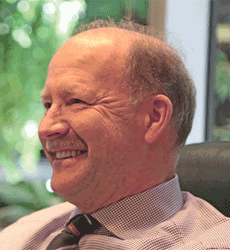
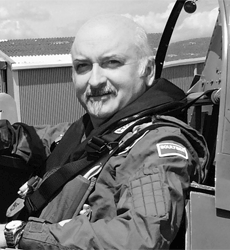
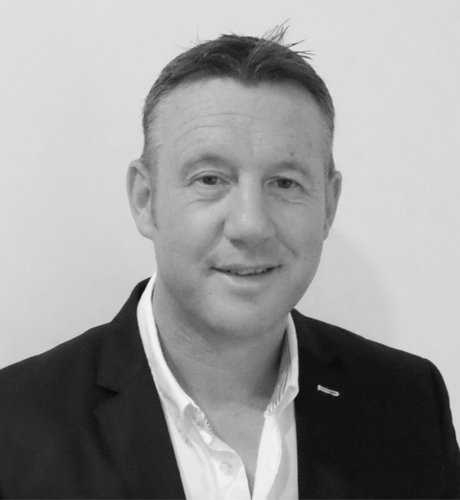
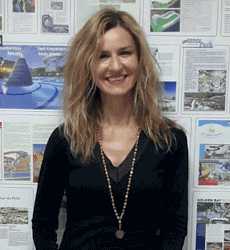
MuseumNext European conference in Dublin, Ireland / ALL PHOTOS: MUSEUMNEXT
Drawing museum delegates and officials from all over the world since 2009, the MuseumNext event shines a light on the future of museums and how today’s museums are adapting to an ever-changing climate.
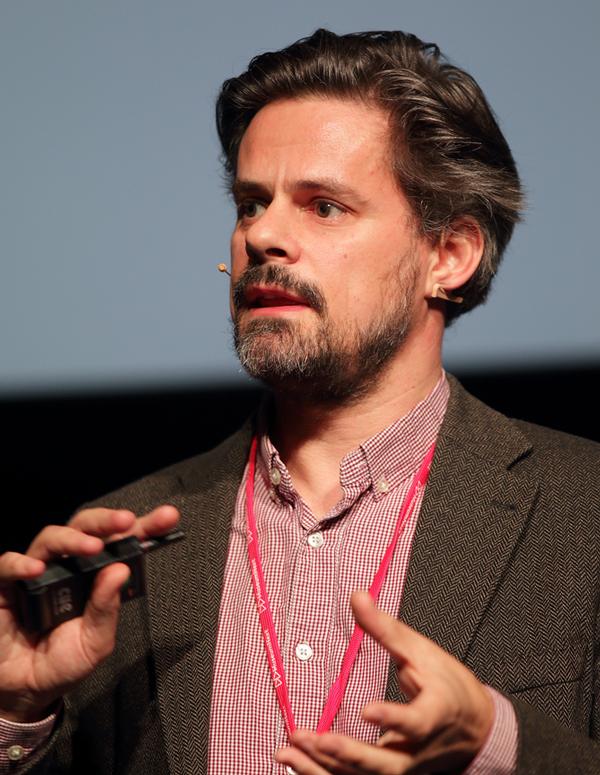
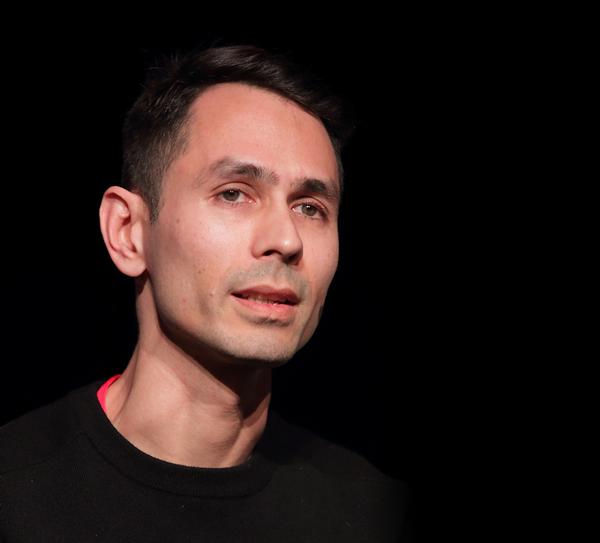
One of the highlights of this year’s event in Dublin was a talk by James Davis from the Google Cultural Institute. When the Institute opened its doors in 2001, its goal was to make important cultural material available and accessible to everyone and to digitally preserve it to educate and inspire future generations.
Davis addressed a packed Mansion House to talk about the Institute’s growth, the new products it has launched, such as Google Cardboard, and offered a glimpse at what they have in store next.
Following his talk, Davis told Attractions Management that the Institute is just at the start of its journey. As accessibility increases, he says, so will interest in arts and culture.
“I think digital culture is heading to much bigger audiences,” Davis says. “One of the compelling reasons to have digital cultural experiences is that if you’re interested in something the other side of the world, that might be an obstacle for you going to see it. However if it’s available directly from your pocket, then it’s extremely accessible to you.
“We’re absolutely convinced that the global audience for culture will increase because of people having access to cultural organisations all around the world and as a result I think and hope that physical attendance will increase,” he says.
“It’s something we’ve begun to see anecdotally. If you get a larger audience interested in this topic – for example, introducing people to a particular museum for the very first time – some of them are going to go to that museum when they weren’t beforehand simply because they hadn’t heard of it. That’s the direction that the Google Cultural Institute is going.”
Second Livestock Google has developed many interesting technologies, but it has never created anything as outlandish as VR for chickens. It’s a concept that Michael John Gorman believes can spark interest in science and start a debate within a museum setting.
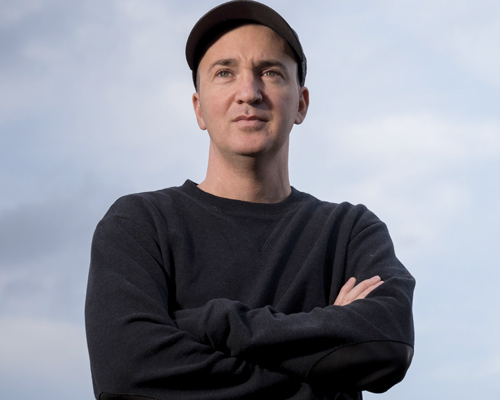
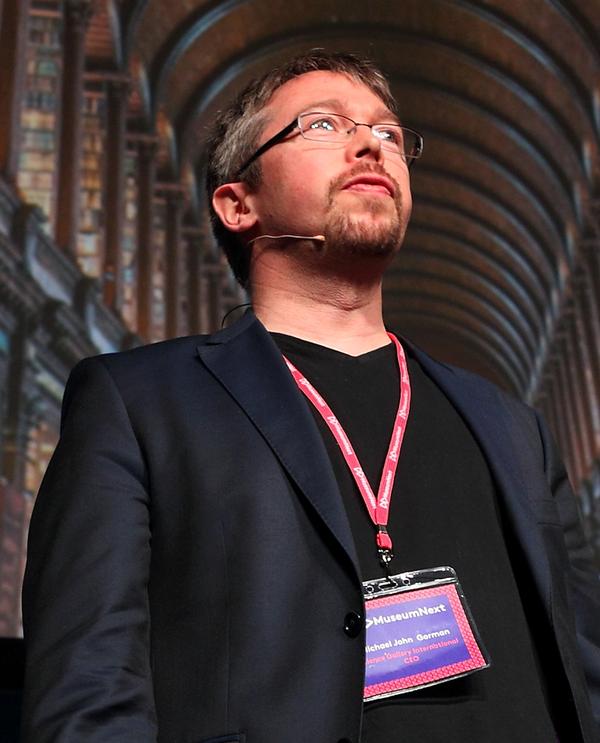
Speaking at MuseumNext on his last day as CEO of Science Gallery International, Gorman detailed several unique concepts from the institution, which he says can open up conversation at the boundaries between science and art. The VR chicken project, known as Second Livestock, was the most intriguing.
“I think it’s a wonderful example of a project that provokes you and makes you think about what kind of future we want to live in,” says Gorman. “The idea is that battery chickens or battery hens could feel like free range chickens in VR. It’s great because it brings you into that space of conversation about what kind of world and what kind of industry we want to have. It’s a conversation provocation.”
Non-museums The conference concluded with a roundtable discussion about issues that affect the museum sector today. One topic was non-museums – brand houses such as the new Louis Vuitton Foundation in Paris, for example – moving into the museum space.
The panel – made up of National Museums Directors’ Council policy and projects manager Katie Childs; Fiona Ross, founding director EPIC Ireland; Ngaire Blankenberg, who acts as European director and principal consultant at Lord Cultural Resources; and Shannon Darrough, who leads the Department of Digital Media at New York’s Museum of Modern Art – discussed how the sector should react to brand homes effectively stepping on its territory.
“We’re all competing for people’s attention on that Saturday afternoon,” says Darrough. “As more and more people enter this field there’s more and more stuff to take up our time. I think it’s something we all have to learn, support and embrace. It will be challenging though. At MoMA, we’re lucky enough to be a museum that has such a great collection and reputation, but for other places it could be tough.”
MuseumNext returns later this year when the event comes to New York on 14-15 November with two days of curated presentations on the theme of Transformation. The event then goes to Australia for the first time in February 2017, with museums and galleries from around the world coming together to highlight best practice, discuss the latest trends and think about what’s next for museums.
Read more from this issue of Attractions Management magazine
View contents of Attractions Management 2016 issue 2
Promotional feature: IDEATTACK
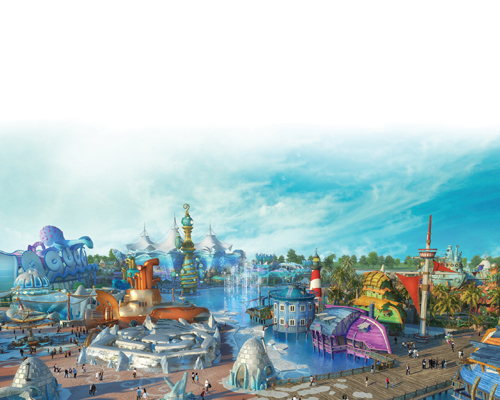
IDEATTACK’s new project in Hainan, China,
introduces the storytelling elements of a
theme park to the oceanarium concept
Science Museums: Shaping Tomorrow
Brazil’s Museum of Tomorrow uses
constantly updating, real-time digital
collection to communicate with visitors.
We met members of the team
Promotional feature: EAS
This year, the Euro Attractions Show is
coming to the Spanish city of Barcelona
Disney Special: Shanghai Disney: The Best Yet?
As Disney opens its first resort in mainland
China, our special feature examines its
business model, its potential impact and
the modernisation of the Disney castle park
New Openings: Space Inversion
A new contemporary museum district
in the Netherlands – Museumplein
Limburg – features a science centre,
a design museum and an inverted
planetarium. We take a closer look
Promotional feature: Polin
Polin’s patented technologies, extensive R&D and creative flair have made it one of the world’s leading waterpark design and manufacturing companies
Waterparks: Taking the Plunge
Waterpark suppliers constantly develop
their product offers. We dive into the
world of waterpark R&D to find out more
Zoos & Aquariums: The Long Game
UK safari park Longleat is undertaking a
decade-long upgrade that starts by going
back to its roots. As the attraction turns
50, CEO Bob Montgomery explains how
he’s bridging the past and the future
MuseumNext European conference in Dublin, Ireland / ALL PHOTOS: MUSEUMNEXT
Drawing museum delegates and officials from all over the world since 2009, the MuseumNext event shines a light on the future of museums and how today’s museums are adapting to an ever-changing climate.
One of the highlights of this year’s event in Dublin was a talk by James Davis from the Google Cultural Institute. When the Institute opened its doors in 2001, its goal was to make important cultural material available and accessible to everyone and to digitally preserve it to educate and inspire future generations.
Davis addressed a packed Mansion House to talk about the Institute’s growth, the new products it has launched, such as Google Cardboard, and offered a glimpse at what they have in store next.
Following his talk, Davis told Attractions Management that the Institute is just at the start of its journey. As accessibility increases, he says, so will interest in arts and culture.
“I think digital culture is heading to much bigger audiences,” Davis says. “One of the compelling reasons to have digital cultural experiences is that if you’re interested in something the other side of the world, that might be an obstacle for you going to see it. However if it’s available directly from your pocket, then it’s extremely accessible to you.
“We’re absolutely convinced that the global audience for culture will increase because of people having access to cultural organisations all around the world and as a result I think and hope that physical attendance will increase,” he says.
“It’s something we’ve begun to see anecdotally. If you get a larger audience interested in this topic – for example, introducing people to a particular museum for the very first time – some of them are going to go to that museum when they weren’t beforehand simply because they hadn’t heard of it. That’s the direction that the Google Cultural Institute is going.”
Second Livestock Google has developed many interesting technologies, but it has never created anything as outlandish as VR for chickens. It’s a concept that Michael John Gorman believes can spark interest in science and start a debate within a museum setting.
Speaking at MuseumNext on his last day as CEO of Science Gallery International, Gorman detailed several unique concepts from the institution, which he says can open up conversation at the boundaries between science and art. The VR chicken project, known as Second Livestock, was the most intriguing.
“I think it’s a wonderful example of a project that provokes you and makes you think about what kind of future we want to live in,” says Gorman. “The idea is that battery chickens or battery hens could feel like free range chickens in VR. It’s great because it brings you into that space of conversation about what kind of world and what kind of industry we want to have. It’s a conversation provocation.”
Non-museums The conference concluded with a roundtable discussion about issues that affect the museum sector today. One topic was non-museums – brand houses such as the new Louis Vuitton Foundation in Paris, for example – moving into the museum space.
The panel – made up of National Museums Directors’ Council policy and projects manager Katie Childs; Fiona Ross, founding director EPIC Ireland; Ngaire Blankenberg, who acts as European director and principal consultant at Lord Cultural Resources; and Shannon Darrough, who leads the Department of Digital Media at New York’s Museum of Modern Art – discussed how the sector should react to brand homes effectively stepping on its territory.
“We’re all competing for people’s attention on that Saturday afternoon,” says Darrough. “As more and more people enter this field there’s more and more stuff to take up our time. I think it’s something we all have to learn, support and embrace. It will be challenging though. At MoMA, we’re lucky enough to be a museum that has such a great collection and reputation, but for other places it could be tough.”
MuseumNext returns later this year when the event comes to New York on 14-15 November with two days of curated presentations on the theme of Transformation. The event then goes to Australia for the first time in February 2017, with museums and galleries from around the world coming together to highlight best practice, discuss the latest trends and think about what’s next for museums.
Read more from this issue of Attractions Management magazine
View contents of Attractions Management 2016 issue 2
Promotional feature: IDEATTACK
IDEATTACK’s new project in Hainan, China,
introduces the storytelling elements of a
theme park to the oceanarium concept
Science Museums: Shaping Tomorrow
Brazil’s Museum of Tomorrow uses
constantly updating, real-time digital
collection to communicate with visitors.
We met members of the team
Promotional feature: EAS
This year, the Euro Attractions Show is
coming to the Spanish city of Barcelona
Disney Special: Shanghai Disney: The Best Yet?
As Disney opens its first resort in mainland
China, our special feature examines its
business model, its potential impact and
the modernisation of the Disney castle park
New Openings: Space Inversion
A new contemporary museum district
in the Netherlands – Museumplein
Limburg – features a science centre,
a design museum and an inverted
planetarium. We take a closer look
Promotional feature: Polin
Polin’s patented technologies, extensive R&D and creative flair have made it one of the world’s leading waterpark design and manufacturing companies
Waterparks: Taking the Plunge
Waterpark suppliers constantly develop
their product offers. We dive into the
world of waterpark R&D to find out more
Zoos & Aquariums: The Long Game
UK safari park Longleat is undertaking a
decade-long upgrade that starts by going
back to its roots. As the attraction turns
50, CEO Bob Montgomery explains how
he’s bridging the past and the future
OMA has completed a major transformation of New York's New Museum, creating a larger
cultural campus that combines expanded exhibition spaces with learning, performance,
hospitality and public programming.
A US$50 million (£44.2 million, €51.2 million) transformation of Chicago's historic McCormick
Mansion has created a new destination that combines live magic, immersive theatre, dining and
private membership under one roof.
The Montana Historical Society has officially celebrated the opening of its new Montana
Heritage
Center, a US$107 million (£79 million, €92 million) destination that combines immersive
storytelling with cutting-edge audiovisual technology to bring the sta
San Antonio Zoo has reported a US$283 million economic impact for 2025, following a decade-
long transformation programme that has seen almost US$200 million invested into the Texas
attraction.
Plans for the AU$180 million redevelopment of Reef HQ Aquarium in Townsville, Australia, are
progressing, with the project set to transform the attraction into a global centre for reef
education and conservation.
Abu Dhabi-based investment firm Mubadala Capital has made a binding, fully financed
€1 billion
offer to acquire Pierre and Vacances SA, the European holiday resort operator behind the
continental European Center Parcs business.
Disney has reaffirmed its commitment to investing US$30 billion in its US parks and cruise
business by 2033, using new America250 celebrations to underline the role its attractions play
in supporting jobs, tourism and economic growth.
Expo 2030 Riyadh is being planned as a permanent visitor destination, with organisers
confirming the six-million-square-metre site will become a Global Village after the event closes.
The owner of one of Australia's best-known waterparks has acquired a major competitor,
creating a new attractions business spanning two of the country's largest visitor destinations.
The Toverland theme park in the Netherlands has announced a €98m expansion programme
that will add a resort, new attractions and staff facilities as it pursues plans to become a multi-
day destination.