With a pan-Asian economy coming into play this year, a study by Stenden Rangsit University gauges industry opinion on spas across the region. Thai spa consumer trends were also observed. Research coordinator Prantik Bordoloi reports
By Prantik Bordoloi | Published in Spa Business 2015 issue 1
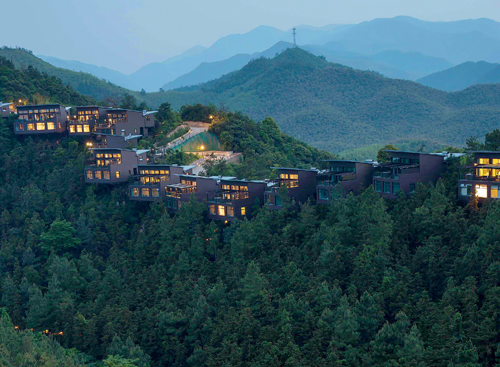
RarinJinda Wellness Spa Resort was one of a number of top operators
which sponsored the study
The impact of the 2015 ASEAN Economy Community (AEC) and spa-goer habits were the focus of Thailand’s 2014 Spa Industry Study which was revealed in September. The study by Stenden Rangsit University, in collaboration with the Thai Spa Association, was based on a survey of nearly 300 spa consumers and over 100 spa operators (see right) and provides some interesting insights.
Spas in the AEC This year, the anticipated AEC comes into effect, influencing businesses in Southeast Asia. The AEC is a single market initiative led by the Association of Southeast Asian Nations (ASEAN) which represents 10 member countries – Thailand, Singapore, Indonesia, Malaysia, the Philippines, Brunei, Cambodia, Laos, Myanmar and Vietnam. Likened to the European Union, it will see the free movement of goods, services, investment, skilled labour and capital flow between the 10 countries.
With this in mind, the 2014 Spa Industry Study asked operators to compare certain aspects of the spa sector in eight ASEAN countries by ranking them on a scale of 1 to 5 (poor to excellent). It should be noted this part of the study was optional and is based on the views of 20 spa managers. The answers give some idea about which countries in the region will have the most robust spa industries in the wake of economic integration, as well as pinpointing those that will need to raise their game if they want compete with their neighbours. Overall strengths of spas in the region were also highlighted.
l Therapist skills, training and availability. Survey respondents (spa managers) feel spas in Thailand, Singapore and Indonesia are clearly in the strongest position when it comes to employees, and in many other areas too. They believe Thailand has the most skilled therapists out of all ASEAN countries – it scored an average of 3.9 out of 5 – followed by Indonesia and Singapore.
Meanwhile, it’s perceived that the best therapist training is available in Indonesia, with Thailand and Singapore a very close joint second. Although, training is thought to be the most frequent in Singapore.
When it comes to recruitment, survey respondents feel that both Thailand and Indonesia have the highest availability of therapists, after which comes the Philippines, then Singapore.
l Spa hygiene/standards, and infrastructure. In terms of hygiene/standards, and infrastructure, it was noted that spas in Singapore were ranked the highest by far (scores of 3.9 and 4.3 respectively) and that those in Thailand, Indonesia and Malaysia followed some way behind. Facilities in Cambodia and Myanmar are perceived as having the worst hygiene/standards and infrastructure. In fact, these two countries were consistently the bottom two scorers across all aspects, suggesting that there’s much room for improvement.
l Innovation. As far as innovation in spa therapies and products is concerned, Indonesia, Thailand and Singapore came top once again, with a better rating than other ASEAN countries. Yet respondents felt spas in Singapore had the most dynamic approach to marketing, giving a score of 3.9 points on average, compared to Thailand and Indonesia in joint second place on 3.2 points each.
Spa-goer trends As well as getting feedback from spa managers, the 2014 Spa Industry Study focused on the preferences of 295 spa-goers. Most questions were presented in a multiple-choice format with respondents indicating how often they to do something, or how they rated things on a scale of 1 to 5 (1 being least often or poor).
On average, spa-goers had visited a spa seven times in the previous 12 months and when choosing where to go, online is the favourite source for spa consumers in Thailand, followed by recommendations from friends and social media. Websites and social media are also the two marketing tools used most frequently by spas.
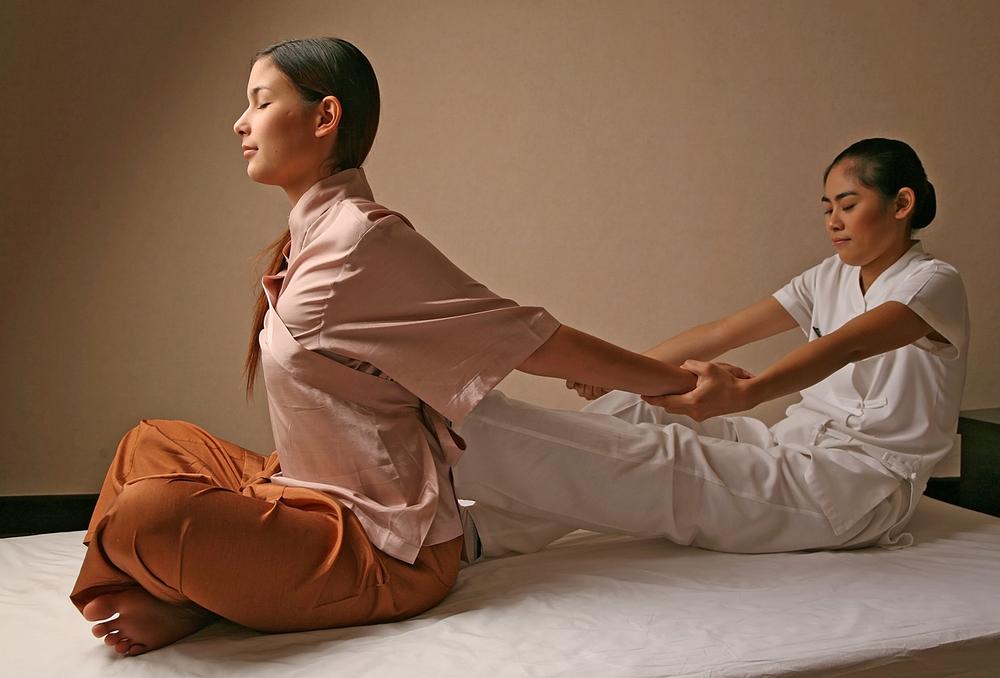
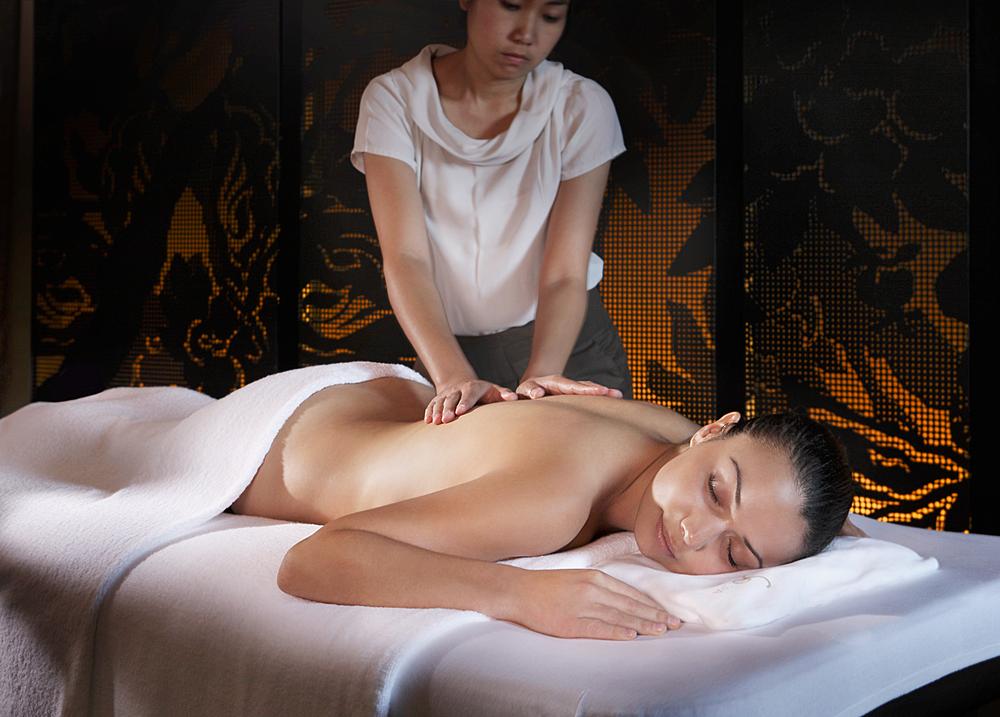
Relaxation remains the primary reason for visiting a spa in Thailand, the study found. Rewarding or spoiling oneself, maintaining a healthy lifestyle and health issues are the three purposes that came in a close second. Meanwhile, Thai massage, foot massage and aromatherapy massage are the most popular treatments.
In the future, it’s felt that facilities would benefit from highlighting the efficacy of services – 61 per cent of the spa managers questioned believe it’s important that treatment claims are scientifically validated. Using or linking up to resources like wellnessevidence.com – a search engine for existing research on spa modalities – might be useful in this case.
Most consumers in Thailand have a significant preference for female therapists, especially female consumers – 73 per cent of them said they prefer to have women administering their treatment. And the top three important characteristics of therapists for spa consumers are pleasant behaviour, the ability to explain treatments and responding to individual customer needs.
In addition, spa managers feel quality is key – 52 per cent of the managers questioned believe consumers are willing to pay more for certified therapists, while 66 per cent feel that voluntary standards – such as belonging to a marketing consortia with qualifying benchmarks – attracts customers too. Yet in reality, the take up of voluntary standards is low. Out of 10 standards the study listed, Spa Excellence – a benchmark by verification company SGS Thailand and the Thai Spa Association – was the most popular and even then only 24 per cent of spa operators were signed up to it.
As part of the study, spa-goers were asked how much a spa visit usually costs. Most think they spend between THB750-THB1,500 (US$23-US$46, €18-€37, £14-£29), a category picked by 31 per cent of the respondents picked; followed by THB1,501-THB3,000 (US$46-US$91, €37-€73, £29-£58), the range that 18.8 per cent of customers chose.
When buying products, it’s no surprise that price remains the most important consideration for all customer types. But after that, the top priorities are natural ingredients, organic ingredients and having a recognised brand.
A promising future In its conclusion, the 2014 Spa Industry Study asked spa-goers about future visits and expectations – and the results were promising. Eighty-three per cent of survey respondents say it’s likely, or very likely that they’ll visit a spa in the next 12 months. What’s more, they expect to visit an average of nine times, compared to seven visits in the previous 12 months.
Spend could potentially increase too. Forty-nine per cent of Thai spa-goers think they’ll spend more than THB1,500 (US$46, €37, £29) in the next 12 months – that’s 8 per cent more people than last year.
But in return, spa-goers have some clear demands. They’d like to see more discounts on treatments or packages for repeat customers, as well as customised services. Next on the list was an expectation for spas in Thailand to have more respect for traditional treatments. Consumers are less bothered about the improvement or expansion of facilities, décor refurbishments or having healthy food/spa cuisine options.
Given the findings of the study, it seems operators who meet these requests, will be setting themselves up as recipients for that all important extra spa visit or increased revenue spend.
A full copy of this report is available from the Thai Spa Association.
Details: www.thaispaassociation.com
Read more from this issue of Attractions Management magazine
View contents of Attractions Management 2015 issue 1
Letters: Letters
We need sales people in spas says consultant Helen Merchant
Interview -Rich Weissmann: Rich Weissmann
Weissmann, a partner at private equity firm KSL, talks spa investment with Rhianon Howells and reveals its plans for the Miraval brand
Wellness: All in the mind
Twin Peaks director David Lynch has a foundation which uses meditation to help those facing extreme trauma and stress. Julie Cramer talks to the foundation’s co-founder Bob Roth
Spa consumer findings for Thailand’s 2014 Spa Industry Study report were based on a survey of 295 spa-goers including Thai nationals (75 per cent), non-Thai expatriates (10 per cent) and tourists (15 per cent) who gave international representation to the sample. Thirty-two per cent of respondents were men and 68 per cent were female.
In addition, 115 national and international spa managers were also surveyed online, and 20 of them took part in an optional questionnaire asking them to compare the ASEAN countries on certain aspects of the spa industry.
Stenden Rangsit University has offered a Spa & Health Management minor programme, regularly collaborating with the Thai Spa Association, for eight years. The research was an extension of this partnership.
Prantik Bordoloi is a research coordinator, Stenden Rangsit University Email: prantik.bordoloi @stenden.com Twitter: @prantikbordoloi
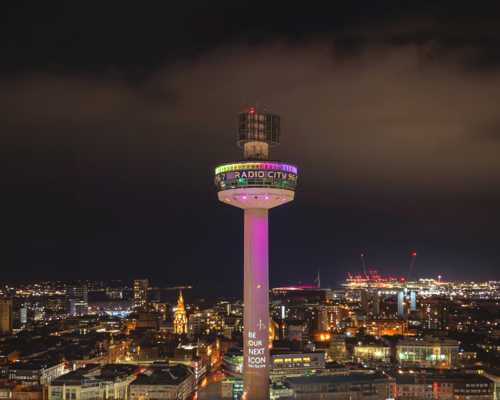
An opportunity to reimagine one of the UK’s most recognisable towers has been formally
opened by Rivington Hark, as St Johns Beacon invites operators and partners to shape its
next phase. [more...]
With a pan-Asian economy coming into play this year, a study by Stenden Rangsit University gauges industry opinion on spas across the region. Thai spa consumer trends were also observed. Research coordinator Prantik Bordoloi reports
By Prantik Bordoloi | Published in Spa Business 2015 issue 1
RarinJinda Wellness Spa Resort was one of a number of top operators
which sponsored the study
The impact of the 2015 ASEAN Economy Community (AEC) and spa-goer habits were the focus of Thailand’s 2014 Spa Industry Study which was revealed in September. The study by Stenden Rangsit University, in collaboration with the Thai Spa Association, was based on a survey of nearly 300 spa consumers and over 100 spa operators (see right) and provides some interesting insights.
Spas in the AEC This year, the anticipated AEC comes into effect, influencing businesses in Southeast Asia. The AEC is a single market initiative led by the Association of Southeast Asian Nations (ASEAN) which represents 10 member countries – Thailand, Singapore, Indonesia, Malaysia, the Philippines, Brunei, Cambodia, Laos, Myanmar and Vietnam. Likened to the European Union, it will see the free movement of goods, services, investment, skilled labour and capital flow between the 10 countries.
With this in mind, the 2014 Spa Industry Study asked operators to compare certain aspects of the spa sector in eight ASEAN countries by ranking them on a scale of 1 to 5 (poor to excellent). It should be noted this part of the study was optional and is based on the views of 20 spa managers. The answers give some idea about which countries in the region will have the most robust spa industries in the wake of economic integration, as well as pinpointing those that will need to raise their game if they want compete with their neighbours. Overall strengths of spas in the region were also highlighted.
l Therapist skills, training and availability. Survey respondents (spa managers) feel spas in Thailand, Singapore and Indonesia are clearly in the strongest position when it comes to employees, and in many other areas too. They believe Thailand has the most skilled therapists out of all ASEAN countries – it scored an average of 3.9 out of 5 – followed by Indonesia and Singapore.
Meanwhile, it’s perceived that the best therapist training is available in Indonesia, with Thailand and Singapore a very close joint second. Although, training is thought to be the most frequent in Singapore.
When it comes to recruitment, survey respondents feel that both Thailand and Indonesia have the highest availability of therapists, after which comes the Philippines, then Singapore.
l Spa hygiene/standards, and infrastructure. In terms of hygiene/standards, and infrastructure, it was noted that spas in Singapore were ranked the highest by far (scores of 3.9 and 4.3 respectively) and that those in Thailand, Indonesia and Malaysia followed some way behind. Facilities in Cambodia and Myanmar are perceived as having the worst hygiene/standards and infrastructure. In fact, these two countries were consistently the bottom two scorers across all aspects, suggesting that there’s much room for improvement.
l Innovation. As far as innovation in spa therapies and products is concerned, Indonesia, Thailand and Singapore came top once again, with a better rating than other ASEAN countries. Yet respondents felt spas in Singapore had the most dynamic approach to marketing, giving a score of 3.9 points on average, compared to Thailand and Indonesia in joint second place on 3.2 points each.
Spa-goer trends As well as getting feedback from spa managers, the 2014 Spa Industry Study focused on the preferences of 295 spa-goers. Most questions were presented in a multiple-choice format with respondents indicating how often they to do something, or how they rated things on a scale of 1 to 5 (1 being least often or poor).
On average, spa-goers had visited a spa seven times in the previous 12 months and when choosing where to go, online is the favourite source for spa consumers in Thailand, followed by recommendations from friends and social media. Websites and social media are also the two marketing tools used most frequently by spas.
Relaxation remains the primary reason for visiting a spa in Thailand, the study found. Rewarding or spoiling oneself, maintaining a healthy lifestyle and health issues are the three purposes that came in a close second. Meanwhile, Thai massage, foot massage and aromatherapy massage are the most popular treatments.
In the future, it’s felt that facilities would benefit from highlighting the efficacy of services – 61 per cent of the spa managers questioned believe it’s important that treatment claims are scientifically validated. Using or linking up to resources like wellnessevidence.com – a search engine for existing research on spa modalities – might be useful in this case.
Most consumers in Thailand have a significant preference for female therapists, especially female consumers – 73 per cent of them said they prefer to have women administering their treatment. And the top three important characteristics of therapists for spa consumers are pleasant behaviour, the ability to explain treatments and responding to individual customer needs.
In addition, spa managers feel quality is key – 52 per cent of the managers questioned believe consumers are willing to pay more for certified therapists, while 66 per cent feel that voluntary standards – such as belonging to a marketing consortia with qualifying benchmarks – attracts customers too. Yet in reality, the take up of voluntary standards is low. Out of 10 standards the study listed, Spa Excellence – a benchmark by verification company SGS Thailand and the Thai Spa Association – was the most popular and even then only 24 per cent of spa operators were signed up to it.
As part of the study, spa-goers were asked how much a spa visit usually costs. Most think they spend between THB750-THB1,500 (US$23-US$46, €18-€37, £14-£29), a category picked by 31 per cent of the respondents picked; followed by THB1,501-THB3,000 (US$46-US$91, €37-€73, £29-£58), the range that 18.8 per cent of customers chose.
When buying products, it’s no surprise that price remains the most important consideration for all customer types. But after that, the top priorities are natural ingredients, organic ingredients and having a recognised brand.
A promising future In its conclusion, the 2014 Spa Industry Study asked spa-goers about future visits and expectations – and the results were promising. Eighty-three per cent of survey respondents say it’s likely, or very likely that they’ll visit a spa in the next 12 months. What’s more, they expect to visit an average of nine times, compared to seven visits in the previous 12 months.
Spend could potentially increase too. Forty-nine per cent of Thai spa-goers think they’ll spend more than THB1,500 (US$46, €37, £29) in the next 12 months – that’s 8 per cent more people than last year.
But in return, spa-goers have some clear demands. They’d like to see more discounts on treatments or packages for repeat customers, as well as customised services. Next on the list was an expectation for spas in Thailand to have more respect for traditional treatments. Consumers are less bothered about the improvement or expansion of facilities, décor refurbishments or having healthy food/spa cuisine options.
Given the findings of the study, it seems operators who meet these requests, will be setting themselves up as recipients for that all important extra spa visit or increased revenue spend.
A full copy of this report is available from the Thai Spa Association.
Details: www.thaispaassociation.com
Read more from this issue of Attractions Management magazine
View contents of Attractions Management 2015 issue 1
Letters: Letters
We need sales people in spas says consultant Helen Merchant
Interview -Rich Weissmann: Rich Weissmann
Weissmann, a partner at private equity firm KSL, talks spa investment with Rhianon Howells and reveals its plans for the Miraval brand
Wellness: All in the mind
Twin Peaks director David Lynch has a foundation which uses meditation to help those facing extreme trauma and stress. Julie Cramer talks to the foundation’s co-founder Bob Roth
Spa consumer findings for Thailand’s 2014 Spa Industry Study report were based on a survey of 295 spa-goers including Thai nationals (75 per cent), non-Thai expatriates (10 per cent) and tourists (15 per cent) who gave international representation to the sample. Thirty-two per cent of respondents were men and 68 per cent were female.
In addition, 115 national and international spa managers were also surveyed online, and 20 of them took part in an optional questionnaire asking them to compare the ASEAN countries on certain aspects of the spa industry.
Stenden Rangsit University has offered a Spa & Health Management minor programme, regularly collaborating with the Thai Spa Association, for eight years. The research was an extension of this partnership.
Prantik Bordoloi is a research coordinator, Stenden Rangsit University Email: prantik.bordoloi @stenden.com Twitter: @prantikbordoloi
Hotel de France, located on the British Isle of Jersey, has created a wellness retreat package
that includes a hot yoga session that will take place in Jersey Zoo’s butterfly sanctuary.
A new immersive attraction designed to transport visitors into the final hours of ancient Pompeii
is preparing to open near the world-famous archaeological site in southern Italy.
Experience design company, BRC Imagination Arts, has completed a transition that sees founder
Bob Rogers pass ownership of the business to four long-serving senior executives, while
remaining actively involved with the company.
Movie Park Germany has opened a new Paramount Pictures-themed attraction as part of its 30th
anniversary celebrations, using immersive storytelling and adaptive reuse to reinforce the park’s
longstanding “Hollywood in Germany” positioning.
Therme Manchester’s 28-acre development, which will include interconnected glass pavilions
that measure 65,000sq m, will be the largest bathing and wellbeing attraction in the world once
complete, according to prof David Russell, CEO of Therme UK.
Efteling has opened Hooghmoed, a new family drop tower designed to broaden the appeal of its
recently launched Sirene Island themed area and introduce younger visitors to thrill attractions.
A proposed Puy du Fou development near Bicester and Universal Destinations and Experiences’
planned resort in Bedford are emerging as part of a wider transformation of the Oxford–
Cambridge Growth Corridor into a major centre for UK leisure and tourism inv
Shedd Aquarium has opened the Immersion Theater developed in partnership with SimEx-
Iwerks, as part of a wider strategy to enhance the guest experience and create additional
revenue opportunities.
The UK government has announced a temporary reduction in VAT on visitor attractions and
children’s meals as part of a summer cost-of-living support package designed to stimulate the
visitor economy and encourage family days out.
As designer Yinka Ilori prepares for his first solo gallery show in London, he speaks exclusively
to CLADmag about his mission to spread joy, the power of play, and his bold approach to using
colour (including the colours you won’t see in his work).
The government of Thailand is exploring plans for a THB300bn (£6.3bn, US$8.3bn)
entertainment complex in the country’s Eastern Economic Corridor (EEC), with officials
proposing a large-scale theme park and sports destination as part of a broader tourism and
economic development strategy.
+ More news
COMPANY PROFILES
Taylor Made Designs Founded in 1993, Taylor Made
Designs supply corporate clothing
and brand-enhancing merchandise
to [more...]
Holovis Holovis is a privately owned company
established in 2004 by CEO Stuart
Hetherington. [more...]
Clip 'n Climb Clip ‘n Climb currently offers facility owners and
investors more than 40 colourful and unique
Cha [more...]
QubicaAMF UK QubicaAMF is the largest and most
innovative bowling equipment provider with
600 employees worldwi [more...]
An opportunity to reimagine one of the UK’s most recognisable towers has been formally
opened by Rivington Hark, as St Johns Beacon invites operators and partners to shape its
next phase. [more...]