With more than two decades
of experience creating high quality
original content, nWave looks
ahead as it continues to produce
its own industry-leading creations
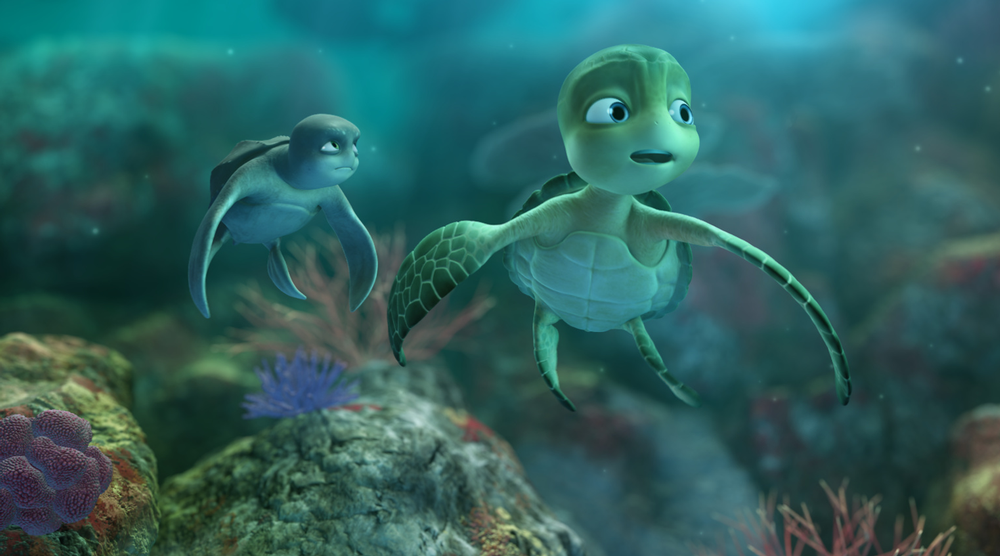
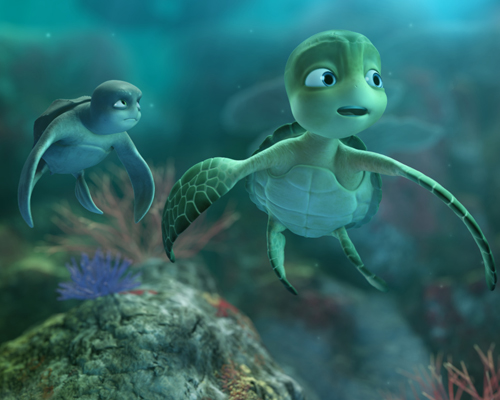
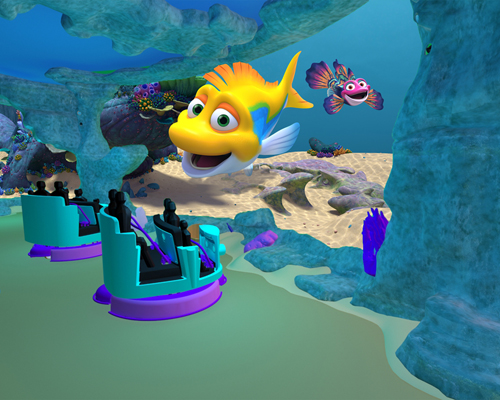
nWave creations include a Turtle’s Tale: Sammy’s Adventures
Wave Pictures boasts one of the biggest collections of independent 3D/4D films for rides, large format theatres and attractions and since 2008 has produced its own feature-length 3D/4D films.
Established in 1994 by film producer and Golden Globe nominee Ben Stassen among others, nWave has steadily grown over the years to become not only an animation studio but a trusted partner to thousands of special venues all over the world.
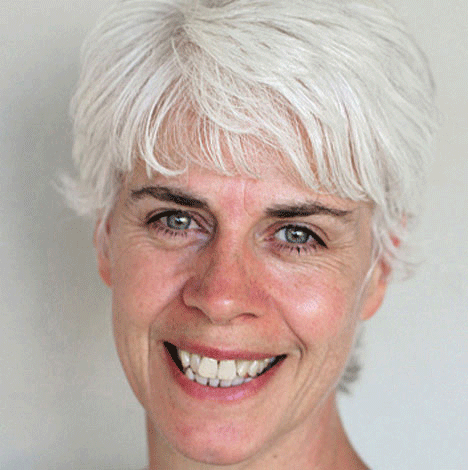
Attractions Management met with two of the company’s leading women, CEO and producer Caroline Van Iseghem and sales director Goedele Gillis, to find out more about the nWave story.
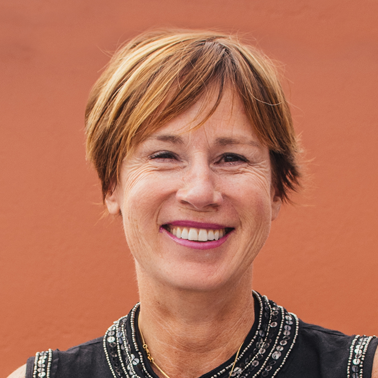
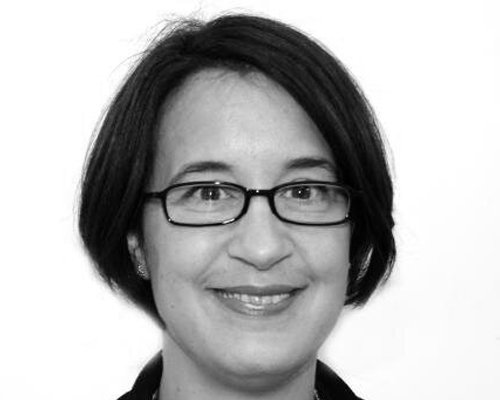
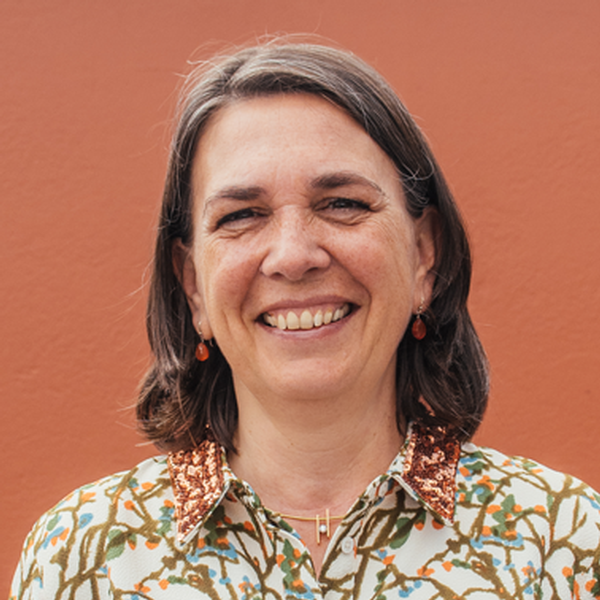
Caroline Van Iseghem, CEO and producer, nWave Pictures
What’s your role at nWave? I’m the producer and I handle everything related to the studio, such as our feature films and attractions. I’m also responsible for the studio’s day-to-day tasks, such as hiring staff, running the team, managing the budget, overseeing departmental workflow and purchasing the equipment.
How long have you been in the industry? I started in 1989 with the Belgian CGI company Little Big One, which was the first Belgian company to own a CGI department. We had one computer that took up half the room, with two processors I think. From this first adventure with Little Big One sprung two CGI companies, including Movida which I developed over the years and we started off with the production of a ride simulation film called Volcano Mine Ride under the direction of Ben Stassen. After a while, we merged our companies in order to meet the growing demand from special venues, which is how nWave was born.
What made the new company different? We started by doing adverts, TV, corporate jobs and things like that. You can survive with that and you always have plenty of work, but it’s mainly small productions.
But we quickly created our own business model. We decided to build a library of multimedia content. At that time, it was very expensive for theatres to have their own film product. A four-minute ride simulation film could cost €750,000 or more, so we decided to create and distribute our own content. We started to create our own library and charged the theatres for the product based on the number of seats, the size of the theatre and the length of the contract. We also charged a premium to keep the content exclusive within a certain area, so that a competitor could not offer something similar.
We moved on to making feature films in 2008, our first being Fly Me To The Moon, which was the first stereographic 3D feature animation. Every year we make a new feature film and create complementary attraction films to keep the library fresh.
How has the business grown since 2008? When we make a feature animation film, we always do one or two attractions films based on that feature film. We now have about 110 people working here.
There’s a constant workflow. We don’t want to force people to look for work in between productions. On the contrary, we want them to have the opportunity of making a career among us – if they want to of course – rather than recruiting them as freelancers like other studios do.
I’m happy to have kept the same team because good technicians can be very difficult to find. I’ll never forget when we started Fly Me To The Moon, I was stressed.
You need a range of different talents and it was so hard to recruit people, especially when you’re not well-known, like other well-known studios.
And how did you manage? It was impossible to find qualified, experienced people, but we had to find a solution, so I decided to hire final-year students from the ESMA school and we worked on Fly Me To The Moon with only a handful of experienced people and the rest fresh out of school.
Do you have a company culture that makes people want to stay longer-term? Yes, my desire is to keep our animators for more than one production. We offer them full-time employment from one film to the next, even if we have a gap.
As a result, we have people who have been with us for eight, even ten years, which is unusual in this field. Of course that has a cost, and that’s why we go from one production to another. It’s my job to ensure our different departments have a steady, constant workflow.
Our people work hard but I don’t want them to spend the night at work. I think it’s important to make sure everyone can combine their work with their personal lives and have enough time to dedicate to their family and hobbies.
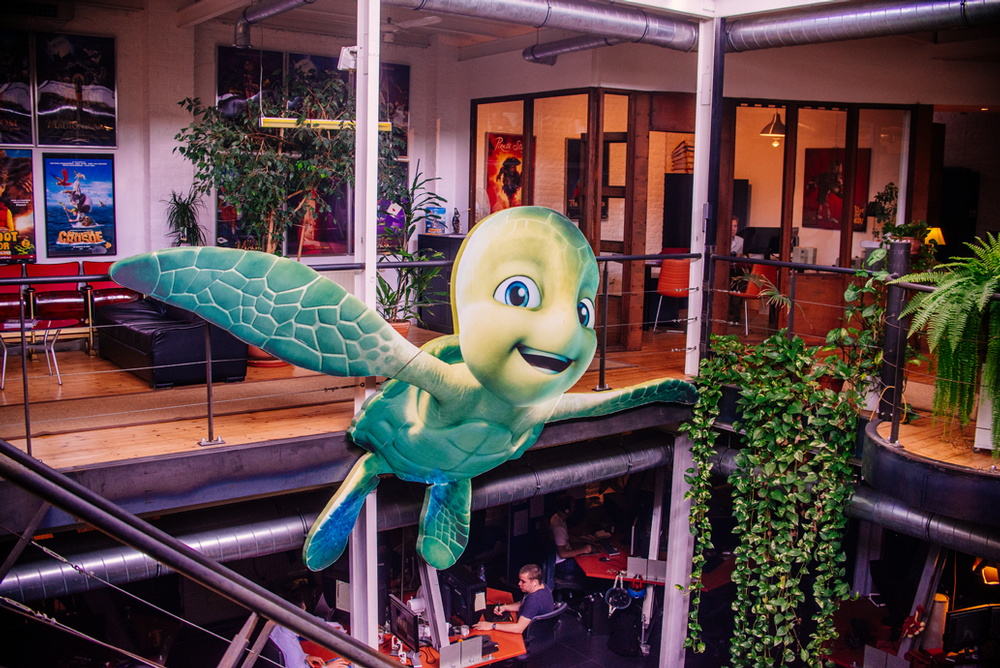
We also try to accommodate our working space and make it as welcoming as possible. For example, we bought this building in the late 1990s, and we’ve been able to accommodate a small gym space for our most athletic members.
After the script is chosen, what’s the production process? We start with the concept of characters and sets. In parallel, we start working on a storyboard, and afterwards we start working on the layout, animation, modelling and shading.
Unlike some of the bigger studios, where they have a vertical hierarchy, here it’s only one line – me for the production and Ben for the direction. This means we can make decisions on the spot.
Would you say there’s a style that defines an nWave film? I think we do have a style. People say that we have a realistic look. I mean, it’s CG, but it’s realistic in a sense. It’s about how you’re going to create the images. To be more specific, it’s a question of shading, texture and lighting. We also adopt a different angle in our stories, if you look at Fly Me to The Moon or The Son Of Bigfoot, there’s our own nWave twist.
In terms of technology, how much have things changed? Well, 20 years ago you didn’t have the creative people. To work on 3D, you almost had to be an engineer or at least have some technical skills. If you didn’t have that, you couldn’t create anything on the computer because it was so difficult and not as user-friendly at all as it is today. Today we have an array of softwares to choose from. Therefore, people can now focus on the creative aspect first, rather than the technical aspect. Naturally, we always need TD profiles to support our artists.
Expectations from people are also higher and our animators constantly strive to get better results. They want to achieve more freedom and fluidity in the animation.
Each department strives to improve with the tools they have.
How do you maintain nWave’s standards? Thanks to our experience. Being a smaller company also means having more creative flexibility. You can choose to change position or department and evolve easily. Consequently, you can quickly become a supervisor if you want to. You can build your career, achieving this goal much faster than you could with other big companies.
Our software also improves with each project. Every year something new gets released but we now have the skills to develop our own tools to improve our programs according to our needs. As a result, we’re able to create our very own technical environment to help our animators focus on the creative aspect of their job.
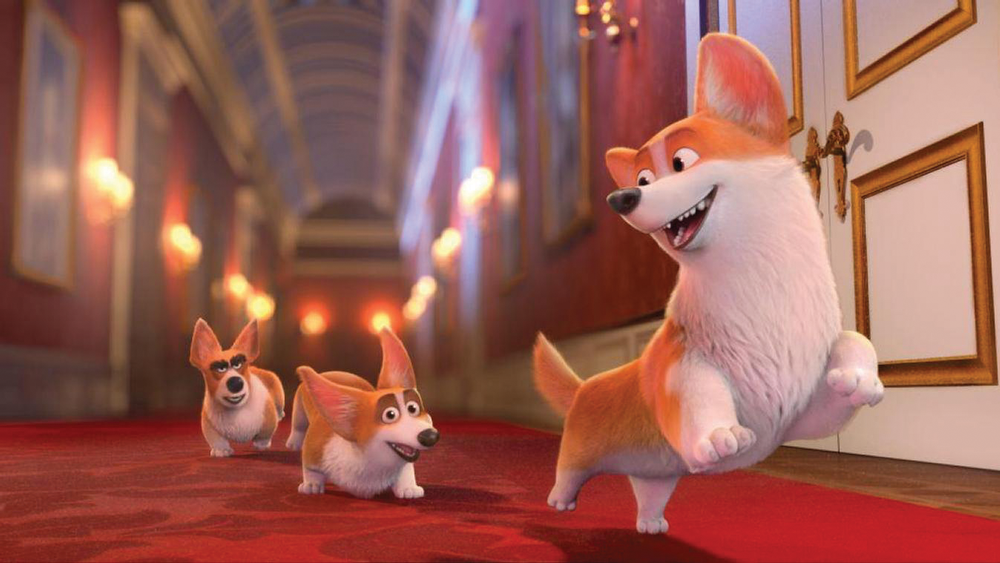
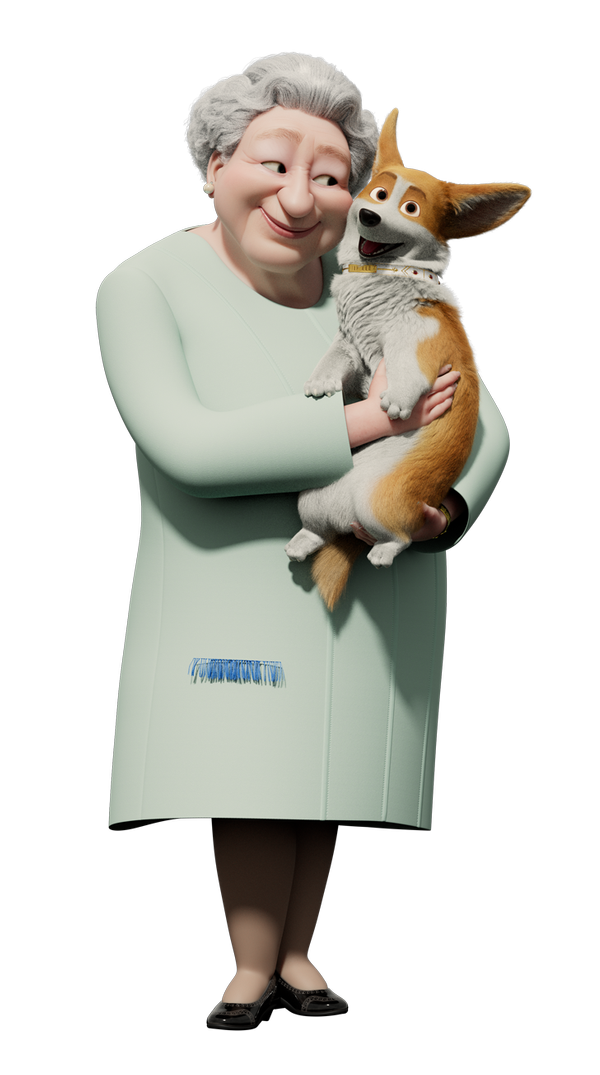
What are you working on in the studio at the moment? We’re currently putting the finishing touches to our new feature film, The Queen’s Corgi. The movie follows Rex, the British monarch’s favourite dog, who loses track of his mistress and stumbles across a fight club with dogs of all kinds confronting each other.
In his attempt to return to Buckingham Palace, Rex not only finds love, but also his true self, which is a theme we were happy to also explore with Bigfoot. The schedule is tight but the movie will be released in early 2019, depending on the territory.
Read more from this issue of Attractions Management magazine
View contents of Attractions Management 2018 issue 3
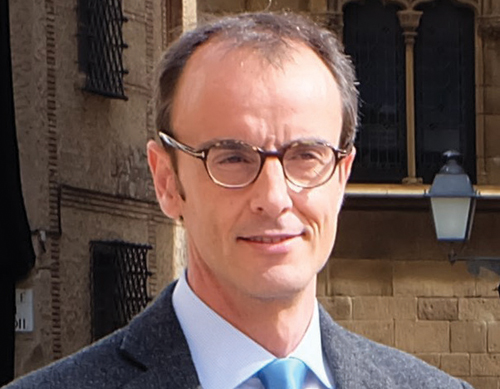
People profile: Anton Vidal
Anton Vidal is director general of Poble Espanyol which has completed a 10-year, €10m improvement plan
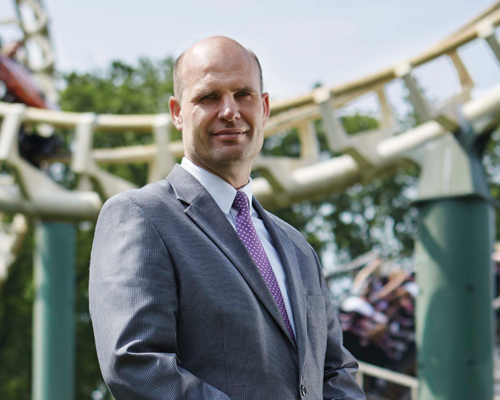
Interview: Coen Bertens
Fairytale theme park Efteling has
gone from strength to strength
during its 65-year history, enchanting
more visitors last year than
ever before. We talk to COO Coen
Bertens about its success
Promotional feature: EAS - Learning curves
This year’s Euro Attractions Show promises to
be the biggest in the history of the event, with
a brand new schedule of seminars to match
Aquariums: High Waters
We visited the brand new Aquatis
Aquarium-Vivarium in Switzerland
for a journey through our planet’s
freshwater environments
Promotional feature: nWave - The big picture
With more than two decades
of experience creating high quality
original content, nWave looks
ahead as it continues to produce
its own industry-leading creations
Analysis: TEA/AECOM Theme Index 2017
The TEA/AECOM Report 2017 shows major theme park
operators had an outstanding year, while stabilised global
economies and strong investment planning bodes well
for the global attractions industry going forward
Analysis: EMEA Focus
Margreet Papamichael, founder of CLEAR Associates about what The TEA/AECOM Report 2017 means for the EMEA region
Review: MuseumNext
Intellectuals from across the
museums sector gathered recently for
the European edition of MuseumNext
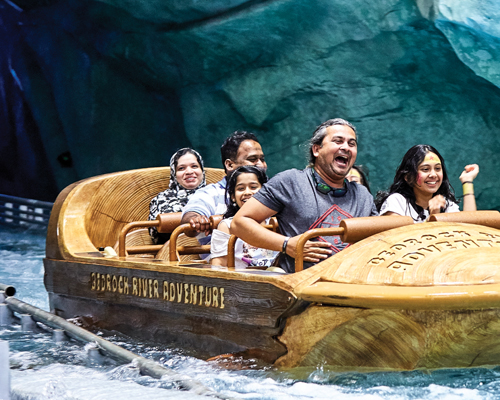
Theme parks: Playing the Looney Tune
As new and exciting leisure opportunities
increase in the Middle East, Yas
Island welcomes the US$1bn Warner
Bros World Abu Dhabi. We speak to
the two key members of the team
behind the landmark project
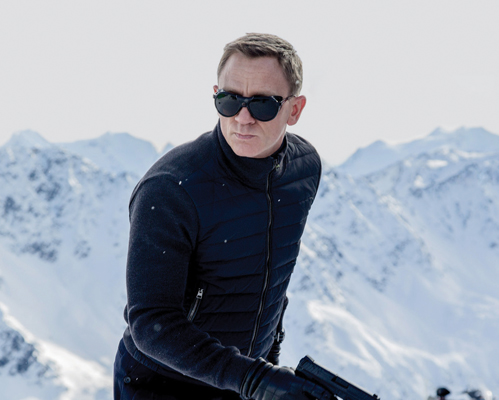
Museums: License to Thrill
A brand new James Bond visitor attraction,
nestled snugly inside a mountain peak
in Sölden, Austria, opened this July. We
talked to the operator and architect
Why do you think the clients in the attractions industry come to nWave? It’s nWave’s level of quality. There is other 3D content on the market, but only nWave 3D is the real deal. It pops into your face, and that’s what attracts people.
There’s also our reputation. We’ve been there for many years and we come up with new titles every year, so our clients know that if they sign a three-year contract, they will have a new movie next year and for the season after that. We also take good care of our customers and get back to them asap, if possible on the same day.
In our minds “the client is king” and we’ll do what we can to accommodate them.
A good client service and follow-up is one of the reasons they come to nWave.
Why is a 3D/4D offer so important to most attractions? In theme parks and attractions, people are looking for kicks. People want to be amazed and they want to be blown away by the dinosaur coming out of the screen or Big Foot trying to grab them. When the extra effects are added, that just makes the picture complete. And that’s something you will never find in a regular cinema.
It’s a strong part of the offer of theme parks because it’s also an effective way to get people in. That’s why they need a new title every year, to encourage return visits.
It used to be so expensive that parks had to keep the same title for four or five years. That’s why we wanted to create an independent library.
How do you work with your clients? It’s a big advantage of being a small company that we can be very flexible. Scandinavia is one territory, for example, but India is completely different. We don’t have to work from a price sheet. We find out what the client is looking for, we get to know them, we research their needs, their park and market, and we tailor the partnership.
We have clients that have been with nWave for 20 years or more. We have the odd client who wants to try something else but we will always maintain good communications with them, because they always come back.
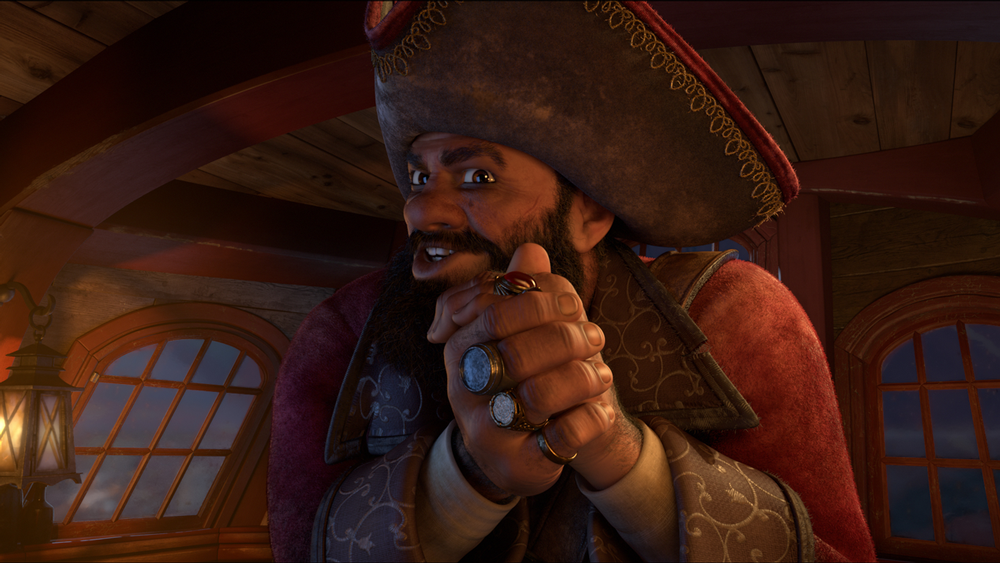
Can you talk a bit about what our readers could expect if they visit you at EAS or IAAPA this year? Well, we’ll have a new attraction, Jolly Roger. It’s all about pirates and excitement and fantastic 3D as always. That will be our biggest release for EAS and Orlando. There might be some surprises in Orlando, but that’s confidential – otherwise it’s not a surprise anymore! But I like to introduce the new attraction film at EAS because not all Europeans make the trip to Orlando.
What makes nWave so successful? One of the reasons for nWave’s success is that we’ve always kept true to our core business. Our core business is and will always be 3D movies, no matter the shape or length or medium, that’s what we’re known for. I think that that’s our strongpoint and that makes us recognisable.
“One of the reasons for nWave’s success is that we’ve always kept true to our core business”
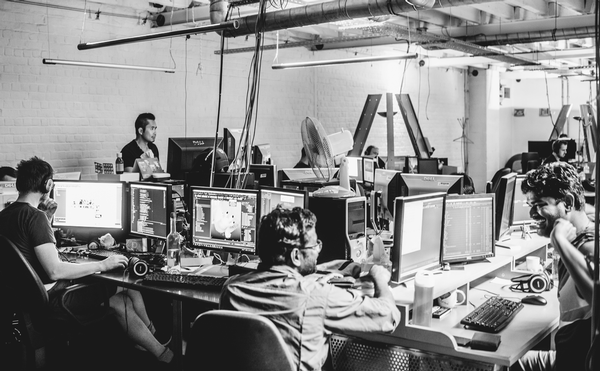
All of nWave’s productions are created in its in-house studio
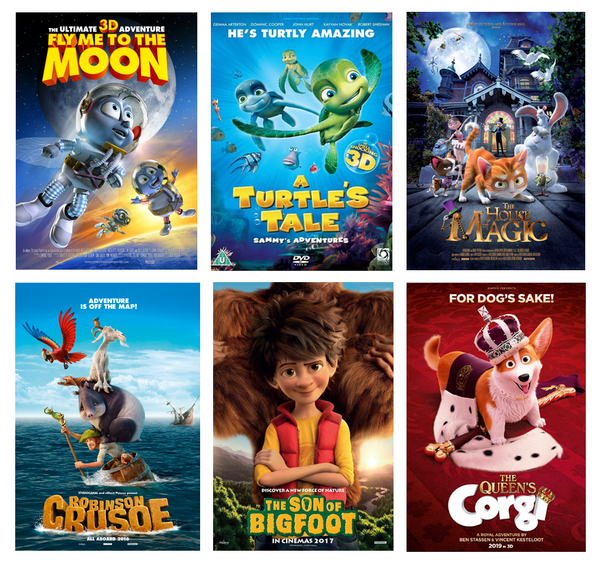
Some of nWave’s major feature films to date 2008 Fly Me to the Moon
2010 A Turtle’s Tale: Sammy’s Adventures
2012 A Turtle’s Tale 2: Sammy’s Escape from Paradise
2013 The House of Magic
2016 The Wild Life
2017 The Son of Bigfoot
2019 The Queen’s Corgi
nWave creations include upcoming releases including Jolly Roger
nWave creations include upcoming releases The Queen’s Corgi
Fly Me to the Moon was released by nWave in 2008
nWave was established in 1994 and has offices based in Brussels, Belgium and Los Angeles, California
nWave is working on a new film – The Queen’s Corgi
COMPANY PROFILES
IDEATTACK
IDEATTACK is a full-service planning and
design company with headquarters in
Los Angeles. [more...]
IAAPA EMEA
IAAPA Expo Europe was established in 2006 and has grown to the largest international conference and [more...]
instantprint
We’re a Yorkshire-based online printer, founded
in 2009 by Adam Carnell and James Kinsella. [more...]
RMA Ltd
RMA Ltd is a one-stop global company
that can design, build and produce from a
greenfield site upw [more...]
With more than two decades
of experience creating high quality
original content, nWave looks
ahead as it continues to produce
its own industry-leading creations
nWave creations include a Turtle’s Tale: Sammy’s Adventures
Wave Pictures boasts one of the biggest collections of independent 3D/4D films for rides, large format theatres and attractions and since 2008 has produced its own feature-length 3D/4D films.
Established in 1994 by film producer and Golden Globe nominee Ben Stassen among others, nWave has steadily grown over the years to become not only an animation studio but a trusted partner to thousands of special venues all over the world.
Attractions Management met with two of the company’s leading women, CEO and producer Caroline Van Iseghem and sales director Goedele Gillis, to find out more about the nWave story.
Caroline Van Iseghem, CEO and producer, nWave Pictures
What’s your role at nWave? I’m the producer and I handle everything related to the studio, such as our feature films and attractions. I’m also responsible for the studio’s day-to-day tasks, such as hiring staff, running the team, managing the budget, overseeing departmental workflow and purchasing the equipment.
How long have you been in the industry? I started in 1989 with the Belgian CGI company Little Big One, which was the first Belgian company to own a CGI department. We had one computer that took up half the room, with two processors I think. From this first adventure with Little Big One sprung two CGI companies, including Movida which I developed over the years and we started off with the production of a ride simulation film called Volcano Mine Ride under the direction of Ben Stassen. After a while, we merged our companies in order to meet the growing demand from special venues, which is how nWave was born.
What made the new company different? We started by doing adverts, TV, corporate jobs and things like that. You can survive with that and you always have plenty of work, but it’s mainly small productions.
But we quickly created our own business model. We decided to build a library of multimedia content. At that time, it was very expensive for theatres to have their own film product. A four-minute ride simulation film could cost €750,000 or more, so we decided to create and distribute our own content. We started to create our own library and charged the theatres for the product based on the number of seats, the size of the theatre and the length of the contract. We also charged a premium to keep the content exclusive within a certain area, so that a competitor could not offer something similar.
We moved on to making feature films in 2008, our first being Fly Me To The Moon, which was the first stereographic 3D feature animation. Every year we make a new feature film and create complementary attraction films to keep the library fresh.
How has the business grown since 2008? When we make a feature animation film, we always do one or two attractions films based on that feature film. We now have about 110 people working here.
There’s a constant workflow. We don’t want to force people to look for work in between productions. On the contrary, we want them to have the opportunity of making a career among us – if they want to of course – rather than recruiting them as freelancers like other studios do.
I’m happy to have kept the same team because good technicians can be very difficult to find. I’ll never forget when we started Fly Me To The Moon, I was stressed.
You need a range of different talents and it was so hard to recruit people, especially when you’re not well-known, like other well-known studios.
And how did you manage? It was impossible to find qualified, experienced people, but we had to find a solution, so I decided to hire final-year students from the ESMA school and we worked on Fly Me To The Moon with only a handful of experienced people and the rest fresh out of school.
Do you have a company culture that makes people want to stay longer-term? Yes, my desire is to keep our animators for more than one production. We offer them full-time employment from one film to the next, even if we have a gap.
As a result, we have people who have been with us for eight, even ten years, which is unusual in this field. Of course that has a cost, and that’s why we go from one production to another. It’s my job to ensure our different departments have a steady, constant workflow.
Our people work hard but I don’t want them to spend the night at work. I think it’s important to make sure everyone can combine their work with their personal lives and have enough time to dedicate to their family and hobbies.
We also try to accommodate our working space and make it as welcoming as possible. For example, we bought this building in the late 1990s, and we’ve been able to accommodate a small gym space for our most athletic members.
After the script is chosen, what’s the production process? We start with the concept of characters and sets. In parallel, we start working on a storyboard, and afterwards we start working on the layout, animation, modelling and shading.
Unlike some of the bigger studios, where they have a vertical hierarchy, here it’s only one line – me for the production and Ben for the direction. This means we can make decisions on the spot.
Would you say there’s a style that defines an nWave film? I think we do have a style. People say that we have a realistic look. I mean, it’s CG, but it’s realistic in a sense. It’s about how you’re going to create the images. To be more specific, it’s a question of shading, texture and lighting. We also adopt a different angle in our stories, if you look at Fly Me to The Moon or The Son Of Bigfoot, there’s our own nWave twist.
In terms of technology, how much have things changed? Well, 20 years ago you didn’t have the creative people. To work on 3D, you almost had to be an engineer or at least have some technical skills. If you didn’t have that, you couldn’t create anything on the computer because it was so difficult and not as user-friendly at all as it is today. Today we have an array of softwares to choose from. Therefore, people can now focus on the creative aspect first, rather than the technical aspect. Naturally, we always need TD profiles to support our artists.
Expectations from people are also higher and our animators constantly strive to get better results. They want to achieve more freedom and fluidity in the animation.
Each department strives to improve with the tools they have.
How do you maintain nWave’s standards? Thanks to our experience. Being a smaller company also means having more creative flexibility. You can choose to change position or department and evolve easily. Consequently, you can quickly become a supervisor if you want to. You can build your career, achieving this goal much faster than you could with other big companies.
Our software also improves with each project. Every year something new gets released but we now have the skills to develop our own tools to improve our programs according to our needs. As a result, we’re able to create our very own technical environment to help our animators focus on the creative aspect of their job.
What are you working on in the studio at the moment? We’re currently putting the finishing touches to our new feature film, The Queen’s Corgi. The movie follows Rex, the British monarch’s favourite dog, who loses track of his mistress and stumbles across a fight club with dogs of all kinds confronting each other.
In his attempt to return to Buckingham Palace, Rex not only finds love, but also his true self, which is a theme we were happy to also explore with Bigfoot. The schedule is tight but the movie will be released in early 2019, depending on the territory.
Read more from this issue of Attractions Management magazine
View contents of Attractions Management 2018 issue 3
People profile: Anton Vidal
Anton Vidal is director general of Poble Espanyol which has completed a 10-year, €10m improvement plan
Interview: Coen Bertens
Fairytale theme park Efteling has
gone from strength to strength
during its 65-year history, enchanting
more visitors last year than
ever before. We talk to COO Coen
Bertens about its success
Promotional feature: EAS - Learning curves
This year’s Euro Attractions Show promises to
be the biggest in the history of the event, with
a brand new schedule of seminars to match
Aquariums: High Waters
We visited the brand new Aquatis
Aquarium-Vivarium in Switzerland
for a journey through our planet’s
freshwater environments
Promotional feature: nWave - The big picture
With more than two decades
of experience creating high quality
original content, nWave looks
ahead as it continues to produce
its own industry-leading creations
Analysis: TEA/AECOM Theme Index 2017
The TEA/AECOM Report 2017 shows major theme park
operators had an outstanding year, while stabilised global
economies and strong investment planning bodes well
for the global attractions industry going forward
Analysis: EMEA Focus
Margreet Papamichael, founder of CLEAR Associates about what The TEA/AECOM Report 2017 means for the EMEA region
Review: MuseumNext
Intellectuals from across the
museums sector gathered recently for
the European edition of MuseumNext
Theme parks: Playing the Looney Tune
As new and exciting leisure opportunities
increase in the Middle East, Yas
Island welcomes the US$1bn Warner
Bros World Abu Dhabi. We speak to
the two key members of the team
behind the landmark project
Museums: License to Thrill
A brand new James Bond visitor attraction,
nestled snugly inside a mountain peak
in Sölden, Austria, opened this July. We
talked to the operator and architect
Why do you think the clients in the attractions industry come to nWave? It’s nWave’s level of quality. There is other 3D content on the market, but only nWave 3D is the real deal. It pops into your face, and that’s what attracts people.
There’s also our reputation. We’ve been there for many years and we come up with new titles every year, so our clients know that if they sign a three-year contract, they will have a new movie next year and for the season after that. We also take good care of our customers and get back to them asap, if possible on the same day.
In our minds “the client is king” and we’ll do what we can to accommodate them.
A good client service and follow-up is one of the reasons they come to nWave.
Why is a 3D/4D offer so important to most attractions? In theme parks and attractions, people are looking for kicks. People want to be amazed and they want to be blown away by the dinosaur coming out of the screen or Big Foot trying to grab them. When the extra effects are added, that just makes the picture complete. And that’s something you will never find in a regular cinema.
It’s a strong part of the offer of theme parks because it’s also an effective way to get people in. That’s why they need a new title every year, to encourage return visits.
It used to be so expensive that parks had to keep the same title for four or five years. That’s why we wanted to create an independent library.
How do you work with your clients? It’s a big advantage of being a small company that we can be very flexible. Scandinavia is one territory, for example, but India is completely different. We don’t have to work from a price sheet. We find out what the client is looking for, we get to know them, we research their needs, their park and market, and we tailor the partnership.
We have clients that have been with nWave for 20 years or more. We have the odd client who wants to try something else but we will always maintain good communications with them, because they always come back.
Can you talk a bit about what our readers could expect if they visit you at EAS or IAAPA this year? Well, we’ll have a new attraction, Jolly Roger. It’s all about pirates and excitement and fantastic 3D as always. That will be our biggest release for EAS and Orlando. There might be some surprises in Orlando, but that’s confidential – otherwise it’s not a surprise anymore! But I like to introduce the new attraction film at EAS because not all Europeans make the trip to Orlando.
What makes nWave so successful? One of the reasons for nWave’s success is that we’ve always kept true to our core business. Our core business is and will always be 3D movies, no matter the shape or length or medium, that’s what we’re known for. I think that that’s our strongpoint and that makes us recognisable.
“One of the reasons for nWave’s success is that we’ve always kept true to our core business”
All of nWave’s productions are created in its in-house studio
Some of nWave’s major feature films to date 2008 Fly Me to the Moon
2010 A Turtle’s Tale: Sammy’s Adventures
2012 A Turtle’s Tale 2: Sammy’s Escape from Paradise
2013 The House of Magic
2016 The Wild Life
2017 The Son of Bigfoot
2019 The Queen’s Corgi
nWave creations include upcoming releases including Jolly Roger
nWave creations include upcoming releases The Queen’s Corgi
Fly Me to the Moon was released by nWave in 2008
nWave was established in 1994 and has offices based in Brussels, Belgium and Los Angeles, California
nWave is working on a new film – The Queen’s Corgi
London Museum will open four new food and drink destinations when it launches its new home
at Smithfield on 28 November, making hospitality a central part of the visitor experience at one
of the capital's biggest cultural openings of the year.
OMA has completed a major transformation of New York's New Museum, creating a larger
cultural campus that combines expanded exhibition spaces with learning, performance,
hospitality and public programming.
A US$50 million (£44.2 million, €51.2 million) transformation of Chicago's historic McCormick
Mansion has created a new destination that combines live magic, immersive theatre, dining and
private membership under one roof.
The Montana Historical Society has officially celebrated the opening of its new Montana
Heritage
Center, a US$107 million (£79 million, €92 million) destination that combines immersive
storytelling with cutting-edge audiovisual technology to bring the sta
San Antonio Zoo has reported a US$283 million economic impact for 2025, following a decade-
long transformation programme that has seen almost US$200 million invested into the Texas
attraction.
Plans for the AU$180 million redevelopment of Reef HQ Aquarium in Townsville, Australia, are
progressing, with the project set to transform the attraction into a global centre for reef
education and conservation.
Abu Dhabi-based investment firm Mubadala Capital has made a binding, fully financed
€1 billion
offer to acquire Pierre and Vacances SA, the European holiday resort operator behind the
continental European Center Parcs business.
Disney has reaffirmed its commitment to investing US$30 billion in its US parks and cruise
business by 2033, using new America250 celebrations to underline the role its attractions play
in supporting jobs, tourism and economic growth.
Expo 2030 Riyadh is being planned as a permanent visitor destination, with organisers
confirming the six-million-square-metre site will become a Global Village after the event closes.
The owner of one of Australia's best-known waterparks has acquired a major competitor,
creating a new attractions business spanning two of the country's largest visitor destinations.