As our natural world increasingly comes under threat, we’re learning more
about how being in nature underpins our wellbeing and this precious
resource is becoming an important part of the attractions industry
By Liz Terry | Published in Attractions Management 2018 issue 3
People are increasingly interested in spending time in nature
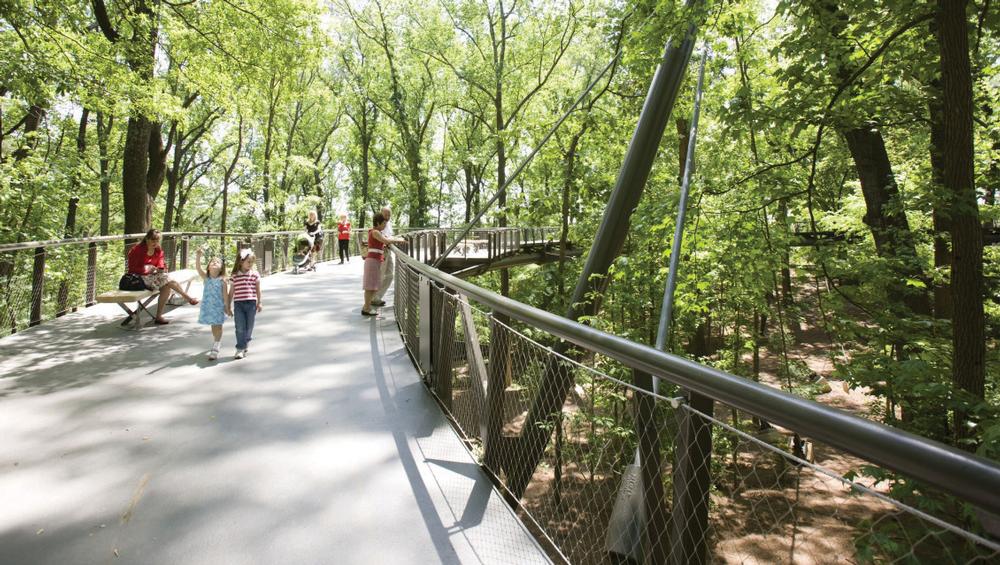
Which areas of the attractions industry are going to grow fastest in the future? This is one of the questions we’re asked most frequently here at Attractions Management magazine. Everyone wants to know where the next opportunity lies. One strong trend we’re spotting at present is towards ‘rewilding’ – giving people time in nature to recharge and to reconnect with their wild side.
This trend is driven by a bigger movement towards health and wellbeing, which is permeating every market sector from food production to cosmetics, travel, manufacturing, transport and everything in between.
There’s now clear scientific evidence that time spent in nature is good for humans’ mental and physical health.
One example is Japanese healing modality Shinrin-yoku, or forest bathing, which involves spending time in forests of all kinds, from bamboo to deciduous trees.
The results of over 100 adacemic studies show hormones secreted by the trees boost the immune system, reduce blood pressure and stress, enhance mood and energy levels, improve sleep and increase happiness.
As scientists learn more about how being in greenspace and nature is beneficial, so the public’s appetite for these experiences grows and well-designed attractions which have an authentic base in nature thrive and grow as a result.
Rewilding takes many forms. In this issue, we hear about an initiative by Merlin Entertainments to move two beluga whales to a wild Arctic inlet in Iceland, where they will live out their days in safety, but in a natural environment.
Merlin inherited the whales as part of a theme park buyout and its policy of not keeping cetaceans in captivity raised issues, as they could not be released into the wild.
The company will build an attraction on-site, so visitors can learn more about the creatures and the rewilding process.
In another wonderful example, the success of the extraordinary Atlanta Botanical Garden is celebrated on page 66 in our interview with CEO Mary Pat Matheson.
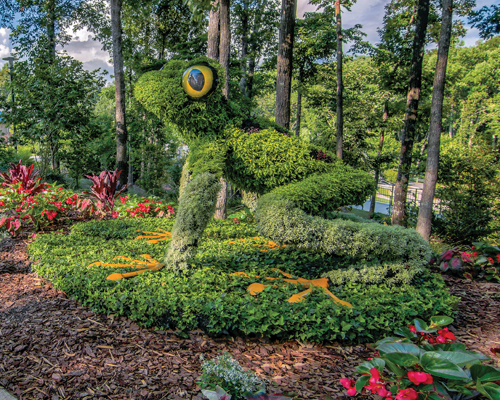
Gardens, arboretums and forest parks have traditionally been very low-key parts of the attractions industry, but we envison them blossoming and growing in importance as rewilding becomes a major trend for the sector.
Read more from this issue of Attractions Management magazine
View contents of Attractions Management 2018 issue 3
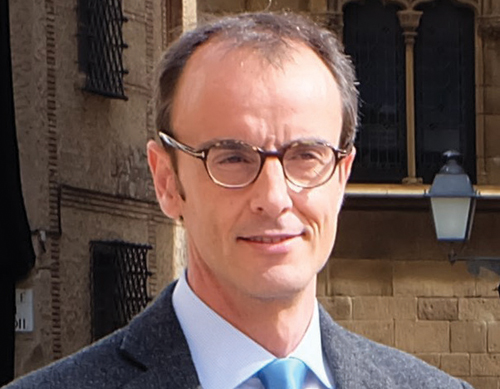
People profile: Anton Vidal
Anton Vidal is director general of Poble Espanyol which has completed a 10-year, €10m improvement plan
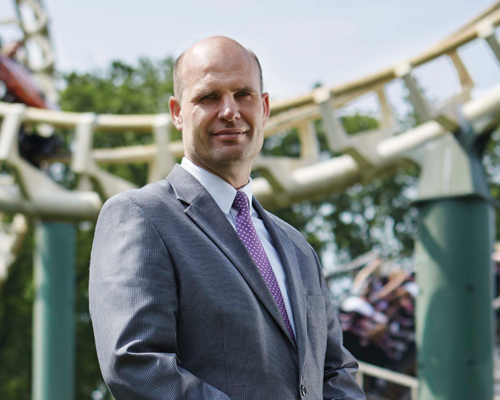
Interview: Coen Bertens
Fairytale theme park Efteling has
gone from strength to strength
during its 65-year history, enchanting
more visitors last year than
ever before. We talk to COO Coen
Bertens about its success
Promotional feature: EAS - Learning curves
This year’s Euro Attractions Show promises to
be the biggest in the history of the event, with
a brand new schedule of seminars to match
Aquariums: High Waters
We visited the brand new Aquatis
Aquarium-Vivarium in Switzerland
for a journey through our planet’s
freshwater environments
Promotional feature: nWave - The big picture
With more than two decades
of experience creating high quality
original content, nWave looks
ahead as it continues to produce
its own industry-leading creations
Analysis: TEA/AECOM Theme Index 2017
The TEA/AECOM Report 2017 shows major theme park
operators had an outstanding year, while stabilised global
economies and strong investment planning bodes well
for the global attractions industry going forward
Analysis: EMEA Focus
Margreet Papamichael, founder of CLEAR Associates about what The TEA/AECOM Report 2017 means for the EMEA region
Review: MuseumNext
Intellectuals from across the
museums sector gathered recently for
the European edition of MuseumNext
Theme parks: Playing the Looney Tune
As new and exciting leisure opportunities
increase in the Middle East, Yas
Island welcomes the US$1bn Warner
Bros World Abu Dhabi. We speak to
the two key members of the team
behind the landmark project
Museums: License to Thrill
A brand new James Bond visitor attraction,
nestled snugly inside a mountain peak
in Sölden, Austria, opened this July. We
talked to the operator and architect
As our natural world increasingly comes under threat, we’re learning more
about how being in nature underpins our wellbeing and this precious
resource is becoming an important part of the attractions industry
By Liz Terry | Published in Attractions Management 2018 issue 3
People are increasingly interested in spending time in nature
Which areas of the attractions industry are going to grow fastest in the future? This is one of the questions we’re asked most frequently here at Attractions Management magazine. Everyone wants to know where the next opportunity lies. One strong trend we’re spotting at present is towards ‘rewilding’ – giving people time in nature to recharge and to reconnect with their wild side.
This trend is driven by a bigger movement towards health and wellbeing, which is permeating every market sector from food production to cosmetics, travel, manufacturing, transport and everything in between.
There’s now clear scientific evidence that time spent in nature is good for humans’ mental and physical health.
One example is Japanese healing modality Shinrin-yoku, or forest bathing, which involves spending time in forests of all kinds, from bamboo to deciduous trees.
The results of over 100 adacemic studies show hormones secreted by the trees boost the immune system, reduce blood pressure and stress, enhance mood and energy levels, improve sleep and increase happiness.
As scientists learn more about how being in greenspace and nature is beneficial, so the public’s appetite for these experiences grows and well-designed attractions which have an authentic base in nature thrive and grow as a result.
Rewilding takes many forms. In this issue, we hear about an initiative by Merlin Entertainments to move two beluga whales to a wild Arctic inlet in Iceland, where they will live out their days in safety, but in a natural environment.
Merlin inherited the whales as part of a theme park buyout and its policy of not keeping cetaceans in captivity raised issues, as they could not be released into the wild.
The company will build an attraction on-site, so visitors can learn more about the creatures and the rewilding process.
In another wonderful example, the success of the extraordinary Atlanta Botanical Garden is celebrated on page 66 in our interview with CEO Mary Pat Matheson.
Gardens, arboretums and forest parks have traditionally been very low-key parts of the attractions industry, but we envison them blossoming and growing in importance as rewilding becomes a major trend for the sector.
Read more from this issue of Attractions Management magazine
View contents of Attractions Management 2018 issue 3
People profile: Anton Vidal
Anton Vidal is director general of Poble Espanyol which has completed a 10-year, €10m improvement plan
Interview: Coen Bertens
Fairytale theme park Efteling has
gone from strength to strength
during its 65-year history, enchanting
more visitors last year than
ever before. We talk to COO Coen
Bertens about its success
Promotional feature: EAS - Learning curves
This year’s Euro Attractions Show promises to
be the biggest in the history of the event, with
a brand new schedule of seminars to match
Aquariums: High Waters
We visited the brand new Aquatis
Aquarium-Vivarium in Switzerland
for a journey through our planet’s
freshwater environments
Promotional feature: nWave - The big picture
With more than two decades
of experience creating high quality
original content, nWave looks
ahead as it continues to produce
its own industry-leading creations
Analysis: TEA/AECOM Theme Index 2017
The TEA/AECOM Report 2017 shows major theme park
operators had an outstanding year, while stabilised global
economies and strong investment planning bodes well
for the global attractions industry going forward
Analysis: EMEA Focus
Margreet Papamichael, founder of CLEAR Associates about what The TEA/AECOM Report 2017 means for the EMEA region
Review: MuseumNext
Intellectuals from across the
museums sector gathered recently for
the European edition of MuseumNext
Theme parks: Playing the Looney Tune
As new and exciting leisure opportunities
increase in the Middle East, Yas
Island welcomes the US$1bn Warner
Bros World Abu Dhabi. We speak to
the two key members of the team
behind the landmark project
Museums: License to Thrill
A brand new James Bond visitor attraction,
nestled snugly inside a mountain peak
in Sölden, Austria, opened this July. We
talked to the operator and architect
London Museum will open four new food and drink destinations when it launches its new home
at Smithfield on 28 November, making hospitality a central part of the visitor experience at one
of the capital's biggest cultural openings of the year.
OMA has completed a major transformation of New York's New Museum, creating a larger
cultural campus that combines expanded exhibition spaces with learning, performance,
hospitality and public programming.
A US$50 million (£44.2 million, €51.2 million) transformation of Chicago's historic McCormick
Mansion has created a new destination that combines live magic, immersive theatre, dining and
private membership under one roof.
The Montana Historical Society has officially celebrated the opening of its new Montana
Heritage
Center, a US$107 million (£79 million, €92 million) destination that combines immersive
storytelling with cutting-edge audiovisual technology to bring the sta
San Antonio Zoo has reported a US$283 million economic impact for 2025, following a decade-
long transformation programme that has seen almost US$200 million invested into the Texas
attraction.
Plans for the AU$180 million redevelopment of Reef HQ Aquarium in Townsville, Australia, are
progressing, with the project set to transform the attraction into a global centre for reef
education and conservation.
Abu Dhabi-based investment firm Mubadala Capital has made a binding, fully financed
€1 billion
offer to acquire Pierre and Vacances SA, the European holiday resort operator behind the
continental European Center Parcs business.
Disney has reaffirmed its commitment to investing US$30 billion in its US parks and cruise
business by 2033, using new America250 celebrations to underline the role its attractions play
in supporting jobs, tourism and economic growth.
Expo 2030 Riyadh is being planned as a permanent visitor destination, with organisers
confirming the six-million-square-metre site will become a Global Village after the event closes.
The owner of one of Australia's best-known waterparks has acquired a major competitor,
creating a new attractions business spanning two of the country's largest visitor destinations.