Paolo Pedrazzoli of 3M – which provides multi-touch displays and systems to venue designers, AV specialists and end users – tells readers how this technology is transforming the visitor experience, while generating new revenue opportunities
Multi-touch technology creates exciting, interactive visitor information points
One of the biggest challenges facing galleries, museums and other entertainment venues today is how to make the visitor experience as compelling as possible, particularly when competing with other forms of entertainment. Today’s younger generation, in particular, have very high expectations, thanks to their everyday use of video games and other media. Plus, there is the additional challenge of finite physical space, meaning that what venues can display is inherently limited.
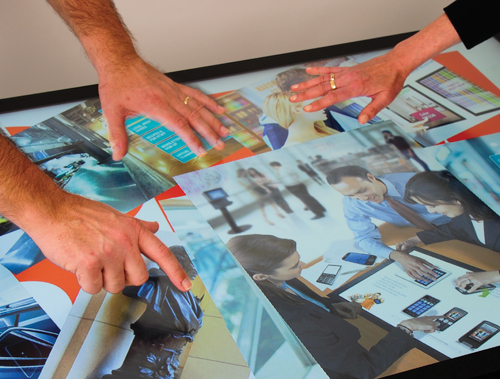
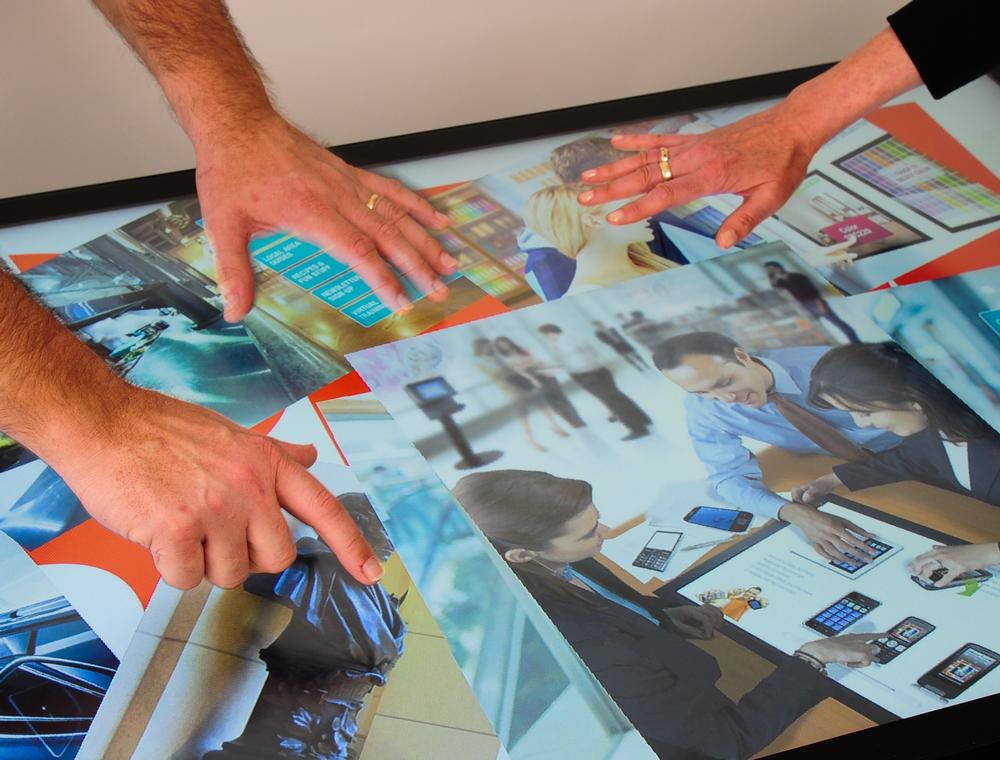
This is why an increasing number of the world’s attractions venues are turning to multi-user, multi-touch AV technology. With its ability to show such a rich array of information while allowing several people to engage with the screen at any one time, the technology takes the AV experience to a whole new level. While it might be used as part of a particular exhibition, the technology – with its visual “wow” factor –is increasingly finding permanent uses and providing far more than just way finding.
For example, windows on the screen can provide deeper insights into parts of the venue. You can include fun, interactive elements, such as modifying well-known paintings (imagine drawing a moustache – just temporarily! – on the Mona Lisa) or exploring the remains of Pompeii (and build your own Roman villa at the same time).
Several viewers can compete to identify star constellations across the Galaxy, or create their own football teams who can then compete against each other. They can home in on the Statue of Liberty, flipping the screen to see it from another angle or enjoying a bird’s eye view from the very top of her crown. They can take interactive tours of hidden treasures in the museum’s vaults, watch 3D interviews with celebrity sportspeople, play interactive video games themed to the venue – the potential is only limited by designers’ imaginations.
Generate more visitor revenue Adding an extra layer to the whole visitor experience in this way also creates opportunities to generate additional revenue. For example, consumers can take an interactive tour of the museum shop catalogue and view far more merchandise than is possible in a physical space. They can purchase discounted tickets for future events, or even pay a nominal amount to enter an online competition or play a game, with guaranteed low-cost prizes.
Multi-touch AV systems can also be integrated with other systems, such as customer relationship management (CRM), databases and marketing systems to gather data about visitor interest. For instance, the multi-touch screens might register significant interest in a particular type of exhibit, providing the kind of information that helps when planning future events.
What is multi-user, multi-touch? One major benefit of touch technology is that we are already familiar with it through using our own smartphones and other devices. We know that pinching our fingers or swiping the screen will change the content that we can see. Multi-touch technology takes this highly intuitive approach a step further, creating an interactive multi-user experience that can be applied to all kinds of environments.
Ranging from 21.5 to 55 inches (55cm to 140cm), multi-user, multi-touch displays make an immediate impact, often housed in beautifully designed table-tops, although systems can also be wall-mounted. Once users start to interact with them – simply using their fingertips, with over 60 simultaneous touch points – they can explore a wealth of information. In essence, a multi-user, multi-touch AV system is a smart screen, linked to a computer underneath or behind it and in turn able to connect to the Internet and other systems. The technology has evolved considerably in the past couple of years, with screens now able to display a fast and consistently high-quality response, even in high footfall areas.
Of course, any technology is only as good as its execution. Our five tips (see “Five Steps” box, left) are based on the work we’ve carried out with some of the world’s leading designers, installers and users of our multi-touch displays and systems.
The right multi-touch system, complete with content that captures visitors’ interest, can create a compelling, interactive experience, while at the same time generating new revenue opportunities and helping venues to compete in an increasingly multimedia world.
Read more from this issue of Attractions Management magazine
View contents of Attractions Management 2015 issue 4
Attractions: Gone, Not Forgotten
We find out what people thought of
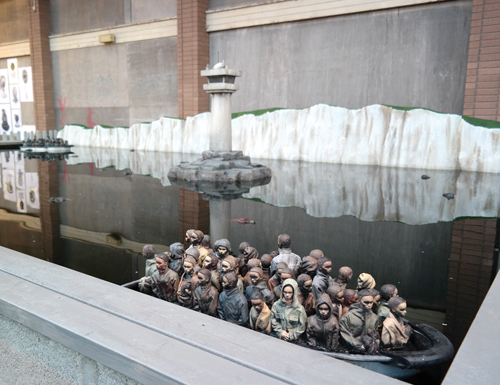
Dismaland, Banksy’s twisted theme park
and contemporary art attraction – and
talk to one of the Dismal Stewards
Promotional feature: IdeAttack
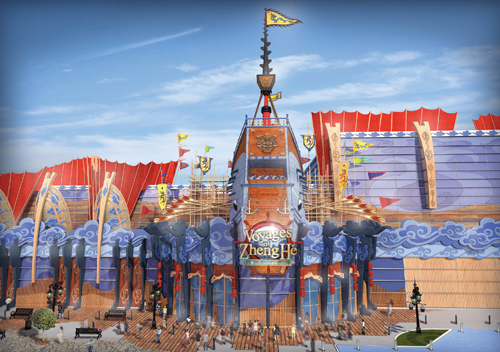
Mysteries of China’s rich culture are at the heart of IDEATTACK’s new mixed-used tourism destination
Zoos & Aquariums: Turn over a New Reef
The Florida Aquarium is teaming
up with the National Aquarium of
Cuba in a bid to save and restore
the region’s precious coral reefs
Five steps to create a great multi-user touch experience:
• Location matters – table-table designs are imposing and create a powerful impact, while upright kiosk or wall-mounted systems are great space-savers. Think about the furniture it is housed in, make a statement and link to branding.
• Touch quality is essential – an unresponsive screen is very frustrating for users. Look for zero-lag, no matter how much information is being displayed. Bezel-free design ensures that the screen is touch-sensitive right to the very edges.
• Robust and self-service – Look for “fit and forget” design. The system should be intuitive to use with no training, and should not require regular rebooting.
• Integrate it with the bigger picture – link multi-touch systems into the rest of the sales and marketing strategies, for instance to send data back to CRM systems and databases.
• The right support and expertise – work with a system designer and hardware provider that has a track-record in multi-touch and so knows what pitfalls to avoid. Make sure there is strong ongoing support.
Reader Offer:
3M has created a multi-touch best practice guide specifically for the attractions management market.
Paolo Pedrazzoli of 3M – which provides multi-touch displays and systems to venue designers, AV specialists and end users – tells readers how this technology is transforming the visitor experience, while generating new revenue opportunities
Multi-touch technology creates exciting, interactive visitor information points
One of the biggest challenges facing galleries, museums and other entertainment venues today is how to make the visitor experience as compelling as possible, particularly when competing with other forms of entertainment. Today’s younger generation, in particular, have very high expectations, thanks to their everyday use of video games and other media. Plus, there is the additional challenge of finite physical space, meaning that what venues can display is inherently limited.
This is why an increasing number of the world’s attractions venues are turning to multi-user, multi-touch AV technology. With its ability to show such a rich array of information while allowing several people to engage with the screen at any one time, the technology takes the AV experience to a whole new level. While it might be used as part of a particular exhibition, the technology – with its visual “wow” factor –is increasingly finding permanent uses and providing far more than just way finding.
For example, windows on the screen can provide deeper insights into parts of the venue. You can include fun, interactive elements, such as modifying well-known paintings (imagine drawing a moustache – just temporarily! – on the Mona Lisa) or exploring the remains of Pompeii (and build your own Roman villa at the same time).
Several viewers can compete to identify star constellations across the Galaxy, or create their own football teams who can then compete against each other. They can home in on the Statue of Liberty, flipping the screen to see it from another angle or enjoying a bird’s eye view from the very top of her crown. They can take interactive tours of hidden treasures in the museum’s vaults, watch 3D interviews with celebrity sportspeople, play interactive video games themed to the venue – the potential is only limited by designers’ imaginations.
Generate more visitor revenue Adding an extra layer to the whole visitor experience in this way also creates opportunities to generate additional revenue. For example, consumers can take an interactive tour of the museum shop catalogue and view far more merchandise than is possible in a physical space. They can purchase discounted tickets for future events, or even pay a nominal amount to enter an online competition or play a game, with guaranteed low-cost prizes.
Multi-touch AV systems can also be integrated with other systems, such as customer relationship management (CRM), databases and marketing systems to gather data about visitor interest. For instance, the multi-touch screens might register significant interest in a particular type of exhibit, providing the kind of information that helps when planning future events.
What is multi-user, multi-touch? One major benefit of touch technology is that we are already familiar with it through using our own smartphones and other devices. We know that pinching our fingers or swiping the screen will change the content that we can see. Multi-touch technology takes this highly intuitive approach a step further, creating an interactive multi-user experience that can be applied to all kinds of environments.
Ranging from 21.5 to 55 inches (55cm to 140cm), multi-user, multi-touch displays make an immediate impact, often housed in beautifully designed table-tops, although systems can also be wall-mounted. Once users start to interact with them – simply using their fingertips, with over 60 simultaneous touch points – they can explore a wealth of information. In essence, a multi-user, multi-touch AV system is a smart screen, linked to a computer underneath or behind it and in turn able to connect to the Internet and other systems. The technology has evolved considerably in the past couple of years, with screens now able to display a fast and consistently high-quality response, even in high footfall areas.
Of course, any technology is only as good as its execution. Our five tips (see “Five Steps” box, left) are based on the work we’ve carried out with some of the world’s leading designers, installers and users of our multi-touch displays and systems.
The right multi-touch system, complete with content that captures visitors’ interest, can create a compelling, interactive experience, while at the same time generating new revenue opportunities and helping venues to compete in an increasingly multimedia world.
Read more from this issue of Attractions Management magazine
View contents of Attractions Management 2015 issue 4
Attractions: Gone, Not Forgotten
We find out what people thought of
Dismaland, Banksy’s twisted theme park
and contemporary art attraction – and
talk to one of the Dismal Stewards
Promotional feature: IdeAttack
Mysteries of China’s rich culture are at the heart of IDEATTACK’s new mixed-used tourism destination
Zoos & Aquariums: Turn over a New Reef
The Florida Aquarium is teaming
up with the National Aquarium of
Cuba in a bid to save and restore
the region’s precious coral reefs
Five steps to create a great multi-user touch experience:
• Location matters – table-table designs are imposing and create a powerful impact, while upright kiosk or wall-mounted systems are great space-savers. Think about the furniture it is housed in, make a statement and link to branding.
• Touch quality is essential – an unresponsive screen is very frustrating for users. Look for zero-lag, no matter how much information is being displayed. Bezel-free design ensures that the screen is touch-sensitive right to the very edges.
• Robust and self-service – Look for “fit and forget” design. The system should be intuitive to use with no training, and should not require regular rebooting.
• Integrate it with the bigger picture – link multi-touch systems into the rest of the sales and marketing strategies, for instance to send data back to CRM systems and databases.
• The right support and expertise – work with a system designer and hardware provider that has a track-record in multi-touch and so knows what pitfalls to avoid. Make sure there is strong ongoing support.
Reader Offer:
3M has created a multi-touch best practice guide specifically for the attractions management market.
OMA has completed a major transformation of New York's New Museum, creating a larger
cultural campus that combines expanded exhibition spaces with learning, performance,
hospitality and public programming.
A US$50 million (£44.2 million, €51.2 million) transformation of Chicago's historic McCormick
Mansion has created a new destination that combines live magic, immersive theatre, dining and
private membership under one roof.
The Montana Historical Society has officially celebrated the opening of its new Montana
Heritage
Center, a US$107 million (£79 million, €92 million) destination that combines immersive
storytelling with cutting-edge audiovisual technology to bring the sta
San Antonio Zoo has reported a US$283 million economic impact for 2025, following a decade-
long transformation programme that has seen almost US$200 million invested into the Texas
attraction.
Plans for the AU$180 million redevelopment of Reef HQ Aquarium in Townsville, Australia, are
progressing, with the project set to transform the attraction into a global centre for reef
education and conservation.
Abu Dhabi-based investment firm Mubadala Capital has made a binding, fully financed
€1 billion
offer to acquire Pierre and Vacances SA, the European holiday resort operator behind the
continental European Center Parcs business.
Disney has reaffirmed its commitment to investing US$30 billion in its US parks and cruise
business by 2033, using new America250 celebrations to underline the role its attractions play
in supporting jobs, tourism and economic growth.
Expo 2030 Riyadh is being planned as a permanent visitor destination, with organisers
confirming the six-million-square-metre site will become a Global Village after the event closes.
The owner of one of Australia's best-known waterparks has acquired a major competitor,
creating a new attractions business spanning two of the country's largest visitor destinations.
The Toverland theme park in the Netherlands has announced a €98m expansion programme
that will add a resort, new attractions and staff facilities as it pursues plans to become a multi-
day destination.
+ More news
COMPANY PROFILES
DJW David & Lynn Willrich started the Company
over thirty years ago, from the Audio Visual
Department [more...]
Simworx Ltd The company was initially established
in 1997. Terry Monkton and Andrew
Roberts are the key stakeh [more...]
RMA Ltd RMA Ltd is a one-stop global company
that can design, build and produce from a
greenfield site upw [more...]
Sally Corporation Our services include: Dark ride design & build; Redevelopment of existing attractions; High-quality [more...]