Many health problems arise from legacy issues – car-centric urban planning, polluting building materials and lack of awareness of the value of exercise
By Liz Terry | Published in Spa Business 2014 issue 1
Earlier this month, news broke that the UK government is planning to build two new Garden Cities in the south of England to ease a housing shortage.
The original Garden Cities – conceived in 1898 by Sir Ebenezer Howard – were planned, self-contained communities surrounded by green space, containing homes, industry and agriculture. Plans for the new settlements seem likely to be guided by this philosophy.
The Garden Cities movement was inspired by the utopian thinking of the Arts and Crafts movement and the radical novels Looking Backward by Edward Bellamy and Progress and Poverty by Henry George. Two settlements were built – Letchworth Garden City and Welwyn Garden City in Hertfordshire, UK.
I responded to the proposal with a blog post calling for a more radical new approach and suggesting that instead of looking to the past for inspiration, we need to look to the future and to create the first wellness cities.
In many years of leader-writing for this industry, I’ve never had such a strong and positive response to a suggestion – it’s clear there’s a great deal of interest in redesigning the places we live and work and rethinking their design and function from the ground up.
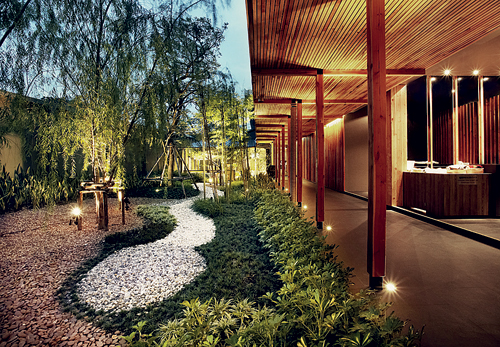
The vision of building entire cities around wellness is a powerful one which most people can relate to and find compelling and attractive. And the exciting part is that such plans are within our grasp if the will is there.
And although the idea of wellness environments is not new, we’re approaching a time when the concept will reach a tipping point and enter the mainstream, with its own economic models and vernacular.
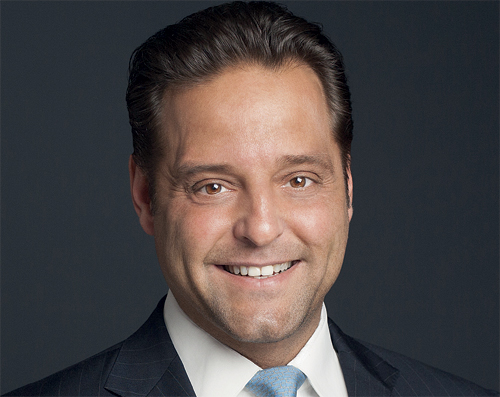
In this edition of Spa Business, we talk to Paul Scialla from Delos (page 28), which is building wellness accommodation – both domestic and hotel.
Delos has fitted rooms at the MGM Grand Las Vegas and its Stay Well® features have enabled the operator to command a 30 per cent premium on rack rates. Unsurprisingly, more are planned.
So many health problems arise from legacy issues such as car-centric urban planning, polluting building materials, lack of awareness of the value of exercise – that the opportunity to build afresh wherever new communities are needed (whether in the developing or developed world) and to retrofit health-enhancing features, is thrilling.
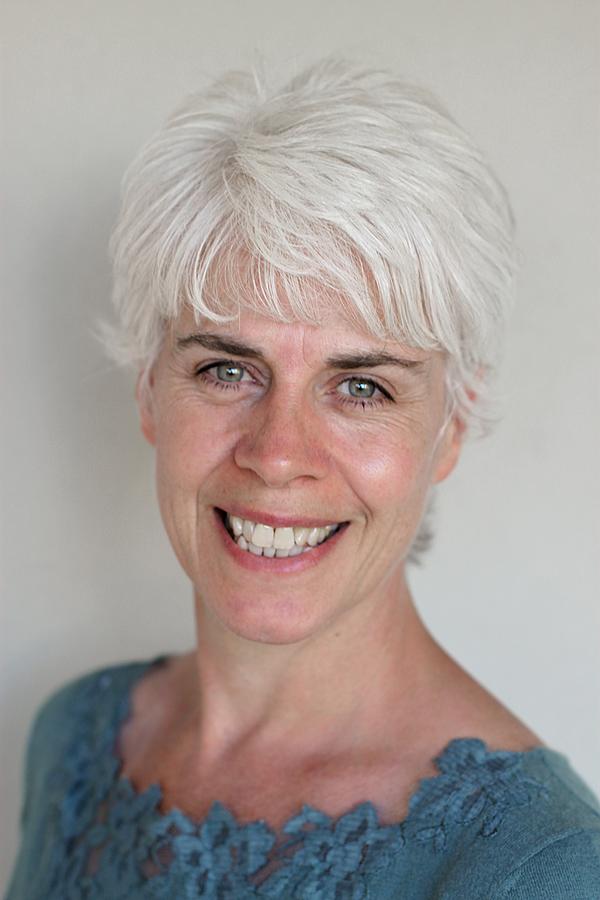
Liz Terry, editor twitter: @elizterry
Read more from this issue of Attractions Management magazine
View contents of Attractions Management 2014 issue 1
Interview: Paul Scialla
Delos founder talks to Katie Barnes about creating the first set of wellbeing building standards and securing investment from Leonardo DiCaprio
Ask an expert: Detox
Done well, detox presents numerous business opportunities – but what's the best approach to take and what treatments should be avoided?
Business analysis: Spa inclusive
Some resorts are enticing clients with free, daily spa treatments. Neena Dhillon takes a look at the business model
Wellness tourism: Time to shine
Sophie Benge reports on wellness tourism in central and eastern Europe – a market that's ripe for development
Wellness research: Culture king
The Futures Company provides an insightful overview on how different cultures view health and wellbeing
Hotel spa research: Top division
In the hotel sector, spa revenue is growing faster than other revenue streams, according to a new PKF report. Andrea Foster analyses the findings
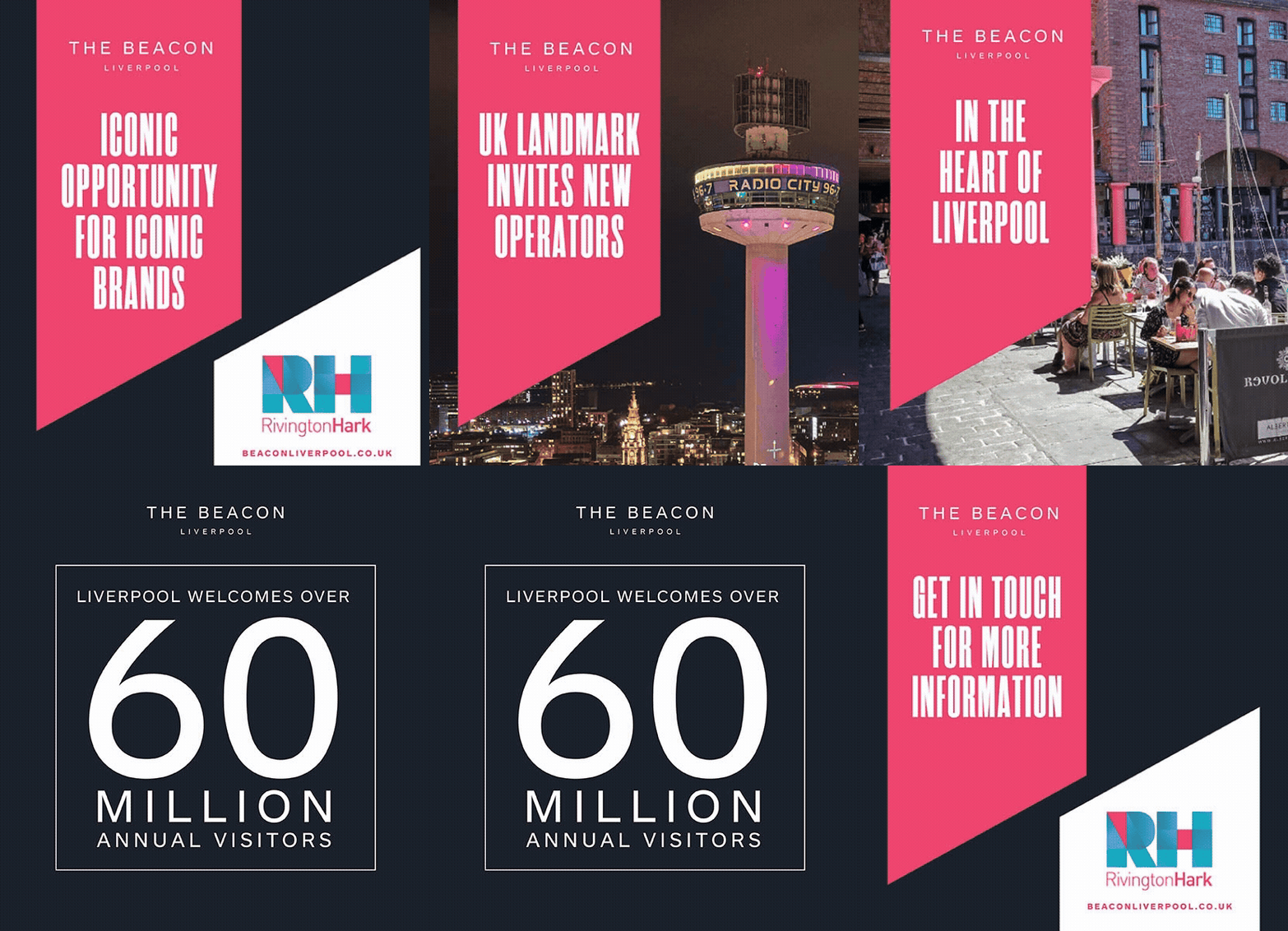
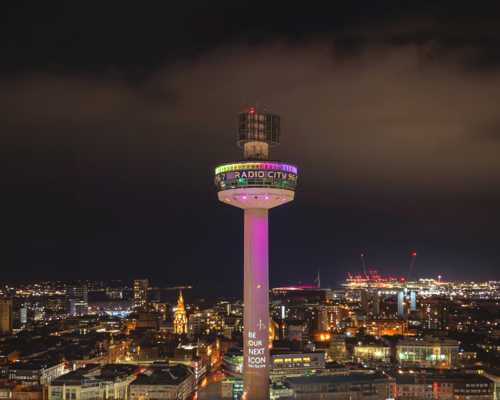
An opportunity to reimagine one of the UK’s most recognisable towers has been formally
opened by Rivington Hark, as St Johns Beacon invites operators and partners to shape its
next phase. [more...]
Many health problems arise from legacy issues – car-centric urban planning, polluting building materials and lack of awareness of the value of exercise
By Liz Terry | Published in Spa Business 2014 issue 1
Earlier this month, news broke that the UK government is planning to build two new Garden Cities in the south of England to ease a housing shortage.
The original Garden Cities – conceived in 1898 by Sir Ebenezer Howard – were planned, self-contained communities surrounded by green space, containing homes, industry and agriculture. Plans for the new settlements seem likely to be guided by this philosophy.
The Garden Cities movement was inspired by the utopian thinking of the Arts and Crafts movement and the radical novels Looking Backward by Edward Bellamy and Progress and Poverty by Henry George. Two settlements were built – Letchworth Garden City and Welwyn Garden City in Hertfordshire, UK.
I responded to the proposal with a blog post calling for a more radical new approach and suggesting that instead of looking to the past for inspiration, we need to look to the future and to create the first wellness cities.
In many years of leader-writing for this industry, I’ve never had such a strong and positive response to a suggestion – it’s clear there’s a great deal of interest in redesigning the places we live and work and rethinking their design and function from the ground up.
The vision of building entire cities around wellness is a powerful one which most people can relate to and find compelling and attractive. And the exciting part is that such plans are within our grasp if the will is there.
And although the idea of wellness environments is not new, we’re approaching a time when the concept will reach a tipping point and enter the mainstream, with its own economic models and vernacular.
In this edition of Spa Business, we talk to Paul Scialla from Delos (page 28), which is building wellness accommodation – both domestic and hotel.
Delos has fitted rooms at the MGM Grand Las Vegas and its Stay Well® features have enabled the operator to command a 30 per cent premium on rack rates. Unsurprisingly, more are planned.
So many health problems arise from legacy issues such as car-centric urban planning, polluting building materials, lack of awareness of the value of exercise – that the opportunity to build afresh wherever new communities are needed (whether in the developing or developed world) and to retrofit health-enhancing features, is thrilling.
Liz Terry, editor twitter: @elizterry
Read more from this issue of Attractions Management magazine
View contents of Attractions Management 2014 issue 1
Interview: Paul Scialla
Delos founder talks to Katie Barnes about creating the first set of wellbeing building standards and securing investment from Leonardo DiCaprio
Ask an expert: Detox
Done well, detox presents numerous business opportunities – but what's the best approach to take and what treatments should be avoided?
Business analysis: Spa inclusive
Some resorts are enticing clients with free, daily spa treatments. Neena Dhillon takes a look at the business model
Wellness tourism: Time to shine
Sophie Benge reports on wellness tourism in central and eastern Europe – a market that's ripe for development
Wellness research: Culture king
The Futures Company provides an insightful overview on how different cultures view health and wellbeing
Hotel spa research: Top division
In the hotel sector, spa revenue is growing faster than other revenue streams, according to a new PKF report. Andrea Foster analyses the findings
Hotel de France, located on the British Isle of Jersey, has created a wellness retreat package
that includes a hot yoga session that will take place in Jersey Zoo’s butterfly sanctuary.
A new immersive attraction designed to transport visitors into the final hours of ancient Pompeii
is preparing to open near the world-famous archaeological site in southern Italy.
Experience design company, BRC Imagination Arts, has completed a transition that sees founder
Bob Rogers pass ownership of the business to four long-serving senior executives, while
remaining actively involved with the company.
Movie Park Germany has opened a new Paramount Pictures-themed attraction as part of its 30th
anniversary celebrations, using immersive storytelling and adaptive reuse to reinforce the park’s
longstanding “Hollywood in Germany” positioning.
Therme Manchester’s 28-acre development, which will include interconnected glass pavilions
that measure 65,000sq m, will be the largest bathing and wellbeing attraction in the world once
complete, according to prof David Russell, CEO of Therme UK.
Efteling has opened Hooghmoed, a new family drop tower designed to broaden the appeal of its
recently launched Sirene Island themed area and introduce younger visitors to thrill attractions.
A proposed Puy du Fou development near Bicester and Universal Destinations and Experiences’
planned resort in Bedford are emerging as part of a wider transformation of the Oxford–
Cambridge Growth Corridor into a major centre for UK leisure and tourism inv
Shedd Aquarium has opened the Immersion Theater developed in partnership with SimEx-
Iwerks, as part of a wider strategy to enhance the guest experience and create additional
revenue opportunities.
The UK government has announced a temporary reduction in VAT on visitor attractions and
children’s meals as part of a summer cost-of-living support package designed to stimulate the
visitor economy and encourage family days out.
As designer Yinka Ilori prepares for his first solo gallery show in London, he speaks exclusively
to CLADmag about his mission to spread joy, the power of play, and his bold approach to using
colour (including the colours you won’t see in his work).
The government of Thailand is exploring plans for a THB300bn (£6.3bn, US$8.3bn)
entertainment complex in the country’s Eastern Economic Corridor (EEC), with officials
proposing a large-scale theme park and sports destination as part of a broader tourism and
economic development strategy.
+ More news
COMPANY PROFILES
Sally Corporation Our services include: Dark ride design & build; Redevelopment of existing attractions; High-quality [more...]
Holovis Holovis is a privately owned company
established in 2004 by CEO Stuart
Hetherington. [more...]
An opportunity to reimagine one of the UK’s most recognisable towers has been formally
opened by Rivington Hark, as St Johns Beacon invites operators and partners to shape its
next phase. [more...]