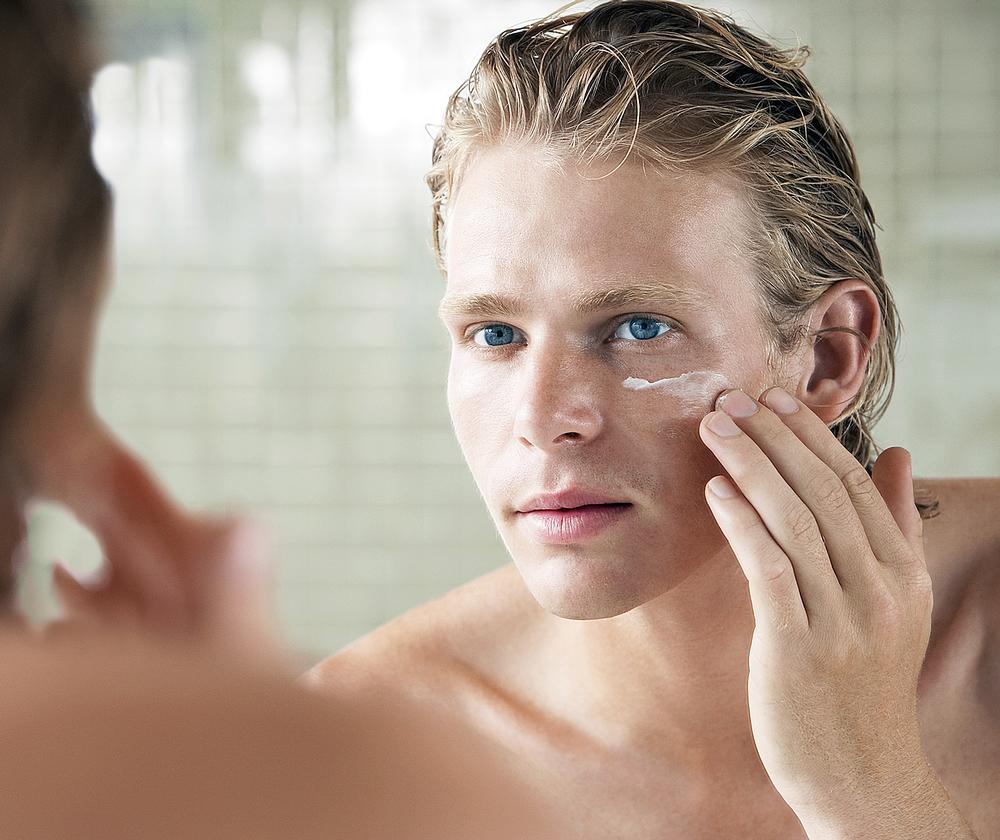
A number of new studies highlight that men are becoming more interested in wellness and spas. We outline the findings, including the key attributes of this audience that’s ripe for the picking
By Kate Corney | Published in Spa Business 2014 issue 1
Interview: Paul Scialla
Delos founder talks to Katie Barnes about creating the first set of wellbeing building standards and securing investment from Leonardo DiCaprio
Ask an expert: Detox
Done well, detox presents numerous business opportunities – but what's the best approach to take and what treatments should be avoided?
Business analysis: Spa inclusive
Some resorts are enticing clients with free, daily spa treatments. Neena Dhillon takes a look at the business model
Wellness tourism: Time to shine
Sophie Benge reports on wellness tourism in central and eastern Europe – a market that's ripe for development
Wellness research: Culture king
The Futures Company provides an insightful overview on how different cultures view health and wellbeing
Hotel spa research: Top division
In the hotel sector, spa revenue is growing faster than other revenue streams, according to a new PKF report. Andrea Foster analyses the findings
Male Consumer Insights Volume IV, ISPA Carried out by PricewaterhouseCoopers (PwC) for ISPA, the fourth Male Consumer Insights study was based on a sample of 1,005 male consumers in the US and didn’t target spa-goers in particular.
According to the research, which was revealed in October, 49 per cent of men who chose not to visit spas said cost was the biggest deterrent, with 29 per cent saying they didn’t see any perceived benefits and 19 per cent feeling that spas are for women. Eighteen per cent said there were no spas in their area, while 17 per cent didn’t have enough time or said they wouldn’t feel comfortable visiting a spa. That “none of my friends go” was a reason given by 14 per cent of men surveyed.
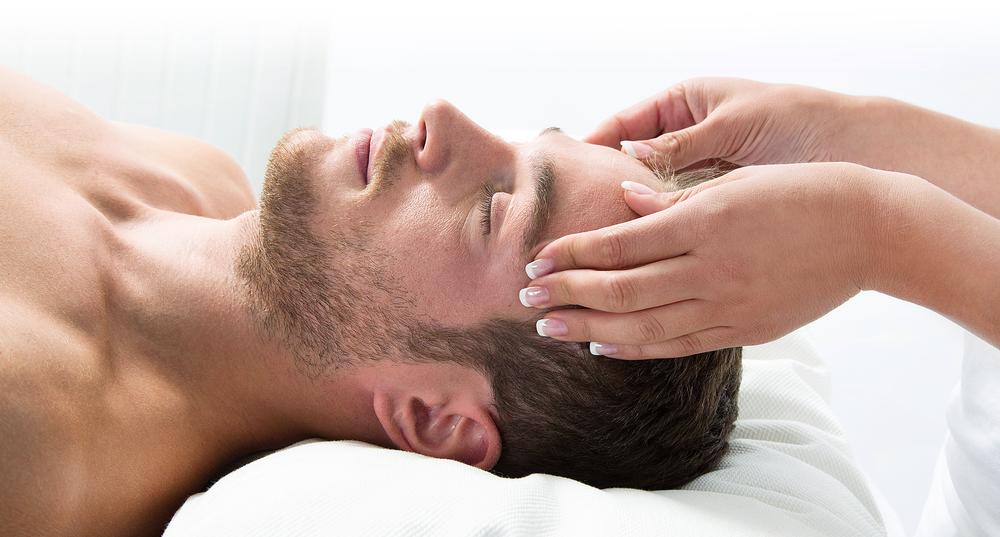
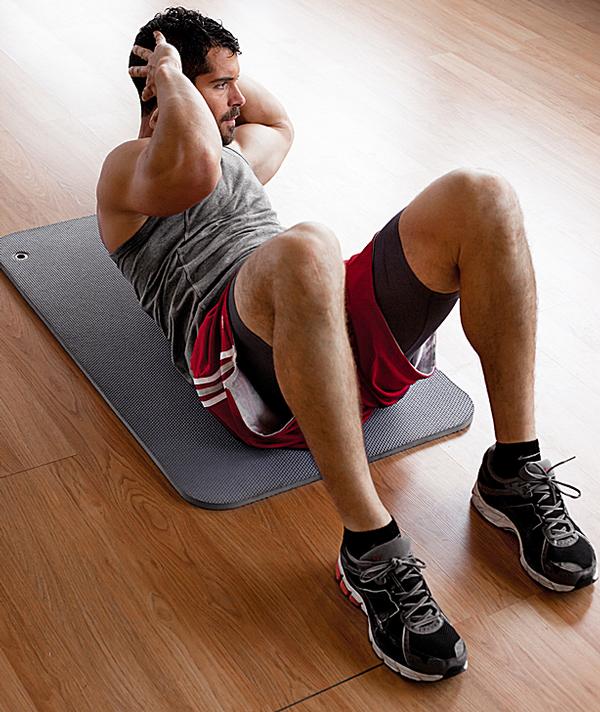
The most requested treatment was massage (83 per cent). The second most popular reason to go to a spa was for a fitness class (43 per cent). This was followed in popularity by pedicures (37 per cent), manicures (33 per cent), facials (31 per cent), aromatherapy (24 per cent) and body scrubs (23 per cent). PwC found the average male spa-goer lives in a household that earns over US$50,000 (€00,000, £00,000) per annum and is most likely to be at manager level or above.
shutterstock.com/ Zai Aragon
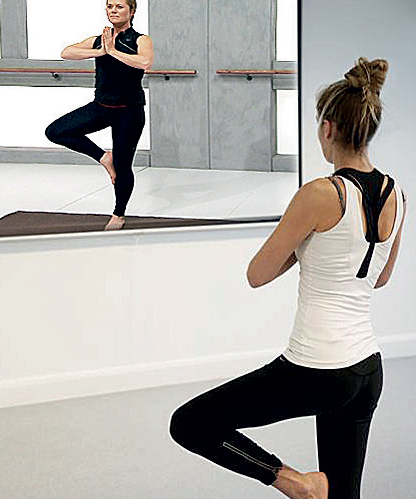
43 per cent of men go to spas for fitness classes, but 83 per cent go for massage
Spa Industry Research, Stenden Rangsit University Undertaken by Thailand’s Stenden Rangsit University with the Thai Spa Association, this survey is based on 463 current and potential spa-goers, 35 per cent of who were men (see SB13/4 p86). It also surveyed Thai spa operators.
It found that in the last few years the numbers of male spa-goers have increased. They prefer massages and especially want authentic treatments which are perceived to be traditional without new-age thinking. More than half (58 per cent) of the men said they also prefer to visit with another person.
It also showed that men spend slightly more per treatment – THB1,372 (US$43, €33, £27) or higher – than women who spend around THB1,000 (US$32, €24, £20) or lower. Products wise, they prefer well-known professional spa brands, while women opt for in-house ranges, and 68 per cent of the male spa-goers prefer organic products.
Men’s Grooming, Mintel Based on consumer retail sales, Mintel’s Male Grooming research, released in September, reveals that men’s personal care product launches increased by 70 per cent globally from 2007 to 2012. The US male grooming market grew almost 20 per cent from 2007 to US$3bn (€2.2bn, £1.8bn) in 2012 and the UK market was up 12 per cent to £574m (US$955m, €700m). Up to 74 per cent of British men are “keen shoppers” when buying personal care products and 42 per cent use facial moisturisers. Half or more of male consumers in Europe use moisturisers with an SPF, including 67 per cent of Italians, 64 per cent of Germans, 60 per cent of Spanish and 47 per cent of French. A fifth of British men (21 per cent) use hand and nail products and about the same (19 per cent) look for haircare products made for men.
The most popular claims for new male-targeted products are botanical and herbal, followed by moisturising and hydrating, and only 5 per cent of new products for men were anti-ageing. In comparison, anti-ageing serums are used by around half of the men in Spain (53 per cent), Italy (49 per cent) and Germany (42 per cent) and 38 per cent of French male consumers.
The report states 59 per cent of American men say personal care products boost their self-esteem, and 28 per cent are concerned about dry skin and ageing. In addition, 37 per cent use facial cleanser regularly, 22 per cent use exfoliating scrubs, 17 per cent use anti-ageing products and 12 per cent use eye products.
In China, 82 per cent of men from urban areas think that using men’s toiletries makes them more sophisticated. Sixty-four per cent agree that “high priced men’s toiletries products work better than less expensive ones” and 62 per cent of city-living Chinese men buy products themselves.
Emerging Global Spa Trends, Hilton Hotels & Resorts Although released in 2012, Hilton’s Emerging Global Spa Trends – which pinpoints male spa-goers as a strong emerging market – still has traction. It’s based on 6,000 respondents in the US, UK, Australia and China. When speaking about the research at the Spatec Europe event in 2013 Louise Moore, Hilton’s director of spa operations and development in Europe, said the key to capturing the male market is having a no-nonsense approach – “men buy primarily based on facts and results.” The research also found that the way spas communicate with male clients is important. Jargon is to be avoided and communication needs to be clear, concise and uncomplicated.
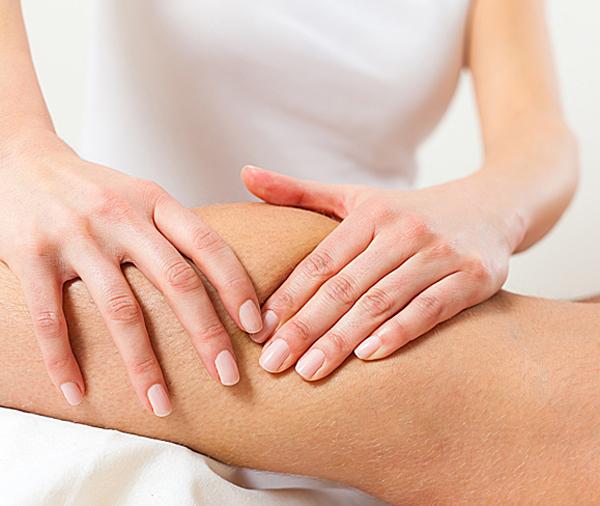
The study found that while 80 per cent of men go for massage, they predominately opt for sports/deep-tissue therapy treatments. It also found that facials are on the increase, with a 20 per cent uptake thanks, in part, to association between male grooming and career progression. Importantly Hilton’s research shows that men want products and treatments that are theirs, not that are repackaged or reworded from a female line.
Moore added: “The male market is deeply loyal. When they find something they like, they’ll stick to it – which is fantastic. But they’re also impulsive and don’t typically pre-book: so it’s a challenge for operators to consider how to remain flexible in accommodating this specific target group.”
shutterstock.com/ Kzenon
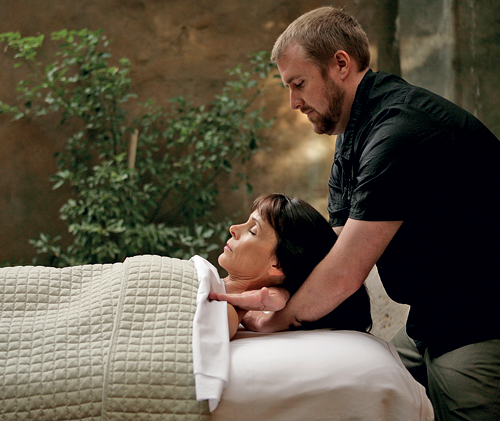
Men predominately want sports and
deep-tissue therapy treatments
* Turn to page 98 to see how some spas are successfully enticing men over the threshold
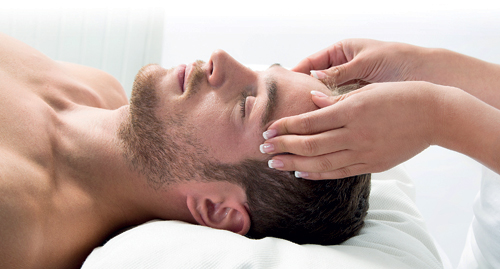
Male grooming is associated with faster career progression / shutterstock.com/ bikeriderlondon
COMPANY PROFILES
DJW
David & Lynn Willrich started the Company
over thirty years ago, from the Audio Visual
Department [more...]
IAAPA EMEA
IAAPA Expo Europe was established in 2006 and has grown to the largest international conference and [more...]
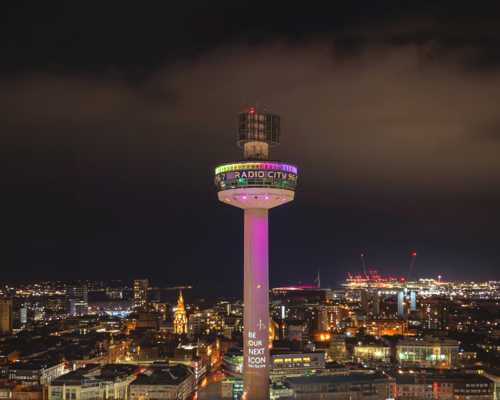
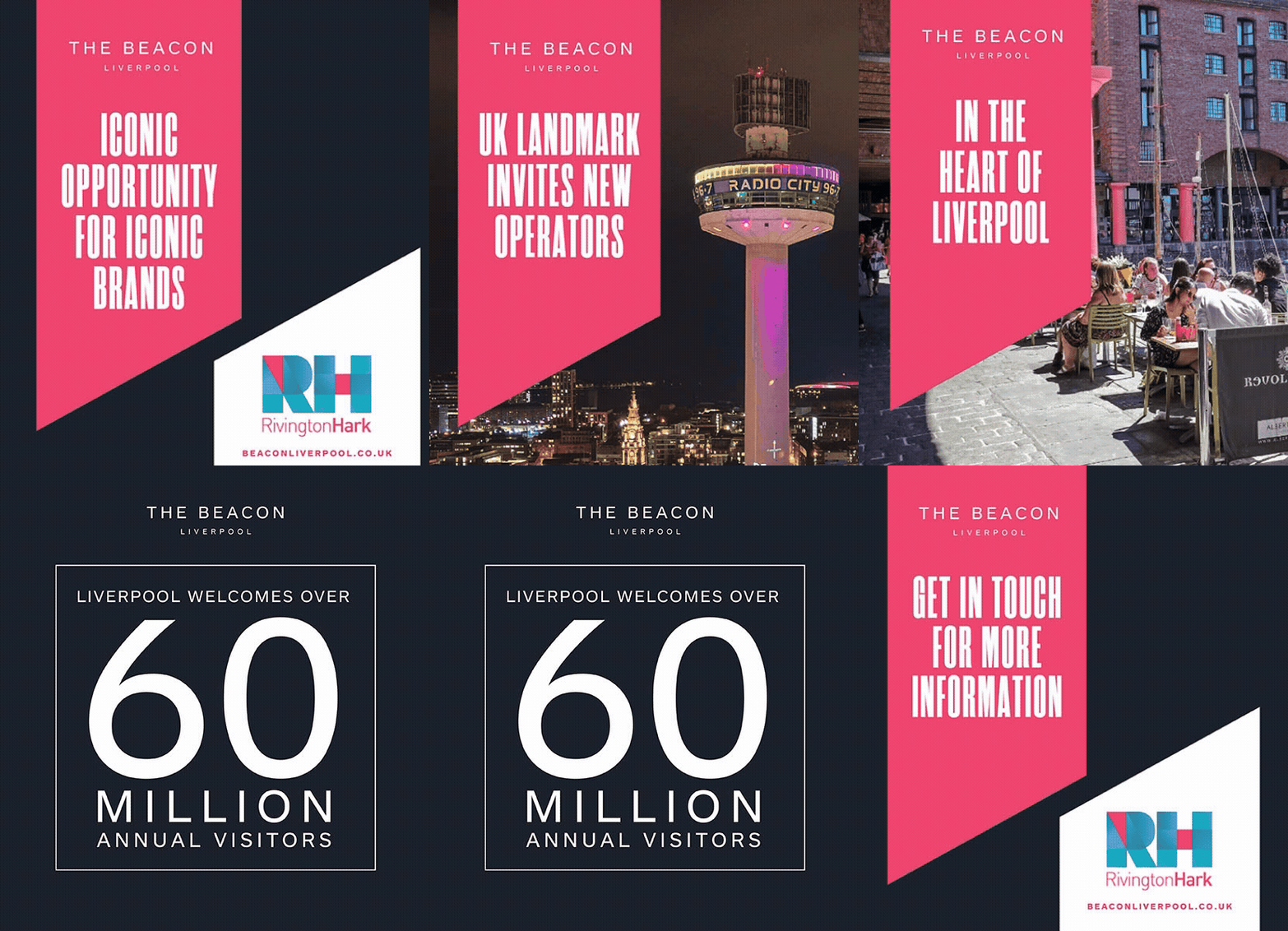
An opportunity to reimagine one of the UK’s most recognisable towers has been formally
opened by Rivington Hark, as St Johns Beacon invites operators and partners to shape its
next phase. [more...]
A number of new studies highlight that men are becoming more interested in wellness and spas. We outline the findings, including the key attributes of this audience that’s ripe for the picking
By Kate Corney | Published in Spa Business 2014 issue 1
Interview: Paul Scialla
Delos founder talks to Katie Barnes about creating the first set of wellbeing building standards and securing investment from Leonardo DiCaprio
Ask an expert: Detox
Done well, detox presents numerous business opportunities – but what's the best approach to take and what treatments should be avoided?
Business analysis: Spa inclusive
Some resorts are enticing clients with free, daily spa treatments. Neena Dhillon takes a look at the business model
Wellness tourism: Time to shine
Sophie Benge reports on wellness tourism in central and eastern Europe – a market that's ripe for development
Wellness research: Culture king
The Futures Company provides an insightful overview on how different cultures view health and wellbeing
Hotel spa research: Top division
In the hotel sector, spa revenue is growing faster than other revenue streams, according to a new PKF report. Andrea Foster analyses the findings
Male Consumer Insights Volume IV, ISPA Carried out by PricewaterhouseCoopers (PwC) for ISPA, the fourth Male Consumer Insights study was based on a sample of 1,005 male consumers in the US and didn’t target spa-goers in particular.
According to the research, which was revealed in October, 49 per cent of men who chose not to visit spas said cost was the biggest deterrent, with 29 per cent saying they didn’t see any perceived benefits and 19 per cent feeling that spas are for women. Eighteen per cent said there were no spas in their area, while 17 per cent didn’t have enough time or said they wouldn’t feel comfortable visiting a spa. That “none of my friends go” was a reason given by 14 per cent of men surveyed.
The most requested treatment was massage (83 per cent). The second most popular reason to go to a spa was for a fitness class (43 per cent). This was followed in popularity by pedicures (37 per cent), manicures (33 per cent), facials (31 per cent), aromatherapy (24 per cent) and body scrubs (23 per cent). PwC found the average male spa-goer lives in a household that earns over US$50,000 (€00,000, £00,000) per annum and is most likely to be at manager level or above.
shutterstock.com/ Zai Aragon
43 per cent of men go to spas for fitness classes, but 83 per cent go for massage
Spa Industry Research, Stenden Rangsit University Undertaken by Thailand’s Stenden Rangsit University with the Thai Spa Association, this survey is based on 463 current and potential spa-goers, 35 per cent of who were men (see SB13/4 p86). It also surveyed Thai spa operators.
It found that in the last few years the numbers of male spa-goers have increased. They prefer massages and especially want authentic treatments which are perceived to be traditional without new-age thinking. More than half (58 per cent) of the men said they also prefer to visit with another person.
It also showed that men spend slightly more per treatment – THB1,372 (US$43, €33, £27) or higher – than women who spend around THB1,000 (US$32, €24, £20) or lower. Products wise, they prefer well-known professional spa brands, while women opt for in-house ranges, and 68 per cent of the male spa-goers prefer organic products.
Men’s Grooming, Mintel Based on consumer retail sales, Mintel’s Male Grooming research, released in September, reveals that men’s personal care product launches increased by 70 per cent globally from 2007 to 2012. The US male grooming market grew almost 20 per cent from 2007 to US$3bn (€2.2bn, £1.8bn) in 2012 and the UK market was up 12 per cent to £574m (US$955m, €700m). Up to 74 per cent of British men are “keen shoppers” when buying personal care products and 42 per cent use facial moisturisers. Half or more of male consumers in Europe use moisturisers with an SPF, including 67 per cent of Italians, 64 per cent of Germans, 60 per cent of Spanish and 47 per cent of French. A fifth of British men (21 per cent) use hand and nail products and about the same (19 per cent) look for haircare products made for men.
The most popular claims for new male-targeted products are botanical and herbal, followed by moisturising and hydrating, and only 5 per cent of new products for men were anti-ageing. In comparison, anti-ageing serums are used by around half of the men in Spain (53 per cent), Italy (49 per cent) and Germany (42 per cent) and 38 per cent of French male consumers.
The report states 59 per cent of American men say personal care products boost their self-esteem, and 28 per cent are concerned about dry skin and ageing. In addition, 37 per cent use facial cleanser regularly, 22 per cent use exfoliating scrubs, 17 per cent use anti-ageing products and 12 per cent use eye products.
In China, 82 per cent of men from urban areas think that using men’s toiletries makes them more sophisticated. Sixty-four per cent agree that “high priced men’s toiletries products work better than less expensive ones” and 62 per cent of city-living Chinese men buy products themselves.
Emerging Global Spa Trends, Hilton Hotels & Resorts Although released in 2012, Hilton’s Emerging Global Spa Trends – which pinpoints male spa-goers as a strong emerging market – still has traction. It’s based on 6,000 respondents in the US, UK, Australia and China. When speaking about the research at the Spatec Europe event in 2013 Louise Moore, Hilton’s director of spa operations and development in Europe, said the key to capturing the male market is having a no-nonsense approach – “men buy primarily based on facts and results.” The research also found that the way spas communicate with male clients is important. Jargon is to be avoided and communication needs to be clear, concise and uncomplicated.
The study found that while 80 per cent of men go for massage, they predominately opt for sports/deep-tissue therapy treatments. It also found that facials are on the increase, with a 20 per cent uptake thanks, in part, to association between male grooming and career progression. Importantly Hilton’s research shows that men want products and treatments that are theirs, not that are repackaged or reworded from a female line.
Moore added: “The male market is deeply loyal. When they find something they like, they’ll stick to it – which is fantastic. But they’re also impulsive and don’t typically pre-book: so it’s a challenge for operators to consider how to remain flexible in accommodating this specific target group.”
shutterstock.com/ Kzenon
Men predominately want sports and
deep-tissue therapy treatments
* Turn to page 98 to see how some spas are successfully enticing men over the threshold
Male grooming is associated with faster career progression / shutterstock.com/ bikeriderlondon
Hotel de France, located on the British Isle of Jersey, has created a wellness retreat package
that includes a hot yoga session that will take place in Jersey Zoo’s butterfly sanctuary.
A new immersive attraction designed to transport visitors into the final hours of ancient Pompeii
is preparing to open near the world-famous archaeological site in southern Italy.
Experience design company, BRC Imagination Arts, has completed a transition that sees founder
Bob Rogers pass ownership of the business to four long-serving senior executives, while
remaining actively involved with the company.
Movie Park Germany has opened a new Paramount Pictures-themed attraction as part of its 30th
anniversary celebrations, using immersive storytelling and adaptive reuse to reinforce the park’s
longstanding “Hollywood in Germany” positioning.
Therme Manchester’s 28-acre development, which will include interconnected glass pavilions
that measure 65,000sq m, will be the largest bathing and wellbeing attraction in the world once
complete, according to prof David Russell, CEO of Therme UK.
Efteling has opened Hooghmoed, a new family drop tower designed to broaden the appeal of its
recently launched Sirene Island themed area and introduce younger visitors to thrill attractions.
A proposed Puy du Fou development near Bicester and Universal Destinations and Experiences’
planned resort in Bedford are emerging as part of a wider transformation of the Oxford–
Cambridge Growth Corridor into a major centre for UK leisure and tourism inv
Shedd Aquarium has opened the Immersion Theater developed in partnership with SimEx-
Iwerks, as part of a wider strategy to enhance the guest experience and create additional
revenue opportunities.
The UK government has announced a temporary reduction in VAT on visitor attractions and
children’s meals as part of a summer cost-of-living support package designed to stimulate the
visitor economy and encourage family days out.
As designer Yinka Ilori prepares for his first solo gallery show in London, he speaks exclusively
to CLADmag about his mission to spread joy, the power of play, and his bold approach to using
colour (including the colours you won’t see in his work).
The government of Thailand is exploring plans for a THB300bn (£6.3bn, US$8.3bn)
entertainment complex in the country’s Eastern Economic Corridor (EEC), with officials
proposing a large-scale theme park and sports destination as part of a broader tourism and
economic development strategy.
+ More news
COMPANY PROFILES
DJW David & Lynn Willrich started the Company
over thirty years ago, from the Audio Visual
Department [more...]
IAAPA EMEA IAAPA Expo Europe was established in 2006 and has grown to the largest international conference and [more...]
An opportunity to reimagine one of the UK’s most recognisable towers has been formally
opened by Rivington Hark, as St Johns Beacon invites operators and partners to shape its
next phase. [more...]