Top team: Gwinganna Lifestyle Retreat
The people behind this world-renowned lifestyle retreat share their business insights with Julie Cramer. Plus a focus on co-investor Hugh Jackman
Ask an expert: Visiting practitioners
Done well, visiting practitioner programmes can boost profits by up to 40 per cent. But how can spas get the offer right? Kate Parker investigates
Promotional feature: Esadore - creating a splash
The MD of Esadore International, Theodora Kioussis, explains how the company’s creative, manufacturing and operational skill sets can bring an international managing director
of UAE-based esadore International to life in a short space of time
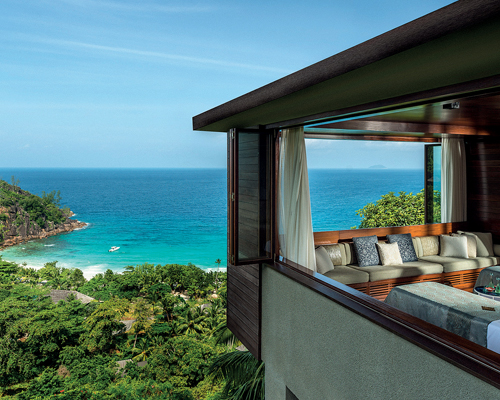
In my role in the Seychelles, as well as overseeing seven other spas in the Middle East and Africa, I’m expecting continued growth in personalised treatment and service experiences as guests expect us to become more like lifestyle coaches.
Consumers are no longer just treatment orientated. They’re very educated, asking more questions than ever and looking at ways to extend the experience well beyond the treatment itself. They want follow-up and customised programmes so they can incorporate what they’ve learned into their daily routines.
Spas may have to look at opportunities to stay connected with guests throughout the year to support them in their quest for an optimum lifestyle. Guest service, care and experiences will be taken to a different level and will continue long after the guest has left the spa. This also creates a chance for retail as guests actively look for products that can assist with their journey after they depart, so it’s crucial we’re prepared to deliver what they’re looking for and to capitalise on this trend.
"Guest service, care and experiences will be taken to a different level and will continue long after the guest has left the spa"
Spas may need to think of ways to connect with guests after their visit as customers expect ongoing lifestyle advice
AUSTRALASIA
Charles Davidson
Charles DavidsonCEO, founder & directorPeninsula Hot Springs
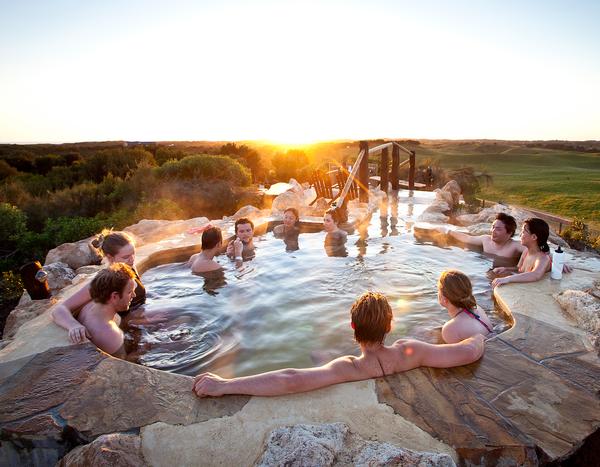
In Australasia, hot springs are increasingly becoming a driving force for wellness, community engagement and cultural evolution and we expect this to gain momentum in the next 12 months and beyond for a number of reasons.
Operators of hot springs in the region have been collaborating to evolve an industry that provides more than just a relaxing and recreational experience. They’re recognising that ---thermal waters have a broader role to play in building healthy communities. The physical, mental and cultural benefits of thermal mineral springs are being woven into the offering. In addition, consumers are increasingly recognising hot springs for their therapeutic benefits. Recently, RMIT University surveyed nearly 4,000 visitors at Peninsula Hot Springs and “significant relief” was reported by 38 per cent of those who said they had depression and by 48 per cent of those with stress or anxiety.
More than 80 per cent of all visitors said they had better sleep after bathing in the thermal waters. Hot spring design that integrates nature and encourages movement contribute to these outcomes.
From a cultural perspective, a diversity of thermal bathing experiences such as hammams from Turkey, Yemen and Morocco; saunas from Scandinavia; and coloured mineral clays from across Australia, provide a cultural connection.
"Operators of hot springs in the region have been collaborating to evolve an industry that provides more than just a relaxing and recreational experience"
Hot spring bathers report improved sleep, as well as less anxiety and depression
says Davidson
MIDDLE EAST
Lindsay Madden Nadeau
Lindsay Madden NadeauDirector of spa integrations & operationsFRHI
Collier International’s new Dubai spa benchmark report, gives an indication of the general trends, challenges and opportunities in the Middle East. The most interesting benchmarks – the ones which everyone’s talking about – are spa capture rates, retail as a percentage of revenue and treatment room utilisation. And while the results are far from positive, and somewhat unexpected, they will help spas to evaluate performance and influence how they develop.
The report compares hotel spas in urban and resort locations with an average of 7.9 and 13.6 treatment rooms. When it comes spa capture rates, there’s been a slight increase in resort (0.7 per cent) and decline in urban (-0.2 per cent) properties. Guests are being ever more conscientious of how they spend their money and spas no longer have the luxury of just waiting for their guests to arrive. Spas need to actively get out and bring the business in.
While spa retail sales in Dubai are consistent, according to the report, buying habits in the region are changing. Chinese clients are switching from high-end to more mid-range brands, while Russian guests are spending less due to the decreasing strength of the Euro. If spas focus on strong consultations and guestcare as a means to retail, they should see an increase in product purchases.
Treatment room utilisation continues to be low in this region, the report shows an average of 15-20 per cent which means spa rooms are empty more than three-quarters of the time. This is reflective of over demand and competition combined with large spas with many treatment rooms that, frankly, just can’t be filled. In the future, we predict that owners will build smaller spas with fewer treatment rooms to support the [lesser] demand of hotel and local guests. Expectations will then be aligned as people can strategically run their business.
"The benchmarks everyone’s talking about are spa capture rates, retail as a percentage of revenue and treatment room utilisation"
Spa-goers in Dubai are increasingly price conscious and operators need to actively get out and bring the business in
ASIA
Joy Menzies
Joy MenziesManaging directorDSM Wellness Management
The Asian destination spa market is buoyant and we’ll see new sites by one or two major brands appearing this year.
There are also two exciting emerging fields for spas in the region. The first is wellness communities, driven by property developers responding to rising consumer demand for wellbeing. These large-scale projects combine residential homes with wellness-orientated infrastructure to create total lifestyle solutions.
The model offers excellent collaboration potential for all types of wellness business – from spas, medi-spas and holistic health facilities to wellness hotels/resorts, fitness and healthy food and lifestyle outlets. stores. The challenge is to present clearly defined brands and innovative concepts that attract the interest of home owners while being viable for developers.
Wellness community projects we’ve worked on include Avira Living in Wellness, a development by the Eastern & Oriental hotel group which will have 3,000 homes, as well as Qi’n Wellness which opens with a destination spa in Hainan, China in 2017. This trend isn’t confined to Asia, but with the large-scale developments typical to the region, we’ll see more activity, particularly in China, in the coming year.
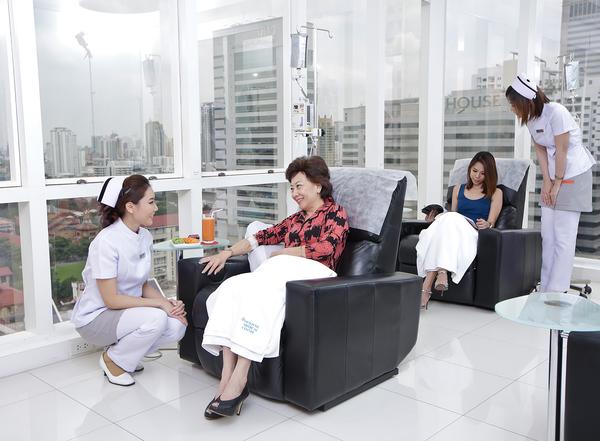
The second emerging field is integrated and functional medicine clinics such as the Holistic Medical Clinic, Bangkok and Life Clinic in Hong Kong. Such facilities offer results-based, anti-ageing medical treatments to boost internal health. At the same time, there’s still a demand for anti-ageing aesthetic treatments, suggesting an appetite for both internal and external healthy ageing services.
"With large-scale developments typical to the region, we’ll see more activity in the wellness community field, particularly in China, in the coming year"
There’s a rise in integrated and functional medicine clinics across Asia, such as the Holistic Medical Clinic in Bangkok
NORTH AMERICA
Sleep health has been huge for Ronco and he only sees its popularity growing
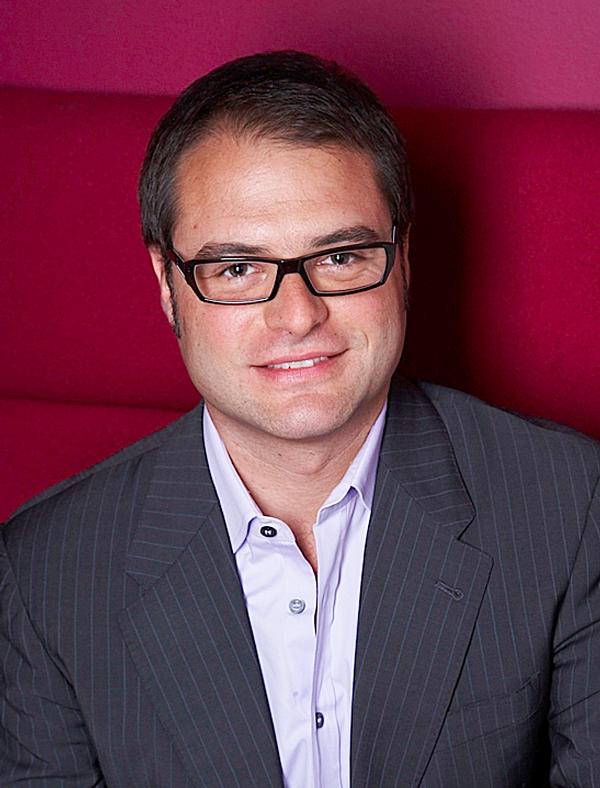
Nicolas RoncoFounder & CEOYeloSpa
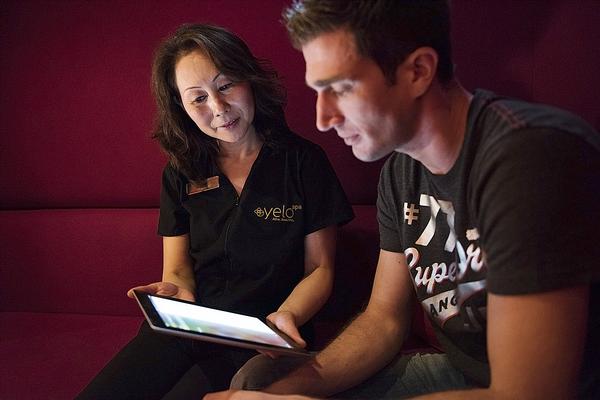
Days spas make up over three quarters of the industry in the US and amazingly have not really evolved since the 80s. There’s a need for innovation and we feel a new way of doing business in the day spa segment is to observe customers and anticipate their needs.
Clients in high-end urban areas are extremely well-educated and informed. They have active, successful careers and no time to waste. They respond well to things like simplified menus, unique membership options with no commitments or fine print, price per minute to better fit with their schedules and wallet and streamlining at check in so that 95 per cent of their time is spent in a treatment. Expect to see much more of this in the year ahead. Extreme customisation of the client experience is also big – starting with an individual consultation to ask them to choose the sound/music, aromatherapy and chromotherapy.
What I’m really excited about is the fact that urbanites have become health and wellness freaks. They really pay attention to what they ingest, how they exercise and approach life. This kind of thinking is no longer reserved to the top 1 per cent or the LA crowd. In this respect, sleep therapy, hygiene and napping has been huge for us and with the public starting to understand it has proper health benefits – from heart health and weight loss to fighting depression, anti-ageing and enhancing performance – this will only continue.
If day spas understand how to catch this new wave by addressing what clients really crave, they’ll be successful.
"Clients respond well to things like simplified menus, unique membership options with no fine print and price per minute to fit schedules and wallets"
Anticipate guest needs and make sure check-in is streamlined so more time can be spent in treatments, says Ronco
Africa
Mandy Trollip
Mandy TrollipManaging directorAmani Spas
We operate 16 spas across a wide range of properties in South Africa, from those in blue chip city and country hotels to safari lodges, but despite the different locations what we’re noticing in all customers is the cult of the self: where the need to look and feel good is more valued and valuable then ever before.
With this in mind, creating a spa experience which is truly personalised to encompass the individual’s needs and demands is an absolute must in our part of the world.
All too often spa-goers are enticed into the ocean of sameness – indulgence, pampering, beauty, tranquility. We think the new way of doing spa business in Africa will be to kick these clichés by creating customised destinations and experiences which discerning guests simply cannot live without, the kind which ensure genuine integration of spa and lifestyle to keep them coming back for more.
Elsewhere, there’s a growing demand to achieve more with less time, so express treatments are essential. Meanwhile, the strongest emerging market is men. Men’s health, wellbeing and grooming is growing more rapidly than women’s in this region, especially in five-star city hotel spas. The urban gentleman is on the rise and they’re on the look out for edgy, results-driven experiences. It’s time for spa destinations to be open and engaging for both male and female guests.
"The new way of doing spa business in Africa will be to kick clichés by creating customised destinations and experiences which discerning guests simply cannot live without"
EUROPE
Frank Van de Bruele
Frank Van de BrueleCEOZuiver
Improved economic conditions has led to a growth in spa-goers across the Netherlands. Our own spa sport hotel, with a spacious 13,000sq m (139,931sq ft) spa, on the outskirts of Amsterdam, usually carries out more than 31,000 treatments annually and we had 15 per cent more guests at the start of 2016 compared to 2015.
Across the country, we’ve noticed an increase in the demand for wellness days, inclusive of a treatment and lunch or dinner, over one-off services and we see spas offering more packages because of that.
Frequent spa guests are aged 35-60, but millennials [the older of which are aged 18-35 in 2016] are a new target market and operators are focusing on online and social media marketing and communications to catch their attention. Adapting to their wishes, they’re also introducing things like evening entrances, combined with meals, so these young executives can relax at spas after a busy day at work.
Attracting more international guests is another target, but the big challenge with this is that almost all spas in The Netherlands are co-ed and nude. Most facilities have a swim wear day once a week and we expect these to become even more frequent to attract international customers in line with global spa etiquette.
"Adapting to millennials, spas are introducing things like evening entrances, combined with meals, so these young executives can relax after a busy day"
COMPANY PROFILES
Simworx Ltd
The company was initially established
in 1997. Terry Monkton and Andrew
Roberts are the key stakeh [more...]
Top team: Gwinganna Lifestyle Retreat
The people behind this world-renowned lifestyle retreat share their business insights with Julie Cramer. Plus a focus on co-investor Hugh Jackman
Ask an expert: Visiting practitioners
Done well, visiting practitioner programmes can boost profits by up to 40 per cent. But how can spas get the offer right? Kate Parker investigates
Promotional feature: Esadore - creating a splash
The MD of Esadore International, Theodora Kioussis, explains how the company’s creative, manufacturing and operational skill sets can bring an international managing director
of UAE-based esadore International to life in a short space of time
In my role in the Seychelles, as well as overseeing seven other spas in the Middle East and Africa, I’m expecting continued growth in personalised treatment and service experiences as guests expect us to become more like lifestyle coaches.
Consumers are no longer just treatment orientated. They’re very educated, asking more questions than ever and looking at ways to extend the experience well beyond the treatment itself. They want follow-up and customised programmes so they can incorporate what they’ve learned into their daily routines.
Spas may have to look at opportunities to stay connected with guests throughout the year to support them in their quest for an optimum lifestyle. Guest service, care and experiences will be taken to a different level and will continue long after the guest has left the spa. This also creates a chance for retail as guests actively look for products that can assist with their journey after they depart, so it’s crucial we’re prepared to deliver what they’re looking for and to capitalise on this trend.
"Guest service, care and experiences will be taken to a different level and will continue long after the guest has left the spa"
Spas may need to think of ways to connect with guests after their visit as customers expect ongoing lifestyle advice
AUSTRALASIA
Charles Davidson
Charles DavidsonCEO, founder & directorPeninsula Hot Springs
In Australasia, hot springs are increasingly becoming a driving force for wellness, community engagement and cultural evolution and we expect this to gain momentum in the next 12 months and beyond for a number of reasons.
Operators of hot springs in the region have been collaborating to evolve an industry that provides more than just a relaxing and recreational experience. They’re recognising that ---thermal waters have a broader role to play in building healthy communities. The physical, mental and cultural benefits of thermal mineral springs are being woven into the offering. In addition, consumers are increasingly recognising hot springs for their therapeutic benefits. Recently, RMIT University surveyed nearly 4,000 visitors at Peninsula Hot Springs and “significant relief” was reported by 38 per cent of those who said they had depression and by 48 per cent of those with stress or anxiety.
More than 80 per cent of all visitors said they had better sleep after bathing in the thermal waters. Hot spring design that integrates nature and encourages movement contribute to these outcomes.
From a cultural perspective, a diversity of thermal bathing experiences such as hammams from Turkey, Yemen and Morocco; saunas from Scandinavia; and coloured mineral clays from across Australia, provide a cultural connection.
"Operators of hot springs in the region have been collaborating to evolve an industry that provides more than just a relaxing and recreational experience"
Hot spring bathers report improved sleep, as well as less anxiety and depression
says Davidson
MIDDLE EAST
Lindsay Madden Nadeau
Lindsay Madden NadeauDirector of spa integrations & operationsFRHI
Collier International’s new Dubai spa benchmark report, gives an indication of the general trends, challenges and opportunities in the Middle East. The most interesting benchmarks – the ones which everyone’s talking about – are spa capture rates, retail as a percentage of revenue and treatment room utilisation. And while the results are far from positive, and somewhat unexpected, they will help spas to evaluate performance and influence how they develop.
The report compares hotel spas in urban and resort locations with an average of 7.9 and 13.6 treatment rooms. When it comes spa capture rates, there’s been a slight increase in resort (0.7 per cent) and decline in urban (-0.2 per cent) properties. Guests are being ever more conscientious of how they spend their money and spas no longer have the luxury of just waiting for their guests to arrive. Spas need to actively get out and bring the business in.
While spa retail sales in Dubai are consistent, according to the report, buying habits in the region are changing. Chinese clients are switching from high-end to more mid-range brands, while Russian guests are spending less due to the decreasing strength of the Euro. If spas focus on strong consultations and guestcare as a means to retail, they should see an increase in product purchases.
Treatment room utilisation continues to be low in this region, the report shows an average of 15-20 per cent which means spa rooms are empty more than three-quarters of the time. This is reflective of over demand and competition combined with large spas with many treatment rooms that, frankly, just can’t be filled. In the future, we predict that owners will build smaller spas with fewer treatment rooms to support the [lesser] demand of hotel and local guests. Expectations will then be aligned as people can strategically run their business.
"The benchmarks everyone’s talking about are spa capture rates, retail as a percentage of revenue and treatment room utilisation"
Spa-goers in Dubai are increasingly price conscious and operators need to actively get out and bring the business in
ASIA
Joy Menzies
Joy MenziesManaging directorDSM Wellness Management
The Asian destination spa market is buoyant and we’ll see new sites by one or two major brands appearing this year.
There are also two exciting emerging fields for spas in the region. The first is wellness communities, driven by property developers responding to rising consumer demand for wellbeing. These large-scale projects combine residential homes with wellness-orientated infrastructure to create total lifestyle solutions.
The model offers excellent collaboration potential for all types of wellness business – from spas, medi-spas and holistic health facilities to wellness hotels/resorts, fitness and healthy food and lifestyle outlets. stores. The challenge is to present clearly defined brands and innovative concepts that attract the interest of home owners while being viable for developers.
Wellness community projects we’ve worked on include Avira Living in Wellness, a development by the Eastern & Oriental hotel group which will have 3,000 homes, as well as Qi’n Wellness which opens with a destination spa in Hainan, China in 2017. This trend isn’t confined to Asia, but with the large-scale developments typical to the region, we’ll see more activity, particularly in China, in the coming year.
The second emerging field is integrated and functional medicine clinics such as the Holistic Medical Clinic, Bangkok and Life Clinic in Hong Kong. Such facilities offer results-based, anti-ageing medical treatments to boost internal health. At the same time, there’s still a demand for anti-ageing aesthetic treatments, suggesting an appetite for both internal and external healthy ageing services.
"With large-scale developments typical to the region, we’ll see more activity in the wellness community field, particularly in China, in the coming year"
There’s a rise in integrated and functional medicine clinics across Asia, such as the Holistic Medical Clinic in Bangkok
NORTH AMERICA
Sleep health has been huge for Ronco and he only sees its popularity growing
Nicolas RoncoFounder & CEOYeloSpa
Days spas make up over three quarters of the industry in the US and amazingly have not really evolved since the 80s. There’s a need for innovation and we feel a new way of doing business in the day spa segment is to observe customers and anticipate their needs.
Clients in high-end urban areas are extremely well-educated and informed. They have active, successful careers and no time to waste. They respond well to things like simplified menus, unique membership options with no commitments or fine print, price per minute to better fit with their schedules and wallet and streamlining at check in so that 95 per cent of their time is spent in a treatment. Expect to see much more of this in the year ahead. Extreme customisation of the client experience is also big – starting with an individual consultation to ask them to choose the sound/music, aromatherapy and chromotherapy.
What I’m really excited about is the fact that urbanites have become health and wellness freaks. They really pay attention to what they ingest, how they exercise and approach life. This kind of thinking is no longer reserved to the top 1 per cent or the LA crowd. In this respect, sleep therapy, hygiene and napping has been huge for us and with the public starting to understand it has proper health benefits – from heart health and weight loss to fighting depression, anti-ageing and enhancing performance – this will only continue.
If day spas understand how to catch this new wave by addressing what clients really crave, they’ll be successful.
"Clients respond well to things like simplified menus, unique membership options with no fine print and price per minute to fit schedules and wallets"
Anticipate guest needs and make sure check-in is streamlined so more time can be spent in treatments, says Ronco
Africa
Mandy Trollip
Mandy TrollipManaging directorAmani Spas
We operate 16 spas across a wide range of properties in South Africa, from those in blue chip city and country hotels to safari lodges, but despite the different locations what we’re noticing in all customers is the cult of the self: where the need to look and feel good is more valued and valuable then ever before.
With this in mind, creating a spa experience which is truly personalised to encompass the individual’s needs and demands is an absolute must in our part of the world.
All too often spa-goers are enticed into the ocean of sameness – indulgence, pampering, beauty, tranquility. We think the new way of doing spa business in Africa will be to kick these clichés by creating customised destinations and experiences which discerning guests simply cannot live without, the kind which ensure genuine integration of spa and lifestyle to keep them coming back for more.
Elsewhere, there’s a growing demand to achieve more with less time, so express treatments are essential. Meanwhile, the strongest emerging market is men. Men’s health, wellbeing and grooming is growing more rapidly than women’s in this region, especially in five-star city hotel spas. The urban gentleman is on the rise and they’re on the look out for edgy, results-driven experiences. It’s time for spa destinations to be open and engaging for both male and female guests.
"The new way of doing spa business in Africa will be to kick clichés by creating customised destinations and experiences which discerning guests simply cannot live without"
EUROPE
Frank Van de Bruele
Frank Van de BrueleCEOZuiver
Improved economic conditions has led to a growth in spa-goers across the Netherlands. Our own spa sport hotel, with a spacious 13,000sq m (139,931sq ft) spa, on the outskirts of Amsterdam, usually carries out more than 31,000 treatments annually and we had 15 per cent more guests at the start of 2016 compared to 2015.
Across the country, we’ve noticed an increase in the demand for wellness days, inclusive of a treatment and lunch or dinner, over one-off services and we see spas offering more packages because of that.
Frequent spa guests are aged 35-60, but millennials [the older of which are aged 18-35 in 2016] are a new target market and operators are focusing on online and social media marketing and communications to catch their attention. Adapting to their wishes, they’re also introducing things like evening entrances, combined with meals, so these young executives can relax at spas after a busy day at work.
Attracting more international guests is another target, but the big challenge with this is that almost all spas in The Netherlands are co-ed and nude. Most facilities have a swim wear day once a week and we expect these to become even more frequent to attract international customers in line with global spa etiquette.
"Adapting to millennials, spas are introducing things like evening entrances, combined with meals, so these young executives can relax after a busy day"
Abu Dhabi-based investment firm Mubadala Capital has made a binding, fully financed
€1 billion
offer to acquire Pierre and Vacances SA, the European holiday resort operator behind the
continental European Center Parcs business.
Disney has reaffirmed its commitment to investing US$30 billion in its US parks and cruise
business by 2033, using new America250 celebrations to underline the role its attractions play
in supporting jobs, tourism and economic growth.
Expo 2030 Riyadh is being planned as a permanent visitor destination, with organisers
confirming the six-million-square-metre site will become a Global Village after the event closes.
The owner of one of Australia's best-known waterparks has acquired a major competitor,
creating a new attractions business spanning two of the country's largest visitor destinations.
The Toverland theme park in the Netherlands has announced a €98m expansion programme
that will add a resort, new attractions and staff facilities as it pursues plans to become a multi-
day destination.
Hotel de France, located on the British Isle of Jersey, has created a wellness retreat package
that includes a hot yoga session that will take place in Jersey Zoo’s butterfly sanctuary.
A new immersive attraction designed to transport visitors into the final hours of ancient Pompeii
is preparing to open near the world-famous archaeological site in southern Italy.
Experience design company, BRC Imagination Arts, has completed a transition that sees founder
Bob Rogers pass ownership of the business to four long-serving senior executives, while
remaining actively involved with the company.
Movie Park Germany has opened a new Paramount Pictures-themed attraction as part of its 30th
anniversary celebrations, using immersive storytelling and adaptive reuse to reinforce the park’s
longstanding “Hollywood in Germany” positioning.
Therme Manchester’s 28-acre development, which will include interconnected glass pavilions
that measure 65,000sq m, will be the largest bathing and wellbeing attraction in the world once
complete, according to prof David Russell, CEO of Therme UK.
+ More news
COMPANY PROFILES
Simworx Ltd The company was initially established
in 1997. Terry Monkton and Andrew
Roberts are the key stakeh [more...]