The rapidly emerging field of epigenetics will transform the personal care industry and the spa and wellbeing sector will be at the heart of this change, with huge opportunities to grow engagement with customers who are committed to prevention
Scientists are increasingly convinced that the majority of disease – potentially up to 95 per cent – is preventable through making healthy lifestyle choices and that even the prognosis for unpreventable disease can be improved by a better lifestyle.
It was previously thought that genes were fixed for life and that they determine our ‘biological destiny’, however, research carried out around the sequencing of the human genome has taught us that many genes change in response to how we care for ourselves during each second of our lives.
This includes everything from exercising to sleeping, to the pollution we’re exposed to, and from our stress levels to what we eat and drink and our state of mind.
Changes to our genes brought about by lifestyle – be they positive or negative – can either be specific to us, in that they alter how genes are expressed without altering the underlying DNA sequence, or they can be heritable and passed on to subsequent generations.
Increasing awareness of these findings make this type of research a huge game changer for industries related to self-care, such as the food and nutrition, sleep, spa, exercise, wellbeing and lifestyle sectors.
All stand to benefit from the fact that solutions to many ailments are cheap, available and straightforward to deliver and that – most importantly – prevention will be a huge industry in the years to come.
Who’s interested in this new thinking? Firstly, anyone who wants to live a longer, healthier life, free from disease and secondly insurance companies, corporations and governments which want to save money on healthcare.
And it’s likely to get complicated very quickly, because the greater availability of personal genetic testing kits means we’ll be seeing interested parties starting to identify those most likely to succumb to genetic disease with the intention of either helping them (in the case of health services and the wellbeing sector) or isolating them in terms of risk and potentially charging them more for services (in the case of insurance companies).
And just as our current fitness test from the gym or spa reports on our strength or cardiovascular fitness, in future, it will reveal how our diet, meditation and exercise regime has changed our genes, by how much and in what way. We’ll also discover if we’ve lowered our risk of developing a specific disease or increased our longevity.
This new thinking places our sector at the heart of a substantial and growing market for personal wellness services and will bring significant opportunity.
We have a robust knowledge base on which to build these new services and we need to tackle them head on by designing and introducing ‘test and prescribe’ modalities to ensure we’re at the heart of the drive for prevention.
Liz Terry, editorial director @elizterry
Read more from this issue of Attractions Management magazine
View contents of Attractions Management 2016 issue 1
Interview: Kenneth Ryan
Marriott’s global head of spa talks exclusively to Katie Barnes about the new ‘game-changing’ Ritz-Carlton Spa brand and market domination
Promotional feature: Steve Kass Consulting
Steve Kass, founder and former CEO of American Leisure, has launched a new business, Steve Kass Consulting. The global leader explains his goals as an innovative concept and design creator
Research: Work it out
Ophelia Yeung gives a sneak preview of a new study on workplace wellness that debuts later this month
Fitness: Competitive edge
Could a touch of rivalry help spas to engage more people in fitness? Niamh Madigan finds out
Promotional feature: Ojmar
A growing number of spa operators across the UK are working with Ojmar to upgrade their traditional keyed locking systems to electronic solutions
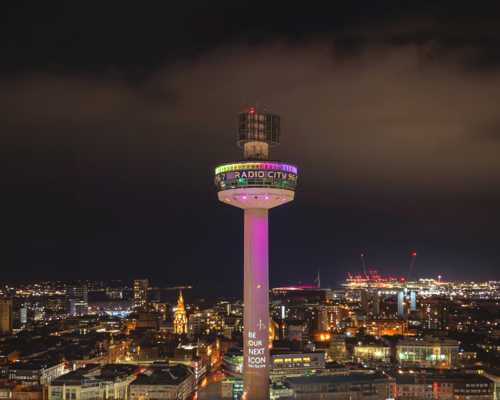
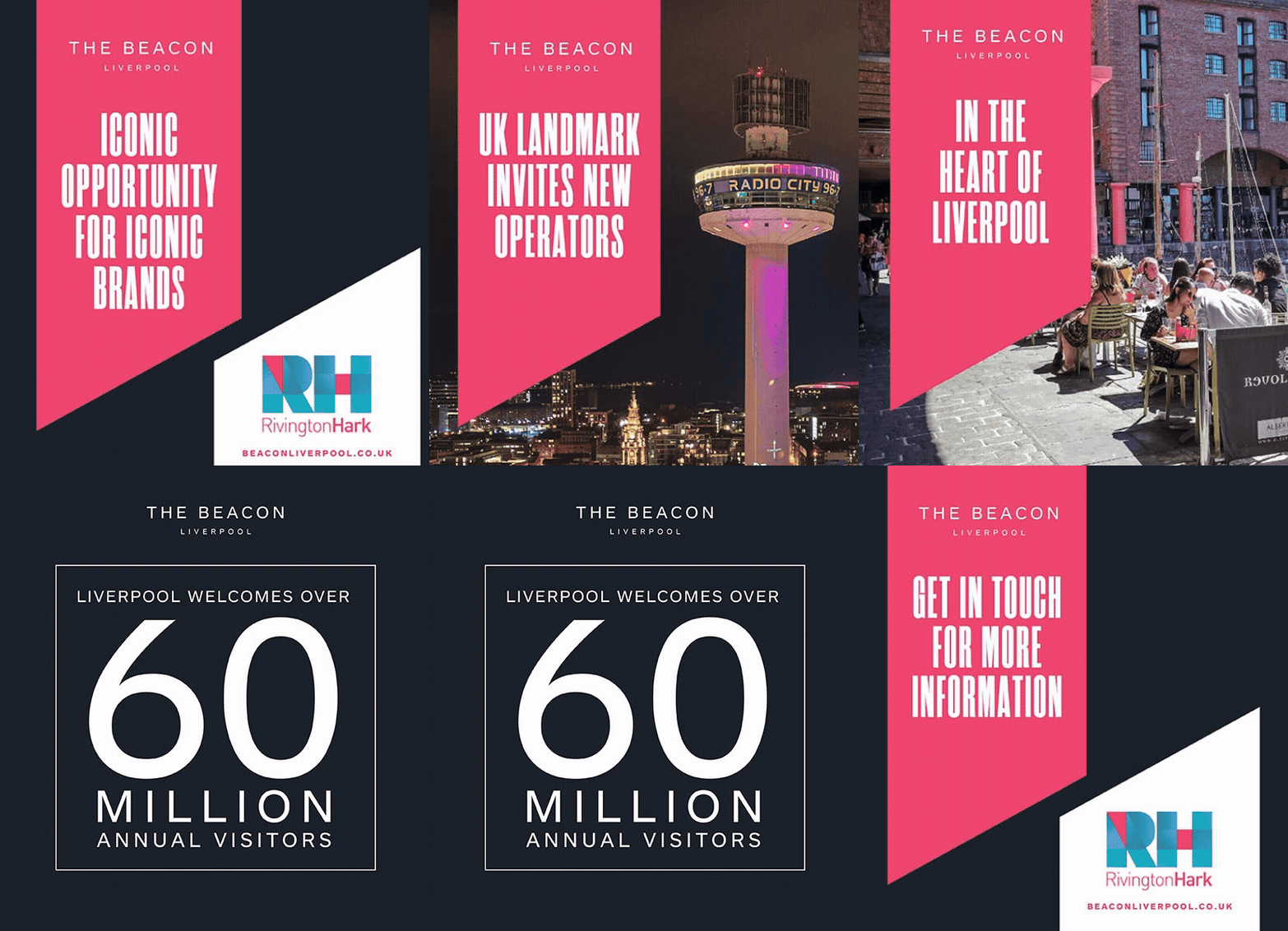
An opportunity to reimagine one of the UK’s most recognisable towers has been formally
opened by Rivington Hark, as St Johns Beacon invites operators and partners to shape its
next phase. [more...]
The rapidly emerging field of epigenetics will transform the personal care industry and the spa and wellbeing sector will be at the heart of this change, with huge opportunities to grow engagement with customers who are committed to prevention
Scientists are increasingly convinced that the majority of disease – potentially up to 95 per cent – is preventable through making healthy lifestyle choices and that even the prognosis for unpreventable disease can be improved by a better lifestyle.
It was previously thought that genes were fixed for life and that they determine our ‘biological destiny’, however, research carried out around the sequencing of the human genome has taught us that many genes change in response to how we care for ourselves during each second of our lives.
This includes everything from exercising to sleeping, to the pollution we’re exposed to, and from our stress levels to what we eat and drink and our state of mind.
Changes to our genes brought about by lifestyle – be they positive or negative – can either be specific to us, in that they alter how genes are expressed without altering the underlying DNA sequence, or they can be heritable and passed on to subsequent generations.
Increasing awareness of these findings make this type of research a huge game changer for industries related to self-care, such as the food and nutrition, sleep, spa, exercise, wellbeing and lifestyle sectors.
All stand to benefit from the fact that solutions to many ailments are cheap, available and straightforward to deliver and that – most importantly – prevention will be a huge industry in the years to come.
Who’s interested in this new thinking? Firstly, anyone who wants to live a longer, healthier life, free from disease and secondly insurance companies, corporations and governments which want to save money on healthcare.
And it’s likely to get complicated very quickly, because the greater availability of personal genetic testing kits means we’ll be seeing interested parties starting to identify those most likely to succumb to genetic disease with the intention of either helping them (in the case of health services and the wellbeing sector) or isolating them in terms of risk and potentially charging them more for services (in the case of insurance companies).
And just as our current fitness test from the gym or spa reports on our strength or cardiovascular fitness, in future, it will reveal how our diet, meditation and exercise regime has changed our genes, by how much and in what way. We’ll also discover if we’ve lowered our risk of developing a specific disease or increased our longevity.
This new thinking places our sector at the heart of a substantial and growing market for personal wellness services and will bring significant opportunity.
We have a robust knowledge base on which to build these new services and we need to tackle them head on by designing and introducing ‘test and prescribe’ modalities to ensure we’re at the heart of the drive for prevention.
Liz Terry, editorial director @elizterry
Read more from this issue of Attractions Management magazine
View contents of Attractions Management 2016 issue 1
Interview: Kenneth Ryan
Marriott’s global head of spa talks exclusively to Katie Barnes about the new ‘game-changing’ Ritz-Carlton Spa brand and market domination
Promotional feature: Steve Kass Consulting
Steve Kass, founder and former CEO of American Leisure, has launched a new business, Steve Kass Consulting. The global leader explains his goals as an innovative concept and design creator
Research: Work it out
Ophelia Yeung gives a sneak preview of a new study on workplace wellness that debuts later this month
Fitness: Competitive edge
Could a touch of rivalry help spas to engage more people in fitness? Niamh Madigan finds out
Promotional feature: Ojmar
A growing number of spa operators across the UK are working with Ojmar to upgrade their traditional keyed locking systems to electronic solutions
Experience design company, BRC Imagination Arts, has completed a transition that sees founder
Bob Rogers pass ownership of the business to four long-serving senior executives, while
remaining actively involved with the company.
Movie Park Germany has opened a new Paramount Pictures-themed attraction as part of its 30th
anniversary celebrations, using immersive storytelling and adaptive reuse to reinforce the park’s
longstanding “Hollywood in Germany” positioning.
Therme Manchester’s 28-acre development, which will include interconnected glass pavilions
that measure 65,000sq m, will be the largest bathing and wellbeing attraction in the world once
complete, according to prof David Russell, CEO of Therme UK.
Efteling has opened Hooghmoed, a new family drop tower designed to broaden the appeal of its
recently launched Sirene Island themed area and introduce younger visitors to thrill attractions.
A proposed Puy du Fou development near Bicester and Universal Destinations and Experiences’
planned resort in Bedford are emerging as part of a wider transformation of the Oxford–
Cambridge Growth Corridor into a major centre for UK leisure and tourism inv
Shedd Aquarium has opened the Immersion Theater developed in partnership with SimEx-
Iwerks, as part of a wider strategy to enhance the guest experience and create additional
revenue opportunities.
The UK government has announced a temporary reduction in VAT on visitor attractions and
children’s meals as part of a summer cost-of-living support package designed to stimulate the
visitor economy and encourage family days out.
As designer Yinka Ilori prepares for his first solo gallery show in London, he speaks exclusively
to CLADmag about his mission to spread joy, the power of play, and his bold approach to using
colour (including the colours you won’t see in his work).
The government of Thailand is exploring plans for a THB300bn (£6.3bn, US$8.3bn)
entertainment complex in the country’s Eastern Economic Corridor (EEC), with officials
proposing a large-scale theme park and sports destination as part of a broader tourism and
economic development strategy.
Royal Caribbean has revealed its Hero of the Seas cruise ship, home to the most pools at sea
(nine), and a record-breaking 28 dining venues, as well as attractions including a waterpark
with two new family raft slides.
+ More news
COMPANY PROFILES
IDEATTACK IDEATTACK is a full-service planning and
design company with headquarters in
Los Angeles. [more...]
instantprint We’re a Yorkshire-based online printer, founded
in 2009 by Adam Carnell and James Kinsella. [more...]
An opportunity to reimagine one of the UK’s most recognisable towers has been formally
opened by Rivington Hark, as St Johns Beacon invites operators and partners to shape its
next phase. [more...]