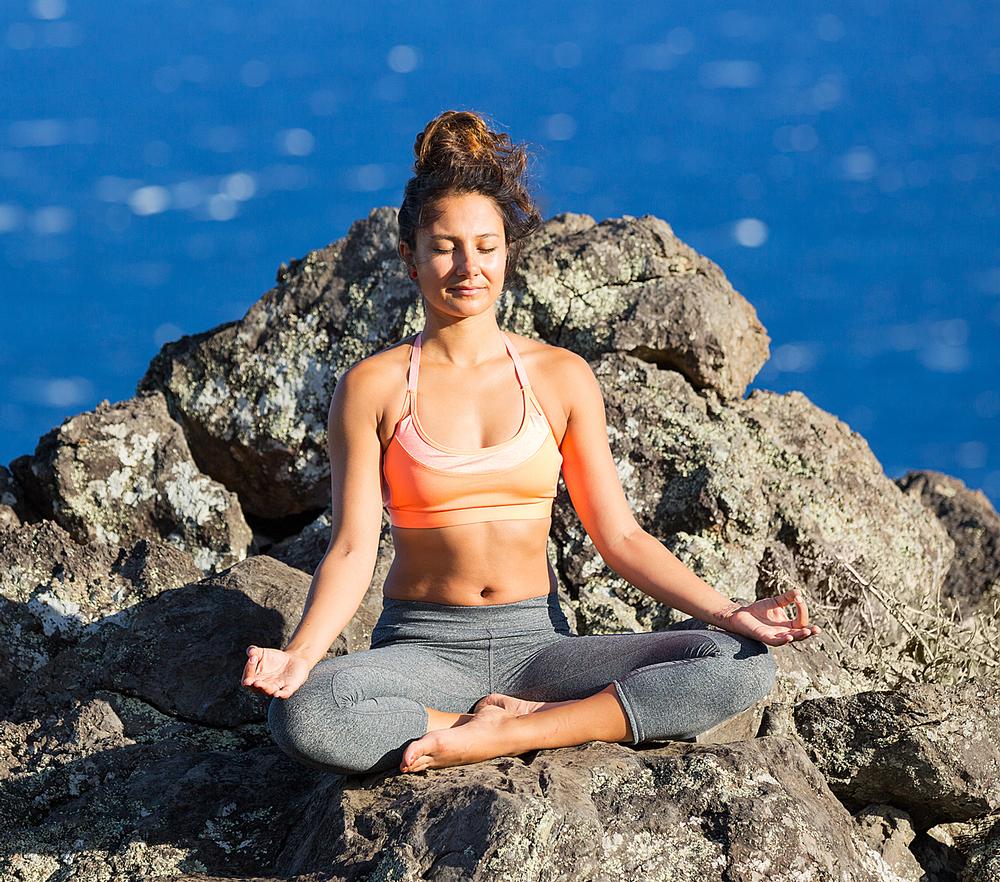
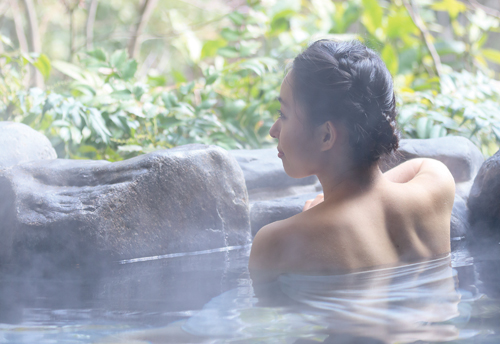
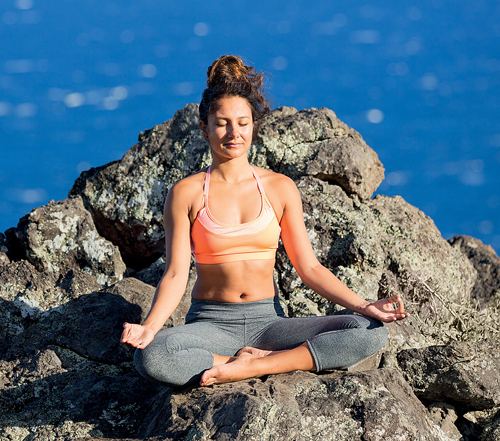
Scientists hope their findings will have larger implications for happiness training / EpicStockMedia/shutterstock.com
Scouring self-help books, exercising, taking time-out, going to spas… we go out of our way to make ourselves happy. But do we really know what happiness is?
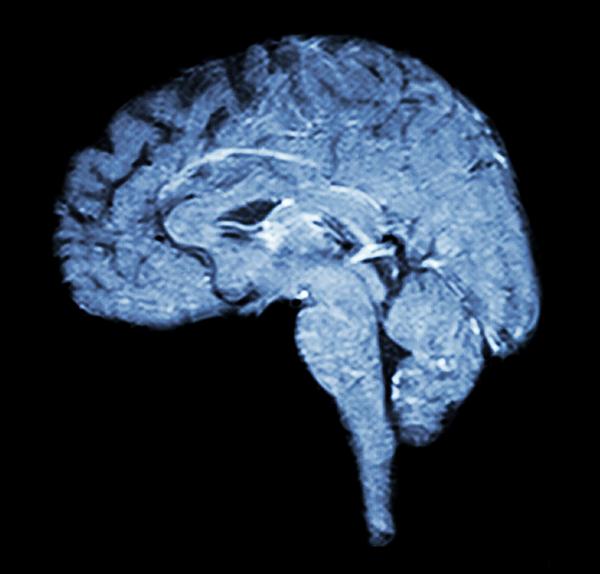
Scientists at Kyoto University, Japan, think they’ve found the answer by using MRI to narrow in on the neural structures behind subjective happiness. They hope their findings will have larger implications for happiness training.
Grey mass matter Associate professor Wataru Sato and his team scanned the brains of 51 people using MRI. Participants then took a survey asking how happy they are generally, how intensely they feel emotions and how satisfied they are with their lives.
Their analysis, published in Scientific Reports* in November, revealed that those who had a higher happiness score had more grey matter mass in the precuneus. The precuneus is a region in the medial parietal lobe that becomes active during states of consciousness – such as when people are self-reflecting or daydreaming. There was about a 15 per cent difference in size between the smallest and largest precuneus in the participants.
Sato’s findings complements a study by Harvard Medical School and the University of Chinese Medicine which shows that less activity in the precuneus may be associated to depression.
Tapping into happiness “Over history, many eminent scholars like Aristotle have contemplated what happiness is,” says Sato. “I’m very happy that we now know more about what it means to be happy.”
This is one of the first studies to use MRI to investigate happiness and the Sato believe that this paves the way for future scientists to clinically measure what things make people happier.
He’s also hopes his work may be useful in creating interventions to make people happier, especially if combined with meditation. Sato says: “Several studies show that meditation increases grey matter mass in the precuneus. This new insight on where happiness happens in the brain will be useful for developing happiness programmes based on scientific research.”
* Sato et al. The structural neural substrate of subjective happiness. Scientific Reports. November 2015.
Read more from this issue of Attractions Management magazine
View contents of Attractions Management 2016 issue 1
Interview: Kenneth Ryan
Marriott’s global head of spa talks exclusively to Katie Barnes about the new ‘game-changing’ Ritz-Carlton Spa brand and market domination
Promotional feature: Steve Kass Consulting
Steve Kass, founder and former CEO of American Leisure, has launched a new business, Steve Kass Consulting. The global leader explains his goals as an innovative concept and design creator
Research: Work it out
Ophelia Yeung gives a sneak preview of a new study on workplace wellness that debuts later this month
Fitness: Competitive edge
Could a touch of rivalry help spas to engage more people in fitness? Niamh Madigan finds out
Promotional feature: Ojmar
A growing number of spa operators across the UK are working with Ojmar to upgrade their traditional keyed locking systems to electronic solutions
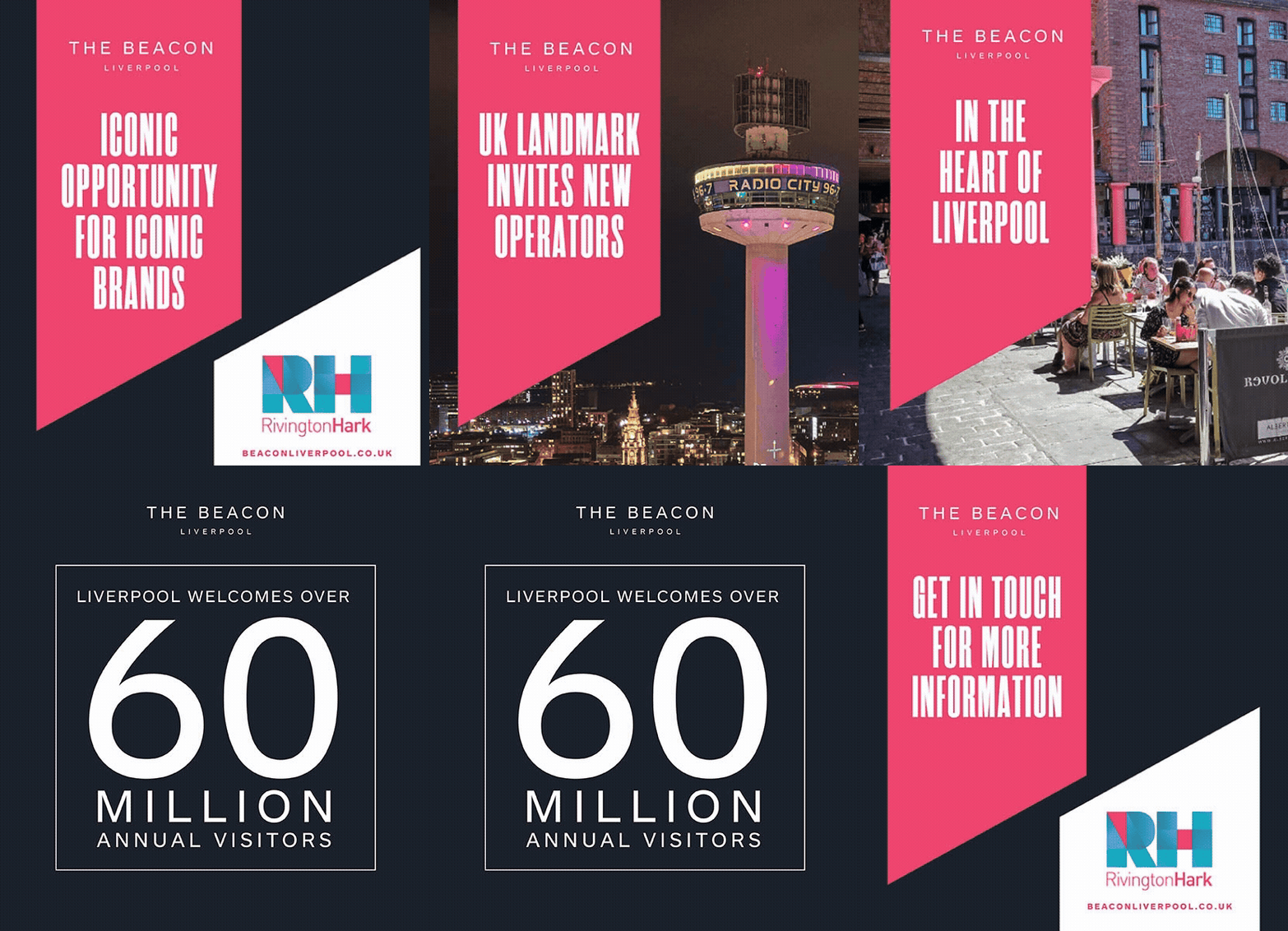
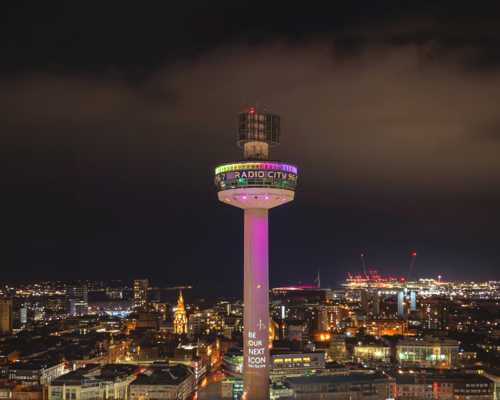
An opportunity to reimagine one of the UK’s most recognisable towers has been formally
opened by Rivington Hark, as St Johns Beacon invites operators and partners to shape its
next phase. [more...]
Scientists hope their findings will have larger implications for happiness training / EpicStockMedia/shutterstock.com
Scouring self-help books, exercising, taking time-out, going to spas… we go out of our way to make ourselves happy. But do we really know what happiness is?
Scientists at Kyoto University, Japan, think they’ve found the answer by using MRI to narrow in on the neural structures behind subjective happiness. They hope their findings will have larger implications for happiness training.
Grey mass matter Associate professor Wataru Sato and his team scanned the brains of 51 people using MRI. Participants then took a survey asking how happy they are generally, how intensely they feel emotions and how satisfied they are with their lives.
Their analysis, published in Scientific Reports* in November, revealed that those who had a higher happiness score had more grey matter mass in the precuneus. The precuneus is a region in the medial parietal lobe that becomes active during states of consciousness – such as when people are self-reflecting or daydreaming. There was about a 15 per cent difference in size between the smallest and largest precuneus in the participants.
Sato’s findings complements a study by Harvard Medical School and the University of Chinese Medicine which shows that less activity in the precuneus may be associated to depression.
Tapping into happiness “Over history, many eminent scholars like Aristotle have contemplated what happiness is,” says Sato. “I’m very happy that we now know more about what it means to be happy.”
This is one of the first studies to use MRI to investigate happiness and the Sato believe that this paves the way for future scientists to clinically measure what things make people happier.
He’s also hopes his work may be useful in creating interventions to make people happier, especially if combined with meditation. Sato says: “Several studies show that meditation increases grey matter mass in the precuneus. This new insight on where happiness happens in the brain will be useful for developing happiness programmes based on scientific research.”
* Sato et al. The structural neural substrate of subjective happiness. Scientific Reports. November 2015.
Read more from this issue of Attractions Management magazine
View contents of Attractions Management 2016 issue 1
Interview: Kenneth Ryan
Marriott’s global head of spa talks exclusively to Katie Barnes about the new ‘game-changing’ Ritz-Carlton Spa brand and market domination
Promotional feature: Steve Kass Consulting
Steve Kass, founder and former CEO of American Leisure, has launched a new business, Steve Kass Consulting. The global leader explains his goals as an innovative concept and design creator
Research: Work it out
Ophelia Yeung gives a sneak preview of a new study on workplace wellness that debuts later this month
Fitness: Competitive edge
Could a touch of rivalry help spas to engage more people in fitness? Niamh Madigan finds out
Promotional feature: Ojmar
A growing number of spa operators across the UK are working with Ojmar to upgrade their traditional keyed locking systems to electronic solutions
A new immersive attraction designed to transport visitors into the final hours of ancient Pompeii
is preparing to open near the world-famous archaeological site in southern Italy.
Experience design company, BRC Imagination Arts, has completed a transition that sees founder
Bob Rogers pass ownership of the business to four long-serving senior executives, while
remaining actively involved with the company.
Movie Park Germany has opened a new Paramount Pictures-themed attraction as part of its 30th
anniversary celebrations, using immersive storytelling and adaptive reuse to reinforce the park’s
longstanding “Hollywood in Germany” positioning.
Therme Manchester’s 28-acre development, which will include interconnected glass pavilions
that measure 65,000sq m, will be the largest bathing and wellbeing attraction in the world once
complete, according to prof David Russell, CEO of Therme UK.
Efteling has opened Hooghmoed, a new family drop tower designed to broaden the appeal of its
recently launched Sirene Island themed area and introduce younger visitors to thrill attractions.
A proposed Puy du Fou development near Bicester and Universal Destinations and Experiences’
planned resort in Bedford are emerging as part of a wider transformation of the Oxford–
Cambridge Growth Corridor into a major centre for UK leisure and tourism inv
Shedd Aquarium has opened the Immersion Theater developed in partnership with SimEx-
Iwerks, as part of a wider strategy to enhance the guest experience and create additional
revenue opportunities.
The UK government has announced a temporary reduction in VAT on visitor attractions and
children’s meals as part of a summer cost-of-living support package designed to stimulate the
visitor economy and encourage family days out.
As designer Yinka Ilori prepares for his first solo gallery show in London, he speaks exclusively
to CLADmag about his mission to spread joy, the power of play, and his bold approach to using
colour (including the colours you won’t see in his work).
The government of Thailand is exploring plans for a THB300bn (£6.3bn, US$8.3bn)
entertainment complex in the country’s Eastern Economic Corridor (EEC), with officials
proposing a large-scale theme park and sports destination as part of a broader tourism and
economic development strategy.
An opportunity to reimagine one of the UK’s most recognisable towers has been formally
opened by Rivington Hark, as St Johns Beacon invites operators and partners to shape its
next phase. [more...]