Ang Lee is the first to use the technology in the cinema, though it has been seen in theme parks
Very few people will have yet had the opportunity to experience footage shot at 120 frames per second (fps) – perhaps just those who’ve been on Disney’s brand new Soarin’ Around the World rides. Oscar-winning film director Ang Lee is changing all that, as his pioneering use of the technology may signal a new way of filming for both the cinema and attractions industries. If dark rides, 4D cinemas and flying theatres one day employ this process more widely, visitor immersion could be lifted to a whole new level.
Lee’s new film, Billy Lynn’s Long Halftime Walk, is the first movie to be shot at 120fps, in 4K 3D and with a screen luminance of 28 foot-lamberts – a technique that brings extreme clarity and almost hyperreal quality to the images for an immersive digital experience. Based on the book by Ben Fountain, the film tells the story of a 19-year-old soldier who suffers flashbacks from his time in Iraq whilst attending a Thanksgiving Day football game.
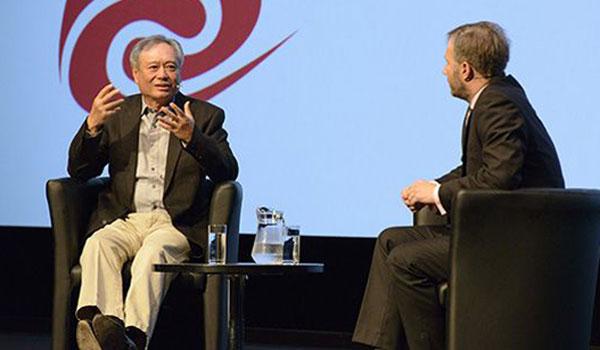
“4K, 3D, 120fps capture gives extraordinary clarity to a film,” says Lee, who also directed Brokeback Mountain and Life of Pi. “It allows us to explore new ground in cinema and engage the audience on a more emotional level.”
There are challenges, Lee says, such as the actors being unable to wear make up and the ability to see more than ever before in the faces and expressions of the cast.
“We could see everything,” says Lee. “That’s the scary part – you see the acting. The way we are used to actors looking at each other looks dead and if you try to act, it looks like you are trying to act. The film language has to change. I didn’t have much choice but to stick close to Billy Lynn. You feel how they feel, see the thoughts in their eyes.”
Data capture At September’s IBC show in Amsterdam, the Netherlands, clips from the Sony TriStar release were shown to a live audience, powered by two Christie Mirage 4KLHs projectors, with video processing bandwidth of 1.2 Gigapixels per second and the world’s brightest laser system. 7thSense’s Delta Infinity media server handled the demanding playback requirements.
Lee’s editor on the film, Tim Squyres, has pointed out that not all movie theatres have the ability to screen the film this way, but Billy Lynn can still be released in 2D 24fps, for example.
“The normal paradigm is you shoot a bunch of frames and then project those frames in the movie theatre,” says Squyres. “With this, it’s more like we’re capturing data. We’re shooting with a 360-degree shutter and using that data we can create all kinds of different formats and all kinds of different looks.”
In 2013, Peter Jackson filmed The Hobbit at 48fps, considered a huge jump from the industry standard of 24fps.
Read more from this issue of Attractions Management magazine
View contents of Attractions Management 2016 issue 4
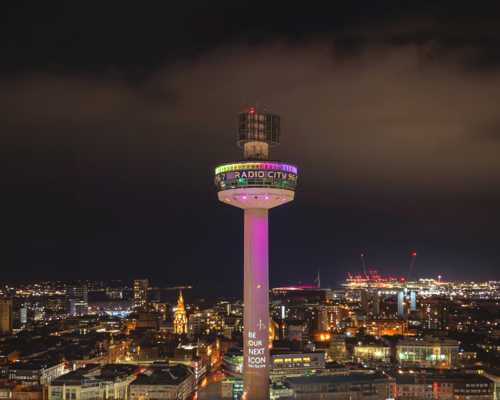
An opportunity to reimagine one of the UK’s most recognisable towers has been formally
opened by Rivington Hark, as St Johns Beacon invites operators and partners to shape its
next phase. [more...]
Ang Lee is the first to use the technology in the cinema, though it has been seen in theme parks
Very few people will have yet had the opportunity to experience footage shot at 120 frames per second (fps) – perhaps just those who’ve been on Disney’s brand new Soarin’ Around the World rides. Oscar-winning film director Ang Lee is changing all that, as his pioneering use of the technology may signal a new way of filming for both the cinema and attractions industries. If dark rides, 4D cinemas and flying theatres one day employ this process more widely, visitor immersion could be lifted to a whole new level.
Lee’s new film, Billy Lynn’s Long Halftime Walk, is the first movie to be shot at 120fps, in 4K 3D and with a screen luminance of 28 foot-lamberts – a technique that brings extreme clarity and almost hyperreal quality to the images for an immersive digital experience. Based on the book by Ben Fountain, the film tells the story of a 19-year-old soldier who suffers flashbacks from his time in Iraq whilst attending a Thanksgiving Day football game.
“4K, 3D, 120fps capture gives extraordinary clarity to a film,” says Lee, who also directed Brokeback Mountain and Life of Pi. “It allows us to explore new ground in cinema and engage the audience on a more emotional level.”
There are challenges, Lee says, such as the actors being unable to wear make up and the ability to see more than ever before in the faces and expressions of the cast.
“We could see everything,” says Lee. “That’s the scary part – you see the acting. The way we are used to actors looking at each other looks dead and if you try to act, it looks like you are trying to act. The film language has to change. I didn’t have much choice but to stick close to Billy Lynn. You feel how they feel, see the thoughts in their eyes.”
Data capture At September’s IBC show in Amsterdam, the Netherlands, clips from the Sony TriStar release were shown to a live audience, powered by two Christie Mirage 4KLHs projectors, with video processing bandwidth of 1.2 Gigapixels per second and the world’s brightest laser system. 7thSense’s Delta Infinity media server handled the demanding playback requirements.
Lee’s editor on the film, Tim Squyres, has pointed out that not all movie theatres have the ability to screen the film this way, but Billy Lynn can still be released in 2D 24fps, for example.
“The normal paradigm is you shoot a bunch of frames and then project those frames in the movie theatre,” says Squyres. “With this, it’s more like we’re capturing data. We’re shooting with a 360-degree shutter and using that data we can create all kinds of different formats and all kinds of different looks.”
In 2013, Peter Jackson filmed The Hobbit at 48fps, considered a huge jump from the industry standard of 24fps.
Read more from this issue of Attractions Management magazine
View contents of Attractions Management 2016 issue 4
The Toverland theme park in the Netherlands has announced a €98m expansion programme
that will add a resort, new attractions and staff facilities as it pursues plans to become a multi-
day destination.
Hotel de France, located on the British Isle of Jersey, has created a wellness retreat package
that includes a hot yoga session that will take place in Jersey Zoo’s butterfly sanctuary.
A new immersive attraction designed to transport visitors into the final hours of ancient Pompeii
is preparing to open near the world-famous archaeological site in southern Italy.
Experience design company, BRC Imagination Arts, has completed a transition that sees founder
Bob Rogers pass ownership of the business to four long-serving senior executives, while
remaining actively involved with the company.
Movie Park Germany has opened a new Paramount Pictures-themed attraction as part of its 30th
anniversary celebrations, using immersive storytelling and adaptive reuse to reinforce the park’s
longstanding “Hollywood in Germany” positioning.
Therme Manchester’s 28-acre development, which will include interconnected glass pavilions
that measure 65,000sq m, will be the largest bathing and wellbeing attraction in the world once
complete, according to prof David Russell, CEO of Therme UK.
Efteling has opened Hooghmoed, a new family drop tower designed to broaden the appeal of its
recently launched Sirene Island themed area and introduce younger visitors to thrill attractions.
A proposed Puy du Fou development near Bicester and Universal Destinations and Experiences’
planned resort in Bedford are emerging as part of a wider transformation of the Oxford–
Cambridge Growth Corridor into a major centre for UK leisure and tourism inv
Shedd Aquarium has opened the Immersion Theater developed in partnership with SimEx-
Iwerks, as part of a wider strategy to enhance the guest experience and create additional
revenue opportunities.
The UK government has announced a temporary reduction in VAT on visitor attractions and
children’s meals as part of a summer cost-of-living support package designed to stimulate the
visitor economy and encourage family days out.
An opportunity to reimagine one of the UK’s most recognisable towers has been formally
opened by Rivington Hark, as St Johns Beacon invites operators and partners to shape its
next phase. [more...]