Reductions in travel and the impact of homeworking have
changed where people spend their time. How will this impact
investment in the sector? Karen Maxwell investigates
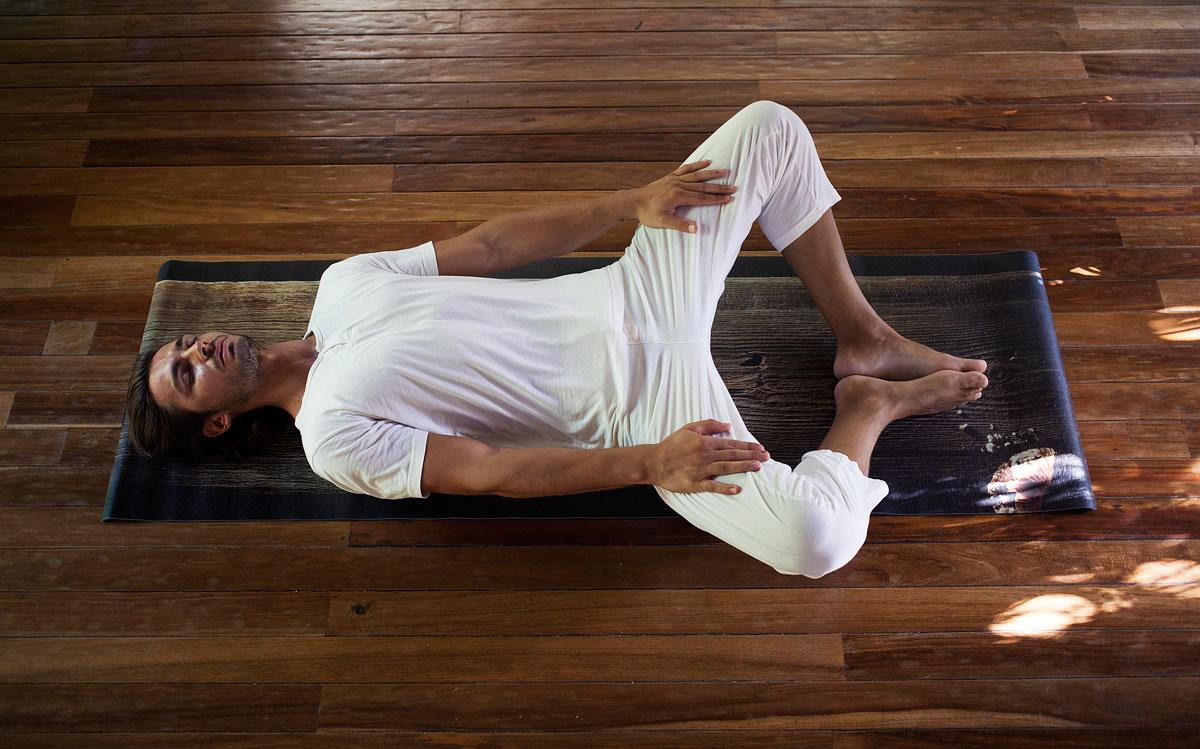
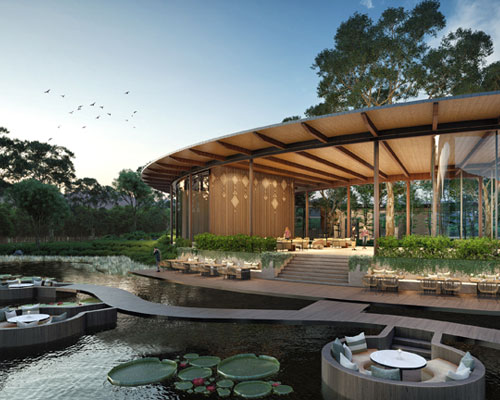
Six Senses Place locations will be created in cities around the world to support resort customers when they return home / photo: Photo Dan Kullberg/six senses
The spa and wellness industries are largely real estate-based, meaning property sits at the heart of most industry investments and constitutes a large part of their value and a significant proportion of their cost base.
So what impacts will the pandemic have on operator and investor property holdings and what new threats and opportunities will these impacts present over the coming months and years?
The pandemic has had a major impact on the movement of people, which in turn is changing the game in terms of location and customer markets.
The UN World Tourism Organization reports that disruptions to travel saw a 76 per cent reduction in international tourist arrivals in the year to September 2021 and an 85 per cent reduction in air reservations in the same timeframe, meaning footfall in locations which depend on international travel has been severely reduced.
In addition, the pandemic has forced many people to work from home, with major corporations predicting that a combination of remote working and in-office working practices are likely to persist for some time.
All this is changing the shape of where people need services to be located and we expect this to impact property values and investment portfolios as the shakeout from the pandemic continues.
There’s some better news too, as in some parts of the world, people’s spending power has been preserved by government interventions and furlough schemes, as well as reductions in commuting costs, meaning they still have disposable income, but they’re spending it more on ‘local’ wellness.
We ask our Spa Business panel of experts how these trends will impact property portfolios and what innovations we can expect to see.
Neil Jacobs
Six Senses
photo: Six Senses
There are big shifts going on in the real estate market in terms of consumer priorities and developers are finally seeing the value of wellness.
Demand for new deals has almost doubled in the last 18 months as a result.
Consumers increasingly want wellness to be flexible and integrated into their lives, so we’ve been developing new combinations of facilities that fuse wellness, sustainability, activity and socialising to create communities.
We’re launching a new club concept called Six Senses Place. The clubs won’t be clinical, they’ll be fun, social spaces and everything will have a wellness element, from the cocktails at the bar – which will be made with botanicals grown in the rooftop farm – to the facilities on offer.
They’ll open in London and New York and we’re also looking at Bangkok, Shanghai, the Loire Valley, Istanbul, Rome and Lisbon to creating a global network.
Launching Six Senses Place gives us three complementary offerings and we’re planning some cluster developments that include them all – a Six Senses resort or hotel and spa, a Six Senses Residences – with wellness built in – and the new Six Senses Place club concept.
Building these together will create synergies between the three elements, so if you’re staying at a Six Senses hotel which has a Six Senses Place and you want to enjoy the Eat with Six Senses programme, you’ll be able to order it from room service, for example.
Six Senses Place clubs will also enable hotel and resort guests to continue their wellness journey once they’re back in their hometown and some developers are even planning to include a membership of Six Senses Place in with the price of a residential unit, so they become vibrant communities.
We expect to see more developments where residences eclipse the hotels in scale, as consumer demand for wellness residential communities grows.
All these ideas were in the pipeline before COVID, but the pandemic has accelerated these trends.
Our new Six Senses Place club concept
will allow club members to continue
their wellness journey once
they’re back in their home town
Scott Schubiger
Massage Heights
We’re witnessing a migration away from central business districts, with more people moving to the suburbs and as a result, landlords are on the lookout for strong, sustainable businesses to fill this void.
Real estate developers are scrambling to accelerate their ‘live, work, play’ vision of building mixed-use retail and living spaces for residents to enjoy.
We’re also seeing spa and wellness operators pivoting from standalone retail sites to explore partnerships with hotels and fitness chains.
With some larger fitness facilities not maximising key metrics, such as revenue per sq ft/m, for example, these businesses are looking to bring in spa and wellness offerings. In essence, carving out square footage to appeal to the same customer base.
A further trend is that many entrepreneurs are opening several brands in the health, beauty and spa space in the same location. This allows for the same consumer to frequent all the facilities in a one-stop shop visit, which may include working out, having a beauty treatment and getting a massage – which is appealing for the savvy operator of all three concepts.
This situation has helped our Massage Heights ‘retreat’ strategy, as our members have short drive times and accessible parking which has helped to push up member sales. Our revenue model is appealing to landlords who gain greater comfort knowing that the brand and business can weather the unforeseen.
Our retreats continue to be in strong demand that – in some cases – outstrips supply. With a rental requirement of approximately 250sq m, our franchisee premises can fill an empty retail void and we’re also exploring new terms in lease agreements with landlords and within our franchisee contracts.
Massage Heights is on track to produce all-time record sales this year, largely due to the fact we have excellent franchisee partners, a strong unit-economic model where 83 per cent of members have continued to pay their monthly fees throughout the pandemic and due to consumers’ new focus on self-care.
We’re seeing spa and wellness
operators pivoting from standalone
sites to explore partnerships
with hotels and fitness chains
Charlie Thompson
The Massage Company
It’s fascinating to see how real estate has changed since COVID-19 swung into town. There’s less appetite for larger retail developments, as attention turns towards a semi-residential, semi-suburban ‘smaller is better’ retail model that enables 20-30 units to form part of a neighbourhood community.
Within that model, there’s greater appetite for wellness zones, evidenced by landlords’ increasing focus on tenants such as yoga, fitness and spa to fit a growing expectation of wellness options within communities.
This shift in real estate is allowing more choice for consumers. The ‘little and often’ drop-in wellness experience is easier for people to fit into their schedule when it’s delivered in high street city centre or residential locations, and although these smaller units mean less rent per square metre for landlords, they can attract a more diverse tenant mix.
It’s all about creating longer dwell times. For example, The Massage Company attracts people to retail areas so they can enjoy a wellbeing experience, then have a coffee, lunch or shop. Members visit at least once a month, which offers potential business benefits to adjacent retailers.
Regarding location, in the UK, I’ve seen two or three spa and wellbeing projects recently move into central London and add childcare to their mix.
Although private operators and investors may head into these glamorous locations, I think the commercial wealth – investment banks and investment houses – will choose semi-residential areas, where they may already have properties, to develop spa and wellness offerings.
Business will be tougher for hotel operators that have bolted on spas to increase weekend occupancy at motorway junctions away from town centres, because people will be less willing to travel if they’re able to get a wellness experience closer to home.
Outside the UK, short-haul wellness destinations are likely to continue to appeal to European and British visitors. However, I’m not confident long-haul destinations, such as The Maldives and Mauritius, will be back up and running that quickly. They’re attractive for the European, Asian and UK markets, but the challenge now is getting and keeping staff due to the variables in current occupancy levels. These could be strong in peak periods, but other seasons are likely to be short and then the value of that real estate will drop.
People will be less willing to travel
if they’re able to get a wellness
experience closer to home
Ben Godon
Colliers
We’ve seen a shift of spa and wellness destinations from urban to coastal and country locations. This is partially due to consumers’ response to the pandemic where there’s been a greater focus on health and wellbeing and people working from home and having more disposable income to spend on spa treatments or mini-breaks, due to saving on commuting costs.
We’re also witnessing a shift to residential locations, as opposed to city centres to capture those working closer to home. These locations provide smaller niche offerings and emerging wellness treatments, as opposed to the traditional full-service spa offerings. This is due to the lack of space available to provide full-service treatments locally, and also to manage operational costs.
Hotels with a good leisure and spa offering have always targeted local residential markets because they’re more likely to secure regular income for these specialist facilities from local residents as opposed to hotel guests, who often have complimentary access to some spa offerings included in their room rate.
Optimal hotel developments are those with multiple income streams, whether that’s spa or leisure facilities, meeting and events space, or an interesting food and beverage offer, making it not only attractive to guests, but also locals.
Some are suggesting that hotels with spa offerings could reposition as private members’ clubs to gain subscription revenues. However, the business model for these clubs can be tricky to make profitable, and only very strong propositions in the right locations with a very defined client base survive. Also, repositioning a business from a hotel to private members’ club would be difficult to pull off.
Some people working from home have
more disposable income to spend
on spa treatments or mini-breaks
due to saving on commuting costs
Roger Allen
CEO RLA Global Group
Due to the outstanding performance of the leisure market since the start of the pandemic, resort assets have grown significantly in their appeal to investors – partly because of the swift return of demand from holidaymakers, who are eager to travel again after lengthy lockdowns.
We expect products that are close to nature to be especially of interest, due to consumers’ increased appetite for healthy outdoor experiences. Many guests are also ready to pay more money in order to feel safe at a resort. Price is really not a factor for many people if they feel they’re in a safe place.
Recent merger and acquisition deals by hotel groups and private equity investors bear this out, showing that leisure is where the current market is at, while the trends indicate that resort and leisure assets will continue to lead the recovery in the immediate future.
Our research shows that hotels with no wellness have had little ability to adapt since the start of the pandemic, not being able to offset losses in room revenue – whereas hotels with wellness report gross operating profit per available room (GOPPAR) levels 10 times higher than hotels with no wellness.
The numbers are in line with previous trends, but the pandemic deepened the gap in 2020.
These findings serve as a general indicator for investors, but they should not only look at the potential profit from wellness, but also at the impact such operations have on the performance of all hotel departments and on net operating income that drives the direct internal rate of return of the investment.
We’re still seeing some savvy investors who are anticipating the acquisition of distressed assets and expecting discounts of up to 30 per cent.
However these deals are proving difficult to find, as the owners that can afford to are holding on to underperforming assets in order to minimise discounts at the point of sale.
It’s certainly an interesting time for property companies as they navigate the new real estate market, which is seeing more hybrid real estate, such as co-living and co-working, serviced and long-stay apartment models that cater for a new type of lifestyle and living.
Some city hotels are converting meeting space into specialised health or medical facilities to cater for guests seeking comprehensive wellness experiences, while others are introducing in-room wellness options, or offering more neighbourhood leisure or sport experiences to better attract guests.
The trends in co-living and co-working are also playing a role.
Thinking outside the box is vital. We’ve seen many examples of this, with certain resorts accelerating their plans to add standalone villas or residences to better serve the demands of the luxury market segment.
Hotels with wellness report gross
operating profits 10 times higher
than hotels with no wellness
Read more from this issue of Attractions Management magazine
View contents of Attractions Management 2021 issue 4
Sponsored: Comfort Zone - Rethinking packaging
With its commitment to meeting the highest standards in relation to sustainability and regeneration, Comfort Zone is reducing its plastic footprint through the use of innovative packaging design and an important partnership to stop ocean-bound plastic
Project preview: Cultivating health
Montara Hospitality Group is developing Tri Vananda, a multi- generational, residential wellness community on the island of Phuket
Sponsored: Art of Cryo – Cold gold
Introducing cryotherapy can be lucrative for spas, as well as offering customers a cutting-edge therapy with powerful benefits for both body and mind
Interview: Brothers in spa
Saverio Quadrio Curzio of QC Terme on working with brother Andrea
on the global expansion of their luxury brand, which is built around European bathing traditions
Everyone’s talking about: Property investment
Reductions in travel and the growth
of homeworking have changed where people spend their time. Our experts consider how this will impact investment
Research: Crossing the watershed
The Global Wellness Institute dives deep into data on the US$4.4tr global wellness economy. Kath Hudson reports
Q&A: Michael Roizen & Victor Koo
The Global Wellness Summit in Boston brought the industry together for three idea-packed days. Spa Business caught up with this year's influential co-chairs
Mystery Shopper: Out of the blue
Jane Kitchen visits Iceland, the
land of fire and ice, to compare
and contrast experiences at the
famed Blue Lagoon and the newly-opened Sky Lagoon in Reykjavik
Sponsored: Optimal results
Gharieni is using research findings and insight to ensure its innovative wellness concepts exceed customers’ expectations
First person: True North
Andrew Gibson heads to Larvik in Norway to experience the world of wellness that is Farris Bad
Urban spas: La Samaritaine
Ghislain Waeyaert visits the Dior Spa at La Samaritaine in Paris, after its €500m upgrade
Spa software: Staff retention
How the latest software can help retain staff and increase business potential in a COVID-challenged world
Finishing touch: COVID attacks fat cells
Researchers from Stanford University set out to explain why people with obesity are at higher risk when contracting COVID-19, as Tom Walker reports
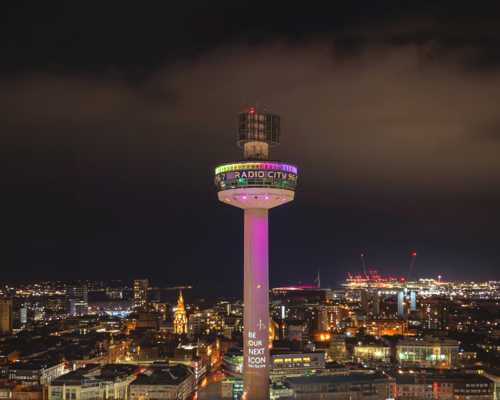
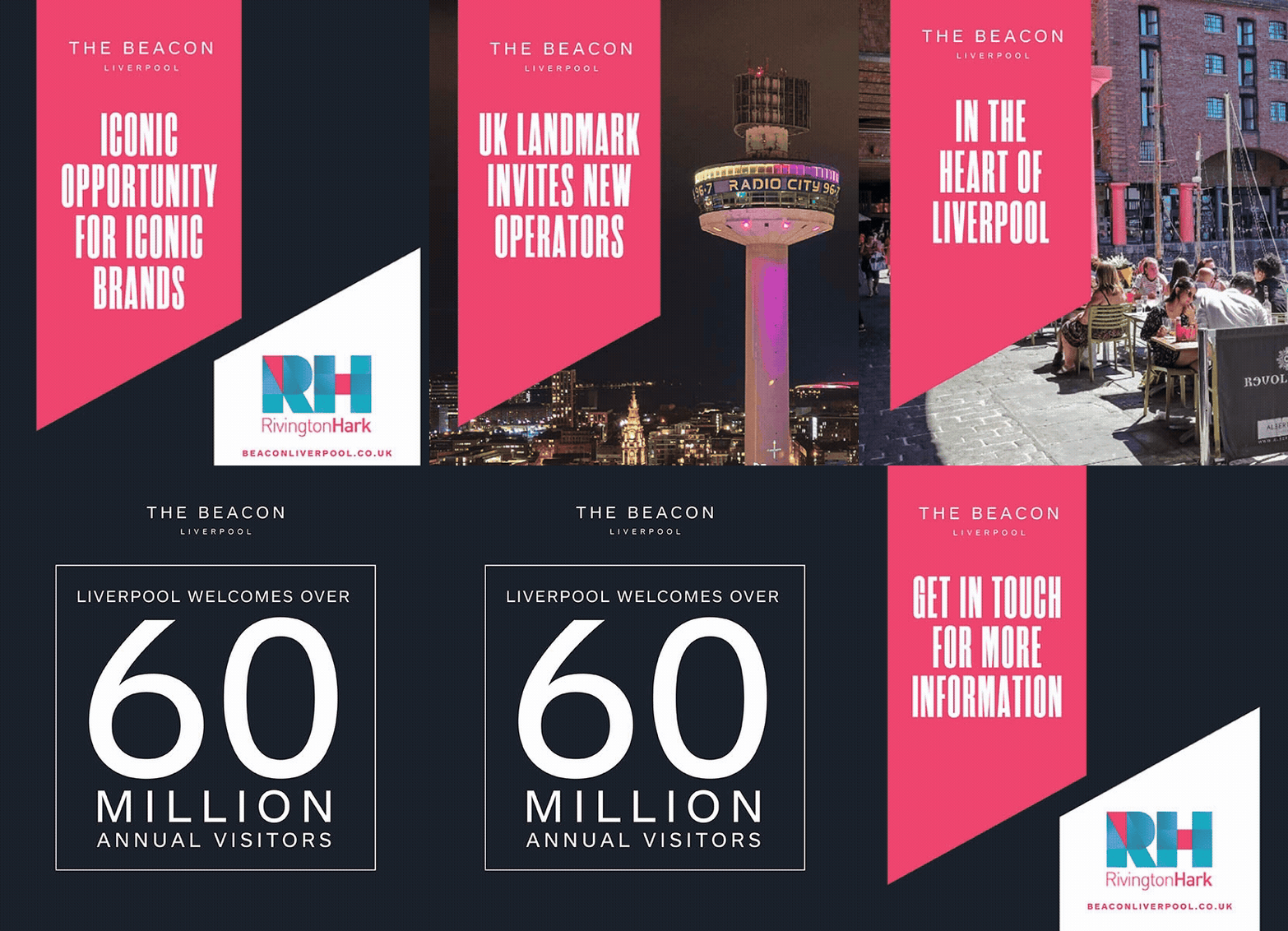
An opportunity to reimagine one of the UK’s most recognisable towers has been formally
opened by Rivington Hark, as St Johns Beacon invites operators and partners to shape its
next phase. [more...]
Reductions in travel and the impact of homeworking have
changed where people spend their time. How will this impact
investment in the sector? Karen Maxwell investigates
Six Senses Place locations will be created in cities around the world to support resort customers when they return home / photo: Photo Dan Kullberg/six senses
The spa and wellness industries are largely real estate-based, meaning property sits at the heart of most industry investments and constitutes a large part of their value and a significant proportion of their cost base.
So what impacts will the pandemic have on operator and investor property holdings and what new threats and opportunities will these impacts present over the coming months and years?
The pandemic has had a major impact on the movement of people, which in turn is changing the game in terms of location and customer markets.
The UN World Tourism Organization reports that disruptions to travel saw a 76 per cent reduction in international tourist arrivals in the year to September 2021 and an 85 per cent reduction in air reservations in the same timeframe, meaning footfall in locations which depend on international travel has been severely reduced.
In addition, the pandemic has forced many people to work from home, with major corporations predicting that a combination of remote working and in-office working practices are likely to persist for some time.
All this is changing the shape of where people need services to be located and we expect this to impact property values and investment portfolios as the shakeout from the pandemic continues.
There’s some better news too, as in some parts of the world, people’s spending power has been preserved by government interventions and furlough schemes, as well as reductions in commuting costs, meaning they still have disposable income, but they’re spending it more on ‘local’ wellness.
We ask our Spa Business panel of experts how these trends will impact property portfolios and what innovations we can expect to see.
Neil Jacobs
Six Senses
photo: Six Senses
There are big shifts going on in the real estate market in terms of consumer priorities and developers are finally seeing the value of wellness.
Demand for new deals has almost doubled in the last 18 months as a result.
Consumers increasingly want wellness to be flexible and integrated into their lives, so we’ve been developing new combinations of facilities that fuse wellness, sustainability, activity and socialising to create communities.
We’re launching a new club concept called Six Senses Place. The clubs won’t be clinical, they’ll be fun, social spaces and everything will have a wellness element, from the cocktails at the bar – which will be made with botanicals grown in the rooftop farm – to the facilities on offer.
They’ll open in London and New York and we’re also looking at Bangkok, Shanghai, the Loire Valley, Istanbul, Rome and Lisbon to creating a global network.
Launching Six Senses Place gives us three complementary offerings and we’re planning some cluster developments that include them all – a Six Senses resort or hotel and spa, a Six Senses Residences – with wellness built in – and the new Six Senses Place club concept.
Building these together will create synergies between the three elements, so if you’re staying at a Six Senses hotel which has a Six Senses Place and you want to enjoy the Eat with Six Senses programme, you’ll be able to order it from room service, for example.
Six Senses Place clubs will also enable hotel and resort guests to continue their wellness journey once they’re back in their hometown and some developers are even planning to include a membership of Six Senses Place in with the price of a residential unit, so they become vibrant communities.
We expect to see more developments where residences eclipse the hotels in scale, as consumer demand for wellness residential communities grows.
All these ideas were in the pipeline before COVID, but the pandemic has accelerated these trends.
Our new Six Senses Place club concept
will allow club members to continue
their wellness journey once
they’re back in their home town
Scott Schubiger
Massage Heights
We’re witnessing a migration away from central business districts, with more people moving to the suburbs and as a result, landlords are on the lookout for strong, sustainable businesses to fill this void.
Real estate developers are scrambling to accelerate their ‘live, work, play’ vision of building mixed-use retail and living spaces for residents to enjoy.
We’re also seeing spa and wellness operators pivoting from standalone retail sites to explore partnerships with hotels and fitness chains.
With some larger fitness facilities not maximising key metrics, such as revenue per sq ft/m, for example, these businesses are looking to bring in spa and wellness offerings. In essence, carving out square footage to appeal to the same customer base.
A further trend is that many entrepreneurs are opening several brands in the health, beauty and spa space in the same location. This allows for the same consumer to frequent all the facilities in a one-stop shop visit, which may include working out, having a beauty treatment and getting a massage – which is appealing for the savvy operator of all three concepts.
This situation has helped our Massage Heights ‘retreat’ strategy, as our members have short drive times and accessible parking which has helped to push up member sales. Our revenue model is appealing to landlords who gain greater comfort knowing that the brand and business can weather the unforeseen.
Our retreats continue to be in strong demand that – in some cases – outstrips supply. With a rental requirement of approximately 250sq m, our franchisee premises can fill an empty retail void and we’re also exploring new terms in lease agreements with landlords and within our franchisee contracts.
Massage Heights is on track to produce all-time record sales this year, largely due to the fact we have excellent franchisee partners, a strong unit-economic model where 83 per cent of members have continued to pay their monthly fees throughout the pandemic and due to consumers’ new focus on self-care.
We’re seeing spa and wellness
operators pivoting from standalone
sites to explore partnerships
with hotels and fitness chains
Charlie Thompson
The Massage Company
It’s fascinating to see how real estate has changed since COVID-19 swung into town. There’s less appetite for larger retail developments, as attention turns towards a semi-residential, semi-suburban ‘smaller is better’ retail model that enables 20-30 units to form part of a neighbourhood community.
Within that model, there’s greater appetite for wellness zones, evidenced by landlords’ increasing focus on tenants such as yoga, fitness and spa to fit a growing expectation of wellness options within communities.
This shift in real estate is allowing more choice for consumers. The ‘little and often’ drop-in wellness experience is easier for people to fit into their schedule when it’s delivered in high street city centre or residential locations, and although these smaller units mean less rent per square metre for landlords, they can attract a more diverse tenant mix.
It’s all about creating longer dwell times. For example, The Massage Company attracts people to retail areas so they can enjoy a wellbeing experience, then have a coffee, lunch or shop. Members visit at least once a month, which offers potential business benefits to adjacent retailers.
Regarding location, in the UK, I’ve seen two or three spa and wellbeing projects recently move into central London and add childcare to their mix.
Although private operators and investors may head into these glamorous locations, I think the commercial wealth – investment banks and investment houses – will choose semi-residential areas, where they may already have properties, to develop spa and wellness offerings.
Business will be tougher for hotel operators that have bolted on spas to increase weekend occupancy at motorway junctions away from town centres, because people will be less willing to travel if they’re able to get a wellness experience closer to home.
Outside the UK, short-haul wellness destinations are likely to continue to appeal to European and British visitors. However, I’m not confident long-haul destinations, such as The Maldives and Mauritius, will be back up and running that quickly. They’re attractive for the European, Asian and UK markets, but the challenge now is getting and keeping staff due to the variables in current occupancy levels. These could be strong in peak periods, but other seasons are likely to be short and then the value of that real estate will drop.
People will be less willing to travel
if they’re able to get a wellness
experience closer to home
Ben Godon
Colliers
We’ve seen a shift of spa and wellness destinations from urban to coastal and country locations. This is partially due to consumers’ response to the pandemic where there’s been a greater focus on health and wellbeing and people working from home and having more disposable income to spend on spa treatments or mini-breaks, due to saving on commuting costs.
We’re also witnessing a shift to residential locations, as opposed to city centres to capture those working closer to home. These locations provide smaller niche offerings and emerging wellness treatments, as opposed to the traditional full-service spa offerings. This is due to the lack of space available to provide full-service treatments locally, and also to manage operational costs.
Hotels with a good leisure and spa offering have always targeted local residential markets because they’re more likely to secure regular income for these specialist facilities from local residents as opposed to hotel guests, who often have complimentary access to some spa offerings included in their room rate.
Optimal hotel developments are those with multiple income streams, whether that’s spa or leisure facilities, meeting and events space, or an interesting food and beverage offer, making it not only attractive to guests, but also locals.
Some are suggesting that hotels with spa offerings could reposition as private members’ clubs to gain subscription revenues. However, the business model for these clubs can be tricky to make profitable, and only very strong propositions in the right locations with a very defined client base survive. Also, repositioning a business from a hotel to private members’ club would be difficult to pull off.
Some people working from home have
more disposable income to spend
on spa treatments or mini-breaks
due to saving on commuting costs
Roger Allen
CEO RLA Global Group
Due to the outstanding performance of the leisure market since the start of the pandemic, resort assets have grown significantly in their appeal to investors – partly because of the swift return of demand from holidaymakers, who are eager to travel again after lengthy lockdowns.
We expect products that are close to nature to be especially of interest, due to consumers’ increased appetite for healthy outdoor experiences. Many guests are also ready to pay more money in order to feel safe at a resort. Price is really not a factor for many people if they feel they’re in a safe place.
Recent merger and acquisition deals by hotel groups and private equity investors bear this out, showing that leisure is where the current market is at, while the trends indicate that resort and leisure assets will continue to lead the recovery in the immediate future.
Our research shows that hotels with no wellness have had little ability to adapt since the start of the pandemic, not being able to offset losses in room revenue – whereas hotels with wellness report gross operating profit per available room (GOPPAR) levels 10 times higher than hotels with no wellness.
The numbers are in line with previous trends, but the pandemic deepened the gap in 2020.
These findings serve as a general indicator for investors, but they should not only look at the potential profit from wellness, but also at the impact such operations have on the performance of all hotel departments and on net operating income that drives the direct internal rate of return of the investment.
We’re still seeing some savvy investors who are anticipating the acquisition of distressed assets and expecting discounts of up to 30 per cent.
However these deals are proving difficult to find, as the owners that can afford to are holding on to underperforming assets in order to minimise discounts at the point of sale.
It’s certainly an interesting time for property companies as they navigate the new real estate market, which is seeing more hybrid real estate, such as co-living and co-working, serviced and long-stay apartment models that cater for a new type of lifestyle and living.
Some city hotels are converting meeting space into specialised health or medical facilities to cater for guests seeking comprehensive wellness experiences, while others are introducing in-room wellness options, or offering more neighbourhood leisure or sport experiences to better attract guests.
The trends in co-living and co-working are also playing a role.
Thinking outside the box is vital. We’ve seen many examples of this, with certain resorts accelerating their plans to add standalone villas or residences to better serve the demands of the luxury market segment.
Hotels with wellness report gross
operating profits 10 times higher
than hotels with no wellness
Read more from this issue of Attractions Management magazine
View contents of Attractions Management 2021 issue 4
Sponsored: Comfort Zone - Rethinking packaging
With its commitment to meeting the highest standards in relation to sustainability and regeneration, Comfort Zone is reducing its plastic footprint through the use of innovative packaging design and an important partnership to stop ocean-bound plastic
Project preview: Cultivating health
Montara Hospitality Group is developing Tri Vananda, a multi- generational, residential wellness community on the island of Phuket
Sponsored: Art of Cryo – Cold gold
Introducing cryotherapy can be lucrative for spas, as well as offering customers a cutting-edge therapy with powerful benefits for both body and mind
Interview: Brothers in spa
Saverio Quadrio Curzio of QC Terme on working with brother Andrea
on the global expansion of their luxury brand, which is built around European bathing traditions
Everyone’s talking about: Property investment
Reductions in travel and the growth
of homeworking have changed where people spend their time. Our experts consider how this will impact investment
Research: Crossing the watershed
The Global Wellness Institute dives deep into data on the US$4.4tr global wellness economy. Kath Hudson reports
Q&A: Michael Roizen & Victor Koo
The Global Wellness Summit in Boston brought the industry together for three idea-packed days. Spa Business caught up with this year's influential co-chairs
Mystery Shopper: Out of the blue
Jane Kitchen visits Iceland, the
land of fire and ice, to compare
and contrast experiences at the
famed Blue Lagoon and the newly-opened Sky Lagoon in Reykjavik
Sponsored: Optimal results
Gharieni is using research findings and insight to ensure its innovative wellness concepts exceed customers’ expectations
First person: True North
Andrew Gibson heads to Larvik in Norway to experience the world of wellness that is Farris Bad
Urban spas: La Samaritaine
Ghislain Waeyaert visits the Dior Spa at La Samaritaine in Paris, after its €500m upgrade
Spa software: Staff retention
How the latest software can help retain staff and increase business potential in a COVID-challenged world
Finishing touch: COVID attacks fat cells
Researchers from Stanford University set out to explain why people with obesity are at higher risk when contracting COVID-19, as Tom Walker reports
Hotel de France, located on the British Isle of Jersey, has created a wellness retreat package
that includes a hot yoga session that will take place in Jersey Zoo’s butterfly sanctuary.
A new immersive attraction designed to transport visitors into the final hours of ancient Pompeii
is preparing to open near the world-famous archaeological site in southern Italy.
Experience design company, BRC Imagination Arts, has completed a transition that sees founder
Bob Rogers pass ownership of the business to four long-serving senior executives, while
remaining actively involved with the company.
Movie Park Germany has opened a new Paramount Pictures-themed attraction as part of its 30th
anniversary celebrations, using immersive storytelling and adaptive reuse to reinforce the park’s
longstanding “Hollywood in Germany” positioning.
Therme Manchester’s 28-acre development, which will include interconnected glass pavilions
that measure 65,000sq m, will be the largest bathing and wellbeing attraction in the world once
complete, according to prof David Russell, CEO of Therme UK.
Efteling has opened Hooghmoed, a new family drop tower designed to broaden the appeal of its
recently launched Sirene Island themed area and introduce younger visitors to thrill attractions.
A proposed Puy du Fou development near Bicester and Universal Destinations and Experiences’
planned resort in Bedford are emerging as part of a wider transformation of the Oxford–
Cambridge Growth Corridor into a major centre for UK leisure and tourism inv
Shedd Aquarium has opened the Immersion Theater developed in partnership with SimEx-
Iwerks, as part of a wider strategy to enhance the guest experience and create additional
revenue opportunities.
The UK government has announced a temporary reduction in VAT on visitor attractions and
children’s meals as part of a summer cost-of-living support package designed to stimulate the
visitor economy and encourage family days out.
As designer Yinka Ilori prepares for his first solo gallery show in London, he speaks exclusively
to CLADmag about his mission to spread joy, the power of play, and his bold approach to using
colour (including the colours you won’t see in his work).
The government of Thailand is exploring plans for a THB300bn (£6.3bn, US$8.3bn)
entertainment complex in the country’s Eastern Economic Corridor (EEC), with officials
proposing a large-scale theme park and sports destination as part of a broader tourism and
economic development strategy.
+ More news
COMPANY PROFILES
IAAPA EMEA IAAPA Expo Europe was established in 2006 and has grown to the largest international conference and [more...]
An opportunity to reimagine one of the UK’s most recognisable towers has been formally
opened by Rivington Hark, as St Johns Beacon invites operators and partners to shape its
next phase. [more...]