A combination of being hunched over desks and dynamic workouts has led to a new trend in stretching studios. Is this the next big thing and should spas be adding assisted stretching to their offering? Kath Hudson reports
By Kath Hudson | Published in Spa Business 2018 issue 3
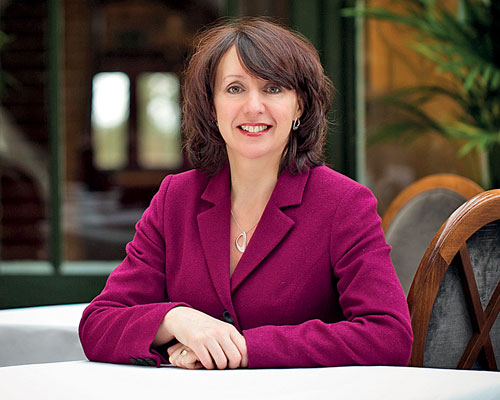
Diane Waye has offered AIS for 21 years and says interest is growing
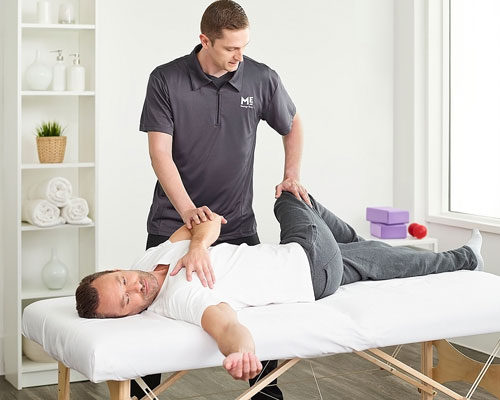
Stretching every day is as important for self-care as sleeping, eating, flossing and bathing,” says Diane Waye, owner of Stretching by the Bay. “For those with sedentary jobs, it mitigates the effects of limited movements, compromised positions and repetitive actions. While for those who are active, it optimises performance, restores the body and brings it back into balance.”
Waye has offered assisted Active Isolated Stretching (AIS) for 21 years at her San Francisco clinic and says interest is growing: “People are waking up to the importance of shedding stiffness every day. Not just boomers either – young people come to me to work on their flexibility and posture, knowing they need to move beyond a sedentary lifestyle.
“Recreational athletes come to improve performance and longevity of their activities; some people come to save their joints – tight muscles compress joints and wear them out too soon, and muscle imbalances make problems and pain. Some people come just because it feels so good to be stretched!”
According to Waye, AIS is also helpful for people with many neurological conditions including Parkinson’s, stroke, MS, and other challenges such as fibromyalgia, functional leg length difference, kyphosis and scoliosis. Flexibility training is a good place to start for sedentary people who are starting to exercise, because it increases the range of movement, allowing them to go on to exercise and build strength safely.
Lou DeFrancisco, president of the Californian-born chain of stretch studios, StretchLab, says it’s not surprising that stretching is becoming so popular: “If you asked 100 people if stretching was good for you, 100 people would say yes,” he says. “It’s also been driven by the boom in group exercise and high intensity interval training over the last 15 years: people are following the example of the pro-athletes and showing more interest in active recovery.”
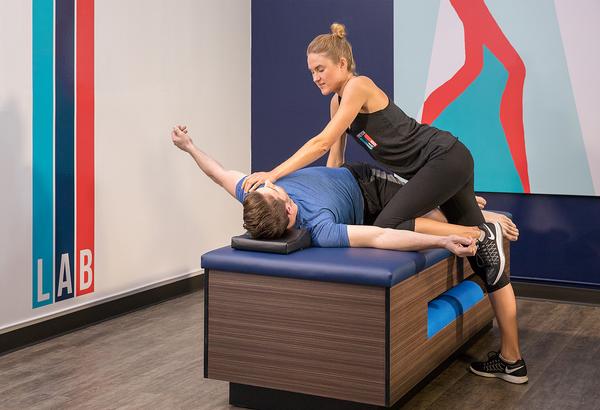
Assisted stretching So why are people paying to be stretched, rather than just stretching themselves? Many people don’t know what to do, or feel pain, but mainly choose assisted stretching because it’s more effective, as the body can be eased past the point of natural resistance. Even people who do yoga and pilates are buying into stretching services because it gives them so much more flexibility in their practise. Entrepreneur, Kika DuBose has developed her own method of assisted stretching and is franchising her Kika Stretch Studios. “In 2011, when I first opened my studio, in New York, no one was into the assisted stretching concept. People thought I was crazy,” she says. “But, after educating the public and showing them how much better their results would be if they allowed someone to help them, they were hooked!”
Following the lead of independent entrepreneurs, like Waye and DuBose, big name operators are now getting in on the trend. StretchLab – which was created by a personal trainer – has been acquired by Xponential Fitness (see above).
Stretching is spreading beyond the health and fitness industry too. UK restaurant chain Leon is training its staff in AIS so they can stretch one another at the start and end of shifts. Leon’s director of wellbeing, Julian Hitch, says: “With the restaurant business being physically intense, we find AIS helps to get the body functioning better. We’re in the process of training even more team members in AIS so that this can become a part of every team members daily life.”
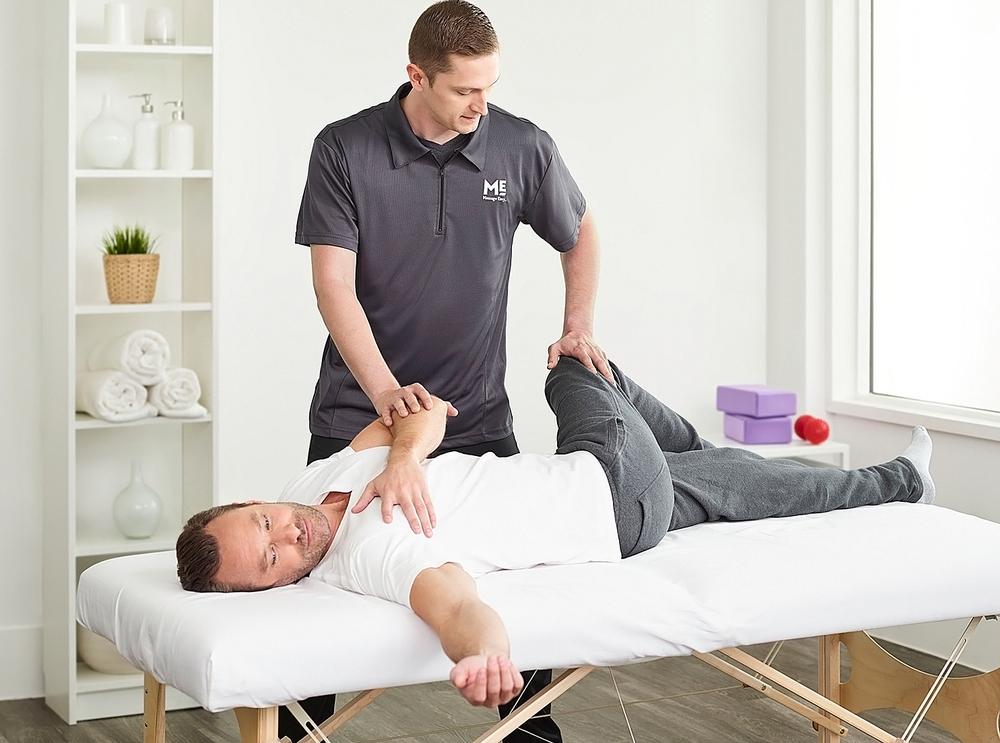
Meanwhile, spa franchisor, Massage Envy, launched its own stretching concept, the Streto Method, about a year ago. Developed in conjunction with acclaimed chiropractor, massage therapist and an ergonomist, this involves 10 stretching sequences which work from the top down, helping to improve flexibility, increase mobility and boost everyday performance. Members pay US$36 (€31, £27) for a 30-minute session or US$60 (€51, £45) for 60 minutes, while non-members pay US$50 and US$100.
Part of a wellness routine Lead stretch therapist and trainer for Massage Envy, Kevin Ramsey, says: “Although this category is gaining momentum, only about one third of people know the proper stretching techniques. As consumers become more aware of the benefits of stretching, they’ll need more products and services, which will not only help to educate them about proper stretching techniques, but also help them to seamlessly incorporate stretching into their wellness routine.”
Unlike a massage, assisted stretching does not make people feel relaxed and sleepy, as it’s an active rather than a passive experience. Treatments take place in a communal room and there’s conversation between the therapist and client as they ask them to engage certain muscles and interact in the treatment. “People leave feeling invigorated, taller, with better posture and ready to attack the rest of the day,” says DeFrancisco.
Given that everyone can benefit from assisted stretching and that both being active and being sedentary necessitates the need to stretch, and that even yoga and pilates isn’t enough to undo the postural problems we create for ourselves, this does indeed look like a trend which is here to stay. So how can spa and fitness operators engage?
The main challenge is to ensure staff are correctly trained, as wrongly stretching a client could lead to injuries. As with any trend when it takes off, there are positives, such as increased access, and negatives, in terms of mixed quality. It’s important to fully research and vet any training programmes and collaborators before making any investments.
It won’t be long until assisted stretching becomes as popular in Europe as it is in the US. Ten Pilates, which has eight sites in the UK, is already offering the service and StretchLab is on the hunt for a master franchisor. Meanwhile, Virgin Active has added a complimentary stretching and self massage class to its menu, which includes trigger point therapy, dynamic and static stretches.
Read more from this issue of Attractions Management magazine
View contents of Attractions Management 2018 issue 3
Promotional feature: Terres d’Afrique - Out of Africa
Luxury ethical spa brand Terres d’Afrique has seen rapid expansion in its first years of business. CEO and co-founder Stephan Helary explains how the company has now transitioned to creating bespoke spa experiences from concept to completion
Promotional feature: The Madison Collection - Holistic sustainability
The Madison Collection is committed to creating high-quality hotel and spa linens while at the same time protecting the environment, promoting workplace wellness and supporting clean water rights. Owner Charmaine T Lang and Gilad Lang, vice president of business development, tell us more
Wellness: Staying well
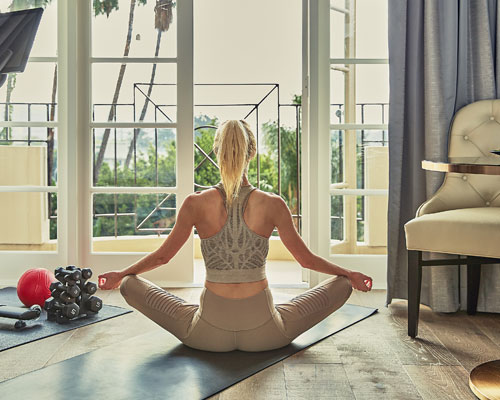
Spa Business takes a look at how some of the world’s biggest hotel operators are addressing the new trend of ‘wellness rooms’
Promotional feature: Biologique Recherche - Pioneering Personalisation
More than 40 years ago, Parisian skincare brand Biologique Recherche was founded, with a focus on research and personalisation. Co-chairs Rupert Schmid and Pierre-Louis Delapalme discuss what’s made the brand so successful – and where the future will take them
Thermal spa: Mountain therapy
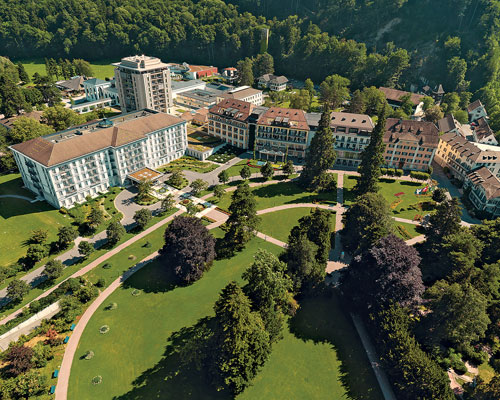
Bad Ragaz’s new CEO Patrick Vogler tells Kath Hudson about his new ambitions for the famous Swiss spa resort
StretchLab StretchLab is one operator which looks set to bring stretching into the mainstream. Founded in California in 2015, by Saul Janson and Tim Trost, it was acquired by Xponential Fitness last year, to create a franchise business. This year will see the launch of 30 to 40 sites in the US, with 150 more in 2019, as well as overseas expansion. It’s a simple business model and fit out, with open plan studios and 10 stretch benches. As a result, it has the lowest cost of entry in Xponential’s portfolio, costing US$150,000-US$225,000 (€127,420-€191,140 or £111,760-£167,650)
Two treatments are offered, both of which have been developed in house by director of education and stretching expert, Brad Walker. The 25 minute stretch works the major muscle groups and 50 minutes treats the whole body. Price points vary per location, but the average is US$65 (€55, £48) for 50 minutes.
Xponential is aiming to open 40 StretchLab sites in the US this year
Price points
Kika Stretch Studios: US$80 (€69, £60) for 45 minutes
Massage Envy (member prices): US$36 (€31, £27) for 30 minutes
Stretching by the Bay: US$160 (€137, £120) for 60 minutes
StretchLab: US$65 (€55, £48) for 50 minutes
Ten Pilates: £70 (US$93, €80) for 60 minutes
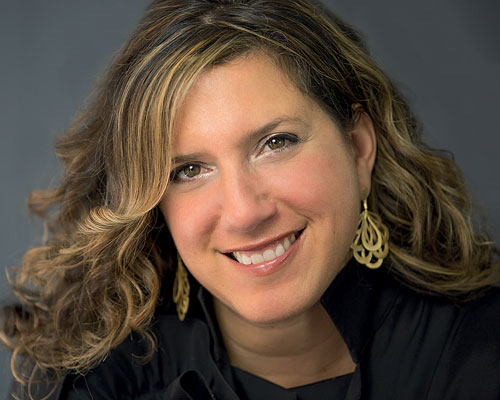
People see much better results with AIS, says franchisor Kika DuBose
Massage Envy launched its Streto Method stretching concept a year ago
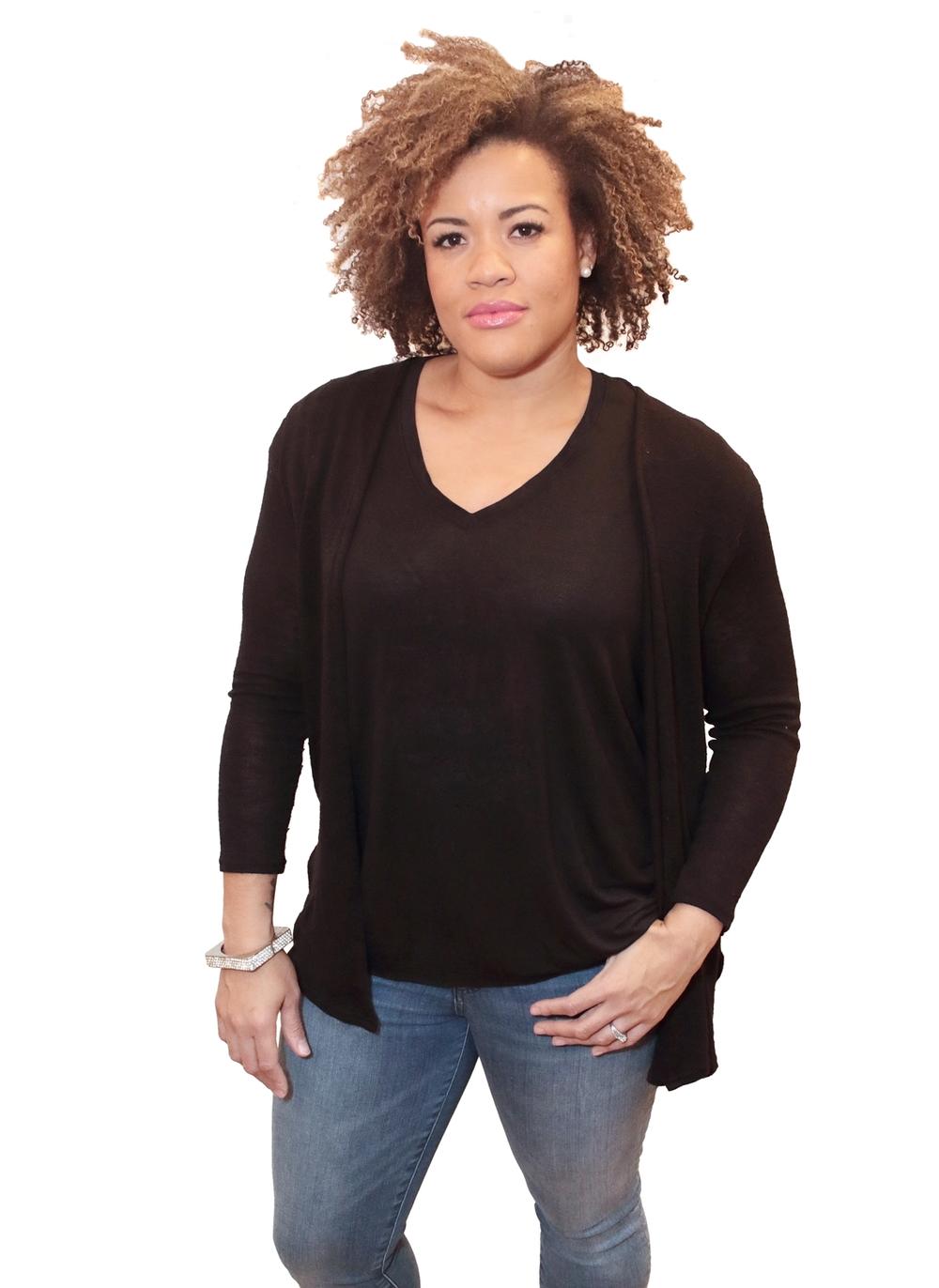
Kevin Ramsey, Massage Envy
Restaurant chain Leon is training staff in AIS to help with physical demands
COMPANY PROFILES
instantprint
We’re a Yorkshire-based online printer, founded
in 2009 by Adam Carnell and James Kinsella. [more...]
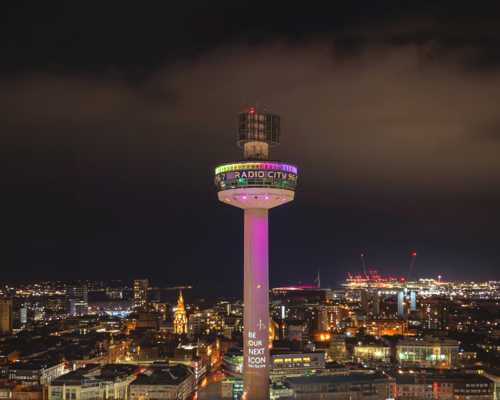
An opportunity to reimagine one of the UK’s most recognisable towers has been formally
opened by Rivington Hark, as St Johns Beacon invites operators and partners to shape its
next phase. [more...]
A combination of being hunched over desks and dynamic workouts has led to a new trend in stretching studios. Is this the next big thing and should spas be adding assisted stretching to their offering? Kath Hudson reports
By Kath Hudson | Published in Spa Business 2018 issue 3
Diane Waye has offered AIS for 21 years and says interest is growing
Stretching every day is as important for self-care as sleeping, eating, flossing and bathing,” says Diane Waye, owner of Stretching by the Bay. “For those with sedentary jobs, it mitigates the effects of limited movements, compromised positions and repetitive actions. While for those who are active, it optimises performance, restores the body and brings it back into balance.”
Waye has offered assisted Active Isolated Stretching (AIS) for 21 years at her San Francisco clinic and says interest is growing: “People are waking up to the importance of shedding stiffness every day. Not just boomers either – young people come to me to work on their flexibility and posture, knowing they need to move beyond a sedentary lifestyle.
“Recreational athletes come to improve performance and longevity of their activities; some people come to save their joints – tight muscles compress joints and wear them out too soon, and muscle imbalances make problems and pain. Some people come just because it feels so good to be stretched!”
According to Waye, AIS is also helpful for people with many neurological conditions including Parkinson’s, stroke, MS, and other challenges such as fibromyalgia, functional leg length difference, kyphosis and scoliosis. Flexibility training is a good place to start for sedentary people who are starting to exercise, because it increases the range of movement, allowing them to go on to exercise and build strength safely.
Lou DeFrancisco, president of the Californian-born chain of stretch studios, StretchLab, says it’s not surprising that stretching is becoming so popular: “If you asked 100 people if stretching was good for you, 100 people would say yes,” he says. “It’s also been driven by the boom in group exercise and high intensity interval training over the last 15 years: people are following the example of the pro-athletes and showing more interest in active recovery.”
Assisted stretching So why are people paying to be stretched, rather than just stretching themselves? Many people don’t know what to do, or feel pain, but mainly choose assisted stretching because it’s more effective, as the body can be eased past the point of natural resistance. Even people who do yoga and pilates are buying into stretching services because it gives them so much more flexibility in their practise. Entrepreneur, Kika DuBose has developed her own method of assisted stretching and is franchising her Kika Stretch Studios. “In 2011, when I first opened my studio, in New York, no one was into the assisted stretching concept. People thought I was crazy,” she says. “But, after educating the public and showing them how much better their results would be if they allowed someone to help them, they were hooked!”
Following the lead of independent entrepreneurs, like Waye and DuBose, big name operators are now getting in on the trend. StretchLab – which was created by a personal trainer – has been acquired by Xponential Fitness (see above).
Stretching is spreading beyond the health and fitness industry too. UK restaurant chain Leon is training its staff in AIS so they can stretch one another at the start and end of shifts. Leon’s director of wellbeing, Julian Hitch, says: “With the restaurant business being physically intense, we find AIS helps to get the body functioning better. We’re in the process of training even more team members in AIS so that this can become a part of every team members daily life.”
Meanwhile, spa franchisor, Massage Envy, launched its own stretching concept, the Streto Method, about a year ago. Developed in conjunction with acclaimed chiropractor, massage therapist and an ergonomist, this involves 10 stretching sequences which work from the top down, helping to improve flexibility, increase mobility and boost everyday performance. Members pay US$36 (€31, £27) for a 30-minute session or US$60 (€51, £45) for 60 minutes, while non-members pay US$50 and US$100.
Part of a wellness routine Lead stretch therapist and trainer for Massage Envy, Kevin Ramsey, says: “Although this category is gaining momentum, only about one third of people know the proper stretching techniques. As consumers become more aware of the benefits of stretching, they’ll need more products and services, which will not only help to educate them about proper stretching techniques, but also help them to seamlessly incorporate stretching into their wellness routine.”
Unlike a massage, assisted stretching does not make people feel relaxed and sleepy, as it’s an active rather than a passive experience. Treatments take place in a communal room and there’s conversation between the therapist and client as they ask them to engage certain muscles and interact in the treatment. “People leave feeling invigorated, taller, with better posture and ready to attack the rest of the day,” says DeFrancisco.
Given that everyone can benefit from assisted stretching and that both being active and being sedentary necessitates the need to stretch, and that even yoga and pilates isn’t enough to undo the postural problems we create for ourselves, this does indeed look like a trend which is here to stay. So how can spa and fitness operators engage?
The main challenge is to ensure staff are correctly trained, as wrongly stretching a client could lead to injuries. As with any trend when it takes off, there are positives, such as increased access, and negatives, in terms of mixed quality. It’s important to fully research and vet any training programmes and collaborators before making any investments.
It won’t be long until assisted stretching becomes as popular in Europe as it is in the US. Ten Pilates, which has eight sites in the UK, is already offering the service and StretchLab is on the hunt for a master franchisor. Meanwhile, Virgin Active has added a complimentary stretching and self massage class to its menu, which includes trigger point therapy, dynamic and static stretches.
Read more from this issue of Attractions Management magazine
View contents of Attractions Management 2018 issue 3
Promotional feature: Terres d’Afrique - Out of Africa
Luxury ethical spa brand Terres d’Afrique has seen rapid expansion in its first years of business. CEO and co-founder Stephan Helary explains how the company has now transitioned to creating bespoke spa experiences from concept to completion
Promotional feature: The Madison Collection - Holistic sustainability
The Madison Collection is committed to creating high-quality hotel and spa linens while at the same time protecting the environment, promoting workplace wellness and supporting clean water rights. Owner Charmaine T Lang and Gilad Lang, vice president of business development, tell us more
Wellness: Staying well
Spa Business takes a look at how some of the world’s biggest hotel operators are addressing the new trend of ‘wellness rooms’
Promotional feature: Biologique Recherche - Pioneering Personalisation
More than 40 years ago, Parisian skincare brand Biologique Recherche was founded, with a focus on research and personalisation. Co-chairs Rupert Schmid and Pierre-Louis Delapalme discuss what’s made the brand so successful – and where the future will take them
Thermal spa: Mountain therapy
Bad Ragaz’s new CEO Patrick Vogler tells Kath Hudson about his new ambitions for the famous Swiss spa resort
StretchLab StretchLab is one operator which looks set to bring stretching into the mainstream. Founded in California in 2015, by Saul Janson and Tim Trost, it was acquired by Xponential Fitness last year, to create a franchise business. This year will see the launch of 30 to 40 sites in the US, with 150 more in 2019, as well as overseas expansion. It’s a simple business model and fit out, with open plan studios and 10 stretch benches. As a result, it has the lowest cost of entry in Xponential’s portfolio, costing US$150,000-US$225,000 (€127,420-€191,140 or £111,760-£167,650)
Two treatments are offered, both of which have been developed in house by director of education and stretching expert, Brad Walker. The 25 minute stretch works the major muscle groups and 50 minutes treats the whole body. Price points vary per location, but the average is US$65 (€55, £48) for 50 minutes.
Xponential is aiming to open 40 StretchLab sites in the US this year
Price points
Kika Stretch Studios: US$80 (€69, £60) for 45 minutes
Massage Envy (member prices): US$36 (€31, £27) for 30 minutes
Stretching by the Bay: US$160 (€137, £120) for 60 minutes
StretchLab: US$65 (€55, £48) for 50 minutes
Ten Pilates: £70 (US$93, €80) for 60 minutes
People see much better results with AIS, says franchisor Kika DuBose
Massage Envy launched its Streto Method stretching concept a year ago
Kevin Ramsey, Massage Envy
Restaurant chain Leon is training staff in AIS to help with physical demands
Hotel de France, located on the British Isle of Jersey, has created a wellness retreat package
that includes a hot yoga session that will take place in Jersey Zoo’s butterfly sanctuary.
A new immersive attraction designed to transport visitors into the final hours of ancient Pompeii
is preparing to open near the world-famous archaeological site in southern Italy.
Experience design company, BRC Imagination Arts, has completed a transition that sees founder
Bob Rogers pass ownership of the business to four long-serving senior executives, while
remaining actively involved with the company.
Movie Park Germany has opened a new Paramount Pictures-themed attraction as part of its 30th
anniversary celebrations, using immersive storytelling and adaptive reuse to reinforce the park’s
longstanding “Hollywood in Germany” positioning.
Therme Manchester’s 28-acre development, which will include interconnected glass pavilions
that measure 65,000sq m, will be the largest bathing and wellbeing attraction in the world once
complete, according to prof David Russell, CEO of Therme UK.
Efteling has opened Hooghmoed, a new family drop tower designed to broaden the appeal of its
recently launched Sirene Island themed area and introduce younger visitors to thrill attractions.
A proposed Puy du Fou development near Bicester and Universal Destinations and Experiences’
planned resort in Bedford are emerging as part of a wider transformation of the Oxford–
Cambridge Growth Corridor into a major centre for UK leisure and tourism inv
Shedd Aquarium has opened the Immersion Theater developed in partnership with SimEx-
Iwerks, as part of a wider strategy to enhance the guest experience and create additional
revenue opportunities.
The UK government has announced a temporary reduction in VAT on visitor attractions and
children’s meals as part of a summer cost-of-living support package designed to stimulate the
visitor economy and encourage family days out.
As designer Yinka Ilori prepares for his first solo gallery show in London, he speaks exclusively
to CLADmag about his mission to spread joy, the power of play, and his bold approach to using
colour (including the colours you won’t see in his work).
The government of Thailand is exploring plans for a THB300bn (£6.3bn, US$8.3bn)
entertainment complex in the country’s Eastern Economic Corridor (EEC), with officials
proposing a large-scale theme park and sports destination as part of a broader tourism and
economic development strategy.
+ More news
COMPANY PROFILES
instantprint We’re a Yorkshire-based online printer, founded
in 2009 by Adam Carnell and James Kinsella. [more...]
An opportunity to reimagine one of the UK’s most recognisable towers has been formally
opened by Rivington Hark, as St Johns Beacon invites operators and partners to shape its
next phase. [more...]