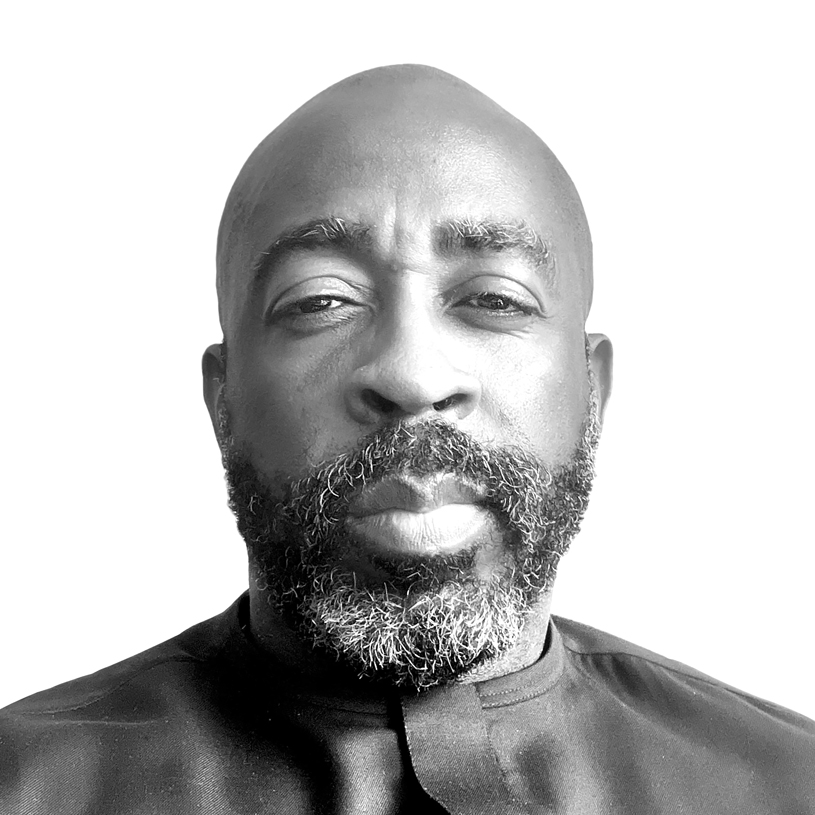
Seun Oduwole / Photo: Ademola Olaniran & Jide Atobatele
How have you designed the building to be as welcoming and uplifting as possible?
From an urbanism perspective, there were several drivers: to restore as much of the old fabric and memory of the city as possible by rebuilding the swimming pool, replacing the demolished cultural hall and replanting landscape lost to development.
Architecturally, we sought to create a building grounded in context and conscious of its surroundings. Internally we sought to interrogate museology as a construct in order to create a museum and visitor experience that was relatable and immersive.
What has been the biggest challenge of this project?
Securing the appropriate level of funding to complete the project excellently and on time.
How was the design inspired by its location and by the surrounding community?
We applied historical patterns and visual metaphors as concept drivers. The site layout was informed by the concentric settlement patterns found in Yoruba urbanism, which typically had the Royal palace at the centre fronted by a square.
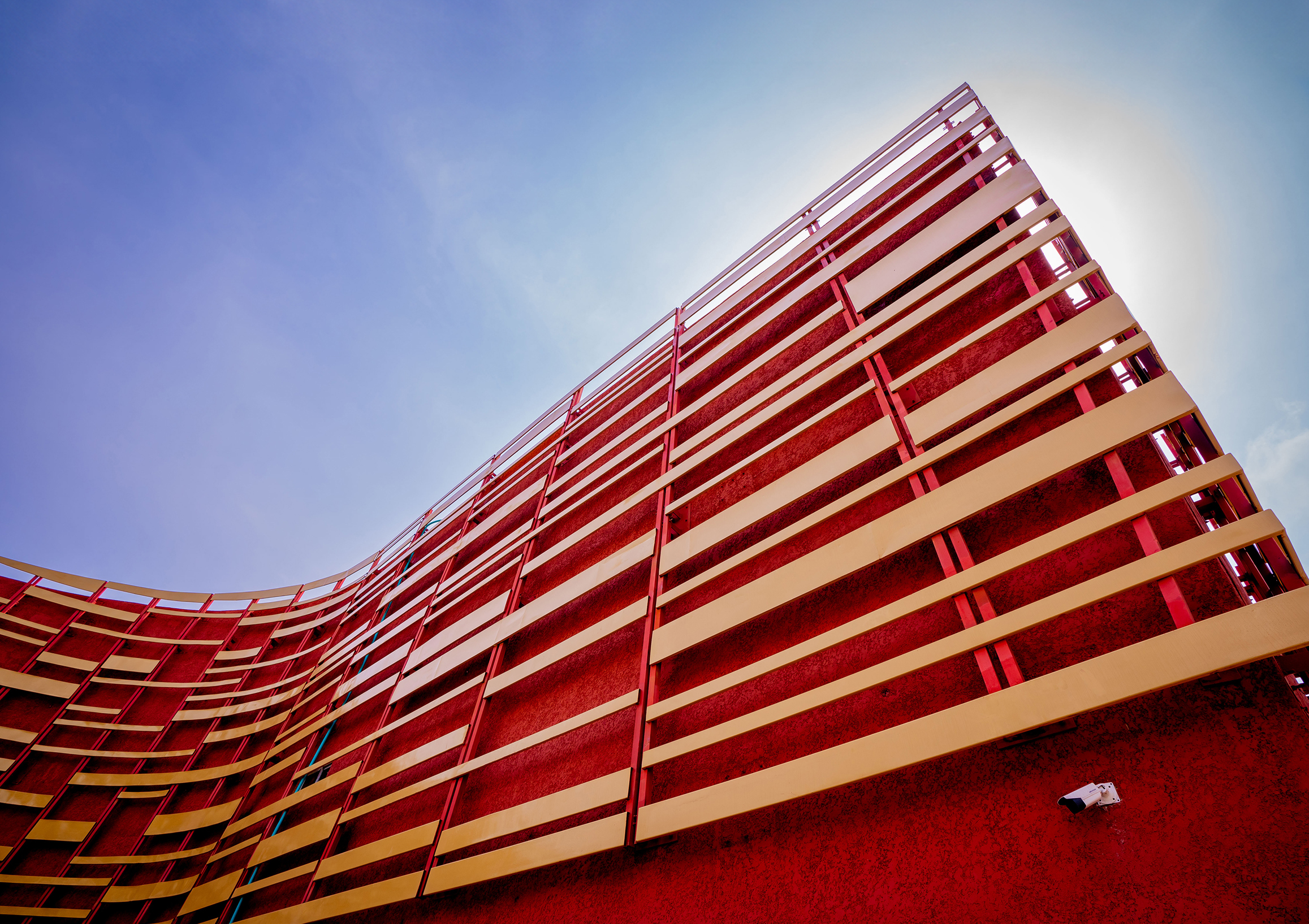
The curved part of the site allowed us to shape the museum building as a fractal. The building rises from in earth in a nod to Yoruba spirituality and the metal screen around the façade pays homage to age old skills such as metalwork, woodcarving, looming and weaving.
Internally, the museum is devoted to the elucidation of Yoruba culture, its representation as visual and verbal Oriki (praise poetry), presentation of its philosophical thought system using concepts of Ori (spiritual head), Ase (life force) and Iwa (essential nature). It’s a space where mythology, archaeology, history and storytelling meet to set the stage for the understanding of Yoruba culture and history.
Can you pick out two or three particularly interesting areas of the museum?
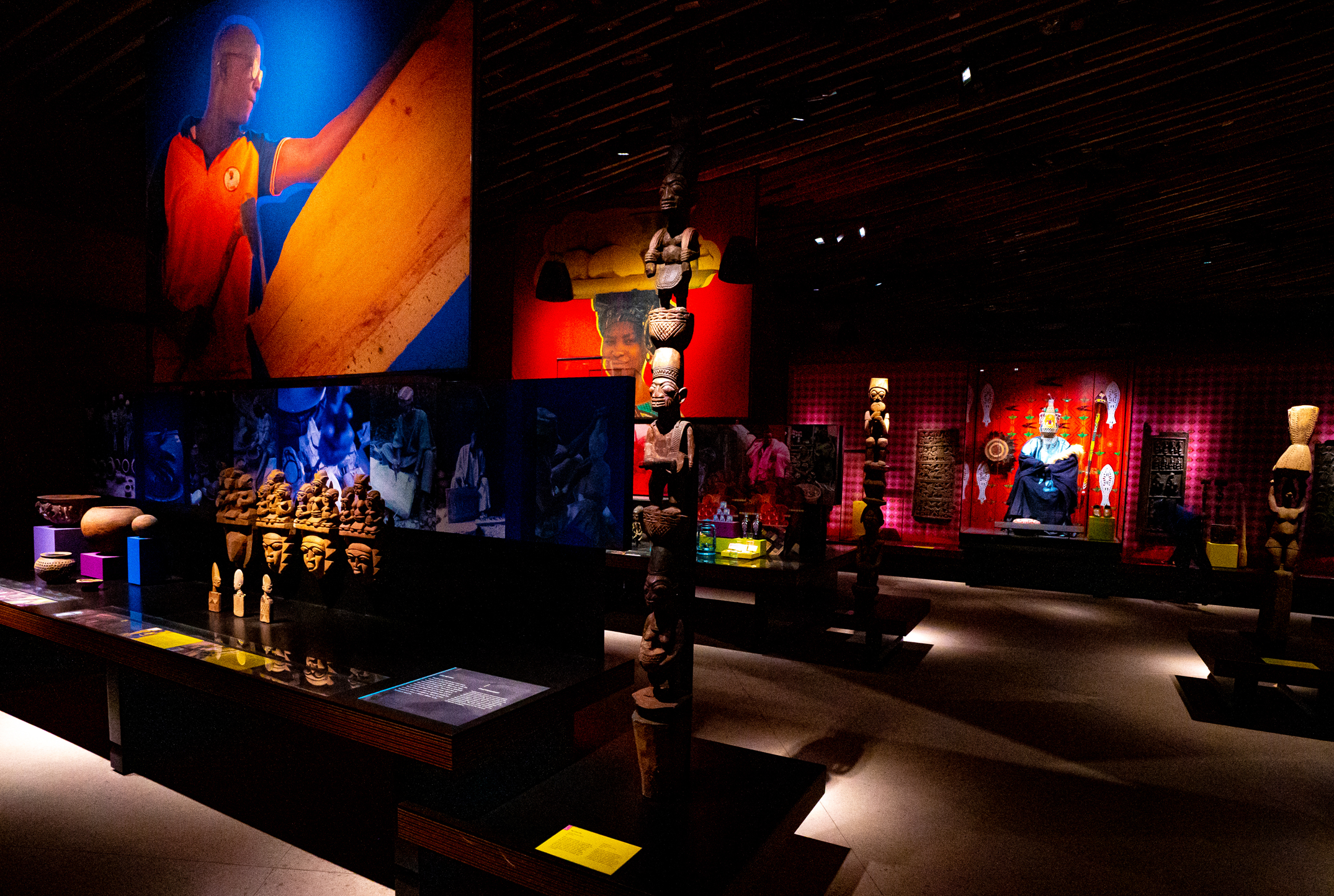
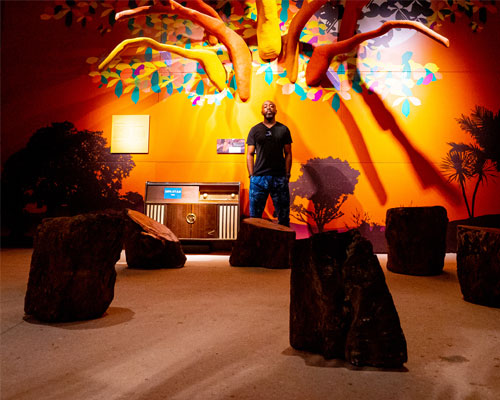
Visitors are greeted by a completely immersive environment, a visually stimulating spectacle with spatial audio consisting of music and storytelling throughout the journey, which add context to a mix of storytelling media ranging from antiquities, interactives and objects of cultural significance.
Do you have a personal favourite part of the museum?
The future storytelling area where animators, contemporary artists and storytellers have an opportunity to reimagine their own version of a future from the Yoruba thought perspective.
Visitors are greeted by an immersive environment – a visually stimulating spectacle