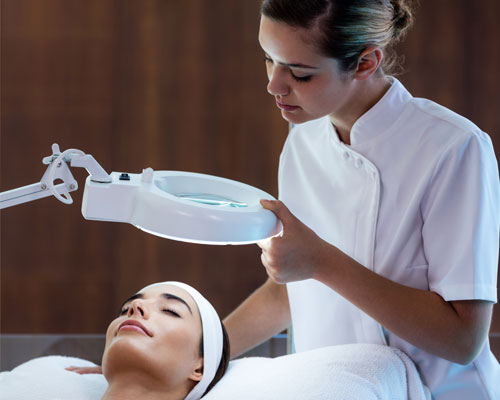
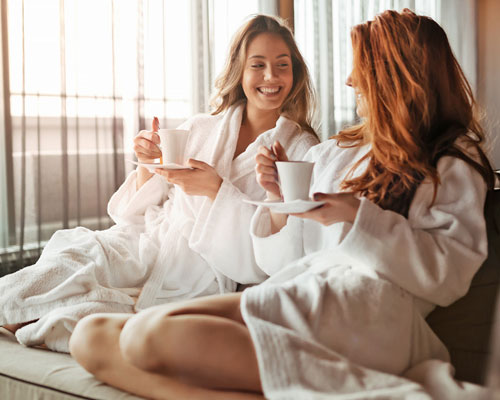
Total revenue dropped by US$7bn, but revenue per visit only decreased by 2 per cent / photo: NDAB Creativity/SHUTTERSTOCK
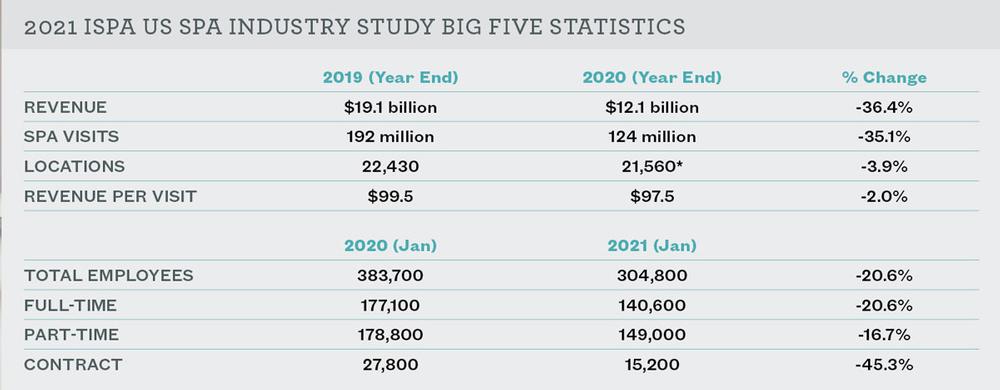
Spas in the US experienced a US$7bn drop in total revenue in 2020, decreasing by 34 per cent from US$19.1bn at the end of 2019 to US$12.1bn.
This was one of the ‘Big Five’ stats revealed as a sneak preview to ISPA’s 2021 US Spa Industry Study at its Stronger Together Summit in May.
Conducted by PricewaterhouseCoopers (PwC), the report outlines overall revenue, number of spa visits, number of spas, revenue per visit and total employees for the US spa industry in 2020.
“These statistics provide the clearest picture yet of the pandemic’s impact in the spa sector,” says Lynne McNees, ISPA president. “We trust these figures, along with the full report coming later this year, will provide the industry at large with meaningful insights they can use to aid their recovery.”
Day spas fared better The Big Five results (see table on p39) indicate that resort and hotel spas have been harder hit than days spas with average revenue falling 46 per cent and 31 per cent respectively.
Spa visits dropped from 192 million in 2019 to 124 million in 2020, while average revenue per visit shifted slightly from US$99.5 to US$97.5.
In addition, as of December 2020, 21,560 spa businesses were recorded, compared to 22,430 in December 2019. But these figures still include temporary closures due to lockdown.
PwC found that, as of January 2021, roughly 305,000 spa employees had returned to US spas, compared to the previous 384,000 in January 2020. Overall that’s a drop of 20.6 per cent of the workforce but contractors were the hardest hit with 45.3 per cent of them still not back at work.
Again, data showed that day spas fared better in these workforce metrics by a fairly sizeable margin. One in two resort/hotel spas (51 per cent) reported a greater than 25 per cent decrease in staff, compared to one in five day spas (23 per cent).
McNees remarks: “The time line for a full recovery is uncertain, but we’re confident that there’s considerable demand for spa experiences and that as pandemic-related restrictions continue to lift, spas will make strong gains.”
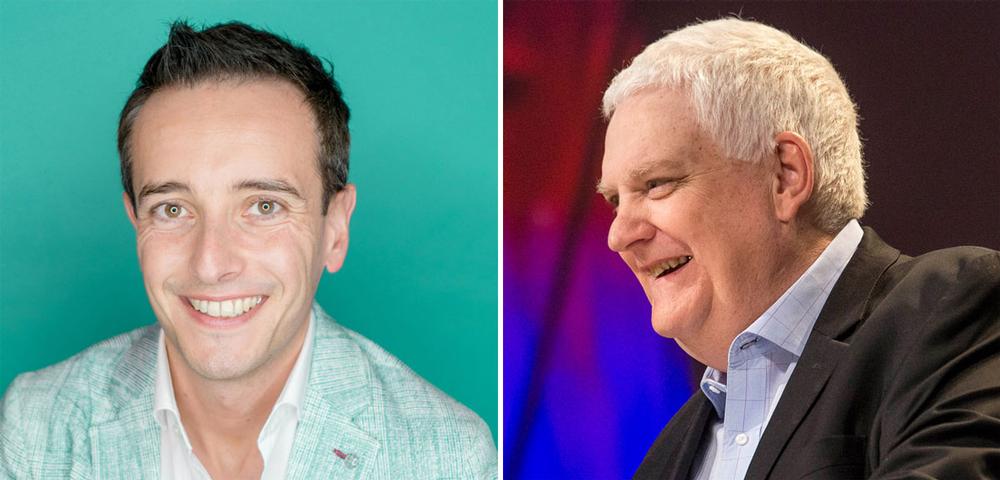
Grounds for optimism Russel Donaldson, manager at PwC Research, presented the Big Five stats at the summit alongside his colleague Colin McIlheney, PwC global research leader.
The duo report that although numbers reflect the impact of the pandemic, things look hopeful for the industry. McIlheney says: “It’s clear there’s pent-up demand to get out to spas. There are definitely grounds for optimism for the later quarters of this year and particularly for 2022.”
He adds that it’s important that spas widen their customer database for a quicker recovery. “Personally, I could see demand rolling on, not just driven by old existing customers but being driven by a new even more diverse base of guests.”
Standout figures For Donaldson, the most intriguing finding is “the fragmentation between different parts of the industry and the outcomes for day spas versus resorts/hotel spas”.
McIlheney feels the location metrics were the most remarkable. “With regards to locations, there were many people who thought numbers would fall off a cliff,” he says, “but the fact that there are still so many spas – over 20,000 – to choose from is very encouraging.
“In contrast, the drops in revenue and visits were expected and I anticipated they’d be in and around the mark they were.”
The US Spa Industry Study has been published by ISPA since 1999 and in the latest edition it surveyed over 2,050 day, destination and medical spas.
The association is set to release its full findings in July.
Read more from this issue of Attractions Management magazine
View contents of Attractions Management 2021 issue 2
Spa people: Adrian Zecha
Adrian Zecha talks about his latest brands and why he's not planning retirement anytime soon
Spa people: Michala Chatel
Ultima Collection's managing partner explains why and how it's adding wellness options to exclusively rented villas and properties
Spa people: Stephanie Stahl
The Ace of Air co-founder tackles sustainability head on with a 'buy the product rent the packaging' scheme
Menu engineering: At your service
Art and sauna bathing collide in a Japanese exhibition; Banyan Tree rolls out its Wellbeing Sanctuary concept globally
Top team: Capella
Neena Dhillon talks to the owning company and senior executives from this burgeoning Asian hospitality brand with a passion for wellness
Ask an Expert: Treating Long COVID
One in 20 people who've had coronavirus are still battling its side effects for three months or more. How can spas help?
Promotion: Art of Cryo: Cool night's sleep
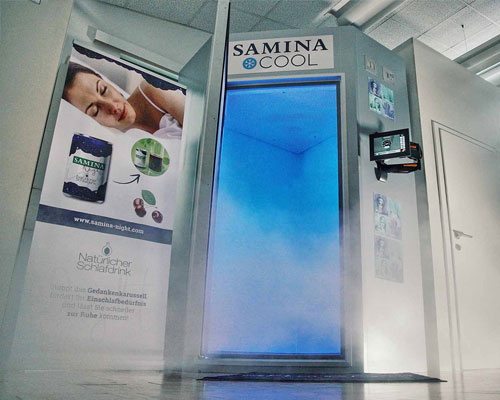
High-performance cryo chamber specialist Art of Cryo joins forces with leading bed manufacturer Samina to launch cryo centres for sleep health
Interview: Stelian Iacob
Therme Group's COO tells Katie Barnes how it's making the traditional thermal facility model more relevant to today's consumers
First person: Yasuragi
Spas in Sweden stayed open in the pandemic, but does the nation still have an appetite for wellness? Andrew Gibson investigates at this Japanese concept spa hotel near Stockholm
Interview: Tammy Pahel
The VP of spa at Carillon Miami candidly shares some of the challenges of the past year with Lisa Starr and explains why she's investing in touchless innovations
Spa survey: Wellness time
A new consumer survey shows how people's attitudes towards wellness and spas have changed. Mindbody's Katherine Wernet
Focus on: IV nutrition therapy
Is IV nutrition therapy as credible as some spas claim? Lisa Starr investigates this increasingly popular treatment
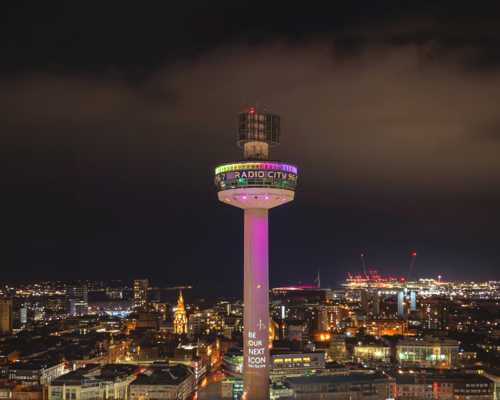
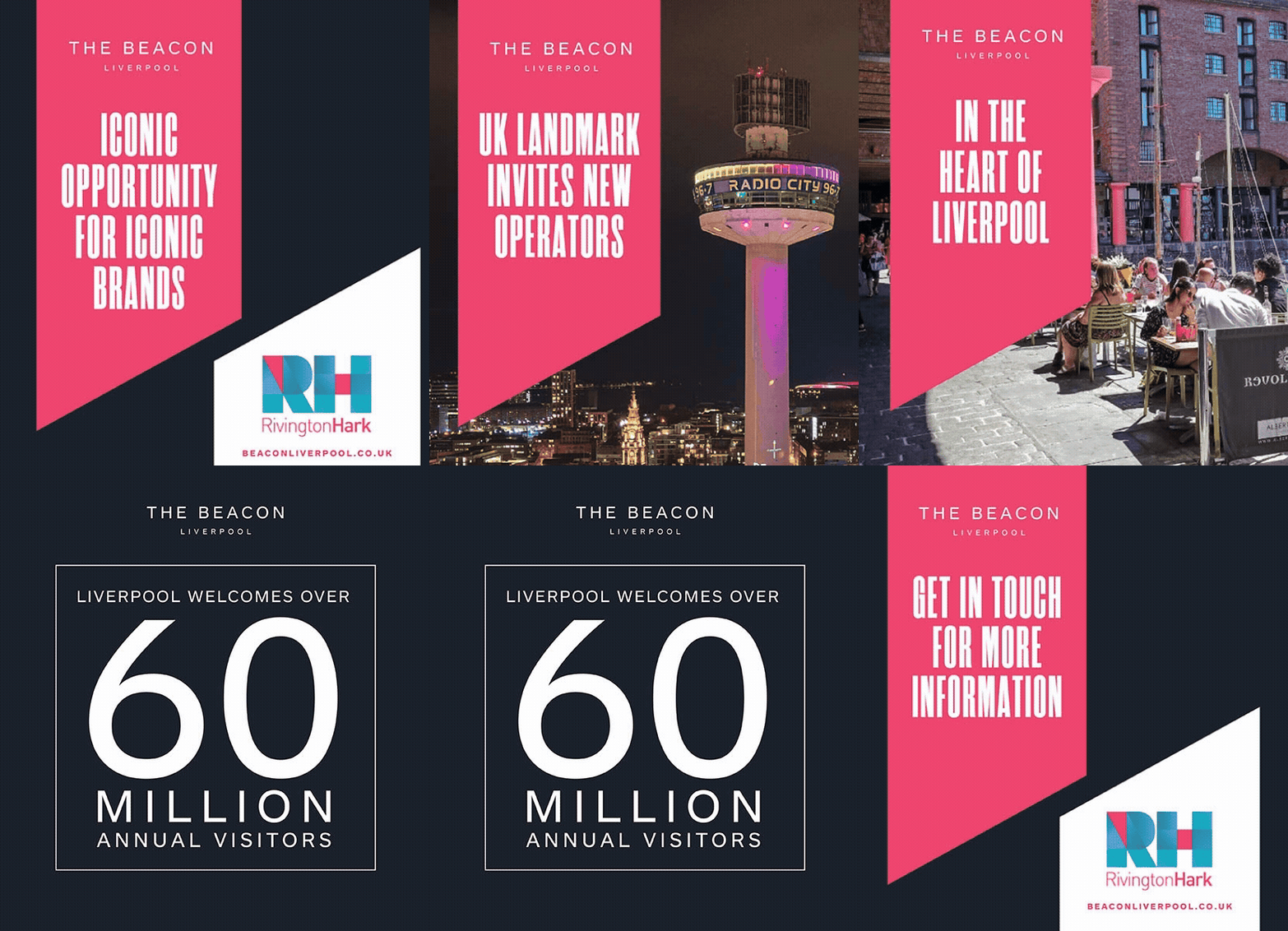
An opportunity to reimagine one of the UK’s most recognisable towers has been formally
opened by Rivington Hark, as St Johns Beacon invites operators and partners to shape its
next phase. [more...]
Total revenue dropped by US$7bn, but revenue per visit only decreased by 2 per cent / photo: NDAB Creativity/SHUTTERSTOCK
Spas in the US experienced a US$7bn drop in total revenue in 2020, decreasing by 34 per cent from US$19.1bn at the end of 2019 to US$12.1bn.
This was one of the ‘Big Five’ stats revealed as a sneak preview to ISPA’s 2021 US Spa Industry Study at its Stronger Together Summit in May.
Conducted by PricewaterhouseCoopers (PwC), the report outlines overall revenue, number of spa visits, number of spas, revenue per visit and total employees for the US spa industry in 2020.
“These statistics provide the clearest picture yet of the pandemic’s impact in the spa sector,” says Lynne McNees, ISPA president. “We trust these figures, along with the full report coming later this year, will provide the industry at large with meaningful insights they can use to aid their recovery.”
Day spas fared better The Big Five results (see table on p39) indicate that resort and hotel spas have been harder hit than days spas with average revenue falling 46 per cent and 31 per cent respectively.
Spa visits dropped from 192 million in 2019 to 124 million in 2020, while average revenue per visit shifted slightly from US$99.5 to US$97.5.
In addition, as of December 2020, 21,560 spa businesses were recorded, compared to 22,430 in December 2019. But these figures still include temporary closures due to lockdown.
PwC found that, as of January 2021, roughly 305,000 spa employees had returned to US spas, compared to the previous 384,000 in January 2020. Overall that’s a drop of 20.6 per cent of the workforce but contractors were the hardest hit with 45.3 per cent of them still not back at work.
Again, data showed that day spas fared better in these workforce metrics by a fairly sizeable margin. One in two resort/hotel spas (51 per cent) reported a greater than 25 per cent decrease in staff, compared to one in five day spas (23 per cent).
McNees remarks: “The time line for a full recovery is uncertain, but we’re confident that there’s considerable demand for spa experiences and that as pandemic-related restrictions continue to lift, spas will make strong gains.”
Grounds for optimism Russel Donaldson, manager at PwC Research, presented the Big Five stats at the summit alongside his colleague Colin McIlheney, PwC global research leader.
The duo report that although numbers reflect the impact of the pandemic, things look hopeful for the industry. McIlheney says: “It’s clear there’s pent-up demand to get out to spas. There are definitely grounds for optimism for the later quarters of this year and particularly for 2022.”
He adds that it’s important that spas widen their customer database for a quicker recovery. “Personally, I could see demand rolling on, not just driven by old existing customers but being driven by a new even more diverse base of guests.”
Standout figures For Donaldson, the most intriguing finding is “the fragmentation between different parts of the industry and the outcomes for day spas versus resorts/hotel spas”.
McIlheney feels the location metrics were the most remarkable. “With regards to locations, there were many people who thought numbers would fall off a cliff,” he says, “but the fact that there are still so many spas – over 20,000 – to choose from is very encouraging.
“In contrast, the drops in revenue and visits were expected and I anticipated they’d be in and around the mark they were.”
The US Spa Industry Study has been published by ISPA since 1999 and in the latest edition it surveyed over 2,050 day, destination and medical spas.
The association is set to release its full findings in July.
Read more from this issue of Attractions Management magazine
View contents of Attractions Management 2021 issue 2
Spa people: Adrian Zecha
Adrian Zecha talks about his latest brands and why he's not planning retirement anytime soon
Spa people: Michala Chatel
Ultima Collection's managing partner explains why and how it's adding wellness options to exclusively rented villas and properties
Spa people: Stephanie Stahl
The Ace of Air co-founder tackles sustainability head on with a 'buy the product rent the packaging' scheme
Menu engineering: At your service
Art and sauna bathing collide in a Japanese exhibition; Banyan Tree rolls out its Wellbeing Sanctuary concept globally
Top team: Capella
Neena Dhillon talks to the owning company and senior executives from this burgeoning Asian hospitality brand with a passion for wellness
Ask an Expert: Treating Long COVID
One in 20 people who've had coronavirus are still battling its side effects for three months or more. How can spas help?
Promotion: Art of Cryo: Cool night's sleep
High-performance cryo chamber specialist Art of Cryo joins forces with leading bed manufacturer Samina to launch cryo centres for sleep health
Interview: Stelian Iacob
Therme Group's COO tells Katie Barnes how it's making the traditional thermal facility model more relevant to today's consumers
First person: Yasuragi
Spas in Sweden stayed open in the pandemic, but does the nation still have an appetite for wellness? Andrew Gibson investigates at this Japanese concept spa hotel near Stockholm
Interview: Tammy Pahel
The VP of spa at Carillon Miami candidly shares some of the challenges of the past year with Lisa Starr and explains why she's investing in touchless innovations
Spa survey: Wellness time
A new consumer survey shows how people's attitudes towards wellness and spas have changed. Mindbody's Katherine Wernet
Focus on: IV nutrition therapy
Is IV nutrition therapy as credible as some spas claim? Lisa Starr investigates this increasingly popular treatment
Hotel de France, located on the British Isle of Jersey, has created a wellness retreat package
that includes a hot yoga session that will take place in Jersey Zoo’s butterfly sanctuary.
A new immersive attraction designed to transport visitors into the final hours of ancient Pompeii
is preparing to open near the world-famous archaeological site in southern Italy.
Experience design company, BRC Imagination Arts, has completed a transition that sees founder
Bob Rogers pass ownership of the business to four long-serving senior executives, while
remaining actively involved with the company.
Movie Park Germany has opened a new Paramount Pictures-themed attraction as part of its 30th
anniversary celebrations, using immersive storytelling and adaptive reuse to reinforce the park’s
longstanding “Hollywood in Germany” positioning.
Therme Manchester’s 28-acre development, which will include interconnected glass pavilions
that measure 65,000sq m, will be the largest bathing and wellbeing attraction in the world once
complete, according to prof David Russell, CEO of Therme UK.
Efteling has opened Hooghmoed, a new family drop tower designed to broaden the appeal of its
recently launched Sirene Island themed area and introduce younger visitors to thrill attractions.
A proposed Puy du Fou development near Bicester and Universal Destinations and Experiences’
planned resort in Bedford are emerging as part of a wider transformation of the Oxford–
Cambridge Growth Corridor into a major centre for UK leisure and tourism inv
Shedd Aquarium has opened the Immersion Theater developed in partnership with SimEx-
Iwerks, as part of a wider strategy to enhance the guest experience and create additional
revenue opportunities.
The UK government has announced a temporary reduction in VAT on visitor attractions and
children’s meals as part of a summer cost-of-living support package designed to stimulate the
visitor economy and encourage family days out.
As designer Yinka Ilori prepares for his first solo gallery show in London, he speaks exclusively
to CLADmag about his mission to spread joy, the power of play, and his bold approach to using
colour (including the colours you won’t see in his work).
The government of Thailand is exploring plans for a THB300bn (£6.3bn, US$8.3bn)
entertainment complex in the country’s Eastern Economic Corridor (EEC), with officials
proposing a large-scale theme park and sports destination as part of a broader tourism and
economic development strategy.
An opportunity to reimagine one of the UK’s most recognisable towers has been formally
opened by Rivington Hark, as St Johns Beacon invites operators and partners to shape its
next phase. [more...]