Are customers really pursuing
wellness like never before? Or wary of
even stepping into a hotel (let alone a spa) ?
Lisa Starr asks Carillon’s Tammy Pahel
and shares her own first-hand experience
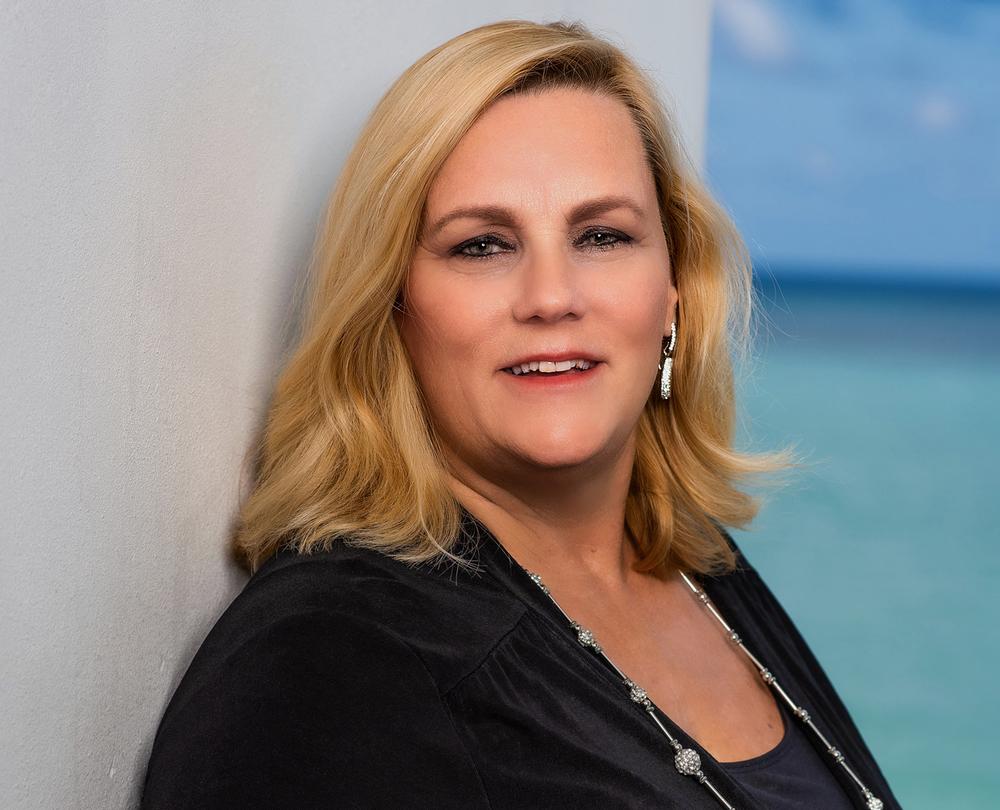
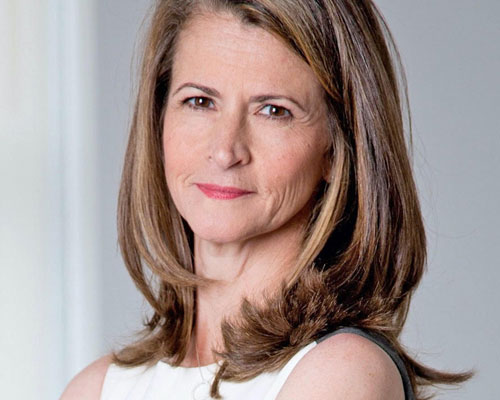
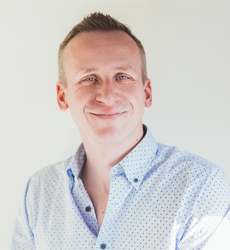
Tammy Pahel joined Carillon Miami as VP of spa and wellness in May 2018 / photo: Carillon Miami wellness resort
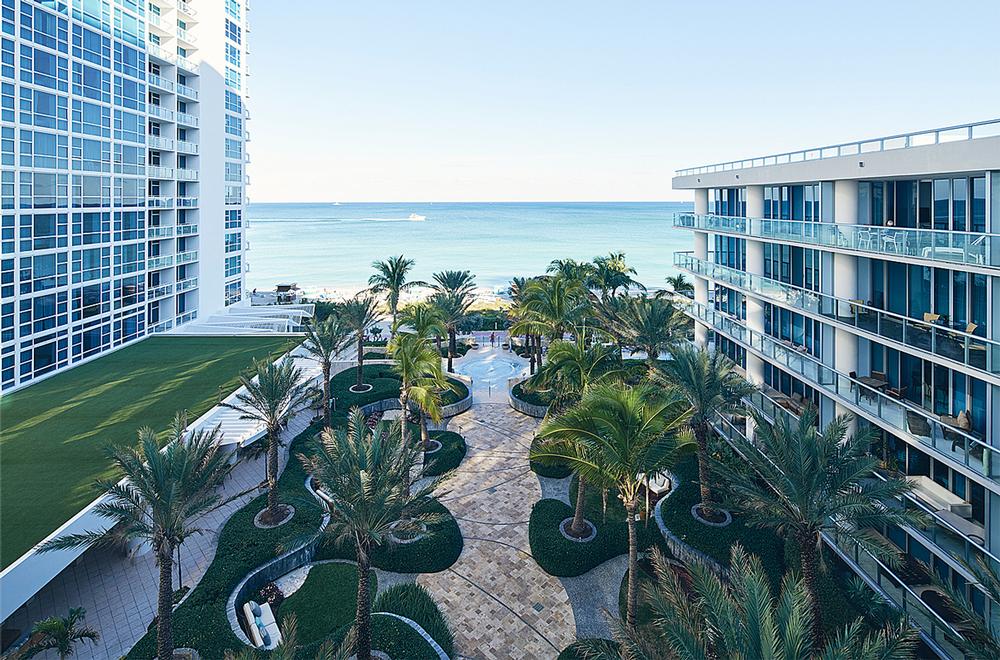
As a resort where wellness is deep, varied and the heartbeat of operations, Carillon Miami should be well-placed as consumers emerge out of the pandemic with health at the forefront of their minds. Whatever the wellness treatment, Carillon will most likely offer it and was probably one of the first to do so – from kung fu healing and executive coaching to IV therapies and Tibetan bowl rituals.
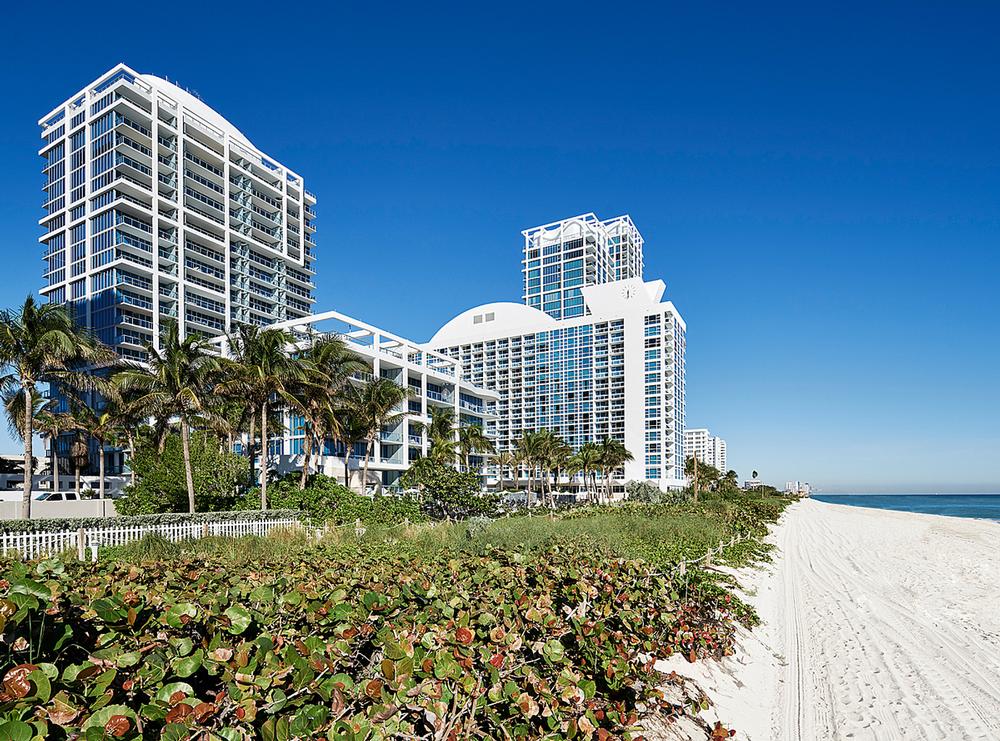
While the property opened in 1959 as an example of modern Miami style, it’s possibly best known in spa circles as home to Canyon Ranch Living, which took over the property in 2008 and added residential towers and a sizeable David Rockwell-designed, 6,500sq m spa. However, it was unfortunate timing and the global economic downturn made success a challenge.
It was acquired by private equity group Z Capital Partners in 2015 for a reported US$21.6m (€17.7m, £15.2m) and spa industry veteran and visionary Tammy Pahel joined as VP of spa and wellness in May 2018. “If you really want to lose weight, eat healthier, whatever improvements clients want, we have options that provide for people to have more wellness in their life,” comments Pahel. “And when you go somewhere and you have a great experience, you want to go back and try new things.”
Reopening a hotel, residence and the largest spa on the eastern seaboard in the aftermath of COVID-19 has been a long, slow journey. Between human fears and mandated restrictions, there are many limitations on operations, but Pahel keeps pushing forward.
She’s used the downtime to do minor renovations, bring in new equipment and begin fresh partnerships, such as bringing the integrative medicine company BioStation to operate the medical arm of the resort, and finding new suppliers with cutting-edge technology to sanitise and clean both the facility and equipment. She candidly shares some of the challenges of the past year with Spa Business.
Are you able to quantify the cost of COVID to Carillon? Unfortunately we were closed for eight months and although we could have legally opened sooner we delayed our launch to ensure that, as a wellness resort, we had enhanced safety measures, training and processes in place. In 2020, the company losses amounted to millions of dollars, as did our competitors.
How did you help staff during the crisis? Communication and support were vital. The management team was constantly providing solutions to create a safe environment for the staff as well as offer support and flexibility for those who were more challenged by the situation. From mid-March until mid-July 2020, everyone in the spa was furloughed. When the spa did reopen it was only initially at weekends as the hotel was still closed.
Have you been able to bring everyone back? Considering that a lot of my therapists and wellness concierges were single mothers and/or taking care of elderly parents, they didn’t want to return right away, but we were able to ramp up staffing each month. We’re currently at about 85 per cent of our employee level from 2019.
How have you overhauled health and safety procedures? Clients used to focus on luxury and pampering, but now they’re more concerned with safety of the space that they’re spending time in.
Our spa employees wear an apron, mask and shield, like all other resort staff, but additionally we’ve been using electrostatic sprayers to disinfect the entire facility – all 6,500sq m of it – each day at 4am.
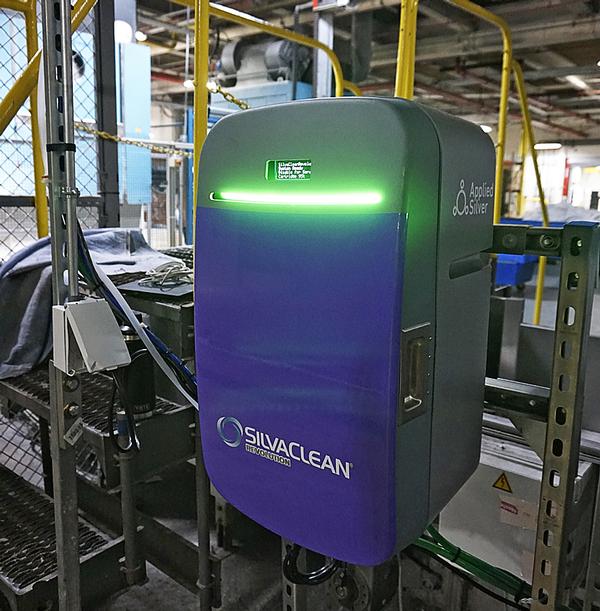
We’ve also installed an air purification system from Active Pure which incorporates UV light to deactivate 90 per cent of viruses and pathogens within three minutes.
What changes have you made to treatments? We’re still holding 188 fitness classes a week, all with social distancing, but have increased outdoor classes and also offer a daily live stream through the TV community channel.
We’ve also introduced a range of touchless wellness experiences which have been well received by our residents who make up 20 per cent of our market. They’re in the 60-plus demographic and many of them had anxiety over returning to massage, facial and or body treatments. Around 20 per cent of them now participate in our touch-free offers.
How did you attract the local market? Residents who live nearby make up 50 per cent of our spa customers, but we broadened our promotions, shifting our focus to the regional area as we saw our drive-to market becoming one of our highest producing segments. We used our new touchless services to pique interest, while still offering our wellness, healing and spa treatments and combined these with pool and beach access to help people feel relaxed and enjoy the fresh air.
Did you change your pricing? We evaluated the market and market conditions within our competitive set and we carefully set our pricing near our 2019 levels.
Any idea when you’ll start hitting pre-COVID numbers? Currently, spas in Miami are not permitted to exceed 50 per cent of occupancy. If we were able to go above this threshold, we would be at or near our revenues of 2019.
Overall, how is the global spa industry coping with the pandemic? Coping, I believe, is the easy part. Keeping the spa busy, providing an income to the therapists that have returned is another thing. Operators need to have open minds and provide alternative wellness options for guests, creating a safe and comfortable environment that entices people to return back.
The keys to survival are pivoting, flexibility, open-mindedness and a passion for the spa and wellness industry. If we’re going to call ourselves a true wellness resort, we have to be the leaders in modelling innovation and technology.
• See Carillon's new touchless wellness experiences below
First-person
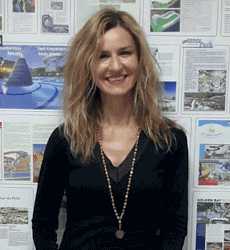
Lisa Starr at Carillon Miami
photo: Lisa Starr
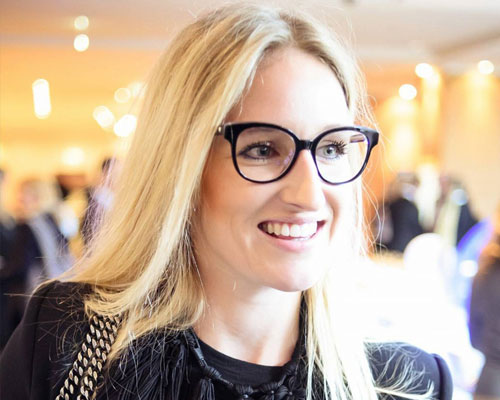
Having not visited a spa for nearly a year since the pandemic, to say I was excited about my time at Carillon would be an understatement! While there have been many rumours about the flaunting of COVID best practices in Florida, I saw none of that. The whole operation was extremely safety-aware. Temperatures were checked on arrival, a one-way traffic flow plan was in operation and masks were mandatory.
Safety regulations also meant the spa was only allowed to operate at 50 per cent capacity and locker rooms were closed, so clients have to change in the treatment rooms or hotel guests arrive in their robes.
Unfortunately the impressive range of wet amenities weren’t open to the public either, although pools were.
I tried a number of low-touch treatments, including the Prism Light Pod, the Vibroacoustic Elector Magnetic Infrared (VEMI) experience and a Salt Bath Float. All were enjoyable, but my favourite was the Gharieni Spa Wave table for providing an immediate, relaxing power-nap.
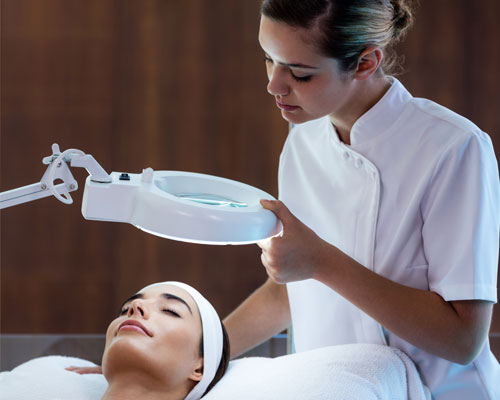
I also had a delightful Cryo One Facial and a Ginger Coconut Argan Sugar Glow on the Lemi Aemotio table, both with excellent (masked) therapists, and it definitely felt great to experience human touch.
While there’s been much debate about whether clients will be interested in low-touch treatments, there’s never a feeling of being left alone as spa staff explain how to use equipment and what to expect.
I was certainly glad of a therapist’s presence when trying the new Everest electric cryotherapy chamber – and I wouldn’t have been able to stand the -115˚C temperature for two minutes without their encouragement on the other side of the door.
Not being able to use the thermal areas was definitely a disappointment and the entire experience felt more isolated. But it was certainly much better than not going to the spa at all.
As for high-touch versus low-touch, there’s definitely no substitute for human contact, but augmenting with touchless options that permit clients to relax and have some mental downtime, seems like an ideal revenue configuration.
Lisa Starr is a contributing editor at Spa Business magazine
| [email protected]
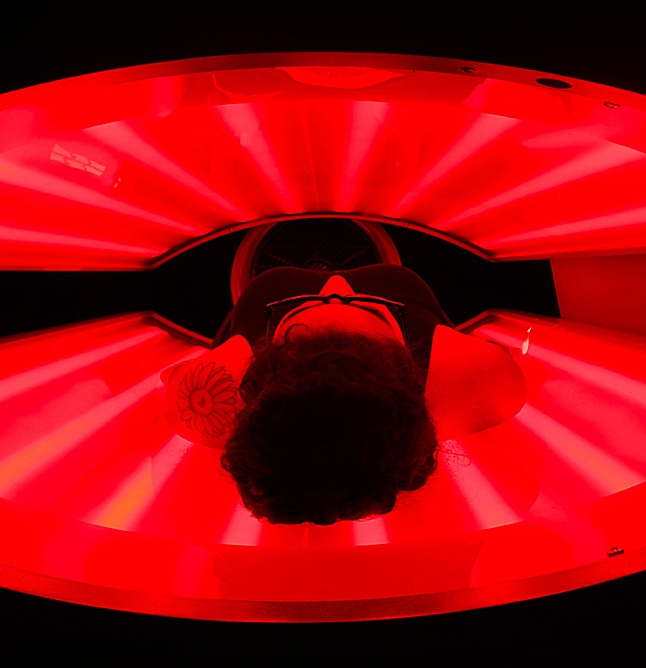
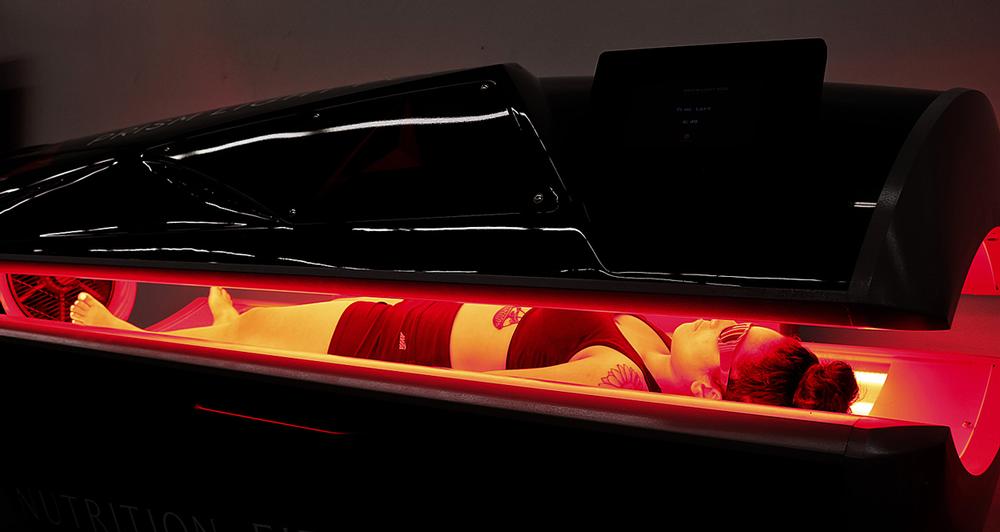
Prism Light Pod
Prism Light Pod is a full-body system which uses red and near-infrared light waves to help soothe joints, reduce chronic pain and inflammation, support weight loss and improve skin conditions and keep it looking younger.
US$49 (€40, £35) for 15 minutes or US$360 (€294, £254) for a series of 12
photo: *PRISM LIGHT POD
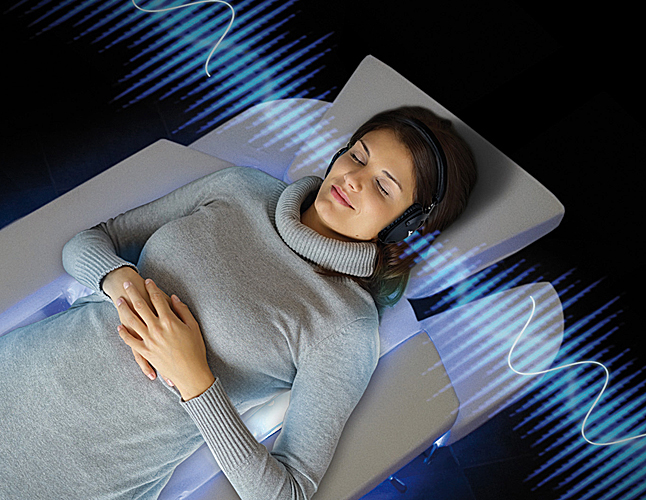
Gharieni’s Spa Wave
Gharieni’s Spa Wave experience combines music, gentle sound waves and chakra resonating vibrations to help with stress, concentration, mood and creativity.
Cost: US$99 (€81, £70) for 30 minutes or US$800 (€654, £565) for 10
photo: GHARIENI
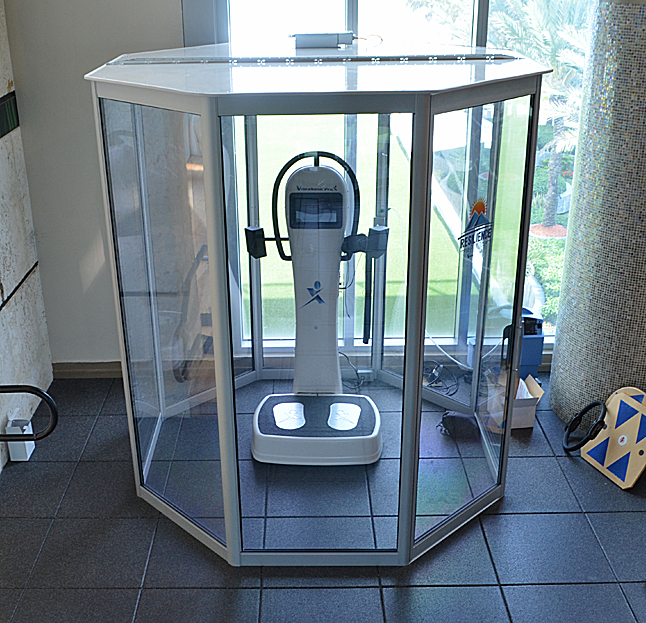
The No Sweat Workout by VibraGenix
The No Sweat Workout by VibraGenix uses sonic vibrations to “exercise nearly one hundred trillion cells in the body simultaneously” which it says is the equivalent response to an hour’s CV workout. Lymphatic health, weight loss and better circulation are said to be an extra plus.
Cost: US$99 (€81, £70) for 25 minutes or US$800 (€654, £565) for a series of 10
photo: VIBRAGENIX
Pure Wave VEMI
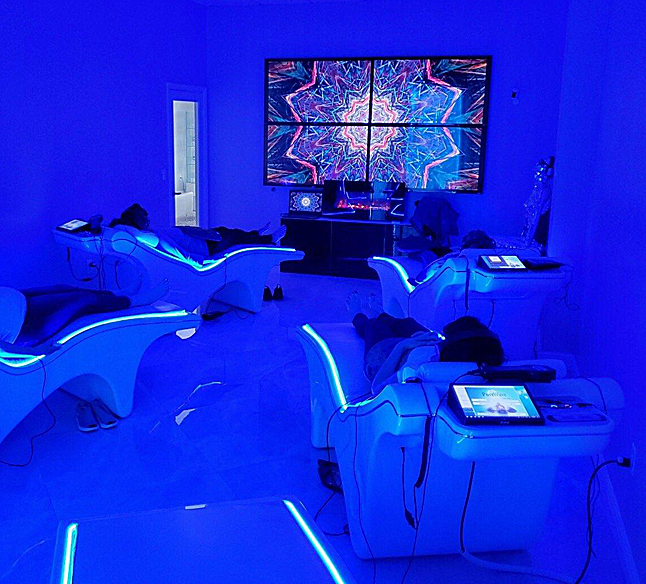
Pure Wave VEMI aims to recharge and detoxify cells in the body, leading to restored balance and rejuvenation. It does this through vibroacoustic, electro magnetic and infrared therapy and is meant to emulate a deep meditative state.
Cost: US$99 (€81, £70) for 25 minutes or US$800 (€654, £565) for a series of 10
photo: PURE WAVE VEMI
Breathe & Detox Suite by Halotherapy Solutions
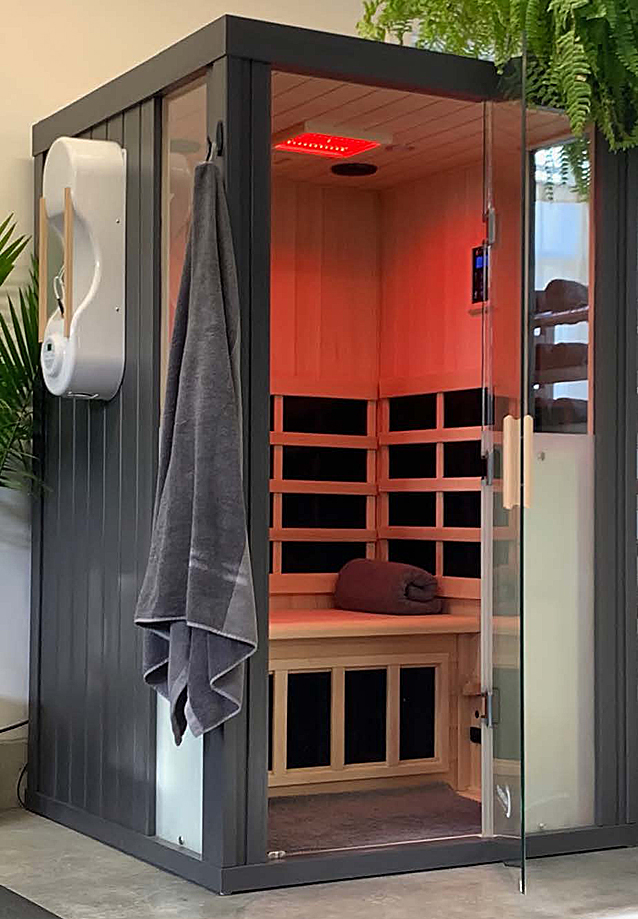
Salt inhalation and infrared heat are combined in the Breathe & Detox Suite by Halotherapy Solutions. Benefits are believed to include improved respiratory health and immunity and a reduction in stress and inflammation.
Cost: US$99 (€81, £70) for 25 minutes or US$800 (€654, £565) for a series of 10
photo: HALOTHERAPY SOLUTIONS
The Rasha Triad
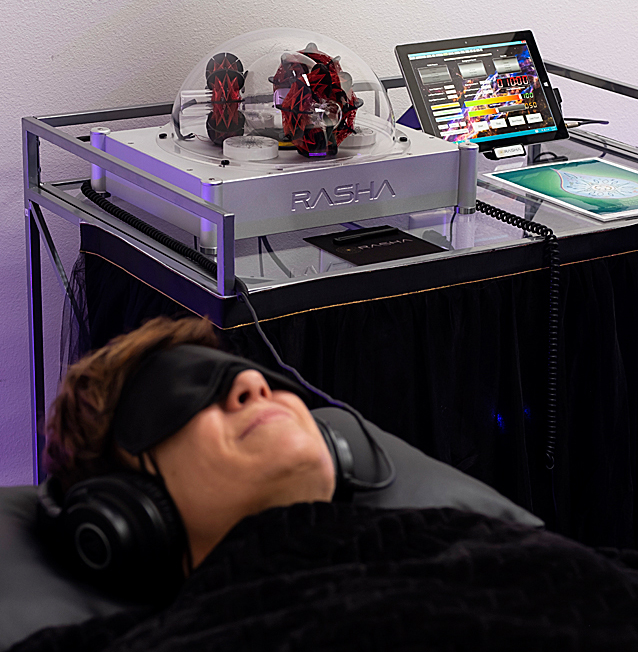
The Rasha Triad has been designed to harmonise the autonomic nervous system and bring the left and right hemispheres of the brain into balance via scalar plasma sound technology. It’s been created to relieve stress, support relaxation and potentially transmute negative habitual patterns.
Cost: US$139 (€114, £98) for 45 minutes or US$999 (€817, £705) for 10
photo: RASHA TRIAD
Read more from this issue of Attractions Management magazine
View contents of Attractions Management 2021 issue 2
Spa people: Adrian Zecha
Adrian Zecha talks about his latest brands and why he's not planning retirement anytime soon
Spa people: Michala Chatel
Ultima Collection's managing partner explains why and how it's adding wellness options to exclusively rented villas and properties
Spa people: Stephanie Stahl
The Ace of Air co-founder tackles sustainability head on with a 'buy the product rent the packaging' scheme
Menu engineering: At your service
Art and sauna bathing collide in a Japanese exhibition; Banyan Tree rolls out its Wellbeing Sanctuary concept globally
Top team: Capella
Neena Dhillon talks to the owning company and senior executives from this burgeoning Asian hospitality brand with a passion for wellness
Ask an Expert: Treating Long COVID
One in 20 people who've had coronavirus are still battling its side effects for three months or more. How can spas help?
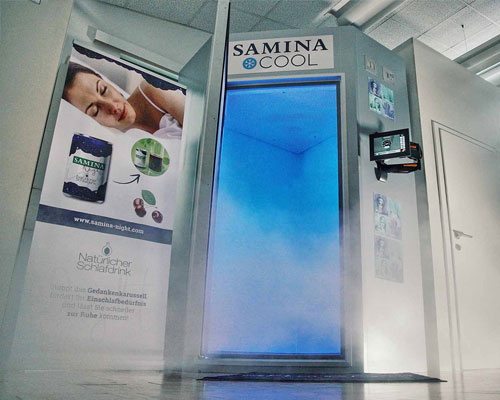
Promotion: Art of Cryo: Cool night's sleep
High-performance cryo chamber specialist Art of Cryo joins forces with leading bed manufacturer Samina to launch cryo centres for sleep health
Interview: Stelian Iacob
Therme Group's COO tells Katie Barnes how it's making the traditional thermal facility model more relevant to today's consumers
First person: Yasuragi
Spas in Sweden stayed open in the pandemic, but does the nation still have an appetite for wellness? Andrew Gibson investigates at this Japanese concept spa hotel near Stockholm
Interview: Tammy Pahel
The VP of spa at Carillon Miami candidly shares some of the challenges of the past year with Lisa Starr and explains why she's investing in touchless innovations
Spa survey: Wellness time
A new consumer survey shows how people's attitudes towards wellness and spas have changed. Mindbody's Katherine Wernet
Focus on: IV nutrition therapy
Is IV nutrition therapy as credible as some spas claim? Lisa Starr investigates this increasingly popular treatment
Are customers really pursuing
wellness like never before? Or wary of
even stepping into a hotel (let alone a spa) ?
Lisa Starr asks Carillon’s Tammy Pahel
and shares her own first-hand experience
Tammy Pahel joined Carillon Miami as VP of spa and wellness in May 2018 / photo: Carillon Miami wellness resort
As a resort where wellness is deep, varied and the heartbeat of operations, Carillon Miami should be well-placed as consumers emerge out of the pandemic with health at the forefront of their minds. Whatever the wellness treatment, Carillon will most likely offer it and was probably one of the first to do so – from kung fu healing and executive coaching to IV therapies and Tibetan bowl rituals.
While the property opened in 1959 as an example of modern Miami style, it’s possibly best known in spa circles as home to Canyon Ranch Living, which took over the property in 2008 and added residential towers and a sizeable David Rockwell-designed, 6,500sq m spa. However, it was unfortunate timing and the global economic downturn made success a challenge.
It was acquired by private equity group Z Capital Partners in 2015 for a reported US$21.6m (€17.7m, £15.2m) and spa industry veteran and visionary Tammy Pahel joined as VP of spa and wellness in May 2018. “If you really want to lose weight, eat healthier, whatever improvements clients want, we have options that provide for people to have more wellness in their life,” comments Pahel. “And when you go somewhere and you have a great experience, you want to go back and try new things.”
Reopening a hotel, residence and the largest spa on the eastern seaboard in the aftermath of COVID-19 has been a long, slow journey. Between human fears and mandated restrictions, there are many limitations on operations, but Pahel keeps pushing forward.
She’s used the downtime to do minor renovations, bring in new equipment and begin fresh partnerships, such as bringing the integrative medicine company BioStation to operate the medical arm of the resort, and finding new suppliers with cutting-edge technology to sanitise and clean both the facility and equipment. She candidly shares some of the challenges of the past year with Spa Business.
Are you able to quantify the cost of COVID to Carillon? Unfortunately we were closed for eight months and although we could have legally opened sooner we delayed our launch to ensure that, as a wellness resort, we had enhanced safety measures, training and processes in place. In 2020, the company losses amounted to millions of dollars, as did our competitors.
How did you help staff during the crisis? Communication and support were vital. The management team was constantly providing solutions to create a safe environment for the staff as well as offer support and flexibility for those who were more challenged by the situation. From mid-March until mid-July 2020, everyone in the spa was furloughed. When the spa did reopen it was only initially at weekends as the hotel was still closed.
Have you been able to bring everyone back? Considering that a lot of my therapists and wellness concierges were single mothers and/or taking care of elderly parents, they didn’t want to return right away, but we were able to ramp up staffing each month. We’re currently at about 85 per cent of our employee level from 2019.
How have you overhauled health and safety procedures? Clients used to focus on luxury and pampering, but now they’re more concerned with safety of the space that they’re spending time in.
Our spa employees wear an apron, mask and shield, like all other resort staff, but additionally we’ve been using electrostatic sprayers to disinfect the entire facility – all 6,500sq m of it – each day at 4am.
We’ve also installed an air purification system from Active Pure which incorporates UV light to deactivate 90 per cent of viruses and pathogens within three minutes.
What changes have you made to treatments? We’re still holding 188 fitness classes a week, all with social distancing, but have increased outdoor classes and also offer a daily live stream through the TV community channel.
We’ve also introduced a range of touchless wellness experiences which have been well received by our residents who make up 20 per cent of our market. They’re in the 60-plus demographic and many of them had anxiety over returning to massage, facial and or body treatments. Around 20 per cent of them now participate in our touch-free offers.
How did you attract the local market? Residents who live nearby make up 50 per cent of our spa customers, but we broadened our promotions, shifting our focus to the regional area as we saw our drive-to market becoming one of our highest producing segments. We used our new touchless services to pique interest, while still offering our wellness, healing and spa treatments and combined these with pool and beach access to help people feel relaxed and enjoy the fresh air.
Did you change your pricing? We evaluated the market and market conditions within our competitive set and we carefully set our pricing near our 2019 levels.
Any idea when you’ll start hitting pre-COVID numbers? Currently, spas in Miami are not permitted to exceed 50 per cent of occupancy. If we were able to go above this threshold, we would be at or near our revenues of 2019.
Overall, how is the global spa industry coping with the pandemic? Coping, I believe, is the easy part. Keeping the spa busy, providing an income to the therapists that have returned is another thing. Operators need to have open minds and provide alternative wellness options for guests, creating a safe and comfortable environment that entices people to return back.
The keys to survival are pivoting, flexibility, open-mindedness and a passion for the spa and wellness industry. If we’re going to call ourselves a true wellness resort, we have to be the leaders in modelling innovation and technology.
• See Carillon's new touchless wellness experiences below
First-person
Lisa Starr at Carillon Miami
photo: Lisa Starr
Having not visited a spa for nearly a year since the pandemic, to say I was excited about my time at Carillon would be an understatement! While there have been many rumours about the flaunting of COVID best practices in Florida, I saw none of that. The whole operation was extremely safety-aware. Temperatures were checked on arrival, a one-way traffic flow plan was in operation and masks were mandatory.
Safety regulations also meant the spa was only allowed to operate at 50 per cent capacity and locker rooms were closed, so clients have to change in the treatment rooms or hotel guests arrive in their robes.
Unfortunately the impressive range of wet amenities weren’t open to the public either, although pools were.
I tried a number of low-touch treatments, including the Prism Light Pod, the Vibroacoustic Elector Magnetic Infrared (VEMI) experience and a Salt Bath Float. All were enjoyable, but my favourite was the Gharieni Spa Wave table for providing an immediate, relaxing power-nap.
I also had a delightful Cryo One Facial and a Ginger Coconut Argan Sugar Glow on the Lemi Aemotio table, both with excellent (masked) therapists, and it definitely felt great to experience human touch.
While there’s been much debate about whether clients will be interested in low-touch treatments, there’s never a feeling of being left alone as spa staff explain how to use equipment and what to expect.
I was certainly glad of a therapist’s presence when trying the new Everest electric cryotherapy chamber – and I wouldn’t have been able to stand the -115˚C temperature for two minutes without their encouragement on the other side of the door.
Not being able to use the thermal areas was definitely a disappointment and the entire experience felt more isolated. But it was certainly much better than not going to the spa at all.
As for high-touch versus low-touch, there’s definitely no substitute for human contact, but augmenting with touchless options that permit clients to relax and have some mental downtime, seems like an ideal revenue configuration.
Lisa Starr is a contributing editor at Spa Business magazine
| [email protected]
Prism Light Pod
Prism Light Pod is a full-body system which uses red and near-infrared light waves to help soothe joints, reduce chronic pain and inflammation, support weight loss and improve skin conditions and keep it looking younger.
US$49 (€40, £35) for 15 minutes or US$360 (€294, £254) for a series of 12
photo: *PRISM LIGHT POD
Gharieni’s Spa Wave
Gharieni’s Spa Wave experience combines music, gentle sound waves and chakra resonating vibrations to help with stress, concentration, mood and creativity.
Cost: US$99 (€81, £70) for 30 minutes or US$800 (€654, £565) for 10
photo: GHARIENI
The No Sweat Workout by VibraGenix
The No Sweat Workout by VibraGenix uses sonic vibrations to “exercise nearly one hundred trillion cells in the body simultaneously” which it says is the equivalent response to an hour’s CV workout. Lymphatic health, weight loss and better circulation are said to be an extra plus.
Cost: US$99 (€81, £70) for 25 minutes or US$800 (€654, £565) for a series of 10
photo: VIBRAGENIX
Pure Wave VEMI
Pure Wave VEMI aims to recharge and detoxify cells in the body, leading to restored balance and rejuvenation. It does this through vibroacoustic, electro magnetic and infrared therapy and is meant to emulate a deep meditative state.
Cost: US$99 (€81, £70) for 25 minutes or US$800 (€654, £565) for a series of 10
photo: PURE WAVE VEMI
Breathe & Detox Suite by Halotherapy Solutions
Salt inhalation and infrared heat are combined in the Breathe & Detox Suite by Halotherapy Solutions. Benefits are believed to include improved respiratory health and immunity and a reduction in stress and inflammation.
Cost: US$99 (€81, £70) for 25 minutes or US$800 (€654, £565) for a series of 10
photo: HALOTHERAPY SOLUTIONS
The Rasha Triad
The Rasha Triad has been designed to harmonise the autonomic nervous system and bring the left and right hemispheres of the brain into balance via scalar plasma sound technology. It’s been created to relieve stress, support relaxation and potentially transmute negative habitual patterns.
Cost: US$139 (€114, £98) for 45 minutes or US$999 (€817, £705) for 10
photo: RASHA TRIAD
Read more from this issue of Attractions Management magazine
View contents of Attractions Management 2021 issue 2
Spa people: Adrian Zecha
Adrian Zecha talks about his latest brands and why he's not planning retirement anytime soon
Spa people: Michala Chatel
Ultima Collection's managing partner explains why and how it's adding wellness options to exclusively rented villas and properties
Spa people: Stephanie Stahl
The Ace of Air co-founder tackles sustainability head on with a 'buy the product rent the packaging' scheme
Menu engineering: At your service
Art and sauna bathing collide in a Japanese exhibition; Banyan Tree rolls out its Wellbeing Sanctuary concept globally
Top team: Capella
Neena Dhillon talks to the owning company and senior executives from this burgeoning Asian hospitality brand with a passion for wellness
Ask an Expert: Treating Long COVID
One in 20 people who've had coronavirus are still battling its side effects for three months or more. How can spas help?
Promotion: Art of Cryo: Cool night's sleep
High-performance cryo chamber specialist Art of Cryo joins forces with leading bed manufacturer Samina to launch cryo centres for sleep health
Interview: Stelian Iacob
Therme Group's COO tells Katie Barnes how it's making the traditional thermal facility model more relevant to today's consumers
First person: Yasuragi
Spas in Sweden stayed open in the pandemic, but does the nation still have an appetite for wellness? Andrew Gibson investigates at this Japanese concept spa hotel near Stockholm
Interview: Tammy Pahel
The VP of spa at Carillon Miami candidly shares some of the challenges of the past year with Lisa Starr and explains why she's investing in touchless innovations
Spa survey: Wellness time
A new consumer survey shows how people's attitudes towards wellness and spas have changed. Mindbody's Katherine Wernet
Focus on: IV nutrition therapy
Is IV nutrition therapy as credible as some spas claim? Lisa Starr investigates this increasingly popular treatment
A US$50 million (£44.2 million, €51.2 million) transformation of Chicago's historic McCormick
Mansion has created a new destination that combines live magic, immersive theatre, dining and
private membership under one roof.
The Montana Historical Society has officially celebrated the opening of its new Montana
Heritage
Center, a US$107 million (£79 million, €92 million) destination that combines immersive
storytelling with cutting-edge audiovisual technology to bring the sta
San Antonio Zoo has reported a US$283 million economic impact for 2025, following a decade-
long transformation programme that has seen almost US$200 million invested into the Texas
attraction.
Plans for the AU$180 million redevelopment of Reef HQ Aquarium in Townsville, Australia, are
progressing, with the project set to transform the attraction into a global centre for reef
education and conservation.
Abu Dhabi-based investment firm Mubadala Capital has made a binding, fully financed
€1 billion
offer to acquire Pierre and Vacances SA, the European holiday resort operator behind the
continental European Center Parcs business.
Disney has reaffirmed its commitment to investing US$30 billion in its US parks and cruise
business by 2033, using new America250 celebrations to underline the role its attractions play
in supporting jobs, tourism and economic growth.
Expo 2030 Riyadh is being planned as a permanent visitor destination, with organisers
confirming the six-million-square-metre site will become a Global Village after the event closes.
The owner of one of Australia's best-known waterparks has acquired a major competitor,
creating a new attractions business spanning two of the country's largest visitor destinations.
The Toverland theme park in the Netherlands has announced a €98m expansion programme
that will add a resort, new attractions and staff facilities as it pursues plans to become a multi-
day destination.
Hotel de France, located on the British Isle of Jersey, has created a wellness retreat package
that includes a hot yoga session that will take place in Jersey Zoo’s butterfly sanctuary.