In a world increasingly divided by rising nationalism, how do you charm someone
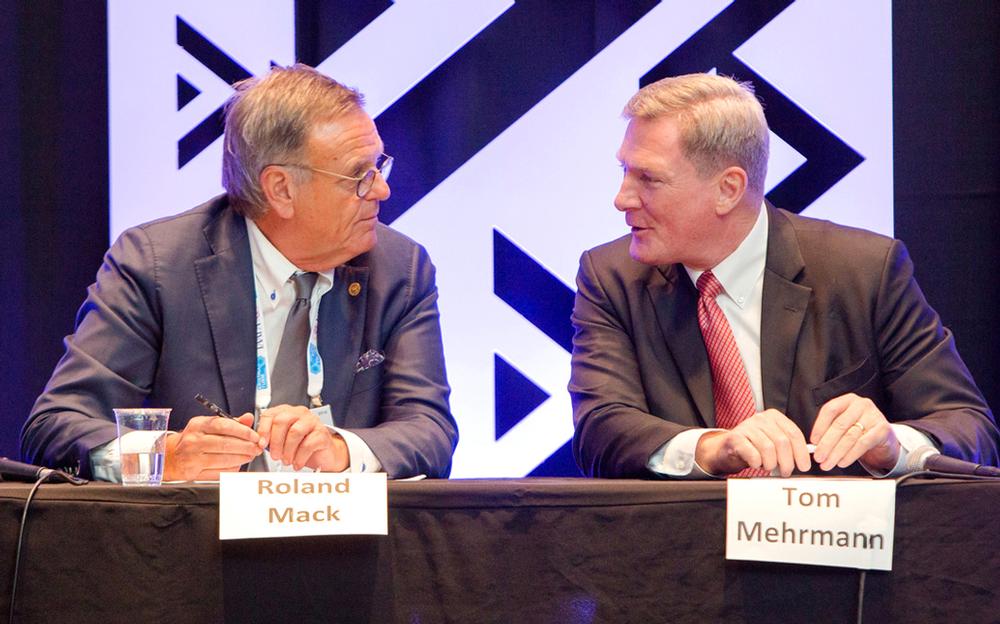
from culture that’s not your own? Tom Mehrmann and Roland Mack
discussed this issue for the IAAPA Legends panel
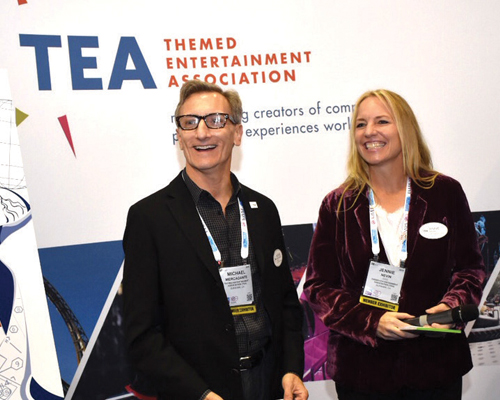
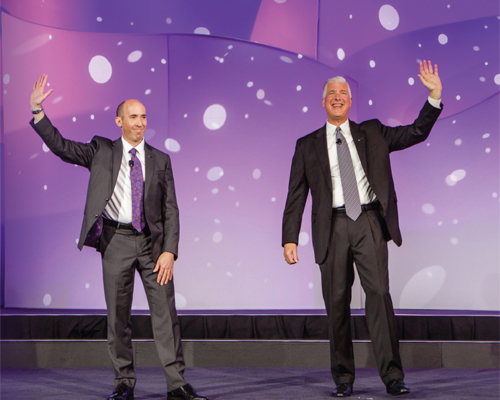
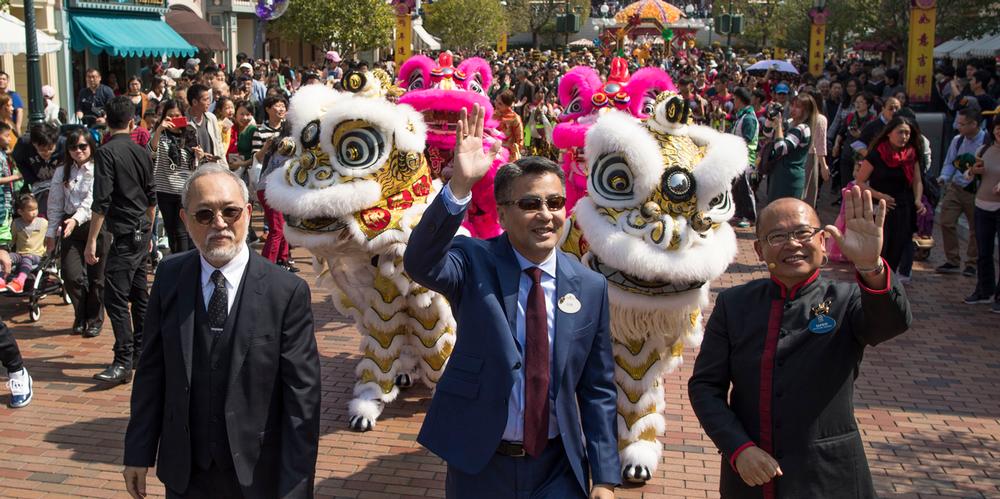
Roland Mack and Tom Mehrmann took part in the popular panel
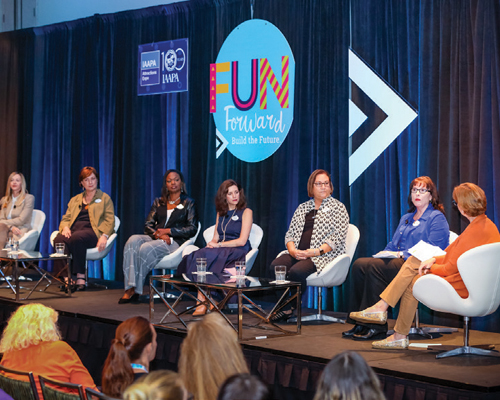
When opening a new venture overseas in a culture you’re not familiar with, or when you have to interpret someone else’s culture and invite them to experience it in your park, what works and what doesn’t? These were the questions posed by Bob Rogers, founder and chief creative officer of experience design firm BRC Imagination Arts, who once again hosted the Legends panel at the IAAPA Expo in Orlando.
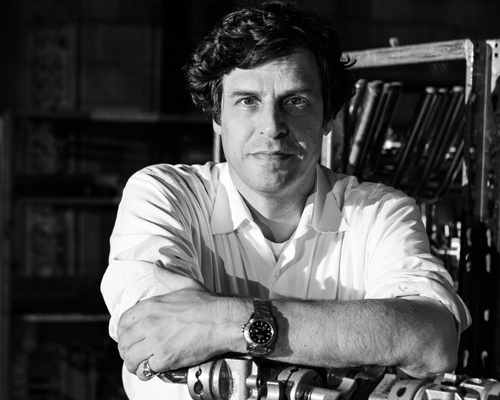
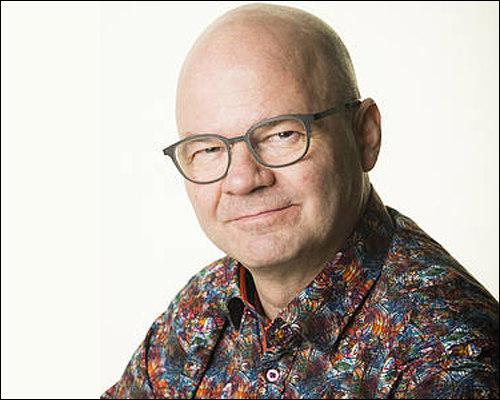
For the latest edition, Rogers was joined by panel members Tom Mehrmann, former Ocean Park CEO and current president and general manager of the under-development Universal Beijing, as well as Europa Park founder Roland Mack.
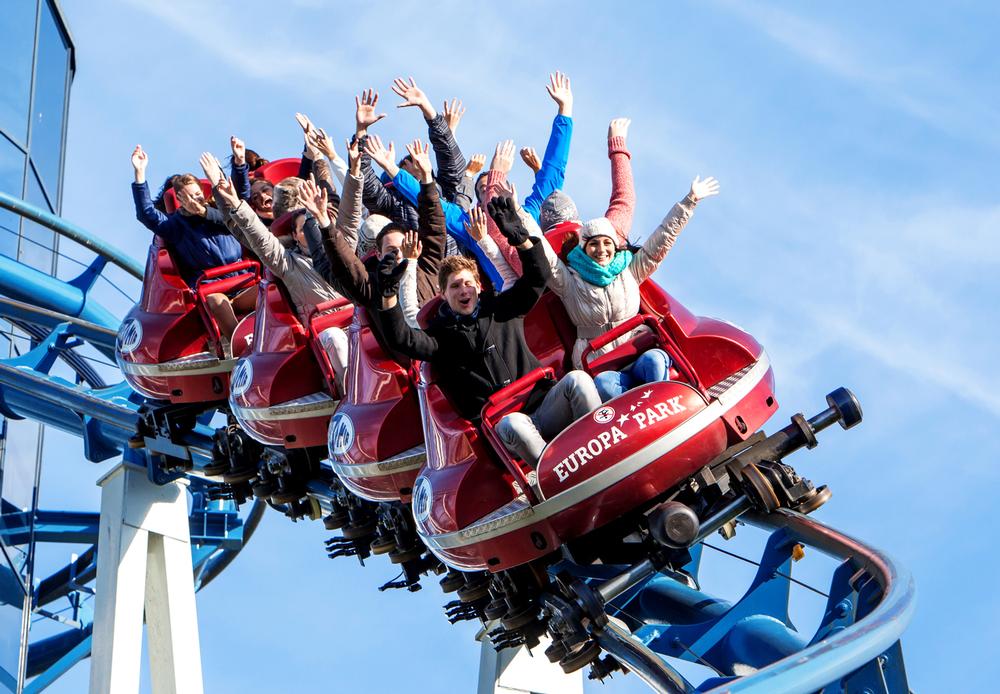
Culture ambassadors Mack, a member of the IAAPA Hall of Fame, is currently leading his family’s business, which was started 240 years ago as a manufacturer of stagecoach wagons. In the early 1900s Mack started to manufacture rides. Roland and his brother Jurgen are the seventh generation of Macks to work in the industry. In 1977 they formed Europa Park, which outside of Disney is Europe’s most visited theme park.
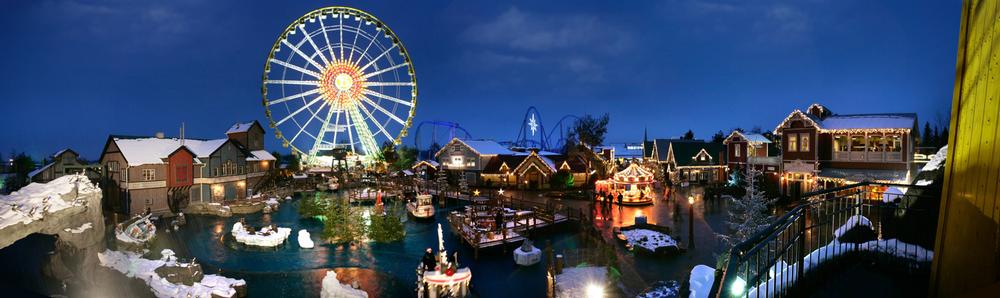
Introducing Mack, Rogers called Europa Park a “vibrant, shiny mosaic of European culture, celebrating unity and diversity”. He then asked Mack the secret to Europa Park’s success, which he believed was down to the European culture of Europa Park versus the “Americanised” Disney.
“We found with our clientele that European visitors love other European cultures,” said Mack. “If our visitors are telling us that Europa Park is more European, then we’re getting better feedback. It’s something completely different to Disney, which is an Americanised product.”
So how do you capture this essence of Europe without falling into the trap of stereotyping a culture – something that could potentially offend visitors?
“For us, we try recreating that country’s atmosphere,” said Mack. “We use typical elements such as architectural styles and then create our own world around that. We do it with costumes, music and the food of the countries. When we create that atmosphere, our visitors enjoy it.”
Changing perspectives Tom Mehrmann, who has held senior roles across the attractions industry, is now the president and general manager of the upcoming US$7.4bn Universal Beijing theme park and resort, which is due to open in 2020 as Universal’s third park in Asia.
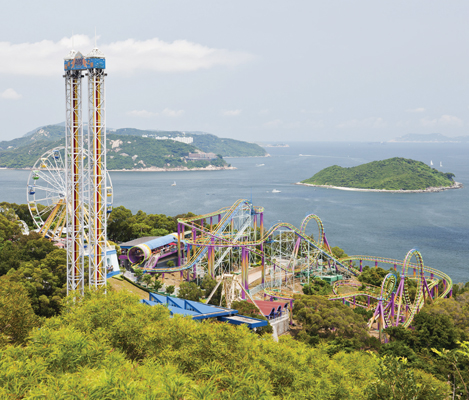
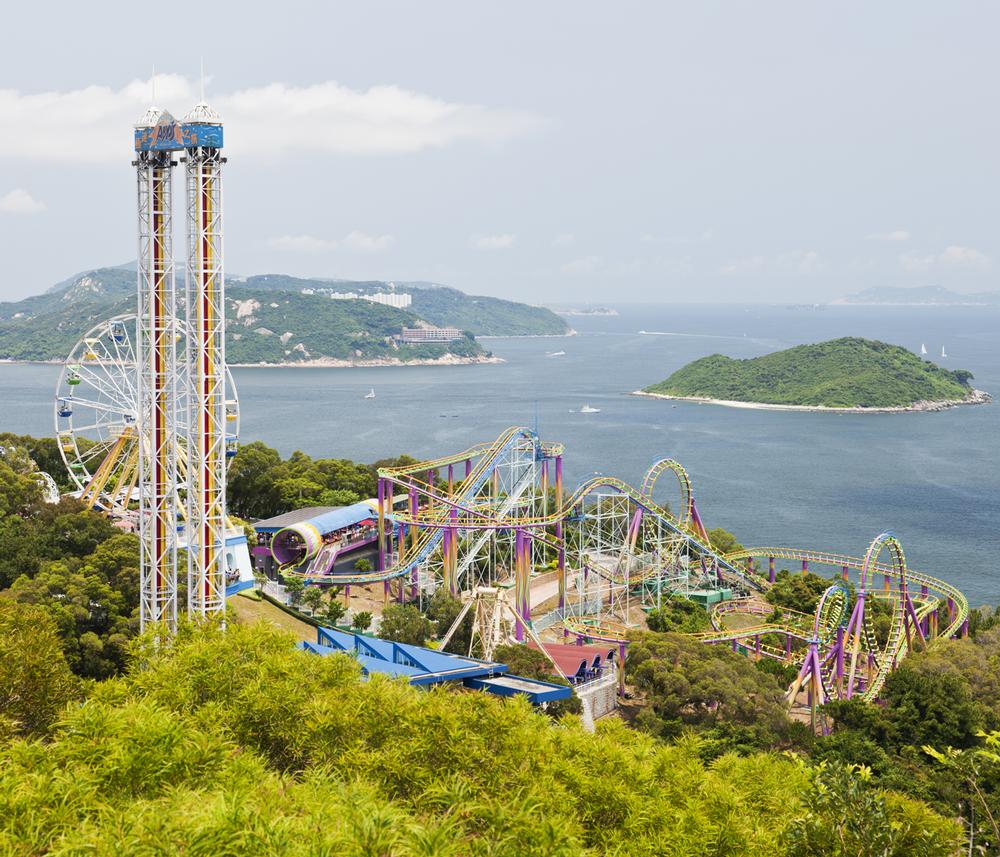
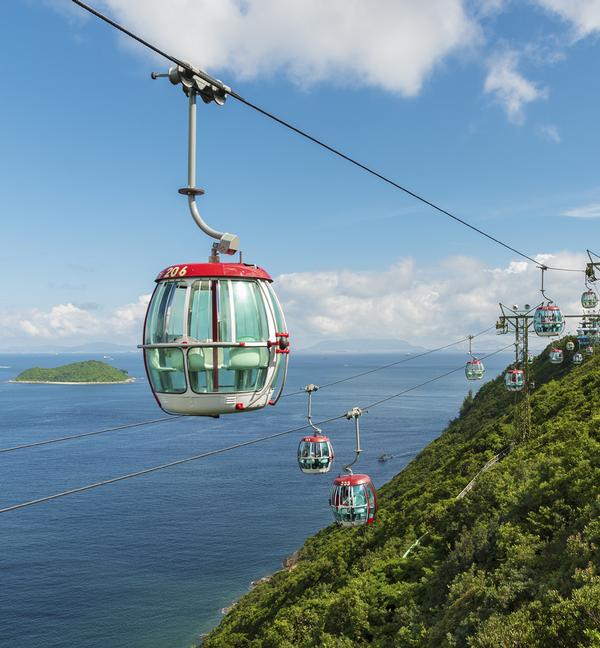
Prior to joining Universal, Mehrmann spent 13 years as CEO of Hong Kong’s Ocean Park and, in a feat that no one thought was possible, he managed to outmanoeuvre Disney’s new Hong Kong theme park, with his smaller attraction beating its attendance for more than a decade. So how did he achieve this? According to Merhmann, it was his experience when leading Warner Bros World in Madrid that taught him the lessons he needed to keep Ocean Park competitive.
“When we were building Warner Bros, there was a little park down the street – Parque de Atracciones,” he explained.
“At the time, we disregarded them as not being that great, that we could come in as a giant with a beautiful product and strong IPs. They did some really unique things. They brought in Real Madrid to be icons of the park. They were culturally relevant and tapped into the collective memory. They took advantage of their generational values and we got beat up.
“When Disney came to Hong Kong, I knew the playbook and I knew what we, as a smaller park, were going to do.”
Using culture, Merhmann built on the park’s existing ties, creating a connection with visitors that saw attendance soar.
“I wanted to focus on being culturally relevant,” he said. “Disney was about to bring in American entertainment and they were going to try and make it local. We had the upper hand with a park that had been around for several years and was already ingrained in the culture of the local market. Disney at the time was brand new for Asia – they had to start from scratch.”
Now in position as the invading giant with Universal Beijing, Mehrmann isn’t underestimating his local competition.
“We’re learning from everything and everyone. Never be too proud to learn. Never be too arrogant to take note of who’s around you. Even if you don’t think it’s that good, take a look at what your market responds to. We get so inflated in how good we are, we forget guests enjoy what we dismiss as not so good.”
Read more from this issue of Attractions Management magazine
View contents of Attractions Management 2019 issue 1
In a world increasingly divided by rising nationalism, how do you charm someone
from culture that’s not your own? Tom Mehrmann and Roland Mack
discussed this issue for the IAAPA Legends panel
Roland Mack and Tom Mehrmann took part in the popular panel
When opening a new venture overseas in a culture you’re not familiar with, or when you have to interpret someone else’s culture and invite them to experience it in your park, what works and what doesn’t? These were the questions posed by Bob Rogers, founder and chief creative officer of experience design firm BRC Imagination Arts, who once again hosted the Legends panel at the IAAPA Expo in Orlando.
For the latest edition, Rogers was joined by panel members Tom Mehrmann, former Ocean Park CEO and current president and general manager of the under-development Universal Beijing, as well as Europa Park founder Roland Mack.
Culture ambassadors Mack, a member of the IAAPA Hall of Fame, is currently leading his family’s business, which was started 240 years ago as a manufacturer of stagecoach wagons. In the early 1900s Mack started to manufacture rides. Roland and his brother Jurgen are the seventh generation of Macks to work in the industry. In 1977 they formed Europa Park, which outside of Disney is Europe’s most visited theme park.
Introducing Mack, Rogers called Europa Park a “vibrant, shiny mosaic of European culture, celebrating unity and diversity”. He then asked Mack the secret to Europa Park’s success, which he believed was down to the European culture of Europa Park versus the “Americanised” Disney.
“We found with our clientele that European visitors love other European cultures,” said Mack. “If our visitors are telling us that Europa Park is more European, then we’re getting better feedback. It’s something completely different to Disney, which is an Americanised product.”
So how do you capture this essence of Europe without falling into the trap of stereotyping a culture – something that could potentially offend visitors?
“For us, we try recreating that country’s atmosphere,” said Mack. “We use typical elements such as architectural styles and then create our own world around that. We do it with costumes, music and the food of the countries. When we create that atmosphere, our visitors enjoy it.”
Changing perspectives Tom Mehrmann, who has held senior roles across the attractions industry, is now the president and general manager of the upcoming US$7.4bn Universal Beijing theme park and resort, which is due to open in 2020 as Universal’s third park in Asia.
Prior to joining Universal, Mehrmann spent 13 years as CEO of Hong Kong’s Ocean Park and, in a feat that no one thought was possible, he managed to outmanoeuvre Disney’s new Hong Kong theme park, with his smaller attraction beating its attendance for more than a decade. So how did he achieve this? According to Merhmann, it was his experience when leading Warner Bros World in Madrid that taught him the lessons he needed to keep Ocean Park competitive.
“When we were building Warner Bros, there was a little park down the street – Parque de Atracciones,” he explained.
“At the time, we disregarded them as not being that great, that we could come in as a giant with a beautiful product and strong IPs. They did some really unique things. They brought in Real Madrid to be icons of the park. They were culturally relevant and tapped into the collective memory. They took advantage of their generational values and we got beat up.
“When Disney came to Hong Kong, I knew the playbook and I knew what we, as a smaller park, were going to do.”
Using culture, Merhmann built on the park’s existing ties, creating a connection with visitors that saw attendance soar.
“I wanted to focus on being culturally relevant,” he said. “Disney was about to bring in American entertainment and they were going to try and make it local. We had the upper hand with a park that had been around for several years and was already ingrained in the culture of the local market. Disney at the time was brand new for Asia – they had to start from scratch.”
Now in position as the invading giant with Universal Beijing, Mehrmann isn’t underestimating his local competition.
“We’re learning from everything and everyone. Never be too proud to learn. Never be too arrogant to take note of who’s around you. Even if you don’t think it’s that good, take a look at what your market responds to. We get so inflated in how good we are, we forget guests enjoy what we dismiss as not so good.”
Read more from this issue of Attractions Management magazine
View contents of Attractions Management 2019 issue 1
Expo 2030 Riyadh is being planned as a permanent visitor destination, with organisers
confirming the six-million-square-metre site will become a Global Village after the event closes.
The owner of one of Australia's best-known waterparks has acquired a major competitor,
creating a new attractions business spanning two of the country's largest visitor destinations.
The Toverland theme park in the Netherlands has announced a €98m expansion programme
that will add a resort, new attractions and staff facilities as it pursues plans to become a multi-
day destination.
Hotel de France, located on the British Isle of Jersey, has created a wellness retreat package
that includes a hot yoga session that will take place in Jersey Zoo’s butterfly sanctuary.
A new immersive attraction designed to transport visitors into the final hours of ancient Pompeii
is preparing to open near the world-famous archaeological site in southern Italy.
Experience design company, BRC Imagination Arts, has completed a transition that sees founder
Bob Rogers pass ownership of the business to four long-serving senior executives, while
remaining actively involved with the company.
Movie Park Germany has opened a new Paramount Pictures-themed attraction as part of its 30th
anniversary celebrations, using immersive storytelling and adaptive reuse to reinforce the park’s
longstanding “Hollywood in Germany” positioning.
Therme Manchester’s 28-acre development, which will include interconnected glass pavilions
that measure 65,000sq m, will be the largest bathing and wellbeing attraction in the world once
complete, according to prof David Russell, CEO of Therme UK.
Efteling has opened Hooghmoed, a new family drop tower designed to broaden the appeal of its
recently launched Sirene Island themed area and introduce younger visitors to thrill attractions.
A proposed Puy du Fou development near Bicester and Universal Destinations and Experiences’
planned resort in Bedford are emerging as part of a wider transformation of the Oxford–
Cambridge Growth Corridor into a major centre for UK leisure and tourism inv
+ More news
COMPANY PROFILES
Polin Waterparks Polin was founded in Istanbul in 1976. Polin
has since grown into a leading company in
the waterpa [more...]
Simworx Ltd The company was initially established
in 1997. Terry Monkton and Andrew
Roberts are the key stakeh [more...]
Holovis Holovis is a privately owned company
established in 2004 by CEO Stuart
Hetherington. [more...]