We’ve got 12 years to save Earth from the effects of climate change or we’ll be responsible for the death of our beautiful planet. It’s time the attractions industry stepped up and joined the fight to make a difference
By Liz Terry | Published in Attractions Management 2019 issue 1
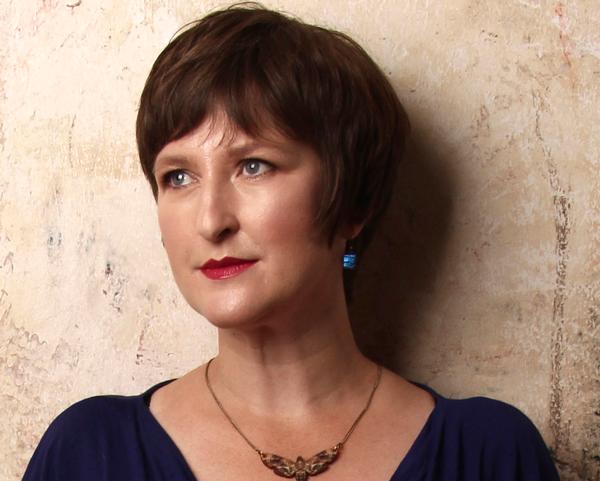
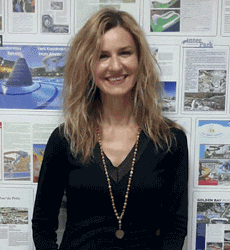
Bridget McKenzie – stepping up to make a difference
Could visitor attractions help save the planet, by educating people of all ages about climate change and – importantly – enlightening them about the actions they can take to prevent it? That’s the question Bridget McKenzie asked herself before setting out to create the Climate Museum (see page 80).
We know attractions sit at the heart of the education system, welcoming, teaching and enlightening millions of people around the world each year, so what could we make happen if we harnessed this power to save the world?
McKenzie believes we can make a difference and is crowdfunding an initiative to gather the resources needed to accelerate the development of the new attraction.
It will start as a pop-up – part exhibition, part training process – which can be hired by a museum, school, library or business and the plan is to grow from there.
“I see it as a workshop/campaign/training project where people can explore the subject and talk about their feelings and views,” says McKenzie. “Props and games will enable the conversation of how we can engage communities with climate change. Each pop-up will be targeted to the location: for example if it’s a low-lying area, a history of flooding can be brought into it.”
Importantly, the Climate Museum will harness the power of play to connect with visitors, but it will also be treated as a serious subject. Content will be graded to avoid frightening children and to ensure that the tougher messages reach the right audience.
McKenzie was inspired to start work on the project after meeting fellow industry professional Miranda Massie, who’s in the process of setting up a Climate Museum as a destination in New York and says it’s all part of a growing movement in the cultural sector take direct action in relation to climate change and make a difference.
In addition to educating people about change, attractions can do a huge amount to set an example, by adopting best practice in relation to things like accepting ethical sponsorship, switching to renewables or self-generation, encouraging visitors to arrive by public transport and cutting out plastic.
With the world in an accelerating climate crisis, it’s for us time to step up and play our part in finding solutions.
Read more from this issue of Attractions Management magazine
View contents of Attractions Management 2019 issue 1
We’ve got 12 years to save Earth from the effects of climate change or we’ll be responsible for the death of our beautiful planet. It’s time the attractions industry stepped up and joined the fight to make a difference
By Liz Terry | Published in Attractions Management 2019 issue 1
Bridget McKenzie – stepping up to make a difference
Could visitor attractions help save the planet, by educating people of all ages about climate change and – importantly – enlightening them about the actions they can take to prevent it? That’s the question Bridget McKenzie asked herself before setting out to create the Climate Museum (see page 80).
We know attractions sit at the heart of the education system, welcoming, teaching and enlightening millions of people around the world each year, so what could we make happen if we harnessed this power to save the world?
McKenzie believes we can make a difference and is crowdfunding an initiative to gather the resources needed to accelerate the development of the new attraction.
It will start as a pop-up – part exhibition, part training process – which can be hired by a museum, school, library or business and the plan is to grow from there.
“I see it as a workshop/campaign/training project where people can explore the subject and talk about their feelings and views,” says McKenzie. “Props and games will enable the conversation of how we can engage communities with climate change. Each pop-up will be targeted to the location: for example if it’s a low-lying area, a history of flooding can be brought into it.”
Importantly, the Climate Museum will harness the power of play to connect with visitors, but it will also be treated as a serious subject. Content will be graded to avoid frightening children and to ensure that the tougher messages reach the right audience.
McKenzie was inspired to start work on the project after meeting fellow industry professional Miranda Massie, who’s in the process of setting up a Climate Museum as a destination in New York and says it’s all part of a growing movement in the cultural sector take direct action in relation to climate change and make a difference.
In addition to educating people about change, attractions can do a huge amount to set an example, by adopting best practice in relation to things like accepting ethical sponsorship, switching to renewables or self-generation, encouraging visitors to arrive by public transport and cutting out plastic.
With the world in an accelerating climate crisis, it’s for us time to step up and play our part in finding solutions.
Read more from this issue of Attractions Management magazine
View contents of Attractions Management 2019 issue 1
OMA has completed a major transformation of New York's New Museum, creating a larger
cultural campus that combines expanded exhibition spaces with learning, performance,
hospitality and public programming.
A US$50 million (£44.2 million, €51.2 million) transformation of Chicago's historic McCormick
Mansion has created a new destination that combines live magic, immersive theatre, dining and
private membership under one roof.
The Montana Historical Society has officially celebrated the opening of its new Montana
Heritage
Center, a US$107 million (£79 million, €92 million) destination that combines immersive
storytelling with cutting-edge audiovisual technology to bring the sta
San Antonio Zoo has reported a US$283 million economic impact for 2025, following a decade-
long transformation programme that has seen almost US$200 million invested into the Texas
attraction.
Plans for the AU$180 million redevelopment of Reef HQ Aquarium in Townsville, Australia, are
progressing, with the project set to transform the attraction into a global centre for reef
education and conservation.
Abu Dhabi-based investment firm Mubadala Capital has made a binding, fully financed
€1 billion
offer to acquire Pierre and Vacances SA, the European holiday resort operator behind the
continental European Center Parcs business.
Disney has reaffirmed its commitment to investing US$30 billion in its US parks and cruise
business by 2033, using new America250 celebrations to underline the role its attractions play
in supporting jobs, tourism and economic growth.
Expo 2030 Riyadh is being planned as a permanent visitor destination, with organisers
confirming the six-million-square-metre site will become a Global Village after the event closes.
The owner of one of Australia's best-known waterparks has acquired a major competitor,
creating a new attractions business spanning two of the country's largest visitor destinations.
The Toverland theme park in the Netherlands has announced a €98m expansion programme
that will add a resort, new attractions and staff facilities as it pursues plans to become a multi-
day destination.
+ More news
COMPANY PROFILES
Holovis Holovis is a privately owned company
established in 2004 by CEO Stuart
Hetherington. [more...]
IAAPA EMEA IAAPA Expo Europe was established in 2006 and has grown to the largest international conference and [more...]
Alterface Alterface’s Creative Division team is
seasoned in concept and ride development,
as well as storyte [more...]
Polin Waterparks Polin was founded in Istanbul in 1976. Polin
has since grown into a leading company in
the waterpa [more...]