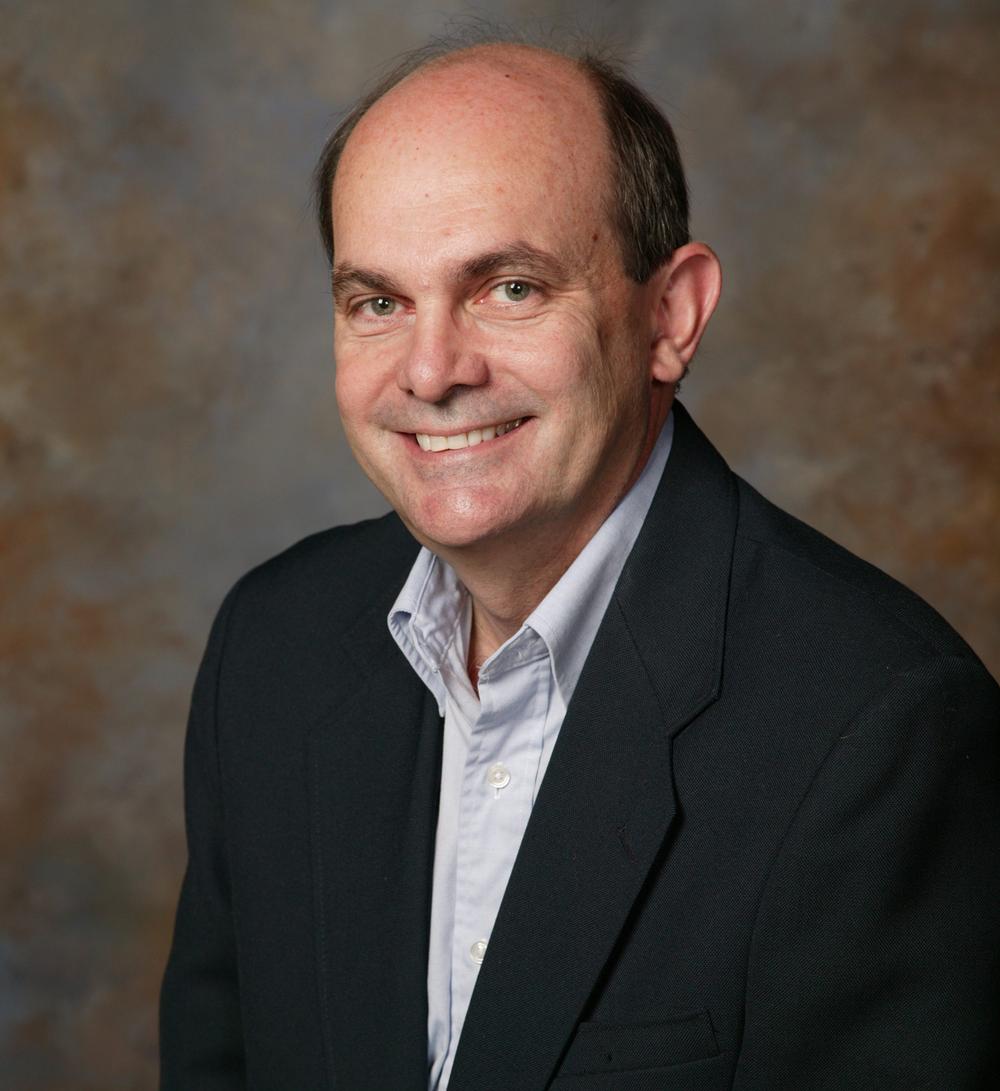
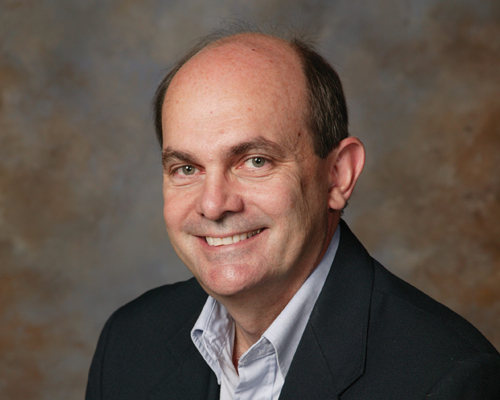
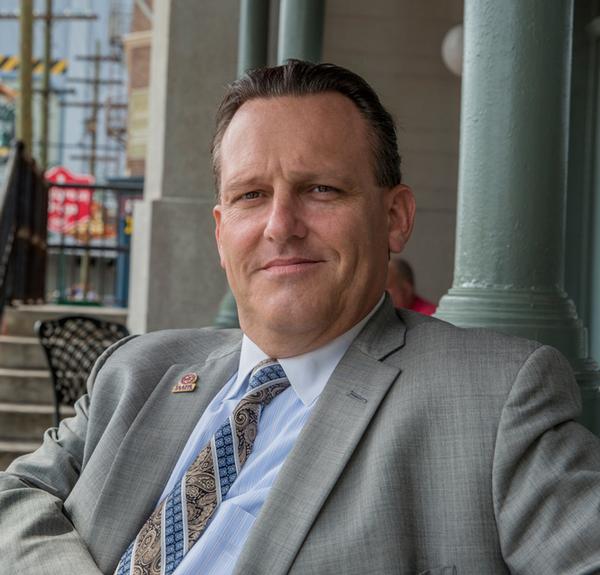
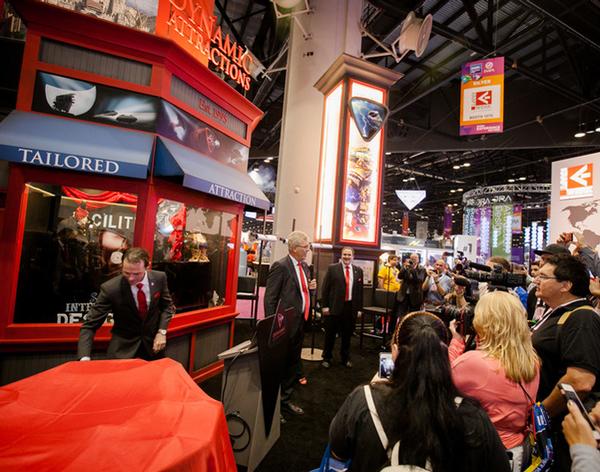
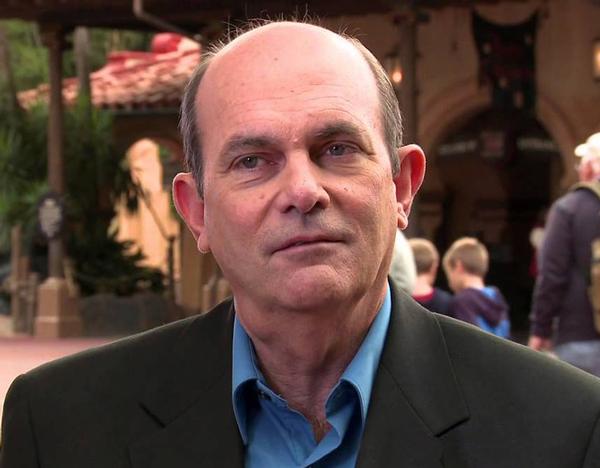
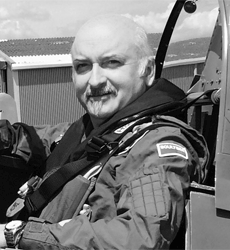
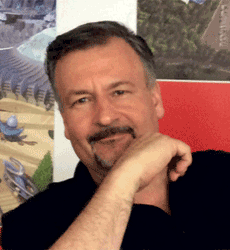
Disney’s chief safety officer Greg Hale stepped into his new role as IAAPA chair in November. Attractions Management sat down with Hale and asked what he hopes to achieve with the organisation
It’s a busy time for IAAPA, with the organisation moving its headquarters to Orlando, Florida, and preparing for its centenary in 2018. Greg Hale is overseeing the exciting year ahead.
What elements of your background will be useful in your role as chair? I’ve been at Disney for 28 years. I started out in ride and show engineering. In 2002, I became the company’s first chief safety officer worldwide. I’ve developed technologies like Disney’s FastPass, where I’m one of the original patent holders, and Disney Access, a hand-held device that provides captioning, audio descriptions or assistive listening to help guests who are visually impaired or hearing impaired.
One of the beautiful things that Disney allowed me to do was to share this technology and a lot of our safety technologies with the rest of the industry. We want to help make the world safer and more accessible and not keep those types of things as a competitive advantage. I look for advanced technologies and best practices that we can apply to safety worldwide and all of that experience helps with my role with IAAPA.
All IAAPA members have learnings and practices they can share with each other. I’ve never seen another industry so open to that, where competitors will teach or even encourage others to adopt their business, marketing and safety practices in order to help make each other stronger.
My focus now as chair is to really encourage that sharing to make this whole industry more efficient, safer, with better technology and innovation and better guest service. I’ll be pushing for everyone to come forward and share what they know with emerging parks and others who are trying to get into this business. That’s what makes this industry unique, the way we work together to a common goal.
Do you have examples? Disney’s Access device is now in use in National Parks and museums all across the US and it’s starting to go into China and Japan and other countries. Ride accessibility is another area where people are sharing their experiences, where we’re seeing a tremendous amount of collaboration between operators, ride makers, experts and guests with disabilities. It’s good to see people coming together to allow guests with disabilities to participate and have that experience.
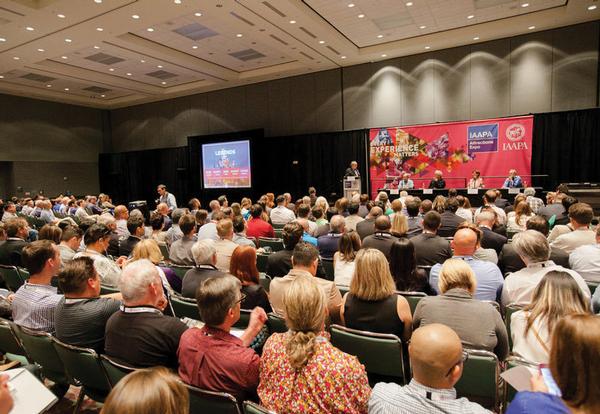
We had sessions at IAAPA sharing information about using drones to do safety inspections, to inspect tracks and structures and not put people at risk of falling from a rollercoaster. There were over 100 sessions like this at IAAPA.
What did you learned from outgoing IAAPA chair John McReynolds? It’s very helpful that IAAPA has a rotation system so you spend two years as a vice chair and one year as chair, which gives you the chance to watch and learn from the current chairperson.
I’ve worked with John for 20 years in different ways but I really admired how he managed the board. He’s very decisive and a real driver for getting things done. His area of expertise was government relations and he had a huge hand in working with government officials when we were deciding whether to move IAAPA’s headquarters to Orlando, Florida. They are welcoming us with open arms and providing assistance to make that move.
When do you plan to move? We will start relocating some of the functions to Orlando in 2017, but it will take some years to complete. We’re leaving our government affairs group back in Washington, DC. The rest of the staff will all move as quickly as possible.
Park safety has sadly been very much in the public eye with a few high profile incidents over the past 18 months. How do you respond to this situation? IAAPA has always had safety as one of its core values and has continued to increase its outreach to help others with best practices for safety. They can learn through the IAAPA Safety Institute and other educational programmes that we hold all over the world. Often in these emerging markets, IAAPA is able to reach out to operators before they even open their first park, showing them how to implement the great safety practices that industry leaders have developed over the years. That makes the whole industry safer around the world.
How can you and how can IAAPA support the industry if something does go wrong like it has recently? IAAPA doesn’t get directly involved in an accident that happens, as that’s the responsibility of the local and regional authorities. Again, our goal is to put in place practices to prevent accidents ever happening. When something bad happens, the good that comes of it is learning how to prevent it from happening somewhere else. By having so many members there is lots of data we can pool together, so people all over the world can learn from incidents that have happened as well as best practices and standards. We are preventing accidents around the world and we make the best of those rare bad situations by using that knowledge to prevent accidents in the future.
Are there any new initiatives in the works? We pilot things and when they are successful we expand them, such as the Safety Institute, which has been held in Dubai, Vietnam and Japan in the past few months and earlier in the year in Latin America, Asia and other places. Those are going to continue to grow and develop.
We are also investing in data so we can be the premiere go-to resource when people need statistics and information on the attractions industry. We have a multi-year plan to provide good economic and benchmark data and we want to invest in that area to provide a strong service. We should be the one-stop-shop for credible information on the industry. We’re putting a lot into research, surveys are going on and lots of different things to collect that data.
What else is happening? There are our anchor events. For example, for the past 12 years we have held a standards harmonisation meeting with government officials, operators and manufacturers to try to reach a common set of safety requirements, whether it’s the EN, ISO or ASTM, that are used all over the world and the critical safety learnings are embedded in all of them.
Our Leadership Conference is a long-standing annual event focused on the most senior people in the industry, and we are always adding more components to that. When we started 10 years ago it was really a series of facility tours, but today we bring a true educational component with breakout sessions, guest speakers and facility visits.
What are your thoughts on diversity in the organisation? I was on the Strategic Planning Committee many years ago when we decided we wanted to not just embrace diversity but ensure it was central, as we were growing into this truly global organisation. Diversity was written into the byelaws so we would have a blend of different types of attractions from all over the world. Huge diversity is built in. We also see many entrepreneurs, many family-owned or multi-generational companies, husbands and wives or fathers and daughters starting up businesses and we get a blend of that on the board. We need to represent the whole of the global industry and not overlook anyone.
What global challenges are pressing for the industry? The industry is booming on a sustained level and all three of IAAPA’s trade shows last year were recordbreaking. In fact, the demand for entertainment is growing so much that it’s a challenge for the suppliers and manufacturers to keep up. It’s a good problem to have, but it’s true that in some cases our members are booked up with work for the next six or seven years.
Did you enjoy the 2016 IAAPA Expo? It was phenomenal. People see friends they have known for 25 years, in some cases 40 or 50 years. It’s part of the passion people have for this industry. You can put smiles on faces and help create experiences that will be lifetime memories. People put their hearts and souls into this industry. They want it to be successful and want others in the industry to be successful too.
Read more from this issue of Attractions Management magazine
View contents of Attractions Management 2017 issue 1
People profile: Nolan Bushnell
Nolan Bushnell, father of the video game industry, on his new VR business and the future of technology
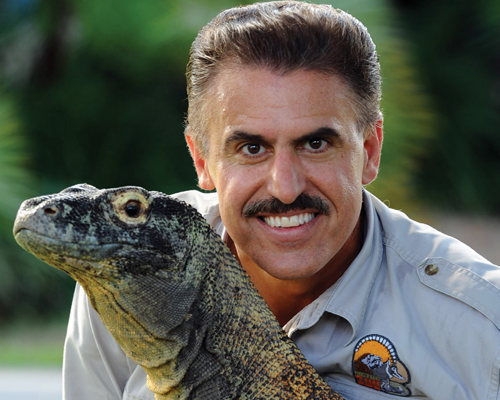
People profile: Ron Magill
Zoo Miami’s Ron Magill gives the lowdown on the attraction’s new Florida: Mission Everglades zone
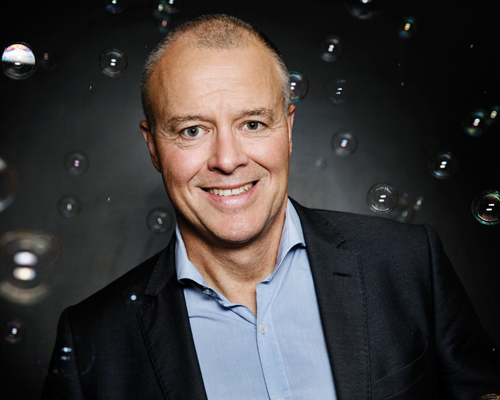
People profile: Kim Gladstone Herlev
Denmark’s Experimentarium has reopened after a major renovation. CEO Kim Gladstone Herlev shares his vision for the future
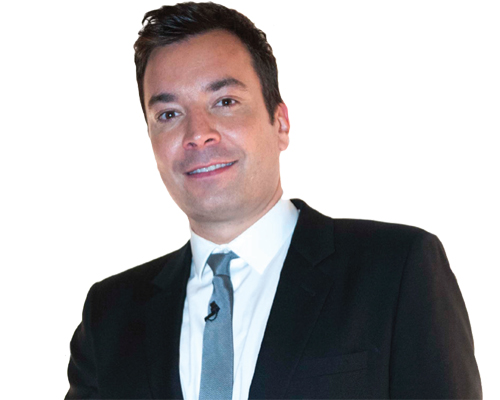
People profile: Jimmy Fallon
Hold on tight! US TV star Jimmy Fallon is the subject of a brand new ride at Universal Orlando
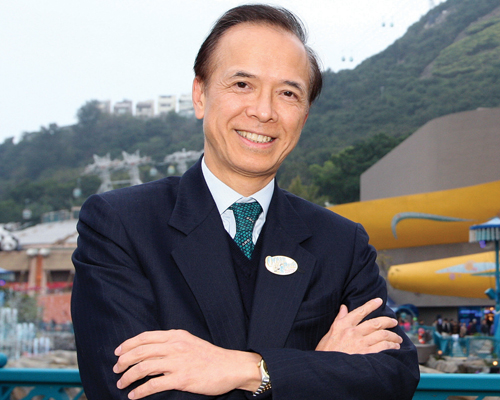
Interview: Matthias Li
Matthias Li, chief executive at Hong Kong’s
Ocean Park, on his response to a changing
visitor profile and rising competition
Pipeline: Opening Doors
There’s an array of attractions set to launch.
We anticipate the hot debuts of the year
Tourism: A Plan for Oman
The Ministry of Tourism’s Maitha Al Mahrouqi
on Oman’s status as a budding destination
Disney’s chief safety officer Greg Hale stepped into his new role as IAAPA chair in November. Attractions Management sat down with Hale and asked what he hopes to achieve with the organisation
It’s a busy time for IAAPA, with the organisation moving its headquarters to Orlando, Florida, and preparing for its centenary in 2018. Greg Hale is overseeing the exciting year ahead.
What elements of your background will be useful in your role as chair? I’ve been at Disney for 28 years. I started out in ride and show engineering. In 2002, I became the company’s first chief safety officer worldwide. I’ve developed technologies like Disney’s FastPass, where I’m one of the original patent holders, and Disney Access, a hand-held device that provides captioning, audio descriptions or assistive listening to help guests who are visually impaired or hearing impaired.
One of the beautiful things that Disney allowed me to do was to share this technology and a lot of our safety technologies with the rest of the industry. We want to help make the world safer and more accessible and not keep those types of things as a competitive advantage. I look for advanced technologies and best practices that we can apply to safety worldwide and all of that experience helps with my role with IAAPA.
All IAAPA members have learnings and practices they can share with each other. I’ve never seen another industry so open to that, where competitors will teach or even encourage others to adopt their business, marketing and safety practices in order to help make each other stronger.
My focus now as chair is to really encourage that sharing to make this whole industry more efficient, safer, with better technology and innovation and better guest service. I’ll be pushing for everyone to come forward and share what they know with emerging parks and others who are trying to get into this business. That’s what makes this industry unique, the way we work together to a common goal.
Do you have examples? Disney’s Access device is now in use in National Parks and museums all across the US and it’s starting to go into China and Japan and other countries. Ride accessibility is another area where people are sharing their experiences, where we’re seeing a tremendous amount of collaboration between operators, ride makers, experts and guests with disabilities. It’s good to see people coming together to allow guests with disabilities to participate and have that experience.
We had sessions at IAAPA sharing information about using drones to do safety inspections, to inspect tracks and structures and not put people at risk of falling from a rollercoaster. There were over 100 sessions like this at IAAPA.
What did you learned from outgoing IAAPA chair John McReynolds? It’s very helpful that IAAPA has a rotation system so you spend two years as a vice chair and one year as chair, which gives you the chance to watch and learn from the current chairperson.
I’ve worked with John for 20 years in different ways but I really admired how he managed the board. He’s very decisive and a real driver for getting things done. His area of expertise was government relations and he had a huge hand in working with government officials when we were deciding whether to move IAAPA’s headquarters to Orlando, Florida. They are welcoming us with open arms and providing assistance to make that move.
When do you plan to move? We will start relocating some of the functions to Orlando in 2017, but it will take some years to complete. We’re leaving our government affairs group back in Washington, DC. The rest of the staff will all move as quickly as possible.
Park safety has sadly been very much in the public eye with a few high profile incidents over the past 18 months. How do you respond to this situation? IAAPA has always had safety as one of its core values and has continued to increase its outreach to help others with best practices for safety. They can learn through the IAAPA Safety Institute and other educational programmes that we hold all over the world. Often in these emerging markets, IAAPA is able to reach out to operators before they even open their first park, showing them how to implement the great safety practices that industry leaders have developed over the years. That makes the whole industry safer around the world.
How can you and how can IAAPA support the industry if something does go wrong like it has recently? IAAPA doesn’t get directly involved in an accident that happens, as that’s the responsibility of the local and regional authorities. Again, our goal is to put in place practices to prevent accidents ever happening. When something bad happens, the good that comes of it is learning how to prevent it from happening somewhere else. By having so many members there is lots of data we can pool together, so people all over the world can learn from incidents that have happened as well as best practices and standards. We are preventing accidents around the world and we make the best of those rare bad situations by using that knowledge to prevent accidents in the future.
Are there any new initiatives in the works? We pilot things and when they are successful we expand them, such as the Safety Institute, which has been held in Dubai, Vietnam and Japan in the past few months and earlier in the year in Latin America, Asia and other places. Those are going to continue to grow and develop.
We are also investing in data so we can be the premiere go-to resource when people need statistics and information on the attractions industry. We have a multi-year plan to provide good economic and benchmark data and we want to invest in that area to provide a strong service. We should be the one-stop-shop for credible information on the industry. We’re putting a lot into research, surveys are going on and lots of different things to collect that data.
What else is happening? There are our anchor events. For example, for the past 12 years we have held a standards harmonisation meeting with government officials, operators and manufacturers to try to reach a common set of safety requirements, whether it’s the EN, ISO or ASTM, that are used all over the world and the critical safety learnings are embedded in all of them.
Our Leadership Conference is a long-standing annual event focused on the most senior people in the industry, and we are always adding more components to that. When we started 10 years ago it was really a series of facility tours, but today we bring a true educational component with breakout sessions, guest speakers and facility visits.
What are your thoughts on diversity in the organisation? I was on the Strategic Planning Committee many years ago when we decided we wanted to not just embrace diversity but ensure it was central, as we were growing into this truly global organisation. Diversity was written into the byelaws so we would have a blend of different types of attractions from all over the world. Huge diversity is built in. We also see many entrepreneurs, many family-owned or multi-generational companies, husbands and wives or fathers and daughters starting up businesses and we get a blend of that on the board. We need to represent the whole of the global industry and not overlook anyone.
What global challenges are pressing for the industry? The industry is booming on a sustained level and all three of IAAPA’s trade shows last year were recordbreaking. In fact, the demand for entertainment is growing so much that it’s a challenge for the suppliers and manufacturers to keep up. It’s a good problem to have, but it’s true that in some cases our members are booked up with work for the next six or seven years.
Did you enjoy the 2016 IAAPA Expo? It was phenomenal. People see friends they have known for 25 years, in some cases 40 or 50 years. It’s part of the passion people have for this industry. You can put smiles on faces and help create experiences that will be lifetime memories. People put their hearts and souls into this industry. They want it to be successful and want others in the industry to be successful too.
Read more from this issue of Attractions Management magazine
View contents of Attractions Management 2017 issue 1
People profile: Nolan Bushnell
Nolan Bushnell, father of the video game industry, on his new VR business and the future of technology
People profile: Ron Magill
Zoo Miami’s Ron Magill gives the lowdown on the attraction’s new Florida: Mission Everglades zone
People profile: Kim Gladstone Herlev
Denmark’s Experimentarium has reopened after a major renovation. CEO Kim Gladstone Herlev shares his vision for the future
People profile: Jimmy Fallon
Hold on tight! US TV star Jimmy Fallon is the subject of a brand new ride at Universal Orlando
Interview: Matthias Li
Matthias Li, chief executive at Hong Kong’s
Ocean Park, on his response to a changing
visitor profile and rising competition
Pipeline: Opening Doors
There’s an array of attractions set to launch.
We anticipate the hot debuts of the year
Tourism: A Plan for Oman
The Ministry of Tourism’s Maitha Al Mahrouqi
on Oman’s status as a budding destination
Expo 2030 Riyadh is being planned as a permanent visitor destination, with organisers
confirming the six-million-square-metre site will become a Global Village after the event closes.
The owner of one of Australia's best-known waterparks has acquired a major competitor,
creating a new attractions business spanning two of the country's largest visitor destinations.
The Toverland theme park in the Netherlands has announced a €98m expansion programme
that will add a resort, new attractions and staff facilities as it pursues plans to become a multi-
day destination.
Hotel de France, located on the British Isle of Jersey, has created a wellness retreat package
that includes a hot yoga session that will take place in Jersey Zoo’s butterfly sanctuary.
A new immersive attraction designed to transport visitors into the final hours of ancient Pompeii
is preparing to open near the world-famous archaeological site in southern Italy.
Experience design company, BRC Imagination Arts, has completed a transition that sees founder
Bob Rogers pass ownership of the business to four long-serving senior executives, while
remaining actively involved with the company.
Movie Park Germany has opened a new Paramount Pictures-themed attraction as part of its 30th
anniversary celebrations, using immersive storytelling and adaptive reuse to reinforce the park’s
longstanding “Hollywood in Germany” positioning.
Therme Manchester’s 28-acre development, which will include interconnected glass pavilions
that measure 65,000sq m, will be the largest bathing and wellbeing attraction in the world once
complete, according to prof David Russell, CEO of Therme UK.
Efteling has opened Hooghmoed, a new family drop tower designed to broaden the appeal of its
recently launched Sirene Island themed area and introduce younger visitors to thrill attractions.
A proposed Puy du Fou development near Bicester and Universal Destinations and Experiences’
planned resort in Bedford are emerging as part of a wider transformation of the Oxford–
Cambridge Growth Corridor into a major centre for UK leisure and tourism inv
+ More news
COMPANY PROFILES
Alterface Alterface’s Creative Division team is
seasoned in concept and ride development,
as well as storyte [more...]
Taylor Made Designs Founded in 1993, Taylor Made
Designs supply corporate clothing
and brand-enhancing merchandise
to [more...]
RMA Ltd RMA Ltd is a one-stop global company
that can design, build and produce from a
greenfield site upw [more...]
IDEATTACK IDEATTACK is a full-service planning and
design company with headquarters in
Los Angeles. [more...]