After decades of crazy inventions being the stuff of sci-fi, this year marks the point where they hit the mainstream, with affordable tech coming to market in everything from VR to drones, robots and augmented reality. We need to grab it with both hands, figure it out and make it our own
By Liz Terry | Published in Attractions Management 2016 issue 1
Visitors expect their attractions experiences to be more astonishing, exciting, immersive, engaging and high-end than anything they can get at home or simply buy for themselves off the shelf.
This has always been a fundamental challenge for attractions, and as consumer electronics suppliers push out evermore sophisticated products at evermore affordable prices, the competition is accelerating, intensifying and shape-shifting. All operators need to take a view on this – where do you stand on technology? How will you harness it, how will you pay for it, how will you integrate it into your attraction in an effective, appropriate way to enhance the entire experience?
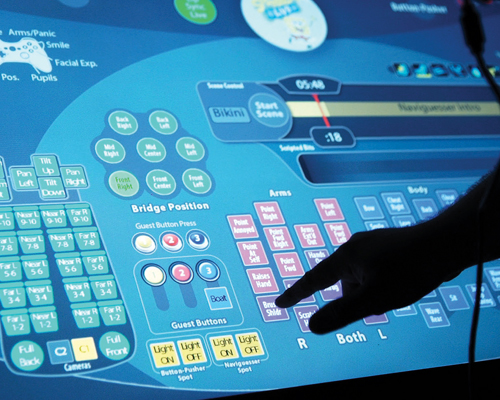
New tech is coming at us thick and fast in all areas from VR to augmented reality, robots, holograms, drones, beacons, Internet of Things sensors and micro-controllers. Many of these inventions, products and ideas are not new, but are moving from being concepts to practical, affordable and implementable options.
VR tech is advancing so rapidly, for example, that some very cool tools will be available at entry-level prices within a year, including VR functionality on smart phones. This means we’ll see competition emerging in the most unexpected places.
And other tech is coming on-stream fast. Only last month, real-time holographic American football was announced for Microsoft’s HoloLens, enabling fans to watch games live as holograms, replay them and even be among the action. This means we’ll be competing even more directly with the sports market than at present, unless we move to collaborate.
Also making fast progress is emerging tech giant Magic Leap, which just scored another round of funding – US$800m – for further development of its augmented reality lightfield device (see page 32). This will have amazing applications for museums and science centres when it’s brought to market.
Every sector – from museums to theme parks – needs to tackle the challenge its own way, but the one thing industry experts agree on is the importance of keeping up with change. Speaking at the Museum Tech conference recently (see page 32), a Museum Association panel of experts told delegates “risks must be taken to develop new technologies, with those playing it safe risking getting left behind.” They advocated testing tech within attractions environments and committing wholeheartedly to innovation.
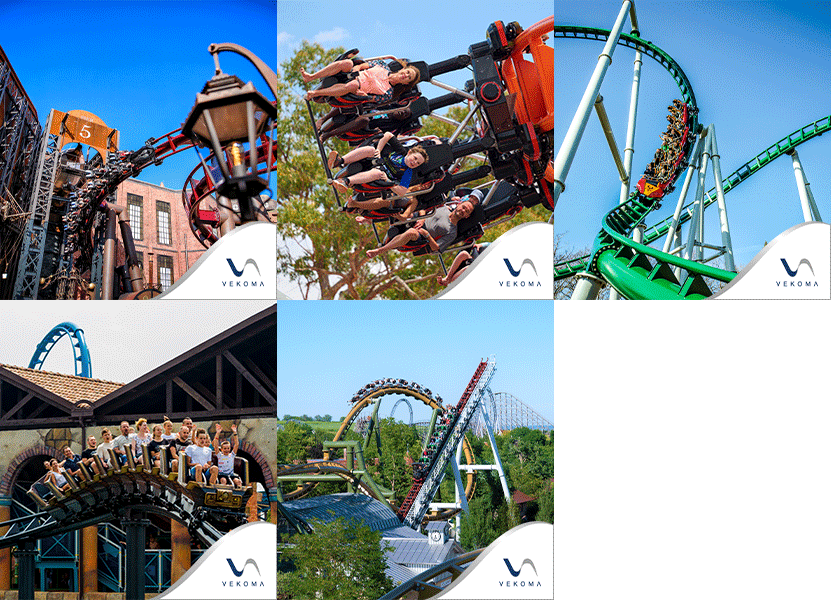
There’s a role for sleight of hand in some applications: by combining VR with existing rollercoasters, the world’s leading theme parks are reskinning existing attractions and creating new ones within tight budgets: Universal Studios Japan has added VR to an existing coaster as part of its ‘Cool Japan’ pop-up attraction, while Alton Towers is gearing up for the relaunch of its Air rollercoaster as Galactica, a space-themed VR ride. Nine more VR coasters are expected to open this year as parks tap into this ‘software refresher’ for rides.
So it’s not just about buying in the latest tech, we need to be creative with the application and make it our own to stay competitive and continue to meet the expectations of visitors.
Read more from this issue of Attractions Management magazine
View contents of Attractions Management 2016 issue 1
Interview: Tony Butler
Tony Butler, executive director of Derby
Museums Trust, on how museums can
be a force for good in their communities
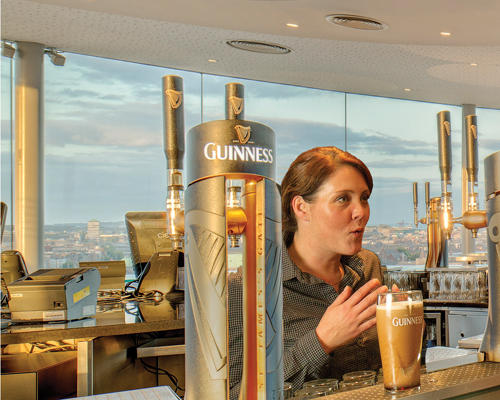
Attractions: Perfect Brew
At 15 years old, the Guinness Storehouse
has been voted Europe’s best-loved
attraction. Manager Paul Carty reveals
the secrets of the Dublin brandland
Profile: John McReynolds
IAAPA’s new chairman reveals his aims
for the year ahead, his vision for a
global association and how his role at
Universal Orlando informs his goals
Analysis: The Attractions Business
Business planning consultant
David Camp starts an exclusive eight-part
series, delving into the fine art of attractions
operation from a business perspective
Science Centres: How to Future-Proof a Science Centre
Peter Slavenburg of design agency
NorthernLight describes how invisible
technology, serious play, co-creation
and the digital experience will inform
the science centre of tomorrow
Promotional feature: Simworx Ventures
Simworx Ventures is bringing its expertise in cutting-edge media-based attractions
to a new audience of museums, heritage sites, zoos and aquariums
Technology: Beacons on the Horizon
Beacons have countless applications in
the world of attractions. A case study
from the Cleveland Museum of Art
illustrates the technology’s potential
Museums & Galleries: Art Attack
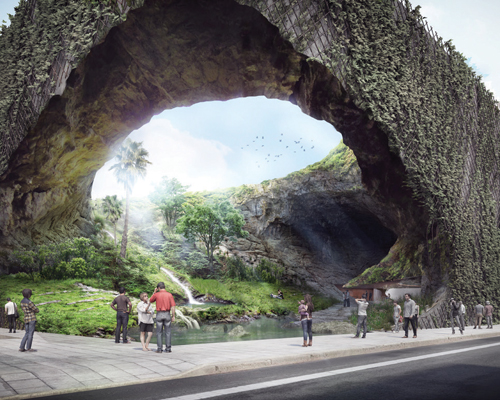
Some of the most exciting attractions
design is happening in new and
upcoming galleries around the world,
from firms like Kengo Kuma and BIG
Promotional feature: IDEA
2016 is shaping up to be an interesting year for the attractions industry.
IDEA looks at what it takes to win audiences and command attention
Mystery Shopper: Spring in Your Step
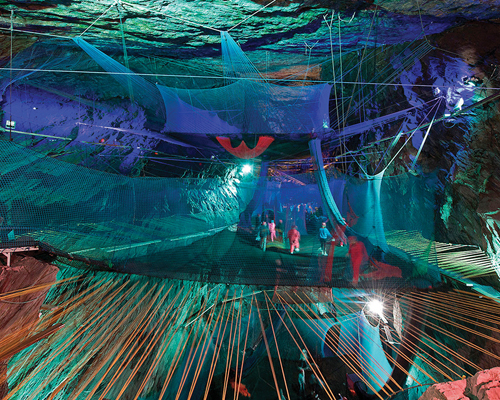
We disappear down the rabbit hole as we
pay a mystery shopper visit to Bounce
Below, a unique underground trampolining
attraction in Snowdonia, north Wales
Rides: The Ride Makers
Our ride makers series continues with
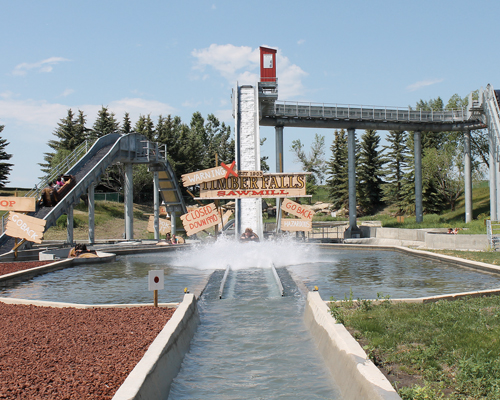
water rides, a firm favourite with park
guests. Three leading companies reveal
the latest trends in flumes and chutes
Technology: Tech Check
The industry technology unveiled at
IAAPA 2015: from VR to interactives, and
digital puppets to 20-storey LED giants
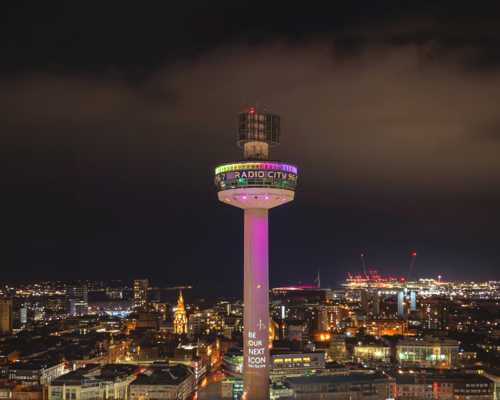
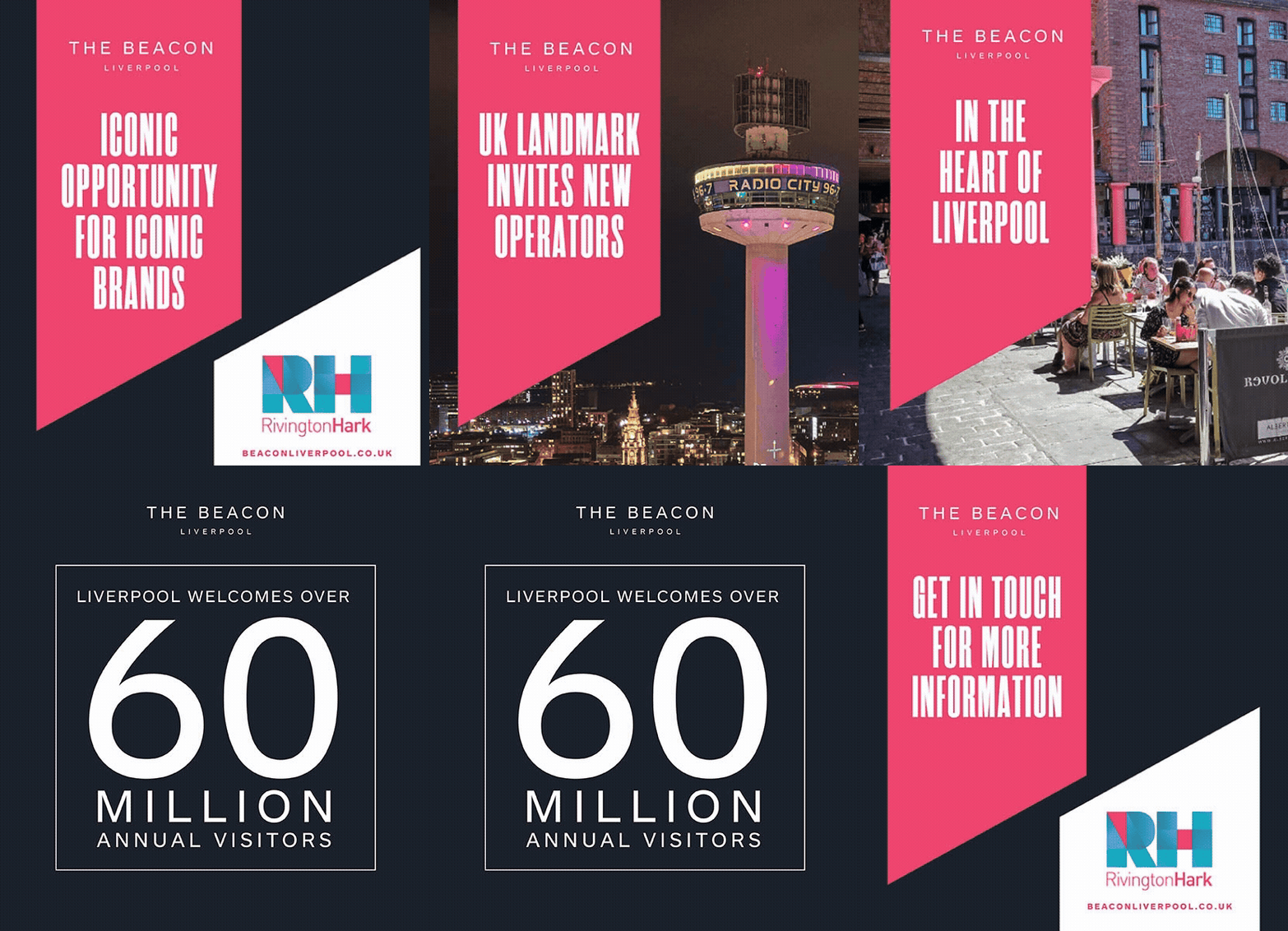
An opportunity to reimagine one of the UK’s most recognisable towers has been formally
opened by Rivington Hark, as St Johns Beacon invites operators and partners to shape its
next phase. [more...]
After decades of crazy inventions being the stuff of sci-fi, this year marks the point where they hit the mainstream, with affordable tech coming to market in everything from VR to drones, robots and augmented reality. We need to grab it with both hands, figure it out and make it our own
By Liz Terry | Published in Attractions Management 2016 issue 1
Visitors expect their attractions experiences to be more astonishing, exciting, immersive, engaging and high-end than anything they can get at home or simply buy for themselves off the shelf.
This has always been a fundamental challenge for attractions, and as consumer electronics suppliers push out evermore sophisticated products at evermore affordable prices, the competition is accelerating, intensifying and shape-shifting. All operators need to take a view on this – where do you stand on technology? How will you harness it, how will you pay for it, how will you integrate it into your attraction in an effective, appropriate way to enhance the entire experience?
New tech is coming at us thick and fast in all areas from VR to augmented reality, robots, holograms, drones, beacons, Internet of Things sensors and micro-controllers. Many of these inventions, products and ideas are not new, but are moving from being concepts to practical, affordable and implementable options.
VR tech is advancing so rapidly, for example, that some very cool tools will be available at entry-level prices within a year, including VR functionality on smart phones. This means we’ll see competition emerging in the most unexpected places.
And other tech is coming on-stream fast. Only last month, real-time holographic American football was announced for Microsoft’s HoloLens, enabling fans to watch games live as holograms, replay them and even be among the action. This means we’ll be competing even more directly with the sports market than at present, unless we move to collaborate.
Also making fast progress is emerging tech giant Magic Leap, which just scored another round of funding – US$800m – for further development of its augmented reality lightfield device (see page 32). This will have amazing applications for museums and science centres when it’s brought to market.
Every sector – from museums to theme parks – needs to tackle the challenge its own way, but the one thing industry experts agree on is the importance of keeping up with change. Speaking at the Museum Tech conference recently (see page 32), a Museum Association panel of experts told delegates “risks must be taken to develop new technologies, with those playing it safe risking getting left behind.” They advocated testing tech within attractions environments and committing wholeheartedly to innovation.
There’s a role for sleight of hand in some applications: by combining VR with existing rollercoasters, the world’s leading theme parks are reskinning existing attractions and creating new ones within tight budgets: Universal Studios Japan has added VR to an existing coaster as part of its ‘Cool Japan’ pop-up attraction, while Alton Towers is gearing up for the relaunch of its Air rollercoaster as Galactica, a space-themed VR ride. Nine more VR coasters are expected to open this year as parks tap into this ‘software refresher’ for rides.
So it’s not just about buying in the latest tech, we need to be creative with the application and make it our own to stay competitive and continue to meet the expectations of visitors.
Read more from this issue of Attractions Management magazine
View contents of Attractions Management 2016 issue 1
Interview: Tony Butler
Tony Butler, executive director of Derby
Museums Trust, on how museums can
be a force for good in their communities
Attractions: Perfect Brew
At 15 years old, the Guinness Storehouse
has been voted Europe’s best-loved
attraction. Manager Paul Carty reveals
the secrets of the Dublin brandland
Profile: John McReynolds
IAAPA’s new chairman reveals his aims
for the year ahead, his vision for a
global association and how his role at
Universal Orlando informs his goals
Analysis: The Attractions Business
Business planning consultant
David Camp starts an exclusive eight-part
series, delving into the fine art of attractions
operation from a business perspective
Science Centres: How to Future-Proof a Science Centre
Peter Slavenburg of design agency
NorthernLight describes how invisible
technology, serious play, co-creation
and the digital experience will inform
the science centre of tomorrow
Promotional feature: Simworx Ventures
Simworx Ventures is bringing its expertise in cutting-edge media-based attractions
to a new audience of museums, heritage sites, zoos and aquariums
Technology: Beacons on the Horizon
Beacons have countless applications in
the world of attractions. A case study
from the Cleveland Museum of Art
illustrates the technology’s potential
Museums & Galleries: Art Attack
Some of the most exciting attractions
design is happening in new and
upcoming galleries around the world,
from firms like Kengo Kuma and BIG
Promotional feature: IDEA
2016 is shaping up to be an interesting year for the attractions industry.
IDEA looks at what it takes to win audiences and command attention
Mystery Shopper: Spring in Your Step
We disappear down the rabbit hole as we
pay a mystery shopper visit to Bounce
Below, a unique underground trampolining
attraction in Snowdonia, north Wales
Rides: The Ride Makers
Our ride makers series continues with
water rides, a firm favourite with park
guests. Three leading companies reveal
the latest trends in flumes and chutes
Technology: Tech Check
The industry technology unveiled at
IAAPA 2015: from VR to interactives, and
digital puppets to 20-storey LED giants
A new immersive attraction designed to transport visitors into the final hours of ancient Pompeii
is preparing to open near the world-famous archaeological site in southern Italy.
Experience design company, BRC Imagination Arts, has completed a transition that sees founder
Bob Rogers pass ownership of the business to four long-serving senior executives, while
remaining actively involved with the company.
Movie Park Germany has opened a new Paramount Pictures-themed attraction as part of its 30th
anniversary celebrations, using immersive storytelling and adaptive reuse to reinforce the park’s
longstanding “Hollywood in Germany” positioning.
Therme Manchester’s 28-acre development, which will include interconnected glass pavilions
that measure 65,000sq m, will be the largest bathing and wellbeing attraction in the world once
complete, according to prof David Russell, CEO of Therme UK.
Efteling has opened Hooghmoed, a new family drop tower designed to broaden the appeal of its
recently launched Sirene Island themed area and introduce younger visitors to thrill attractions.
A proposed Puy du Fou development near Bicester and Universal Destinations and Experiences’
planned resort in Bedford are emerging as part of a wider transformation of the Oxford–
Cambridge Growth Corridor into a major centre for UK leisure and tourism inv
Shedd Aquarium has opened the Immersion Theater developed in partnership with SimEx-
Iwerks, as part of a wider strategy to enhance the guest experience and create additional
revenue opportunities.
The UK government has announced a temporary reduction in VAT on visitor attractions and
children’s meals as part of a summer cost-of-living support package designed to stimulate the
visitor economy and encourage family days out.
As designer Yinka Ilori prepares for his first solo gallery show in London, he speaks exclusively
to CLADmag about his mission to spread joy, the power of play, and his bold approach to using
colour (including the colours you won’t see in his work).
The government of Thailand is exploring plans for a THB300bn (£6.3bn, US$8.3bn)
entertainment complex in the country’s Eastern Economic Corridor (EEC), with officials
proposing a large-scale theme park and sports destination as part of a broader tourism and
economic development strategy.
An opportunity to reimagine one of the UK’s most recognisable towers has been formally
opened by Rivington Hark, as St Johns Beacon invites operators and partners to shape its
next phase. [more...]