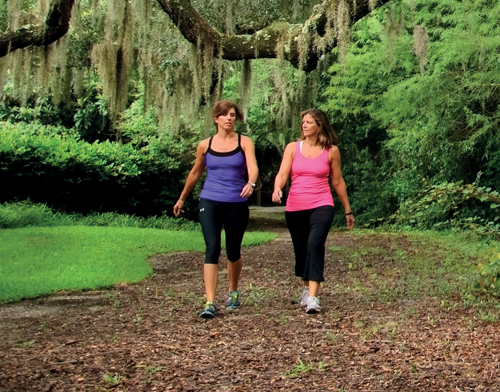
The spa industry is growing more quickly than ever before, with roll-outs globally in all sectors. There’s never been a better time both to create wellness environments and to adopt green building methods to improve the health of both customers and the planet
By Liz Terry | Published in Spa Business 2015 issue 2
In January, the company behind Spa Business and Spa Opportunities magazines, and the Spa Business Handbook – Leisure Media – launched a new division called CLAD, the Community of Leisure Architects & Designers. The initiative is already revealing exciting possibilities for the spa and wellness industries.
The purpose of CLAD is to build a community of architects, designers, investors and developers. The scope is global and CLAD will cover all aspects of leisure, from spa and wellness to hospitality, retail, mixed use, health and fitness, sport, entertainment and everything in between.
CLAD will run a raft of magazines, websites and media feeds with the portfolio coming on stream throughout 2015. The website – CLADglobal.com – the social media feeds and the first publication – the glossy quarterly, CLADmag (CLADglobal.com/CLADmag) – hit the market in Q1, with a weekly magazine and an annual handbook to follow.
We see CLAD as bridging the gap between architecture and design and spa and wellness. Excitingly, there are clear indications that active and wellness design is one of the hottest topics for this audience – there’s both an appetite for knowledge and a lack of awareness of the role our sector has been playing in advancing thinking in these areas.
Looking at the bigger picture, with the obesity crisis in developed countries at the top of the political agenda and spa and wellness growing fast, it’s not surprising architects and designers are keen to contribute to the solution.
Added to this is a growing awareness that wellness design is a USP that puts a building ahead in terms of its commercial value to the owner as an investment and the amount consumers are willing to pay to use it. This is evidently an exciting proposition for architects, designers, investors and developers in the CLAD community.
We’re keen to see more powerful connections between active and wellness design, architects and designers and the spa and wellness industries for the benefit of all and it’s important the spa and wellness industry is at the forefront of this best practice and not following along behind.
Some industry specialists are already moving on this. We recently reported that WTS International is putting its designers through WELL Building Standard accreditation – validated by the Green Building Certification Institute – so it can offer clients this option at the design stage, for example.
In addition to upskilling spa specialists, we must also respond to interested mainstream architects and designers and partner with them wherever possible.
The aim must be to ensure all buildings and environments are sustainable and healthy to spend time in for both staff and customers and that they promote healthy behaviours. With spas often sharing real estate with hotels and other developments, the need for this has never been greater.
Liz Terry, editor @elizterry
Read more from this issue of Attractions Management magazine
View contents of Attractions Management 2015 issue 2
Interview: Kathy Van Ness
The COO at Golden Door tells Katie Barnes how she’s used her background in fashion to reinvent the destination spa
Wellness: In sickness & health
The Urban Zen Integrative Therapy programme by designer Donna Karan helps acutely-ill patients in health and social care settings. Julie Cramer reports
Design: Sense of arrival
Neena Dhillon talks to the spa designers and operators at the new Aman and Ritz-Carlton properties in Japan
Ask an expert: Neuromarketing
Could this field of market research hold the key to finding out what customers really want? Rhianon Howells investigates
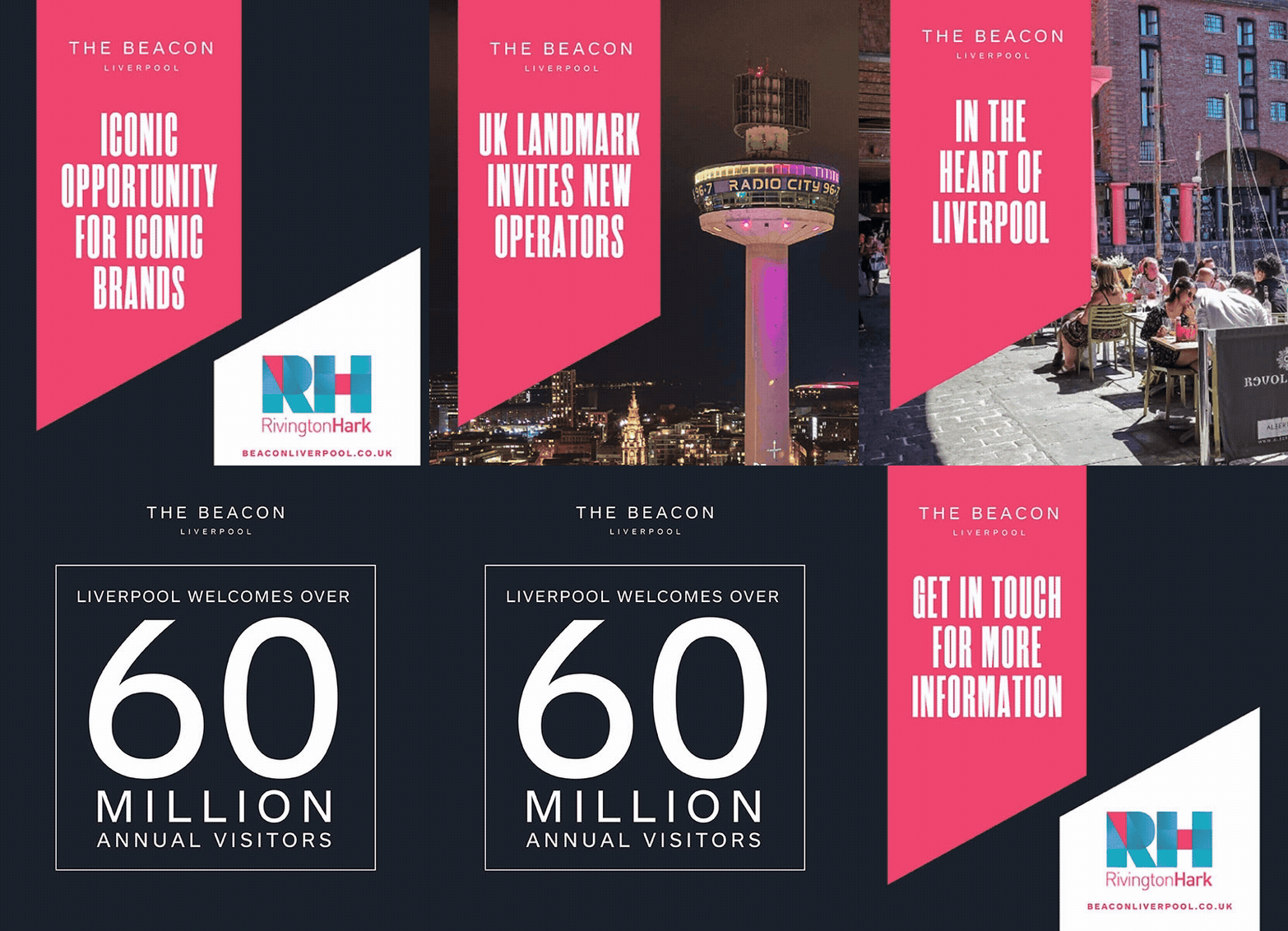
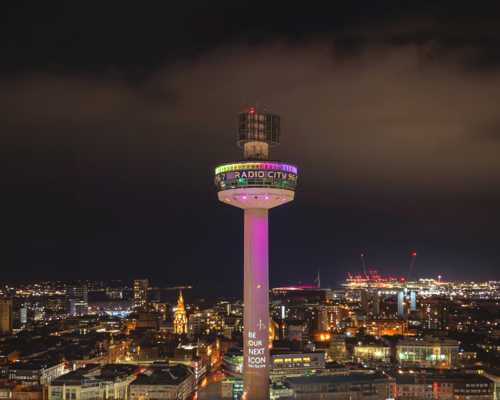
An opportunity to reimagine one of the UK’s most recognisable towers has been formally
opened by Rivington Hark, as St Johns Beacon invites operators and partners to shape its
next phase. [more...]
The spa industry is growing more quickly than ever before, with roll-outs globally in all sectors. There’s never been a better time both to create wellness environments and to adopt green building methods to improve the health of both customers and the planet
By Liz Terry | Published in Spa Business 2015 issue 2
In January, the company behind Spa Business and Spa Opportunities magazines, and the Spa Business Handbook – Leisure Media – launched a new division called CLAD, the Community of Leisure Architects & Designers. The initiative is already revealing exciting possibilities for the spa and wellness industries.
The purpose of CLAD is to build a community of architects, designers, investors and developers. The scope is global and CLAD will cover all aspects of leisure, from spa and wellness to hospitality, retail, mixed use, health and fitness, sport, entertainment and everything in between.
CLAD will run a raft of magazines, websites and media feeds with the portfolio coming on stream throughout 2015. The website – CLADglobal.com – the social media feeds and the first publication – the glossy quarterly, CLADmag (CLADglobal.com/CLADmag) – hit the market in Q1, with a weekly magazine and an annual handbook to follow.
We see CLAD as bridging the gap between architecture and design and spa and wellness. Excitingly, there are clear indications that active and wellness design is one of the hottest topics for this audience – there’s both an appetite for knowledge and a lack of awareness of the role our sector has been playing in advancing thinking in these areas.
Looking at the bigger picture, with the obesity crisis in developed countries at the top of the political agenda and spa and wellness growing fast, it’s not surprising architects and designers are keen to contribute to the solution.
Added to this is a growing awareness that wellness design is a USP that puts a building ahead in terms of its commercial value to the owner as an investment and the amount consumers are willing to pay to use it. This is evidently an exciting proposition for architects, designers, investors and developers in the CLAD community.
We’re keen to see more powerful connections between active and wellness design, architects and designers and the spa and wellness industries for the benefit of all and it’s important the spa and wellness industry is at the forefront of this best practice and not following along behind.
Some industry specialists are already moving on this. We recently reported that WTS International is putting its designers through WELL Building Standard accreditation – validated by the Green Building Certification Institute – so it can offer clients this option at the design stage, for example.
In addition to upskilling spa specialists, we must also respond to interested mainstream architects and designers and partner with them wherever possible.
The aim must be to ensure all buildings and environments are sustainable and healthy to spend time in for both staff and customers and that they promote healthy behaviours. With spas often sharing real estate with hotels and other developments, the need for this has never been greater.
Liz Terry, editor @elizterry
Read more from this issue of Attractions Management magazine
View contents of Attractions Management 2015 issue 2
Interview: Kathy Van Ness
The COO at Golden Door tells Katie Barnes how she’s used her background in fashion to reinvent the destination spa
Wellness: In sickness & health
The Urban Zen Integrative Therapy programme by designer Donna Karan helps acutely-ill patients in health and social care settings. Julie Cramer reports
Design: Sense of arrival
Neena Dhillon talks to the spa designers and operators at the new Aman and Ritz-Carlton properties in Japan
Ask an expert: Neuromarketing
Could this field of market research hold the key to finding out what customers really want? Rhianon Howells investigates
The Toverland theme park in the Netherlands has announced a €98m expansion programme
that will add a resort, new attractions and staff facilities as it pursues plans to become a multi-
day destination.
Hotel de France, located on the British Isle of Jersey, has created a wellness retreat package
that includes a hot yoga session that will take place in Jersey Zoo’s butterfly sanctuary.
A new immersive attraction designed to transport visitors into the final hours of ancient Pompeii
is preparing to open near the world-famous archaeological site in southern Italy.
Experience design company, BRC Imagination Arts, has completed a transition that sees founder
Bob Rogers pass ownership of the business to four long-serving senior executives, while
remaining actively involved with the company.
Movie Park Germany has opened a new Paramount Pictures-themed attraction as part of its 30th
anniversary celebrations, using immersive storytelling and adaptive reuse to reinforce the park’s
longstanding “Hollywood in Germany” positioning.
Therme Manchester’s 28-acre development, which will include interconnected glass pavilions
that measure 65,000sq m, will be the largest bathing and wellbeing attraction in the world once
complete, according to prof David Russell, CEO of Therme UK.
Efteling has opened Hooghmoed, a new family drop tower designed to broaden the appeal of its
recently launched Sirene Island themed area and introduce younger visitors to thrill attractions.
A proposed Puy du Fou development near Bicester and Universal Destinations and Experiences’
planned resort in Bedford are emerging as part of a wider transformation of the Oxford–
Cambridge Growth Corridor into a major centre for UK leisure and tourism inv
Shedd Aquarium has opened the Immersion Theater developed in partnership with SimEx-
Iwerks, as part of a wider strategy to enhance the guest experience and create additional
revenue opportunities.
The UK government has announced a temporary reduction in VAT on visitor attractions and
children’s meals as part of a summer cost-of-living support package designed to stimulate the
visitor economy and encourage family days out.
An opportunity to reimagine one of the UK’s most recognisable towers has been formally
opened by Rivington Hark, as St Johns Beacon invites operators and partners to shape its
next phase. [more...]