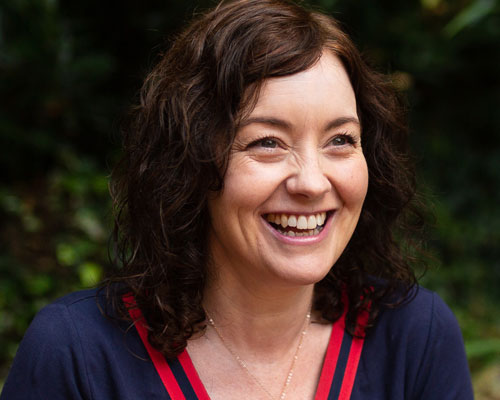
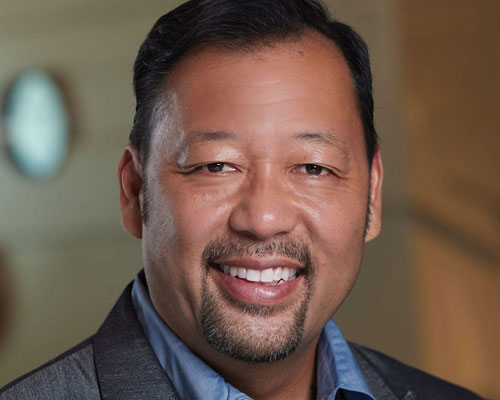
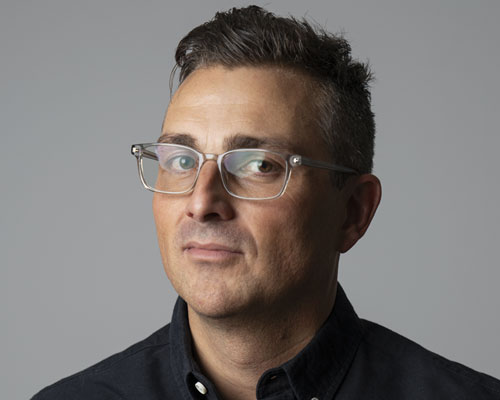
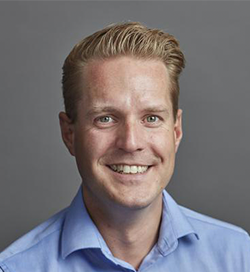
Donna Speed joined We The Curious in 2000 and became CEO in 2019 / Lisa Whiting
On 9 April 2022, a fire broke out at We The Curious science centre in Bristol, UK. Caused by damage to the attraction’s photovoltaic solar panels – likely caused by birds – which triggered a fault in the electrical system, the fire spread to the roof, resulting in significant fire and water damage to the roof, second floor and building systems.
We The Curious was closed for more than 800 days, while the complex, multi million pound repair project took place. During the closure, staff carried out free outreach activities in schools and communities across Bristol, with more than 260 events taking place across the city.
On July 2 2024, the centre reopened featuring a new programme with more than 200 activities across two floors of interactive exhibits, a 3D planetarium with several new shows, and a new café, new quiet room and new multi-faith room.
The summer programme includes the £6.3 million exhibition Project What If, based on gathering more than 10,000 questions from people across Bristol.
Here We The Curious CEO Donna Speed shares the unexpected highs and lows of the past two years, what she’s learned from the incident, and offers some sage advice on remaining connected to visitors during periods of closure.
What’s new at We The Curious? Have you used the restoration to make any major changes? Lots has happened over the last few years – most of the work that’s taken place is behind the scenes, so visitors may or may not notice much of a difference.
Our building was badly damaged during the fire in 2022, with extensive water damage which got into every part of our building, including the heating, cooling and electrical systems – which all had to be replaced.
We also had to replace our roof and rebuild our second-floor event space, as well as reinstating all of the exhibition floor and 200 exhibits to how they were before the fire. It’s been a very big job.
During that time though, our exhibitions team have been refreshing some of our favourite exhibits, and the foyer and shop have been completely re-configured. We’ve also installed a new solar panel array which will provide 12 per cent of the energy needed for our building, a significant step forward in our pledge to be carbon net zero by 2030.
What has been the hardest part of We the Curious being closed for so long? For me, it was the fact that we’d only just reopened after 14 months of closure due to the COVID-19 pandemic, with a brand new £6.3 million exhibition: Project What If. It’s such an amazing exhibition and we’re so proud of it – not being able to share it with our visitors has been tough.
What have been the biggest challenges of the recovery programme? Have there been any unexpected learnings from the fire and the closure? The fire damage was relatively easily repairable, although we needed to replace our roof, but the water used to extinguish the fire caused massive damage to our building systems, which has meant that all of our electrical, heating and cooling and ventilation have had to be replaced. This is what has taken most of the time over the last couple of years. Mercifully the exhibits themselves were largely unharmed.
The unexpected lesson learned was the power of purpose. As soon as we closed, we asked ourselves how we could continue our mission as a charity. This led to us immediately pivoting to deliver a comprehensive out and about programme to schools and community centres across the city – we reached more than 37,000 people with 270 free events. It’s clear that we are more than a venue. This sense of purpose and belief in our mission got us through that time.
Do you have any advice for other attractions who may be forced to temporarily close about how to continue to connect with audiences during that time? Firstly, lead with hope. It’s so important to have a resolute belief that you will reopen, despite all of the curveballs that will come your way.
Secondly, go where the audiences are. Our building’s closure didn’t stop us from being part of our city and our community. It gave us the opportunity to make some brilliant new connections so we had a great foundation to build from when we reopened.
It also taught us to listen deeply to what’s needed from us as an organisation, so we were able to flex what we did depending on the need – with free school takeover days, deep-diving research projects with schools focusing on what mattered to them, and family-focused activities at community centres and festivals. It also helped to be playful and fun, which our brand values lend themselves to beautifully – working with our partners, we ran a city-wide treasure hunt with 80 tickets hidden across Bristol, which was a brilliantly playful way to raise awareness of our reopening.
How would you sum up the mission of We The Curious? As an educational charity and leading science centre, we exist to create positive social change.
Our mission is to connect and empower people by sharing creative experiences that celebrate the unknowns in science. What that means is creating places where people can come together to connect, and test things out – at whatever depth they want to. We’re committed to creating an inclusive environment where everyone can create and connect to new ideas, be heard and directly influence STEM.
We’re learning from our partners, volunteers, funders and audiences as we go – which means that we’re challenging systemic bias and doing things a little bit differently.
What have been the highest and lowest moments over the past two years for you? The lowest moment was the day of the fire – seeing the plumes of black smoke and thinking it was all gone. It was such a relief when we found out it was ‘just’ the roof.
Highlights have been sprinkled throughout this whole process, but the stand-out one for me is the incredible work and passion that the teams have demonstrated throughout the past two years, delivering our mission across the city, working tirelessly to get us to reopening and doing all of that with energy and enthusiasm. Also, the people of Bristol who have been so unbelievably supportive throughout and have really helped us to keep going.
Opening times:
Tuesday – Sunday: 10:00 – 17:00 during termtime
Daily: 10:00 – 17:00 during school holidays with timed entry slots
Price:
Adult (age 16+) £18.50, Child (age 3-15) £12.65
Activities include:
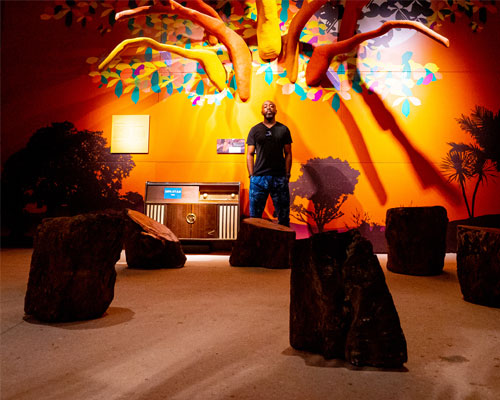
Project What If Inspired by real questions from the people of Bristol, Project What If is an invitation to escape into a mysterious world of possibilities in a space where art and science collide. Peer inside the TARDIS, come face to face with an early ancestor in Sand, or meet the resident robot in Soul
The Planetarium The UK’s first 3D digital planetarium, with presenter-led shows for a range of ages, including seasonal stargazing show Colossal Cosmos, an expedition across the solar system, and a new under-6 show
Impossible Possible From seemingly impossible conditions for plants to grow to climate crisis issues and the secrets of shopping, the activities help to explore the concept of Impossible/Possible in all its forms by working together to tackle seemingly impossible challenges
Open City Lab, Shopping Trolley Secrets Visitors can explore the links between the items on the shelves and real-world research in this on-site science lab
Hidden Health Here Visitors can lay on an arcade machine, cuddle a giant soft sculpture and write their own personal message on a cloud
Read more from this issue of Attractions Management magazine
View contents of Attractions Management 2024 issue 3
Multimedia: Sakchin Bessette
How did the team at Moment Factory go from designing visuals for raves to illuminating the Sagrada Familia and creating stage shows for Madonna? The co-founder shares the journey
Museums: Roll of honour
From the Rijksmuseum’s first family exhibition to a 4D experience that wows on a budget, we check out Museum + Heritage Award winners
Theme parks: Cecil Magpuri
Work has begun on the first Dragon Ball theme park, and it’s set to take theming to a whole new level, according to its designer
Museums: Rise up
Filled with colour, music, technology and storytelling, the John K Randle Center is a fitting celebration of Yoruban culture and history, says its architect Seun Oduwole
Experiences: Flight of fancy
Airbnb is diving into the world of immersive experiences with its new Icons initiative. What does this mean for attractions?
Immersive experience: Andrew McGuinness
As Layered Reality prepares to launch its highly-anticipated Elvis Experience, we speak to its CEO about the business of wowing visitors
Zoos: Making a difference
Visiting zoos and aquaria inspires people to act more sustainably, finds a study from the University of Sheffield and Chester Zoo
Tourism: Vertical reality
From energy-generating viewing pods to world-class art installations, a new generation of vertical attractions is shaking up the scene. Dr Terry Stevens investigates
An opportunity to reimagine one of the UK’s most recognisable towers has been formally
opened by Rivington Hark, as St Johns Beacon invites operators and partners to shape its
next phase. [more...]
Donna Speed joined We The Curious in 2000 and became CEO in 2019 / Lisa Whiting
On 9 April 2022, a fire broke out at We The Curious science centre in Bristol, UK. Caused by damage to the attraction’s photovoltaic solar panels – likely caused by birds – which triggered a fault in the electrical system, the fire spread to the roof, resulting in significant fire and water damage to the roof, second floor and building systems.
We The Curious was closed for more than 800 days, while the complex, multi million pound repair project took place. During the closure, staff carried out free outreach activities in schools and communities across Bristol, with more than 260 events taking place across the city.
On July 2 2024, the centre reopened featuring a new programme with more than 200 activities across two floors of interactive exhibits, a 3D planetarium with several new shows, and a new café, new quiet room and new multi-faith room.
The summer programme includes the £6.3 million exhibition Project What If, based on gathering more than 10,000 questions from people across Bristol.
Here We The Curious CEO Donna Speed shares the unexpected highs and lows of the past two years, what she’s learned from the incident, and offers some sage advice on remaining connected to visitors during periods of closure.
What’s new at We The Curious? Have you used the restoration to make any major changes? Lots has happened over the last few years – most of the work that’s taken place is behind the scenes, so visitors may or may not notice much of a difference.
Our building was badly damaged during the fire in 2022, with extensive water damage which got into every part of our building, including the heating, cooling and electrical systems – which all had to be replaced.
We also had to replace our roof and rebuild our second-floor event space, as well as reinstating all of the exhibition floor and 200 exhibits to how they were before the fire. It’s been a very big job.
During that time though, our exhibitions team have been refreshing some of our favourite exhibits, and the foyer and shop have been completely re-configured. We’ve also installed a new solar panel array which will provide 12 per cent of the energy needed for our building, a significant step forward in our pledge to be carbon net zero by 2030.
What has been the hardest part of We the Curious being closed for so long? For me, it was the fact that we’d only just reopened after 14 months of closure due to the COVID-19 pandemic, with a brand new £6.3 million exhibition: Project What If. It’s such an amazing exhibition and we’re so proud of it – not being able to share it with our visitors has been tough.
What have been the biggest challenges of the recovery programme? Have there been any unexpected learnings from the fire and the closure? The fire damage was relatively easily repairable, although we needed to replace our roof, but the water used to extinguish the fire caused massive damage to our building systems, which has meant that all of our electrical, heating and cooling and ventilation have had to be replaced. This is what has taken most of the time over the last couple of years. Mercifully the exhibits themselves were largely unharmed.
The unexpected lesson learned was the power of purpose. As soon as we closed, we asked ourselves how we could continue our mission as a charity. This led to us immediately pivoting to deliver a comprehensive out and about programme to schools and community centres across the city – we reached more than 37,000 people with 270 free events. It’s clear that we are more than a venue. This sense of purpose and belief in our mission got us through that time.
Do you have any advice for other attractions who may be forced to temporarily close about how to continue to connect with audiences during that time? Firstly, lead with hope. It’s so important to have a resolute belief that you will reopen, despite all of the curveballs that will come your way.
Secondly, go where the audiences are. Our building’s closure didn’t stop us from being part of our city and our community. It gave us the opportunity to make some brilliant new connections so we had a great foundation to build from when we reopened.
It also taught us to listen deeply to what’s needed from us as an organisation, so we were able to flex what we did depending on the need – with free school takeover days, deep-diving research projects with schools focusing on what mattered to them, and family-focused activities at community centres and festivals. It also helped to be playful and fun, which our brand values lend themselves to beautifully – working with our partners, we ran a city-wide treasure hunt with 80 tickets hidden across Bristol, which was a brilliantly playful way to raise awareness of our reopening.
How would you sum up the mission of We The Curious? As an educational charity and leading science centre, we exist to create positive social change.
Our mission is to connect and empower people by sharing creative experiences that celebrate the unknowns in science. What that means is creating places where people can come together to connect, and test things out – at whatever depth they want to. We’re committed to creating an inclusive environment where everyone can create and connect to new ideas, be heard and directly influence STEM.
We’re learning from our partners, volunteers, funders and audiences as we go – which means that we’re challenging systemic bias and doing things a little bit differently.
What have been the highest and lowest moments over the past two years for you? The lowest moment was the day of the fire – seeing the plumes of black smoke and thinking it was all gone. It was such a relief when we found out it was ‘just’ the roof.
Highlights have been sprinkled throughout this whole process, but the stand-out one for me is the incredible work and passion that the teams have demonstrated throughout the past two years, delivering our mission across the city, working tirelessly to get us to reopening and doing all of that with energy and enthusiasm. Also, the people of Bristol who have been so unbelievably supportive throughout and have really helped us to keep going.
Opening times:
Tuesday – Sunday: 10:00 – 17:00 during termtime
Daily: 10:00 – 17:00 during school holidays with timed entry slots
Price:
Adult (age 16+) £18.50, Child (age 3-15) £12.65
Activities include:
Project What If Inspired by real questions from the people of Bristol, Project What If is an invitation to escape into a mysterious world of possibilities in a space where art and science collide. Peer inside the TARDIS, come face to face with an early ancestor in Sand, or meet the resident robot in Soul
The Planetarium The UK’s first 3D digital planetarium, with presenter-led shows for a range of ages, including seasonal stargazing show Colossal Cosmos, an expedition across the solar system, and a new under-6 show
Impossible Possible From seemingly impossible conditions for plants to grow to climate crisis issues and the secrets of shopping, the activities help to explore the concept of Impossible/Possible in all its forms by working together to tackle seemingly impossible challenges
Open City Lab, Shopping Trolley Secrets Visitors can explore the links between the items on the shelves and real-world research in this on-site science lab
Hidden Health Here Visitors can lay on an arcade machine, cuddle a giant soft sculpture and write their own personal message on a cloud
Read more from this issue of Attractions Management magazine
View contents of Attractions Management 2024 issue 3
Multimedia: Sakchin Bessette
How did the team at Moment Factory go from designing visuals for raves to illuminating the Sagrada Familia and creating stage shows for Madonna? The co-founder shares the journey
Museums: Roll of honour
From the Rijksmuseum’s first family exhibition to a 4D experience that wows on a budget, we check out Museum + Heritage Award winners
Theme parks: Cecil Magpuri
Work has begun on the first Dragon Ball theme park, and it’s set to take theming to a whole new level, according to its designer
Museums: Rise up
Filled with colour, music, technology and storytelling, the John K Randle Center is a fitting celebration of Yoruban culture and history, says its architect Seun Oduwole
Experiences: Flight of fancy
Airbnb is diving into the world of immersive experiences with its new Icons initiative. What does this mean for attractions?
Immersive experience: Andrew McGuinness
As Layered Reality prepares to launch its highly-anticipated Elvis Experience, we speak to its CEO about the business of wowing visitors
Zoos: Making a difference
Visiting zoos and aquaria inspires people to act more sustainably, finds a study from the University of Sheffield and Chester Zoo
Tourism: Vertical reality
From energy-generating viewing pods to world-class art installations, a new generation of vertical attractions is shaking up the scene. Dr Terry Stevens investigates
A new immersive attraction designed to transport visitors into the final hours of ancient Pompeii
is preparing to open near the world-famous archaeological site in southern Italy.
Experience design company, BRC Imagination Arts, has completed a transition that sees founder
Bob Rogers pass ownership of the business to four long-serving senior executives, while
remaining actively involved with the company.
Movie Park Germany has opened a new Paramount Pictures-themed attraction as part of its 30th
anniversary celebrations, using immersive storytelling and adaptive reuse to reinforce the park’s
longstanding “Hollywood in Germany” positioning.
Therme Manchester’s 28-acre development, which will include interconnected glass pavilions
that measure 65,000sq m, will be the largest bathing and wellbeing attraction in the world once
complete, according to prof David Russell, CEO of Therme UK.
Efteling has opened Hooghmoed, a new family drop tower designed to broaden the appeal of its
recently launched Sirene Island themed area and introduce younger visitors to thrill attractions.
A proposed Puy du Fou development near Bicester and Universal Destinations and Experiences’
planned resort in Bedford are emerging as part of a wider transformation of the Oxford–
Cambridge Growth Corridor into a major centre for UK leisure and tourism inv
Shedd Aquarium has opened the Immersion Theater developed in partnership with SimEx-
Iwerks, as part of a wider strategy to enhance the guest experience and create additional
revenue opportunities.
The UK government has announced a temporary reduction in VAT on visitor attractions and
children’s meals as part of a summer cost-of-living support package designed to stimulate the
visitor economy and encourage family days out.
As designer Yinka Ilori prepares for his first solo gallery show in London, he speaks exclusively
to CLADmag about his mission to spread joy, the power of play, and his bold approach to using
colour (including the colours you won’t see in his work).
The government of Thailand is exploring plans for a THB300bn (£6.3bn, US$8.3bn)
entertainment complex in the country’s Eastern Economic Corridor (EEC), with officials
proposing a large-scale theme park and sports destination as part of a broader tourism and
economic development strategy.
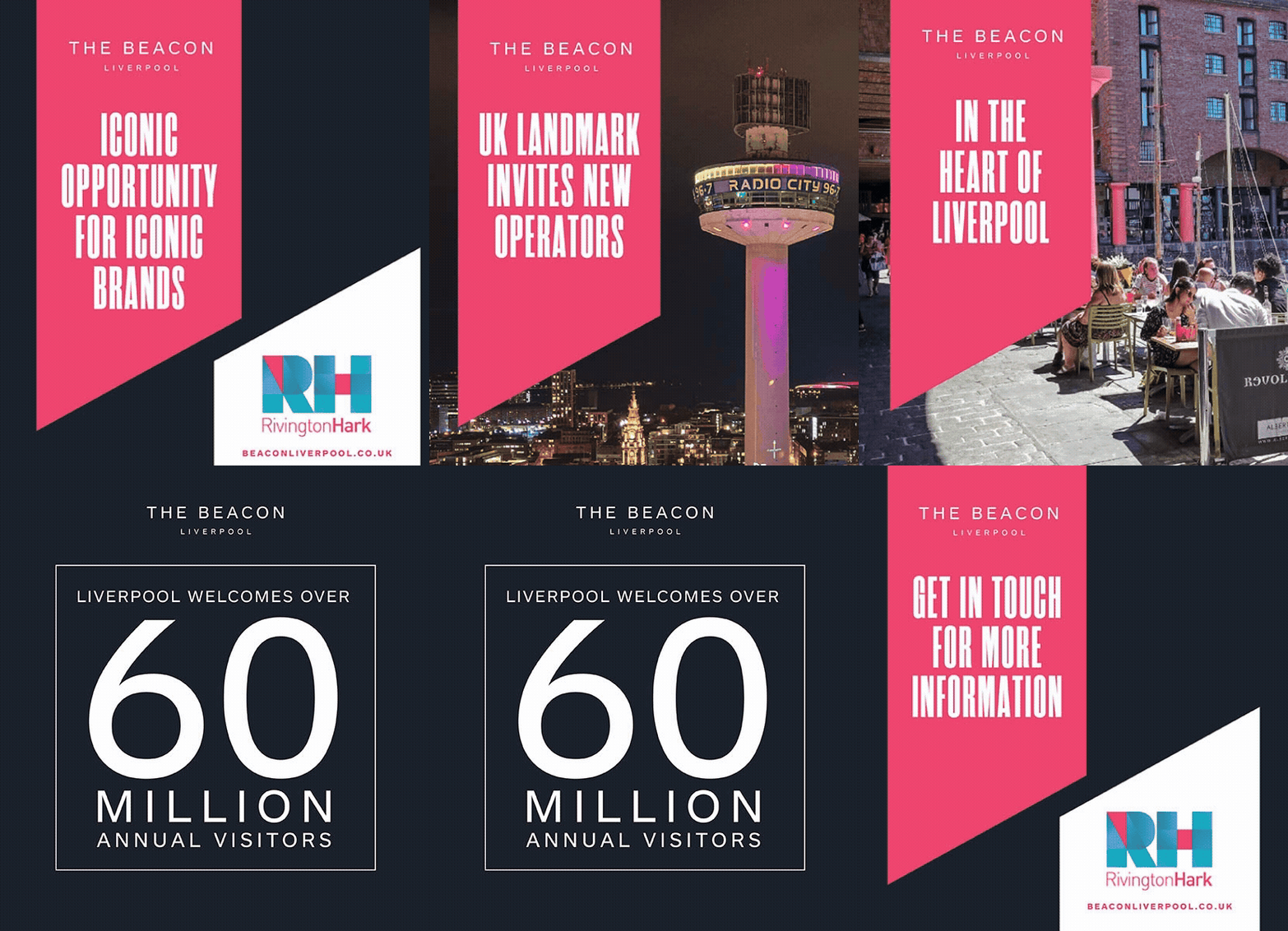
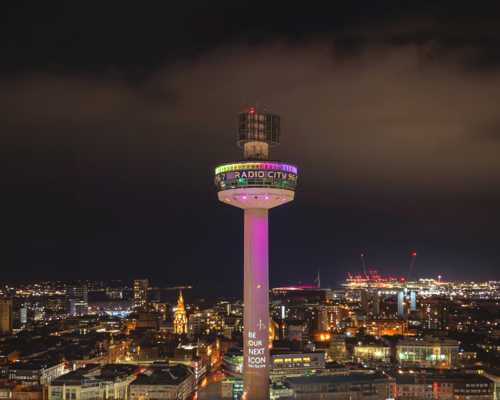
An opportunity to reimagine one of the UK’s most recognisable towers has been formally
opened by Rivington Hark, as St Johns Beacon invites operators and partners to shape its
next phase. [more...]