As PortAventura World announces it has become carbon
neutral, we speak to Choni Fernandez Veciana about how
the Spanish resort is moving towards a new energy model
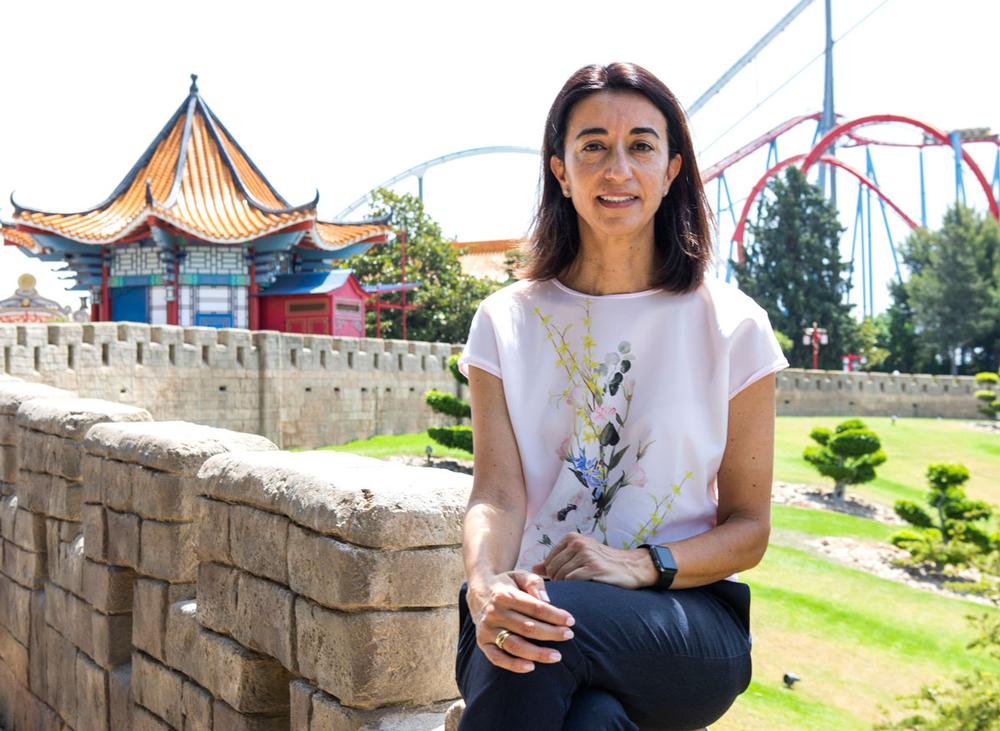
Choni Fernandez Veciana joined PortAventura in 2007 / photo: PortAventura World
As concern mounts over the effects of climate change, pioneers within the attractions industry are responding in innovative ways, searching for more sustainable ways to power their venues.
PortAventura World launched its strategy to minimise its environmental footprint with the opening of Colorado Creek, its first zero-emissions hotel, in 2019.
In November 2020, the company announced that 100 per cent of the electricity consumed in the PortAventura World resort the previous year had come from renewable energy sources, without CO2 emissions.
The operator has ambitious goals for the next few years, including the installation of a photovoltaic plant to provide more clean energy.
Here Choni Fernandez Veciana, PortAventura central services director of purchasing, logistics and corporate responsibility, talks us through the strategy and tells us why not making changes is simply not an option.
Why is it important to consider how energy is used in the attractions industry? The use of renewable energy is a fundamental axis around which environmental commitment must turn. In the case of PortAventura World, we continue to make advances towards energy transition, incorporating projects such as the installation of one of the largest self-consumption photovoltaic plants in a European resort. We also hold the Guarantee of Origin certificate, which ensures that 100 per cent of the electricity consumed in PortAventura World in 2019 came exclusively from renewable energy sources without CO2 emissions.
Is the attractions industry doing enough to tackle the issue of climate change? Theme parks are not part of the industrial sector and are included in the service sector, with the differentiating characteristic of the large influx of visitors per day. This fact places waste, which theme park activity generates, as the environmental area with the greatest impact. And yes, the industry is steadfastly committed to the fight against climate change.
We’re aware of our responsibility and also of the positive impact that combating climate change has for the whole of society. In our case, one of our main objectives is related to waste management and minimising its generation and the recycling or recovery of waste already generated. In this sense, we’re focusing our efforts on the circular economy and the use of waste as an energy source. Starting from the premise that there’s no better waste than that which is not generated, we are committed to the elimination of single-use plastics in the resort.
In 2019 we got the Certificado Residuo Cero of AENOR that certificates that we recover more than 90 per cent of the waste that we generate.
Why and when did PortAventura make the decision to become carbon neutral? What have been the greatest challenges up to this point? Since 2008, PortAventura World has calculated its direct C02 emissions, increasingly incorporating the calculation of indirect emissions. Since then, our environmental objectives include the reduction of said emissions, which is why – among other actions – we demand only renewable energy (GdO) in our energy contracting tenders and we are changing our internal fleet for electric vehicles without C02 emissions.
In 2019 we decided to go one step further and in addition to the calculation and reduction, we decided to also offset the remaining emissions. We started in 2019 with a zero emissions hotel, and by 2020 we had offset the total direct emissions and part of the indirect ones from the resort.
One of the great challenges, within indirect emissions, is to know the emissions of the entire supply chain, because there are many suppliers that still don’t know their direct emissions. We’re working to improve the environmental performance of the entire chain.
Which are the main areas within the park where there is still scope to improve energy use? To reduce our energy we depend a lot on new and innovative products. New luminaires based on LED technologies have helped a lot to reduce consumption. We have also become increasingly demanding with the energy certification of any equipment that we acquire – this is something we prioritise.
The difference between an A and a G rating can be up to three times less consumption.
Can you highlight some of the innovative energy-saving measures you’re taking at the resort? PortAventura has created the Smart Resort project; all the systems and equipment that consume energy in the resort have been connected to a control centre, which is attended 24 hours a day, 365 days a year.
This allows us to control the AACC systems, for example, turning off/managing the air conditioning in the spaces according to the number of people occupying that space.
You get to control the ignition of an oven in a hotel, from the Control Center! It’s a ‘big eye’ that sees everything... We no longer spend a single KW/H that’s not strictly necessary.
What do you think has been PortAventura’s greatest success in this regard? All the steps we’ve been taking and all the initiatives that we’ve implemented are great successes in terms of sustainability and the rational use of energy.
One of the big wins has been the awareness within our teams. An important part of our energy savings are achieved by small actions taken by each of our resort employees. Remember that in high season we have 3,000 direct employees and the same number of indirect employees. Small actions by each person can end up achieving great results.
Beyond complying with legal requirements, at PortAventura World we continue to develop an ambitious growth plan, based on sustainable construction principles. We build with certifications as recognised by LEED or BREEAM and we seek this energy saving already from the design phase of the new installation.
Do you think other attractions operators will follow your lead? What advice would you give them? From the front-line employee to the highest-ranking manager, all of our employees know the importance of sustainability and understand the rational use of energy in our resort. What’s more, they are all essential partners and participate in many of the decisions that have to do with sustainability. As well as focusing on our guests, none of our colleagues forgets how important it is to take care of our environment and to transmit these values to colleagues and visitors to the resort.
For our employees that receive variable remuneration, a percentage of that is linked to meeting annual energy saving targets. This is integrating ESG into HR policies!
New opening: The deepest dive
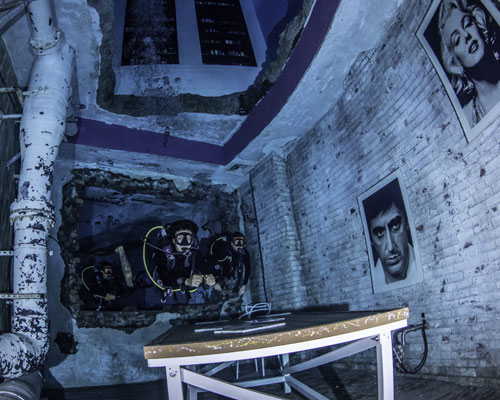
Featuring post-apocalyptic underwater environments and the world’s deepest pool, Deep Dive Dubai is making waves
Sustainability: A brighter future
With a zero-emission hotel and plans for a huge photovoltaic plant, PortAventura World is moving towards a new energy model
Museums: Play on
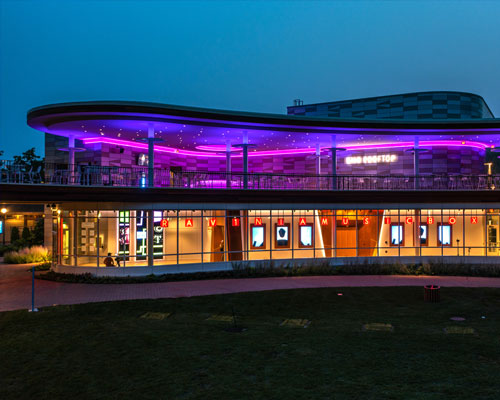
Using emotion, technology and special effects, Ravinia Music Box is bringing the music of Leonard Bernstein to new audiences
Tourism: Local heroes and global nomads
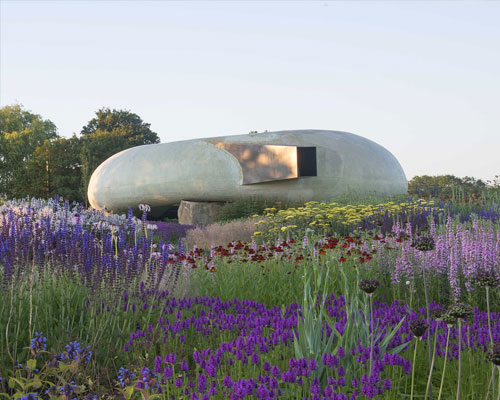
From globally-renowned art galleries to community-run attractions, a new breed of visionaries are reimagining tourism in this rural idyll
Planetariums: Thomas J Wong
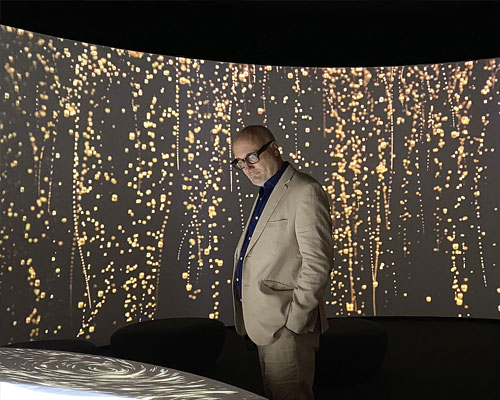
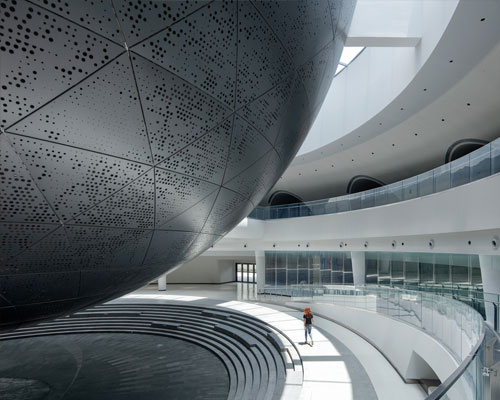
As the world’s largest museum of astronomy opens in Shanghai, we speak to the architect who helped make the vision a reality
World Expo: Expo 2020 Dubai launches
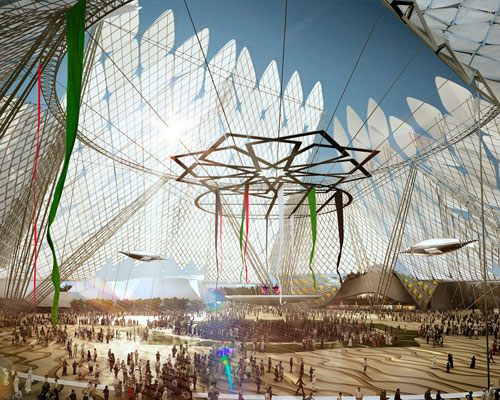
It was delayed by a year due to COVID-19, but the Expo has now opened with more than 200 exhibitors and a masterplan designed by HOK, Arup and Populous
Museums: Phillip Tefft
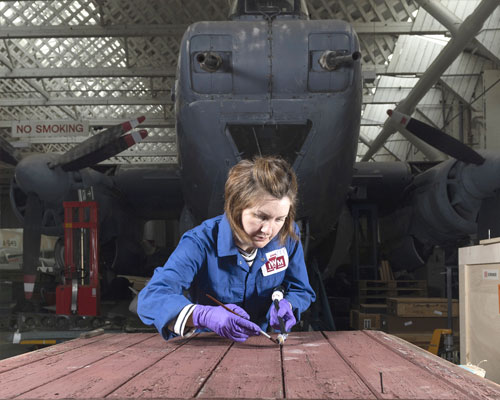
The Imperial War Museum is bringing untold stories to life with its Second World War and Holocaust Galleries. Exhibition designer Phillip Tefft shares the journey
As PortAventura World announces it has become carbon
neutral, we speak to Choni Fernandez Veciana about how
the Spanish resort is moving towards a new energy model
Choni Fernandez Veciana joined PortAventura in 2007 / photo: PortAventura World
As concern mounts over the effects of climate change, pioneers within the attractions industry are responding in innovative ways, searching for more sustainable ways to power their venues.
PortAventura World launched its strategy to minimise its environmental footprint with the opening of Colorado Creek, its first zero-emissions hotel, in 2019.
In November 2020, the company announced that 100 per cent of the electricity consumed in the PortAventura World resort the previous year had come from renewable energy sources, without CO2 emissions.
The operator has ambitious goals for the next few years, including the installation of a photovoltaic plant to provide more clean energy.
Here Choni Fernandez Veciana, PortAventura central services director of purchasing, logistics and corporate responsibility, talks us through the strategy and tells us why not making changes is simply not an option.
Why is it important to consider how energy is used in the attractions industry? The use of renewable energy is a fundamental axis around which environmental commitment must turn. In the case of PortAventura World, we continue to make advances towards energy transition, incorporating projects such as the installation of one of the largest self-consumption photovoltaic plants in a European resort. We also hold the Guarantee of Origin certificate, which ensures that 100 per cent of the electricity consumed in PortAventura World in 2019 came exclusively from renewable energy sources without CO2 emissions.
Is the attractions industry doing enough to tackle the issue of climate change? Theme parks are not part of the industrial sector and are included in the service sector, with the differentiating characteristic of the large influx of visitors per day. This fact places waste, which theme park activity generates, as the environmental area with the greatest impact. And yes, the industry is steadfastly committed to the fight against climate change.
We’re aware of our responsibility and also of the positive impact that combating climate change has for the whole of society. In our case, one of our main objectives is related to waste management and minimising its generation and the recycling or recovery of waste already generated. In this sense, we’re focusing our efforts on the circular economy and the use of waste as an energy source. Starting from the premise that there’s no better waste than that which is not generated, we are committed to the elimination of single-use plastics in the resort.
In 2019 we got the Certificado Residuo Cero of AENOR that certificates that we recover more than 90 per cent of the waste that we generate.
Why and when did PortAventura make the decision to become carbon neutral? What have been the greatest challenges up to this point? Since 2008, PortAventura World has calculated its direct C02 emissions, increasingly incorporating the calculation of indirect emissions. Since then, our environmental objectives include the reduction of said emissions, which is why – among other actions – we demand only renewable energy (GdO) in our energy contracting tenders and we are changing our internal fleet for electric vehicles without C02 emissions.
In 2019 we decided to go one step further and in addition to the calculation and reduction, we decided to also offset the remaining emissions. We started in 2019 with a zero emissions hotel, and by 2020 we had offset the total direct emissions and part of the indirect ones from the resort.
One of the great challenges, within indirect emissions, is to know the emissions of the entire supply chain, because there are many suppliers that still don’t know their direct emissions. We’re working to improve the environmental performance of the entire chain.
Which are the main areas within the park where there is still scope to improve energy use? To reduce our energy we depend a lot on new and innovative products. New luminaires based on LED technologies have helped a lot to reduce consumption. We have also become increasingly demanding with the energy certification of any equipment that we acquire – this is something we prioritise.
The difference between an A and a G rating can be up to three times less consumption.
Can you highlight some of the innovative energy-saving measures you’re taking at the resort? PortAventura has created the Smart Resort project; all the systems and equipment that consume energy in the resort have been connected to a control centre, which is attended 24 hours a day, 365 days a year.
This allows us to control the AACC systems, for example, turning off/managing the air conditioning in the spaces according to the number of people occupying that space.
You get to control the ignition of an oven in a hotel, from the Control Center! It’s a ‘big eye’ that sees everything... We no longer spend a single KW/H that’s not strictly necessary.
What do you think has been PortAventura’s greatest success in this regard? All the steps we’ve been taking and all the initiatives that we’ve implemented are great successes in terms of sustainability and the rational use of energy.
One of the big wins has been the awareness within our teams. An important part of our energy savings are achieved by small actions taken by each of our resort employees. Remember that in high season we have 3,000 direct employees and the same number of indirect employees. Small actions by each person can end up achieving great results.
Beyond complying with legal requirements, at PortAventura World we continue to develop an ambitious growth plan, based on sustainable construction principles. We build with certifications as recognised by LEED or BREEAM and we seek this energy saving already from the design phase of the new installation.
Do you think other attractions operators will follow your lead? What advice would you give them? From the front-line employee to the highest-ranking manager, all of our employees know the importance of sustainability and understand the rational use of energy in our resort. What’s more, they are all essential partners and participate in many of the decisions that have to do with sustainability. As well as focusing on our guests, none of our colleagues forgets how important it is to take care of our environment and to transmit these values to colleagues and visitors to the resort.
For our employees that receive variable remuneration, a percentage of that is linked to meeting annual energy saving targets. This is integrating ESG into HR policies!
New opening: The deepest dive
Featuring post-apocalyptic underwater environments and the world’s deepest pool, Deep Dive Dubai is making waves
Sustainability: A brighter future
With a zero-emission hotel and plans for a huge photovoltaic plant, PortAventura World is moving towards a new energy model
Museums: Play on
Using emotion, technology and special effects, Ravinia Music Box is bringing the music of Leonard Bernstein to new audiences
Tourism: Local heroes and global nomads
From globally-renowned art galleries to community-run attractions, a new breed of visionaries are reimagining tourism in this rural idyll
Planetariums: Thomas J Wong
As the world’s largest museum of astronomy opens in Shanghai, we speak to the architect who helped make the vision a reality
World Expo: Expo 2020 Dubai launches
It was delayed by a year due to COVID-19, but the Expo has now opened with more than 200 exhibitors and a masterplan designed by HOK, Arup and Populous
Museums: Phillip Tefft
The Imperial War Museum is bringing untold stories to life with its Second World War and Holocaust Galleries. Exhibition designer Phillip Tefft shares the journey
The Montana Historical Society has officially celebrated the opening of its new Montana
Heritage
Center, a US$107 million (£79 million, €92 million) destination that combines immersive
storytelling with cutting-edge audiovisual technology to bring the sta
San Antonio Zoo has reported a US$283 million economic impact for 2025, following a decade-
long transformation programme that has seen almost US$200 million invested into the Texas
attraction.
Plans for the AU$180 million redevelopment of Reef HQ Aquarium in Townsville, Australia, are
progressing, with the project set to transform the attraction into a global centre for reef
education and conservation.
Abu Dhabi-based investment firm Mubadala Capital has made a binding, fully financed
€1 billion
offer to acquire Pierre and Vacances SA, the European holiday resort operator behind the
continental European Center Parcs business.
Disney has reaffirmed its commitment to investing US$30 billion in its US parks and cruise
business by 2033, using new America250 celebrations to underline the role its attractions play
in supporting jobs, tourism and economic growth.
Expo 2030 Riyadh is being planned as a permanent visitor destination, with organisers
confirming the six-million-square-metre site will become a Global Village after the event closes.
The owner of one of Australia's best-known waterparks has acquired a major competitor,
creating a new attractions business spanning two of the country's largest visitor destinations.
The Toverland theme park in the Netherlands has announced a €98m expansion programme
that will add a resort, new attractions and staff facilities as it pursues plans to become a multi-
day destination.
Hotel de France, located on the British Isle of Jersey, has created a wellness retreat package
that includes a hot yoga session that will take place in Jersey Zoo’s butterfly sanctuary.
A new immersive attraction designed to transport visitors into the final hours of ancient Pompeii
is preparing to open near the world-famous archaeological site in southern Italy.
+ More news
COMPANY PROFILES
Clip 'n Climb Clip ‘n Climb currently offers facility owners and
investors more than 40 colourful and unique
Cha [more...]
QubicaAMF UK QubicaAMF is the largest and most
innovative bowling equipment provider with
600 employees worldwi [more...]