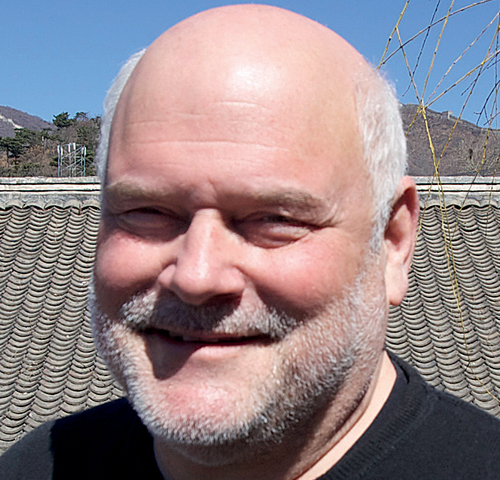
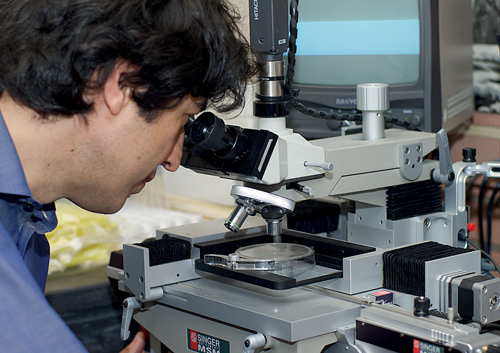
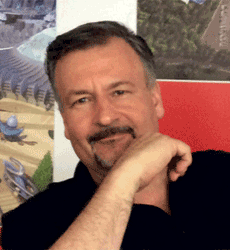
The study’s lead author, Valter Longo, is a director of the Longevity Institute at USC
Abstaining from eating for a period of two to four days at a time not only helps to protect the immune system from damage, but also leads to cell regeneration according to a groundbreaking new piece of research*.
Scientists at the University of Southern California (USC) in the USA say this is the first time a natural intervention has been found to trigger stem cell-based self-renewal of an organ or system. And the findings could have major implications for healthy ageing.
As people get older, their immune system declines, making them more susceptible to disease. Being able to prevent or reverse this process could help older adults as well as those who suffer from autoimmune disorders. It may also benefit cancer patients whose immune systems are weakened by chemotherapy.
Flipping the switch Over a course of six months, the scientists looked at the impact prolonged fasting cycles had on mice and patients undergoing chemotherapy. During this time, the mice and people went without food for two- to four-day periods.
In both cases, not eating initially lowered the white blood cell counts – the cells in the immune system that defend the body against disease. And the body started killing off old or damaged cells. “When you starve, the system tries to save energy and one of the things it can do to save energy is to recycle a lot of the immune cells that are not needed, especially those that may be damaged,” explains lead study author Valter Longo, a professor of gerontology and biological sciences at USC.
Eventually, however, prolonged periods of fasting in mice then “flipped a regenerative switch” which kick-started the stem cells into producing brand new white blood cells. This essentially rebooted the whole immune system.
The PKA enzyme Importantly, the scientists also found, that when people don’t eat for long periods, levels of the enzyme PKA are reduced. In previous studies, PKA has been associated with the regulation of stem cell self-renewal. “PKA is the key gene that needs to shut down in order for these stem cells to switch into regenerative mode,” clarifies Longo. “It gives the OK for stem cells to go ahead and begin proliferating and rebuild the entire system.
“And the good news is that the body got rid of the parts of the system that might be damaged or old, the inefficient parts, during the fasting. Now, if you start with a system heavily damaged by chemotherapy or ageing, fasting cycles can generate, literally, a new immune system.”
Prolonged fasting also lowered levels of IGF-1, a growth hormone linked to ageing, tumour progression and cancer risk.
Further research by Longo and his team will now focus on whether fasting has a similar impact on different parts of the body other than the immune system.
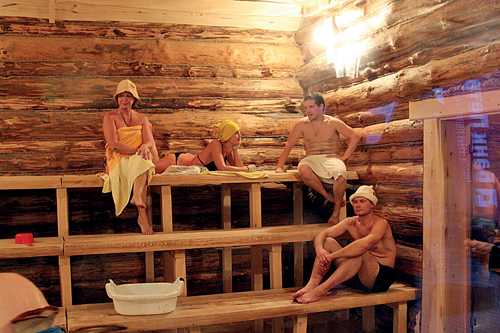
Fasting in spas Given its link to spirituality and naturopathy, fasting is a good fit for spas. But how can operators get the best results and ensure customer safety? We explore these ideas further on page 50. *Longo, V et al. Prolonged Fasting Reduces IGF-1/PKA to Promote Hematopoietic-Stem-Cell-Based Regeneration and Reverse Immunosuppression. Cell Stem Cell 14, p810-823. June 2014
Read more from this issue of Attractions Management magazine
View contents of Attractions Management 2014 issue 4
Spa Foresight™: Spa Foresight™
Trends, technologies and strategies which will shape the future of the global spa and wellness industry
Interview: Steve Jeisman
The group director of spas and development at Alila talks to Katie Barnes about leading the way in spa innovation and about new investment from US firm Geolo Capital
Ask an expert: Fasting
What makes a successful fasting programme and how can spas offer them safely? Julie Cramer investigates
Advertisement promotion: ESPA
At 21, ESPA is a veteran
of the global spa industry,
but it’s still leading the
way. Founder and CEO Sue
Harmsworth explains how
Therapy: Mineral matters
Sophie Benge focuses on water and mud therapies in the last of her series on wellness in central and eastern Europe
Everyone’s talking about: Russia
Jak Phillips gives a SWOT analysis of the Russian spa industry and gets insights from operators and consultants working in the sector
Glacial Spa: Tribal gathering
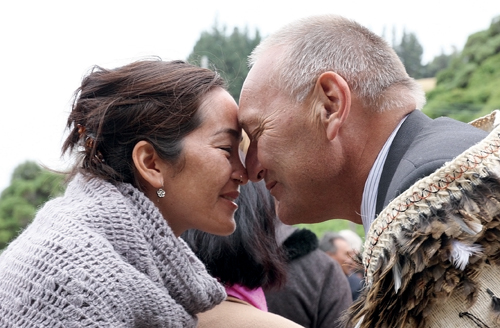
Wellness and adventure tourism is a key focus for Ng?i Tahu, one of the richest Maori tribes in New Zealand. Jennifer Harbottle finds out more
Summit review: Bright future
Katie Barnes shares her highlights from the 2014 Global Spa & Wellness Summit held in Marrakech, Morocco
Research: Strength in numbers
The worldwide spa industry has grown 56 per cent since 2007 and is part of a US$3.4tn cluster according to the 2014 Global Spa & Wellness Economy Monitor report. Ophelia Yeung reveals more
Wellness: Wearable technology
The latest wellness wearables for your spa, including devices by Google, Apple and Ralph Lauren
The study’s lead author, Valter Longo, is a director of the Longevity Institute at USC
Abstaining from eating for a period of two to four days at a time not only helps to protect the immune system from damage, but also leads to cell regeneration according to a groundbreaking new piece of research*.
Scientists at the University of Southern California (USC) in the USA say this is the first time a natural intervention has been found to trigger stem cell-based self-renewal of an organ or system. And the findings could have major implications for healthy ageing.
As people get older, their immune system declines, making them more susceptible to disease. Being able to prevent or reverse this process could help older adults as well as those who suffer from autoimmune disorders. It may also benefit cancer patients whose immune systems are weakened by chemotherapy.
Flipping the switch Over a course of six months, the scientists looked at the impact prolonged fasting cycles had on mice and patients undergoing chemotherapy. During this time, the mice and people went without food for two- to four-day periods.
In both cases, not eating initially lowered the white blood cell counts – the cells in the immune system that defend the body against disease. And the body started killing off old or damaged cells. “When you starve, the system tries to save energy and one of the things it can do to save energy is to recycle a lot of the immune cells that are not needed, especially those that may be damaged,” explains lead study author Valter Longo, a professor of gerontology and biological sciences at USC.
Eventually, however, prolonged periods of fasting in mice then “flipped a regenerative switch” which kick-started the stem cells into producing brand new white blood cells. This essentially rebooted the whole immune system.
The PKA enzyme Importantly, the scientists also found, that when people don’t eat for long periods, levels of the enzyme PKA are reduced. In previous studies, PKA has been associated with the regulation of stem cell self-renewal. “PKA is the key gene that needs to shut down in order for these stem cells to switch into regenerative mode,” clarifies Longo. “It gives the OK for stem cells to go ahead and begin proliferating and rebuild the entire system.
“And the good news is that the body got rid of the parts of the system that might be damaged or old, the inefficient parts, during the fasting. Now, if you start with a system heavily damaged by chemotherapy or ageing, fasting cycles can generate, literally, a new immune system.”
Prolonged fasting also lowered levels of IGF-1, a growth hormone linked to ageing, tumour progression and cancer risk.
Further research by Longo and his team will now focus on whether fasting has a similar impact on different parts of the body other than the immune system.
Fasting in spas Given its link to spirituality and naturopathy, fasting is a good fit for spas. But how can operators get the best results and ensure customer safety? We explore these ideas further on page 50. *Longo, V et al. Prolonged Fasting Reduces IGF-1/PKA to Promote Hematopoietic-Stem-Cell-Based Regeneration and Reverse Immunosuppression. Cell Stem Cell 14, p810-823. June 2014
Read more from this issue of Attractions Management magazine
View contents of Attractions Management 2014 issue 4
Spa Foresight™: Spa Foresight™
Trends, technologies and strategies which will shape the future of the global spa and wellness industry
Interview: Steve Jeisman
The group director of spas and development at Alila talks to Katie Barnes about leading the way in spa innovation and about new investment from US firm Geolo Capital
Ask an expert: Fasting
What makes a successful fasting programme and how can spas offer them safely? Julie Cramer investigates
Advertisement promotion: ESPA
At 21, ESPA is a veteran
of the global spa industry,
but it’s still leading the
way. Founder and CEO Sue
Harmsworth explains how
Therapy: Mineral matters
Sophie Benge focuses on water and mud therapies in the last of her series on wellness in central and eastern Europe
Everyone’s talking about: Russia
Jak Phillips gives a SWOT analysis of the Russian spa industry and gets insights from operators and consultants working in the sector
Glacial Spa: Tribal gathering
Wellness and adventure tourism is a key focus for Ng?i Tahu, one of the richest Maori tribes in New Zealand. Jennifer Harbottle finds out more
Summit review: Bright future
Katie Barnes shares her highlights from the 2014 Global Spa & Wellness Summit held in Marrakech, Morocco
Research: Strength in numbers
The worldwide spa industry has grown 56 per cent since 2007 and is part of a US$3.4tn cluster according to the 2014 Global Spa & Wellness Economy Monitor report. Ophelia Yeung reveals more
Wellness: Wearable technology
The latest wellness wearables for your spa, including devices by Google, Apple and Ralph Lauren
Abu Dhabi-based investment firm Mubadala Capital has made a binding, fully financed
€1 billion
offer to acquire Pierre and Vacances SA, the European holiday resort operator behind the
continental European Center Parcs business.
Expo 2030 Riyadh is being planned as a permanent visitor destination, with organisers
confirming the six-million-square-metre site will become a Global Village after the event closes.
The owner of one of Australia's best-known waterparks has acquired a major competitor,
creating a new attractions business spanning two of the country's largest visitor destinations.
The Toverland theme park in the Netherlands has announced a €98m expansion programme
that will add a resort, new attractions and staff facilities as it pursues plans to become a multi-
day destination.
Hotel de France, located on the British Isle of Jersey, has created a wellness retreat package
that includes a hot yoga session that will take place in Jersey Zoo’s butterfly sanctuary.
A new immersive attraction designed to transport visitors into the final hours of ancient Pompeii
is preparing to open near the world-famous archaeological site in southern Italy.
Experience design company, BRC Imagination Arts, has completed a transition that sees founder
Bob Rogers pass ownership of the business to four long-serving senior executives, while
remaining actively involved with the company.
Movie Park Germany has opened a new Paramount Pictures-themed attraction as part of its 30th
anniversary celebrations, using immersive storytelling and adaptive reuse to reinforce the park’s
longstanding “Hollywood in Germany” positioning.
Therme Manchester’s 28-acre development, which will include interconnected glass pavilions
that measure 65,000sq m, will be the largest bathing and wellbeing attraction in the world once
complete, according to prof David Russell, CEO of Therme UK.
Efteling has opened Hooghmoed, a new family drop tower designed to broaden the appeal of its
recently launched Sirene Island themed area and introduce younger visitors to thrill attractions.