The global spa industry has grown by 56 per cent since 2007 and is now worth
US$94bn according to a brand new study. Researcher Ophelia Yeung takes a closer look
By Ophelia Yeung | Published in Spa Business 2014 issue 4
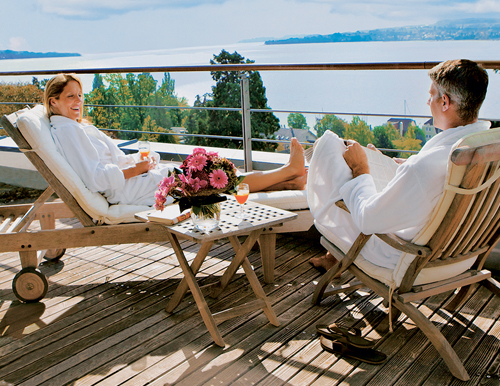
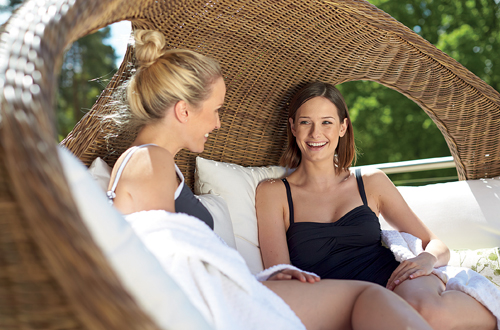
The entire global spa and wellness cluster (including fitness) is a US$3.4tn industry / shutterstock.com/ Maridav
It’s been six years since SRI International released the first Global Spa Economy study in which it defined and measured the size of the global spa industry (see SB08/4 p40).
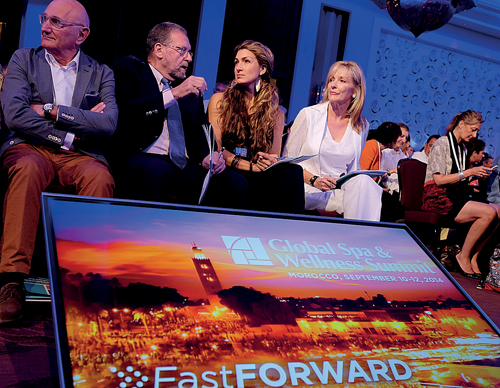
Many events have happened following that original study, which was commissioned by industry body the Global Spa & Wellness Summit (GSWS), including the global financial crisis, regional conflicts and natural disasters ranging from tsunamis to hurricanes and floods. So it’s surprising to see that the spa and wellness industry has not only been growing but thriving. According to SRI’s 2014 Global Spa & Wellness Economy Monitor, it’s now worth US$3.4tn (€2.6tn, £2tn). The research was revealed by SRI at the eighth GSWS held last month (see p88).
The global spa and wellness cluster outlined by SRI encompasses many industries that provide products and services to help consumers integrate wellness into their daily lives, from what they eat and how they exercise, to how they live and work (see Diagram 1). SRI’s research focuses on three components of this cluster: the spa industry, wellness tourism, and thermal/mineral springs.
Outpacing economic growth Revenue in just the global spa industry cluster reached US$94bn (€73bn, £57bn) in 2013, a 56 per cent growth from 2007, compared to a 31 per cent change in world GDP during the same period. While spa facilities are at the centre of this cluster, they’re supported by other businesses such as spa education, consulting, media, trade associations and events and investment. All of these businesses also experienced robust expansion during this period.
During the same time, the world added almost 34,000 spas, bringing the estimated total to 105,591 spas in 2013.
Unsurprisingly, spa industry growth is not evenly distributed across the globe. Sub-Saharan Africa and Middle East-North Africa are two regions that experienced the fastest revenue growth from 2007-2013. The spa sector in these regions is still small but stimulated by economic growth in some countries such as South Africa, Nigeria, the UAE and Saudi Arabia; and by robust tourism in others such as Morocco, Kenya, Mauritius and Botswana.
Growth in Asia and Latin America is driven by emerging markets such as China, India, Brazil, Mexico and Argentina.
Strong growth in Europe reflects the resilience of several major western European spa markets in the face of global recession such as Germany, the UK and France; and strong economic momentum to the east including Russia, Poland and Turkey.
North America, a mature spa market of which the US accounts for 89 per cent, grew modestly despite an environment of slow economic and job growth.
The five largest markets account for almost half of global industry revenue. Since 2007, China entered the top five markets, Russia entered the top 10, and Indonesia, Poland and Brazil entered the top 20.
However, the spa workforce needs to increase to accompany projected growth. Spas employed an estimated 1.9 million people worldwide in 2013, including about 1.1 million therapists and 200,000 spa managers and directors. If the spa industry continues growing at the same rate at which it grew from 2007-2013, then there will be a projected 2.7 million people employed by spas in 2018. An additional 500,000 trained spa therapists and 80,000 experienced spa managers/directors – above the current levels – will be needed by the industry in 2018.
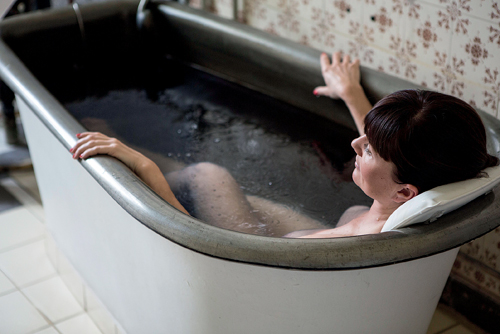
Inaugural springs data The Global Spa & Wellness Economy Monitor research included the first-ever analysis of the global thermal and mineral springs market, worth US$50bn (€39bn, £31bn) spanning 26,846 properties across 103 nations. In many countries and regions, the modern spa experience is rooted in the age-old traditions of bathing, rejuvenating and healing the body and spirit in thermal and mineral waters. This natural resource is enjoying a resurgence of interest around the world as consumers increasingly seek out authentic, natural and place-based experiences.
In the study, SRI estimated the revenues of business establishments associated with the wellness, recreational and therapeutic uses of waters with special properties including thermal water, mineral water and seawater.
It was revealed that thermal/mineral springs without spa services are far more prevalent – they account for 20,343 establishments against the 6,504 that have spa treatment facilities. However, those springs with spa services and bathing facilities bring in significantly more revenue because, in most countries, bathing and swimming facilities alone earn low admission fees and are often traditional or rustic in nature. In fact, those establishments offering spa services earn almost twice the revenue as those without, US$32bn (€25bn, £20bn) against US$18bn (€14bn, £11bn) annually.
The global thermal/mineral springs industry is heavily concentrated in a small number of countries in Asia and Europe. China and Japan alone account for 51 per cent of global revenues. The top 10 countries represent 88 per cent of thermal/mineral springs establishments and 85 per cent of revenues.
As the renewed interest in the special properties of thermal and mineral waters continues to pick up momentum, we expect to see an increasing number of businesses built around springs in the countries where the industry is less developed. In well-established markets in Europe, many countries are refurbishing their facilities and modernising their offerings to appeal to modern wellness consumers and travellers.
Wellness tourism and lifestyle The global spa and wellness cluster outlined in the research also included wellness tourism which SRI defines as “travel associated with the pursuit of maintaining or enhancing one’s personal wellbeing”. In total, this represented a US$494bn (€384bn, £301bn) market and 587 million trips in 2013. The number of trips grew at a 12 per cent annual rate – which is significantly higher than the 9 per cent SRI previous forecasted (see SB13/4 p80).
Besides the spa industry, thermal/mineral springs and wellness tourism, the global wellness economy includes many other industries that help consumers take a proactive approach to maintain health and prevent diseases – from healthy food, weight loss, anti-aging, fitness/mind-body, to wellness real estate and workplace wellness. These additional industries that help consumers realise a wellness lifestyle add a significant US$2.8tn (€2tn, £1.7tn) to the global wellness market.
Strong future The SRI research outlined four underlying trends that suggest strong future growth for the spa and wellness economy.
The first is demographics, specifically, the growth of a global middle class. Two billion people around the world are considered middle class now. They have money beyond food and shelter to buy goods that make their lives better. This includes wellness products and services. The global middle class is expected to grow to 5 billion in 2030. The growth will primarily occur in Asia, but also in Latin America, the Middle East and Africa.
The second factor is the evolution of how consumers think about health. Around the world, people are realising that they need to adopt a healthy lifestyle to prevent or mitigate chronic diseases, many of which are related to lifestyle and stress. More consumers are interested in healthy foods, going to the gym, practicing yoga and getting a therapeutic massage. These activities are no longer considered a luxury but a part of routine health maintenance for some and to provide stress relief or pain relief for others.
The third theme is travel. Global tourism is growing fast and more people are incorporating wellness into their travel. Many are now choosing hotels that offer healthy menus, good sleeping conditions, exercise facilities and spas. Some airlines, such as Qatar airlines, are already touting their “fly healthy” advantages. The spa industry in particular will continue to benefit from this phenomenon.
Finally, we see businesses innovating to capture this growing market by creating different models to meet the price points and needs of middle-income consumers. Spa Envy has successfully pioneered a franchising and membership model in the US, encouraging customers to get a regular massage at a low price (see SB14/2 p34). Other business such as salons and fitness centres are also adding spa-like treatments, making wellness services more accessible and affordable.
As consumers become more experienced, they also become more sophisticated and tend to value experiences that are authentic, unique to the place, or related to nature. This has given rise to a differentiation in wellness hotels and boutique resorts and also treatments that are incorporating local and traditional healing practices, ingredients and environment. We believe that continued innovation among businesses will keep the spa and wellness industries on a growth path that’s firmly anchored to consumer demand.
To download the research for free visit www.globalspaandwellnesssummit.org
Read more from this issue of Attractions Management magazine
View contents of Attractions Management 2014 issue 4
Spa Foresight™: Spa Foresight™
Trends, technologies and strategies which will shape the future of the global spa and wellness industry
Interview: Steve Jeisman
The group director of spas and development at Alila talks to Katie Barnes about leading the way in spa innovation and about new investment from US firm Geolo Capital
Ask an expert: Fasting
What makes a successful fasting programme and how can spas offer them safely? Julie Cramer investigates
Advertisement promotion: ESPA
At 21, ESPA is a veteran
of the global spa industry,
but it’s still leading the
way. Founder and CEO Sue
Harmsworth explains how
Therapy: Mineral matters
Sophie Benge focuses on water and mud therapies in the last of her series on wellness in central and eastern Europe
Everyone’s talking about: Russia
Jak Phillips gives a SWOT analysis of the Russian spa industry and gets insights from operators and consultants working in the sector
Glacial Spa: Tribal gathering
Wellness and adventure tourism is a key focus for Ng?i Tahu, one of the richest Maori tribes in New Zealand. Jennifer Harbottle finds out more
Summit review: Bright future
Katie Barnes shares her highlights from the 2014 Global Spa & Wellness Summit held in Marrakech, Morocco
Research: Strength in numbers
The worldwide spa industry has grown 56 per cent since 2007 and is part of a US$3.4tn cluster according to the 2014 Global Spa & Wellness Economy Monitor report. Ophelia Yeung reveals more
Wellness: Wearable technology
The latest wellness wearables for your spa, including devices by Google, Apple and Ralph Lauren
The global spa industry has grown by 56 per cent since 2007 and is now worth
US$94bn according to a brand new study. Researcher Ophelia Yeung takes a closer look
By Ophelia Yeung | Published in Spa Business 2014 issue 4
The entire global spa and wellness cluster (including fitness) is a US$3.4tn industry / shutterstock.com/ Maridav
It’s been six years since SRI International released the first Global Spa Economy study in which it defined and measured the size of the global spa industry (see SB08/4 p40).
Many events have happened following that original study, which was commissioned by industry body the Global Spa & Wellness Summit (GSWS), including the global financial crisis, regional conflicts and natural disasters ranging from tsunamis to hurricanes and floods. So it’s surprising to see that the spa and wellness industry has not only been growing but thriving. According to SRI’s 2014 Global Spa & Wellness Economy Monitor, it’s now worth US$3.4tn (€2.6tn, £2tn). The research was revealed by SRI at the eighth GSWS held last month (see p88).
The global spa and wellness cluster outlined by SRI encompasses many industries that provide products and services to help consumers integrate wellness into their daily lives, from what they eat and how they exercise, to how they live and work (see Diagram 1). SRI’s research focuses on three components of this cluster: the spa industry, wellness tourism, and thermal/mineral springs.
Outpacing economic growth Revenue in just the global spa industry cluster reached US$94bn (€73bn, £57bn) in 2013, a 56 per cent growth from 2007, compared to a 31 per cent change in world GDP during the same period. While spa facilities are at the centre of this cluster, they’re supported by other businesses such as spa education, consulting, media, trade associations and events and investment. All of these businesses also experienced robust expansion during this period.
During the same time, the world added almost 34,000 spas, bringing the estimated total to 105,591 spas in 2013.
Unsurprisingly, spa industry growth is not evenly distributed across the globe. Sub-Saharan Africa and Middle East-North Africa are two regions that experienced the fastest revenue growth from 2007-2013. The spa sector in these regions is still small but stimulated by economic growth in some countries such as South Africa, Nigeria, the UAE and Saudi Arabia; and by robust tourism in others such as Morocco, Kenya, Mauritius and Botswana.
Growth in Asia and Latin America is driven by emerging markets such as China, India, Brazil, Mexico and Argentina.
Strong growth in Europe reflects the resilience of several major western European spa markets in the face of global recession such as Germany, the UK and France; and strong economic momentum to the east including Russia, Poland and Turkey.
North America, a mature spa market of which the US accounts for 89 per cent, grew modestly despite an environment of slow economic and job growth.
The five largest markets account for almost half of global industry revenue. Since 2007, China entered the top five markets, Russia entered the top 10, and Indonesia, Poland and Brazil entered the top 20.
However, the spa workforce needs to increase to accompany projected growth. Spas employed an estimated 1.9 million people worldwide in 2013, including about 1.1 million therapists and 200,000 spa managers and directors. If the spa industry continues growing at the same rate at which it grew from 2007-2013, then there will be a projected 2.7 million people employed by spas in 2018. An additional 500,000 trained spa therapists and 80,000 experienced spa managers/directors – above the current levels – will be needed by the industry in 2018.
Inaugural springs data The Global Spa & Wellness Economy Monitor research included the first-ever analysis of the global thermal and mineral springs market, worth US$50bn (€39bn, £31bn) spanning 26,846 properties across 103 nations. In many countries and regions, the modern spa experience is rooted in the age-old traditions of bathing, rejuvenating and healing the body and spirit in thermal and mineral waters. This natural resource is enjoying a resurgence of interest around the world as consumers increasingly seek out authentic, natural and place-based experiences.
In the study, SRI estimated the revenues of business establishments associated with the wellness, recreational and therapeutic uses of waters with special properties including thermal water, mineral water and seawater.
It was revealed that thermal/mineral springs without spa services are far more prevalent – they account for 20,343 establishments against the 6,504 that have spa treatment facilities. However, those springs with spa services and bathing facilities bring in significantly more revenue because, in most countries, bathing and swimming facilities alone earn low admission fees and are often traditional or rustic in nature. In fact, those establishments offering spa services earn almost twice the revenue as those without, US$32bn (€25bn, £20bn) against US$18bn (€14bn, £11bn) annually.
The global thermal/mineral springs industry is heavily concentrated in a small number of countries in Asia and Europe. China and Japan alone account for 51 per cent of global revenues. The top 10 countries represent 88 per cent of thermal/mineral springs establishments and 85 per cent of revenues.
As the renewed interest in the special properties of thermal and mineral waters continues to pick up momentum, we expect to see an increasing number of businesses built around springs in the countries where the industry is less developed. In well-established markets in Europe, many countries are refurbishing their facilities and modernising their offerings to appeal to modern wellness consumers and travellers.
Wellness tourism and lifestyle The global spa and wellness cluster outlined in the research also included wellness tourism which SRI defines as “travel associated with the pursuit of maintaining or enhancing one’s personal wellbeing”. In total, this represented a US$494bn (€384bn, £301bn) market and 587 million trips in 2013. The number of trips grew at a 12 per cent annual rate – which is significantly higher than the 9 per cent SRI previous forecasted (see SB13/4 p80).
Besides the spa industry, thermal/mineral springs and wellness tourism, the global wellness economy includes many other industries that help consumers take a proactive approach to maintain health and prevent diseases – from healthy food, weight loss, anti-aging, fitness/mind-body, to wellness real estate and workplace wellness. These additional industries that help consumers realise a wellness lifestyle add a significant US$2.8tn (€2tn, £1.7tn) to the global wellness market.
Strong future The SRI research outlined four underlying trends that suggest strong future growth for the spa and wellness economy.
The first is demographics, specifically, the growth of a global middle class. Two billion people around the world are considered middle class now. They have money beyond food and shelter to buy goods that make their lives better. This includes wellness products and services. The global middle class is expected to grow to 5 billion in 2030. The growth will primarily occur in Asia, but also in Latin America, the Middle East and Africa.
The second factor is the evolution of how consumers think about health. Around the world, people are realising that they need to adopt a healthy lifestyle to prevent or mitigate chronic diseases, many of which are related to lifestyle and stress. More consumers are interested in healthy foods, going to the gym, practicing yoga and getting a therapeutic massage. These activities are no longer considered a luxury but a part of routine health maintenance for some and to provide stress relief or pain relief for others.
The third theme is travel. Global tourism is growing fast and more people are incorporating wellness into their travel. Many are now choosing hotels that offer healthy menus, good sleeping conditions, exercise facilities and spas. Some airlines, such as Qatar airlines, are already touting their “fly healthy” advantages. The spa industry in particular will continue to benefit from this phenomenon.
Finally, we see businesses innovating to capture this growing market by creating different models to meet the price points and needs of middle-income consumers. Spa Envy has successfully pioneered a franchising and membership model in the US, encouraging customers to get a regular massage at a low price (see SB14/2 p34). Other business such as salons and fitness centres are also adding spa-like treatments, making wellness services more accessible and affordable.
As consumers become more experienced, they also become more sophisticated and tend to value experiences that are authentic, unique to the place, or related to nature. This has given rise to a differentiation in wellness hotels and boutique resorts and also treatments that are incorporating local and traditional healing practices, ingredients and environment. We believe that continued innovation among businesses will keep the spa and wellness industries on a growth path that’s firmly anchored to consumer demand.
To download the research for free visit www.globalspaandwellnesssummit.org
Read more from this issue of Attractions Management magazine
View contents of Attractions Management 2014 issue 4
Spa Foresight™: Spa Foresight™
Trends, technologies and strategies which will shape the future of the global spa and wellness industry
Interview: Steve Jeisman
The group director of spas and development at Alila talks to Katie Barnes about leading the way in spa innovation and about new investment from US firm Geolo Capital
Ask an expert: Fasting
What makes a successful fasting programme and how can spas offer them safely? Julie Cramer investigates
Advertisement promotion: ESPA
At 21, ESPA is a veteran
of the global spa industry,
but it’s still leading the
way. Founder and CEO Sue
Harmsworth explains how
Therapy: Mineral matters
Sophie Benge focuses on water and mud therapies in the last of her series on wellness in central and eastern Europe
Everyone’s talking about: Russia
Jak Phillips gives a SWOT analysis of the Russian spa industry and gets insights from operators and consultants working in the sector
Glacial Spa: Tribal gathering
Wellness and adventure tourism is a key focus for Ng?i Tahu, one of the richest Maori tribes in New Zealand. Jennifer Harbottle finds out more
Summit review: Bright future
Katie Barnes shares her highlights from the 2014 Global Spa & Wellness Summit held in Marrakech, Morocco
Research: Strength in numbers
The worldwide spa industry has grown 56 per cent since 2007 and is part of a US$3.4tn cluster according to the 2014 Global Spa & Wellness Economy Monitor report. Ophelia Yeung reveals more
Wellness: Wearable technology
The latest wellness wearables for your spa, including devices by Google, Apple and Ralph Lauren
Abu Dhabi-based investment firm Mubadala Capital has made a binding, fully financed
€1 billion
offer to acquire Pierre and Vacances SA, the European holiday resort operator behind the
continental European Center Parcs business.
Expo 2030 Riyadh is being planned as a permanent visitor destination, with organisers
confirming the six-million-square-metre site will become a Global Village after the event closes.
The owner of one of Australia's best-known waterparks has acquired a major competitor,
creating a new attractions business spanning two of the country's largest visitor destinations.
The Toverland theme park in the Netherlands has announced a €98m expansion programme
that will add a resort, new attractions and staff facilities as it pursues plans to become a multi-
day destination.
Hotel de France, located on the British Isle of Jersey, has created a wellness retreat package
that includes a hot yoga session that will take place in Jersey Zoo’s butterfly sanctuary.
A new immersive attraction designed to transport visitors into the final hours of ancient Pompeii
is preparing to open near the world-famous archaeological site in southern Italy.
Experience design company, BRC Imagination Arts, has completed a transition that sees founder
Bob Rogers pass ownership of the business to four long-serving senior executives, while
remaining actively involved with the company.
Movie Park Germany has opened a new Paramount Pictures-themed attraction as part of its 30th
anniversary celebrations, using immersive storytelling and adaptive reuse to reinforce the park’s
longstanding “Hollywood in Germany” positioning.
Therme Manchester’s 28-acre development, which will include interconnected glass pavilions
that measure 65,000sq m, will be the largest bathing and wellbeing attraction in the world once
complete, according to prof David Russell, CEO of Therme UK.
Efteling has opened Hooghmoed, a new family drop tower designed to broaden the appeal of its
recently launched Sirene Island themed area and introduce younger visitors to thrill attractions.