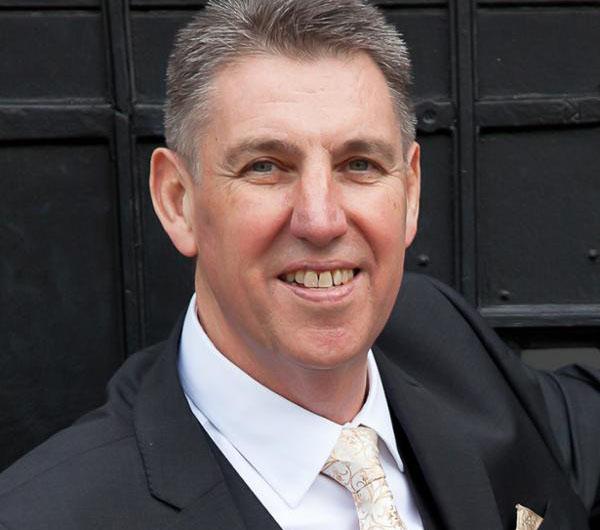
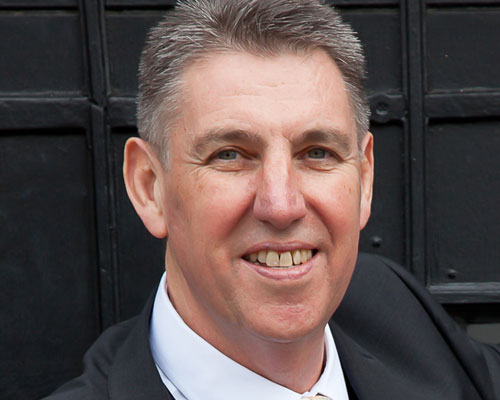
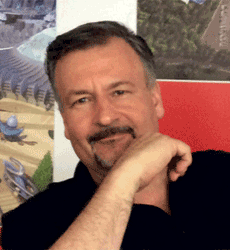
D&J International Consulting was launched by David and Julie Camp in January 2013 / Photo: David Camp
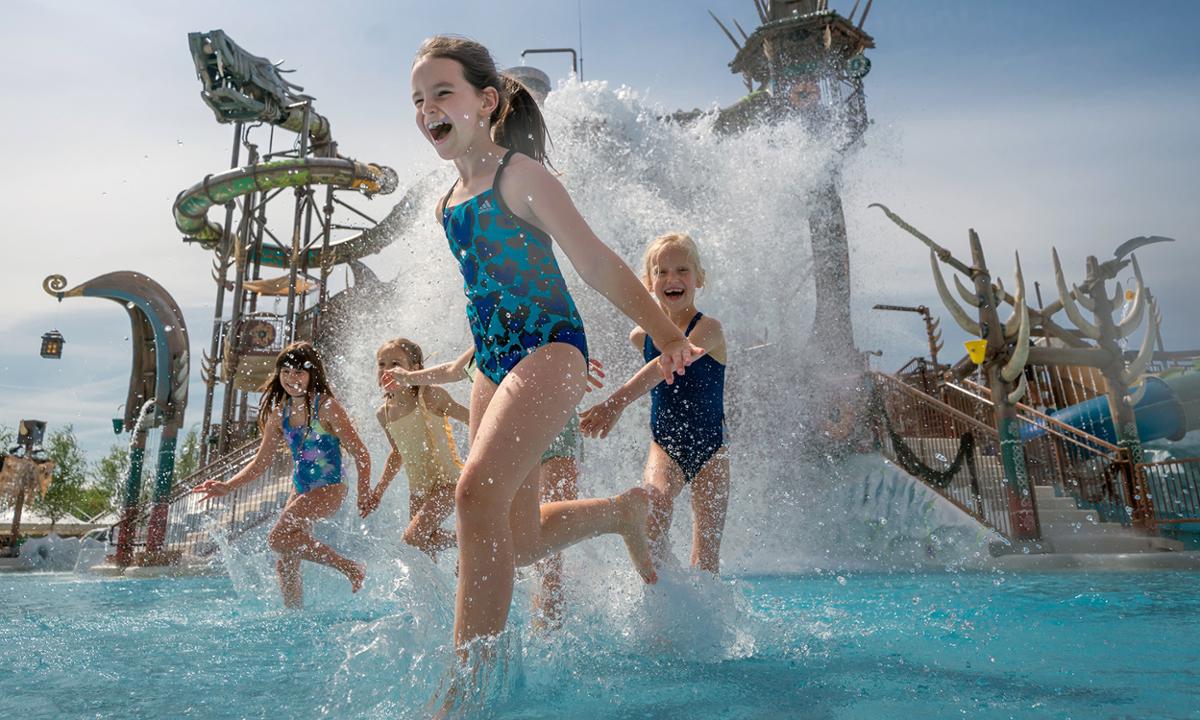
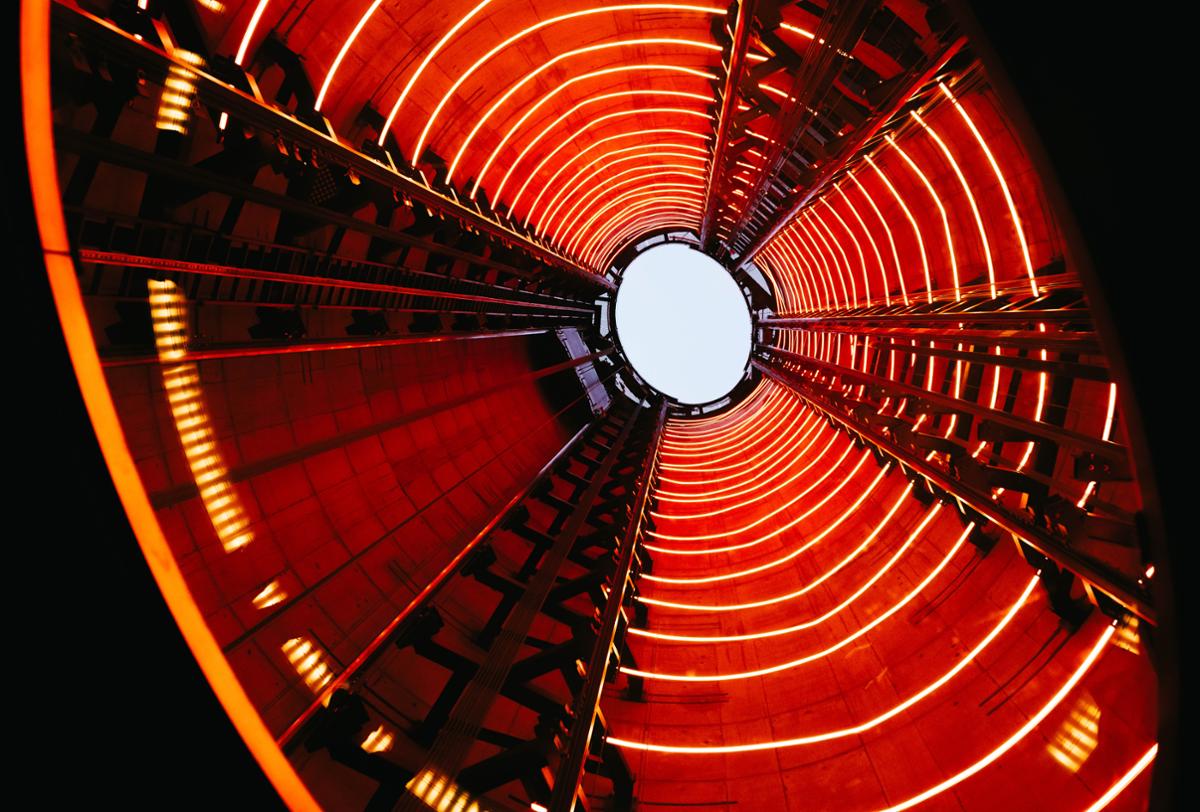
This year, D&J International Consulting celebrates its tenth anniversary. Launched by David and Julie Camp in January 2013, the consultancy’s first project was helping the Mack family plan the Rulantica water park at Europa-Park in Germany. Since then, the pair have consulted on a range of projects including the recently launched Lift 109 experience at Battersea Power Station, London; the expansion of Puy du Fou worldwide; Kalahari Resort, Round Rock, US; Infinity des Lumieres, Dubai; Gorewada Zoo & Safari, India; and the i360, Brighton, UK.
The company specialises in providing market and financial feasibility services to the visitor attraction and real estate development sectors, offering planning and development advice for theme parks, sports venues, visitor attractions, tourism destinations, mixed-use developments, brandlands, museums and entertainment developments.
Here David Camp looks back at a busy decade, and shares some the biggest lessons he has learned with Attractions Management.
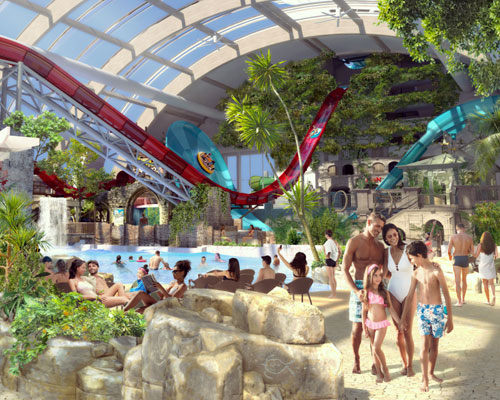
Can you share one or two of your highlights during the past 10 years? It’s always satisfying to see projects that we’ve worked on reach fruition and open to the public. We were very fortunate that our very first project was at Europa-Park with the Mack family who wanted some assistance assessing the potential of their planned waterpark.
They obviously knew their park and hotel business well but were concerned as to whether the waterpark would cannibalise theme park visits and how it might impact hotel demand. Through a process of research and analysis of their historic business, along with lessons from a range of international theme and water park operations, we were able to reassure them that the waterpark would add to the total resort guests and increase hotel demand. The number of visits to the water park in 2022 were also slightly higher than our original projections, which is always good to hear.
One of our other highlights has been our work with Eden Project International. We have been working alongside the development team there helping them with planned projects in England, Scotland, Ireland, Greece, Colombia and New Zealand. Every one of their schemes is different so the design, research and assessment process needs to reflect this.
What positive impacts do you see emerging post-pandemic? The pandemic has led to a massive change in behaviour patterns, perceptions and motivation among both operators and consumers.
Operators have realised that the historic drive to increase visitor numbers is not necessarily the answer to a better business. Providing a quality experience to fewer visitors leads to increased guest satisfaction which in turn leads to increased spending. Gröna Lund in Stockholm changed from a low-priced park admission ticket operation pre-COVID to a pay one price park and limited the number of guests. In 2022, guest satisfaction was higher than ever, visitors were spending more in the park and this led to more income than before the pandemic from 20 per cent fewer guests.
With many people spending most of the past three years working from home, there’s a strong resistance to returning to the workplace in the same way as before the pandemic. People want to maintain the increased flexibility and freedom that home working has offered, and many companies seem to be open to this.
This increased flexibility offers opportunities to change some the traditional seasonal visitation patterns that have impacted demand at attractions. There will still be the school holiday peaks in demand from families, however more and more attractions will look to operate seasonal or dynamic pricing systems and take a more active role in managing guest visitation patterns and experiences.
Which project has had the shortest lead time between initial enquiry and opening. And the longest? One of the most frustrating aspects of working on feasibility studies for attractions is the length of time that it takes for projects to be realised. There are a host of reasons for this, and unfortunately the vast majority of the projects that we’re involved don’t go on to be developed.
One of the fastest developments I worked on was Ferrari World in Abu Dhabi. I undertook the feasibility study for the park in 2006 and the park opened in 2010. Major factors in the relatively rapid pace of development was that Aldar, the original developer of the park, had control of the land, was supported by significant state-related funds, and had appointed a strong team of masterplanners and other consultants to fast-track the process.
One of the longest gestation periods was the i360 in Brighton. Having worked with Marks Barfield Architects on the development of the London Eye in the 1990s, I was asked to help evaluate the potential for a smaller observation attraction. We looked at a number of different locations around the world and in 2006 a site in Brighton was identified. The development process for that attraction encountered a series of setbacks but the design team stuck with it and the iconic attraction finally opened in 2016.
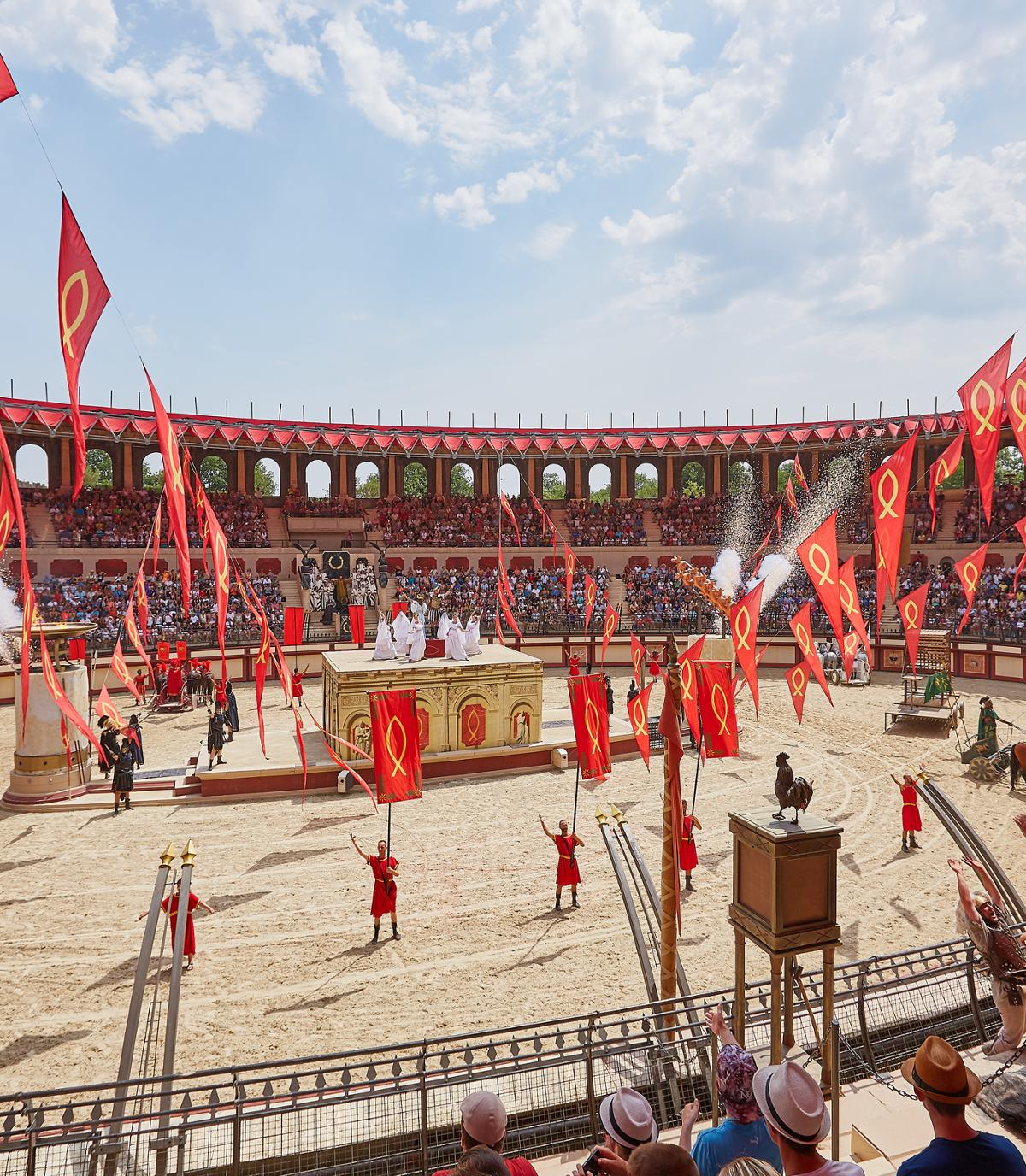
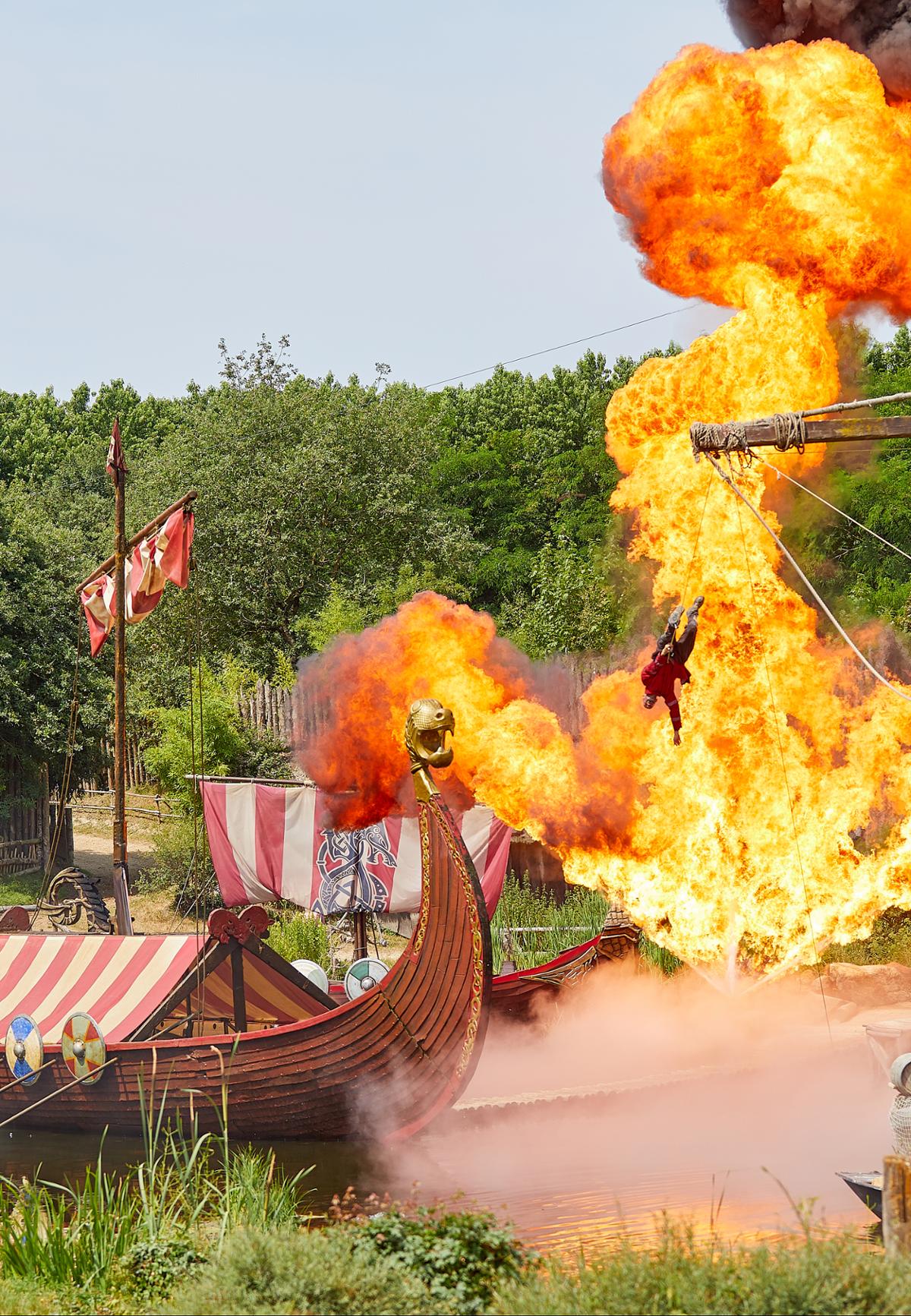
What are your favourite attractions and why? In terms of European attractions, my two favourite theme parks are Puy du Fou and PortAventura. We’re fortunate to have worked for both of these parks and that’s enabled us to get an insight into the operations and how hard the teams work to deliver the guest experience.
When I first saw the Le Bal des Oiseaux Fantômes bird show at Puy du Fou it took my breath away. Numerous handlers walking through the audience attract the birds to fly low across the stands and the finale – with more than 100 birds flying around the ruins – has to be seen to be believed.
For me, Port Aventura is about great coasters. Dragon Khan’s eight inversions was a world record when it opened in 1995 and offered amazing views across the park. It was my favourite coaster until I rode Shambala in 2012. I had never ridden anything so fast or that delivered so much air time, and with only a lap restraint to hold the rider in place. An incredible experience.
I am a Harry Potter fan and so find the Warner Bros Studios Tour in Leavesden fascinating, but I was awestruck when I first entered Diagon Alley at Universal Studios in Orlando. I was there with a host of attraction professionals as part of the IAAPA Expo and every single person gasped in awe as they walked through the station entrance and first glimpsed the Diagon Alley buildings arrayed in front of them, and the dragon atop Gringott’s Bank. While the rides in the area are fantastic, it’s the environment that’s the real star of that part of the park.
What are you working on now? In terms of current projects, we’re working with Eden Project International on their Dundee development, helping the team there with the business planning for the scheme. We have also been working with Gröna Lund in Stockholm evaluating the potential impact of their planned park expansion on attendance levels and business volumes.
Read more from this issue of Attractions Management magazine
View contents of Attractions Management 2023 issue 2
Editor's letter: People power
The pandemic has been disruptive for the people in our industry. A new report shares how operators are getting creative to overcome issues
Letters: Write to reply
Liseberg CEO Andreas Andersen tells us 2023 will celebrate the past, but also be the start of something new, while BALPPA CEO Paul Kelly explains why the organisation has launched individual memberships
People: Sarah Roots
The countdown is on to the opening of Warner Bros Studio Tour Tokyo. We hear the latest
People: David Camp
With Puy du Fou, Eden International and Europa-Park among its clients, D&J International Consulting has done exciting work in its first decade
Interview: Scott O'Neil
US sports and entertainment veteran O’Neil is now CEO of Merlin Entertainments and he has big plans for the company. Magali Robathan sat down with him
Ethics: Reckoning with history
As a ground-breaking project aims to digitally unite Benin Bronzes for the first time, the Horniman Museum becomes the latest institution to return looted artefacts
Research: Elizabeth Merritt
What are the biggest trends affecting the museum sector? The VP of the Center for the Future of Museums shares her thoughts
Research: TrendsWatch: Building the future
A digital revolution, reparations and repatriation, partisan wars and the future of the workplace – key trends highlighted by this year’s TrendsWatch report
Research: China theme parks: New era
China is the world’s second largest market for theme parks and still has huge potential for growth, as a McKinsey report explains
Visitor centre: A golden age: Ad Gefrin
A new multi-million pound Anglo Saxon museum and whiskey distillery tells an old story in a new way. AM talks to the founders
Immersive art: House of Fun: Luna Luna
Works from Luna Luna, a ground-breaking ‘art amusement park’ have languished in storage for 30 years. Now rapper Drake is bringing them back to life
D&J International Consulting was launched by David and Julie Camp in January 2013 / Photo: David Camp
This year, D&J International Consulting celebrates its tenth anniversary. Launched by David and Julie Camp in January 2013, the consultancy’s first project was helping the Mack family plan the Rulantica water park at Europa-Park in Germany. Since then, the pair have consulted on a range of projects including the recently launched Lift 109 experience at Battersea Power Station, London; the expansion of Puy du Fou worldwide; Kalahari Resort, Round Rock, US; Infinity des Lumieres, Dubai; Gorewada Zoo & Safari, India; and the i360, Brighton, UK.
The company specialises in providing market and financial feasibility services to the visitor attraction and real estate development sectors, offering planning and development advice for theme parks, sports venues, visitor attractions, tourism destinations, mixed-use developments, brandlands, museums and entertainment developments.
Here David Camp looks back at a busy decade, and shares some the biggest lessons he has learned with Attractions Management.
Can you share one or two of your highlights during the past 10 years? It’s always satisfying to see projects that we’ve worked on reach fruition and open to the public. We were very fortunate that our very first project was at Europa-Park with the Mack family who wanted some assistance assessing the potential of their planned waterpark.
They obviously knew their park and hotel business well but were concerned as to whether the waterpark would cannibalise theme park visits and how it might impact hotel demand. Through a process of research and analysis of their historic business, along with lessons from a range of international theme and water park operations, we were able to reassure them that the waterpark would add to the total resort guests and increase hotel demand. The number of visits to the water park in 2022 were also slightly higher than our original projections, which is always good to hear.
One of our other highlights has been our work with Eden Project International. We have been working alongside the development team there helping them with planned projects in England, Scotland, Ireland, Greece, Colombia and New Zealand. Every one of their schemes is different so the design, research and assessment process needs to reflect this.
What positive impacts do you see emerging post-pandemic? The pandemic has led to a massive change in behaviour patterns, perceptions and motivation among both operators and consumers.
Operators have realised that the historic drive to increase visitor numbers is not necessarily the answer to a better business. Providing a quality experience to fewer visitors leads to increased guest satisfaction which in turn leads to increased spending. Gröna Lund in Stockholm changed from a low-priced park admission ticket operation pre-COVID to a pay one price park and limited the number of guests. In 2022, guest satisfaction was higher than ever, visitors were spending more in the park and this led to more income than before the pandemic from 20 per cent fewer guests.
With many people spending most of the past three years working from home, there’s a strong resistance to returning to the workplace in the same way as before the pandemic. People want to maintain the increased flexibility and freedom that home working has offered, and many companies seem to be open to this.
This increased flexibility offers opportunities to change some the traditional seasonal visitation patterns that have impacted demand at attractions. There will still be the school holiday peaks in demand from families, however more and more attractions will look to operate seasonal or dynamic pricing systems and take a more active role in managing guest visitation patterns and experiences.
Which project has had the shortest lead time between initial enquiry and opening. And the longest? One of the most frustrating aspects of working on feasibility studies for attractions is the length of time that it takes for projects to be realised. There are a host of reasons for this, and unfortunately the vast majority of the projects that we’re involved don’t go on to be developed.
One of the fastest developments I worked on was Ferrari World in Abu Dhabi. I undertook the feasibility study for the park in 2006 and the park opened in 2010. Major factors in the relatively rapid pace of development was that Aldar, the original developer of the park, had control of the land, was supported by significant state-related funds, and had appointed a strong team of masterplanners and other consultants to fast-track the process.
One of the longest gestation periods was the i360 in Brighton. Having worked with Marks Barfield Architects on the development of the London Eye in the 1990s, I was asked to help evaluate the potential for a smaller observation attraction. We looked at a number of different locations around the world and in 2006 a site in Brighton was identified. The development process for that attraction encountered a series of setbacks but the design team stuck with it and the iconic attraction finally opened in 2016.
What are your favourite attractions and why? In terms of European attractions, my two favourite theme parks are Puy du Fou and PortAventura. We’re fortunate to have worked for both of these parks and that’s enabled us to get an insight into the operations and how hard the teams work to deliver the guest experience.
When I first saw the Le Bal des Oiseaux Fantômes bird show at Puy du Fou it took my breath away. Numerous handlers walking through the audience attract the birds to fly low across the stands and the finale – with more than 100 birds flying around the ruins – has to be seen to be believed.
For me, Port Aventura is about great coasters. Dragon Khan’s eight inversions was a world record when it opened in 1995 and offered amazing views across the park. It was my favourite coaster until I rode Shambala in 2012. I had never ridden anything so fast or that delivered so much air time, and with only a lap restraint to hold the rider in place. An incredible experience.
I am a Harry Potter fan and so find the Warner Bros Studios Tour in Leavesden fascinating, but I was awestruck when I first entered Diagon Alley at Universal Studios in Orlando. I was there with a host of attraction professionals as part of the IAAPA Expo and every single person gasped in awe as they walked through the station entrance and first glimpsed the Diagon Alley buildings arrayed in front of them, and the dragon atop Gringott’s Bank. While the rides in the area are fantastic, it’s the environment that’s the real star of that part of the park.
What are you working on now? In terms of current projects, we’re working with Eden Project International on their Dundee development, helping the team there with the business planning for the scheme. We have also been working with Gröna Lund in Stockholm evaluating the potential impact of their planned park expansion on attendance levels and business volumes.
Read more from this issue of Attractions Management magazine
View contents of Attractions Management 2023 issue 2
Editor's letter: People power
The pandemic has been disruptive for the people in our industry. A new report shares how operators are getting creative to overcome issues
Letters: Write to reply
Liseberg CEO Andreas Andersen tells us 2023 will celebrate the past, but also be the start of something new, while BALPPA CEO Paul Kelly explains why the organisation has launched individual memberships
People: Sarah Roots
The countdown is on to the opening of Warner Bros Studio Tour Tokyo. We hear the latest
People: David Camp
With Puy du Fou, Eden International and Europa-Park among its clients, D&J International Consulting has done exciting work in its first decade
Interview: Scott O'Neil
US sports and entertainment veteran O’Neil is now CEO of Merlin Entertainments and he has big plans for the company. Magali Robathan sat down with him
Ethics: Reckoning with history
As a ground-breaking project aims to digitally unite Benin Bronzes for the first time, the Horniman Museum becomes the latest institution to return looted artefacts
Research: Elizabeth Merritt
What are the biggest trends affecting the museum sector? The VP of the Center for the Future of Museums shares her thoughts
Research: TrendsWatch: Building the future
A digital revolution, reparations and repatriation, partisan wars and the future of the workplace – key trends highlighted by this year’s TrendsWatch report
Research: China theme parks: New era
China is the world’s second largest market for theme parks and still has huge potential for growth, as a McKinsey report explains
Visitor centre: A golden age: Ad Gefrin
A new multi-million pound Anglo Saxon museum and whiskey distillery tells an old story in a new way. AM talks to the founders
Immersive art: House of Fun: Luna Luna
Works from Luna Luna, a ground-breaking ‘art amusement park’ have languished in storage for 30 years. Now rapper Drake is bringing them back to life
OMA has completed a major transformation of New York's New Museum, creating a larger
cultural campus that combines expanded exhibition spaces with learning, performance,
hospitality and public programming.
A US$50 million (£44.2 million, €51.2 million) transformation of Chicago's historic McCormick
Mansion has created a new destination that combines live magic, immersive theatre, dining and
private membership under one roof.
The Montana Historical Society has officially celebrated the opening of its new Montana
Heritage
Center, a US$107 million (£79 million, €92 million) destination that combines immersive
storytelling with cutting-edge audiovisual technology to bring the sta
San Antonio Zoo has reported a US$283 million economic impact for 2025, following a decade-
long transformation programme that has seen almost US$200 million invested into the Texas
attraction.
Plans for the AU$180 million redevelopment of Reef HQ Aquarium in Townsville, Australia, are
progressing, with the project set to transform the attraction into a global centre for reef
education and conservation.
Abu Dhabi-based investment firm Mubadala Capital has made a binding, fully financed
€1 billion
offer to acquire Pierre and Vacances SA, the European holiday resort operator behind the
continental European Center Parcs business.
Disney has reaffirmed its commitment to investing US$30 billion in its US parks and cruise
business by 2033, using new America250 celebrations to underline the role its attractions play
in supporting jobs, tourism and economic growth.
Expo 2030 Riyadh is being planned as a permanent visitor destination, with organisers
confirming the six-million-square-metre site will become a Global Village after the event closes.
The owner of one of Australia's best-known waterparks has acquired a major competitor,
creating a new attractions business spanning two of the country's largest visitor destinations.
The Toverland theme park in the Netherlands has announced a €98m expansion programme
that will add a resort, new attractions and staff facilities as it pursues plans to become a multi-
day destination.
+ More news
COMPANY PROFILES
IDEATTACK IDEATTACK is a full-service planning and
design company with headquarters in
Los Angeles. [more...]
Clip 'n Climb Clip ‘n Climb currently offers facility owners and
investors more than 40 colourful and unique
Cha [more...]
DJW David & Lynn Willrich started the Company
over thirty years ago, from the Audio Visual
Department [more...]
Alterface Alterface’s Creative Division team is
seasoned in concept and ride development,
as well as storyte [more...]