Nurses and GPs should prescribe massages more, the study says
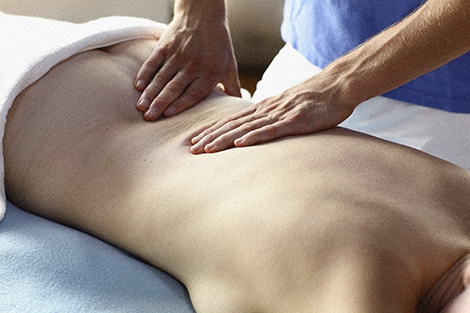
Research released last November is another step towards the scientific proof of just how powerful massage can be in treating a myriad of ailments safely and effectively. In fact, it suggested that health professionals, such as GPs and nurses, should be more active in including massages as part of treatment plans for illnesses ranging from back pains to stress and chronic conditions.
“Sadly, the majority of people in western populations, including doctors, have never experienced a professional massage,” says Professor Marc Cohen, from Australia’s RMIT University (see sb08/4 p44). “This presents an opportunity for spas to expand into vast new markets. Doctors need to become more educated about spa services and spas need to change their image from being providers of pampering and luxury to providers of an effective and essential therapeutic service.”
multiple benefits The study, which was commissioned by the Australian Association of Massage Therapy (AAMT) and conducted by RMIT University, is a review of 740 existing academic research papers focused on the therapeutic benefits of massage. The mix of Australian and international papers, which were published between 1978 and 2008, included a variety of systematic reviews, randomised controlled trials, comparative studies, case-series/studies and cross-sectional studies.
A number of massage disciplines were covered including acupressure, Bowen therapy, lymphatic drainage, myofascial release (see sb07/2 p78), reflexology, rolfing, Swedish massage, sports massage, infant massage, tui na and trigger point therapies.
The review found that there was moderate to strong evidence (grade a and b) to support massage therapy in six out of 28 conditions. It was found to be most effective in treating nausea and vomiting, anxiety, chronic disease management – especially lower back pain – delayed onset muscle soreness and pulmonary function.
Lead researcher, Dr Kenny Ng says it was also particularly helpful in relieving stress and aiding relaxation, as well as supporting “the wellbeing of patients with chronic and terminal diseases such as cancer”.
what’s next? Tricia Hughes, chief executive of AAMT, says: “There’s a growing body of research supporting massage therapy as being an evidence-based therapeutic modality. We certainly hope this report leads the way for future research in the field of massage therapy. This groundwork provides remedial massage therapists, complementary and alternative medicine practitioners and the broader allied health community with a basis to pursue evidence-based practice.”
The promising benefits of massage therapy for infants and people with specific health conditions were highlighted as two areas to further explore. It was also suggested that more research is required to determine the benefits of massage in people with depression and post-natal depression, labour pain, fibromyalgia, premenstrual syndrome, urinary symptoms in multiple sclerosis, myofascial pain and osteoarthritis in the knee.
Cohen adds: “There’s also a need to explore the economic benefits – reduced healthcare costs and increased industrial productivity – of providing massage services to people experiencing significant stress and other chronic conditions.”
*Dr Ng, K & Professor Cohen, M. The Effectiveness of Massage Therapy: A Summary of Evidence-Based Research. RMIT University, Australia, November 2011
Read more from this issue of Attractions Management magazine
View contents of Attractions Management 2012 issue 3
Ask an expert: Corporate wellness
Wellness programmes for corporate employees is a lucrative and growing market. What can spas do to tap into this possible new revenue generator?
Training: Anne Bramham
ASTECC is the sole spa training organisation working with Montage. Founder Anne Bramham explains what makes them stand out
Resort spa: Castles & dreams
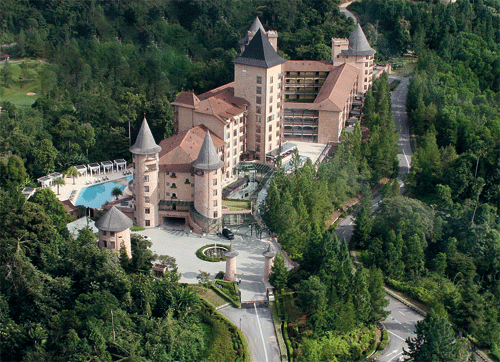
Jennifer Harbottle looks round The Chateau – an organic wellness resort modelled on a French castle but located in the Malaysian rainforest
Mother & Baby spas: Latching on
Independent, wealthy women are redefining motherhood. Mari Stevens investigates this new emerging group
City focus – Chicago: Chicagoland
Lisa Starr takes a look at a cross-section of spas in Chicago and how they differentiate themselves in the thriving urban spa location
Summit review: Outside the box
The sixth Global Spa & Wellness Summit in Aspen hosted a number of expert speakers. Katie Barnes reports
Spa tourism – Madeira: Madeiran Marvel
The Portuguese island of Madeira holds much promise as a wellness destination. Anni Hood finds out about its spa tourism strategy
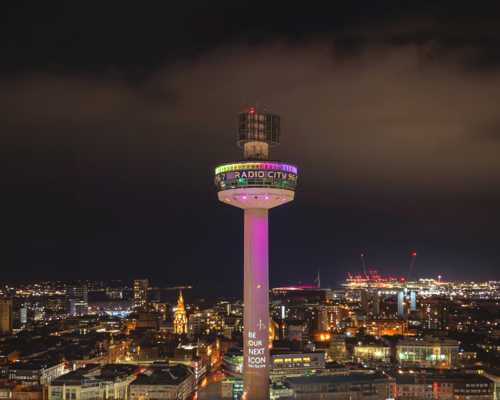
An opportunity to reimagine one of the UK’s most recognisable towers has been formally
opened by Rivington Hark, as St Johns Beacon invites operators and partners to shape its
next phase. [more...]
Nurses and GPs should prescribe massages more, the study says
Research released last November is another step towards the scientific proof of just how powerful massage can be in treating a myriad of ailments safely and effectively. In fact, it suggested that health professionals, such as GPs and nurses, should be more active in including massages as part of treatment plans for illnesses ranging from back pains to stress and chronic conditions.
“Sadly, the majority of people in western populations, including doctors, have never experienced a professional massage,” says Professor Marc Cohen, from Australia’s RMIT University (see sb08/4 p44). “This presents an opportunity for spas to expand into vast new markets. Doctors need to become more educated about spa services and spas need to change their image from being providers of pampering and luxury to providers of an effective and essential therapeutic service.”
multiple benefits The study, which was commissioned by the Australian Association of Massage Therapy (AAMT) and conducted by RMIT University, is a review of 740 existing academic research papers focused on the therapeutic benefits of massage. The mix of Australian and international papers, which were published between 1978 and 2008, included a variety of systematic reviews, randomised controlled trials, comparative studies, case-series/studies and cross-sectional studies.
A number of massage disciplines were covered including acupressure, Bowen therapy, lymphatic drainage, myofascial release (see sb07/2 p78), reflexology, rolfing, Swedish massage, sports massage, infant massage, tui na and trigger point therapies.
The review found that there was moderate to strong evidence (grade a and b) to support massage therapy in six out of 28 conditions. It was found to be most effective in treating nausea and vomiting, anxiety, chronic disease management – especially lower back pain – delayed onset muscle soreness and pulmonary function.
Lead researcher, Dr Kenny Ng says it was also particularly helpful in relieving stress and aiding relaxation, as well as supporting “the wellbeing of patients with chronic and terminal diseases such as cancer”.
what’s next? Tricia Hughes, chief executive of AAMT, says: “There’s a growing body of research supporting massage therapy as being an evidence-based therapeutic modality. We certainly hope this report leads the way for future research in the field of massage therapy. This groundwork provides remedial massage therapists, complementary and alternative medicine practitioners and the broader allied health community with a basis to pursue evidence-based practice.”
The promising benefits of massage therapy for infants and people with specific health conditions were highlighted as two areas to further explore. It was also suggested that more research is required to determine the benefits of massage in people with depression and post-natal depression, labour pain, fibromyalgia, premenstrual syndrome, urinary symptoms in multiple sclerosis, myofascial pain and osteoarthritis in the knee.
Cohen adds: “There’s also a need to explore the economic benefits – reduced healthcare costs and increased industrial productivity – of providing massage services to people experiencing significant stress and other chronic conditions.”
*Dr Ng, K & Professor Cohen, M. The Effectiveness of Massage Therapy: A Summary of Evidence-Based Research. RMIT University, Australia, November 2011
Read more from this issue of Attractions Management magazine
View contents of Attractions Management 2012 issue 3
Ask an expert: Corporate wellness
Wellness programmes for corporate employees is a lucrative and growing market. What can spas do to tap into this possible new revenue generator?
Training: Anne Bramham
ASTECC is the sole spa training organisation working with Montage. Founder Anne Bramham explains what makes them stand out
Resort spa: Castles & dreams
Jennifer Harbottle looks round The Chateau – an organic wellness resort modelled on a French castle but located in the Malaysian rainforest
Mother & Baby spas: Latching on
Independent, wealthy women are redefining motherhood. Mari Stevens investigates this new emerging group
City focus – Chicago: Chicagoland
Lisa Starr takes a look at a cross-section of spas in Chicago and how they differentiate themselves in the thriving urban spa location
Summit review: Outside the box
The sixth Global Spa & Wellness Summit in Aspen hosted a number of expert speakers. Katie Barnes reports
Spa tourism – Madeira: Madeiran Marvel
The Portuguese island of Madeira holds much promise as a wellness destination. Anni Hood finds out about its spa tourism strategy
Hotel de France, located on the British Isle of Jersey, has created a wellness retreat package
that includes a hot yoga session that will take place in Jersey Zoo’s butterfly sanctuary.
A new immersive attraction designed to transport visitors into the final hours of ancient Pompeii
is preparing to open near the world-famous archaeological site in southern Italy.
Experience design company, BRC Imagination Arts, has completed a transition that sees founder
Bob Rogers pass ownership of the business to four long-serving senior executives, while
remaining actively involved with the company.
Movie Park Germany has opened a new Paramount Pictures-themed attraction as part of its 30th
anniversary celebrations, using immersive storytelling and adaptive reuse to reinforce the park’s
longstanding “Hollywood in Germany” positioning.
Therme Manchester’s 28-acre development, which will include interconnected glass pavilions
that measure 65,000sq m, will be the largest bathing and wellbeing attraction in the world once
complete, according to prof David Russell, CEO of Therme UK.
Efteling has opened Hooghmoed, a new family drop tower designed to broaden the appeal of its
recently launched Sirene Island themed area and introduce younger visitors to thrill attractions.
A proposed Puy du Fou development near Bicester and Universal Destinations and Experiences’
planned resort in Bedford are emerging as part of a wider transformation of the Oxford–
Cambridge Growth Corridor into a major centre for UK leisure and tourism inv
Shedd Aquarium has opened the Immersion Theater developed in partnership with SimEx-
Iwerks, as part of a wider strategy to enhance the guest experience and create additional
revenue opportunities.
The UK government has announced a temporary reduction in VAT on visitor attractions and
children’s meals as part of a summer cost-of-living support package designed to stimulate the
visitor economy and encourage family days out.
As designer Yinka Ilori prepares for his first solo gallery show in London, he speaks exclusively
to CLADmag about his mission to spread joy, the power of play, and his bold approach to using
colour (including the colours you won’t see in his work).
The government of Thailand is exploring plans for a THB300bn (£6.3bn, US$8.3bn)
entertainment complex in the country’s Eastern Economic Corridor (EEC), with officials
proposing a large-scale theme park and sports destination as part of a broader tourism and
economic development strategy.
An opportunity to reimagine one of the UK’s most recognisable towers has been formally
opened by Rivington Hark, as St Johns Beacon invites operators and partners to shape its
next phase. [more...]