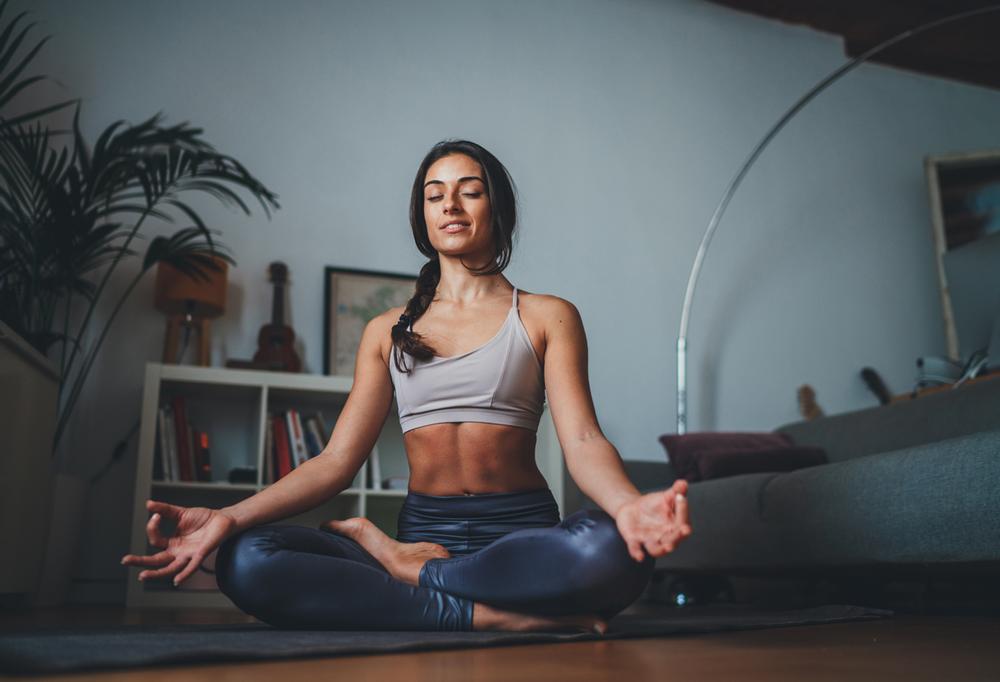
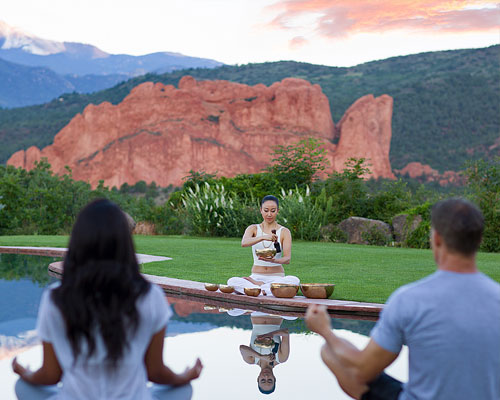
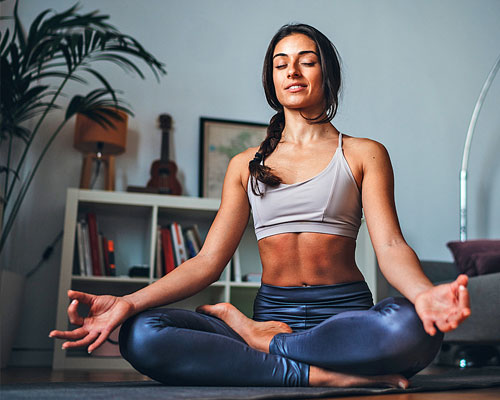
Meditation has grown in popularity during the pandemic / ImYanis/shutterstock
We’re now starting to get consumer feedback on the toll the coronavirus has taken on people’s wellbeing. More than 50 per cent of Americans and Brits say their mental health has declined because of COVID-19 and 48 per cent of Australians agree. This is forcing them to reconsider their health. The vast majority (78 per cent) believe that wellness is more important than ever. Fifty-nine per cent report that they’re more focused on their health and wellness since the pandemic started.
These are some of the findings from a consumer survey of 20,000 people in the US, UK and Australia, commissioned by software supplier Mindbody (see p82).
What’s driving the interest? The number one reason people focus on wellness is to reduce stress – something spas know something about!
The second most popular reason overall is wanting to be healthier to withstand disease. Wellness businesses would be wise to highlight health benefits of their offerings to get the attention of the many who are looking to improve the strength of their immune system.
The third most popular reason? Just under half (46 per cent) say they have more free time. This is a time when consumers have the time and are willing to try adding something new into their wellness routines.
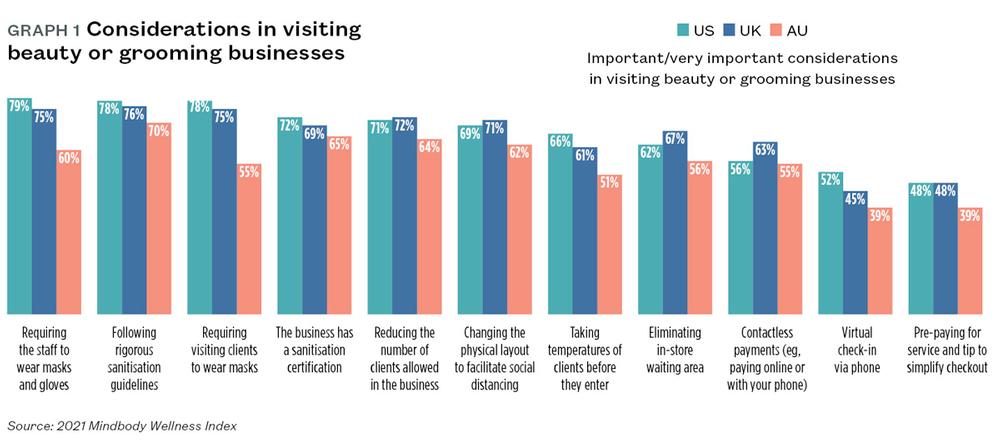
The need to feel safe Understandably people are more cautious than ever when it comes to health and safety in spas and salons (see Graph 1). Seventy-nine per cent of Americans believe it’s important or very important for staff to wear masks and gloves and 75 per cent of Brits and 60 per cent of Australians say the same.
While spas have always been extremely clean and hygienic, explicitly communicating the cleaning process to clients is crucial. Rigorous sanitisation guidelines and even having a sanitisation certification are important factors for a majority in deciding to frequent a business. Some facilities have deployed sanitising UV light fixtures and upgraded air purification systems to make staff and clients feel more comfortable.
Also of high importance are requiring clients to wear masks and reducing the number of clients allowed in a business at any one time.
A time for low touch? Lingering concerns for consumers also spill over into service choices. Although what people say they want doesn’t always tally with their actions.
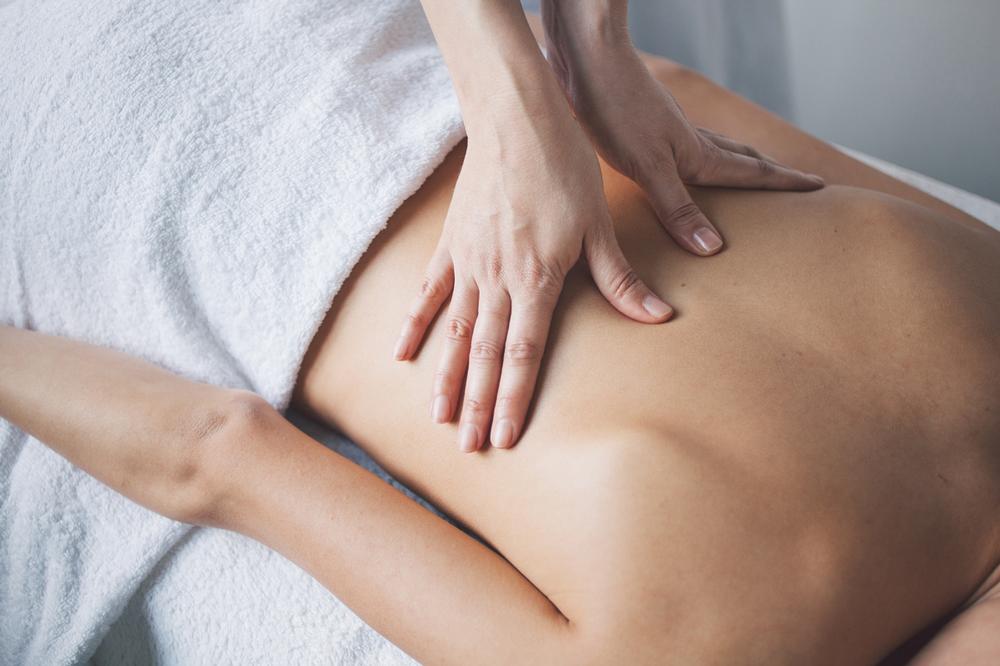
Fifty-eight per cent say they’re less interested in trying ‘high-touch’ spa services since COVID. Yet when asked which spa treatments they’ve tried more frequently since the onset of the pandemic, massage was the top answer – 19 per cent of respondents had enjoyed one since the coronavirus outbreak and 23 per cent of that group now get massages more frequently.
In 2020, we were wondering if guests would ever return to spas for hands-on therapies, but these results reveal that we cannot underestimate the importance of physical touch to our guests.
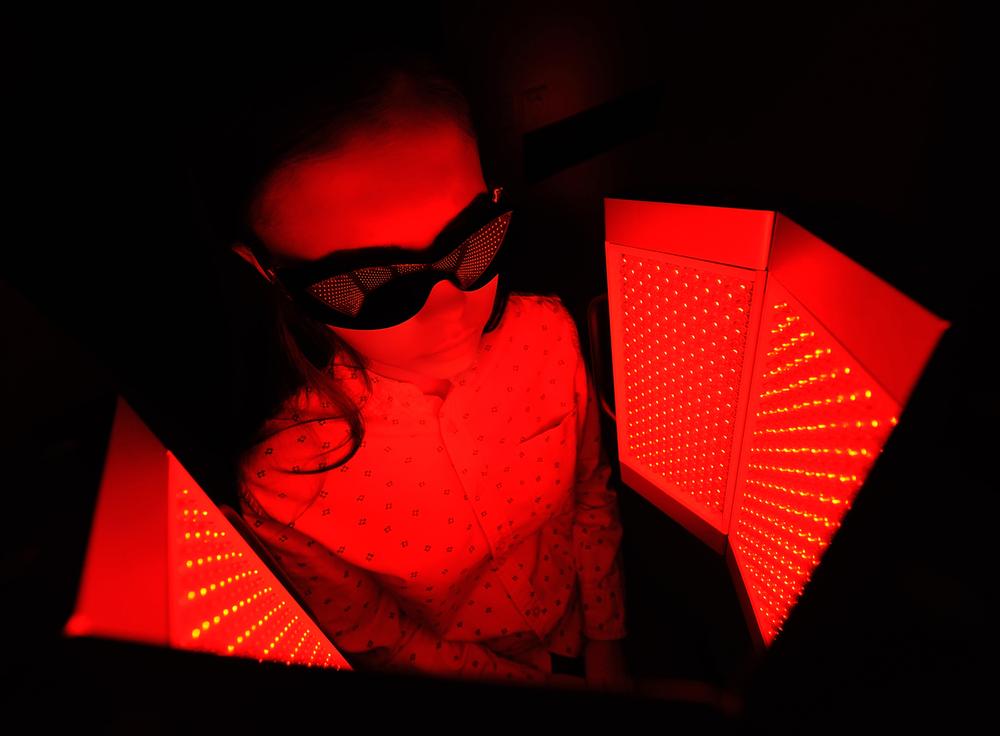
In comparison, 31 per cent of people are more interested in trying ‘low-touch’ options, such as cryotherapy, infrared saunas, red light therapy and floatation. Yet these are the least popular choice of treatments since the pandemic started, with only 12 per cent of consumers trying one of these services.
The only exception was meditation, which became more popular. Seventeen per cent of respondents practice it and a quarter of that group report they’ve meditated more since the pandemic started.
Ten per cent of Americans tried health or life coaching last year and 6 per cent of Brits and Australians did the same. Of those who received coaching, 14 per cent of Americans received it more frequently since the start of the pandemic compared to 9 per cent of Brits and Australians.
We expected to see significant gains in relation to services such as cryotherapy, infrared sauna, red light therapy and floatation, as they allow health-seeking individuals to feel they’re doing something proactive for their wellness during complicated times without coming into close contact with therapists. However, it’s likely that the majority of spas do not have many low-touch options and there may be less awareness of these services generally. It’s still encouraging that almost a third of clients are willing to try low-touch options and this may still be the time to introduce such services.
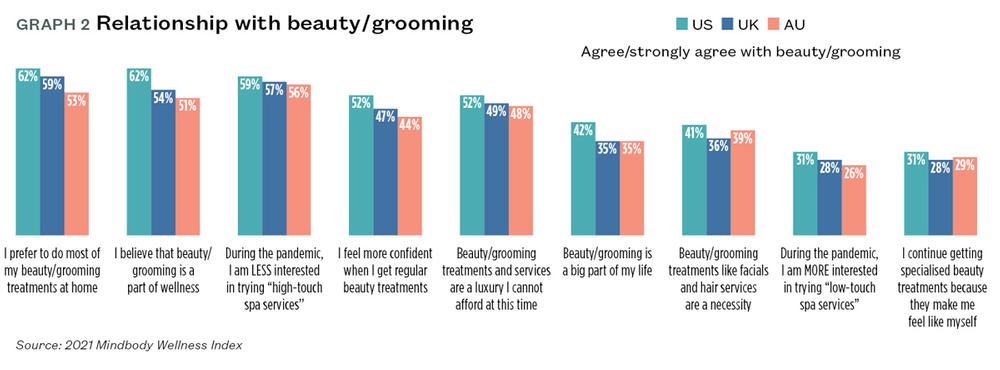
Beauty & grooming Consumers across the three countries, the UK, US and Australia, report similar relationships with beauty and grooming, as shown in Graph 2.
Sixty per cent say beauty and grooming, which includes services like haircuts, facials and skin treatments, are part of wellness. Fifty-one per cent of respondents say they feel more confident when they receive regular beauty treatments and 40 per cent say facials and hair services are a necessity. Thirty per cent say specialised beauty treatments such as lash extensions and blowouts make them “feel more like themselves”.
This suggests that spas and salons which offer beauty and grooming could reap the benefits as economies reopen and clients resume their former activities.
When asked why they book beauty or grooming services, the number one reason was to relax and ‘take care of oneself’ (28 per cent book for this reason), 23 per cent do so to maintain their appearance, 20 per cent to boost self-confidence and 11 per cent to prepare for an event or special occasion.
When it comes to the time spent on beauty and grooming, 62 per cent are spending the same amount of time they were pre pandemic or even more. Americans are most likely to spend time and attention on beauty and grooming (20 per cent), while 18 per cent of Brits and 14 per cent of Australians say the same.
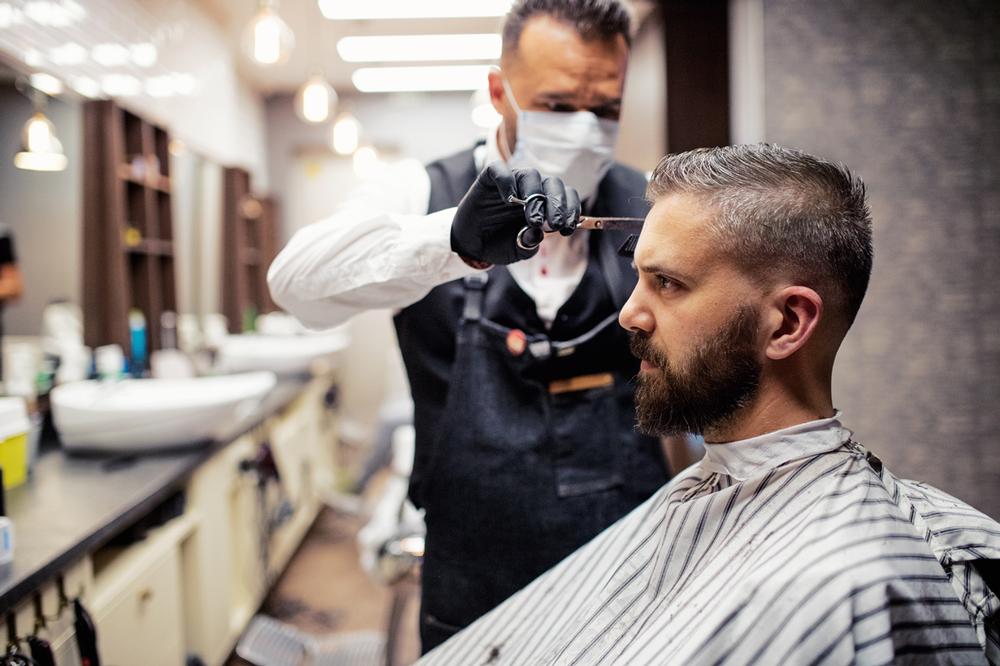
Despite being in a pandemic, people want to look and feel good. Of the services tried since COVID-19, the most popular is haircuts, with 39 per cent saying they got one since the pandemic began. Twenty-one per cent got their hair coloured, 18 per cent received manicures or pedicures, 15 per cent opted for barber services and 15 per cent got facials.
However, it’s also worth noting that 61 per cent of people now perform most of their beauty treatments at home. This is likely due to several factors. This survey was done during a pandemic so venues may not have been open or, if they were, had limited capacity and hours making it difficult to secure a convenient appointment. Safety could still be of concern and there are probably financial implications at play as well.
Reasons for optimism While it’s clear that COVID-19 has impacted wellness around the world, the 2021 Mindbody Wellness Index offers reasons for optimism. People are more focused on their wellness than they were and the services that spas and salons offer are crucial in helping consumers restore their physical and mental health.
Clients still clearly value the services spas and salons provide and are appreciating the health and safety guidelines in place. Many spas and salons have been operating at or close to capacity since reopening, with clients shifting to online booking and being very understanding about business limitations.
Anecdotally, we know that consumers have, in general, been more open to changes, including a more limited menu selection, price adjustments and personnel shifts.
Spas and salons have always been clean and safe businesses and now is the time to focus on solidifying relationships with clients as they return and we move forward together towards a post-pandemic world.
At a glance
• More than 50% of Americans and Brits say their mental health has declined because of COVID-19 and 48% of Australians agree
• 78% believe that wellness is more important than ever
• 59% report that they’re more focused on their health and wellness since the pandemic started
• The top reason people focus on wellness is to reduce stress, followed by wanting to be healthier and having more free time for wellness
• 79% of Americans believe it’s important or very important for spa staff to wear masks and gloves and 75% of Brits and 60% of Australians say the same
• Also of high importance are requiring clients to wear masks and reducing the number of clients allowed in a business at once
About the survey
The 2021 Mindbody Wellness Index is based on a survey of consumers in the US (19,882), the UK (1,525) and Australia (1,512). A third-party agency provided survey participants from the general population aged 18-65. The survey was conducted between mid-October and mid-November, 2020. See all findings here: www.spabusiness.com/mindbodyindex
Analysis in this article has also been based on an additional survey asking consumers about their opinions on returning to spas/salons post-vaccination. These viewpoints were gathered from 1,058 participants, aged 18-65, only in the US in February 2021. Learn more about the results of that survey here: www.spabusiness.com/mindbodyvaccine
Spa people: Adrian Zecha
Adrian Zecha talks about his latest brands and why he's not planning retirement anytime soon
Spa people: Michala Chatel
Ultima Collection's managing partner explains why and how it's adding wellness options to exclusively rented villas and properties
Spa people: Stephanie Stahl
The Ace of Air co-founder tackles sustainability head on with a 'buy the product rent the packaging' scheme
Menu engineering: At your service
Art and sauna bathing collide in a Japanese exhibition; Banyan Tree rolls out its Wellbeing Sanctuary concept globally
Top team: Capella
Neena Dhillon talks to the owning company and senior executives from this burgeoning Asian hospitality brand with a passion for wellness
Ask an Expert: Treating Long COVID
One in 20 people who've had coronavirus are still battling its side effects for three months or more. How can spas help?
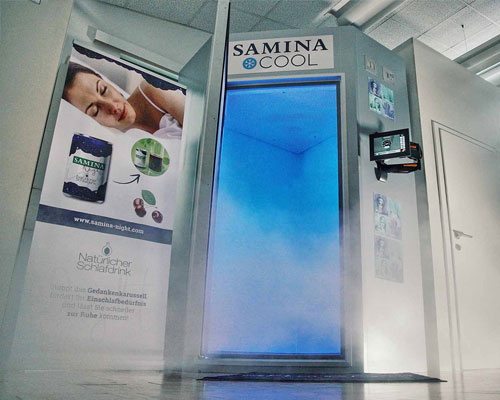
Promotion: Art of Cryo: Cool night's sleep
High-performance cryo chamber specialist Art of Cryo joins forces with leading bed manufacturer Samina to launch cryo centres for sleep health
Interview: Stelian Iacob
Therme Group's COO tells Katie Barnes how it's making the traditional thermal facility model more relevant to today's consumers
First person: Yasuragi
Spas in Sweden stayed open in the pandemic, but does the nation still have an appetite for wellness? Andrew Gibson investigates at this Japanese concept spa hotel near Stockholm
Interview: Tammy Pahel
The VP of spa at Carillon Miami candidly shares some of the challenges of the past year with Lisa Starr and explains why she's investing in touchless innovations
Spa survey: Wellness time
A new consumer survey shows how people's attitudes towards wellness and spas have changed. Mindbody's Katherine Wernet
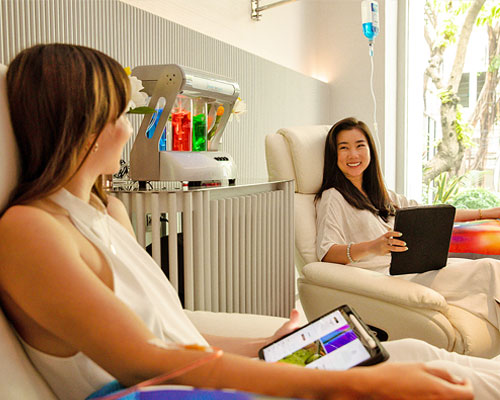
Focus on: IV nutrition therapy
Is IV nutrition therapy as credible as some spas claim? Lisa Starr investigates this increasingly popular treatment
An opportunity to reimagine one of the UK’s most recognisable towers has been formally
opened by Rivington Hark, as St Johns Beacon invites operators and partners to shape its
next phase. [more...]
Meditation has grown in popularity during the pandemic / ImYanis/shutterstock
We’re now starting to get consumer feedback on the toll the coronavirus has taken on people’s wellbeing. More than 50 per cent of Americans and Brits say their mental health has declined because of COVID-19 and 48 per cent of Australians agree. This is forcing them to reconsider their health. The vast majority (78 per cent) believe that wellness is more important than ever. Fifty-nine per cent report that they’re more focused on their health and wellness since the pandemic started.
These are some of the findings from a consumer survey of 20,000 people in the US, UK and Australia, commissioned by software supplier Mindbody (see p82).
What’s driving the interest? The number one reason people focus on wellness is to reduce stress – something spas know something about!
The second most popular reason overall is wanting to be healthier to withstand disease. Wellness businesses would be wise to highlight health benefits of their offerings to get the attention of the many who are looking to improve the strength of their immune system.
The third most popular reason? Just under half (46 per cent) say they have more free time. This is a time when consumers have the time and are willing to try adding something new into their wellness routines.
The need to feel safe Understandably people are more cautious than ever when it comes to health and safety in spas and salons (see Graph 1). Seventy-nine per cent of Americans believe it’s important or very important for staff to wear masks and gloves and 75 per cent of Brits and 60 per cent of Australians say the same.
While spas have always been extremely clean and hygienic, explicitly communicating the cleaning process to clients is crucial. Rigorous sanitisation guidelines and even having a sanitisation certification are important factors for a majority in deciding to frequent a business. Some facilities have deployed sanitising UV light fixtures and upgraded air purification systems to make staff and clients feel more comfortable.
Also of high importance are requiring clients to wear masks and reducing the number of clients allowed in a business at any one time.
A time for low touch? Lingering concerns for consumers also spill over into service choices. Although what people say they want doesn’t always tally with their actions.
Fifty-eight per cent say they’re less interested in trying ‘high-touch’ spa services since COVID. Yet when asked which spa treatments they’ve tried more frequently since the onset of the pandemic, massage was the top answer – 19 per cent of respondents had enjoyed one since the coronavirus outbreak and 23 per cent of that group now get massages more frequently.
In 2020, we were wondering if guests would ever return to spas for hands-on therapies, but these results reveal that we cannot underestimate the importance of physical touch to our guests.
In comparison, 31 per cent of people are more interested in trying ‘low-touch’ options, such as cryotherapy, infrared saunas, red light therapy and floatation. Yet these are the least popular choice of treatments since the pandemic started, with only 12 per cent of consumers trying one of these services.
The only exception was meditation, which became more popular. Seventeen per cent of respondents practice it and a quarter of that group report they’ve meditated more since the pandemic started.
Ten per cent of Americans tried health or life coaching last year and 6 per cent of Brits and Australians did the same. Of those who received coaching, 14 per cent of Americans received it more frequently since the start of the pandemic compared to 9 per cent of Brits and Australians.
We expected to see significant gains in relation to services such as cryotherapy, infrared sauna, red light therapy and floatation, as they allow health-seeking individuals to feel they’re doing something proactive for their wellness during complicated times without coming into close contact with therapists. However, it’s likely that the majority of spas do not have many low-touch options and there may be less awareness of these services generally. It’s still encouraging that almost a third of clients are willing to try low-touch options and this may still be the time to introduce such services.
Beauty & grooming Consumers across the three countries, the UK, US and Australia, report similar relationships with beauty and grooming, as shown in Graph 2.
Sixty per cent say beauty and grooming, which includes services like haircuts, facials and skin treatments, are part of wellness. Fifty-one per cent of respondents say they feel more confident when they receive regular beauty treatments and 40 per cent say facials and hair services are a necessity. Thirty per cent say specialised beauty treatments such as lash extensions and blowouts make them “feel more like themselves”.
This suggests that spas and salons which offer beauty and grooming could reap the benefits as economies reopen and clients resume their former activities.
When asked why they book beauty or grooming services, the number one reason was to relax and ‘take care of oneself’ (28 per cent book for this reason), 23 per cent do so to maintain their appearance, 20 per cent to boost self-confidence and 11 per cent to prepare for an event or special occasion.
When it comes to the time spent on beauty and grooming, 62 per cent are spending the same amount of time they were pre pandemic or even more. Americans are most likely to spend time and attention on beauty and grooming (20 per cent), while 18 per cent of Brits and 14 per cent of Australians say the same.
Despite being in a pandemic, people want to look and feel good. Of the services tried since COVID-19, the most popular is haircuts, with 39 per cent saying they got one since the pandemic began. Twenty-one per cent got their hair coloured, 18 per cent received manicures or pedicures, 15 per cent opted for barber services and 15 per cent got facials.
However, it’s also worth noting that 61 per cent of people now perform most of their beauty treatments at home. This is likely due to several factors. This survey was done during a pandemic so venues may not have been open or, if they were, had limited capacity and hours making it difficult to secure a convenient appointment. Safety could still be of concern and there are probably financial implications at play as well.
Reasons for optimism While it’s clear that COVID-19 has impacted wellness around the world, the 2021 Mindbody Wellness Index offers reasons for optimism. People are more focused on their wellness than they were and the services that spas and salons offer are crucial in helping consumers restore their physical and mental health.
Clients still clearly value the services spas and salons provide and are appreciating the health and safety guidelines in place. Many spas and salons have been operating at or close to capacity since reopening, with clients shifting to online booking and being very understanding about business limitations.
Anecdotally, we know that consumers have, in general, been more open to changes, including a more limited menu selection, price adjustments and personnel shifts.
Spas and salons have always been clean and safe businesses and now is the time to focus on solidifying relationships with clients as they return and we move forward together towards a post-pandemic world.
At a glance
• More than 50% of Americans and Brits say their mental health has declined because of COVID-19 and 48% of Australians agree
• 78% believe that wellness is more important than ever
• 59% report that they’re more focused on their health and wellness since the pandemic started
• The top reason people focus on wellness is to reduce stress, followed by wanting to be healthier and having more free time for wellness
• 79% of Americans believe it’s important or very important for spa staff to wear masks and gloves and 75% of Brits and 60% of Australians say the same
• Also of high importance are requiring clients to wear masks and reducing the number of clients allowed in a business at once
About the survey
The 2021 Mindbody Wellness Index is based on a survey of consumers in the US (19,882), the UK (1,525) and Australia (1,512). A third-party agency provided survey participants from the general population aged 18-65. The survey was conducted between mid-October and mid-November, 2020. See all findings here: www.spabusiness.com/mindbodyindex
Analysis in this article has also been based on an additional survey asking consumers about their opinions on returning to spas/salons post-vaccination. These viewpoints were gathered from 1,058 participants, aged 18-65, only in the US in February 2021. Learn more about the results of that survey here: www.spabusiness.com/mindbodyvaccine
Spa people: Adrian Zecha
Adrian Zecha talks about his latest brands and why he's not planning retirement anytime soon
Spa people: Michala Chatel
Ultima Collection's managing partner explains why and how it's adding wellness options to exclusively rented villas and properties
Spa people: Stephanie Stahl
The Ace of Air co-founder tackles sustainability head on with a 'buy the product rent the packaging' scheme
Menu engineering: At your service
Art and sauna bathing collide in a Japanese exhibition; Banyan Tree rolls out its Wellbeing Sanctuary concept globally
Top team: Capella
Neena Dhillon talks to the owning company and senior executives from this burgeoning Asian hospitality brand with a passion for wellness
Ask an Expert: Treating Long COVID
One in 20 people who've had coronavirus are still battling its side effects for three months or more. How can spas help?
Promotion: Art of Cryo: Cool night's sleep
High-performance cryo chamber specialist Art of Cryo joins forces with leading bed manufacturer Samina to launch cryo centres for sleep health
Interview: Stelian Iacob
Therme Group's COO tells Katie Barnes how it's making the traditional thermal facility model more relevant to today's consumers
First person: Yasuragi
Spas in Sweden stayed open in the pandemic, but does the nation still have an appetite for wellness? Andrew Gibson investigates at this Japanese concept spa hotel near Stockholm
Interview: Tammy Pahel
The VP of spa at Carillon Miami candidly shares some of the challenges of the past year with Lisa Starr and explains why she's investing in touchless innovations
Spa survey: Wellness time
A new consumer survey shows how people's attitudes towards wellness and spas have changed. Mindbody's Katherine Wernet
Focus on: IV nutrition therapy
Is IV nutrition therapy as credible as some spas claim? Lisa Starr investigates this increasingly popular treatment
Hotel de France, located on the British Isle of Jersey, has created a wellness retreat package
that includes a hot yoga session that will take place in Jersey Zoo’s butterfly sanctuary.
A new immersive attraction designed to transport visitors into the final hours of ancient Pompeii
is preparing to open near the world-famous archaeological site in southern Italy.
Experience design company, BRC Imagination Arts, has completed a transition that sees founder
Bob Rogers pass ownership of the business to four long-serving senior executives, while
remaining actively involved with the company.
Movie Park Germany has opened a new Paramount Pictures-themed attraction as part of its 30th
anniversary celebrations, using immersive storytelling and adaptive reuse to reinforce the park’s
longstanding “Hollywood in Germany” positioning.
Therme Manchester’s 28-acre development, which will include interconnected glass pavilions
that measure 65,000sq m, will be the largest bathing and wellbeing attraction in the world once
complete, according to prof David Russell, CEO of Therme UK.
Efteling has opened Hooghmoed, a new family drop tower designed to broaden the appeal of its
recently launched Sirene Island themed area and introduce younger visitors to thrill attractions.
A proposed Puy du Fou development near Bicester and Universal Destinations and Experiences’
planned resort in Bedford are emerging as part of a wider transformation of the Oxford–
Cambridge Growth Corridor into a major centre for UK leisure and tourism inv
Shedd Aquarium has opened the Immersion Theater developed in partnership with SimEx-
Iwerks, as part of a wider strategy to enhance the guest experience and create additional
revenue opportunities.
The UK government has announced a temporary reduction in VAT on visitor attractions and
children’s meals as part of a summer cost-of-living support package designed to stimulate the
visitor economy and encourage family days out.
As designer Yinka Ilori prepares for his first solo gallery show in London, he speaks exclusively
to CLADmag about his mission to spread joy, the power of play, and his bold approach to using
colour (including the colours you won’t see in his work).
The government of Thailand is exploring plans for a THB300bn (£6.3bn, US$8.3bn)
entertainment complex in the country’s Eastern Economic Corridor (EEC), with officials
proposing a large-scale theme park and sports destination as part of a broader tourism and
economic development strategy.
An opportunity to reimagine one of the UK’s most recognisable towers has been formally
opened by Rivington Hark, as St Johns Beacon invites operators and partners to shape its
next phase. [more...]