Oman’s tourism strategy is already seeing results, with new hotels,
mixed-use developments and attractions planned. Can it boost
its visitor numbers from 2.5 million to 5 million by 2040?
By Alice Davis | Published in Attractions Management 2017 issue 1
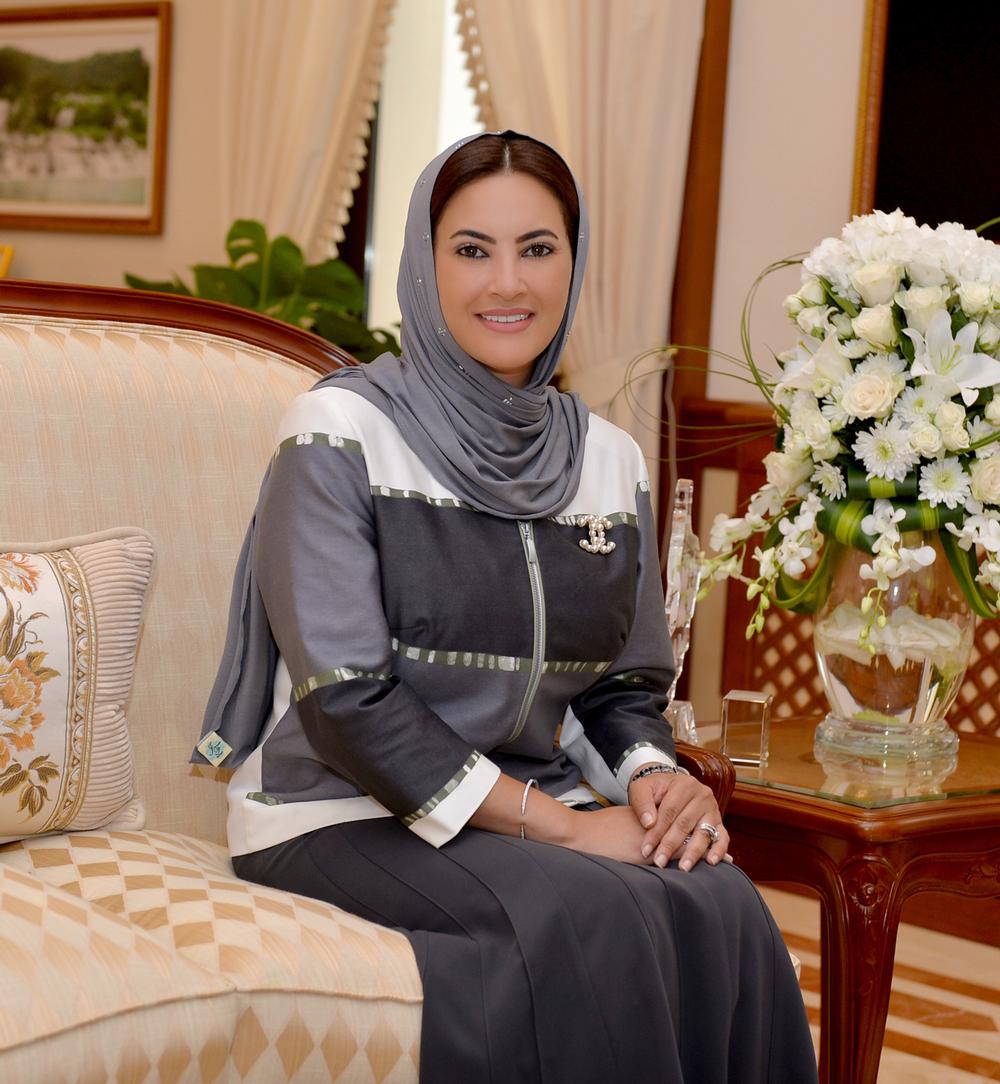
Her Excellency Maitha Al Mahrouqi is under secretary of Oman’s Ministry of Tourism
Its UAE neighbour has been getting all the attention lately, but Oman has a plan to change that. If the nation can harness growing interest in the Middle East as a tourist destination and raise its profile, it could be on to a winner. We spoke to Her Excellency Maitha Al Mahrouqi, under secretary of the Ministry of Tourism for Oman, to find out more.
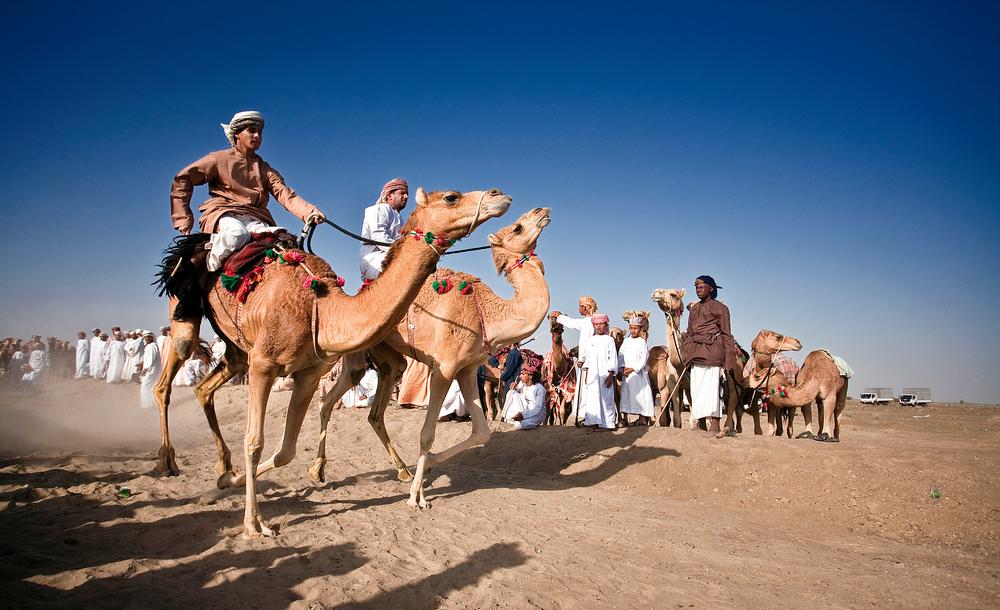
What is the strategy for boosting tourism to Oman? The Oman Ministry of Tourism’s 2040 Tourism Strategy is based on a cluster approach that creates a series of unique tourism experiences in different areas of Oman, reflecting local culture and heritage. The Ministry is trying to encourage visitors to spend some time in Muscat before escaping to the cool of the mountains, having a true Bedouin experience in the desert or travelling down to Salalah in the south of the Sultanate, which has a different climate entirely.
The Ministry is focusing on pushing Salalah’s experiential offering. Salalah is becoming an increasingly popular destination and the opening of the brand new airport in Salalah is playing an important role in tourism development in this region. The multi-product offering, including a pristine coastline, a picturesque mountain chain, and the vast expanse of the desert presents a variety of special and unusual experiences.
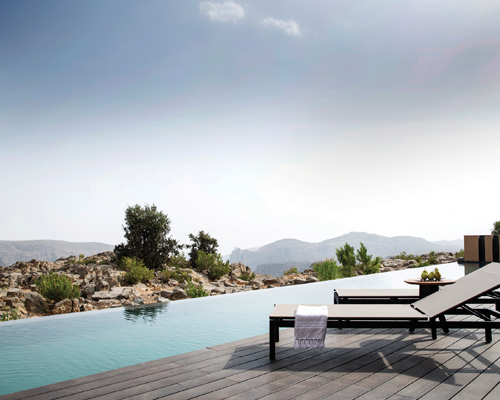
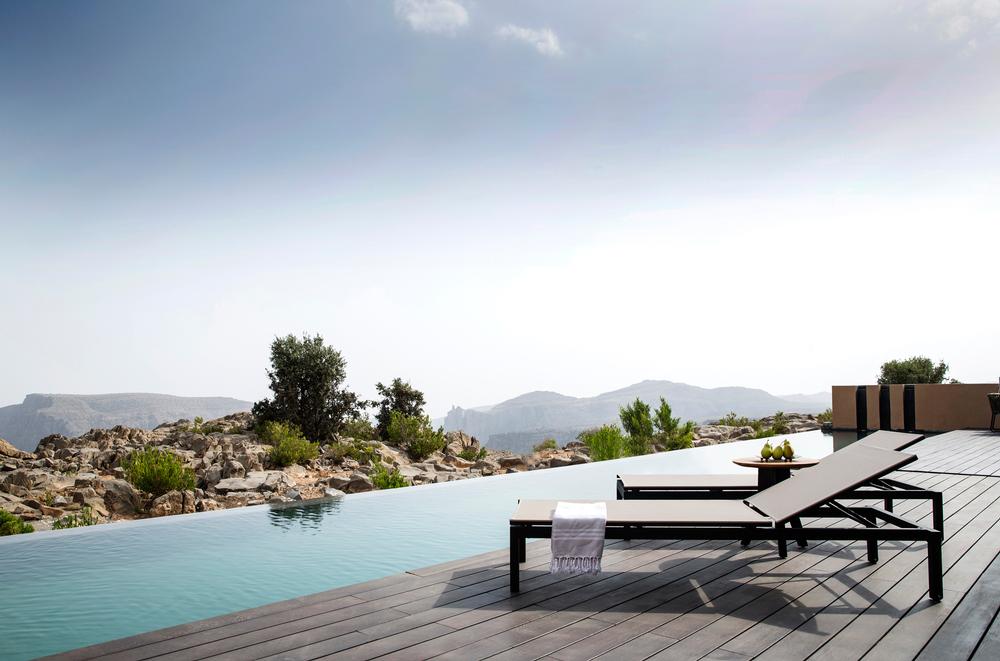
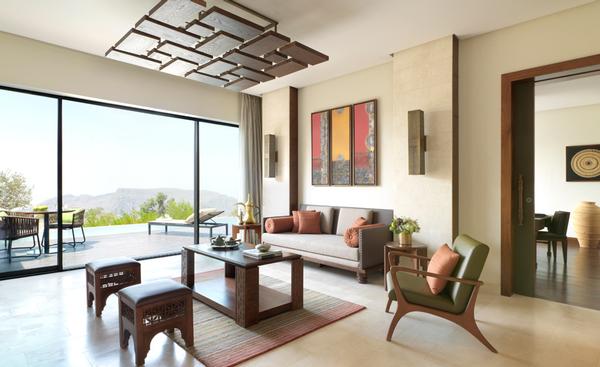
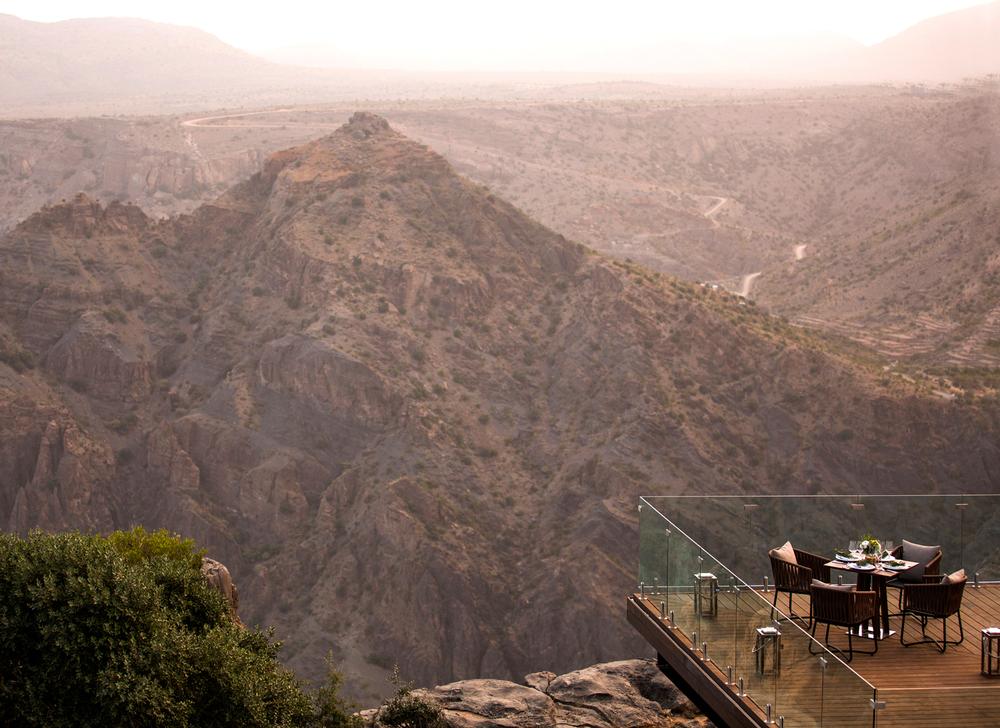
Meanwhile, tourism infrastructure across Oman is being rapidly enhanced, with the planned opening in the near future of the new extended Muscat International Airport. Furthermore, several five-star resorts opened in 2016, including the Anantara in Jebel Akhdar and Salalah. Additionally, a refurbished Sheraton re-opened in Muscat and construction is underway on Oman’s first W Hotel.
The Tourism Strategy has identified digital marketing and promotion as the most effective platforms to promote Oman as a preferred and top-of-mind tourism destination. As such, efforts are being channelled into those particular vehicles of communication in order to boost tourism in the destination.
The priority is to ensure that the experiential tourism offering in Oman continues to develop sensitively, protecting both the physical and cultural environment, and that the destination retains its identity and heritage, while showcasing the country and people to an international audience.
What is the tourist profile? Oman caters for holidaymakers looking for a truly authentic, quality Arabian experience. Oman is witnessing an increase in travel from those consumers with an experiential travel focus. Visitors are interested in history and culture and activities such as sailing, cycling, trekking, golf, diving, spa and wellness and other special interest groups. It is predicted that these markets will continue to grow as Oman’s product offering develops. Special-interest groups constitute one of the fastest-growing segments of world tourism, and Oman perfectly caters for that category.
How many tourists do you hope to attract by 2040 and how will you reach these predictions? By 2040, Oman aims to attract more than five million international visitors, in addition to same-day visitors and domestic tourists, making tourism one of the most significant income generators in the Sultanate, at just over six per cent of annual GDP.
These figures will be achieved by promoting Oman as a year-round destination for tourists – with water sports, mountain escapades and luxury hotels included in a new summer campaign designed for visitors from the UAE and Saudi Arabia. Muscat and Ras Al Hadd near Sur, Al Jabal Al Akhdar and Jabal Shams are among the varied destinations offered in the packages. Oman will also be targeting business travellers and promoting MICE tourism with the opening of Oman Convention and Exhibition Centre in Muscat at the end of 2016.
Is the strategy shaped by upcoming events in the region, such as Dubai’s Expo and the World Cup in Qatar? Oman is certainly in a position to capitalise on events taking place in the region by offering tourists a seamless and hassle free multi-centre holiday. Over 2,000 new hotel rooms opened in 2016 alone and Oman will have the capacity to welcome tourists from Dubai and Qatar following the Expo and World Cup.
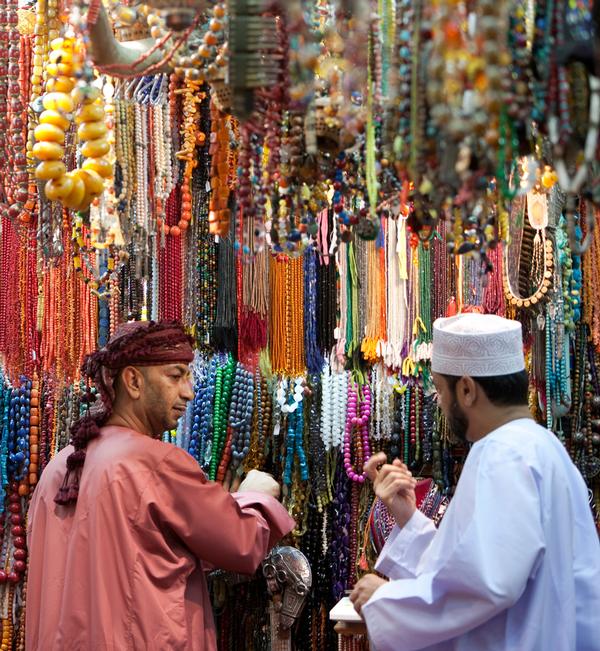
We’ve seen the attractions industry developing rapidly in Dubai. What role does the attractions industry play in Oman tourism? Currently, Oman is known for its UNESCO-recognised heritage sites, beaches, mountains, old markets and the Royal Opera House in Muscat. Over the next few years, as more resorts open and tourism increases, it is predicted that there will be more developments in the attractions industry in Oman. Plans are underway to build a theme park complex in Barka in northern Oman [see below].
What are Oman’s flagship attractions? Currently, a lot of tourists are interested in boat trips and turtle watching along the east coast around the city of Sur, hiking and camping in Al Jabal Al Akhdar and diving in Masira Island. Muscat is visited more for the culture and heritage of Oman, with the Royal Opera House and the National Museum as some of the main attractions. Jebel Shams and Al Jabal Al Akhdar are popular for mountain retreats.
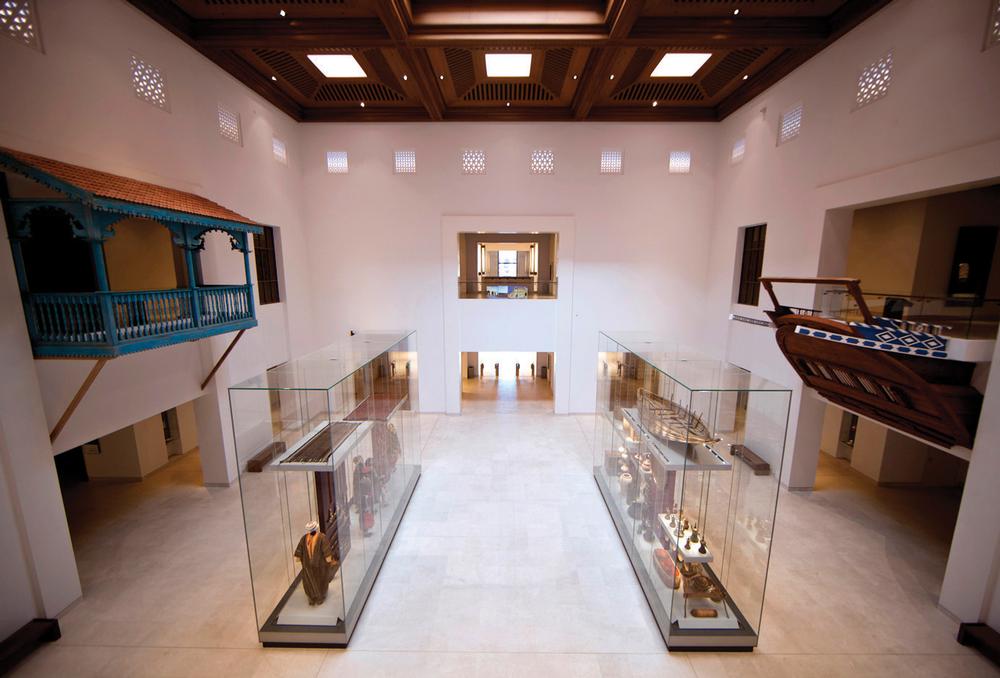
What attractions have opened lately? The National Museum opened its doors to the public last year, showcasing the cultural heritage of the Sultanate from prehistoric times to modern day.
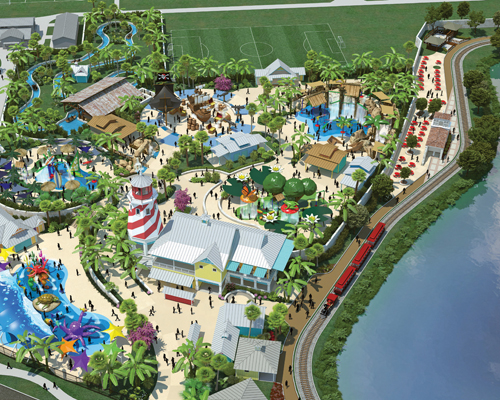
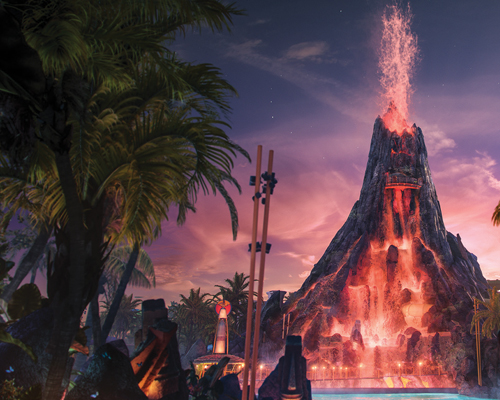
What attractions are planned? Plans are underway to build a 150 hectare (370 acre) theme park complex in Barka in northern Oman. The multi-cluster development is being built by the Muscat National Development Company and plans include an integrated theme park, wildlife attraction, waterpark, equestrian centre and edutainment centre. The complex will also feature multiple hotels, a residential zone and retail areas.
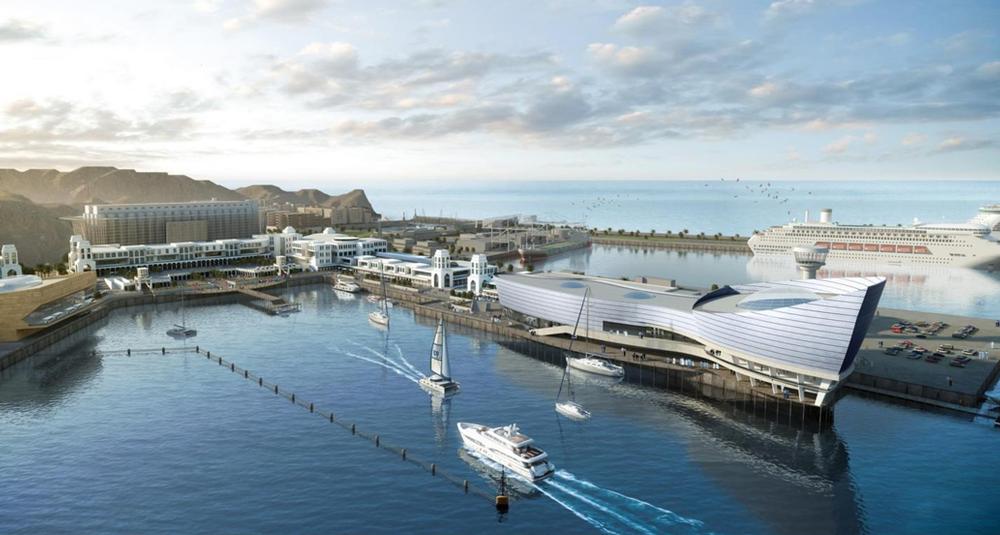
The Oman Tourism Development Company launched the $1.3bn (£1bn, €1.2bn) Mina Sultan Qaboos Waterfront project aimed at transforming Port Sultan Qaboos into a major tourism based mixed-use waterfront destination. As per its initial launch in 2015, the project is planned in four phases. The first phase consists of a fisherman’s wharf, fish souq, a five-star marina hotel, a four-star family hotel, residential, destination shopping, restaurants, cafes, boutiques, entertainment and cultural facilities, as well as a superyacht and leisure boat marina. It will be completed by 2020.
An agreement has been signed for the construction of a new waterpark development in Salalah. The first phase of the waterpark is currently under construction. The project will include six types of water rides, a restaurant, a coffee shop, parking and green areas.
Majarat Oman, the Sultanate’s biggest indoor theme park is being built in the premises of the Al Sawadi Beach Resort and is planning a soft opening in 2017. The theme park is a futuristic, alien-themed indoor attraction, which offers a classic mix of all entertainment elements for the family.
The Sultanate’s first snow park, part of the Palm Mall Muscat project, will be a new-generation Alpine winter-themed real snow and ice amusement park. Spread over 5,400sqm (58,00sq ft), the snow park and the mall are expected to be ready by the third quarter of 2017.
Does the government invest in or drive the attractions industry in other ways? Ithraa, the Public Authority for Investment Promotion and Export Development, has recently published five Briefings papers, Economic Briefings from Oman, that are designed to connect the world with contemporary Oman and its dynamic business community. Each of the Briefings provides a snapshot of one sector in the Sultanate and the ambitious projects and innovative business ideas currently driving that space. Informative, realistic and easily digestible, the Briefings are intended to inspire business owners, investors and partners at large to consider the significant opportunities these sectors present.
What challenges do you see to tourism to the region, and how could they be overcome? Some forecasts suggest that water availability could halve across the region within the next 50 years – and these may not fully account for anticipated tourism growth. In anticipation of this, Oman has joined the Ramsar Convention Wetlands a year ago to ensure that areas attracting important birdlife, particularly in the south of the country, are protected.
Read more from this issue of Attractions Management magazine
View contents of Attractions Management 2017 issue 1
People profile: Nolan Bushnell
Nolan Bushnell, father of the video game industry, on his new VR business and the future of technology
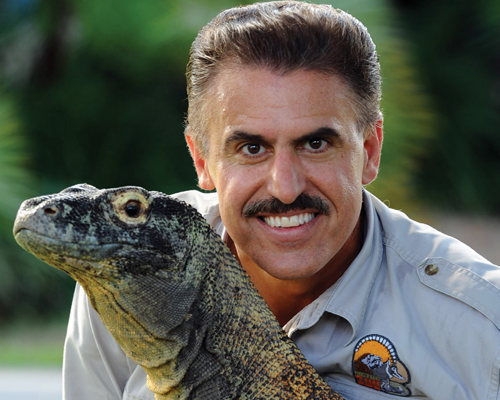
People profile: Ron Magill
Zoo Miami’s Ron Magill gives the lowdown on the attraction’s new Florida: Mission Everglades zone
People profile: Kim Gladstone Herlev
Denmark’s Experimentarium has reopened after a major renovation. CEO Kim Gladstone Herlev shares his vision for the future
People profile: Jimmy Fallon
Hold on tight! US TV star Jimmy Fallon is the subject of a brand new ride at Universal Orlando
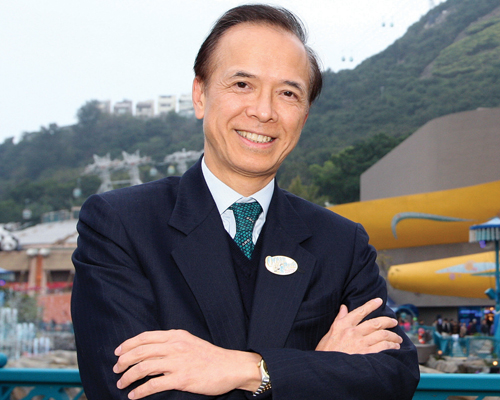
Interview: Matthias Li
Matthias Li, chief executive at Hong Kong’s
Ocean Park, on his response to a changing
visitor profile and rising competition
Pipeline: Opening Doors
There’s an array of attractions set to launch.
We anticipate the hot debuts of the year
Tourism: A Plan for Oman
The Ministry of Tourism’s Maitha Al Mahrouqi
on Oman’s status as a budding destination
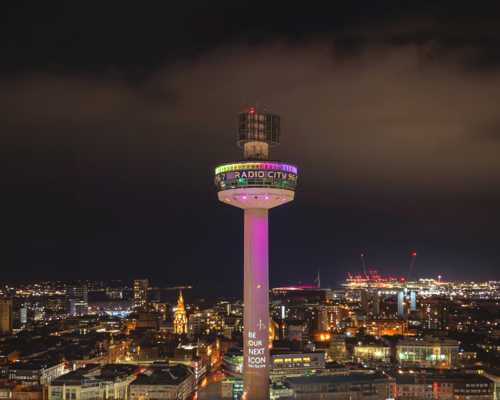
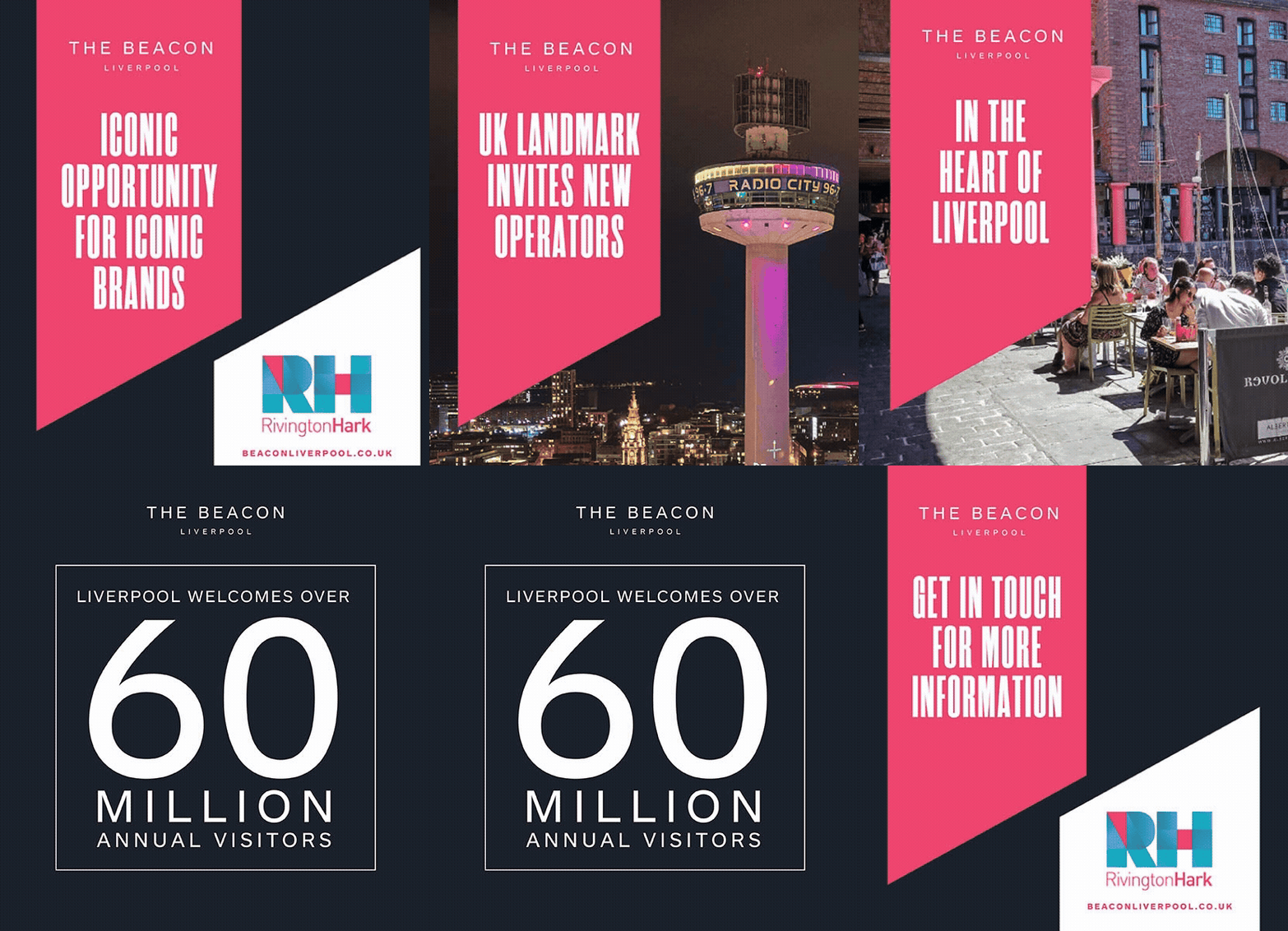
An opportunity to reimagine one of the UK’s most recognisable towers has been formally
opened by Rivington Hark, as St Johns Beacon invites operators and partners to shape its
next phase. [more...]
Oman’s tourism strategy is already seeing results, with new hotels,
mixed-use developments and attractions planned. Can it boost
its visitor numbers from 2.5 million to 5 million by 2040?
By Alice Davis | Published in Attractions Management 2017 issue 1
Her Excellency Maitha Al Mahrouqi is under secretary of Oman’s Ministry of Tourism
Its UAE neighbour has been getting all the attention lately, but Oman has a plan to change that. If the nation can harness growing interest in the Middle East as a tourist destination and raise its profile, it could be on to a winner. We spoke to Her Excellency Maitha Al Mahrouqi, under secretary of the Ministry of Tourism for Oman, to find out more.
What is the strategy for boosting tourism to Oman? The Oman Ministry of Tourism’s 2040 Tourism Strategy is based on a cluster approach that creates a series of unique tourism experiences in different areas of Oman, reflecting local culture and heritage. The Ministry is trying to encourage visitors to spend some time in Muscat before escaping to the cool of the mountains, having a true Bedouin experience in the desert or travelling down to Salalah in the south of the Sultanate, which has a different climate entirely.
The Ministry is focusing on pushing Salalah’s experiential offering. Salalah is becoming an increasingly popular destination and the opening of the brand new airport in Salalah is playing an important role in tourism development in this region. The multi-product offering, including a pristine coastline, a picturesque mountain chain, and the vast expanse of the desert presents a variety of special and unusual experiences.
Meanwhile, tourism infrastructure across Oman is being rapidly enhanced, with the planned opening in the near future of the new extended Muscat International Airport. Furthermore, several five-star resorts opened in 2016, including the Anantara in Jebel Akhdar and Salalah. Additionally, a refurbished Sheraton re-opened in Muscat and construction is underway on Oman’s first W Hotel.
The Tourism Strategy has identified digital marketing and promotion as the most effective platforms to promote Oman as a preferred and top-of-mind tourism destination. As such, efforts are being channelled into those particular vehicles of communication in order to boost tourism in the destination.
The priority is to ensure that the experiential tourism offering in Oman continues to develop sensitively, protecting both the physical and cultural environment, and that the destination retains its identity and heritage, while showcasing the country and people to an international audience.
What is the tourist profile? Oman caters for holidaymakers looking for a truly authentic, quality Arabian experience. Oman is witnessing an increase in travel from those consumers with an experiential travel focus. Visitors are interested in history and culture and activities such as sailing, cycling, trekking, golf, diving, spa and wellness and other special interest groups. It is predicted that these markets will continue to grow as Oman’s product offering develops. Special-interest groups constitute one of the fastest-growing segments of world tourism, and Oman perfectly caters for that category.
How many tourists do you hope to attract by 2040 and how will you reach these predictions? By 2040, Oman aims to attract more than five million international visitors, in addition to same-day visitors and domestic tourists, making tourism one of the most significant income generators in the Sultanate, at just over six per cent of annual GDP.
These figures will be achieved by promoting Oman as a year-round destination for tourists – with water sports, mountain escapades and luxury hotels included in a new summer campaign designed for visitors from the UAE and Saudi Arabia. Muscat and Ras Al Hadd near Sur, Al Jabal Al Akhdar and Jabal Shams are among the varied destinations offered in the packages. Oman will also be targeting business travellers and promoting MICE tourism with the opening of Oman Convention and Exhibition Centre in Muscat at the end of 2016.
Is the strategy shaped by upcoming events in the region, such as Dubai’s Expo and the World Cup in Qatar? Oman is certainly in a position to capitalise on events taking place in the region by offering tourists a seamless and hassle free multi-centre holiday. Over 2,000 new hotel rooms opened in 2016 alone and Oman will have the capacity to welcome tourists from Dubai and Qatar following the Expo and World Cup.
We’ve seen the attractions industry developing rapidly in Dubai. What role does the attractions industry play in Oman tourism? Currently, Oman is known for its UNESCO-recognised heritage sites, beaches, mountains, old markets and the Royal Opera House in Muscat. Over the next few years, as more resorts open and tourism increases, it is predicted that there will be more developments in the attractions industry in Oman. Plans are underway to build a theme park complex in Barka in northern Oman [see below].
What are Oman’s flagship attractions? Currently, a lot of tourists are interested in boat trips and turtle watching along the east coast around the city of Sur, hiking and camping in Al Jabal Al Akhdar and diving in Masira Island. Muscat is visited more for the culture and heritage of Oman, with the Royal Opera House and the National Museum as some of the main attractions. Jebel Shams and Al Jabal Al Akhdar are popular for mountain retreats.
What attractions have opened lately? The National Museum opened its doors to the public last year, showcasing the cultural heritage of the Sultanate from prehistoric times to modern day.
What attractions are planned? Plans are underway to build a 150 hectare (370 acre) theme park complex in Barka in northern Oman. The multi-cluster development is being built by the Muscat National Development Company and plans include an integrated theme park, wildlife attraction, waterpark, equestrian centre and edutainment centre. The complex will also feature multiple hotels, a residential zone and retail areas.
The Oman Tourism Development Company launched the $1.3bn (£1bn, €1.2bn) Mina Sultan Qaboos Waterfront project aimed at transforming Port Sultan Qaboos into a major tourism based mixed-use waterfront destination. As per its initial launch in 2015, the project is planned in four phases. The first phase consists of a fisherman’s wharf, fish souq, a five-star marina hotel, a four-star family hotel, residential, destination shopping, restaurants, cafes, boutiques, entertainment and cultural facilities, as well as a superyacht and leisure boat marina. It will be completed by 2020.
An agreement has been signed for the construction of a new waterpark development in Salalah. The first phase of the waterpark is currently under construction. The project will include six types of water rides, a restaurant, a coffee shop, parking and green areas.
Majarat Oman, the Sultanate’s biggest indoor theme park is being built in the premises of the Al Sawadi Beach Resort and is planning a soft opening in 2017. The theme park is a futuristic, alien-themed indoor attraction, which offers a classic mix of all entertainment elements for the family.
The Sultanate’s first snow park, part of the Palm Mall Muscat project, will be a new-generation Alpine winter-themed real snow and ice amusement park. Spread over 5,400sqm (58,00sq ft), the snow park and the mall are expected to be ready by the third quarter of 2017.
Does the government invest in or drive the attractions industry in other ways? Ithraa, the Public Authority for Investment Promotion and Export Development, has recently published five Briefings papers, Economic Briefings from Oman, that are designed to connect the world with contemporary Oman and its dynamic business community. Each of the Briefings provides a snapshot of one sector in the Sultanate and the ambitious projects and innovative business ideas currently driving that space. Informative, realistic and easily digestible, the Briefings are intended to inspire business owners, investors and partners at large to consider the significant opportunities these sectors present.
What challenges do you see to tourism to the region, and how could they be overcome? Some forecasts suggest that water availability could halve across the region within the next 50 years – and these may not fully account for anticipated tourism growth. In anticipation of this, Oman has joined the Ramsar Convention Wetlands a year ago to ensure that areas attracting important birdlife, particularly in the south of the country, are protected.
Read more from this issue of Attractions Management magazine
View contents of Attractions Management 2017 issue 1
People profile: Nolan Bushnell
Nolan Bushnell, father of the video game industry, on his new VR business and the future of technology
People profile: Ron Magill
Zoo Miami’s Ron Magill gives the lowdown on the attraction’s new Florida: Mission Everglades zone
People profile: Kim Gladstone Herlev
Denmark’s Experimentarium has reopened after a major renovation. CEO Kim Gladstone Herlev shares his vision for the future
People profile: Jimmy Fallon
Hold on tight! US TV star Jimmy Fallon is the subject of a brand new ride at Universal Orlando
Interview: Matthias Li
Matthias Li, chief executive at Hong Kong’s
Ocean Park, on his response to a changing
visitor profile and rising competition
Pipeline: Opening Doors
There’s an array of attractions set to launch.
We anticipate the hot debuts of the year
Tourism: A Plan for Oman
The Ministry of Tourism’s Maitha Al Mahrouqi
on Oman’s status as a budding destination
Hotel de France, located on the British Isle of Jersey, has created a wellness retreat package
that includes a hot yoga session that will take place in Jersey Zoo’s butterfly sanctuary.
A new immersive attraction designed to transport visitors into the final hours of ancient Pompeii
is preparing to open near the world-famous archaeological site in southern Italy.
Experience design company, BRC Imagination Arts, has completed a transition that sees founder
Bob Rogers pass ownership of the business to four long-serving senior executives, while
remaining actively involved with the company.
Movie Park Germany has opened a new Paramount Pictures-themed attraction as part of its 30th
anniversary celebrations, using immersive storytelling and adaptive reuse to reinforce the park’s
longstanding “Hollywood in Germany” positioning.
Therme Manchester’s 28-acre development, which will include interconnected glass pavilions
that measure 65,000sq m, will be the largest bathing and wellbeing attraction in the world once
complete, according to prof David Russell, CEO of Therme UK.
Efteling has opened Hooghmoed, a new family drop tower designed to broaden the appeal of its
recently launched Sirene Island themed area and introduce younger visitors to thrill attractions.
A proposed Puy du Fou development near Bicester and Universal Destinations and Experiences’
planned resort in Bedford are emerging as part of a wider transformation of the Oxford–
Cambridge Growth Corridor into a major centre for UK leisure and tourism inv
Shedd Aquarium has opened the Immersion Theater developed in partnership with SimEx-
Iwerks, as part of a wider strategy to enhance the guest experience and create additional
revenue opportunities.
The UK government has announced a temporary reduction in VAT on visitor attractions and
children’s meals as part of a summer cost-of-living support package designed to stimulate the
visitor economy and encourage family days out.
As designer Yinka Ilori prepares for his first solo gallery show in London, he speaks exclusively
to CLADmag about his mission to spread joy, the power of play, and his bold approach to using
colour (including the colours you won’t see in his work).
The government of Thailand is exploring plans for a THB300bn (£6.3bn, US$8.3bn)
entertainment complex in the country’s Eastern Economic Corridor (EEC), with officials
proposing a large-scale theme park and sports destination as part of a broader tourism and
economic development strategy.
+ More news
COMPANY PROFILES
Simworx Ltd The company was initially established
in 1997. Terry Monkton and Andrew
Roberts are the key stakeh [more...]
IAAPA EMEA IAAPA Expo Europe was established in 2006 and has grown to the largest international conference and [more...]
Taylor Made Designs Founded in 1993, Taylor Made
Designs supply corporate clothing
and brand-enhancing merchandise
to [more...]
Clip 'n Climb Clip ‘n Climb currently offers facility owners and
investors more than 40 colourful and unique
Cha [more...]
An opportunity to reimagine one of the UK’s most recognisable towers has been formally
opened by Rivington Hark, as St Johns Beacon invites operators and partners to shape its
next phase. [more...]