Grassroots football will benefit from the FA’s overall outlay of £260m
In 1857 Sheffield FC was formed, thus becoming the world’s first football club. The South Yorkshire city has form when it comes to firsts in football: Sheffield United’s Bramall Lane is the oldest major stadium in the world, and now the Football Association (FA) is launching what could become its most ambitious grassroots football project in the locality.
The FA’s Parklife project is being piloted in the city to test the governing body’s hypothesis about the creation of high-quality grassroots football hubs in urban areas and their effect on participation.
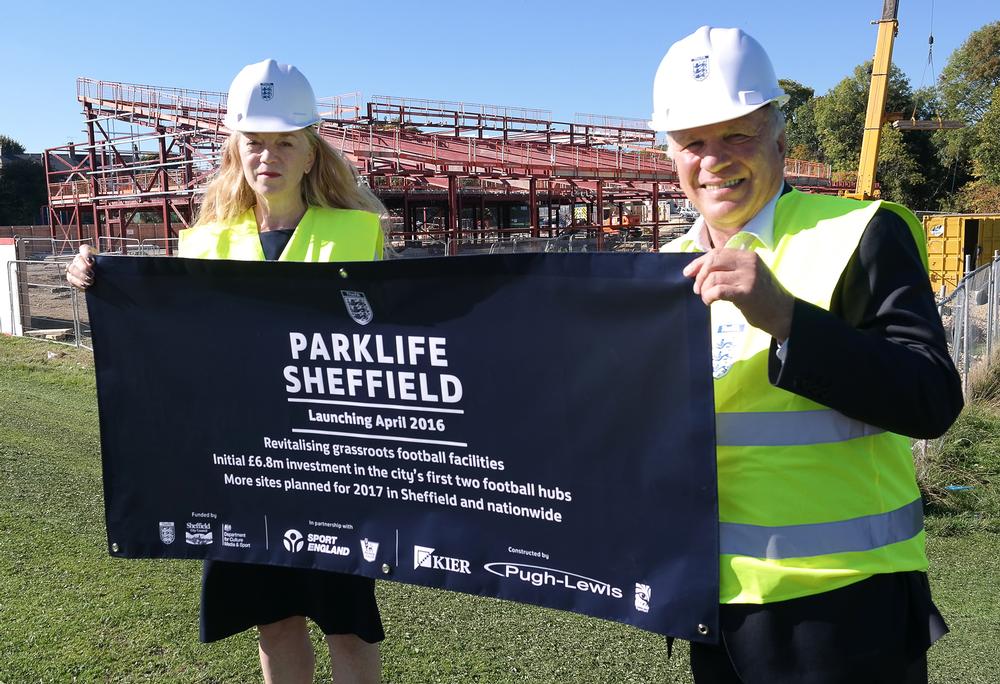
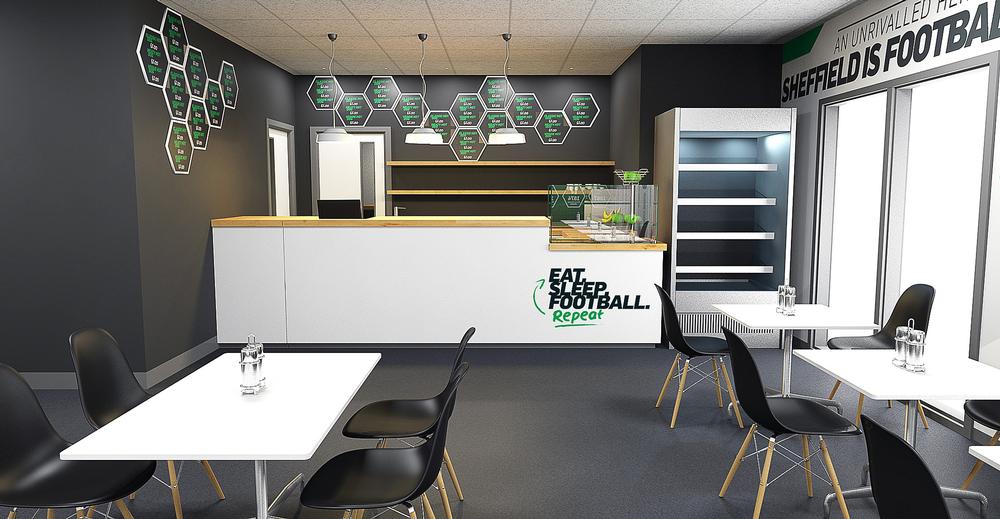
Two centres – which include a number of artificial grass pitches, changing rooms and social areas – have been established in the Graves and Thorncliffe regions of the city respectively. The hubs will be home to a number of FA-affiliated Sunday league clubs, and will also be used by recreational players and younger children.
If the pilot is successful, the FA will rollout the initiative around the country, with Liverpool and London next in line.
Local partners Robert Sullivan, the FA’s strategy director, tells Sports Management that the programme is “central” to the organisation’s strategy to improve grassroots football, and part of a wider £260m outlay the FA is making.
Parklife has been allocated £50m of this fund, plus £50m from the government and £50m from the Premier League. The FA is also asking local authorities to invest 40 per cent – an offer that Sheffield City Council was keen to take up.
“We told Sheffield if they came aboard and made the initial capital investment, they would save the ongoing revenue subsidy that goes towards maintaining grass pitches every year,” says Sullivan.
“Building a number of new sites in Sheffield will also guarantee a certain income return, and therefore there will be money to subsidise the support for grass pitches around the city. You’ve then got a sustainable business that is supporting all grassroots sport and providing fantastic facilities for the players.”
Sheffield City Council director of culture and environment Paul Billington says that the FA investment was required due to the “extreme cuts in government funding” and the danger that football participation was decreasing because of the poor quality of local facilities.
Billington adds that he is keen to develop the relationship further and wants to add at least eight more similar facilities around the city.
Sullivan agrees that the “current economic climate” has not helped local authorities maintain their football facilities, but highlights that other factors – such as a change in the habits of consumers, for instance – have had an effect on the number of people participating in grassroots football.
Consumer-centric centres While Sullivan acknowledges that Sport England has recorded participation declines in football over recent years, he suggests the figures are limited to Sunday league players and that there is a boom in the amount of people taking part in recreational football with operators such as Powerleague and Goals.
The FA will partner with private operators to run several of the hubs to provide consumer-centric service, and implement swipe cards and data capturing facilities to develop insight into what the modern grassroots footballer wants. Pulse has won the contract to operate both hubs in Sheffield.
“No longer is grassroots football mainly being played by blokes who drive up to a park’s pitch in their kit, shuffle their trousers off in the back of the car, and then head to the boozer afterwards,” says Sullivan. “They’re on proper sites, and all of a sudden you can see grassroots football becoming more like the leisure industry.
“We’re still at the very early stages,” he says, “but you can see the potential of how it changes the interaction of grassroots football with the player and impacts their ability to get a better consumer experience.
“That’s what grassroots players want now, and they think ‘why am I slogging it out on a shit grass pitch when I could spend an hour in the gym in a nice leisure centre and have a Costa afterwards’.”
As well as being enjoyable surfaces to play on, the Parklife pitches are designed to be far less susceptible to weather than grass, and will be able to accommodate much more football – potentially transforming the way grassroots football is played in England. “Because there will be more slots it may require some cultural change, which means some matches won’t be kicking off at 10am on a Sunday,” says Sullivan. “That’s going to be interesting to see how that lands with people – they may like flexibility or they might want to remain in their traditional football slot.”
Taking ownership Aside from developing a better customer experience to boost participation, the programme is about the FA showing that it is taking responsibility for the grassroots football landscape in England.
Whenever the England national team has a poor international tournament – such as this summer’s European Championships when Roy Hodgson’s team was dumped out by Iceland – questions are asked about why the country hasn’t been able to develop a crop of players to win a tournament for more than 50 years, and inevitably the issue of grassroots provision comes up.
“The opportunity to have ownership of our own sites and no longer be on the hook for local authority budget cuts every time there’s an economic downturn is a really big thing,” Sullivan explains.
Liverpool and London Sullivan says there are a number of other councils that want to change as well. Mayor of Liverpool Joe Anderson – “a big football man” – quickly expressed his interest, while a number of boroughs in London applied for Parklife sites.
“If there was ever a city crying out for this, it’s Liverpool,” says Sullivan. “It has the highest grassroots participation rates but the worst sports facilities.
“London is a very separate challenge because of the price of land, the size of the population and the huge demographic mix. But you’ve got to start somewhere, so we’ve got a partnership with Ealing and Hounslow on two sites, and we’ve gone through an expression of interest tender for other London boroughs and 13 have come back, so that’s a good level of interest.”
The two areas in Ealing and Hounslow being earmarked are Rectory Park and Gunnersbury, and Sullivan reveals that one of the sites will be managed by the local county FA, demonstrating the FA’s openness to allow different types of organisations to operate the hubs.
But aside from those immediate plans, Sullivan says everything is on the table, from future locations to the possibility of getting commercial partnerships involved on certain projects.
“There’s an assessment criteria we’re looking at,” he stresses. “Manchester, for example, has a good provision of artificial grass pitches, so actually the Parklife model probably isn’t going to fit. But we’ll continue to do some more pitch and facilities provision through our Football Foundation investments.
“We’re not looking at a map and thinking ‘Newcastle is a football city, that’s where we’ll go next’, but where there’s a population of players, where there’s a need, and where there are local authorities willing to partner, we’ll be interested in that location.
“Later this year, we’ll do a national competition, open to local authorities above a certain size – that’s as much Bristol as Southampton, Norwich, Leeds or Newcastle,” Sullivan explains.
If Sheffield’s hubs prove to be effective in cultivating a thriving grassroots landscape, and show revenue-generating capabilities, then that competition may well receive a huge number of entries.
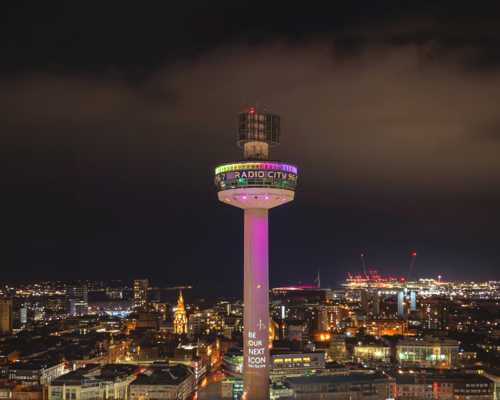
An opportunity to reimagine one of the UK’s most recognisable towers has been formally
opened by Rivington Hark, as St Johns Beacon invites operators and partners to shape its
next phase. [more...]
Grassroots football will benefit from the FA’s overall outlay of £260m
In 1857 Sheffield FC was formed, thus becoming the world’s first football club. The South Yorkshire city has form when it comes to firsts in football: Sheffield United’s Bramall Lane is the oldest major stadium in the world, and now the Football Association (FA) is launching what could become its most ambitious grassroots football project in the locality.
The FA’s Parklife project is being piloted in the city to test the governing body’s hypothesis about the creation of high-quality grassroots football hubs in urban areas and their effect on participation.
Two centres – which include a number of artificial grass pitches, changing rooms and social areas – have been established in the Graves and Thorncliffe regions of the city respectively. The hubs will be home to a number of FA-affiliated Sunday league clubs, and will also be used by recreational players and younger children.
If the pilot is successful, the FA will rollout the initiative around the country, with Liverpool and London next in line.
Local partners Robert Sullivan, the FA’s strategy director, tells Sports Management that the programme is “central” to the organisation’s strategy to improve grassroots football, and part of a wider £260m outlay the FA is making.
Parklife has been allocated £50m of this fund, plus £50m from the government and £50m from the Premier League. The FA is also asking local authorities to invest 40 per cent – an offer that Sheffield City Council was keen to take up.
“We told Sheffield if they came aboard and made the initial capital investment, they would save the ongoing revenue subsidy that goes towards maintaining grass pitches every year,” says Sullivan.
“Building a number of new sites in Sheffield will also guarantee a certain income return, and therefore there will be money to subsidise the support for grass pitches around the city. You’ve then got a sustainable business that is supporting all grassroots sport and providing fantastic facilities for the players.”
Sheffield City Council director of culture and environment Paul Billington says that the FA investment was required due to the “extreme cuts in government funding” and the danger that football participation was decreasing because of the poor quality of local facilities.
Billington adds that he is keen to develop the relationship further and wants to add at least eight more similar facilities around the city.
Sullivan agrees that the “current economic climate” has not helped local authorities maintain their football facilities, but highlights that other factors – such as a change in the habits of consumers, for instance – have had an effect on the number of people participating in grassroots football.
Consumer-centric centres While Sullivan acknowledges that Sport England has recorded participation declines in football over recent years, he suggests the figures are limited to Sunday league players and that there is a boom in the amount of people taking part in recreational football with operators such as Powerleague and Goals.
The FA will partner with private operators to run several of the hubs to provide consumer-centric service, and implement swipe cards and data capturing facilities to develop insight into what the modern grassroots footballer wants. Pulse has won the contract to operate both hubs in Sheffield.
“No longer is grassroots football mainly being played by blokes who drive up to a park’s pitch in their kit, shuffle their trousers off in the back of the car, and then head to the boozer afterwards,” says Sullivan. “They’re on proper sites, and all of a sudden you can see grassroots football becoming more like the leisure industry.
“We’re still at the very early stages,” he says, “but you can see the potential of how it changes the interaction of grassroots football with the player and impacts their ability to get a better consumer experience.
“That’s what grassroots players want now, and they think ‘why am I slogging it out on a shit grass pitch when I could spend an hour in the gym in a nice leisure centre and have a Costa afterwards’.”
As well as being enjoyable surfaces to play on, the Parklife pitches are designed to be far less susceptible to weather than grass, and will be able to accommodate much more football – potentially transforming the way grassroots football is played in England. “Because there will be more slots it may require some cultural change, which means some matches won’t be kicking off at 10am on a Sunday,” says Sullivan. “That’s going to be interesting to see how that lands with people – they may like flexibility or they might want to remain in their traditional football slot.”
Taking ownership Aside from developing a better customer experience to boost participation, the programme is about the FA showing that it is taking responsibility for the grassroots football landscape in England.
Whenever the England national team has a poor international tournament – such as this summer’s European Championships when Roy Hodgson’s team was dumped out by Iceland – questions are asked about why the country hasn’t been able to develop a crop of players to win a tournament for more than 50 years, and inevitably the issue of grassroots provision comes up.
“The opportunity to have ownership of our own sites and no longer be on the hook for local authority budget cuts every time there’s an economic downturn is a really big thing,” Sullivan explains.
Liverpool and London Sullivan says there are a number of other councils that want to change as well. Mayor of Liverpool Joe Anderson – “a big football man” – quickly expressed his interest, while a number of boroughs in London applied for Parklife sites.
“If there was ever a city crying out for this, it’s Liverpool,” says Sullivan. “It has the highest grassroots participation rates but the worst sports facilities.
“London is a very separate challenge because of the price of land, the size of the population and the huge demographic mix. But you’ve got to start somewhere, so we’ve got a partnership with Ealing and Hounslow on two sites, and we’ve gone through an expression of interest tender for other London boroughs and 13 have come back, so that’s a good level of interest.”
The two areas in Ealing and Hounslow being earmarked are Rectory Park and Gunnersbury, and Sullivan reveals that one of the sites will be managed by the local county FA, demonstrating the FA’s openness to allow different types of organisations to operate the hubs.
But aside from those immediate plans, Sullivan says everything is on the table, from future locations to the possibility of getting commercial partnerships involved on certain projects.
“There’s an assessment criteria we’re looking at,” he stresses. “Manchester, for example, has a good provision of artificial grass pitches, so actually the Parklife model probably isn’t going to fit. But we’ll continue to do some more pitch and facilities provision through our Football Foundation investments.
“We’re not looking at a map and thinking ‘Newcastle is a football city, that’s where we’ll go next’, but where there’s a population of players, where there’s a need, and where there are local authorities willing to partner, we’ll be interested in that location.
“Later this year, we’ll do a national competition, open to local authorities above a certain size – that’s as much Bristol as Southampton, Norwich, Leeds or Newcastle,” Sullivan explains.
If Sheffield’s hubs prove to be effective in cultivating a thriving grassroots landscape, and show revenue-generating capabilities, then that competition may well receive a huge number of entries.
Hotel de France, located on the British Isle of Jersey, has created a wellness retreat package
that includes a hot yoga session that will take place in Jersey Zoo’s butterfly sanctuary.
A new immersive attraction designed to transport visitors into the final hours of ancient Pompeii
is preparing to open near the world-famous archaeological site in southern Italy.
Experience design company, BRC Imagination Arts, has completed a transition that sees founder
Bob Rogers pass ownership of the business to four long-serving senior executives, while
remaining actively involved with the company.
Movie Park Germany has opened a new Paramount Pictures-themed attraction as part of its 30th
anniversary celebrations, using immersive storytelling and adaptive reuse to reinforce the park’s
longstanding “Hollywood in Germany” positioning.
Therme Manchester’s 28-acre development, which will include interconnected glass pavilions
that measure 65,000sq m, will be the largest bathing and wellbeing attraction in the world once
complete, according to prof David Russell, CEO of Therme UK.
Efteling has opened Hooghmoed, a new family drop tower designed to broaden the appeal of its
recently launched Sirene Island themed area and introduce younger visitors to thrill attractions.
A proposed Puy du Fou development near Bicester and Universal Destinations and Experiences’
planned resort in Bedford are emerging as part of a wider transformation of the Oxford–
Cambridge Growth Corridor into a major centre for UK leisure and tourism inv
Shedd Aquarium has opened the Immersion Theater developed in partnership with SimEx-
Iwerks, as part of a wider strategy to enhance the guest experience and create additional
revenue opportunities.
The UK government has announced a temporary reduction in VAT on visitor attractions and
children’s meals as part of a summer cost-of-living support package designed to stimulate the
visitor economy and encourage family days out.
As designer Yinka Ilori prepares for his first solo gallery show in London, he speaks exclusively
to CLADmag about his mission to spread joy, the power of play, and his bold approach to using
colour (including the colours you won’t see in his work).
The government of Thailand is exploring plans for a THB300bn (£6.3bn, US$8.3bn)
entertainment complex in the country’s Eastern Economic Corridor (EEC), with officials
proposing a large-scale theme park and sports destination as part of a broader tourism and
economic development strategy.
+ More news
COMPANY PROFILES
Sally Corporation Our services include: Dark ride design & build; Redevelopment of existing attractions; High-quality [more...]
TechnoAlpin Indoor TechnoAlpin is the world leader for snowmaking systems. With the Indoor snow division, TechnoAlpin c [more...]
Simworx Ltd The company was initially established
in 1997. Terry Monkton and Andrew
Roberts are the key stakeh [more...]
IDEATTACK IDEATTACK is a full-service planning and
design company with headquarters in
Los Angeles. [more...]
An opportunity to reimagine one of the UK’s most recognisable towers has been formally
opened by Rivington Hark, as St Johns Beacon invites operators and partners to shape its
next phase. [more...]