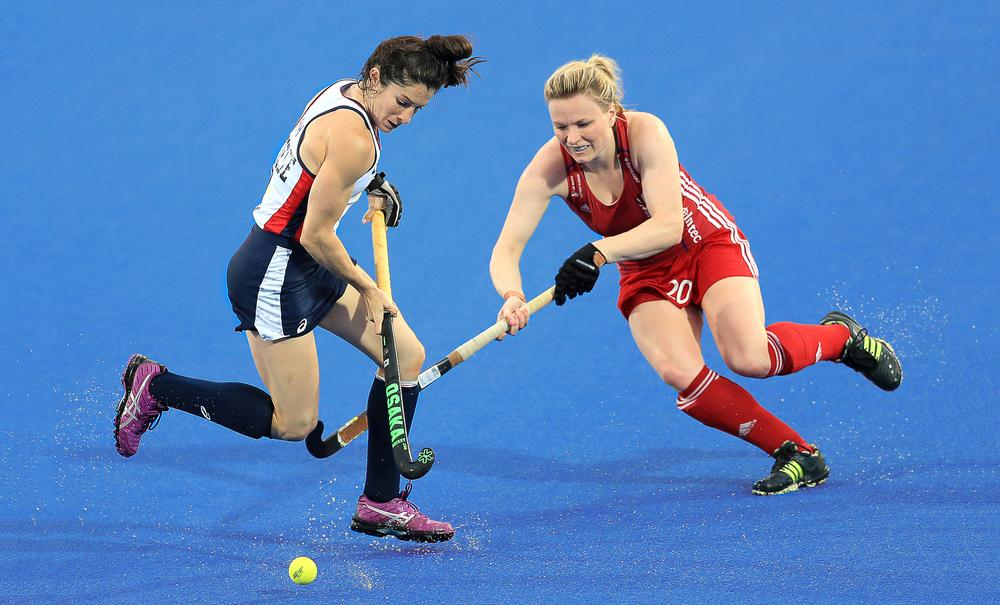
GB’s women’s hockey team produced one of the defining moments of the Rio Olympics. Great Britain Hockey chief executive Sally Munday tells Matthew Campelli how the body plans to ‘make the sport matter’ to the nation consistently
By Matthew Campelli | Published in Sports Management Oct 2016 issue 127
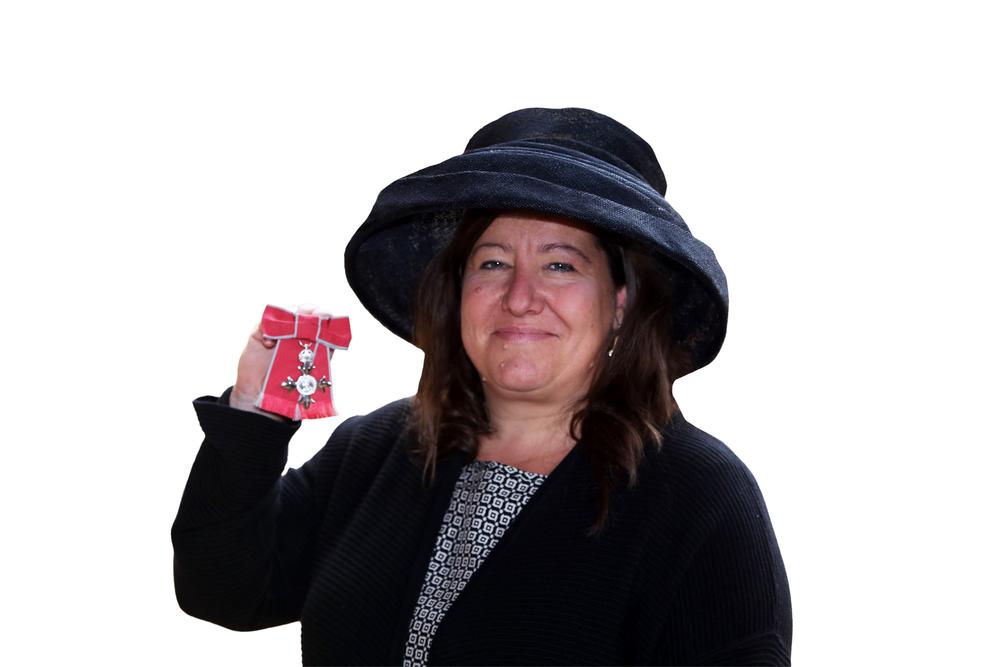
Sally Munday has been working in hockey since 1998, and the chief executive of Great Britain Hockey since 2009 / steve parsons / press association
While the 2016 Rio Olympic Games provided an abundance of proud and emotional episodes for those with an allegiance to Team GB, a handful of defining moments are likely to live long in the memory of the nation.
The heart-stopping drama of Mo Farah falling before triumphing in the 10,000 metres; the ruthless dominance of Laura Trott, Jason Kenny and the rest of the cycling squad; Adam Peaty smashing the breaststroke world record.
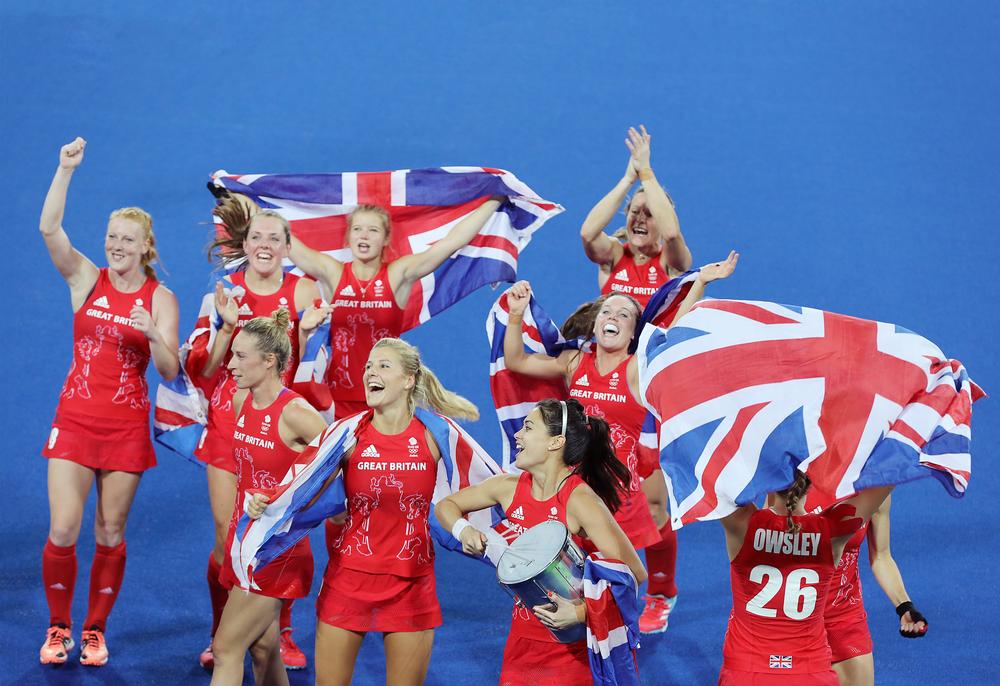
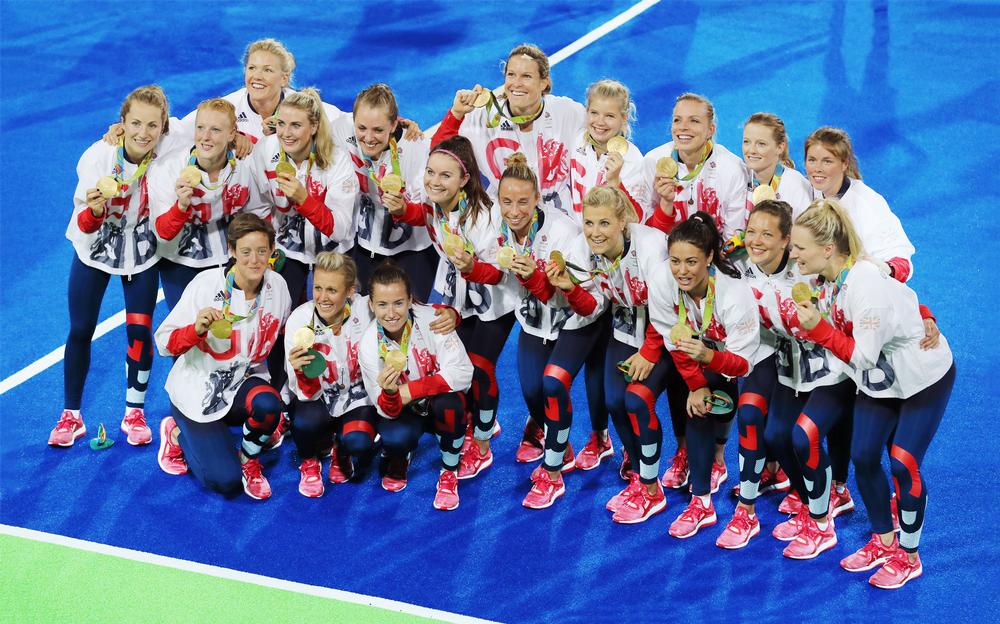
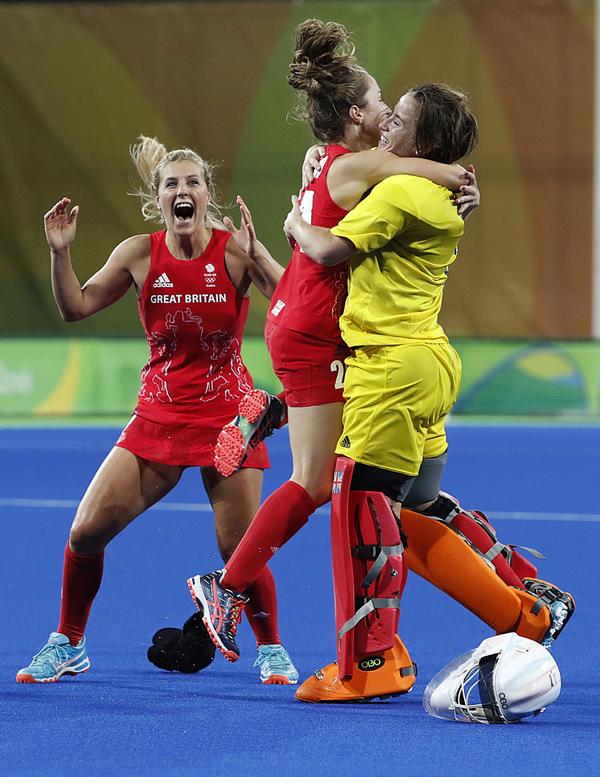
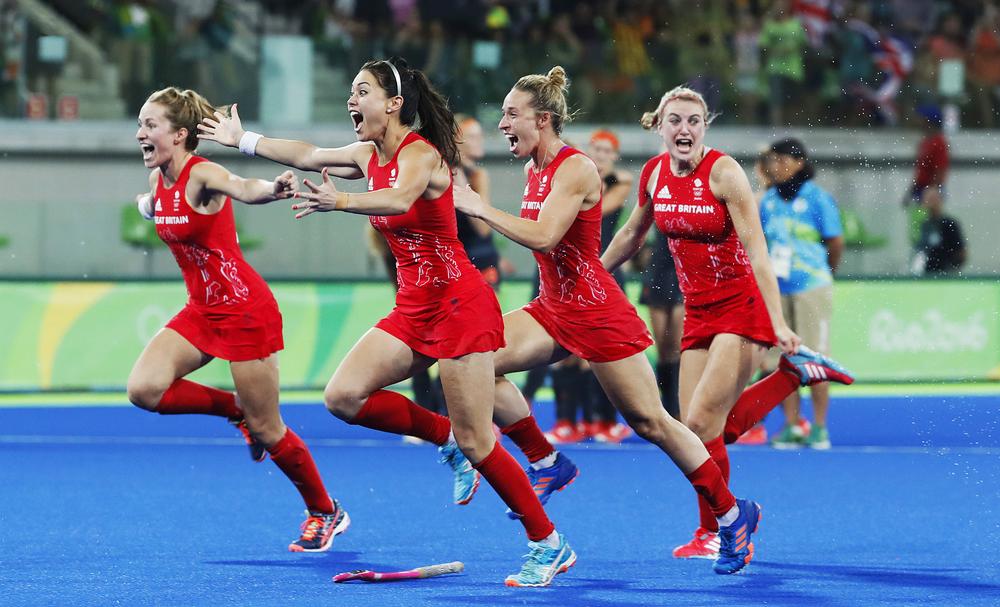
The women’s hockey team’s gold medal victory over the Netherlands falls into the same category, and perhaps does the most to illustrate the determination and human emotion that encapsulates elite sport.
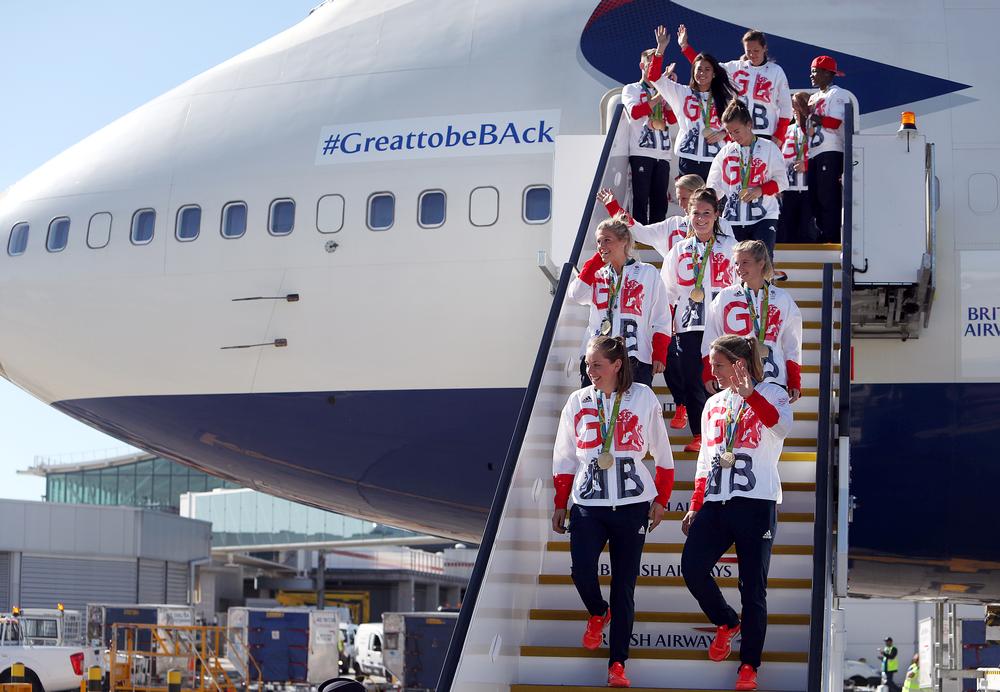
After winning what was described as a David vs Goliath battle against the top-ranked side in the world, talented but unknown athletes such as Hollie Webb and Kate and Helen Richardson-Walsh became household names overnight, and interest in the sport has grown as a result.
Making hockey matter Sally Munday has been chief executive of Great Britain Hockey since 2009, and has seen several years of hard work – and controversial decision-making – result in the ultimate prize. While she is keen for the sport to bask in the glory, Munday wants to take advantage of this “moment in time” and make Britain a country “where hockey matters”.
The success, according to Munday, has “not happened by chance” and was down to a “brutal performance programme”.
“One of the things we did was centralise the senior programme so that all the players can train together all week, because National Lottery support allows them to train full time,” she tells Sports Management.
“That move has fundamentally enabled the players to progress to the level they have. But it wasn’t popular with some of our clubs; in fact it’s still not popular with some of them. Now they are reaping the rewards.”
Munday adds: “Will they benefit from the heightened interest in the sport? Of course they will. Are they going to benefit when the sport is on television more? Of course they are.”
Inevitably, since the Olympics the number of people playing hockey has surged, although Munday reveals that participation numbers have been growing since London 2012. While Sport England’s latest Active People Survey shows that overall numbers have decreased in the past ten years, the chief executive points out that the number of young people playing the game has rocketed by around 65 per cent from 35,000 pre-London 2012 to 55,000 now.
Munday says that having hockey at the forefront of national consciousness has been welcome for a sport that struggles to get many column inches or television coverage outside of the Olympic Games – and stressed that the interest could be maintained.
“We want people to know who our players are; we want people to talk about hockey at the school gates, in coffee shops, on the tube,” she explains. “In the two weeks after the Games we’ve had that – I’ve overheard people everywhere talking about hockey.”
To keep up the profile, Great Britain hockey has a number of strategies: to keep supporting the grassroots of the game and making it accessible to all, and to exploit a number of media opportunities to keep the sport in the public eye.
According to Munday, fashion magazine Vogue wants to do a shoot with the team, while some players are being courted for an appearance on ITV reality TV show I’m A Celebrity… Get Me Out Of Here!
“The players are in demand and for us it’s all about putting hockey in the public consciousness and changing perceptions of our game,” Munday explains.
Changing perceptions Changing public perceptions is also a key part of attracting more participants to the grassroots game, and although Munday admits that the sport has suffered from a “St Trinian’s-esque, private school” image, she says it “simply isn’t like that any more” with community clubs full of participants from different walks of life.
To capitalise on the Rio success, Great Britain Hockey launched “hundreds” of HockeyFest events where clubs run open days for local people to try out the sport and enjoy a barbecue.
“To spread the fairy dust we brought Hollie Webb to an event at a small club in Thame, Buckinghamshire,” says Munday. “It’s a small club, but after HockeyFest it signed up 60 new members.”
Getting people to an event following a period of elite success is one thing, but holding their interest is a whole different story. While HockeyFest is a free event to get people through the door, Munday stresses that people “don’t have to be wealthy” to play hockey regularly, and a consumer-focused approach has cultivated positive results.
Munday says people from lower socio-economic backgrounds can just “rock up” at a club and play straight away, as they will be given a stick to use and won’t be charged very much for the time. She illustrates the point by using an example of a group called the Free Fliers from a deprived area of London who have played the sport regularly despite challenging circumstances.
“It’s not about putting labels on things – our sport is open and welcoming,” Munday emphasises. “It’s easy to join and there’s also plenty of opportunities for kids and adults.”
Adult engagement Getting adults to play the sport is much more challenging than engaging with children, Munday concedes. However, the governing body has launched a number of initiatives designed to cater for adults.
For example, a programme called Back To Hockey was established three years ago to capture women who are aged 25 and older, and has since been broadened out to cater for men. The programme highlights the social aspects of the game, and there are other schemes designed to accommodate competitive players, those who want to play 11-a-side, or those who want to play casually.
“Like any business it’s understanding the customer,” Munday says. “We conduct regular insight and player surveys where we try to get under the skin of players. You have to understand that not all consumers want the same things.”
She adds: “We know from the evidence we have that we have a great school product with massive growth in primary schools, but getting adults back into the game is harder. One of the things we forget is sport is pretty intimidating if you rock up at a club when you’ve never played before.”
Like a number of NGB chief executives, Munday bemoans the facilities landscape which she calls “one of the most challenging areas”, although she is quick to praise the input of Sport England, which has ploughed £2m into facilities – including artificial grass pitches – over this four-year cycle.
However, Munday says the money is “just a drop in the ocean of what is needed” to make sure the sport can “grow at the pace it has over the last few years”. While more investment is required, Great Britain Hockey has partnered with local authorities and schools, and developed disciplines of the game which can be played away from artificial grass to cope with demand and lack of facilities.
While Sport England invested £12m of government and National Lottery money into the sport between 2013-17 – on top of a UK Sport investment of £16.1m for the Rio cycle – the organisation has attempted to commercialise, and has so far brokered a deal with Investec to sponsor the women’s game, and is now hunting a similar headline partner for the men’s team.
Unique moment for women’s sport On top of that, England Hockey has teamed up with the England and Wales Cricket Board and Netball England to launch a Team Up campaign to build fan bases and develop commercial opportunities as three World Cups – the Women’s Cricket World Cup (2017), the Women’s Hockey World Cup (2018) and the Netball World Cup (2019) – will be contested in England over a three-year period.
Munday says it is a “unique moment in time for women’s sport” and that all three governing bodies were working together to undertake a “massive school engagement programme with teacher training”. The hosting of the World Cup is also part of Great Britain Hockey’s “bigger business plan” of hosting major events with the goal of giving the team the best chance of winning.
Overseeing the next stage of what Munday hopes will remain a successful period in British hockey is Dr Ed Barney, who has been appointed as the organisation’s new performance director, taking over from Danny Kerry, who will continue as the full-time head coach of the women’s squad.
Barney has been with Great Britain Hockey since 2013 as head of talent development, and said the body needed to be “clinical in converting recent success into a long-term, systemic and consistent medal-winning performance”.
Munday is convinced the NGB has found the right person to do that, and reveals Barney beat an “exceptionally strong field of external candidates” to land the role. She explains: “He had unquestionable knowledge and intellect around performance sport and want it takes to win, and consistently win, and a thirst for success that will enable us to reach our ambition to be consistently top three in the world.
“Ed is popular internally, but has a steely inner belief and desire for us to be at the top of the podium consistently that I think will enable us to build on the success we’ve experienced this summer.”
An opportunity to reimagine one of the UK’s most recognisable towers has been formally
opened by Rivington Hark, as St Johns Beacon invites operators and partners to shape its
next phase. [more...]
GB’s women’s hockey team produced one of the defining moments of the Rio Olympics. Great Britain Hockey chief executive Sally Munday tells Matthew Campelli how the body plans to ‘make the sport matter’ to the nation consistently
By Matthew Campelli | Published in Sports Management Oct 2016 issue 127
Sally Munday has been working in hockey since 1998, and the chief executive of Great Britain Hockey since 2009 / steve parsons / press association
While the 2016 Rio Olympic Games provided an abundance of proud and emotional episodes for those with an allegiance to Team GB, a handful of defining moments are likely to live long in the memory of the nation.
The heart-stopping drama of Mo Farah falling before triumphing in the 10,000 metres; the ruthless dominance of Laura Trott, Jason Kenny and the rest of the cycling squad; Adam Peaty smashing the breaststroke world record.
The women’s hockey team’s gold medal victory over the Netherlands falls into the same category, and perhaps does the most to illustrate the determination and human emotion that encapsulates elite sport.
After winning what was described as a David vs Goliath battle against the top-ranked side in the world, talented but unknown athletes such as Hollie Webb and Kate and Helen Richardson-Walsh became household names overnight, and interest in the sport has grown as a result.
Making hockey matter Sally Munday has been chief executive of Great Britain Hockey since 2009, and has seen several years of hard work – and controversial decision-making – result in the ultimate prize. While she is keen for the sport to bask in the glory, Munday wants to take advantage of this “moment in time” and make Britain a country “where hockey matters”.
The success, according to Munday, has “not happened by chance” and was down to a “brutal performance programme”.
“One of the things we did was centralise the senior programme so that all the players can train together all week, because National Lottery support allows them to train full time,” she tells Sports Management.
“That move has fundamentally enabled the players to progress to the level they have. But it wasn’t popular with some of our clubs; in fact it’s still not popular with some of them. Now they are reaping the rewards.”
Munday adds: “Will they benefit from the heightened interest in the sport? Of course they will. Are they going to benefit when the sport is on television more? Of course they are.”
Inevitably, since the Olympics the number of people playing hockey has surged, although Munday reveals that participation numbers have been growing since London 2012. While Sport England’s latest Active People Survey shows that overall numbers have decreased in the past ten years, the chief executive points out that the number of young people playing the game has rocketed by around 65 per cent from 35,000 pre-London 2012 to 55,000 now.
Munday says that having hockey at the forefront of national consciousness has been welcome for a sport that struggles to get many column inches or television coverage outside of the Olympic Games – and stressed that the interest could be maintained.
“We want people to know who our players are; we want people to talk about hockey at the school gates, in coffee shops, on the tube,” she explains. “In the two weeks after the Games we’ve had that – I’ve overheard people everywhere talking about hockey.”
To keep up the profile, Great Britain hockey has a number of strategies: to keep supporting the grassroots of the game and making it accessible to all, and to exploit a number of media opportunities to keep the sport in the public eye.
According to Munday, fashion magazine Vogue wants to do a shoot with the team, while some players are being courted for an appearance on ITV reality TV show I’m A Celebrity… Get Me Out Of Here!
“The players are in demand and for us it’s all about putting hockey in the public consciousness and changing perceptions of our game,” Munday explains.
Changing perceptions Changing public perceptions is also a key part of attracting more participants to the grassroots game, and although Munday admits that the sport has suffered from a “St Trinian’s-esque, private school” image, she says it “simply isn’t like that any more” with community clubs full of participants from different walks of life.
To capitalise on the Rio success, Great Britain Hockey launched “hundreds” of HockeyFest events where clubs run open days for local people to try out the sport and enjoy a barbecue.
“To spread the fairy dust we brought Hollie Webb to an event at a small club in Thame, Buckinghamshire,” says Munday. “It’s a small club, but after HockeyFest it signed up 60 new members.”
Getting people to an event following a period of elite success is one thing, but holding their interest is a whole different story. While HockeyFest is a free event to get people through the door, Munday stresses that people “don’t have to be wealthy” to play hockey regularly, and a consumer-focused approach has cultivated positive results.
Munday says people from lower socio-economic backgrounds can just “rock up” at a club and play straight away, as they will be given a stick to use and won’t be charged very much for the time. She illustrates the point by using an example of a group called the Free Fliers from a deprived area of London who have played the sport regularly despite challenging circumstances.
“It’s not about putting labels on things – our sport is open and welcoming,” Munday emphasises. “It’s easy to join and there’s also plenty of opportunities for kids and adults.”
Adult engagement Getting adults to play the sport is much more challenging than engaging with children, Munday concedes. However, the governing body has launched a number of initiatives designed to cater for adults.
For example, a programme called Back To Hockey was established three years ago to capture women who are aged 25 and older, and has since been broadened out to cater for men. The programme highlights the social aspects of the game, and there are other schemes designed to accommodate competitive players, those who want to play 11-a-side, or those who want to play casually.
“Like any business it’s understanding the customer,” Munday says. “We conduct regular insight and player surveys where we try to get under the skin of players. You have to understand that not all consumers want the same things.”
She adds: “We know from the evidence we have that we have a great school product with massive growth in primary schools, but getting adults back into the game is harder. One of the things we forget is sport is pretty intimidating if you rock up at a club when you’ve never played before.”
Like a number of NGB chief executives, Munday bemoans the facilities landscape which she calls “one of the most challenging areas”, although she is quick to praise the input of Sport England, which has ploughed £2m into facilities – including artificial grass pitches – over this four-year cycle.
However, Munday says the money is “just a drop in the ocean of what is needed” to make sure the sport can “grow at the pace it has over the last few years”. While more investment is required, Great Britain Hockey has partnered with local authorities and schools, and developed disciplines of the game which can be played away from artificial grass to cope with demand and lack of facilities.
While Sport England invested £12m of government and National Lottery money into the sport between 2013-17 – on top of a UK Sport investment of £16.1m for the Rio cycle – the organisation has attempted to commercialise, and has so far brokered a deal with Investec to sponsor the women’s game, and is now hunting a similar headline partner for the men’s team.
Unique moment for women’s sport On top of that, England Hockey has teamed up with the England and Wales Cricket Board and Netball England to launch a Team Up campaign to build fan bases and develop commercial opportunities as three World Cups – the Women’s Cricket World Cup (2017), the Women’s Hockey World Cup (2018) and the Netball World Cup (2019) – will be contested in England over a three-year period.
Munday says it is a “unique moment in time for women’s sport” and that all three governing bodies were working together to undertake a “massive school engagement programme with teacher training”. The hosting of the World Cup is also part of Great Britain Hockey’s “bigger business plan” of hosting major events with the goal of giving the team the best chance of winning.
Overseeing the next stage of what Munday hopes will remain a successful period in British hockey is Dr Ed Barney, who has been appointed as the organisation’s new performance director, taking over from Danny Kerry, who will continue as the full-time head coach of the women’s squad.
Barney has been with Great Britain Hockey since 2013 as head of talent development, and said the body needed to be “clinical in converting recent success into a long-term, systemic and consistent medal-winning performance”.
Munday is convinced the NGB has found the right person to do that, and reveals Barney beat an “exceptionally strong field of external candidates” to land the role. She explains: “He had unquestionable knowledge and intellect around performance sport and want it takes to win, and consistently win, and a thirst for success that will enable us to reach our ambition to be consistently top three in the world.
“Ed is popular internally, but has a steely inner belief and desire for us to be at the top of the podium consistently that I think will enable us to build on the success we’ve experienced this summer.”
Hotel de France, located on the British Isle of Jersey, has created a wellness retreat package
that includes a hot yoga session that will take place in Jersey Zoo’s butterfly sanctuary.
A new immersive attraction designed to transport visitors into the final hours of ancient Pompeii
is preparing to open near the world-famous archaeological site in southern Italy.
Experience design company, BRC Imagination Arts, has completed a transition that sees founder
Bob Rogers pass ownership of the business to four long-serving senior executives, while
remaining actively involved with the company.
Movie Park Germany has opened a new Paramount Pictures-themed attraction as part of its 30th
anniversary celebrations, using immersive storytelling and adaptive reuse to reinforce the park’s
longstanding “Hollywood in Germany” positioning.
Therme Manchester’s 28-acre development, which will include interconnected glass pavilions
that measure 65,000sq m, will be the largest bathing and wellbeing attraction in the world once
complete, according to prof David Russell, CEO of Therme UK.
Efteling has opened Hooghmoed, a new family drop tower designed to broaden the appeal of its
recently launched Sirene Island themed area and introduce younger visitors to thrill attractions.
A proposed Puy du Fou development near Bicester and Universal Destinations and Experiences’
planned resort in Bedford are emerging as part of a wider transformation of the Oxford–
Cambridge Growth Corridor into a major centre for UK leisure and tourism inv
Shedd Aquarium has opened the Immersion Theater developed in partnership with SimEx-
Iwerks, as part of a wider strategy to enhance the guest experience and create additional
revenue opportunities.
The UK government has announced a temporary reduction in VAT on visitor attractions and
children’s meals as part of a summer cost-of-living support package designed to stimulate the
visitor economy and encourage family days out.
As designer Yinka Ilori prepares for his first solo gallery show in London, he speaks exclusively
to CLADmag about his mission to spread joy, the power of play, and his bold approach to using
colour (including the colours you won’t see in his work).
The government of Thailand is exploring plans for a THB300bn (£6.3bn, US$8.3bn)
entertainment complex in the country’s Eastern Economic Corridor (EEC), with officials
proposing a large-scale theme park and sports destination as part of a broader tourism and
economic development strategy.
+ More news
COMPANY PROFILES
TechnoAlpin Indoor TechnoAlpin is the world leader for snowmaking systems. With the Indoor snow division, TechnoAlpin c [more...]
IDEATTACK IDEATTACK is a full-service planning and
design company with headquarters in
Los Angeles. [more...]
Clip 'n Climb Clip ‘n Climb currently offers facility owners and
investors more than 40 colourful and unique
Cha [more...]
Sally Corporation Our services include: Dark ride design & build; Redevelopment of existing attractions; High-quality [more...]
An opportunity to reimagine one of the UK’s most recognisable towers has been formally
opened by Rivington Hark, as St Johns Beacon invites operators and partners to shape its
next phase. [more...]