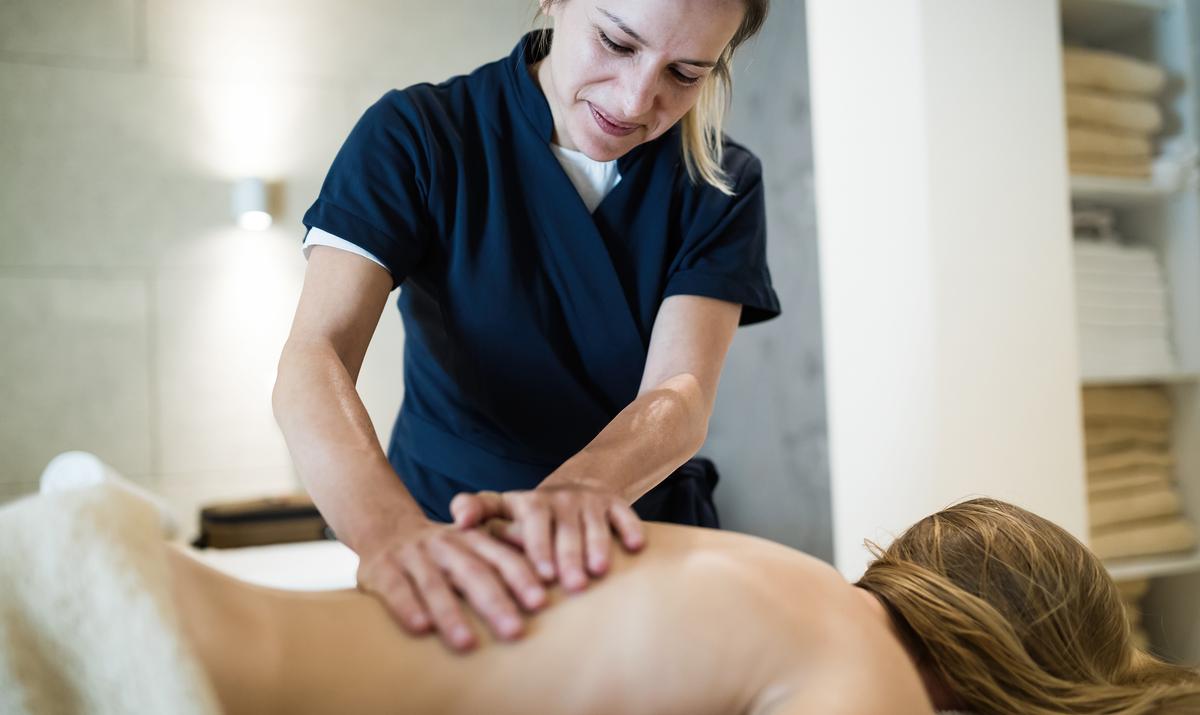
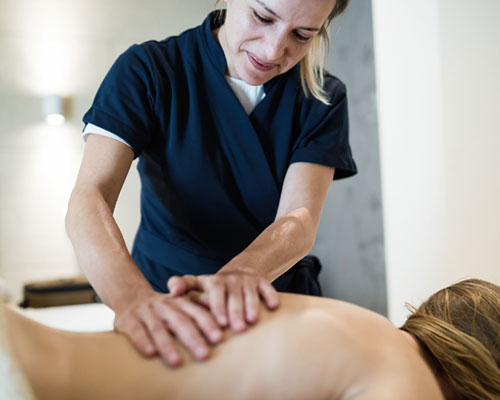
The COVID-19 vaccine rollout has given fresh hope to the spa industry / NDAB Creativity/shutterstock
The spa industry is, by its very nature, a close contact industry built around the in-person experience. So it should come as no surprise that a global pandemic, characterised by social distancing and stay-at-home orders, brought a year of turmoil to a sector that had seen sustained growth in recent years.
New data published in the International Spa Association (ISPA)’s 2021 US Spa Industry Study offers a nationwide overview of the economic fallout of the pandemic. With the economy now reopening and strengthening, it also crucially examines what should be in the playbook for the industry’s road to recovery ahead.
The findings are based on a survey of spa operators with more than 2,000 locations in early 2021. The study gathered valuable business insights on financial performance, employment, and growth, in addition to ownership structures, product and service offerings in the 12 preceding months, as well as identifying emerging trends.
Openings and closings The COVID-19 crisis severely restricted spas’ operational capacity through 2020, with widespread temporary closures and most facilities completely shut down from March to May as coronavirus raged. The stop-start nature of the restrictions made planning incredibly difficult. But by December, as the economy showed clear signs of reopening, the majority of US spas (79 per cent) were also open again. By the end of a turbulent year, only 6 per cent of spas were estimated to have remained closed and these were still deemed viable in the study in anticipation of reopening at some point in 2021.
Five key statistics The US spa industry’s pre-pandemic position in 2019 had seen each of the industry’s so-called Big 5 statistics hit record high levels. Unsurprisingly, all five metrics fell in 2020 as a result of COVID-19 (see www.spabusiness.com/USbigfive2020).
Spa revenues took the biggest hit, falling US$7bn (€5.9bn, £5bn) to US$12.1bn (€10.2bn, £8.7bn) – a drop of 36 per cent. With travel at times virtually grinding to a halt, the effect of the pandemic was most acutely felt in the resort/hotel sector, where revenues in 2020 fell by 46 per cent.
Stay-at-home orders and temporary closures meant 68 million fewer visits to spas were estimated to have taken place in 2020 – that’s a fall of 35 per cent. Of those who were able to visit a spa in 2020, almost three quarters (74 per cent) of those were local residents or walk-in guests, with out-of-town guests comprising the remaining 26 per cent. Given the resort/hotel sector’s reliance on out-of-town guests, it’s no surprise that it once again bore the brunt – visits in that sector were down 43 per cent compared to 34 per cent in day spas.
The combination of this fall in revenue and guests saw a marginal decline in revenue per visit in 2020, falling by 2 per cent to US$97.50 (€82, £70). That said, such a marginal reduction goes some way to show that guests’ spending held up when they were able to visit.
On spa locations and employment, it may still be some time until the pandemic’s full impact is truly known. In 2020, spa closures outpaced openings, leading to a net drop in the total number of spa locations. But with many of the industry’s spas able to open up again, there are now estimated to be a total of 21,560 spas in the US (4 per cent fewer than in 2019) employing a total of 304,800 people (21 per cent fewer than in 2019).
With the sharp decline in revenue and visits, the vast majority of US spas (79 per cent) took the decision to reduce their employee headcount. Twenty-five per cent of spas said they’d taken more drastic action and reduced their staff complement by more than a quarter – half of those spas (51 per cent) were in the resort/hotel sector.
Rethinking spa The rollout of COVID-19 vaccines has helped the spa industry see hope beyond what perhaps seemed to be an existential crisis. The immediate aftermath of the pandemic could also be a chance for the industry to rethink and find innovations and new ideas that help return it to sustainable growth like it so successfully did after the global economic downturn a decade ago. The 2021 US Spa Industry Study offers a glimpse into some of these possible ‘silver linings’ and hints at three areas where spas are making innovations that could last well beyond the pandemic.
• The first is efficiency, driven largely by the adoption of new technologies, whether that’s for online booking, contactless payments or customer databases. These changes not only create a more service-oriented approach for spa-goers, they reduce the demands on staff leading to a more efficient running of the business. It’s clear that spas may well stick with some of the new protocols they introduced alongside augmenting their core offering by using for example outdoor or curb-side treatments (40 per cent) or touchless therapies (21 per cent).
• The second is the connection with the customer. Due to the US government’s direct relief payments, those who were able to work through the pandemic experienced a 7.5 per cent rise in disposable income according to the Bureau of Economic Analysis. Many economists are therefore expecting a demand-led recovery since the outbreak as consumers work through higher levels of disposable income and have a chance to do the activities they missed through 2020. This is a crucial difference between 2021 and the years after the global economic downturn. Now the mantra appears to be ‘open it and they will come’, whereas the previous crisis was characterised by a collapse in disposable income which, of course, had a negative impact on the uptake of spa services. Understanding and tapping into the aspirations and needs of the consumers as we emerge from COVID-19 will be vital for survival and indeed future growth.
• The third is the chance to further diversify the spa workforce. There’s a golden opportunity to cast the net wider in the search for potential employees. Many sectors are already reporting that the single biggest hurdle they’re having to overcome is a shortage of staff. And this is a topic already well known to the spa industry, with the significant number of unstaffed positions weighing heavily on industry leaders’ minds in recent years.
Even with the drop in the workforce caused by the pandemic, this year’s US Spa Industry Study identifies that there are still an estimated 36,550 service provider and 2,820 management vacancies. The number of unfilled service providers has proven a particularly difficult issue to resolve and currently equates to 12 per cent of the total workforce. With 62 per cent of spas saying they’re actively hiring therapists, recruitment and retention will be absolutely at the top of the 2021-2022 agenda. It will need a new way of looking at the workforce and reaching out in novel ways to potentially thousands of new recruits and untapped talent.
The coming months will undoubtedly be an important period for the spa industry. It would be foolhardy to try to predict what the Big 5 numbers will be in next year’s report, when the dust has (hopefully) settled on the pandemic. However, what can be said is that the spa industry is again showing its resilience; its ability to bounce back and continue to be a vibrant contributor to the US economy, as well as a positive influence on the lives of millions of Americans.
At a glance
• US spa revenues fell by 36% in 2020 to US$12.1bn
• There were 68 million fewer visits to spas – a drop of 35%
• Yet, only a marginal decline of 2% in revenue per visit
• Spa employment levels dropped by 21% to 304,800 people
• There are an estimated 36,500 service provider and 2,820 management vacancies in the US spa sector
Colin McIlheney is the global research leader, PwC; and Russell Donaldson a manager at PwC Research
| [email protected]
Read more from this issue of Attractions Management magazine
View contents of Attractions Management 2021 issue 3
Editor's letter: All about the people
With global staff shortages threatening to stall economic recovery, it’s time to reboot our commitment to driving improvements in pay and working conditions across the spa and wellness industry
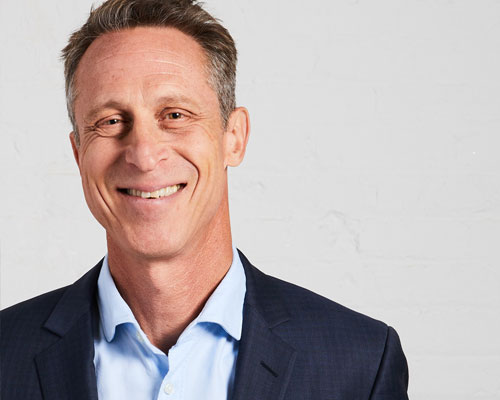
Spa people: Dr Mark Hyman
Dr Mark Hyman MD believes functional medicine has the power to be life-changing in the health and wellbeing of patients.
New opening: Six Senses Shaharut
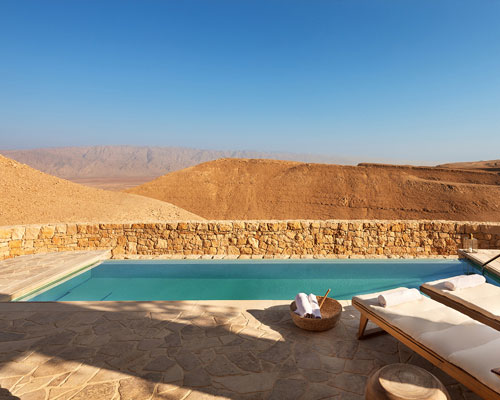
Six Senses has opened the doors to its new 60-key retreat in Israel’s southern Negev Desert, complete with a 1,900sq m, two-level spa and wellness sanctuary
New opening: QC NY
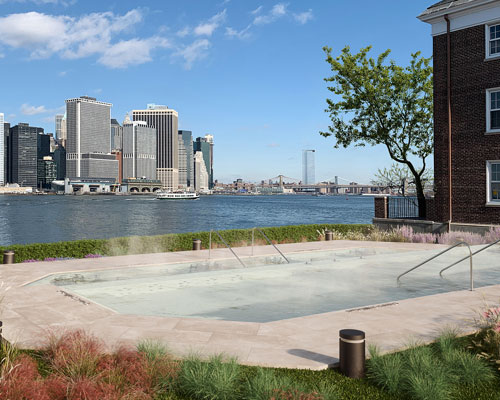
A 74,000sq ft Italian day spa has opened on New York’s Governors Island after a US$50m investment and seven years of planning, building and restoration.
Interview: Kenneth Ryan
We talk to the global head of spa at Marriott International about navigating the global lockdown, re-imagining the company's brand portfolio and what it will take to succeed post-COVID-19
Sponsored: Time out
Answering a growing demand
for non-invasive, anti-ageing skin
care, Comfort Zone is relaunching
its Sublime Skin line with a new
filler-like natural formula that
reverses cellular degeneration
Research: Total impact
Latest ISPA report considers the economic fallout of the pandemic and the spa industry's road to recovery
Sponsored: Gharieni Group
CEO Sammy Gharieni talks about his relentless drive
to deliver innovative products to underpin operators’ success
Analysis: Role model
What business models are showing the most potential in the wellness industry? Lyndsay Madden Nadeau shares her insights
Interview: Lorenzo Giannuzzi
The hospitality veteran dreamed of reinventing an historic Italian palazzo as a world-class medical spa. Lisa Starr went to find out more
Sponsored: TechnoAlpin
Snow rooms are creating a ‘wow’ factor for customers,
while reducing operating costs in the delivery of hot and cold
experiences
Interview: Gloria Caulfield
The executive director of Lake Nona wellness community talks about tapping into the latest tech to create healthy living environments
Software: Revenue management
How software suppliers have been supporting spas to get savvy with yield management since the pandemic began
Promotion: Iyashi Dôme
Iyashi Dôme’s touchless infrared tech is the perfect investment for the post-lockdown world, says Florent Cornelis
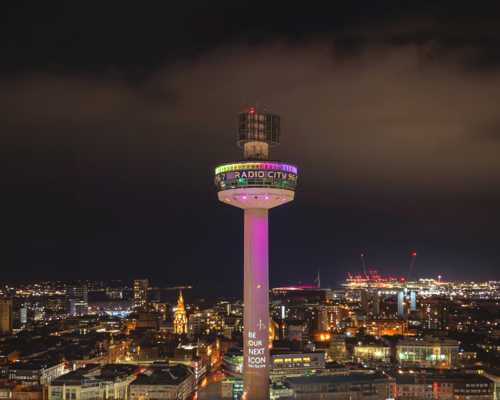
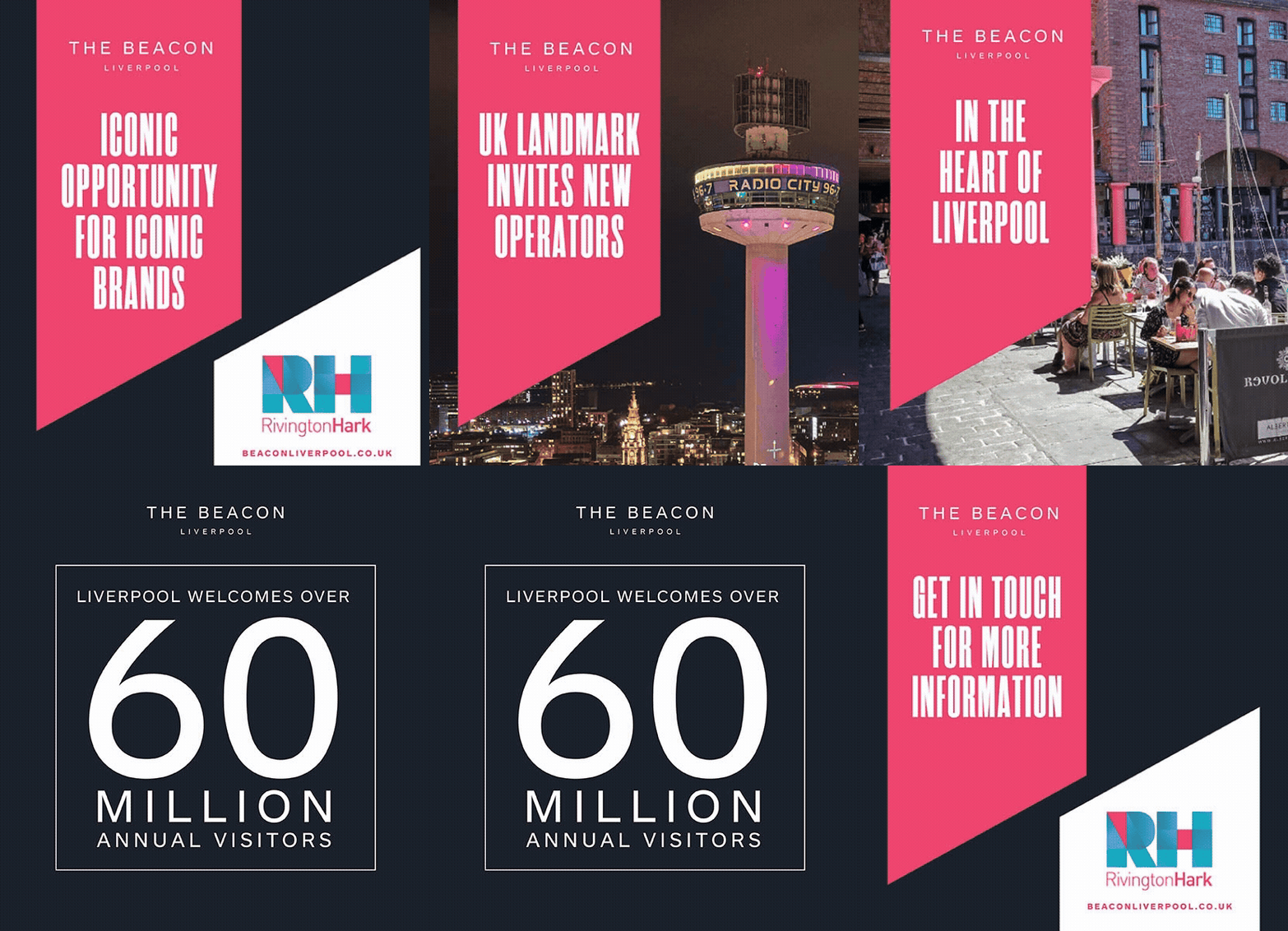
An opportunity to reimagine one of the UK’s most recognisable towers has been formally
opened by Rivington Hark, as St Johns Beacon invites operators and partners to shape its
next phase. [more...]
The COVID-19 vaccine rollout has given fresh hope to the spa industry / NDAB Creativity/shutterstock
The spa industry is, by its very nature, a close contact industry built around the in-person experience. So it should come as no surprise that a global pandemic, characterised by social distancing and stay-at-home orders, brought a year of turmoil to a sector that had seen sustained growth in recent years.
New data published in the International Spa Association (ISPA)’s 2021 US Spa Industry Study offers a nationwide overview of the economic fallout of the pandemic. With the economy now reopening and strengthening, it also crucially examines what should be in the playbook for the industry’s road to recovery ahead.
The findings are based on a survey of spa operators with more than 2,000 locations in early 2021. The study gathered valuable business insights on financial performance, employment, and growth, in addition to ownership structures, product and service offerings in the 12 preceding months, as well as identifying emerging trends.
Openings and closings The COVID-19 crisis severely restricted spas’ operational capacity through 2020, with widespread temporary closures and most facilities completely shut down from March to May as coronavirus raged. The stop-start nature of the restrictions made planning incredibly difficult. But by December, as the economy showed clear signs of reopening, the majority of US spas (79 per cent) were also open again. By the end of a turbulent year, only 6 per cent of spas were estimated to have remained closed and these were still deemed viable in the study in anticipation of reopening at some point in 2021.
Five key statistics The US spa industry’s pre-pandemic position in 2019 had seen each of the industry’s so-called Big 5 statistics hit record high levels. Unsurprisingly, all five metrics fell in 2020 as a result of COVID-19 (see www.spabusiness.com/USbigfive2020).
Spa revenues took the biggest hit, falling US$7bn (€5.9bn, £5bn) to US$12.1bn (€10.2bn, £8.7bn) – a drop of 36 per cent. With travel at times virtually grinding to a halt, the effect of the pandemic was most acutely felt in the resort/hotel sector, where revenues in 2020 fell by 46 per cent.
Stay-at-home orders and temporary closures meant 68 million fewer visits to spas were estimated to have taken place in 2020 – that’s a fall of 35 per cent. Of those who were able to visit a spa in 2020, almost three quarters (74 per cent) of those were local residents or walk-in guests, with out-of-town guests comprising the remaining 26 per cent. Given the resort/hotel sector’s reliance on out-of-town guests, it’s no surprise that it once again bore the brunt – visits in that sector were down 43 per cent compared to 34 per cent in day spas.
The combination of this fall in revenue and guests saw a marginal decline in revenue per visit in 2020, falling by 2 per cent to US$97.50 (€82, £70). That said, such a marginal reduction goes some way to show that guests’ spending held up when they were able to visit.
On spa locations and employment, it may still be some time until the pandemic’s full impact is truly known. In 2020, spa closures outpaced openings, leading to a net drop in the total number of spa locations. But with many of the industry’s spas able to open up again, there are now estimated to be a total of 21,560 spas in the US (4 per cent fewer than in 2019) employing a total of 304,800 people (21 per cent fewer than in 2019).
With the sharp decline in revenue and visits, the vast majority of US spas (79 per cent) took the decision to reduce their employee headcount. Twenty-five per cent of spas said they’d taken more drastic action and reduced their staff complement by more than a quarter – half of those spas (51 per cent) were in the resort/hotel sector.
Rethinking spa The rollout of COVID-19 vaccines has helped the spa industry see hope beyond what perhaps seemed to be an existential crisis. The immediate aftermath of the pandemic could also be a chance for the industry to rethink and find innovations and new ideas that help return it to sustainable growth like it so successfully did after the global economic downturn a decade ago. The 2021 US Spa Industry Study offers a glimpse into some of these possible ‘silver linings’ and hints at three areas where spas are making innovations that could last well beyond the pandemic.
• The first is efficiency, driven largely by the adoption of new technologies, whether that’s for online booking, contactless payments or customer databases. These changes not only create a more service-oriented approach for spa-goers, they reduce the demands on staff leading to a more efficient running of the business. It’s clear that spas may well stick with some of the new protocols they introduced alongside augmenting their core offering by using for example outdoor or curb-side treatments (40 per cent) or touchless therapies (21 per cent).
• The second is the connection with the customer. Due to the US government’s direct relief payments, those who were able to work through the pandemic experienced a 7.5 per cent rise in disposable income according to the Bureau of Economic Analysis. Many economists are therefore expecting a demand-led recovery since the outbreak as consumers work through higher levels of disposable income and have a chance to do the activities they missed through 2020. This is a crucial difference between 2021 and the years after the global economic downturn. Now the mantra appears to be ‘open it and they will come’, whereas the previous crisis was characterised by a collapse in disposable income which, of course, had a negative impact on the uptake of spa services. Understanding and tapping into the aspirations and needs of the consumers as we emerge from COVID-19 will be vital for survival and indeed future growth.
• The third is the chance to further diversify the spa workforce. There’s a golden opportunity to cast the net wider in the search for potential employees. Many sectors are already reporting that the single biggest hurdle they’re having to overcome is a shortage of staff. And this is a topic already well known to the spa industry, with the significant number of unstaffed positions weighing heavily on industry leaders’ minds in recent years.
Even with the drop in the workforce caused by the pandemic, this year’s US Spa Industry Study identifies that there are still an estimated 36,550 service provider and 2,820 management vacancies. The number of unfilled service providers has proven a particularly difficult issue to resolve and currently equates to 12 per cent of the total workforce. With 62 per cent of spas saying they’re actively hiring therapists, recruitment and retention will be absolutely at the top of the 2021-2022 agenda. It will need a new way of looking at the workforce and reaching out in novel ways to potentially thousands of new recruits and untapped talent.
The coming months will undoubtedly be an important period for the spa industry. It would be foolhardy to try to predict what the Big 5 numbers will be in next year’s report, when the dust has (hopefully) settled on the pandemic. However, what can be said is that the spa industry is again showing its resilience; its ability to bounce back and continue to be a vibrant contributor to the US economy, as well as a positive influence on the lives of millions of Americans.
At a glance
• US spa revenues fell by 36% in 2020 to US$12.1bn
• There were 68 million fewer visits to spas – a drop of 35%
• Yet, only a marginal decline of 2% in revenue per visit
• Spa employment levels dropped by 21% to 304,800 people
• There are an estimated 36,500 service provider and 2,820 management vacancies in the US spa sector
Colin McIlheney is the global research leader, PwC; and Russell Donaldson a manager at PwC Research
| [email protected]
Read more from this issue of Attractions Management magazine
View contents of Attractions Management 2021 issue 3
Editor's letter: All about the people
With global staff shortages threatening to stall economic recovery, it’s time to reboot our commitment to driving improvements in pay and working conditions across the spa and wellness industry
Spa people: Dr Mark Hyman
Dr Mark Hyman MD believes functional medicine has the power to be life-changing in the health and wellbeing of patients.
New opening: Six Senses Shaharut
Six Senses has opened the doors to its new 60-key retreat in Israel’s southern Negev Desert, complete with a 1,900sq m, two-level spa and wellness sanctuary
New opening: QC NY
A 74,000sq ft Italian day spa has opened on New York’s Governors Island after a US$50m investment and seven years of planning, building and restoration.
Interview: Kenneth Ryan
We talk to the global head of spa at Marriott International about navigating the global lockdown, re-imagining the company's brand portfolio and what it will take to succeed post-COVID-19
Sponsored: Time out
Answering a growing demand
for non-invasive, anti-ageing skin
care, Comfort Zone is relaunching
its Sublime Skin line with a new
filler-like natural formula that
reverses cellular degeneration
Research: Total impact
Latest ISPA report considers the economic fallout of the pandemic and the spa industry's road to recovery
Sponsored: Gharieni Group
CEO Sammy Gharieni talks about his relentless drive
to deliver innovative products to underpin operators’ success
Analysis: Role model
What business models are showing the most potential in the wellness industry? Lyndsay Madden Nadeau shares her insights
Interview: Lorenzo Giannuzzi
The hospitality veteran dreamed of reinventing an historic Italian palazzo as a world-class medical spa. Lisa Starr went to find out more
Sponsored: TechnoAlpin
Snow rooms are creating a ‘wow’ factor for customers,
while reducing operating costs in the delivery of hot and cold
experiences
Interview: Gloria Caulfield
The executive director of Lake Nona wellness community talks about tapping into the latest tech to create healthy living environments
Software: Revenue management
How software suppliers have been supporting spas to get savvy with yield management since the pandemic began
Promotion: Iyashi Dôme
Iyashi Dôme’s touchless infrared tech is the perfect investment for the post-lockdown world, says Florent Cornelis
A new immersive attraction designed to transport visitors into the final hours of ancient Pompeii
is preparing to open near the world-famous archaeological site in southern Italy.
Experience design company, BRC Imagination Arts, has completed a transition that sees founder
Bob Rogers pass ownership of the business to four long-serving senior executives, while
remaining actively involved with the company.
Movie Park Germany has opened a new Paramount Pictures-themed attraction as part of its 30th
anniversary celebrations, using immersive storytelling and adaptive reuse to reinforce the park’s
longstanding “Hollywood in Germany” positioning.
Therme Manchester’s 28-acre development, which will include interconnected glass pavilions
that measure 65,000sq m, will be the largest bathing and wellbeing attraction in the world once
complete, according to prof David Russell, CEO of Therme UK.
Efteling has opened Hooghmoed, a new family drop tower designed to broaden the appeal of its
recently launched Sirene Island themed area and introduce younger visitors to thrill attractions.
A proposed Puy du Fou development near Bicester and Universal Destinations and Experiences’
planned resort in Bedford are emerging as part of a wider transformation of the Oxford–
Cambridge Growth Corridor into a major centre for UK leisure and tourism inv
Shedd Aquarium has opened the Immersion Theater developed in partnership with SimEx-
Iwerks, as part of a wider strategy to enhance the guest experience and create additional
revenue opportunities.
The UK government has announced a temporary reduction in VAT on visitor attractions and
children’s meals as part of a summer cost-of-living support package designed to stimulate the
visitor economy and encourage family days out.
As designer Yinka Ilori prepares for his first solo gallery show in London, he speaks exclusively
to CLADmag about his mission to spread joy, the power of play, and his bold approach to using
colour (including the colours you won’t see in his work).
The government of Thailand is exploring plans for a THB300bn (£6.3bn, US$8.3bn)
entertainment complex in the country’s Eastern Economic Corridor (EEC), with officials
proposing a large-scale theme park and sports destination as part of a broader tourism and
economic development strategy.
An opportunity to reimagine one of the UK’s most recognisable towers has been formally
opened by Rivington Hark, as St Johns Beacon invites operators and partners to shape its
next phase. [more...]