Interest in how built environments can affect our health and wellbeing has become a major topic of discussion globally, especially as lockdown has seen people spending more time indoors. And wellness architecture is an upcoming trend in the spa industry.
To further this field’s progress, two leading wellness organisations recently kicked off separate initiatives to investigate how wellness design and architecture can improve human health, wellbeing and performance.
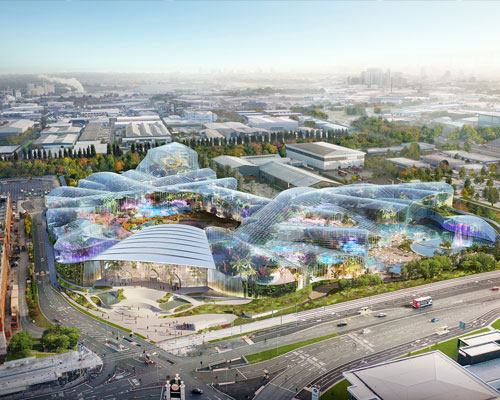
Thermal resort operator Therme Group and COGITO – the epistemology research centre at the University of Glasgow, UK – were the first to announce their Dimensions of Wellbeing project which will run over the next five years.
The organisations wish to develop a novel, multi-dimensional theory of wellbeing, grounded in both philosophical and psychological research. Part of this will involve cutting-edge research into environmental psychology to investigate how wellbeing can be generated in the built environment through factors including room shapes, seating arrangements and light.
Therme will use the findings to enhance the customer experience at its facilities across the world.
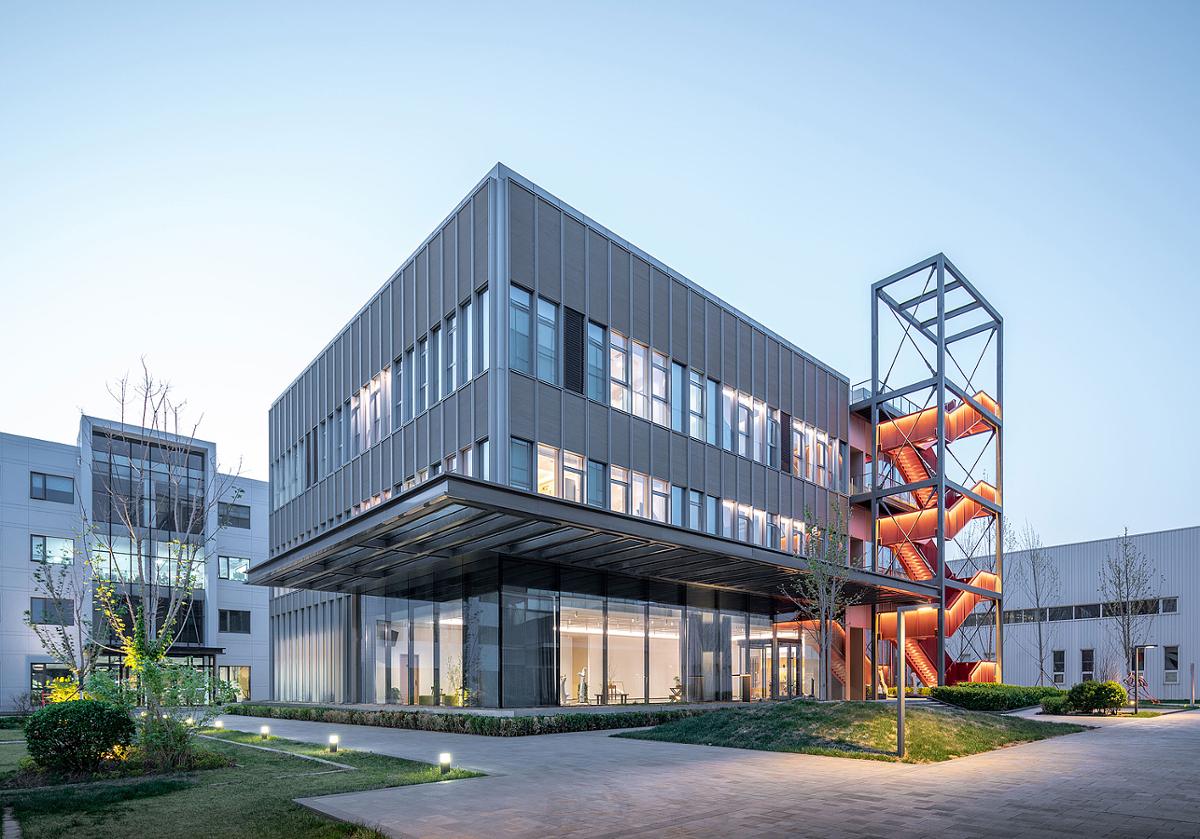
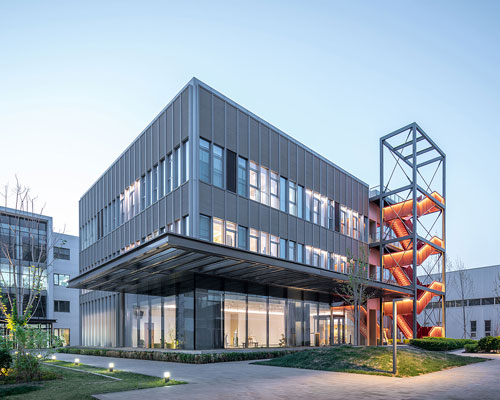
Wellness real estate firm Delos, the company behind the Well Living Lab (WLL), has also expanded its reach in the field of wellness design by launching its first international outpost in Beijing.
The WLL is a controlled and simulated indoor environment that mimics office environments and residential living spaces with a view to researching how they impact our health.
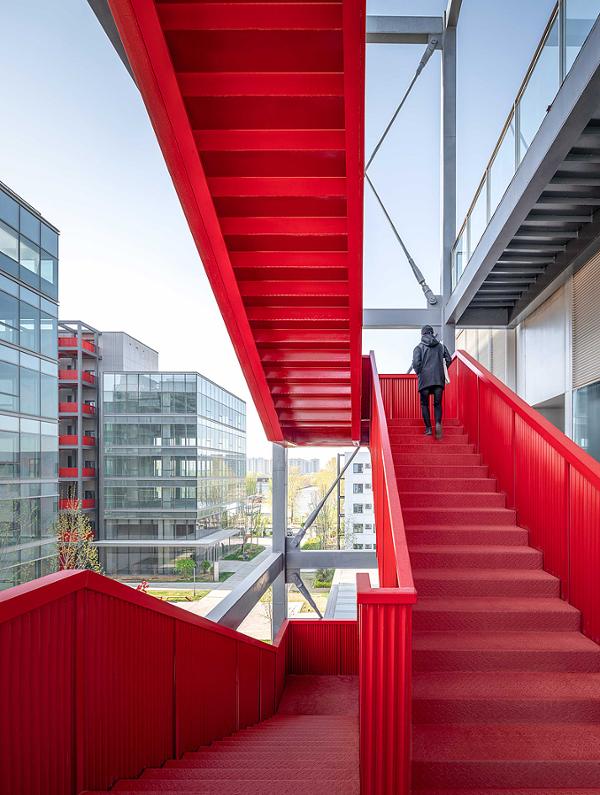
The new site in Asia has been designed by Superimpose Architecture and its goal is to further the studies already conducted at the original WLL which Delos launched in collaboration with the Mayo Clinic in Minnesota, USA, in 2014.
The lab researches, develops and tests both new and existing innovations designed to improve the health and wellbeing of individuals as they live and work within human-made structures.
Since its launch, the WLL has made the following discoveries:
• Access to daylight and views in an office improve cognitive performance and satisfaction
• Sound, light and temperature affect employees in an office environment
• Office lighting impacts cognitive performance and sleep.
Future studies will look into how indoor air pollution affects the body and mind and whether relaxation spaces incorporating elements of nature can help reduce burnout in healthcare professionals.
Findings from both Therme and WLL’s initiatives have the potential to inform future spa design and operation as they uncover best-practice behind creating environments built to enhance human health and wellbeing.
Read more from this issue of Attractions Management magazine
View contents of Attractions Management 2021 issue 3
Editor's letter: All about the people
With global staff shortages threatening to stall economic recovery, it’s time to reboot our commitment to driving improvements in pay and working conditions across the spa and wellness industry
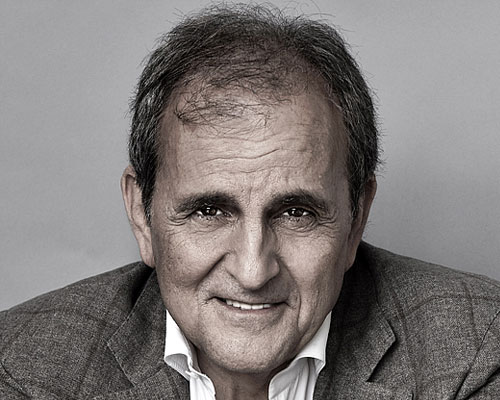
Spa people: Dr Mark Hyman
Dr Mark Hyman MD believes functional medicine has the power to be life-changing in the health and wellbeing of patients.
New opening: Six Senses Shaharut
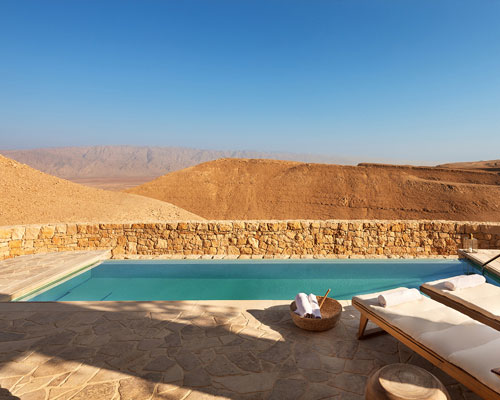
Six Senses has opened the doors to its new 60-key retreat in Israel’s southern Negev Desert, complete with a 1,900sq m, two-level spa and wellness sanctuary
New opening: QC NY
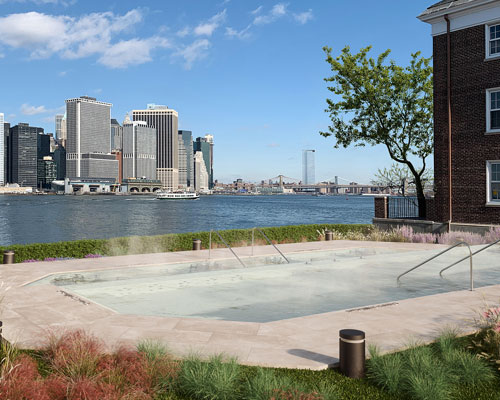
A 74,000sq ft Italian day spa has opened on New York’s Governors Island after a US$50m investment and seven years of planning, building and restoration.
Interview: Kenneth Ryan
We talk to the global head of spa at Marriott International about navigating the global lockdown, re-imagining the company's brand portfolio and what it will take to succeed post-COVID-19
Sponsored: Time out
Answering a growing demand
for non-invasive, anti-ageing skin
care, Comfort Zone is relaunching
its Sublime Skin line with a new
filler-like natural formula that
reverses cellular degeneration
Research: Total impact
Latest ISPA report considers the economic fallout of the pandemic and the spa industry's road to recovery
Sponsored: Gharieni Group
CEO Sammy Gharieni talks about his relentless drive
to deliver innovative products to underpin operators’ success
Analysis: Role model
What business models are showing the most potential in the wellness industry? Lyndsay Madden Nadeau shares her insights
Interview: Lorenzo Giannuzzi
The hospitality veteran dreamed of reinventing an historic Italian palazzo as a world-class medical spa. Lisa Starr went to find out more
Sponsored: TechnoAlpin
Snow rooms are creating a ‘wow’ factor for customers,
while reducing operating costs in the delivery of hot and cold
experiences
Interview: Gloria Caulfield
The executive director of Lake Nona wellness community talks about tapping into the latest tech to create healthy living environments
Software: Revenue management
How software suppliers have been supporting spas to get savvy with yield management since the pandemic began
Promotion: Iyashi Dôme
Iyashi Dôme’s touchless infrared tech is the perfect investment for the post-lockdown world, says Florent Cornelis
Interest in how built environments can affect our health and wellbeing has become a major topic of discussion globally, especially as lockdown has seen people spending more time indoors. And wellness architecture is an upcoming trend in the spa industry.
To further this field’s progress, two leading wellness organisations recently kicked off separate initiatives to investigate how wellness design and architecture can improve human health, wellbeing and performance.
Thermal resort operator Therme Group and COGITO – the epistemology research centre at the University of Glasgow, UK – were the first to announce their Dimensions of Wellbeing project which will run over the next five years.
The organisations wish to develop a novel, multi-dimensional theory of wellbeing, grounded in both philosophical and psychological research. Part of this will involve cutting-edge research into environmental psychology to investigate how wellbeing can be generated in the built environment through factors including room shapes, seating arrangements and light.
Therme will use the findings to enhance the customer experience at its facilities across the world.
Wellness real estate firm Delos, the company behind the Well Living Lab (WLL), has also expanded its reach in the field of wellness design by launching its first international outpost in Beijing.
The WLL is a controlled and simulated indoor environment that mimics office environments and residential living spaces with a view to researching how they impact our health.
The new site in Asia has been designed by Superimpose Architecture and its goal is to further the studies already conducted at the original WLL which Delos launched in collaboration with the Mayo Clinic in Minnesota, USA, in 2014.
The lab researches, develops and tests both new and existing innovations designed to improve the health and wellbeing of individuals as they live and work within human-made structures.
Since its launch, the WLL has made the following discoveries:
• Access to daylight and views in an office improve cognitive performance and satisfaction
• Sound, light and temperature affect employees in an office environment
• Office lighting impacts cognitive performance and sleep.
Future studies will look into how indoor air pollution affects the body and mind and whether relaxation spaces incorporating elements of nature can help reduce burnout in healthcare professionals.
Findings from both Therme and WLL’s initiatives have the potential to inform future spa design and operation as they uncover best-practice behind creating environments built to enhance human health and wellbeing.
Read more from this issue of Attractions Management magazine
View contents of Attractions Management 2021 issue 3
Editor's letter: All about the people
With global staff shortages threatening to stall economic recovery, it’s time to reboot our commitment to driving improvements in pay and working conditions across the spa and wellness industry
Spa people: Dr Mark Hyman
Dr Mark Hyman MD believes functional medicine has the power to be life-changing in the health and wellbeing of patients.
New opening: Six Senses Shaharut
Six Senses has opened the doors to its new 60-key retreat in Israel’s southern Negev Desert, complete with a 1,900sq m, two-level spa and wellness sanctuary
New opening: QC NY
A 74,000sq ft Italian day spa has opened on New York’s Governors Island after a US$50m investment and seven years of planning, building and restoration.
Interview: Kenneth Ryan
We talk to the global head of spa at Marriott International about navigating the global lockdown, re-imagining the company's brand portfolio and what it will take to succeed post-COVID-19
Sponsored: Time out
Answering a growing demand
for non-invasive, anti-ageing skin
care, Comfort Zone is relaunching
its Sublime Skin line with a new
filler-like natural formula that
reverses cellular degeneration
Research: Total impact
Latest ISPA report considers the economic fallout of the pandemic and the spa industry's road to recovery
Sponsored: Gharieni Group
CEO Sammy Gharieni talks about his relentless drive
to deliver innovative products to underpin operators’ success
Analysis: Role model
What business models are showing the most potential in the wellness industry? Lyndsay Madden Nadeau shares her insights
Interview: Lorenzo Giannuzzi
The hospitality veteran dreamed of reinventing an historic Italian palazzo as a world-class medical spa. Lisa Starr went to find out more
Sponsored: TechnoAlpin
Snow rooms are creating a ‘wow’ factor for customers,
while reducing operating costs in the delivery of hot and cold
experiences
Interview: Gloria Caulfield
The executive director of Lake Nona wellness community talks about tapping into the latest tech to create healthy living environments
Software: Revenue management
How software suppliers have been supporting spas to get savvy with yield management since the pandemic began
Promotion: Iyashi Dôme
Iyashi Dôme’s touchless infrared tech is the perfect investment for the post-lockdown world, says Florent Cornelis
London Museum will open four new food and drink destinations when it launches its new home
at Smithfield on 28 November, making hospitality a central part of the visitor experience at one
of the capital's biggest cultural openings of the year.
OMA has completed a major transformation of New York's New Museum, creating a larger
cultural campus that combines expanded exhibition spaces with learning, performance,
hospitality and public programming.
A US$50 million (£44.2 million, €51.2 million) transformation of Chicago's historic McCormick
Mansion has created a new destination that combines live magic, immersive theatre, dining and
private membership under one roof.
The Montana Historical Society has officially celebrated the opening of its new Montana
Heritage
Center, a US$107 million (£79 million, €92 million) destination that combines immersive
storytelling with cutting-edge audiovisual technology to bring the sta
San Antonio Zoo has reported a US$283 million economic impact for 2025, following a decade-
long transformation programme that has seen almost US$200 million invested into the Texas
attraction.
Plans for the AU$180 million redevelopment of Reef HQ Aquarium in Townsville, Australia, are
progressing, with the project set to transform the attraction into a global centre for reef
education and conservation.
Abu Dhabi-based investment firm Mubadala Capital has made a binding, fully financed
€1 billion
offer to acquire Pierre and Vacances SA, the European holiday resort operator behind the
continental European Center Parcs business.
Disney has reaffirmed its commitment to investing US$30 billion in its US parks and cruise
business by 2033, using new America250 celebrations to underline the role its attractions play
in supporting jobs, tourism and economic growth.
Expo 2030 Riyadh is being planned as a permanent visitor destination, with organisers
confirming the six-million-square-metre site will become a Global Village after the event closes.
The owner of one of Australia's best-known waterparks has acquired a major competitor,
creating a new attractions business spanning two of the country's largest visitor destinations.