Machine learning meets culture, as Google rolls out experimental programs on Art and Culture app
POSTED 13 Mar 2018 . BY Tom Anstey
Google's Arts & Culture Lab in Paris has been experimenting with how AI can be used for the benefit of culture Credit: Google
Google has released three experimental computer programs through its arts and culture platform, each designed to explore how machine learning can enhance the public’s understanding of, and access to, art.
The three experiments include new tools offering users the opportunity to search for and discover art and photography in archives that would otherwise be “overwhelming or inaccessible”.
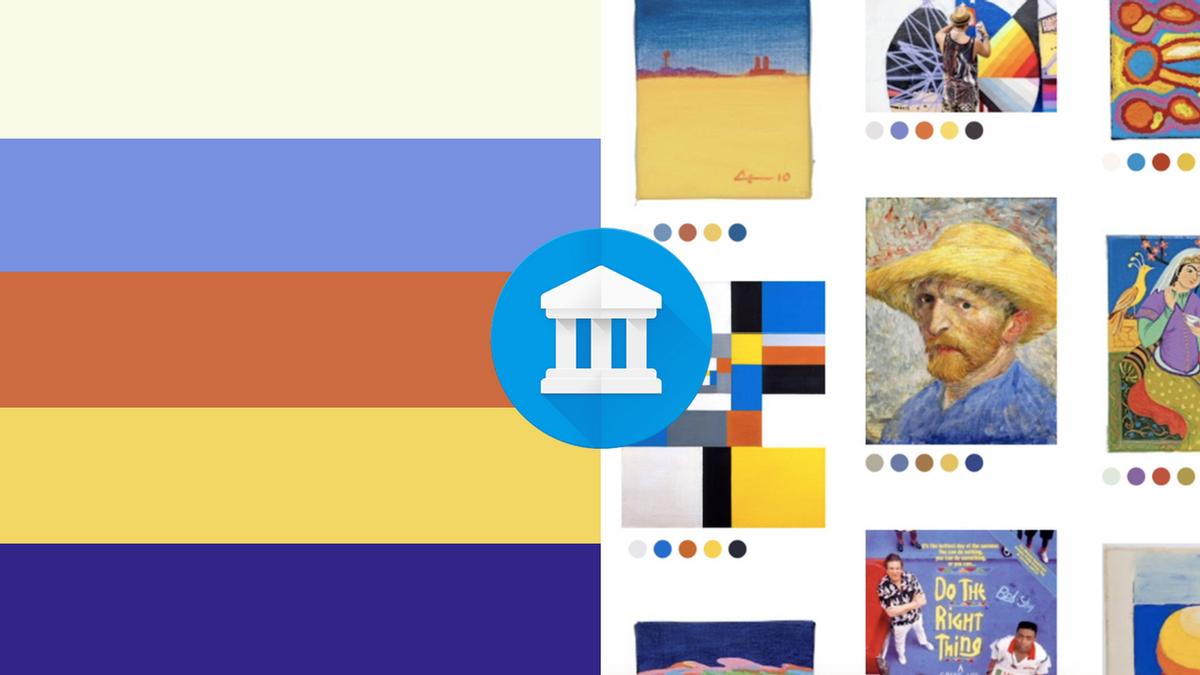
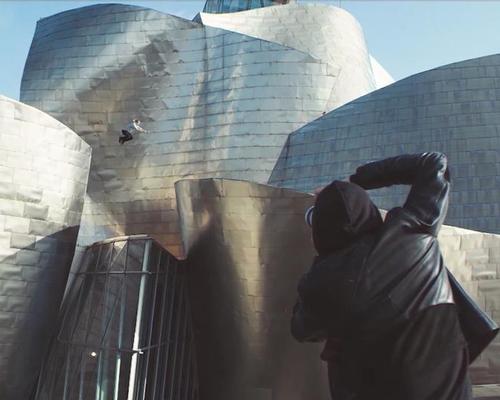
The first new application, called ‘Art Palette’ allows users to select several colours, with the app then generating classic and modern artworks that conform to the selected restrictions. In a promotional video, Google had designer Paul Smith try out the feature to show how it can inspire artwork.
The second experiment allows access to a broad range of American history and culture, with Life Tags offering access to LIFE magazine’s archive, which in reality fills three warehouses “stretching 6,000ft (1,800m)”.
Starting in 1936, the magazine is responsible for capturing some of the most iconic moments through the 20th century. During a near 70-year run that ended in 2000, millions of photos were taken, with only 5 per cent ever published. With the new app, 4 million of those photos are now available to look at, with the tool organising the LIFE archives into an interactive encyclopedia, where users can search by topics such as astronauts, babies making funny faces and boxing to name a few.
The last of the three experiments used machine learning to help turn the New York Museum of Modern Art’s archive of more than 30,000 photos into an interactive archive of the institution's exhibitions.
The archive while vast, didn’t detail any information about the works themselves. Using a tool built in collaboration with MoMA, 27,000 works dating back to 1929 were automatically identified and catalogued.
“Now a photo from a 1929 painting exhibition opens a window into an iconic work by Paul Cézanne; a 1965 shot of Robert Rauschenberg prints connects you to those same works in MoMA’s 2017 Rauschenberg retrospective; and one corner of a 2013 design exhibition becomes a portal into poster art across two centuries,” said MoMA.
“We unveiled our first set of experiments that used AI to aid cultural discoveries in 2016,” said Damien Henry, experiments team lead at Google Arts & Culture.
“Since then we’ve collaborated with institutions and artists, and we hope that these experimental applications will not only lead you to explore something new, but also shape our conversations around the future of technology, its potential as an aid for discovery and creativity.”
Hotel de France, located on the British Isle of Jersey, has created a wellness retreat package
that includes a hot yoga session that will take place in Jersey Zoo’s butterfly sanctuary.
A new immersive attraction designed to transport visitors into the final hours of ancient Pompeii
is preparing to open near the world-famous archaeological site in southern Italy.
Experience design company, BRC Imagination Arts, has completed a transition that sees founder
Bob Rogers pass ownership of the business to four long-serving senior executives, while
remaining actively involved with the company.
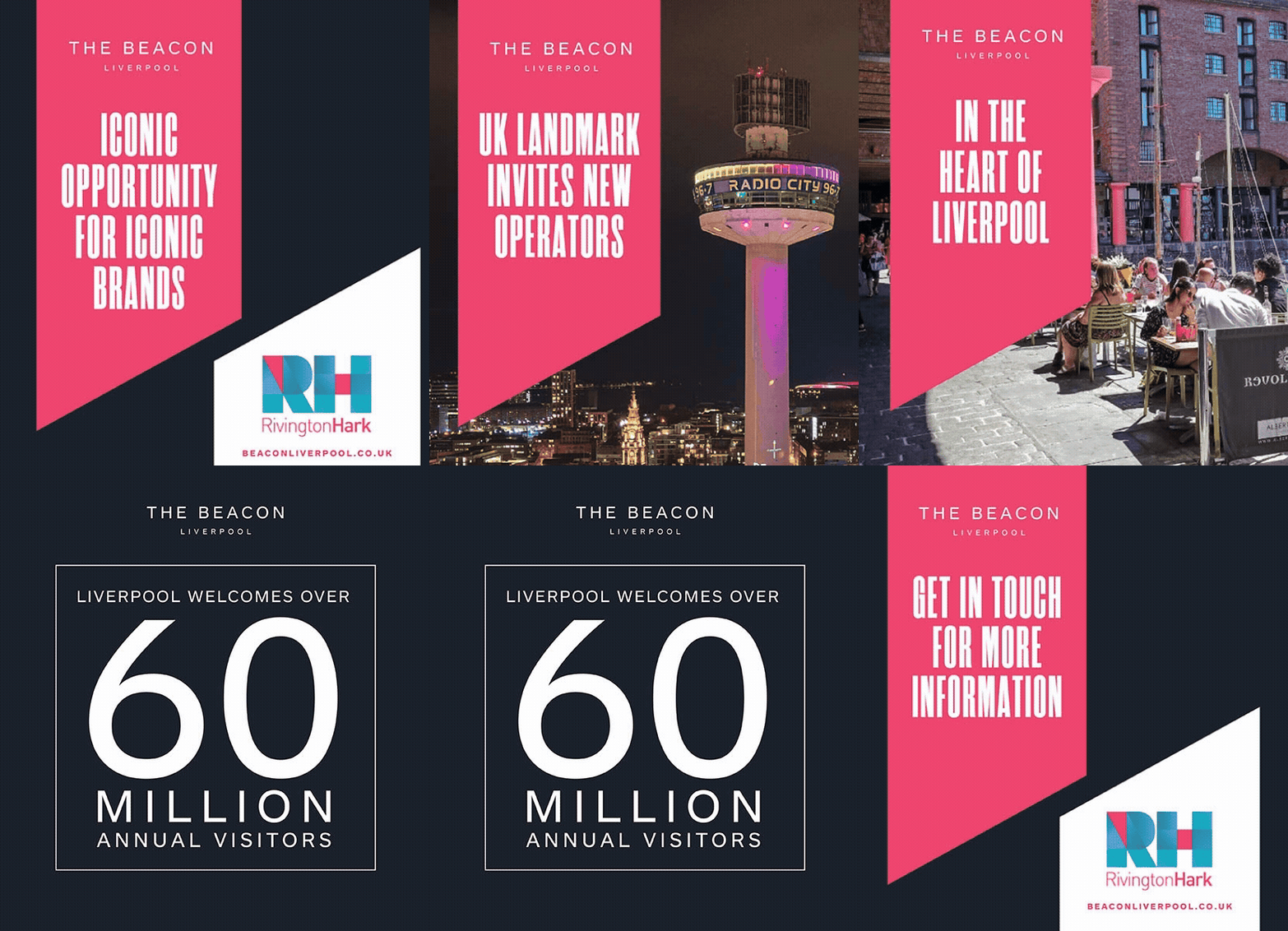
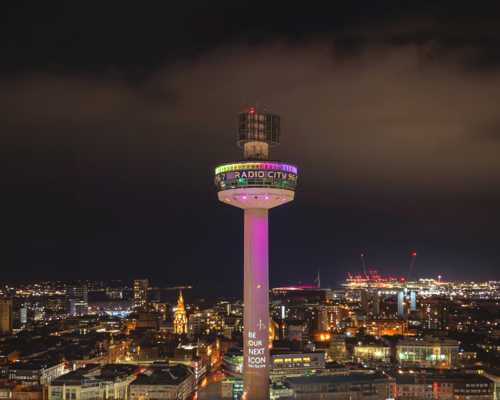
An opportunity to reimagine one of the UK’s most recognisable towers has been formally
opened by Rivington Hark, as St Johns Beacon invites operators and partners to shape its
next phase. [more...]
Machine learning meets culture, as Google rolls out experimental programs on Art and Culture app
POSTED 13 Mar 2018 . BY Tom Anstey
Google's Arts & Culture Lab in Paris has been experimenting with how AI can be used for the benefit of culture Credit: Google
Google has released three experimental computer programs through its arts and culture platform, each designed to explore how machine learning can enhance the public’s understanding of, and access to, art.
The three experiments include new tools offering users the opportunity to search for and discover art and photography in archives that would otherwise be “overwhelming or inaccessible”.
The first new application, called ‘Art Palette’ allows users to select several colours, with the app then generating classic and modern artworks that conform to the selected restrictions. In a promotional video, Google had designer Paul Smith try out the feature to show how it can inspire artwork.
The second experiment allows access to a broad range of American history and culture, with Life Tags offering access to LIFE magazine’s archive, which in reality fills three warehouses “stretching 6,000ft (1,800m)”.
Starting in 1936, the magazine is responsible for capturing some of the most iconic moments through the 20th century. During a near 70-year run that ended in 2000, millions of photos were taken, with only 5 per cent ever published. With the new app, 4 million of those photos are now available to look at, with the tool organising the LIFE archives into an interactive encyclopedia, where users can search by topics such as astronauts, babies making funny faces and boxing to name a few.
The last of the three experiments used machine learning to help turn the New York Museum of Modern Art’s archive of more than 30,000 photos into an interactive archive of the institution's exhibitions.
The archive while vast, didn’t detail any information about the works themselves. Using a tool built in collaboration with MoMA, 27,000 works dating back to 1929 were automatically identified and catalogued.
“Now a photo from a 1929 painting exhibition opens a window into an iconic work by Paul Cézanne; a 1965 shot of Robert Rauschenberg prints connects you to those same works in MoMA’s 2017 Rauschenberg retrospective; and one corner of a 2013 design exhibition becomes a portal into poster art across two centuries,” said MoMA.
“We unveiled our first set of experiments that used AI to aid cultural discoveries in 2016,” said Damien Henry, experiments team lead at Google Arts & Culture.
“Since then we’ve collaborated with institutions and artists, and we hope that these experimental applications will not only lead you to explore something new, but also shape our conversations around the future of technology, its potential as an aid for discovery and creativity.”
Hotel de France, located on the British Isle of Jersey, has created a wellness retreat package
that includes a hot yoga session that will take place in Jersey Zoo’s butterfly sanctuary.
A new immersive attraction designed to transport visitors into the final hours of ancient Pompeii
is preparing to open near the world-famous archaeological site in southern Italy.
Experience design company, BRC Imagination Arts, has completed a transition that sees founder
Bob Rogers pass ownership of the business to four long-serving senior executives, while
remaining actively involved with the company.
Movie Park Germany has opened a new Paramount Pictures-themed attraction as part of its 30th
anniversary celebrations, using immersive storytelling and adaptive reuse to reinforce the park’s
longstanding “Hollywood in Germany” positioning.
Therme Manchester’s 28-acre development, which will include interconnected glass pavilions
that measure 65,000sq m, will be the largest bathing and wellbeing attraction in the world once
complete, according to prof David Russell, CEO of Therme UK.
+ More news
COMPANY PROFILES
IDEATTACK IDEATTACK is a full-service planning and
design company with headquarters in
Los Angeles. [more...]
TechnoAlpin Indoor TechnoAlpin is the world leader for snowmaking systems. With the Indoor snow division, TechnoAlpin c [more...]
An opportunity to reimagine one of the UK’s most recognisable towers has been formally
opened by Rivington Hark, as St Johns Beacon invites operators and partners to shape its
next phase. [more...]