Aged 21 years or younger, Generation Z are the next customers
and employees of health clubs worldwide. Tom Walker asks generational researcher Denise Villa, PhD, how this tech-savvy and social media-driven generation will affect the industry
By Tom Walker | Published in Leisure Management 2018 issue 1
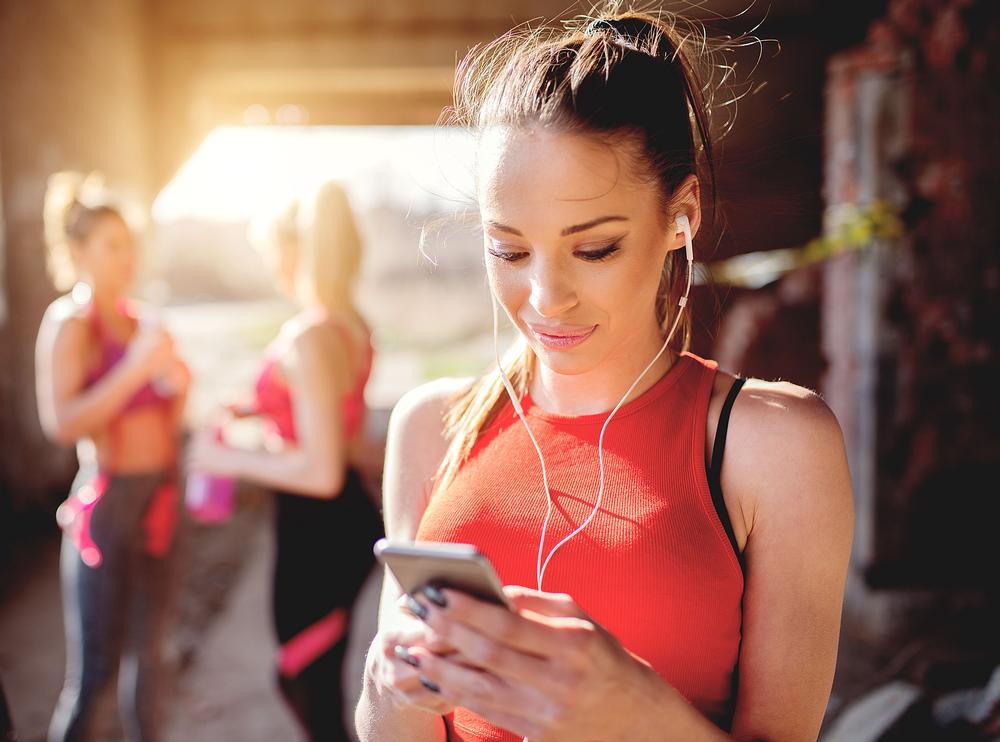
The oldest Z-ers were aged 10 when Facebook went global / PHOTO: SHUTTERSTOCK.COM
The emergence of Generation Z, the cohort following the millennials (the group also known as Gen Y), signals an important landmark. Never before has there been an entire generation unable to remember a world without the Internet.
“Born in 1996 or after, Generation Z is a very diverse and digitally entrenched generation, which is now taking the trend-driving mantle from the millennials,” says Denise Villa, PhD, CEO of the US-based Center for Generational Kinetics (CGK), one of the world’s leading generation research firms.
Gen Z, or “Z-ers” is one of the largest generations ever and is eclipsing even the baby boomers in numbers. In the US, Z-ers now make up around 25 per cent of the population. But what can we expect from these youngsters who’ve never experienced a world without social media – the oldest Z-ers being just 10 when Facebook went global?
Behavioural traits There’s a small but growing volume of research into the mindset, priorities, habits, and behaviours of Generation Z. One of the first major research studies in the field was conducted by the CGK. It has now produced two publications on Z-ers: Gen Z: 2016 National Study on Technology and the Generation after Millennials and The State of Gen Z 2017: Meet the Throwback Generation.
According to Villa, the two studies produced some startling discoveries – one being that Z-ers are reverting to earlier ancestral characteristics.
“Z-ers are exhibiting attitudes, beliefs, and behaviours that combine their tech-saturated world with elements of generations past,” she says. “Gen Z are very conservative and careful with their money. In our studies, more than 10 per cent of Z-ers are already saving for retirement, because they have no expectations on social security or ever having a state pension – so they’re already putting together saving plans for old age.”
This perhaps, suggests that while millennials have become notorious for splashing the cash on fitness trends, heavily driving the growth of the boutique sector, Z-ers may be more cautious spenders, choosing to spend their money only with fitness operators they feel truly aligned with.
Fitness consumption habits When it comes to health and wellness, Generation Z will have heard all about the benefits of an active lifestyle and regular exercise. Raised with the perception that wellness is about holistic balance, Z-ers could even be the generation that reverses the worrying trend of expanding waistlines and soaring levels of lifestyle diseases.
“As our whole society begins to take more notice of health, wellness and nutrition, we predict that Gen Z will start leading that trend,” Villa says.
“Generation Z will know much more about healthy lifestyles, from a very young age, than any previous generation. Having a health-aware generation means a great future for the fitness and wellness industries.”
Villa also passes on some concrete advice to those looking to attract Z-ers to their facilities. “Make sure you’re on Youtube,” she says. “I think one message we’re seeing is that if you’re not on YouTube, showing people what you do, giving people information and building your following – be it as a personal trainer or a gym – then you’re totally missing this generation.
“As well as Snapchat, Youtube is where Z-ers go to search for information, to learn how to do things and to follow influencers they admire. So if a gym or health club has a particular trainer who’s charismatic, she or he needs to get on YouTube and start doing videos and giving people information in order to build that authenticity and to build that following.
“That’s what’s going to give you credibility with this generation. You have to give out information and be able to offer ‘how to’ experiences in order to get people develop a relationship with you.”
Engaging Gen Z As a generation that has grown up with the internet at their fingertips, operators looking to capture loyal custom from Z-ers cannot just focus on having a strong presence on social media – they must make those social media channels accessible in their facilities. This means that services, such as free wi-fi and phone charging points will need to be available in gyms as standard.
Les Mills’ CEO Phillip Mills believes that traditional clubs must indeed evolve to meet the needs of Gen Z. He says that, like millennials, members of Gen Z are keen users of boutique fitness, which presents a key opportunity for operators – as long as they are prepared to make small changes to their facilities and marketing strategies to appeal to the group. Experiential boutique studios within the club environment, cool marketing campaigns and new-generation group workouts are some of the features Mills suggests could help to engage Gen Z.
And there’s good news for smaller operators, as according to Villa “Generation Z definitely doesn’t look for – or immediately trust – a brand just because it is a big name,” she says. “They have grown up in an environment which is saturated by advertising. They have a mistrust of adverts and aren’t going for big brands, they’re going for best value.
“Instead of brands, Z-ers are looking to online influencers to guide them: popular social media accounts, bloggers and real people – on YouTube, Instagram, and Snapchat – to tell them about products.”
Z-ers as a workforce An analysis conducted by global research specialist Ipsos MORI for the BBC’s Newsbeat programme, which questioned more than 1,000 Gen Z members (aged 16-22), found that they care most about family and education – not celebrities, social media and the pursuit of “experiences”, as is the case with millennials. Ipsos MORI also identified a generation wanting to fight back against the perception that they are lazy and social media-obsessed.
“Generation Z is a generation more optimistic about its future than older generations think it should be – and one that sees itself as hard-working and creative,” the Ipsos/BBC study states.
With the view that hard work will pay off, Z-ers seem to abhor the “work hard, play hard” attitude. This, says Villa, means that employers, who might only just have learned how to create a culture where millennials can thrive, must now adjust to meet Generation Z’s different work ethic.
The studies also indicate that while the stereotypical millennial is infamous for working for a “higher purpose” rather than a paycheck, the top motivators for Z-ers are fair pay and job security. Villa says that this attitude of Z-ers will make them loyal employees – ones who could outshine their millennial peers.
“That hard-working attitude – give me a chance and I’ll prove what I can do – is a very different attitude from what the millennials had,” Villa says. “As a result, we actually forecast that we’ll see some big struggles between millennials and Gen Z in the workforce, as more Gen Z will start coming through and taking up jobs.
“We predict Z-ers will begin to leapfrog a lot of millennials on the career path, who’ve had very different expectations of worklife that have never shifted.”
Getting ready The entrance of Gen Z into the fitness industry – as consumers and employees – presents an exciting era for the sector. With predictions already presenting Z-ers as hardworking and loyal, the upcoming decade could bring with it a shift in work culture, from the gym floor to senior management level.
Gen Z also appears set to drive clubs firmly into the tech age. With offers like immersive technology already growing in popularity and most gyms active on social media, Gen Z presents an opportunity for clubs to capture the hearts of a group who, it seems, are willing to spend big with gyms they feel are aligned with them.
Generation Game The silent generation (born 1924-1945) The “silents” got their name from the tendency to be focused on their careers – rather than on activism – and people in it were largely encouraged to conform with social norms.
The baby boomers (1946-1964) Named due to skyrocketing birth rates and economic growth following World War II, baby boomers are associated with a rejection or redefinition of traditional values.
Generation X (1965-late 1970s) Born during a time of shifting societal values, X-ers had reduced adult supervision compared to previous generations, a result of increasing divorce rates and increased maternal participation in the workforce. Generation X are characterized as cynical and disaffected.
The Millennials (Gen Y) (1980-1996) The children of the baby boomers, also described as “Generation Me”. Their attitude to work is characterised as having a need to producing meaningful work and finding a creative outlet.
PHOTO: SHUTTERSTOCK.COM
Gen Z-ers have different needs from the Millennials who precede them
A closer look at Gen Z Hayley Ard, head of consumer lifestyle at innovation research and trends firm Stylus, explores how Gen Z’s unique generational profile is already altering the health and wellness industry Gen Z is one of the most health-conscious demographics we’ve seen. Indeed, a report by cross-cultural marketing agency Sensis found that 78 per cent of US teens exercise at least once a week. And according to NHS data, smoking and alcohol use are at their lowest levels among young people in England since records began. This consumer group is weathering unpredictable times and its members are investing in many aspects of health to boost their resilience.
Mental health Increasing isolation means that members of Gen Z are much more likely to develop mental health problems than their predecessors. A 2016 study of more than 300,000 people aged under 25 showed that the number of US teens experiencing a major depressive episode has increased by 37 per cent since 2012.
Unsurprisingly, Gen Z is looking for empathetic engagement from brands, whether in digital or spatial form. Two key examples are Huddle, a video support group app for people suffering with mental health disorders, and Marks & Spencer-backed Frazzled Cafés, safe spaces where people can voice their concerns.
Mindfulness Unlike previous generations, Gen Z takes a holistic view of wellbeing and sees mindfulness as a must-have. A trend report by J. Walter Thompson Intelligence suggests that a third of Gen Z-ers in the US consider mindfulness as important to health. “Gen Zen” is also powering the rise of mind gyms, as evidenced by digital content group Lucid Performance, which reported a 35 per cent weekly rise in users of its mental fitness training app since August.
Healthy eating Teens now spend more of their money on food than clothing, with Piper Jaffray & Co’s recent survey of 5,500 teens revealing that food makes up 24 per cent of their overall expenditure. This shift in buying behaviour is creating lucrative opportunities for food brands to renew their health focus. For example, KFC has introduced a healthier menu at its K Pro concept restaurant in Hangzhou, China, replacing its fried chicken with fresh juices and salads.
Perform For wellbeing brands looking to target Gen Z, there’s never been a better time to invest in smart sustenance. The power players in the new performance economy are Four Sigmatic and LGND – two companies that are creating the brain brews Gen Z are craving.
Four Sigmatic makes 'mushroom coffee' using adaptogenic mushrooms, while LGND’s energy drinks are packed with nootropics to support brain function without a sugar crash.
In short, health isn’t a status symbol for Gen Z: they see it as an essential piece of armour. That means exercise is about lowering stress and enhancing cognition, not flexing muscles.
Hayley Ard leads the consumer lifestyle division of Stylus, a research and trends membership service. She enables more than 500 global brands and agencies to stay relevant by alerting them to how people and technology are changing.
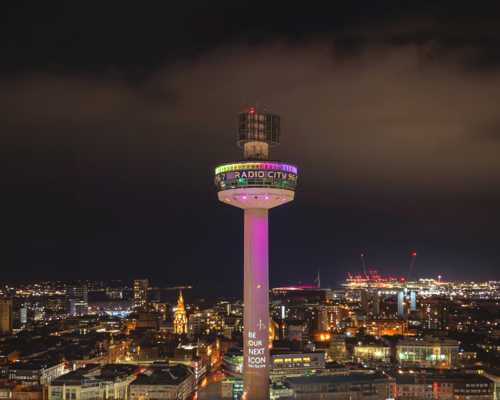
An opportunity to reimagine one of the UK’s most recognisable towers has been formally
opened by Rivington Hark, as St Johns Beacon invites operators and partners to shape its
next phase. [more...]
Aged 21 years or younger, Generation Z are the next customers
and employees of health clubs worldwide. Tom Walker asks generational researcher Denise Villa, PhD, how this tech-savvy and social media-driven generation will affect the industry
By Tom Walker | Published in Leisure Management 2018 issue 1
The oldest Z-ers were aged 10 when Facebook went global / PHOTO: SHUTTERSTOCK.COM
The emergence of Generation Z, the cohort following the millennials (the group also known as Gen Y), signals an important landmark. Never before has there been an entire generation unable to remember a world without the Internet.
“Born in 1996 or after, Generation Z is a very diverse and digitally entrenched generation, which is now taking the trend-driving mantle from the millennials,” says Denise Villa, PhD, CEO of the US-based Center for Generational Kinetics (CGK), one of the world’s leading generation research firms.
Gen Z, or “Z-ers” is one of the largest generations ever and is eclipsing even the baby boomers in numbers. In the US, Z-ers now make up around 25 per cent of the population. But what can we expect from these youngsters who’ve never experienced a world without social media – the oldest Z-ers being just 10 when Facebook went global?
Behavioural traits There’s a small but growing volume of research into the mindset, priorities, habits, and behaviours of Generation Z. One of the first major research studies in the field was conducted by the CGK. It has now produced two publications on Z-ers: Gen Z: 2016 National Study on Technology and the Generation after Millennials and The State of Gen Z 2017: Meet the Throwback Generation.
According to Villa, the two studies produced some startling discoveries – one being that Z-ers are reverting to earlier ancestral characteristics.
“Z-ers are exhibiting attitudes, beliefs, and behaviours that combine their tech-saturated world with elements of generations past,” she says. “Gen Z are very conservative and careful with their money. In our studies, more than 10 per cent of Z-ers are already saving for retirement, because they have no expectations on social security or ever having a state pension – so they’re already putting together saving plans for old age.”
This perhaps, suggests that while millennials have become notorious for splashing the cash on fitness trends, heavily driving the growth of the boutique sector, Z-ers may be more cautious spenders, choosing to spend their money only with fitness operators they feel truly aligned with.
Fitness consumption habits When it comes to health and wellness, Generation Z will have heard all about the benefits of an active lifestyle and regular exercise. Raised with the perception that wellness is about holistic balance, Z-ers could even be the generation that reverses the worrying trend of expanding waistlines and soaring levels of lifestyle diseases.
“As our whole society begins to take more notice of health, wellness and nutrition, we predict that Gen Z will start leading that trend,” Villa says.
“Generation Z will know much more about healthy lifestyles, from a very young age, than any previous generation. Having a health-aware generation means a great future for the fitness and wellness industries.”
Villa also passes on some concrete advice to those looking to attract Z-ers to their facilities. “Make sure you’re on Youtube,” she says. “I think one message we’re seeing is that if you’re not on YouTube, showing people what you do, giving people information and building your following – be it as a personal trainer or a gym – then you’re totally missing this generation.
“As well as Snapchat, Youtube is where Z-ers go to search for information, to learn how to do things and to follow influencers they admire. So if a gym or health club has a particular trainer who’s charismatic, she or he needs to get on YouTube and start doing videos and giving people information in order to build that authenticity and to build that following.
“That’s what’s going to give you credibility with this generation. You have to give out information and be able to offer ‘how to’ experiences in order to get people develop a relationship with you.”
Engaging Gen Z As a generation that has grown up with the internet at their fingertips, operators looking to capture loyal custom from Z-ers cannot just focus on having a strong presence on social media – they must make those social media channels accessible in their facilities. This means that services, such as free wi-fi and phone charging points will need to be available in gyms as standard.
Les Mills’ CEO Phillip Mills believes that traditional clubs must indeed evolve to meet the needs of Gen Z. He says that, like millennials, members of Gen Z are keen users of boutique fitness, which presents a key opportunity for operators – as long as they are prepared to make small changes to their facilities and marketing strategies to appeal to the group. Experiential boutique studios within the club environment, cool marketing campaigns and new-generation group workouts are some of the features Mills suggests could help to engage Gen Z.
And there’s good news for smaller operators, as according to Villa “Generation Z definitely doesn’t look for – or immediately trust – a brand just because it is a big name,” she says. “They have grown up in an environment which is saturated by advertising. They have a mistrust of adverts and aren’t going for big brands, they’re going for best value.
“Instead of brands, Z-ers are looking to online influencers to guide them: popular social media accounts, bloggers and real people – on YouTube, Instagram, and Snapchat – to tell them about products.”
Z-ers as a workforce An analysis conducted by global research specialist Ipsos MORI for the BBC’s Newsbeat programme, which questioned more than 1,000 Gen Z members (aged 16-22), found that they care most about family and education – not celebrities, social media and the pursuit of “experiences”, as is the case with millennials. Ipsos MORI also identified a generation wanting to fight back against the perception that they are lazy and social media-obsessed.
“Generation Z is a generation more optimistic about its future than older generations think it should be – and one that sees itself as hard-working and creative,” the Ipsos/BBC study states.
With the view that hard work will pay off, Z-ers seem to abhor the “work hard, play hard” attitude. This, says Villa, means that employers, who might only just have learned how to create a culture where millennials can thrive, must now adjust to meet Generation Z’s different work ethic.
The studies also indicate that while the stereotypical millennial is infamous for working for a “higher purpose” rather than a paycheck, the top motivators for Z-ers are fair pay and job security. Villa says that this attitude of Z-ers will make them loyal employees – ones who could outshine their millennial peers.
“That hard-working attitude – give me a chance and I’ll prove what I can do – is a very different attitude from what the millennials had,” Villa says. “As a result, we actually forecast that we’ll see some big struggles between millennials and Gen Z in the workforce, as more Gen Z will start coming through and taking up jobs.
“We predict Z-ers will begin to leapfrog a lot of millennials on the career path, who’ve had very different expectations of worklife that have never shifted.”
Getting ready The entrance of Gen Z into the fitness industry – as consumers and employees – presents an exciting era for the sector. With predictions already presenting Z-ers as hardworking and loyal, the upcoming decade could bring with it a shift in work culture, from the gym floor to senior management level.
Gen Z also appears set to drive clubs firmly into the tech age. With offers like immersive technology already growing in popularity and most gyms active on social media, Gen Z presents an opportunity for clubs to capture the hearts of a group who, it seems, are willing to spend big with gyms they feel are aligned with them.
Generation Game The silent generation (born 1924-1945) The “silents” got their name from the tendency to be focused on their careers – rather than on activism – and people in it were largely encouraged to conform with social norms.
The baby boomers (1946-1964) Named due to skyrocketing birth rates and economic growth following World War II, baby boomers are associated with a rejection or redefinition of traditional values.
Generation X (1965-late 1970s) Born during a time of shifting societal values, X-ers had reduced adult supervision compared to previous generations, a result of increasing divorce rates and increased maternal participation in the workforce. Generation X are characterized as cynical and disaffected.
The Millennials (Gen Y) (1980-1996) The children of the baby boomers, also described as “Generation Me”. Their attitude to work is characterised as having a need to producing meaningful work and finding a creative outlet.
PHOTO: SHUTTERSTOCK.COM
Gen Z-ers have different needs from the Millennials who precede them
A closer look at Gen Z Hayley Ard, head of consumer lifestyle at innovation research and trends firm Stylus, explores how Gen Z’s unique generational profile is already altering the health and wellness industry Gen Z is one of the most health-conscious demographics we’ve seen. Indeed, a report by cross-cultural marketing agency Sensis found that 78 per cent of US teens exercise at least once a week. And according to NHS data, smoking and alcohol use are at their lowest levels among young people in England since records began. This consumer group is weathering unpredictable times and its members are investing in many aspects of health to boost their resilience.
Mental health Increasing isolation means that members of Gen Z are much more likely to develop mental health problems than their predecessors. A 2016 study of more than 300,000 people aged under 25 showed that the number of US teens experiencing a major depressive episode has increased by 37 per cent since 2012.
Unsurprisingly, Gen Z is looking for empathetic engagement from brands, whether in digital or spatial form. Two key examples are Huddle, a video support group app for people suffering with mental health disorders, and Marks & Spencer-backed Frazzled Cafés, safe spaces where people can voice their concerns.
Mindfulness Unlike previous generations, Gen Z takes a holistic view of wellbeing and sees mindfulness as a must-have. A trend report by J. Walter Thompson Intelligence suggests that a third of Gen Z-ers in the US consider mindfulness as important to health. “Gen Zen” is also powering the rise of mind gyms, as evidenced by digital content group Lucid Performance, which reported a 35 per cent weekly rise in users of its mental fitness training app since August.
Healthy eating Teens now spend more of their money on food than clothing, with Piper Jaffray & Co’s recent survey of 5,500 teens revealing that food makes up 24 per cent of their overall expenditure. This shift in buying behaviour is creating lucrative opportunities for food brands to renew their health focus. For example, KFC has introduced a healthier menu at its K Pro concept restaurant in Hangzhou, China, replacing its fried chicken with fresh juices and salads.
Perform For wellbeing brands looking to target Gen Z, there’s never been a better time to invest in smart sustenance. The power players in the new performance economy are Four Sigmatic and LGND – two companies that are creating the brain brews Gen Z are craving.
Four Sigmatic makes 'mushroom coffee' using adaptogenic mushrooms, while LGND’s energy drinks are packed with nootropics to support brain function without a sugar crash.
In short, health isn’t a status symbol for Gen Z: they see it as an essential piece of armour. That means exercise is about lowering stress and enhancing cognition, not flexing muscles.
Hayley Ard leads the consumer lifestyle division of Stylus, a research and trends membership service. She enables more than 500 global brands and agencies to stay relevant by alerting them to how people and technology are changing.
A new immersive attraction designed to transport visitors into the final hours of ancient Pompeii
is preparing to open near the world-famous archaeological site in southern Italy.
Experience design company, BRC Imagination Arts, has completed a transition that sees founder
Bob Rogers pass ownership of the business to four long-serving senior executives, while
remaining actively involved with the company.
Movie Park Germany has opened a new Paramount Pictures-themed attraction as part of its 30th
anniversary celebrations, using immersive storytelling and adaptive reuse to reinforce the park’s
longstanding “Hollywood in Germany” positioning.
Therme Manchester’s 28-acre development, which will include interconnected glass pavilions
that measure 65,000sq m, will be the largest bathing and wellbeing attraction in the world once
complete, according to prof David Russell, CEO of Therme UK.
Efteling has opened Hooghmoed, a new family drop tower designed to broaden the appeal of its
recently launched Sirene Island themed area and introduce younger visitors to thrill attractions.
A proposed Puy du Fou development near Bicester and Universal Destinations and Experiences’
planned resort in Bedford are emerging as part of a wider transformation of the Oxford–
Cambridge Growth Corridor into a major centre for UK leisure and tourism inv
Shedd Aquarium has opened the Immersion Theater developed in partnership with SimEx-
Iwerks, as part of a wider strategy to enhance the guest experience and create additional
revenue opportunities.
The UK government has announced a temporary reduction in VAT on visitor attractions and
children’s meals as part of a summer cost-of-living support package designed to stimulate the
visitor economy and encourage family days out.
As designer Yinka Ilori prepares for his first solo gallery show in London, he speaks exclusively
to CLADmag about his mission to spread joy, the power of play, and his bold approach to using
colour (including the colours you won’t see in his work).
The government of Thailand is exploring plans for a THB300bn (£6.3bn, US$8.3bn)
entertainment complex in the country’s Eastern Economic Corridor (EEC), with officials
proposing a large-scale theme park and sports destination as part of a broader tourism and
economic development strategy.
An opportunity to reimagine one of the UK’s most recognisable towers has been formally
opened by Rivington Hark, as St Johns Beacon invites operators and partners to shape its
next phase. [more...]