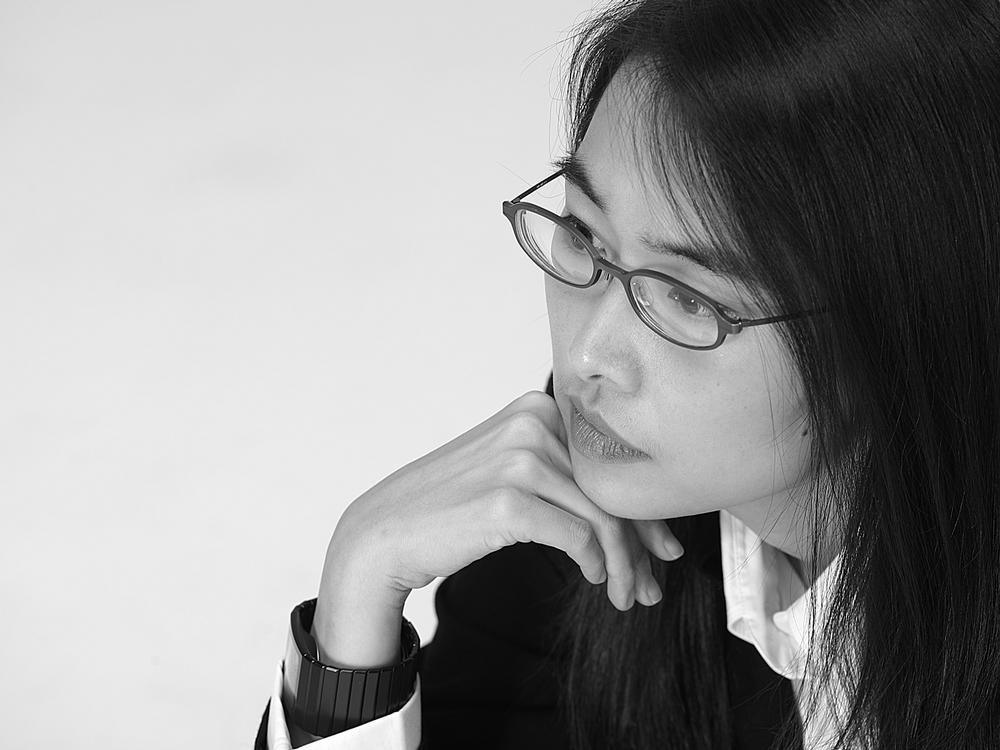
Rossana Hu studied at the University of California at Berkeley, where she met Lyndon Neri
As architects, we’re often asked why we’d want to work on interior projects, and we sometimes find ourselves apologetic about doing so,” said Rossana Hu, co-founder of Neri and Hu, speaking at the World Architecture Festival in Berlin, and then exclusively to CLAD.
“Nowadays, the specialisation of the profession has brought us to a point where the two disciplines are cut off from one another. There’s a very clear line between what the architect should do and what the interior designer should do. Because of that, we often think of the interior as just decoration.”
This, argued Hu, is a mistake.
“Interior projects treated by architects have a certain depth that is generally lacking today; the kind of intellectual discourse that’s very much needed,” she said.
“When an architect takes on an interior project, their training means they can conceptualise the space in a way that adds much more richness to the experience. They can take out a wall or puncture a ceiling to create that exceptional quality within the interior that an interior designer wouldn’t be equipped to do.”
Neri & Hu, which was founded in Shanghai in 2004, has an interior practice and architectural department, allowing the firm to take on both aspects of a project. This is something they fight hard for, said Hu.
“We’ve had many people asking us to do an interior for them, and we’ve refused unless they’ll also allow us to do the architecture. At Le Meridien in Zhengzhou, for example, they asked us to design the interiors for the hotel. It was a very ugly building. We said we didn’t want to do the interior of a building that looked like that, and would only get involved if we could also do the façade.”
Neri & Hu’s design for Le Meridien in Zhengzhou saw them create a series of frames around the façades of the tower, creating a distinctive exterior. They were also responsible for the hotel’s interiors, which include a dramatic, five storey atrium inspired by nearby caves.
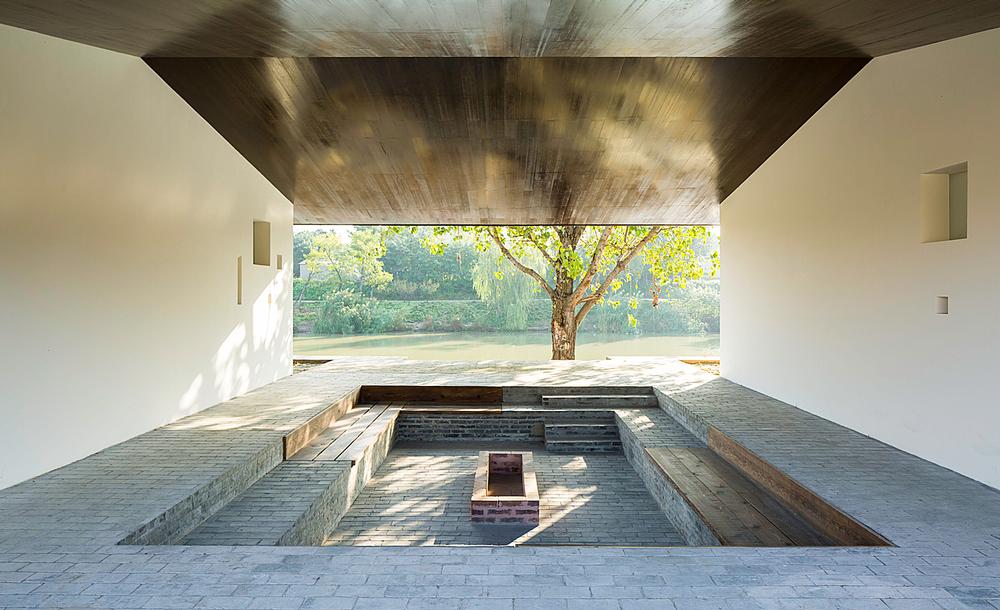
TSINGPU YANGZHOU RETREAT The practice recently completed a 20 bedroom boutique hotel in Yangzhou, China. The architects were responsible for both the architecture and the interiors for the Tsingpu Yangzhou Retreat.
The site was a challenging one, according to the architects, as it was dotted with small lakes and a handful of existing structures. The design brief called for the reuse of several of the old buildings, while adding new buildings to accommodate the hotel facilities. The architects’ strategy to unify these scattered elements was to overlay a grid of walls and paths onto the site to tie the entire project together.
“We were able to bring the history back to this plot of land by creating these walls that used to be the sightlines of the original village,” said Hu.
“We did the interior as well as the architecture, and we customised a lot of the lighting and furniture for this project, which makes it so much richer. It’s a beautiful hotel, and the architecture is very interesting”
Upcoming projects for Neri and Hu include the Edition Shanghai, with Ian Schrager, and Sukothai hotel, also in Shanghai.
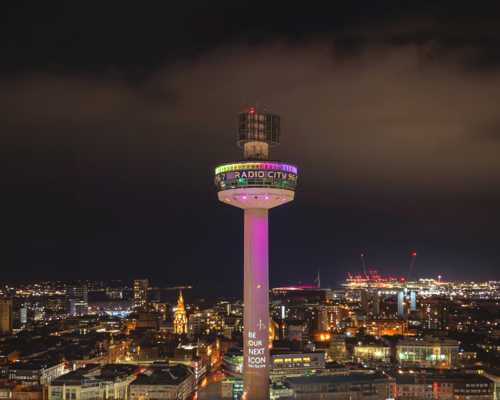
An opportunity to reimagine one of the UK’s most recognisable towers has been formally
opened by Rivington Hark, as St Johns Beacon invites operators and partners to shape its
next phase. [more...]
Rossana Hu studied at the University of California at Berkeley, where she met Lyndon Neri
As architects, we’re often asked why we’d want to work on interior projects, and we sometimes find ourselves apologetic about doing so,” said Rossana Hu, co-founder of Neri and Hu, speaking at the World Architecture Festival in Berlin, and then exclusively to CLAD.
“Nowadays, the specialisation of the profession has brought us to a point where the two disciplines are cut off from one another. There’s a very clear line between what the architect should do and what the interior designer should do. Because of that, we often think of the interior as just decoration.”
This, argued Hu, is a mistake.
“Interior projects treated by architects have a certain depth that is generally lacking today; the kind of intellectual discourse that’s very much needed,” she said.
“When an architect takes on an interior project, their training means they can conceptualise the space in a way that adds much more richness to the experience. They can take out a wall or puncture a ceiling to create that exceptional quality within the interior that an interior designer wouldn’t be equipped to do.”
Neri & Hu, which was founded in Shanghai in 2004, has an interior practice and architectural department, allowing the firm to take on both aspects of a project. This is something they fight hard for, said Hu.
“We’ve had many people asking us to do an interior for them, and we’ve refused unless they’ll also allow us to do the architecture. At Le Meridien in Zhengzhou, for example, they asked us to design the interiors for the hotel. It was a very ugly building. We said we didn’t want to do the interior of a building that looked like that, and would only get involved if we could also do the façade.”
Neri & Hu’s design for Le Meridien in Zhengzhou saw them create a series of frames around the façades of the tower, creating a distinctive exterior. They were also responsible for the hotel’s interiors, which include a dramatic, five storey atrium inspired by nearby caves.
TSINGPU YANGZHOU RETREAT The practice recently completed a 20 bedroom boutique hotel in Yangzhou, China. The architects were responsible for both the architecture and the interiors for the Tsingpu Yangzhou Retreat.
The site was a challenging one, according to the architects, as it was dotted with small lakes and a handful of existing structures. The design brief called for the reuse of several of the old buildings, while adding new buildings to accommodate the hotel facilities. The architects’ strategy to unify these scattered elements was to overlay a grid of walls and paths onto the site to tie the entire project together.
“We were able to bring the history back to this plot of land by creating these walls that used to be the sightlines of the original village,” said Hu.
“We did the interior as well as the architecture, and we customised a lot of the lighting and furniture for this project, which makes it so much richer. It’s a beautiful hotel, and the architecture is very interesting”
Upcoming projects for Neri and Hu include the Edition Shanghai, with Ian Schrager, and Sukothai hotel, also in Shanghai.
A new immersive attraction designed to transport visitors into the final hours of ancient Pompeii
is preparing to open near the world-famous archaeological site in southern Italy.
Experience design company, BRC Imagination Arts, has completed a transition that sees founder
Bob Rogers pass ownership of the business to four long-serving senior executives, while
remaining actively involved with the company.
Movie Park Germany has opened a new Paramount Pictures-themed attraction as part of its 30th
anniversary celebrations, using immersive storytelling and adaptive reuse to reinforce the park’s
longstanding “Hollywood in Germany” positioning.
Therme Manchester’s 28-acre development, which will include interconnected glass pavilions
that measure 65,000sq m, will be the largest bathing and wellbeing attraction in the world once
complete, according to prof David Russell, CEO of Therme UK.
Efteling has opened Hooghmoed, a new family drop tower designed to broaden the appeal of its
recently launched Sirene Island themed area and introduce younger visitors to thrill attractions.
A proposed Puy du Fou development near Bicester and Universal Destinations and Experiences’
planned resort in Bedford are emerging as part of a wider transformation of the Oxford–
Cambridge Growth Corridor into a major centre for UK leisure and tourism inv
Shedd Aquarium has opened the Immersion Theater developed in partnership with SimEx-
Iwerks, as part of a wider strategy to enhance the guest experience and create additional
revenue opportunities.
The UK government has announced a temporary reduction in VAT on visitor attractions and
children’s meals as part of a summer cost-of-living support package designed to stimulate the
visitor economy and encourage family days out.
As designer Yinka Ilori prepares for his first solo gallery show in London, he speaks exclusively
to CLADmag about his mission to spread joy, the power of play, and his bold approach to using
colour (including the colours you won’t see in his work).
The government of Thailand is exploring plans for a THB300bn (£6.3bn, US$8.3bn)
entertainment complex in the country’s Eastern Economic Corridor (EEC), with officials
proposing a large-scale theme park and sports destination as part of a broader tourism and
economic development strategy.
An opportunity to reimagine one of the UK’s most recognisable towers has been formally
opened by Rivington Hark, as St Johns Beacon invites operators and partners to shape its
next phase. [more...]