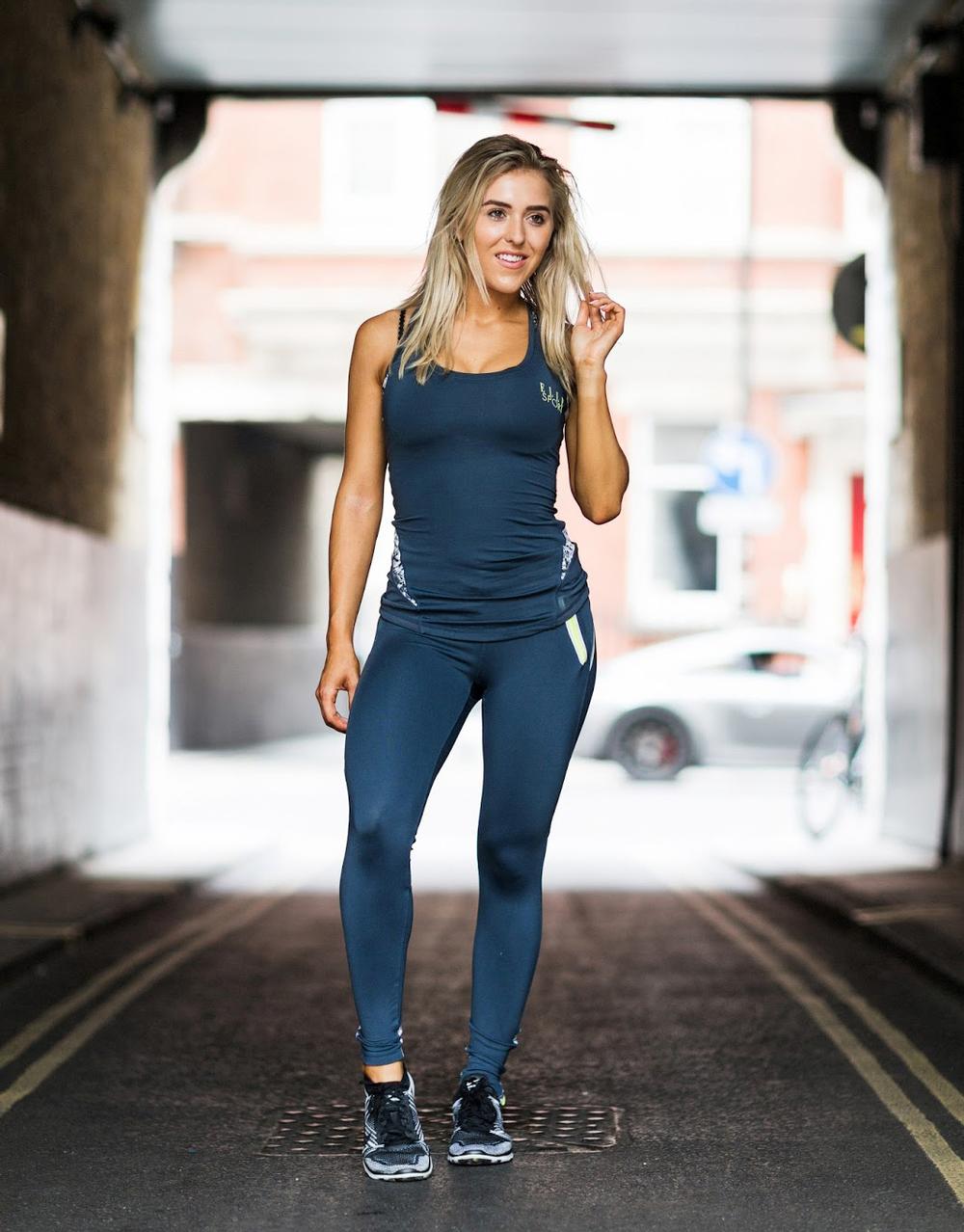
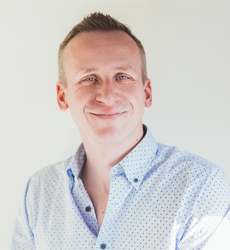
Fitness influencer Sheldon has 200,000 followers on social media / PHOTO: www.emtalks.co.uK
What does being a social media influencer in the fitness space involve? I started blogging in 2012 and I’ve steadily grown my audience since then. I now have around 200,000 followers across Instagram, Twitter, my blog and YouTube. I’m lucky to get approached daily by fitness brands who say they’d like to partner with me. However, I’m very protective of my audience and will only work with brands that I’m aligned with. So for every 20 companies that approach me, I only work with around three or four. You could offer me a million pounds to promote something, but if it isn’t true to me or it’s damaging to my audience, I’m not going to do it.
Tell us how the influencer-brand partnership works It’s a mix of paid and unpaid promotion. For example, if a brand makes a specific request for me to do an appearance, a promotional post or video, I’ll request a fee because they’re asking me to do something specifically for them. However, if a gym comes to me and says: ‘Come to a fitness class, we do not expect anything,’ that’s organic and I (and other) influencers won’t charge for that. Of course, the problem with this approach is that the gym runs the risk of getting nothing for its efforts because the influencer may not show up, or they may and not promote the gym or the class afterwards.
Which fitness brands have you worked with? I do a lot with David Lloyd Leisure – they’re an awesome gym, my family all go there and I genuinely love them. That started because I got in touch with them and told them how much I love the brand. My paid jobs with them have involved filming workout videos. Apart from that, I just go to their gym and tweet about it or naturally mention it in my posts. It’s something I naturally write about, so it’s a really nice win-win.
A lot of my followers have signed up to David Lloyd because they know I genuinely love them, and that shows the kind of return a brand can get from an influencer partnership – if it’s authentic. I’ve also partnered up with Les Mills for their annual Les Mills Live event and I’ve done work with Adidas, Reebok and Nike.
How can operators get the best return from investing in influencer marketing? Firstly I’d say to go for micro-influencers who have tens or hundreds of thousands of followers, rather than millions. The reason being that micro-influencers are more relatable and they have more engaged audiences. While they may not get 40,000 likes per post, the audience they do have trusts them. I talk to my followers every day and respond to them – it’s harder to form that type of connection with millions of followers.
Secondly, I think it’s important to budget steadily over time. A brand that wants five Instagram influencers with 60,000 followers to do a post each, can expect to spend around £3,000 to £4,000 in total – although this can vary depending on the specific influencer’s fees. However, companies can get better rates by partnering with an influencer over a long period of time rather than blowing £1000 on a single Instagram post.
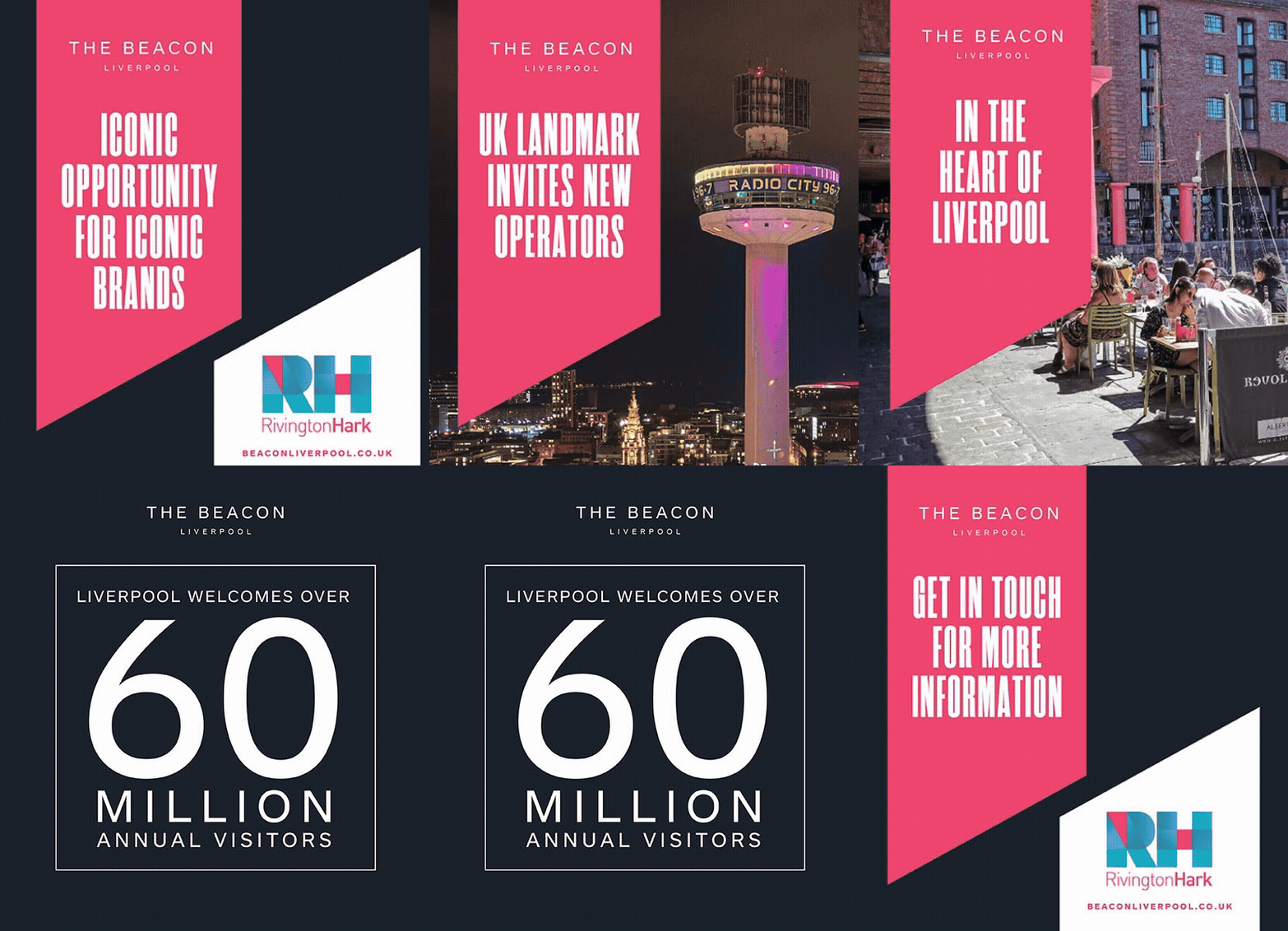
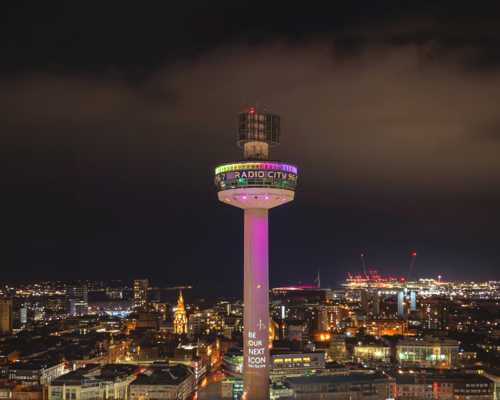
An opportunity to reimagine one of the UK’s most recognisable towers has been formally
opened by Rivington Hark, as St Johns Beacon invites operators and partners to shape its
next phase. [more...]
Fitness influencer Sheldon has 200,000 followers on social media / PHOTO: www.emtalks.co.uK
What does being a social media influencer in the fitness space involve? I started blogging in 2012 and I’ve steadily grown my audience since then. I now have around 200,000 followers across Instagram, Twitter, my blog and YouTube. I’m lucky to get approached daily by fitness brands who say they’d like to partner with me. However, I’m very protective of my audience and will only work with brands that I’m aligned with. So for every 20 companies that approach me, I only work with around three or four. You could offer me a million pounds to promote something, but if it isn’t true to me or it’s damaging to my audience, I’m not going to do it.
Tell us how the influencer-brand partnership works It’s a mix of paid and unpaid promotion. For example, if a brand makes a specific request for me to do an appearance, a promotional post or video, I’ll request a fee because they’re asking me to do something specifically for them. However, if a gym comes to me and says: ‘Come to a fitness class, we do not expect anything,’ that’s organic and I (and other) influencers won’t charge for that. Of course, the problem with this approach is that the gym runs the risk of getting nothing for its efforts because the influencer may not show up, or they may and not promote the gym or the class afterwards.
Which fitness brands have you worked with? I do a lot with David Lloyd Leisure – they’re an awesome gym, my family all go there and I genuinely love them. That started because I got in touch with them and told them how much I love the brand. My paid jobs with them have involved filming workout videos. Apart from that, I just go to their gym and tweet about it or naturally mention it in my posts. It’s something I naturally write about, so it’s a really nice win-win.
A lot of my followers have signed up to David Lloyd because they know I genuinely love them, and that shows the kind of return a brand can get from an influencer partnership – if it’s authentic. I’ve also partnered up with Les Mills for their annual Les Mills Live event and I’ve done work with Adidas, Reebok and Nike.
How can operators get the best return from investing in influencer marketing? Firstly I’d say to go for micro-influencers who have tens or hundreds of thousands of followers, rather than millions. The reason being that micro-influencers are more relatable and they have more engaged audiences. While they may not get 40,000 likes per post, the audience they do have trusts them. I talk to my followers every day and respond to them – it’s harder to form that type of connection with millions of followers.
Secondly, I think it’s important to budget steadily over time. A brand that wants five Instagram influencers with 60,000 followers to do a post each, can expect to spend around £3,000 to £4,000 in total – although this can vary depending on the specific influencer’s fees. However, companies can get better rates by partnering with an influencer over a long period of time rather than blowing £1000 on a single Instagram post.
A new immersive attraction designed to transport visitors into the final hours of ancient Pompeii
is preparing to open near the world-famous archaeological site in southern Italy.
Experience design company, BRC Imagination Arts, has completed a transition that sees founder
Bob Rogers pass ownership of the business to four long-serving senior executives, while
remaining actively involved with the company.
Movie Park Germany has opened a new Paramount Pictures-themed attraction as part of its 30th
anniversary celebrations, using immersive storytelling and adaptive reuse to reinforce the park’s
longstanding “Hollywood in Germany” positioning.
Therme Manchester’s 28-acre development, which will include interconnected glass pavilions
that measure 65,000sq m, will be the largest bathing and wellbeing attraction in the world once
complete, according to prof David Russell, CEO of Therme UK.
Efteling has opened Hooghmoed, a new family drop tower designed to broaden the appeal of its
recently launched Sirene Island themed area and introduce younger visitors to thrill attractions.
A proposed Puy du Fou development near Bicester and Universal Destinations and Experiences’
planned resort in Bedford are emerging as part of a wider transformation of the Oxford–
Cambridge Growth Corridor into a major centre for UK leisure and tourism inv
Shedd Aquarium has opened the Immersion Theater developed in partnership with SimEx-
Iwerks, as part of a wider strategy to enhance the guest experience and create additional
revenue opportunities.
The UK government has announced a temporary reduction in VAT on visitor attractions and
children’s meals as part of a summer cost-of-living support package designed to stimulate the
visitor economy and encourage family days out.
As designer Yinka Ilori prepares for his first solo gallery show in London, he speaks exclusively
to CLADmag about his mission to spread joy, the power of play, and his bold approach to using
colour (including the colours you won’t see in his work).
The government of Thailand is exploring plans for a THB300bn (£6.3bn, US$8.3bn)
entertainment complex in the country’s Eastern Economic Corridor (EEC), with officials
proposing a large-scale theme park and sports destination as part of a broader tourism and
economic development strategy.
An opportunity to reimagine one of the UK’s most recognisable towers has been formally
opened by Rivington Hark, as St Johns Beacon invites operators and partners to shape its
next phase. [more...]