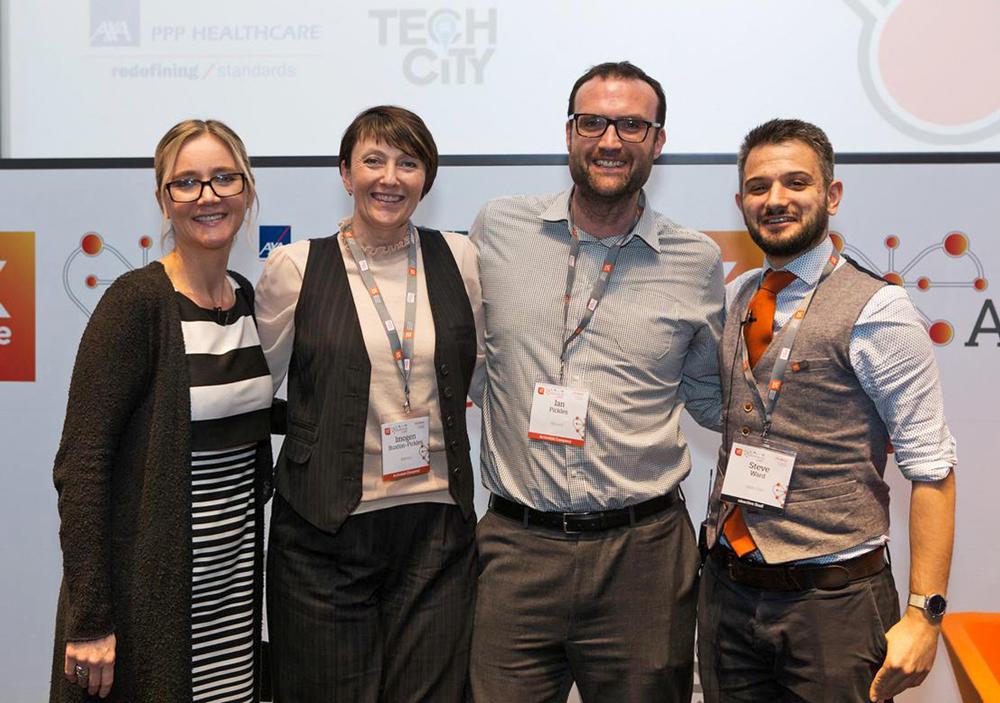
Ward (right), seen here at ActiveLab, has been appointed CEO
When I think of the huge momentum and strides taken by the physical activity sector in recent years, I see tremendous scope over the coming years for us to be a driving force in building a healthier and wealthier society.
From a personal perspective, the past few weeks have seen me reflect on my career at ukactive with particular focus. Having joined the then-FIA as a policy intern back in October 2006, I’ve witnessed both ukactive, and the physical activity sector it represents, change beyond recognition over the past decade and the progress has been staggering.
Driven by the growth of ukactive’s members, our industry has gone from being perceived as a niche lifestyle sector to a £7.7bn behemoth acknowledged by government as being integral to the future health of our nation and economy.
Time for change So it was with immense pride last month that I accepted the ukactive board’s invitation to become the CEO of this great organisation. I’ve greatly enjoyed my past two years as director, working with our chair, Baroness Tanni Grey-Thompson, to build on the legacy of Dave Stalker and Fred Turok, without whom nothing we’re doing today would be possible.
The green shoots of progress from new ukactive initiatives – such as ActiveLab and Future Leaders – are already starting to sprout, and we remain rooted as ever in adding value to our members by delivering against their core commercial agenda.
A culture shift Where once we were living in the dark, our sector is now on the verge of being blinded by the light, thanks to the sheer amount of information available. This is the age when evidence-based initiatives such as the DataHub in partnership with 4Global (see page 72) and the ukactive national aggregated Exercise Referral Database, in partnership with ReferAll, will empower operators to make better, data-driven business decisions.
I also see a significant cultural shift ahead as the maturation of CIMSPA provides our sector with a workforce of skill and diversity to power it forward.
Partnerships ukactive will work to consolidate its position as the heartbeat of the physical activity agenda, upweighting our sector as the solution to society’s most pressing problems, such as an overstretched NHS, ageing population and unproductive workplaces.
This will bring greater opportunities for impactful partnerships with organisations such as Sport England and Public Health England, a wider pool of funding streams and an expanded market to serve.
And then there’s the work in play to stimulate innovation and breakthrough thinking across the sector with ActiveLab. If we can demonstrate the UK’s potential as a hotbed of innovation, there’s a massive opportunity for it to find its place on the world stage.
A new political dawn will break on 9 June this year. But whatever its colour, we as a sector must be ready to unite to create a society where physical activity becomes the population’s natural choice from cradle to grave.
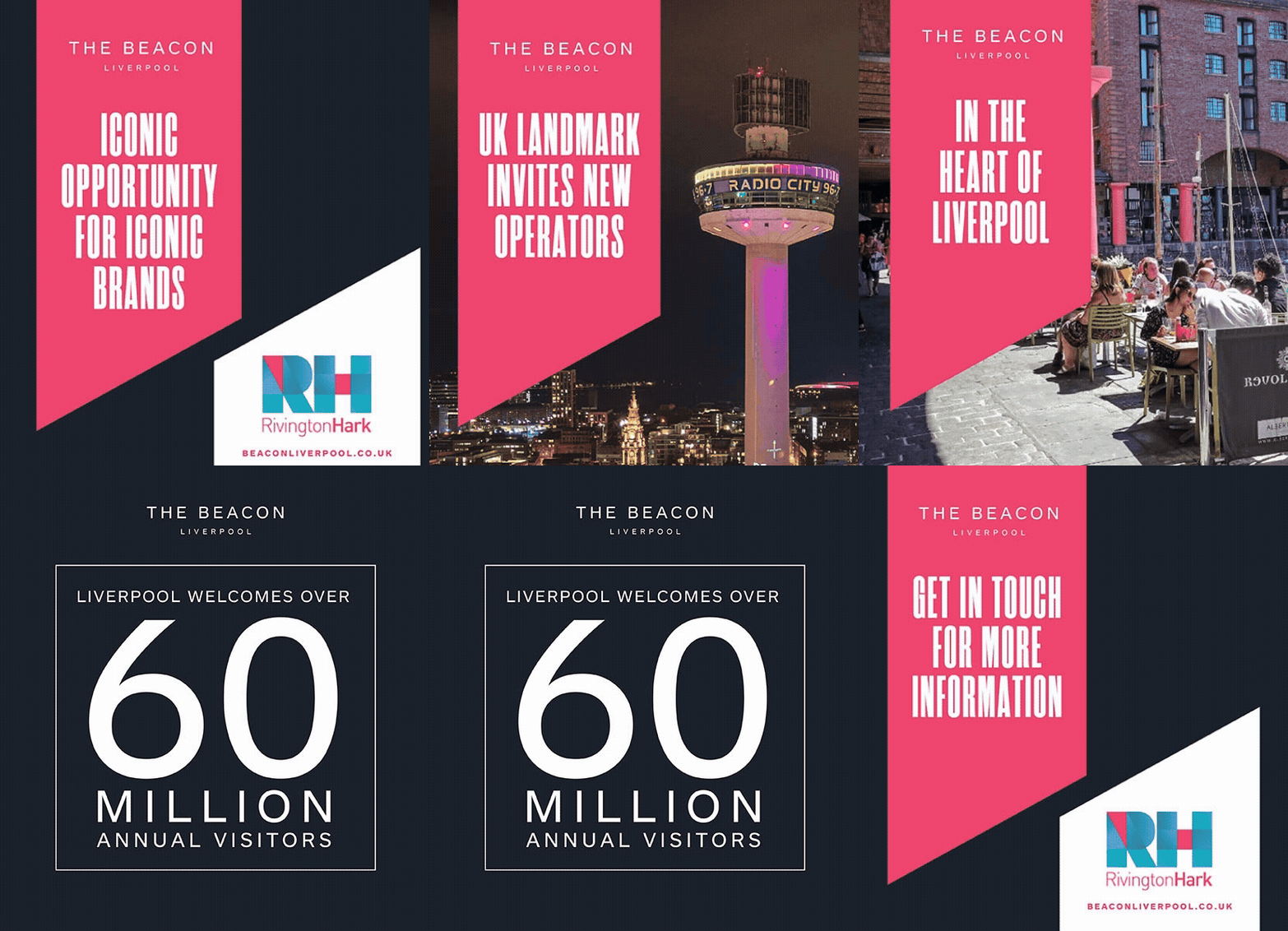
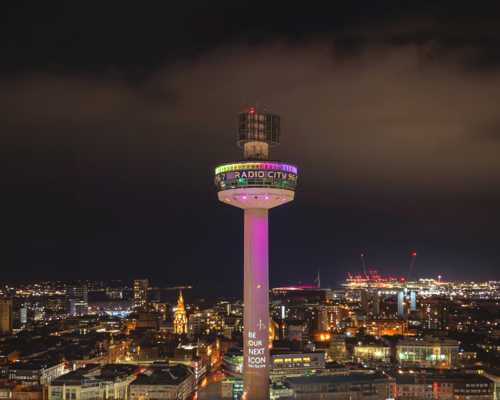
An opportunity to reimagine one of the UK’s most recognisable towers has been formally
opened by Rivington Hark, as St Johns Beacon invites operators and partners to shape its
next phase. [more...]
Ward (right), seen here at ActiveLab, has been appointed CEO
When I think of the huge momentum and strides taken by the physical activity sector in recent years, I see tremendous scope over the coming years for us to be a driving force in building a healthier and wealthier society.
From a personal perspective, the past few weeks have seen me reflect on my career at ukactive with particular focus. Having joined the then-FIA as a policy intern back in October 2006, I’ve witnessed both ukactive, and the physical activity sector it represents, change beyond recognition over the past decade and the progress has been staggering.
Driven by the growth of ukactive’s members, our industry has gone from being perceived as a niche lifestyle sector to a £7.7bn behemoth acknowledged by government as being integral to the future health of our nation and economy.
Time for change So it was with immense pride last month that I accepted the ukactive board’s invitation to become the CEO of this great organisation. I’ve greatly enjoyed my past two years as director, working with our chair, Baroness Tanni Grey-Thompson, to build on the legacy of Dave Stalker and Fred Turok, without whom nothing we’re doing today would be possible.
The green shoots of progress from new ukactive initiatives – such as ActiveLab and Future Leaders – are already starting to sprout, and we remain rooted as ever in adding value to our members by delivering against their core commercial agenda.
A culture shift Where once we were living in the dark, our sector is now on the verge of being blinded by the light, thanks to the sheer amount of information available. This is the age when evidence-based initiatives such as the DataHub in partnership with 4Global (see page 72) and the ukactive national aggregated Exercise Referral Database, in partnership with ReferAll, will empower operators to make better, data-driven business decisions.
I also see a significant cultural shift ahead as the maturation of CIMSPA provides our sector with a workforce of skill and diversity to power it forward.
Partnerships ukactive will work to consolidate its position as the heartbeat of the physical activity agenda, upweighting our sector as the solution to society’s most pressing problems, such as an overstretched NHS, ageing population and unproductive workplaces.
This will bring greater opportunities for impactful partnerships with organisations such as Sport England and Public Health England, a wider pool of funding streams and an expanded market to serve.
And then there’s the work in play to stimulate innovation and breakthrough thinking across the sector with ActiveLab. If we can demonstrate the UK’s potential as a hotbed of innovation, there’s a massive opportunity for it to find its place on the world stage.
A new political dawn will break on 9 June this year. But whatever its colour, we as a sector must be ready to unite to create a society where physical activity becomes the population’s natural choice from cradle to grave.
A new immersive attraction designed to transport visitors into the final hours of ancient Pompeii
is preparing to open near the world-famous archaeological site in southern Italy.
Experience design company, BRC Imagination Arts, has completed a transition that sees founder
Bob Rogers pass ownership of the business to four long-serving senior executives, while
remaining actively involved with the company.
Movie Park Germany has opened a new Paramount Pictures-themed attraction as part of its 30th
anniversary celebrations, using immersive storytelling and adaptive reuse to reinforce the park’s
longstanding “Hollywood in Germany” positioning.
Therme Manchester’s 28-acre development, which will include interconnected glass pavilions
that measure 65,000sq m, will be the largest bathing and wellbeing attraction in the world once
complete, according to prof David Russell, CEO of Therme UK.
Efteling has opened Hooghmoed, a new family drop tower designed to broaden the appeal of its
recently launched Sirene Island themed area and introduce younger visitors to thrill attractions.
A proposed Puy du Fou development near Bicester and Universal Destinations and Experiences’
planned resort in Bedford are emerging as part of a wider transformation of the Oxford–
Cambridge Growth Corridor into a major centre for UK leisure and tourism inv
Shedd Aquarium has opened the Immersion Theater developed in partnership with SimEx-
Iwerks, as part of a wider strategy to enhance the guest experience and create additional
revenue opportunities.
The UK government has announced a temporary reduction in VAT on visitor attractions and
children’s meals as part of a summer cost-of-living support package designed to stimulate the
visitor economy and encourage family days out.
As designer Yinka Ilori prepares for his first solo gallery show in London, he speaks exclusively
to CLADmag about his mission to spread joy, the power of play, and his bold approach to using
colour (including the colours you won’t see in his work).
The government of Thailand is exploring plans for a THB300bn (£6.3bn, US$8.3bn)
entertainment complex in the country’s Eastern Economic Corridor (EEC), with officials
proposing a large-scale theme park and sports destination as part of a broader tourism and
economic development strategy.
An opportunity to reimagine one of the UK’s most recognisable towers has been formally
opened by Rivington Hark, as St Johns Beacon invites operators and partners to shape its
next phase. [more...]