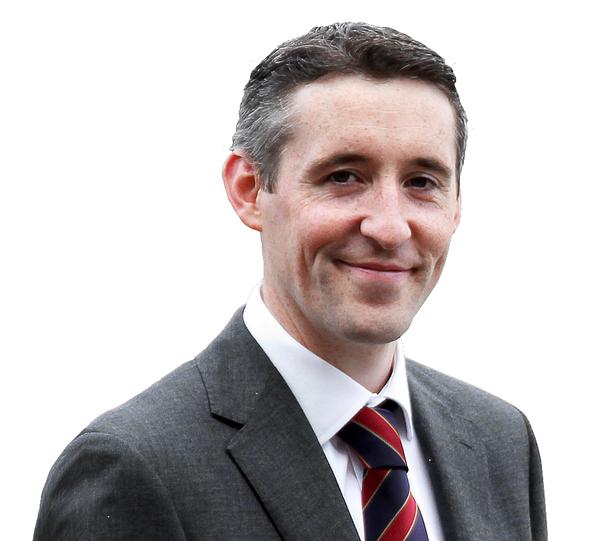
“I’ve been an acrobatic gymnast since the age of six,” explains Patrick Bonner, British Gymnastics foundation and disability manager. “My mum took me along to a leisure centre when my sister was doing ballet and she told me to go around the centre until I found something I liked.
“I remember going around and there were people playing five-a-side and swimming. Then, I walked past this room and I saw kids running up onto springboards and diving onto a mat and rolling. They were flying, and that is exactly what I wanted to do.”
Bonner’s enthusiasm for his sport is infectious, and he has spent the best part of 20 years spreading that feeling around as a coach and now as disability manager at British Gymnastics, where the governing body’s I’m In initiative has attracted 1,500 members.
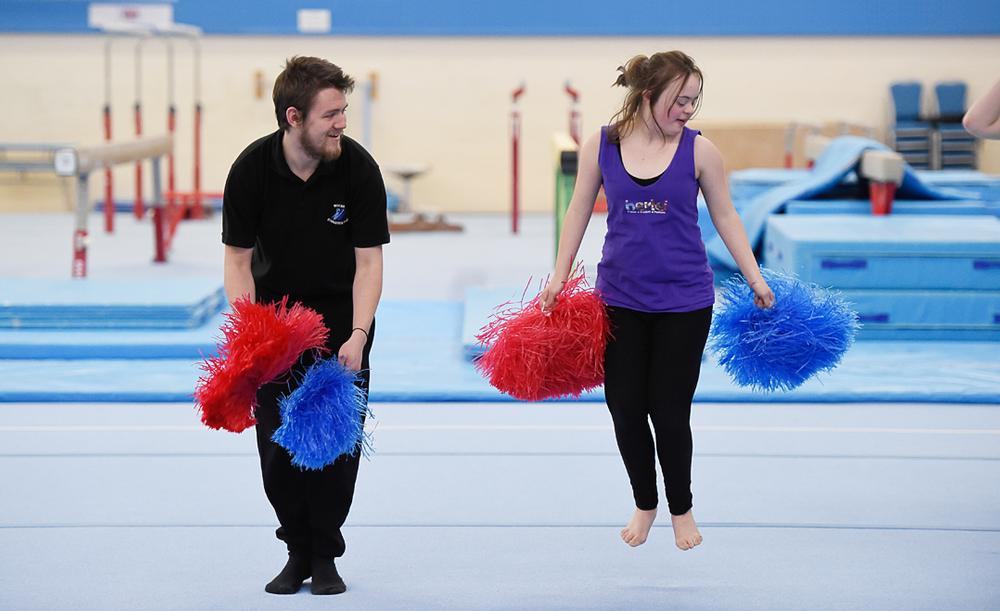
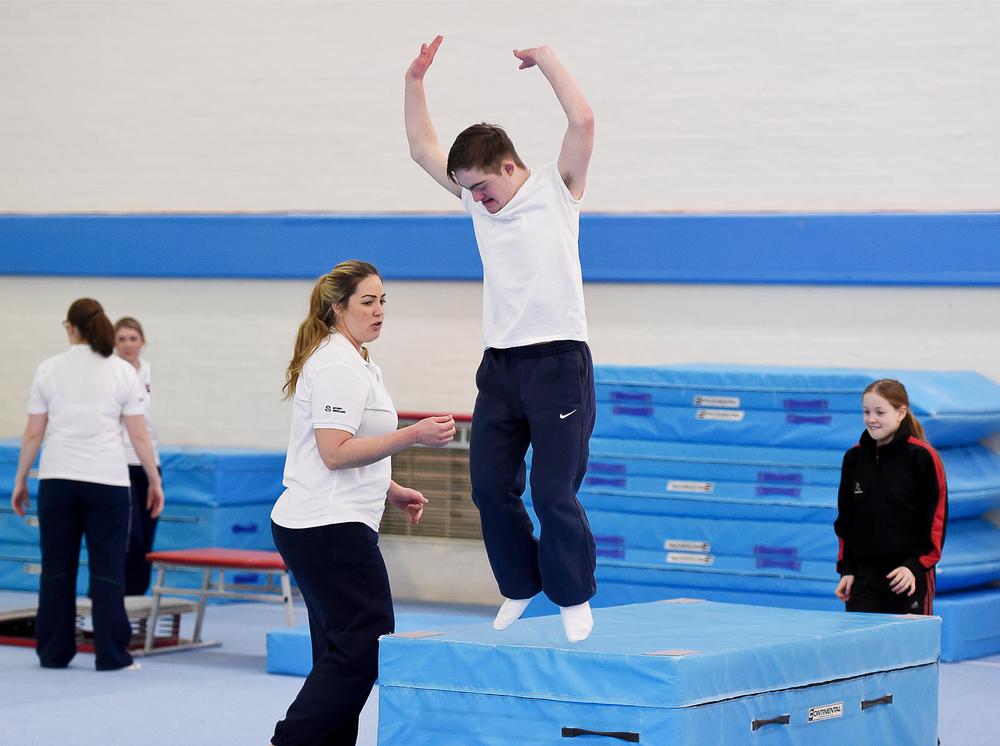
The Sport England-funded scheme was developed three years ago as a way to make the sport more inclusive, and now more than 200 affiliated clubs offer gymnastics to people with physical or learning disabilities with specialist coaching support.
The scheme is now on the cusp of evolving, with British Gymnastics “completely revising” its disability gymnastics module and providing recognised coaches with a “new disability gymnastics education model”.
ADAPTING FOR DIFFERENT NEEDS Developed in collaboration with the English Federation of Disability Sport (EFDS) and Scottish Disability Sport, the model includes three hours of theory, featuring work on disability equality legislation and developing adapted practice for different impairments. This is supplemented by three hours of practical work in scenario-based sessions.
The model was developed by Bonner and his team, with the former drawing on his experience as a gymnastic coach in special schools and with County Sports Partnerships in the North-East.
Bonner explains that his strength as a coach lies in adaptation – an essential ingredient for teaching groups with a variety of different needs – and this is reflected in the I’m In scheme.
“You might have a group of gymnasts doing vaulting practice,” he says. “One of the gymnasts has a visual impairment and finds it difficult to locate the springboard visually, so how is the coach going to successfully integrate that gymnast?
“It’s about practice; try some adaptations. A coach might use tactile matting so the gymnast can better orientate themselves. It’s about thinking about what kind of impairment they have.”
When I’m In was launched, says Bonner, there were “around 136 clubs” that reported being inclusive and having a disability programme, but there was very little in the way of measurement. Now, the 200 affiliate clubs making that claim have to adhere to prerequisites, including an “inclusive club development toolkit” and a facility checklist.
The step up in standards and “gymnastics-focused” approach has resulted in impressive retention figures. As well as the I’m In scheme, British Gymnastics has launched a number of taster days with 850 people participating to date. Of those, a quarter have gone on to become regularly attending members of clubs.
Bonner tells Sports Management: “The prerequisite to that retention is having the right coaches who are properly trained, properly educated and know how to differentiate properly and be absolutely centred to the gymnasts. That’s the bedrock of retaining people.
“I also genuinely believe that the versatility of gymnastics compared with other sports is unparalleled. We have competitive pathways, disciplines for strength and power, elegance and grace, or if people just want to be social.”
TAKING IT ABROAD The success of the scheme has seen British Gymnastics take its knowledge abroad and design similar participation initiatives for other nations. Bonner and his team went to South Africa last year to consolidate a relationship with its own governing body which has been ongoing for more than a decade.
The basis of the visit was for British Gymnastics to share its education programme and increase the South African Gymnastics Federation’s expertise when it comes to adapting the sport for disabled people. Bonner and his team of coaches – who had a combined total of 60 years experience teaching gymnastics – tutored coaches at affiliated clubs and the special school network of coaches.
“Their clubs are far less well-equipped in terms of facilities, so we looked at our model and adapted it to their circumstances,” he explains.
“You can’t replicate someone else’s model verbatim, so we took the time to understand how their club network is set up and what the coaches require.”
Next up for Bonner is Brazil, where British Gymnastics is planning to share its best practice with a nation currently basking in the glow of the Rio 2016 Olympic and Paralympic Games.
“It would be a sad state of affairs if we forced ahead and developed our programme over the next 20 years and beyond, and there was no one else in the world to share that programme with.” he says.
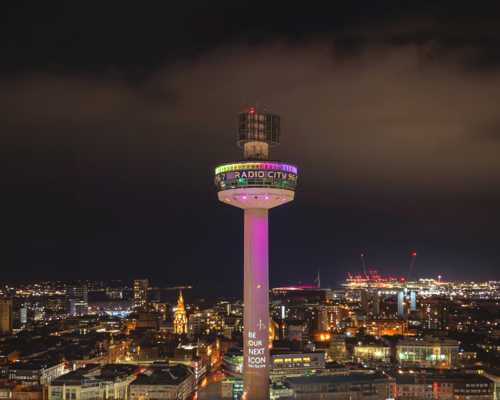
An opportunity to reimagine one of the UK’s most recognisable towers has been formally
opened by Rivington Hark, as St Johns Beacon invites operators and partners to shape its
next phase. [more...]
“I’ve been an acrobatic gymnast since the age of six,” explains Patrick Bonner, British Gymnastics foundation and disability manager. “My mum took me along to a leisure centre when my sister was doing ballet and she told me to go around the centre until I found something I liked.
“I remember going around and there were people playing five-a-side and swimming. Then, I walked past this room and I saw kids running up onto springboards and diving onto a mat and rolling. They were flying, and that is exactly what I wanted to do.”
Bonner’s enthusiasm for his sport is infectious, and he has spent the best part of 20 years spreading that feeling around as a coach and now as disability manager at British Gymnastics, where the governing body’s I’m In initiative has attracted 1,500 members.
The Sport England-funded scheme was developed three years ago as a way to make the sport more inclusive, and now more than 200 affiliated clubs offer gymnastics to people with physical or learning disabilities with specialist coaching support.
The scheme is now on the cusp of evolving, with British Gymnastics “completely revising” its disability gymnastics module and providing recognised coaches with a “new disability gymnastics education model”.
ADAPTING FOR DIFFERENT NEEDS Developed in collaboration with the English Federation of Disability Sport (EFDS) and Scottish Disability Sport, the model includes three hours of theory, featuring work on disability equality legislation and developing adapted practice for different impairments. This is supplemented by three hours of practical work in scenario-based sessions.
The model was developed by Bonner and his team, with the former drawing on his experience as a gymnastic coach in special schools and with County Sports Partnerships in the North-East.
Bonner explains that his strength as a coach lies in adaptation – an essential ingredient for teaching groups with a variety of different needs – and this is reflected in the I’m In scheme.
“You might have a group of gymnasts doing vaulting practice,” he says. “One of the gymnasts has a visual impairment and finds it difficult to locate the springboard visually, so how is the coach going to successfully integrate that gymnast?
“It’s about practice; try some adaptations. A coach might use tactile matting so the gymnast can better orientate themselves. It’s about thinking about what kind of impairment they have.”
When I’m In was launched, says Bonner, there were “around 136 clubs” that reported being inclusive and having a disability programme, but there was very little in the way of measurement. Now, the 200 affiliate clubs making that claim have to adhere to prerequisites, including an “inclusive club development toolkit” and a facility checklist.
The step up in standards and “gymnastics-focused” approach has resulted in impressive retention figures. As well as the I’m In scheme, British Gymnastics has launched a number of taster days with 850 people participating to date. Of those, a quarter have gone on to become regularly attending members of clubs.
Bonner tells Sports Management: “The prerequisite to that retention is having the right coaches who are properly trained, properly educated and know how to differentiate properly and be absolutely centred to the gymnasts. That’s the bedrock of retaining people.
“I also genuinely believe that the versatility of gymnastics compared with other sports is unparalleled. We have competitive pathways, disciplines for strength and power, elegance and grace, or if people just want to be social.”
TAKING IT ABROAD The success of the scheme has seen British Gymnastics take its knowledge abroad and design similar participation initiatives for other nations. Bonner and his team went to South Africa last year to consolidate a relationship with its own governing body which has been ongoing for more than a decade.
The basis of the visit was for British Gymnastics to share its education programme and increase the South African Gymnastics Federation’s expertise when it comes to adapting the sport for disabled people. Bonner and his team of coaches – who had a combined total of 60 years experience teaching gymnastics – tutored coaches at affiliated clubs and the special school network of coaches.
“Their clubs are far less well-equipped in terms of facilities, so we looked at our model and adapted it to their circumstances,” he explains.
“You can’t replicate someone else’s model verbatim, so we took the time to understand how their club network is set up and what the coaches require.”
Next up for Bonner is Brazil, where British Gymnastics is planning to share its best practice with a nation currently basking in the glow of the Rio 2016 Olympic and Paralympic Games.
“It would be a sad state of affairs if we forced ahead and developed our programme over the next 20 years and beyond, and there was no one else in the world to share that programme with.” he says.
A new immersive attraction designed to transport visitors into the final hours of ancient Pompeii
is preparing to open near the world-famous archaeological site in southern Italy.
Experience design company, BRC Imagination Arts, has completed a transition that sees founder
Bob Rogers pass ownership of the business to four long-serving senior executives, while
remaining actively involved with the company.
Movie Park Germany has opened a new Paramount Pictures-themed attraction as part of its 30th
anniversary celebrations, using immersive storytelling and adaptive reuse to reinforce the park’s
longstanding “Hollywood in Germany” positioning.
Therme Manchester’s 28-acre development, which will include interconnected glass pavilions
that measure 65,000sq m, will be the largest bathing and wellbeing attraction in the world once
complete, according to prof David Russell, CEO of Therme UK.
Efteling has opened Hooghmoed, a new family drop tower designed to broaden the appeal of its
recently launched Sirene Island themed area and introduce younger visitors to thrill attractions.
A proposed Puy du Fou development near Bicester and Universal Destinations and Experiences’
planned resort in Bedford are emerging as part of a wider transformation of the Oxford–
Cambridge Growth Corridor into a major centre for UK leisure and tourism inv
Shedd Aquarium has opened the Immersion Theater developed in partnership with SimEx-
Iwerks, as part of a wider strategy to enhance the guest experience and create additional
revenue opportunities.
The UK government has announced a temporary reduction in VAT on visitor attractions and
children’s meals as part of a summer cost-of-living support package designed to stimulate the
visitor economy and encourage family days out.
As designer Yinka Ilori prepares for his first solo gallery show in London, he speaks exclusively
to CLADmag about his mission to spread joy, the power of play, and his bold approach to using
colour (including the colours you won’t see in his work).
The government of Thailand is exploring plans for a THB300bn (£6.3bn, US$8.3bn)
entertainment complex in the country’s Eastern Economic Corridor (EEC), with officials
proposing a large-scale theme park and sports destination as part of a broader tourism and
economic development strategy.
An opportunity to reimagine one of the UK’s most recognisable towers has been formally
opened by Rivington Hark, as St Johns Beacon invites operators and partners to shape its
next phase. [more...]