Matthew Campelli talks to the England Netball CEO about trying to win the World Cup on home soil in 2019 and why forward-thinking NGBs should not fear the Sport England strategy
By Matthew Campelli | Published in Sports Management 13 Jun 2016 issue 122
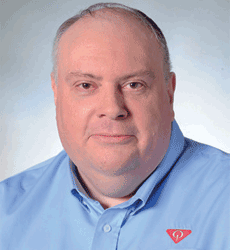
Joanna Adams was appointed CEO in 2015 after spending six years with the national governing body
It’s all hands to the pump at England Netball HQ the day Sports Management descends on leafy Hertfordshire to chat with chief executive Joanna Adams. Both Adams and chair Colin Povey are in the CEO’s office preparing for a board meeting to discuss the potential impact of the recently-published Sport England strategy – a strategy which put a significant question mark next to the funding of national governing bodies (NGBs).
While it is inevitable that certain NGBs will lose out as a result of the the quango cutting its core funding pot from 38 per cent to 29 per cent of its total expenditure, Adams is upbeat, and explains that “forward-thinking NGBs like England Netball” have a chance to prove their worth if they have to competitively bid for funds.
Strategic thinking “We began a journey about six years ago where we started to put the consumer at the heart of everything we did, turned a traditional governing body on its head and turned it into a sports business,” she says. “We operated just like any other business would – we did masses of insight, masses of research and found out what customers and potential customers might want from netball.”
The importance of insight and treating the public as consumers are two of the key messages in the Sport England strategy – as well as the government’s Sporting Future strategy – and Adams feels that England Netball is “ahead of the game” when compared to some of its NGB counterparts.
To capture the female public’s views on netball, the organisation spoke to women outside coffee shops and school gates, and asked youngsters to create scrapbooks to illustrate the things they liked and disliked about sport. The body then formulated a plan around the responses it received.
“[Sports minister] Tracey Crouch’s opening paragraph in the government strategy was about putting the customer at the heart of everything you do. We have been doing that for years – we have got all the research and understand what they want. All we need to do is keep refining our product,” she says.
Customer matters The approach has led to the launch of a number of variations of playing netball and initiatives which appeal to a wider demographic of women and girls. As well as the traditional club structure, the organisation has launched participation initiatives such as Back to Netball and Walking Netball.
The former – which is a 10-week programme to bring former players back into the game – has been England Netball’s most successful scheme says Adams, adding that it has enticed more than 50,000 women in the last five years, with around 30 per cent transitioning to become full-time members of clubs.
The next iteration of Back to Netball will involve the more experienced women becoming coaches, mentored by England Netball staff. “It’s not pyramid selling, but a bit like the Avon lady,” Adams jokes. “The women have been through it, they understand it, and we want to empower them to go and deliver because it’s a self-sustaining model not reliant on huge amounts of funding.”
Walking Netball is being trialled throughout the year as a way of bringing older women and ex-players coming back from injury back into the game. The slower form of the game allows players to take two steps instead of one and gives them four seconds to throw the ball instead of three, but ultimately the draw for the women is the social aspects says Adams.
The more relaxed discipline has also appealed to other parts of the community. A trial was held for Muslim women who wanted to get physically active in a female-only environment. The game also works for women with eating disorders who want to participate but lack the energy to play at full throttle.
Funding the future As women, ethnic minorities, the physically unfit and the elderly form a core part of the hard-to-reach groups Sport England and the government are trying to encourage into physical activity, Adams is confident that England Netball can bid for funds outside the core pot as a result.
To achieve this, England Netball has appointed a research company to build a framework, so it can measure its results against the strategy’s desired outcomes. That way, it has something solid with which to bid for funding. The body is also one of only two NGBs which receive Sport England funding for the elite side of the game – a position that makes the chief executive “a little more nervous”.
“The Sport England strategy doesn’t touch on elite funding at all, but we think we have a good case,” says Adams. “We have proof that when our England team does well we see a spike in participation. We have an opportunity to medal at the upcoming Commonwealth Games and we have a home World Cup (in Liverpool) in 2019.”
Commercial decisions To safeguard England Netball’s financial future, Adams has tried to develop a commercial beast which she hopes will be able to generate the lion’s share of its income through sponsorship and commercial opportunities. “We are 30 per cent self-funded and 70 per cent grant funded,” she explains.
“We’d like the numbers the other way around. Can achieve it? It’s a stretch but we have to aim high.”
England Netball’s partnership with Sky Sports has certainly helped generate interest to the extent that Adams concedes that the loss of a TV deal would be “catastrophic” for the game. While netball’s Superleague started off as “content filler” for the pay-TV broadcaster, the competition was moved to a permanent Monday night slot and the pair have become “strategic partners”.
The agreement is coming to an end this year and Adams is confident that her organisation will walk away with a better deal. Part of any new deal will incorporate the rights to the new Quad Series tournament, which will see England compete with Australia, South Africa and New Zealand every year as England Netball attempts to ramp up the elite performance side of its operations.
Eyes on the World Cup As well as launching the annual tournament, England Netball is facilitating 20 Superleague players to become full-time professionals from this month, with the majority being paid centrally via the governing body. The ambitious initiative, says Adams, is to catch up with the top two teams in the world – Australia and New Zealand – and have a shot at reaching the World Cup final on home soil in four years time.
“Girls from Australia and New Zealand are fully professional – they don’t have to juggle a job and then go for training,” Adams laments. “Our girls do, and they have to drive all around the country for training afterwards. It’s not a level playing field.
“We felt that this is a massive step forward for the sport, but absolutely necessary. They can have as good a chance as the top two nations in the world.”
In addition, the Superleague is on the cusp of changing its league structure, with a tender process coming to its conclusion for places in the competition, with potential franchises assessed on their performance pathways and their academy reach.
Former Olympian Sarah Symington has also come aboard as performance director to shape the elite programme alongside head coach Tracey Neville in a bid to make the England team one of the best in the world before the championship in 2019.
“Whatever happens it will be a fantastic World Cup,” says Adams, before adding: “If we’re not in the final I would be gutted. Yes, I’d be absolutely gutted.”
Helping Superleague franchises commercialise: “Realistic quick wins are ticket sales. Three years ago we couldn’t give a ticket away, now we sell out. We’re working with clubs to help them put in ticket strategies.”
Facilities: “We’re not asset owners and that does restrict us. Having 10 x 3,000-capacity netball hubs around the country is our dream.”
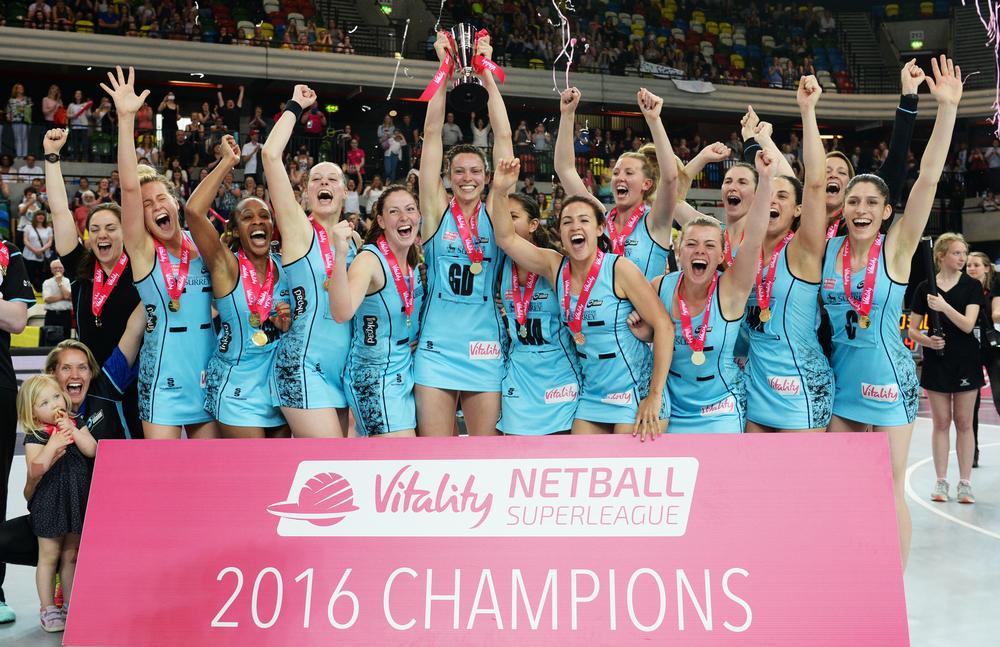
Surrey Storm were crowned champions of the 2016 Netball Superleague
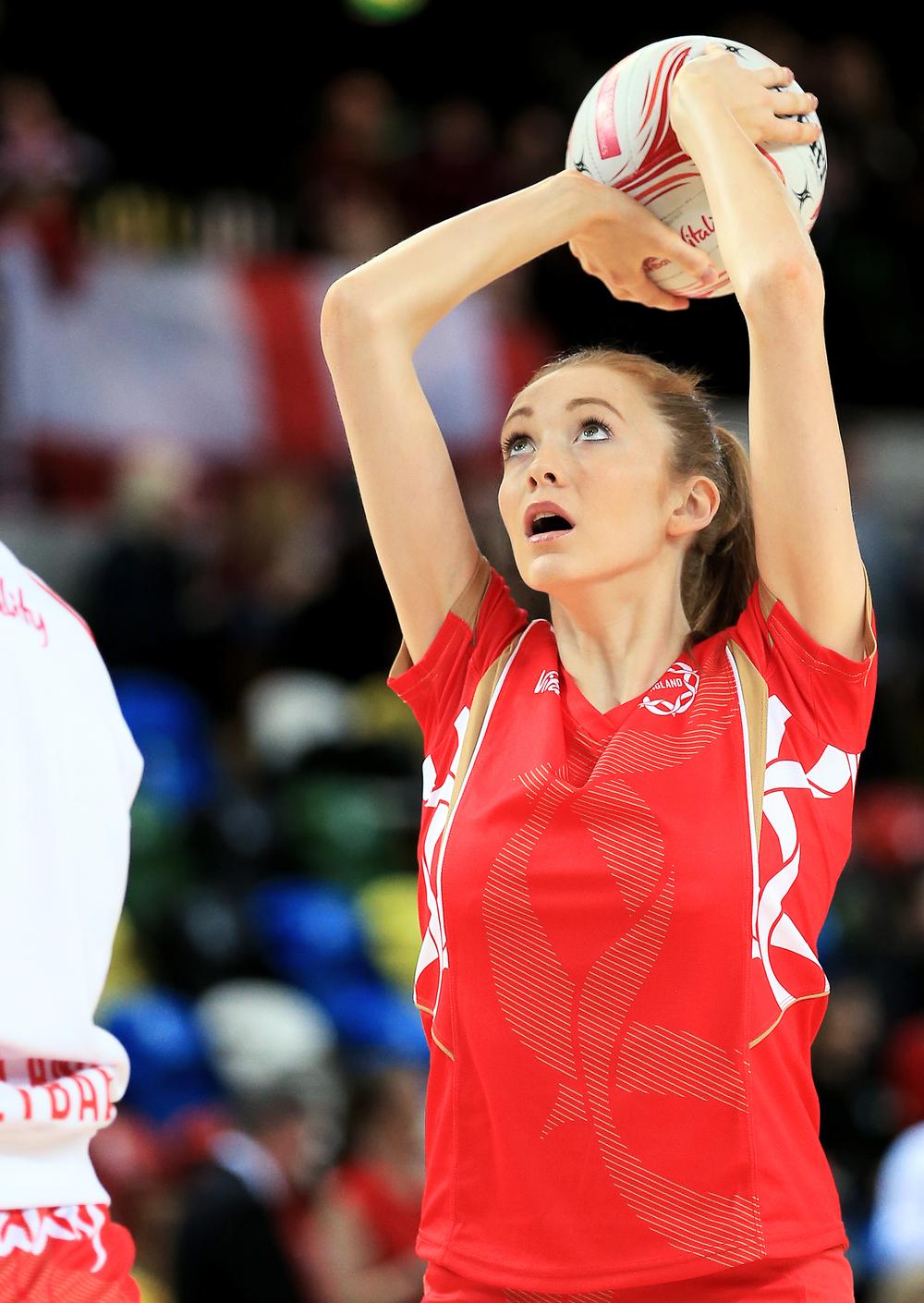
Cover star: Helen Housby is one of England’s most important and recognisable players
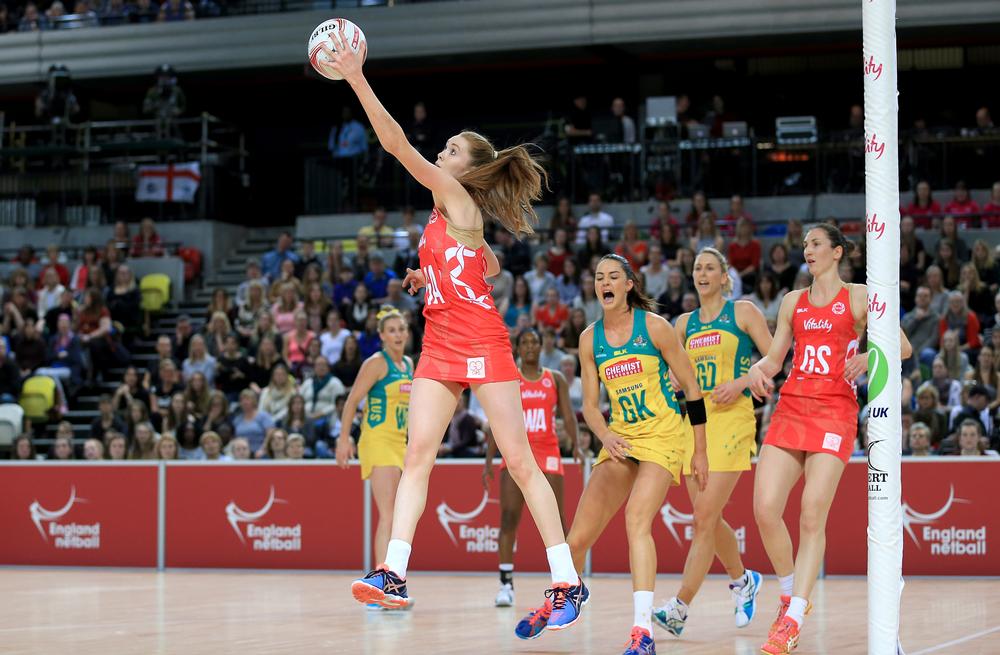
A total of 20 England players will be offered professional contracts
COMPANY PROFILES
TechnoAlpin Indoor
TechnoAlpin is the world leader for snowmaking systems. With the Indoor snow division, TechnoAlpin c [more...]
Sally Corporation
Our services include: Dark ride design & build; Redevelopment of existing attractions; High-quality [more...]
IDEATTACK
IDEATTACK is a full-service planning and
design company with headquarters in
Los Angeles. [more...]
QubicaAMF UK
QubicaAMF is the largest and most
innovative bowling equipment provider with
600 employees worldwi [more...]
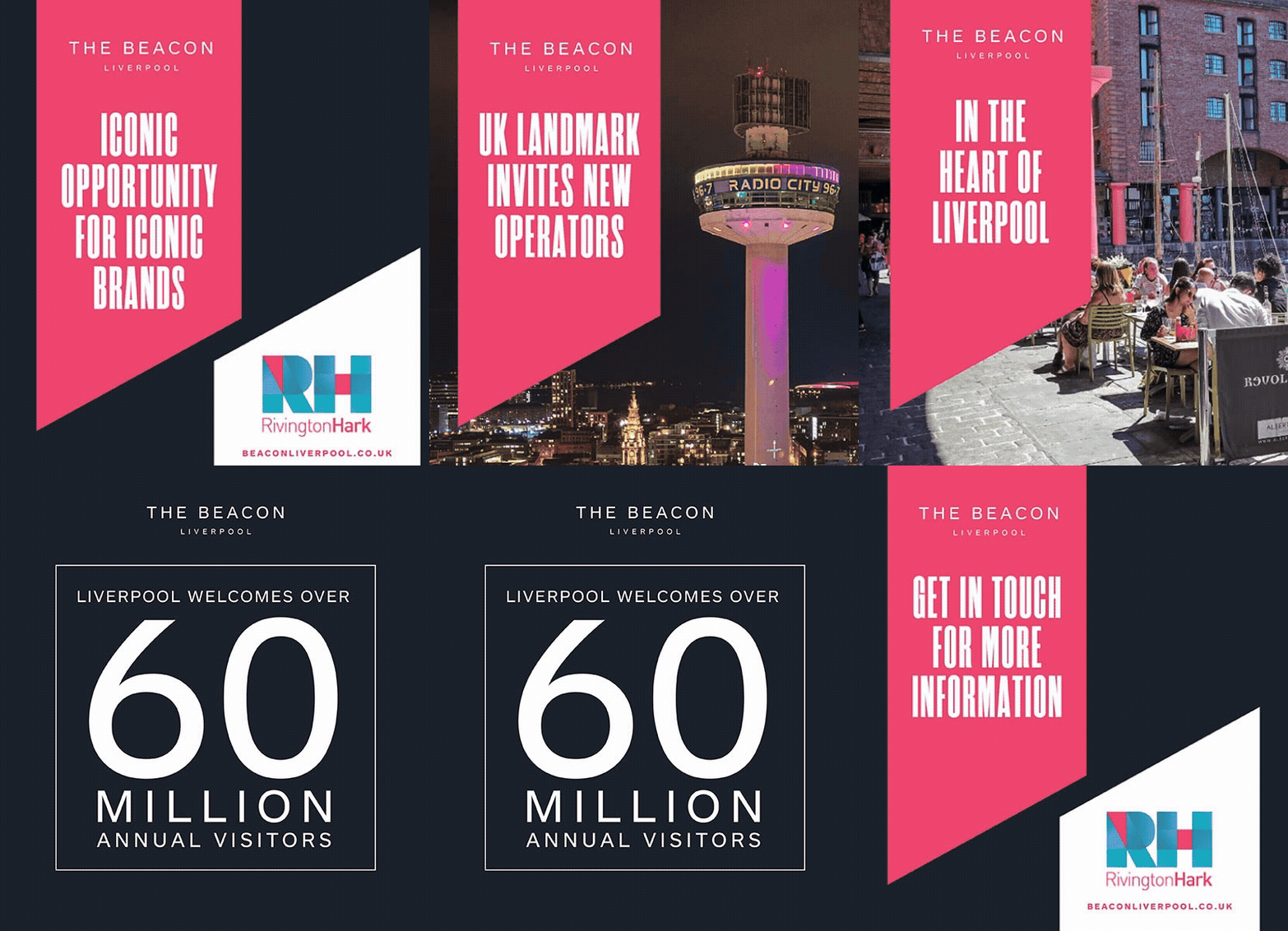
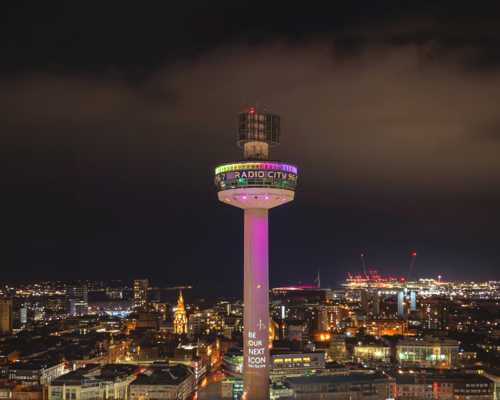
An opportunity to reimagine one of the UK’s most recognisable towers has been formally
opened by Rivington Hark, as St Johns Beacon invites operators and partners to shape its
next phase. [more...]
Matthew Campelli talks to the England Netball CEO about trying to win the World Cup on home soil in 2019 and why forward-thinking NGBs should not fear the Sport England strategy
By Matthew Campelli | Published in Sports Management 13 Jun 2016 issue 122
Joanna Adams was appointed CEO in 2015 after spending six years with the national governing body
It’s all hands to the pump at England Netball HQ the day Sports Management descends on leafy Hertfordshire to chat with chief executive Joanna Adams. Both Adams and chair Colin Povey are in the CEO’s office preparing for a board meeting to discuss the potential impact of the recently-published Sport England strategy – a strategy which put a significant question mark next to the funding of national governing bodies (NGBs).
While it is inevitable that certain NGBs will lose out as a result of the the quango cutting its core funding pot from 38 per cent to 29 per cent of its total expenditure, Adams is upbeat, and explains that “forward-thinking NGBs like England Netball” have a chance to prove their worth if they have to competitively bid for funds.
Strategic thinking “We began a journey about six years ago where we started to put the consumer at the heart of everything we did, turned a traditional governing body on its head and turned it into a sports business,” she says. “We operated just like any other business would – we did masses of insight, masses of research and found out what customers and potential customers might want from netball.”
The importance of insight and treating the public as consumers are two of the key messages in the Sport England strategy – as well as the government’s Sporting Future strategy – and Adams feels that England Netball is “ahead of the game” when compared to some of its NGB counterparts.
To capture the female public’s views on netball, the organisation spoke to women outside coffee shops and school gates, and asked youngsters to create scrapbooks to illustrate the things they liked and disliked about sport. The body then formulated a plan around the responses it received.
“[Sports minister] Tracey Crouch’s opening paragraph in the government strategy was about putting the customer at the heart of everything you do. We have been doing that for years – we have got all the research and understand what they want. All we need to do is keep refining our product,” she says.
Customer matters The approach has led to the launch of a number of variations of playing netball and initiatives which appeal to a wider demographic of women and girls. As well as the traditional club structure, the organisation has launched participation initiatives such as Back to Netball and Walking Netball.
The former – which is a 10-week programme to bring former players back into the game – has been England Netball’s most successful scheme says Adams, adding that it has enticed more than 50,000 women in the last five years, with around 30 per cent transitioning to become full-time members of clubs.
The next iteration of Back to Netball will involve the more experienced women becoming coaches, mentored by England Netball staff. “It’s not pyramid selling, but a bit like the Avon lady,” Adams jokes. “The women have been through it, they understand it, and we want to empower them to go and deliver because it’s a self-sustaining model not reliant on huge amounts of funding.”
Walking Netball is being trialled throughout the year as a way of bringing older women and ex-players coming back from injury back into the game. The slower form of the game allows players to take two steps instead of one and gives them four seconds to throw the ball instead of three, but ultimately the draw for the women is the social aspects says Adams.
The more relaxed discipline has also appealed to other parts of the community. A trial was held for Muslim women who wanted to get physically active in a female-only environment. The game also works for women with eating disorders who want to participate but lack the energy to play at full throttle.
Funding the future As women, ethnic minorities, the physically unfit and the elderly form a core part of the hard-to-reach groups Sport England and the government are trying to encourage into physical activity, Adams is confident that England Netball can bid for funds outside the core pot as a result.
To achieve this, England Netball has appointed a research company to build a framework, so it can measure its results against the strategy’s desired outcomes. That way, it has something solid with which to bid for funding. The body is also one of only two NGBs which receive Sport England funding for the elite side of the game – a position that makes the chief executive “a little more nervous”.
“The Sport England strategy doesn’t touch on elite funding at all, but we think we have a good case,” says Adams. “We have proof that when our England team does well we see a spike in participation. We have an opportunity to medal at the upcoming Commonwealth Games and we have a home World Cup (in Liverpool) in 2019.”
Commercial decisions To safeguard England Netball’s financial future, Adams has tried to develop a commercial beast which she hopes will be able to generate the lion’s share of its income through sponsorship and commercial opportunities. “We are 30 per cent self-funded and 70 per cent grant funded,” she explains.
“We’d like the numbers the other way around. Can achieve it? It’s a stretch but we have to aim high.”
England Netball’s partnership with Sky Sports has certainly helped generate interest to the extent that Adams concedes that the loss of a TV deal would be “catastrophic” for the game. While netball’s Superleague started off as “content filler” for the pay-TV broadcaster, the competition was moved to a permanent Monday night slot and the pair have become “strategic partners”.
The agreement is coming to an end this year and Adams is confident that her organisation will walk away with a better deal. Part of any new deal will incorporate the rights to the new Quad Series tournament, which will see England compete with Australia, South Africa and New Zealand every year as England Netball attempts to ramp up the elite performance side of its operations.
Eyes on the World Cup As well as launching the annual tournament, England Netball is facilitating 20 Superleague players to become full-time professionals from this month, with the majority being paid centrally via the governing body. The ambitious initiative, says Adams, is to catch up with the top two teams in the world – Australia and New Zealand – and have a shot at reaching the World Cup final on home soil in four years time.
“Girls from Australia and New Zealand are fully professional – they don’t have to juggle a job and then go for training,” Adams laments. “Our girls do, and they have to drive all around the country for training afterwards. It’s not a level playing field.
“We felt that this is a massive step forward for the sport, but absolutely necessary. They can have as good a chance as the top two nations in the world.”
In addition, the Superleague is on the cusp of changing its league structure, with a tender process coming to its conclusion for places in the competition, with potential franchises assessed on their performance pathways and their academy reach.
Former Olympian Sarah Symington has also come aboard as performance director to shape the elite programme alongside head coach Tracey Neville in a bid to make the England team one of the best in the world before the championship in 2019.
“Whatever happens it will be a fantastic World Cup,” says Adams, before adding: “If we’re not in the final I would be gutted. Yes, I’d be absolutely gutted.”
Helping Superleague franchises commercialise: “Realistic quick wins are ticket sales. Three years ago we couldn’t give a ticket away, now we sell out. We’re working with clubs to help them put in ticket strategies.”
Facilities: “We’re not asset owners and that does restrict us. Having 10 x 3,000-capacity netball hubs around the country is our dream.”
Surrey Storm were crowned champions of the 2016 Netball Superleague
Cover star: Helen Housby is one of England’s most important and recognisable players
A total of 20 England players will be offered professional contracts
The Toverland theme park in the Netherlands has announced a €98m expansion programme
that will add a resort, new attractions and staff facilities as it pursues plans to become a multi-
day destination.
Hotel de France, located on the British Isle of Jersey, has created a wellness retreat package
that includes a hot yoga session that will take place in Jersey Zoo’s butterfly sanctuary.
A new immersive attraction designed to transport visitors into the final hours of ancient Pompeii
is preparing to open near the world-famous archaeological site in southern Italy.
Experience design company, BRC Imagination Arts, has completed a transition that sees founder
Bob Rogers pass ownership of the business to four long-serving senior executives, while
remaining actively involved with the company.
Movie Park Germany has opened a new Paramount Pictures-themed attraction as part of its 30th
anniversary celebrations, using immersive storytelling and adaptive reuse to reinforce the park’s
longstanding “Hollywood in Germany” positioning.
Therme Manchester’s 28-acre development, which will include interconnected glass pavilions
that measure 65,000sq m, will be the largest bathing and wellbeing attraction in the world once
complete, according to prof David Russell, CEO of Therme UK.
Efteling has opened Hooghmoed, a new family drop tower designed to broaden the appeal of its
recently launched Sirene Island themed area and introduce younger visitors to thrill attractions.
A proposed Puy du Fou development near Bicester and Universal Destinations and Experiences’
planned resort in Bedford are emerging as part of a wider transformation of the Oxford–
Cambridge Growth Corridor into a major centre for UK leisure and tourism inv
Shedd Aquarium has opened the Immersion Theater developed in partnership with SimEx-
Iwerks, as part of a wider strategy to enhance the guest experience and create additional
revenue opportunities.
The UK government has announced a temporary reduction in VAT on visitor attractions and
children’s meals as part of a summer cost-of-living support package designed to stimulate the
visitor economy and encourage family days out.
+ More news
COMPANY PROFILES
TechnoAlpin Indoor TechnoAlpin is the world leader for snowmaking systems. With the Indoor snow division, TechnoAlpin c [more...]
Sally Corporation Our services include: Dark ride design & build; Redevelopment of existing attractions; High-quality [more...]
IDEATTACK IDEATTACK is a full-service planning and
design company with headquarters in
Los Angeles. [more...]
QubicaAMF UK QubicaAMF is the largest and most
innovative bowling equipment provider with
600 employees worldwi [more...]
An opportunity to reimagine one of the UK’s most recognisable towers has been formally
opened by Rivington Hark, as St Johns Beacon invites operators and partners to shape its
next phase. [more...]