Four years late and £130m over budget, the UK’s biggest
new cultural venue for years has opened in Manchester.
Magali Robathan finds out if it was worth the wait
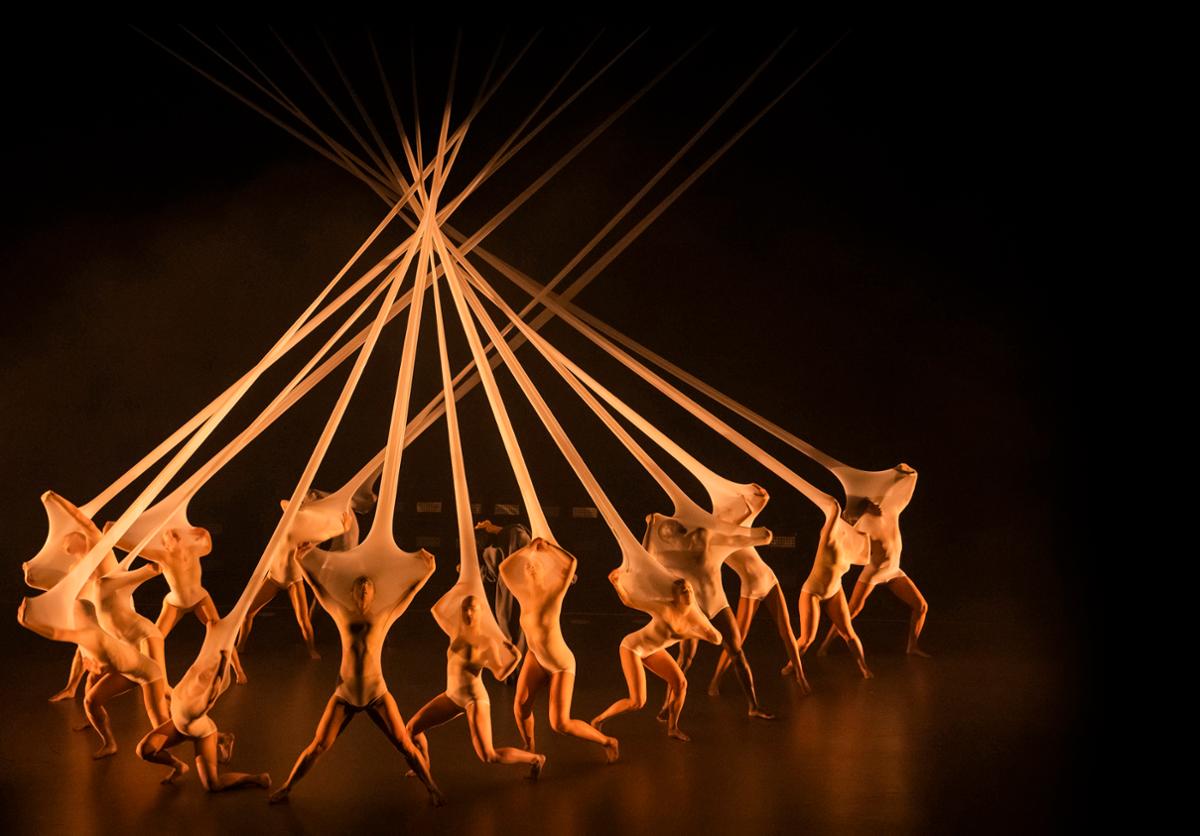
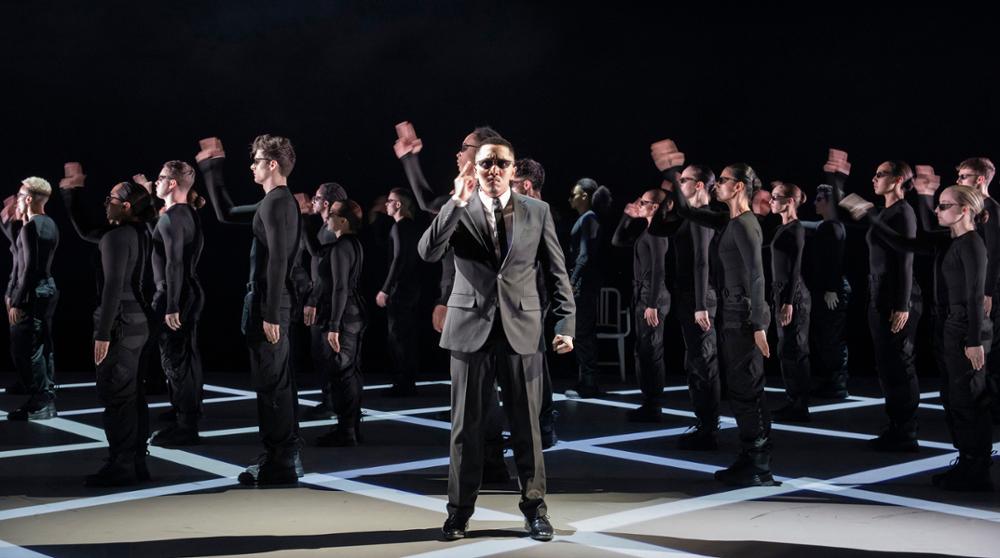
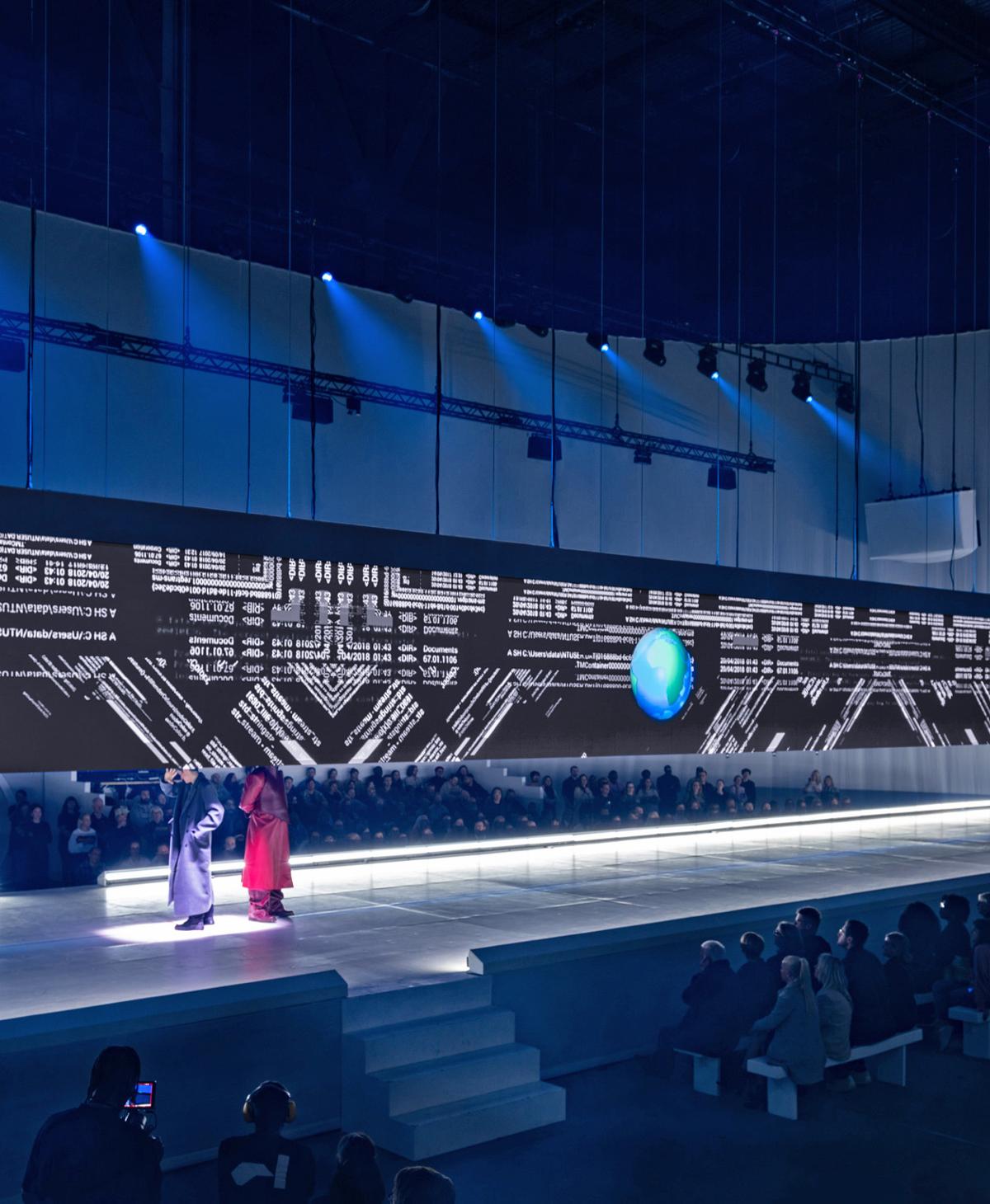
The opening show was directed by Danny Boyle and inspired by The Matrix / Photo: Tristram Kenton
When Dutch architects OMA won the competition to design a major new arts venue for Manchester, they were given a brief to design a place where ‘anything could happen’. From the outset, the ambition was huge – to create a venue where artists could showcase large-scale ambitious works of a kind not seen anywhere else in the world.
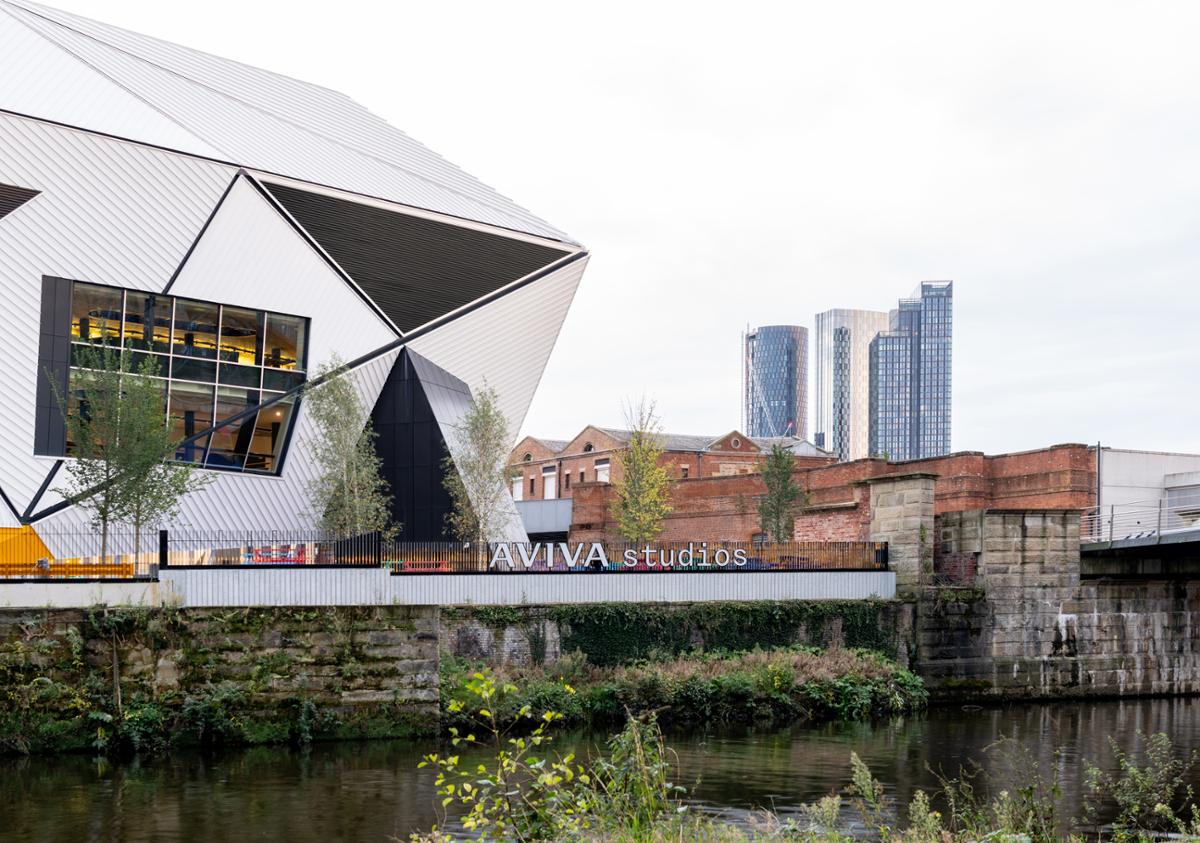
On October 18, the £242 million Aviva Studio (formerly named the Factory) opened with a major show by film director Danny Boyle featuring 50 dancers, hip hop choreography by Kenrick ‘H2O’ Sandy, music by Michael ‘Mikey J’ Asante, and set design by Es Devlin. Five thousand tickets for the show were made available for £10 or less – part of an ongoing affordable pricing strategy aimed at ensuring the venue is accessible to as many people as possible.
It is more than £130 million over budget and four years late, but there is no doubt that this is a major cultural addition to the UK. Upcoming events include a nine day programme of music, circus, art and fashion developed by Manchester residents; a two night show by musician Johnny Marr; a retelling of Rudyard Kipling’s Jungle Book by director Robert Wilson and folk duo CocoRosie; and a feminist theatrical reimagining of the BBC’s Robin Redbreast created with actor Maxine Peake.
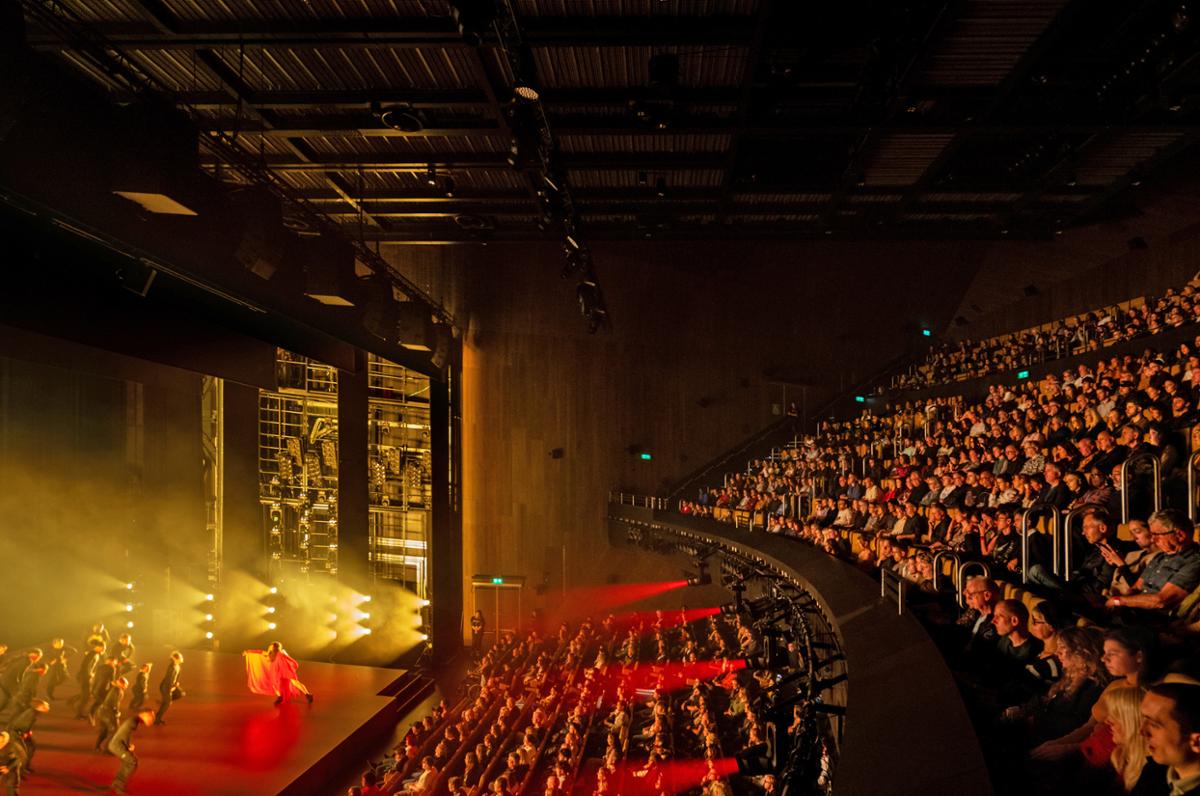
A truly flexible space OMA have delivered a highly adaptable building with two main performance spaces – the 21m-high Warehouse space, with capacity for up to 5,000 people, and the Hall, which features a flexible stage and can house up to 1,600 seated or 2,000 standing. A moveable full-height acoustic wall can be used to further divide the spaces as needed, and the Warehouse and the Hall can also work together – showcased by Boyle’s Free Your Mind performance.
It has been designed to cater for a wide variety of activities, from intimate concerts to huge raves, small scale theatre performances to major immersive exhibitions.
“I’ve worked on numerous theatres and performance spaces, but none compare to this one in terms of what it offers to performers,” said OMA’s Ellen van Loon, who led the project. “This venue serves as a platform, unlocking the full potential of the performing arts. All too often, abandoned post-industrial buildings and neighbourhoods are erased from the map, and with them the creative scenes that once thrived within them. This building reinstates what was lost.”
Economic boost The project received £99.05 million of government funding – the UK’s largest investment in a national cultural project since the opening of the Tate Modern in 2000 – as well as £7m National Lottery funding from Arts Council England. It has been estimated that the venue will support up to 1,500 new jobs and add £1.1 billion to the local economy in its first decade.
“This internationally-important venue, extraordinary in scale and ambition, will open up a world of possibilities for people in Manchester – inspiring creativity and nurturing careers in the arts,” said Cllr Bev Craig, Leader of Manchester City Council. “It’s a unique venue, a real asset for the future which will stimulate minds and spirits as well as acting as a catalyst to economic growth and opportunities.”
The building
The 13,350sq m building’s design is centred around large, open, flexible spaces that will continuously adapt and reconfigure to meet the requirements of work created and presented in the building.
Key elements include the 33m-wide, 64m-long and 21m-high Warehouse, with a theatre grid spanning the entirety of the area. The Warehouse features two supersized moveable ‘multiwalls’ which enable an almost limitless number of configurations within the expansive space.
Plugged into the Warehouse is ‘the Hall’, a 1600 seat auditorium with a flexible stage, able to accommodate ballet, theatre, music, and cross-art performances. The Hall and the Warehouse can work in tandem, allowing the stage to extend deep into the warehouse.
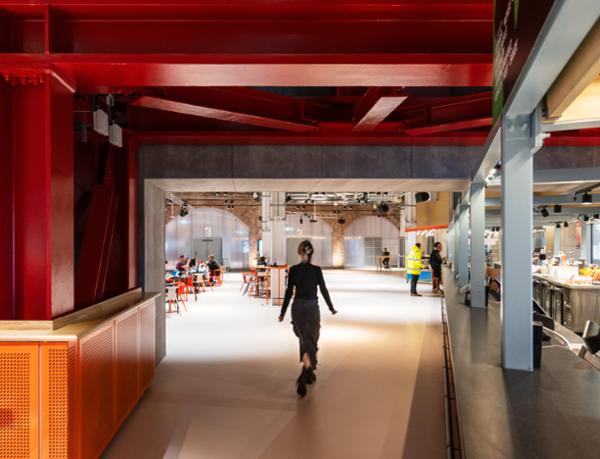
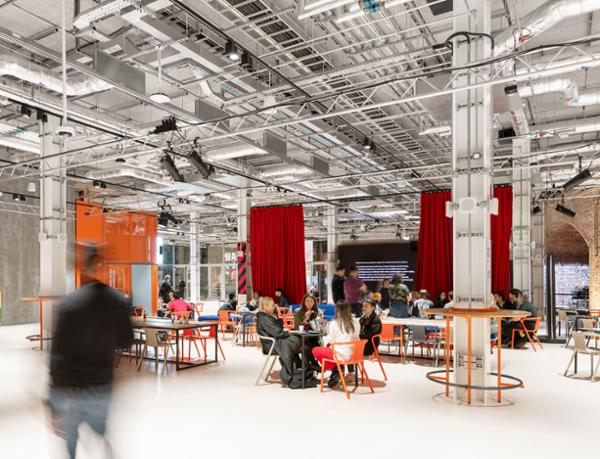
The design references Manchester’s industrial and cultural history through its use of corrugated metal and rough concrete. The building is lifted over Water Street and incorporates the 19th century arches from the Pineapple railway. Typically, venues of this size are relegated to the outskirts due to noise concerns. However, by enclosing the structure with dual layers of concrete and employing advanced acoustic techniques, the highest sound insulation was achieved, allowing the building to be part of the city centre.
People: Clara Rice
The director of global marketing for Adirondack Studios shares her plans
Interview: Delphine Pons
As Parc Asterix launches a new themed land and celebrates record attendance figures, its CEO tells us what’s next for the much-loved French park
First person: The power of play
Can the power of play help heal divides in our world? Can art and attractions bring people closer? Meow Wolf’s founder is sure that it can
Museum: Lighting the way
With major new museums taking shape in Jeddah and Abu Dhabi, digital art sensation teamLab are riding high. We speak to the team
Opinion: We need a revolution
It’s time for radical thinking to address the staffing crisis in our industry, argues Margreet Papamichael
Tourism: On the road
With its Scenic Routes project, Norway has turned the road trip into an attraction, and boosted tourism in a huge way. Terry Stevens gets behind the wheel
Museums: Mark Cutmore
What’s the future of immersive technology in museums? The head of commercial experiences at the Science Museum Group shares his thoughts
Research: Joined up thinking
Natural history museums around the world are sharing details of their collections to help find solutions to some of the most urgent issues of our time
The arts: Show time
As the UK’s biggest cultural venue for decades opens, we hear from the team behind Aviva Studios
Research: Making memories
The link between the emotions of visitors and their memories of an experience helps shape their reactions. Researcher Wim Strijbosch explores his findings
Four years late and £130m over budget, the UK’s biggest
new cultural venue for years has opened in Manchester.
Magali Robathan finds out if it was worth the wait
The opening show was directed by Danny Boyle and inspired by The Matrix / Photo: Tristram Kenton
When Dutch architects OMA won the competition to design a major new arts venue for Manchester, they were given a brief to design a place where ‘anything could happen’. From the outset, the ambition was huge – to create a venue where artists could showcase large-scale ambitious works of a kind not seen anywhere else in the world.
On October 18, the £242 million Aviva Studio (formerly named the Factory) opened with a major show by film director Danny Boyle featuring 50 dancers, hip hop choreography by Kenrick ‘H2O’ Sandy, music by Michael ‘Mikey J’ Asante, and set design by Es Devlin. Five thousand tickets for the show were made available for £10 or less – part of an ongoing affordable pricing strategy aimed at ensuring the venue is accessible to as many people as possible.
It is more than £130 million over budget and four years late, but there is no doubt that this is a major cultural addition to the UK. Upcoming events include a nine day programme of music, circus, art and fashion developed by Manchester residents; a two night show by musician Johnny Marr; a retelling of Rudyard Kipling’s Jungle Book by director Robert Wilson and folk duo CocoRosie; and a feminist theatrical reimagining of the BBC’s Robin Redbreast created with actor Maxine Peake.
A truly flexible space OMA have delivered a highly adaptable building with two main performance spaces – the 21m-high Warehouse space, with capacity for up to 5,000 people, and the Hall, which features a flexible stage and can house up to 1,600 seated or 2,000 standing. A moveable full-height acoustic wall can be used to further divide the spaces as needed, and the Warehouse and the Hall can also work together – showcased by Boyle’s Free Your Mind performance.
It has been designed to cater for a wide variety of activities, from intimate concerts to huge raves, small scale theatre performances to major immersive exhibitions.
“I’ve worked on numerous theatres and performance spaces, but none compare to this one in terms of what it offers to performers,” said OMA’s Ellen van Loon, who led the project. “This venue serves as a platform, unlocking the full potential of the performing arts. All too often, abandoned post-industrial buildings and neighbourhoods are erased from the map, and with them the creative scenes that once thrived within them. This building reinstates what was lost.”
Economic boost The project received £99.05 million of government funding – the UK’s largest investment in a national cultural project since the opening of the Tate Modern in 2000 – as well as £7m National Lottery funding from Arts Council England. It has been estimated that the venue will support up to 1,500 new jobs and add £1.1 billion to the local economy in its first decade.
“This internationally-important venue, extraordinary in scale and ambition, will open up a world of possibilities for people in Manchester – inspiring creativity and nurturing careers in the arts,” said Cllr Bev Craig, Leader of Manchester City Council. “It’s a unique venue, a real asset for the future which will stimulate minds and spirits as well as acting as a catalyst to economic growth and opportunities.”
The building
The 13,350sq m building’s design is centred around large, open, flexible spaces that will continuously adapt and reconfigure to meet the requirements of work created and presented in the building.
Key elements include the 33m-wide, 64m-long and 21m-high Warehouse, with a theatre grid spanning the entirety of the area. The Warehouse features two supersized moveable ‘multiwalls’ which enable an almost limitless number of configurations within the expansive space.
Plugged into the Warehouse is ‘the Hall’, a 1600 seat auditorium with a flexible stage, able to accommodate ballet, theatre, music, and cross-art performances. The Hall and the Warehouse can work in tandem, allowing the stage to extend deep into the warehouse.
The design references Manchester’s industrial and cultural history through its use of corrugated metal and rough concrete. The building is lifted over Water Street and incorporates the 19th century arches from the Pineapple railway. Typically, venues of this size are relegated to the outskirts due to noise concerns. However, by enclosing the structure with dual layers of concrete and employing advanced acoustic techniques, the highest sound insulation was achieved, allowing the building to be part of the city centre.
People: Clara Rice
The director of global marketing for Adirondack Studios shares her plans
Interview: Delphine Pons
As Parc Asterix launches a new themed land and celebrates record attendance figures, its CEO tells us what’s next for the much-loved French park
First person: The power of play
Can the power of play help heal divides in our world? Can art and attractions bring people closer? Meow Wolf’s founder is sure that it can
Museum: Lighting the way
With major new museums taking shape in Jeddah and Abu Dhabi, digital art sensation teamLab are riding high. We speak to the team
Opinion: We need a revolution
It’s time for radical thinking to address the staffing crisis in our industry, argues Margreet Papamichael
Tourism: On the road
With its Scenic Routes project, Norway has turned the road trip into an attraction, and boosted tourism in a huge way. Terry Stevens gets behind the wheel
Museums: Mark Cutmore
What’s the future of immersive technology in museums? The head of commercial experiences at the Science Museum Group shares his thoughts
Research: Joined up thinking
Natural history museums around the world are sharing details of their collections to help find solutions to some of the most urgent issues of our time
The arts: Show time
As the UK’s biggest cultural venue for decades opens, we hear from the team behind Aviva Studios
Research: Making memories
The link between the emotions of visitors and their memories of an experience helps shape their reactions. Researcher Wim Strijbosch explores his findings
Expo 2030 Riyadh is being planned as a permanent visitor destination, with organisers
confirming the six-million-square-metre site will become a Global Village after the event closes.
The owner of one of Australia's best-known waterparks has acquired a major competitor,
creating a new attractions business spanning two of the country's largest visitor destinations.
The Toverland theme park in the Netherlands has announced a €98m expansion programme
that will add a resort, new attractions and staff facilities as it pursues plans to become a multi-
day destination.
Hotel de France, located on the British Isle of Jersey, has created a wellness retreat package
that includes a hot yoga session that will take place in Jersey Zoo’s butterfly sanctuary.
A new immersive attraction designed to transport visitors into the final hours of ancient Pompeii
is preparing to open near the world-famous archaeological site in southern Italy.
Experience design company, BRC Imagination Arts, has completed a transition that sees founder
Bob Rogers pass ownership of the business to four long-serving senior executives, while
remaining actively involved with the company.
Movie Park Germany has opened a new Paramount Pictures-themed attraction as part of its 30th
anniversary celebrations, using immersive storytelling and adaptive reuse to reinforce the park’s
longstanding “Hollywood in Germany” positioning.
Therme Manchester’s 28-acre development, which will include interconnected glass pavilions
that measure 65,000sq m, will be the largest bathing and wellbeing attraction in the world once
complete, according to prof David Russell, CEO of Therme UK.
Efteling has opened Hooghmoed, a new family drop tower designed to broaden the appeal of its
recently launched Sirene Island themed area and introduce younger visitors to thrill attractions.
A proposed Puy du Fou development near Bicester and Universal Destinations and Experiences’
planned resort in Bedford are emerging as part of a wider transformation of the Oxford–
Cambridge Growth Corridor into a major centre for UK leisure and tourism inv
+ More news
COMPANY PROFILES
DJW David & Lynn Willrich started the Company
over thirty years ago, from the Audio Visual
Department [more...]
RMA Ltd RMA Ltd is a one-stop global company
that can design, build and produce from a
greenfield site upw [more...]