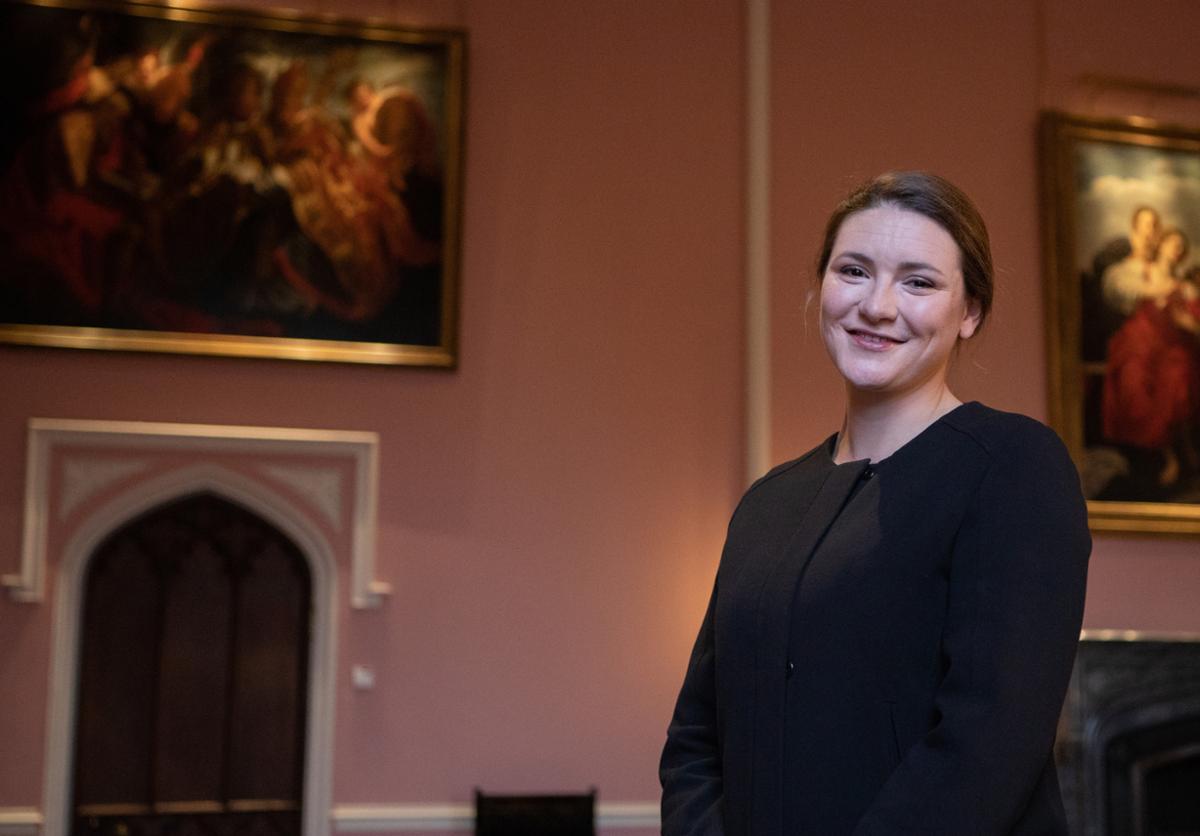
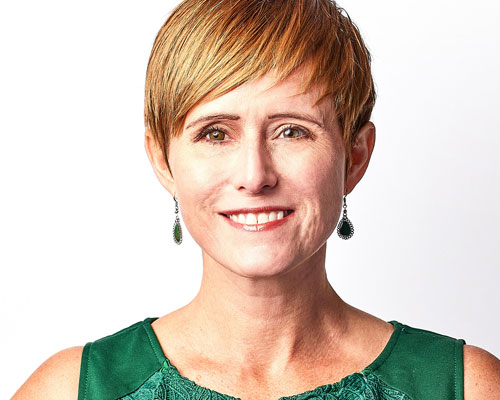
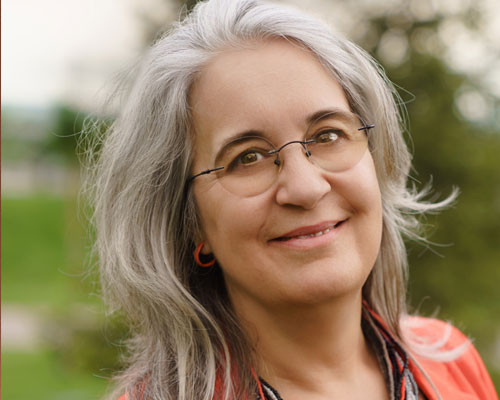
Clare Baron hopes that the Faith Museum can be a starting point for reflection / Photo: The Auckland Project
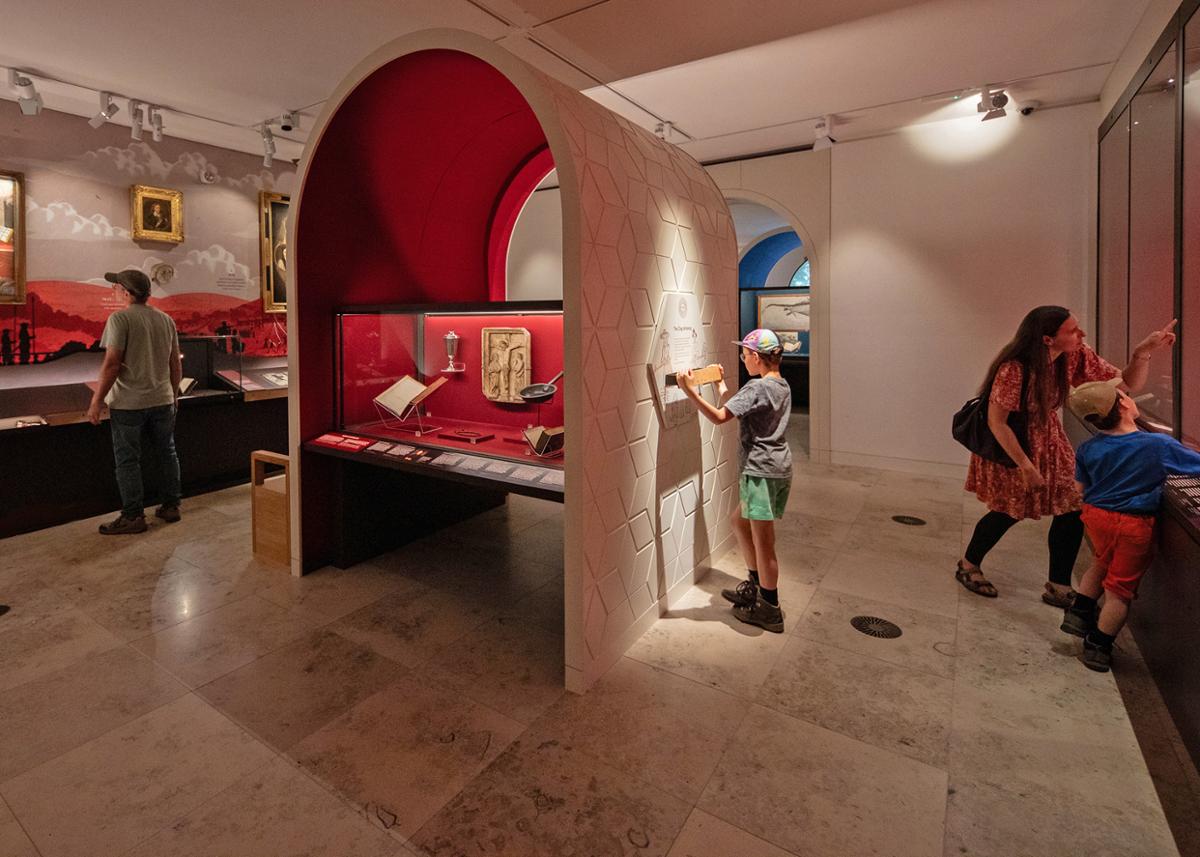
The Faith Museum has opened in Bishop Auckland, County Durham, UK. Housed in a 14th century wing of Auckland Castle and a contemporary extension by Niall McLaughlin Architects, the museum explores the ways faith has shaped lives and communities across Britain.
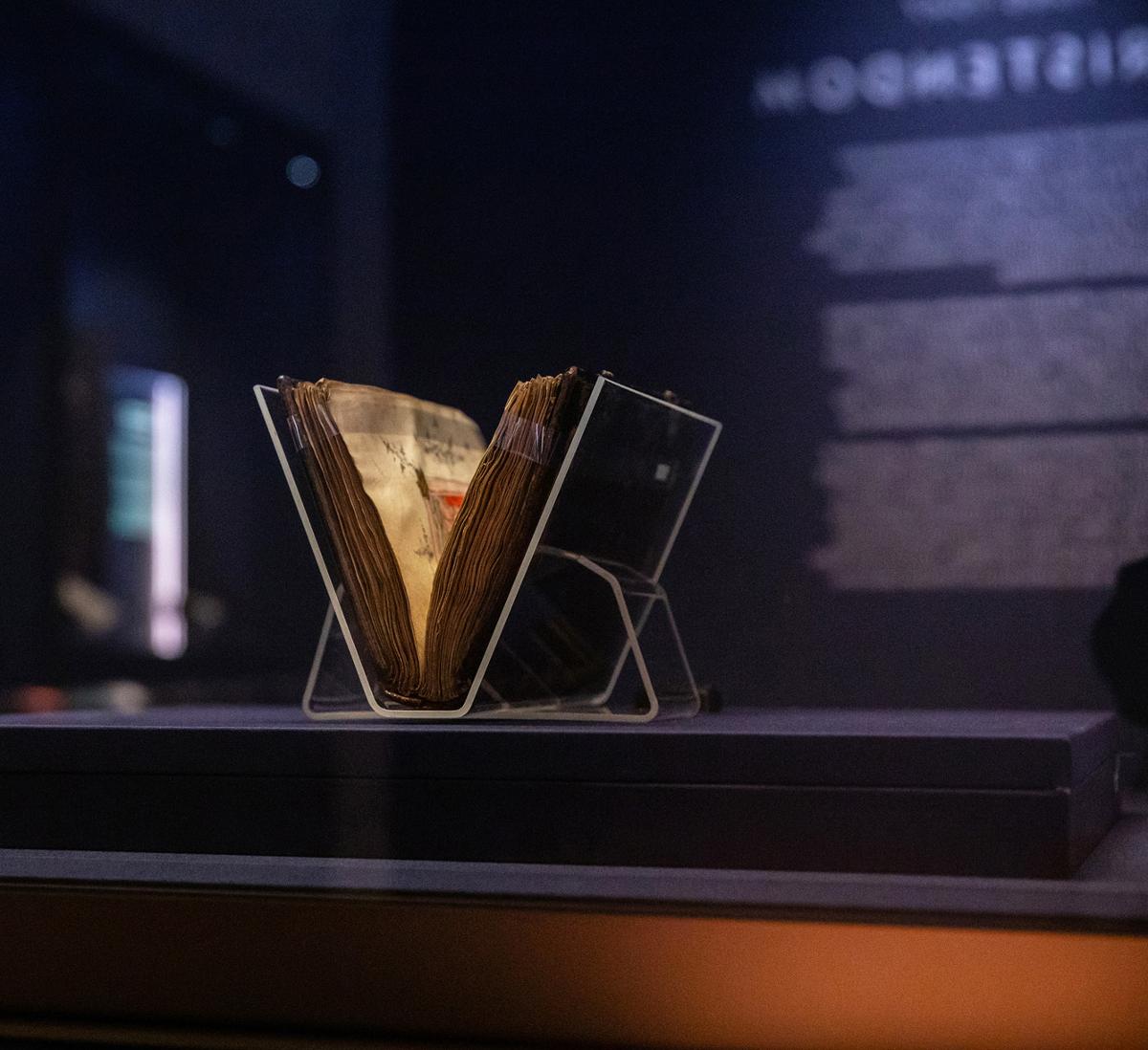
Revealing ‘encounters, experiences and expressions of faith in Britain’, the museum features more than 250 objects from private and public collections, including the Binchester Ring – a Roman silver ring excavated in 2014 that represents one of the earliest pieces of evidence of Christianity in Britain; an 18th century wooden pulpit built by miners for a chapel in Teesdale; and the Bodleian Bowl, a 13th century medieval Jewish artefact on loan from the Ashmolean in Oxford.
The ground floor explores 6,000 years of faith, beginning in the Neolithic period and ending in the year 2000. Contemporary expressions of faith are displayed within temporary exhibition galleries in the upper floor – a dramatic, immersive installation by Mat Collishaw has been specially created for the Great Gallery. Titled Eidolon, this large-scale work features a burning blue iris accompanies by a choral soundtrack, and is displayed alongside works by artists including Khadija Saye, who died in the Grenfell Tower fire.
The museum sits at the heart of the Auckland Project, in Bishop Auckland, which includes historic buildings, art galleries, gardens, extensive parkland and a heritage railway. The Faith Museum is part of the wider restoration and redevelopment of Auckland Castle, which has been made possible with a £12.4m grant from the National Lottery Heritage Fund, which was raised by National Lottery players.
Local faith leaders, academic specialists and community groups have provided thoughts and perspectives throughout the development process. The museum aims to welcome visitors from all walks of life, whether they identify as religious, spiritual, or neither.
Here, head curator Claire Baron talks us through this unique project.
What is the aim of the Faith Museum? Why is this an important museum? In this fast-paced, increasingly uncertain world, there is a need for spaces to pause, reflect, and consider our individual perspective or worldview. Although there has been a fall in the number of people participating in organised religion in Britain, there is evidence of a wide range of beliefs and spiritual practices among people of all ages and backgrounds. The Faith Museum aims to kindle people’s curiosity, raising universal questions about how we understand our place in the world and how we relate to one another.
What have been the biggest challenges with this project? From the outset, the curatorial team were faced with one central challenge: how do you create a museum display centred on something invisible and intangible? Yet, over time, the challenge of defining the nature and impact of faith became the foundation of the museum. Instead of seeking to force a definition of faith, the exhibition invites visitors to consider how people across history have described and demonstrated it.
Each of the objects on display – ranging from valuable works of art to small, intimate objects – presents a reflection, shadow, or impression of an individual’s faith.
What are you proudest of? Though the project has been running for many years, there’s one specific moment that stands out. It was the moment I first met Rachael Woodman, one of the artists exhibiting within the final gallery of the museum. Rachael is an established artist who has been working with glass for 35 years.
Despite the fact that her practice is deeply rooted in her Christian faith, she’s never been offered an opportunity to explicitly discuss this aspect of her work. I was immediately struck by her honesty and openness, and our conversations will stay with me. If the museum can prompt further conversations such as these, it will be something I can take pride in.
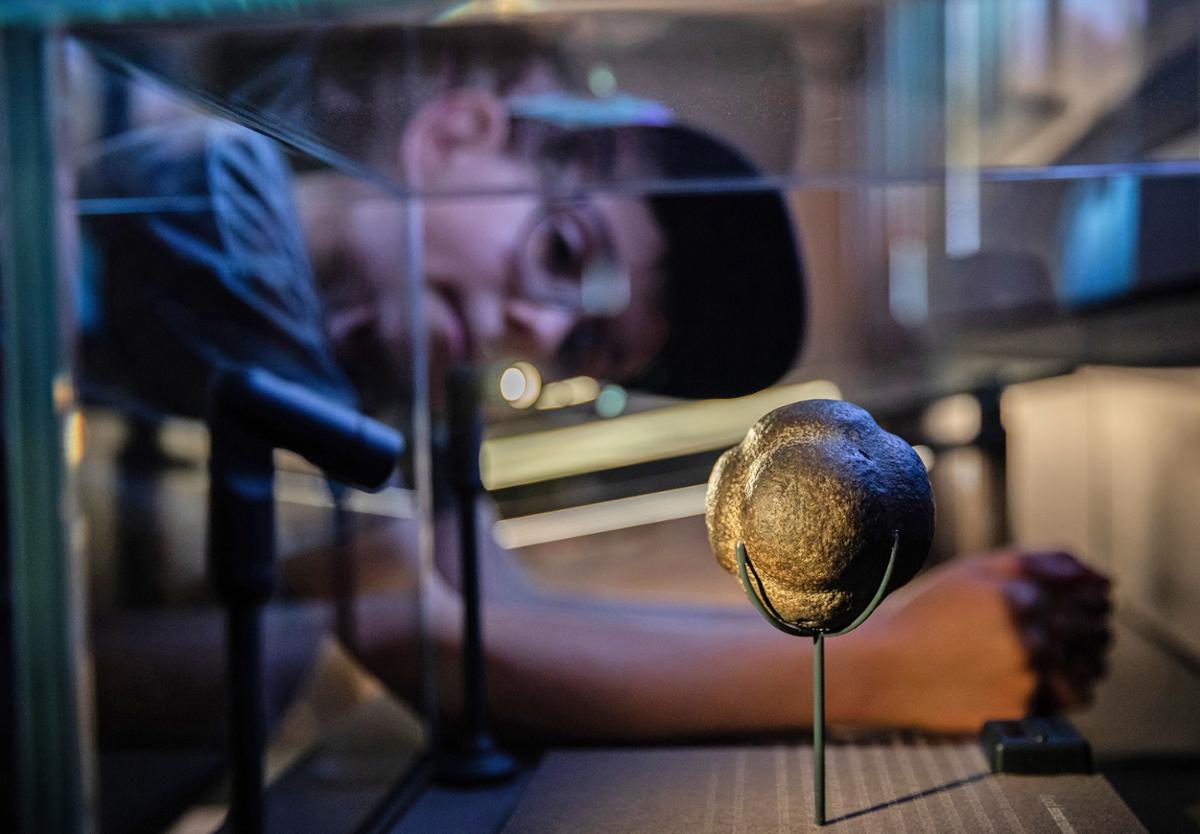
Do you have a personal favourite artefact in the museum? For me personally, it has to be the very first object that visitors encounter in the museum. The Gainford Stone, on loan from the Bowes Museum, was created around 6,000 years ago. It is a cup and ring marked stone, carved with geometric patterns of concentric circles. We don’t know what the marks represent; it could be a map of the stars, or of the natural landscape. But what fascinates me about this object is the sheer effort and care someone put into its creation.
This was an act of creativity. The object has no practical use – it would not have helped someone to keep warm or to feed a family – which suggests that there is ‘something more’ to life than simply surviving. At the outset of the museum journey, this object invites us to consider whether or not we believe in something bigger than ourselves – be that a universal idea or concept, a deity, or another world beyond our own.
What do you hope visitors will take away from a visit to the Faith Museum? One of our key aims was to give visitors a better understanding of the role faith has played in our nation’s history, and to emphasise its continued importance in so many people’s lives today. Faith can be a hard subject to talk about, so we wanted to create a place where people feel comfortable to consider and share their own experiences.
I hope that the museum itself is just the starting point and that, having left the building, visitors will continue to reflect privately, or discuss with family and friends.
Suppliers
Exhibition and Graphic Design:
• Studio MB
Project Management:
• Focus
Lighting Design:
• Nich Smith Lighting Design
Exhibition Fit-out:
• Workhaus Projects Ltd
Case Manufacturers:
• Glasshaus Displays Ltd
AV Software:
• Ay-Pe Studios
AV Hardware:
• WaveTek
Mount-making:
• Rutherford & Wheeler
Read more from this issue of Attractions Management magazine
View contents of Attractions Management 2023 issue 4
People: Clara Rice
The director of global marketing for Adirondack Studios shares her plans
Interview: Delphine Pons
As Parc Asterix launches a new themed land and celebrates record attendance figures, its CEO tells us what’s next for the much-loved French park
First person: The power of play
Can the power of play help heal divides in our world? Can art and attractions bring people closer? Meow Wolf’s founder is sure that it can
Museum: Lighting the way
With major new museums taking shape in Jeddah and Abu Dhabi, digital art sensation teamLab are riding high. We speak to the team
Opinion: We need a revolution
It’s time for radical thinking to address the staffing crisis in our industry, argues Margreet Papamichael
Tourism: On the road
With its Scenic Routes project, Norway has turned the road trip into an attraction, and boosted tourism in a huge way. Terry Stevens gets behind the wheel
Museums: Mark Cutmore
What’s the future of immersive technology in museums? The head of commercial experiences at the Science Museum Group shares his thoughts
Research: Joined up thinking
Natural history museums around the world are sharing details of their collections to help find solutions to some of the most urgent issues of our time
The arts: Show time
As the UK’s biggest cultural venue for decades opens, we hear from the team behind Aviva Studios
Research: Making memories
The link between the emotions of visitors and their memories of an experience helps shape their reactions. Researcher Wim Strijbosch explores his findings
Clare Baron hopes that the Faith Museum can be a starting point for reflection / Photo: The Auckland Project
The Faith Museum has opened in Bishop Auckland, County Durham, UK. Housed in a 14th century wing of Auckland Castle and a contemporary extension by Niall McLaughlin Architects, the museum explores the ways faith has shaped lives and communities across Britain.
Revealing ‘encounters, experiences and expressions of faith in Britain’, the museum features more than 250 objects from private and public collections, including the Binchester Ring – a Roman silver ring excavated in 2014 that represents one of the earliest pieces of evidence of Christianity in Britain; an 18th century wooden pulpit built by miners for a chapel in Teesdale; and the Bodleian Bowl, a 13th century medieval Jewish artefact on loan from the Ashmolean in Oxford.
The ground floor explores 6,000 years of faith, beginning in the Neolithic period and ending in the year 2000. Contemporary expressions of faith are displayed within temporary exhibition galleries in the upper floor – a dramatic, immersive installation by Mat Collishaw has been specially created for the Great Gallery. Titled Eidolon, this large-scale work features a burning blue iris accompanies by a choral soundtrack, and is displayed alongside works by artists including Khadija Saye, who died in the Grenfell Tower fire.
The museum sits at the heart of the Auckland Project, in Bishop Auckland, which includes historic buildings, art galleries, gardens, extensive parkland and a heritage railway. The Faith Museum is part of the wider restoration and redevelopment of Auckland Castle, which has been made possible with a £12.4m grant from the National Lottery Heritage Fund, which was raised by National Lottery players.
Local faith leaders, academic specialists and community groups have provided thoughts and perspectives throughout the development process. The museum aims to welcome visitors from all walks of life, whether they identify as religious, spiritual, or neither.
Here, head curator Claire Baron talks us through this unique project.
What is the aim of the Faith Museum? Why is this an important museum? In this fast-paced, increasingly uncertain world, there is a need for spaces to pause, reflect, and consider our individual perspective or worldview. Although there has been a fall in the number of people participating in organised religion in Britain, there is evidence of a wide range of beliefs and spiritual practices among people of all ages and backgrounds. The Faith Museum aims to kindle people’s curiosity, raising universal questions about how we understand our place in the world and how we relate to one another.
What have been the biggest challenges with this project? From the outset, the curatorial team were faced with one central challenge: how do you create a museum display centred on something invisible and intangible? Yet, over time, the challenge of defining the nature and impact of faith became the foundation of the museum. Instead of seeking to force a definition of faith, the exhibition invites visitors to consider how people across history have described and demonstrated it.
Each of the objects on display – ranging from valuable works of art to small, intimate objects – presents a reflection, shadow, or impression of an individual’s faith.
What are you proudest of? Though the project has been running for many years, there’s one specific moment that stands out. It was the moment I first met Rachael Woodman, one of the artists exhibiting within the final gallery of the museum. Rachael is an established artist who has been working with glass for 35 years.
Despite the fact that her practice is deeply rooted in her Christian faith, she’s never been offered an opportunity to explicitly discuss this aspect of her work. I was immediately struck by her honesty and openness, and our conversations will stay with me. If the museum can prompt further conversations such as these, it will be something I can take pride in.
Do you have a personal favourite artefact in the museum? For me personally, it has to be the very first object that visitors encounter in the museum. The Gainford Stone, on loan from the Bowes Museum, was created around 6,000 years ago. It is a cup and ring marked stone, carved with geometric patterns of concentric circles. We don’t know what the marks represent; it could be a map of the stars, or of the natural landscape. But what fascinates me about this object is the sheer effort and care someone put into its creation.
This was an act of creativity. The object has no practical use – it would not have helped someone to keep warm or to feed a family – which suggests that there is ‘something more’ to life than simply surviving. At the outset of the museum journey, this object invites us to consider whether or not we believe in something bigger than ourselves – be that a universal idea or concept, a deity, or another world beyond our own.
What do you hope visitors will take away from a visit to the Faith Museum? One of our key aims was to give visitors a better understanding of the role faith has played in our nation’s history, and to emphasise its continued importance in so many people’s lives today. Faith can be a hard subject to talk about, so we wanted to create a place where people feel comfortable to consider and share their own experiences.
I hope that the museum itself is just the starting point and that, having left the building, visitors will continue to reflect privately, or discuss with family and friends.
Suppliers
Exhibition and Graphic Design:
• Studio MB
Project Management:
• Focus
Lighting Design:
• Nich Smith Lighting Design
Exhibition Fit-out:
• Workhaus Projects Ltd
Case Manufacturers:
• Glasshaus Displays Ltd
AV Software:
• Ay-Pe Studios
AV Hardware:
• WaveTek
Mount-making:
• Rutherford & Wheeler
Read more from this issue of Attractions Management magazine
View contents of Attractions Management 2023 issue 4
People: Clara Rice
The director of global marketing for Adirondack Studios shares her plans
Interview: Delphine Pons
As Parc Asterix launches a new themed land and celebrates record attendance figures, its CEO tells us what’s next for the much-loved French park
First person: The power of play
Can the power of play help heal divides in our world? Can art and attractions bring people closer? Meow Wolf’s founder is sure that it can
Museum: Lighting the way
With major new museums taking shape in Jeddah and Abu Dhabi, digital art sensation teamLab are riding high. We speak to the team
Opinion: We need a revolution
It’s time for radical thinking to address the staffing crisis in our industry, argues Margreet Papamichael
Tourism: On the road
With its Scenic Routes project, Norway has turned the road trip into an attraction, and boosted tourism in a huge way. Terry Stevens gets behind the wheel
Museums: Mark Cutmore
What’s the future of immersive technology in museums? The head of commercial experiences at the Science Museum Group shares his thoughts
Research: Joined up thinking
Natural history museums around the world are sharing details of their collections to help find solutions to some of the most urgent issues of our time
The arts: Show time
As the UK’s biggest cultural venue for decades opens, we hear from the team behind Aviva Studios
Research: Making memories
The link between the emotions of visitors and their memories of an experience helps shape their reactions. Researcher Wim Strijbosch explores his findings
Expo 2030 Riyadh is being planned as a permanent visitor destination, with organisers
confirming the six-million-square-metre site will become a Global Village after the event closes.
The owner of one of Australia's best-known waterparks has acquired a major competitor,
creating a new attractions business spanning two of the country's largest visitor destinations.
The Toverland theme park in the Netherlands has announced a €98m expansion programme
that will add a resort, new attractions and staff facilities as it pursues plans to become a multi-
day destination.
Hotel de France, located on the British Isle of Jersey, has created a wellness retreat package
that includes a hot yoga session that will take place in Jersey Zoo’s butterfly sanctuary.
A new immersive attraction designed to transport visitors into the final hours of ancient Pompeii
is preparing to open near the world-famous archaeological site in southern Italy.
Experience design company, BRC Imagination Arts, has completed a transition that sees founder
Bob Rogers pass ownership of the business to four long-serving senior executives, while
remaining actively involved with the company.
Movie Park Germany has opened a new Paramount Pictures-themed attraction as part of its 30th
anniversary celebrations, using immersive storytelling and adaptive reuse to reinforce the park’s
longstanding “Hollywood in Germany” positioning.
Therme Manchester’s 28-acre development, which will include interconnected glass pavilions
that measure 65,000sq m, will be the largest bathing and wellbeing attraction in the world once
complete, according to prof David Russell, CEO of Therme UK.
Efteling has opened Hooghmoed, a new family drop tower designed to broaden the appeal of its
recently launched Sirene Island themed area and introduce younger visitors to thrill attractions.
A proposed Puy du Fou development near Bicester and Universal Destinations and Experiences’
planned resort in Bedford are emerging as part of a wider transformation of the Oxford–
Cambridge Growth Corridor into a major centre for UK leisure and tourism inv
+ More news
COMPANY PROFILES
DJW David & Lynn Willrich started the Company
over thirty years ago, from the Audio Visual
Department [more...]
Painting With Light By combining lighting, video, scenic and architectural elements, sound and special effects we tell s [more...]
Clip 'n Climb Clip ‘n Climb currently offers facility owners and
investors more than 40 colourful and unique
Cha [more...]