South Korea has the potential to be the next
up-and-coming destination for wellness,
says Leekyung Han. Investors and
developers should be paying attention
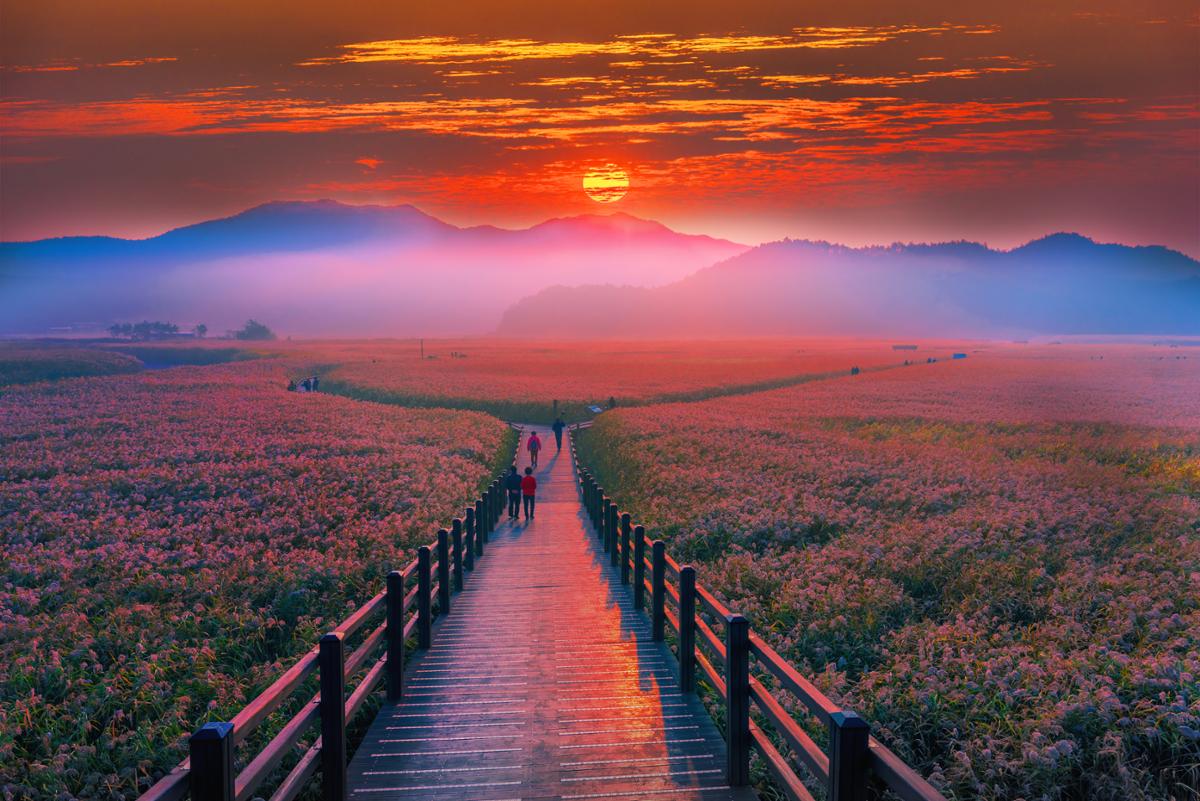
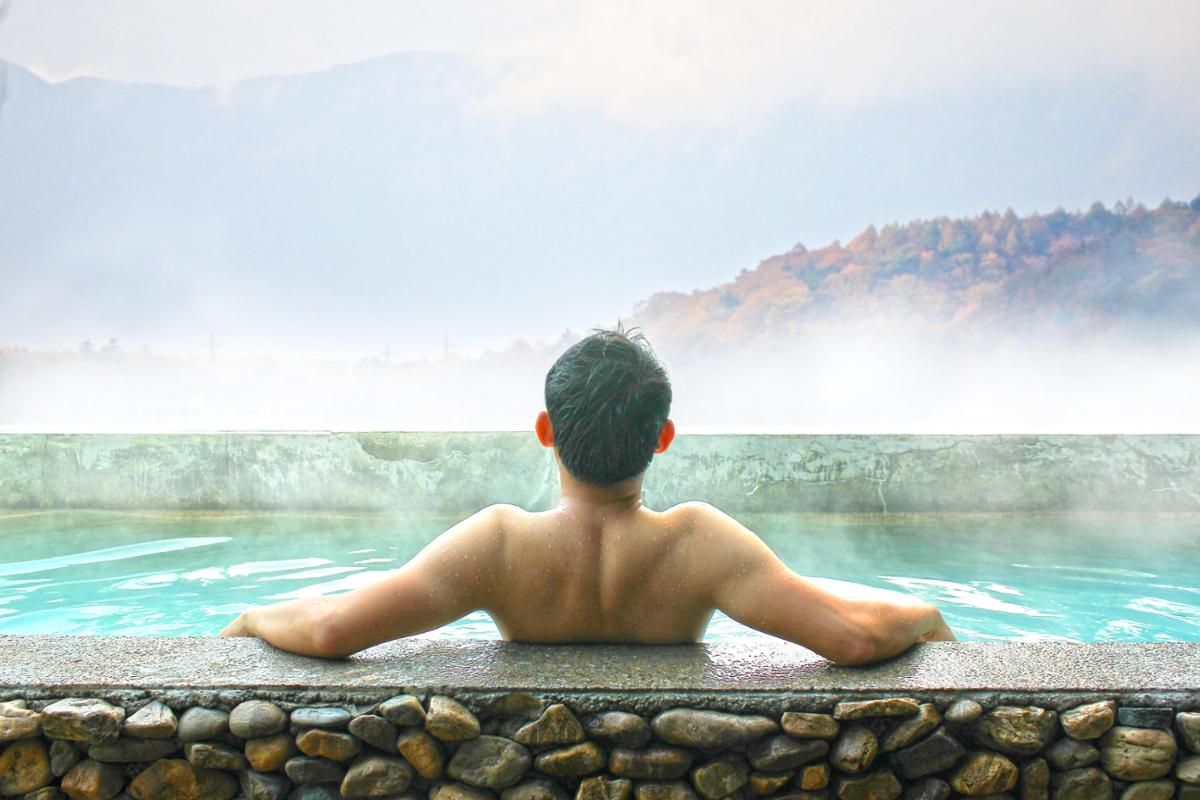
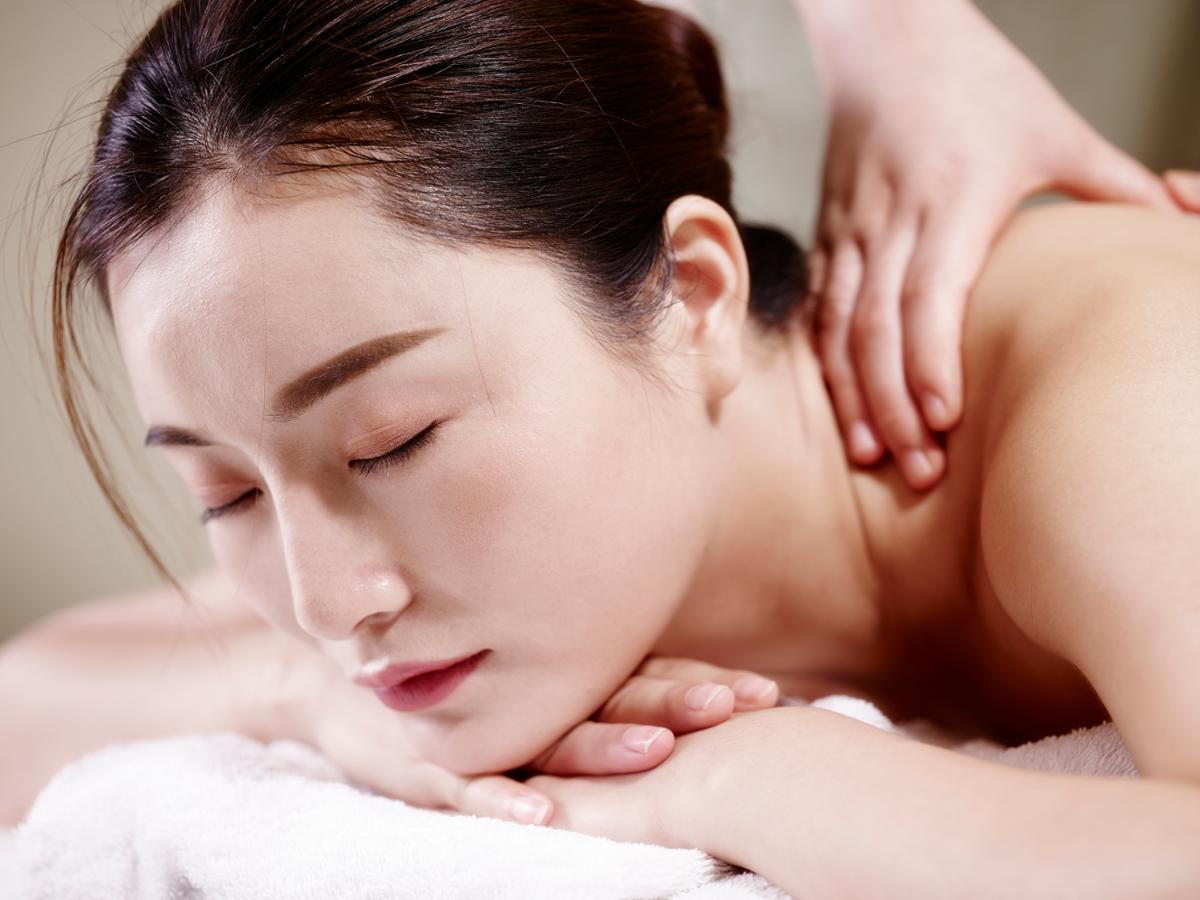
Space to grow: there’s little spa development in rural areas at the moment / photo: chanchai duangdoosan
Although K-Pop and K-Beauty have hit the mainstream, much of Korean culture is still under-represented, including Korean wellness. But wellness has existed in Korea for more than 5,000 years and South Korea has the potential to be the next up-and-coming destination for wellness investors and operators. With a strong influence from shamanism, it’s typically known as traditional Korean medicine (TKM) and is similar to traditional Chinese medicine. South Korea is ready for wellness development and investment because of its distinctive natural attributes and traditions that lend themselves to the creation of new wellness customer journeys.
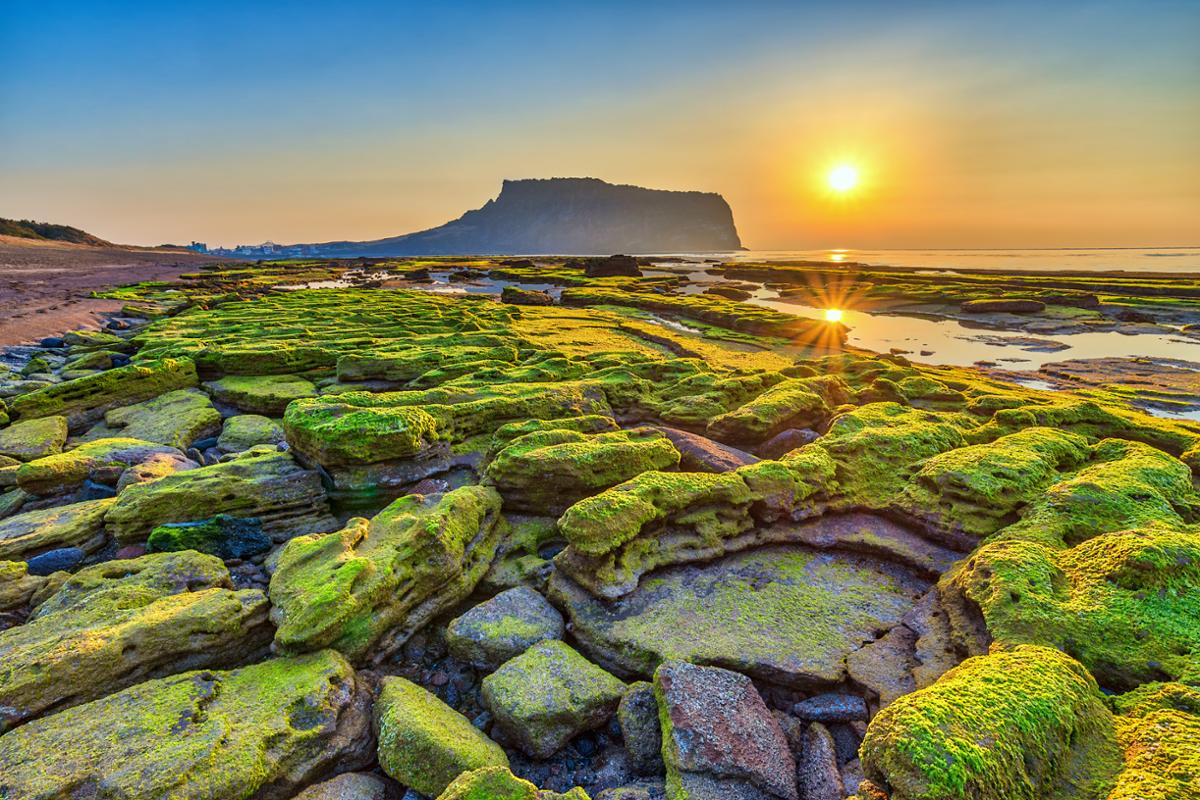
In addition to TKM, significant draws include an abundance of natural hot springs, salt farms, a history of healthy cuisine and a high concentration of sacred sites. South Korea has many beautiful myths associated with the landscape and is known as a country with great chi. This lays an excellent foundation for brand storytelling that can be translated into every detail of a retreat. Creating a sense of place can help to create a much more impactful experience, because it’s clear guests are being immersed in a healing landscape as soon as they arrive.
The country’s culture of public bathing already runs deep in its DNA, with bathhouses used as a social space for people to relax together. In the early 90s, this public bath concept was transformed into a new form called ‘jjimjilbang’. This introduced a range of saunas with varying temperatures, as well as sleeping areas and F&B outlets.
South Koreans tend to gravitate towards wellness offerings backed by medicine, whether this is TKM or Western medicine. However, acupuncture, cupping and boyak (a customised herb medicine to balance energy) are also very popular activities. Sound healing, yoga, IV therapy, ayurveda and immunity-focused experiences, in particular involving crystals, are also popular.
Most investment into wellness is funded by domestic companies to create more jjimjilbangs and hotel spas in urban areas, but there’s a growing demand for rural retreats as people look to de-stress further afield from their busy daily lives. If investors branch into more rural areas, the development costs will be lower in comparison with city space, and ROI could be just as good.
The most important thing for the South Korean wellness market to take off is a change in mindset. Developers need to break away from their comfort zone and look at the country’s natural assets to harness its full potential as a wellness destination.
Furthermore, if the country can blend its beautiful traditional healing rituals with its natural healing assets, it will attract both domestic and international tourists by offering distinctively Korean wellness experiences that can only be felt authentically in the country.
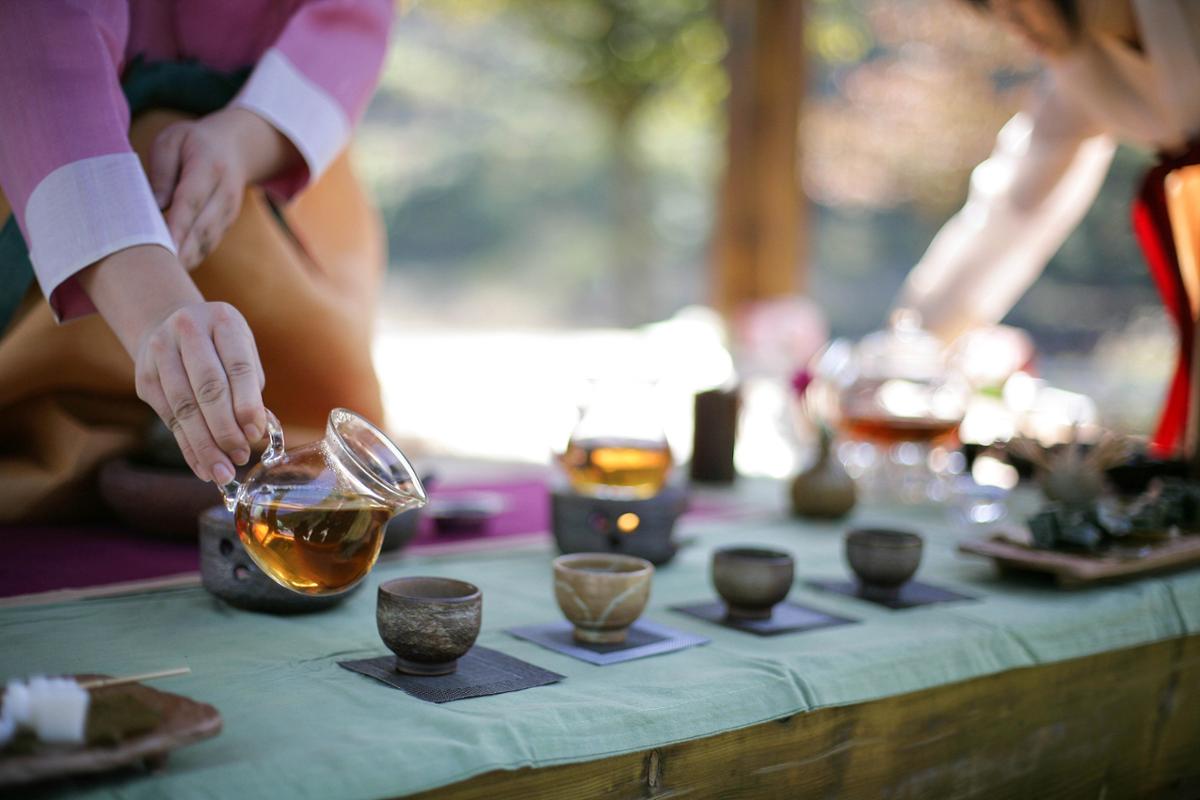
Investors should focus on bringing a destination wellness offering that offers the usual aspects of wellness programming, but also provides something that can only be found or experienced in South Korea. For example, a full-moon meditation and halotherapy ritual on a salt farm, body scrub rituals at jjimjilbangs, a customised TKM tea ceremony or culinary experience of Korean Buddhist food.
These unique offerings will attract adventurous travellers who are curious about Korean wellness. If there’s a buzz from domestic consumers, this will then catch the attention of the international market too.
About the author:
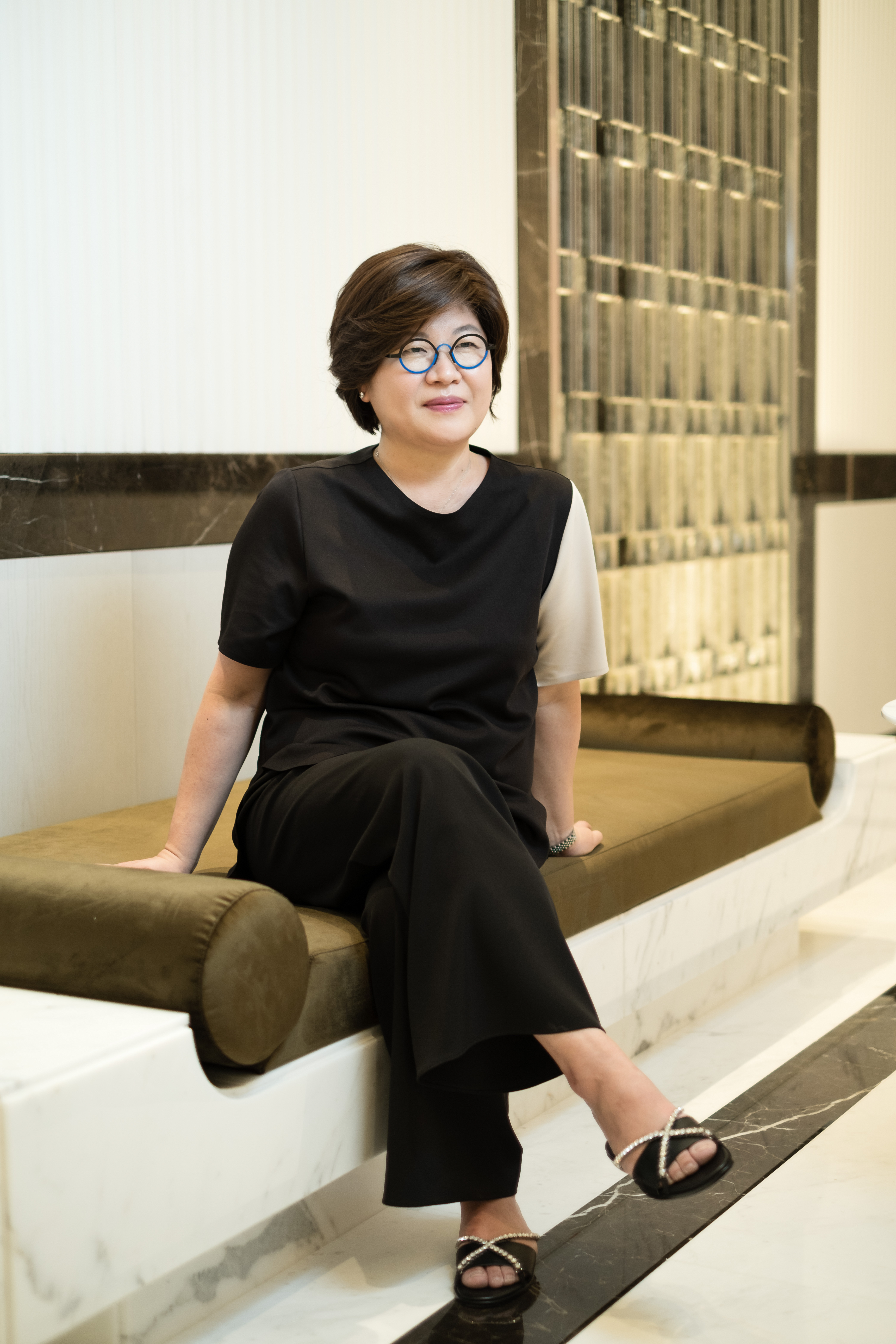
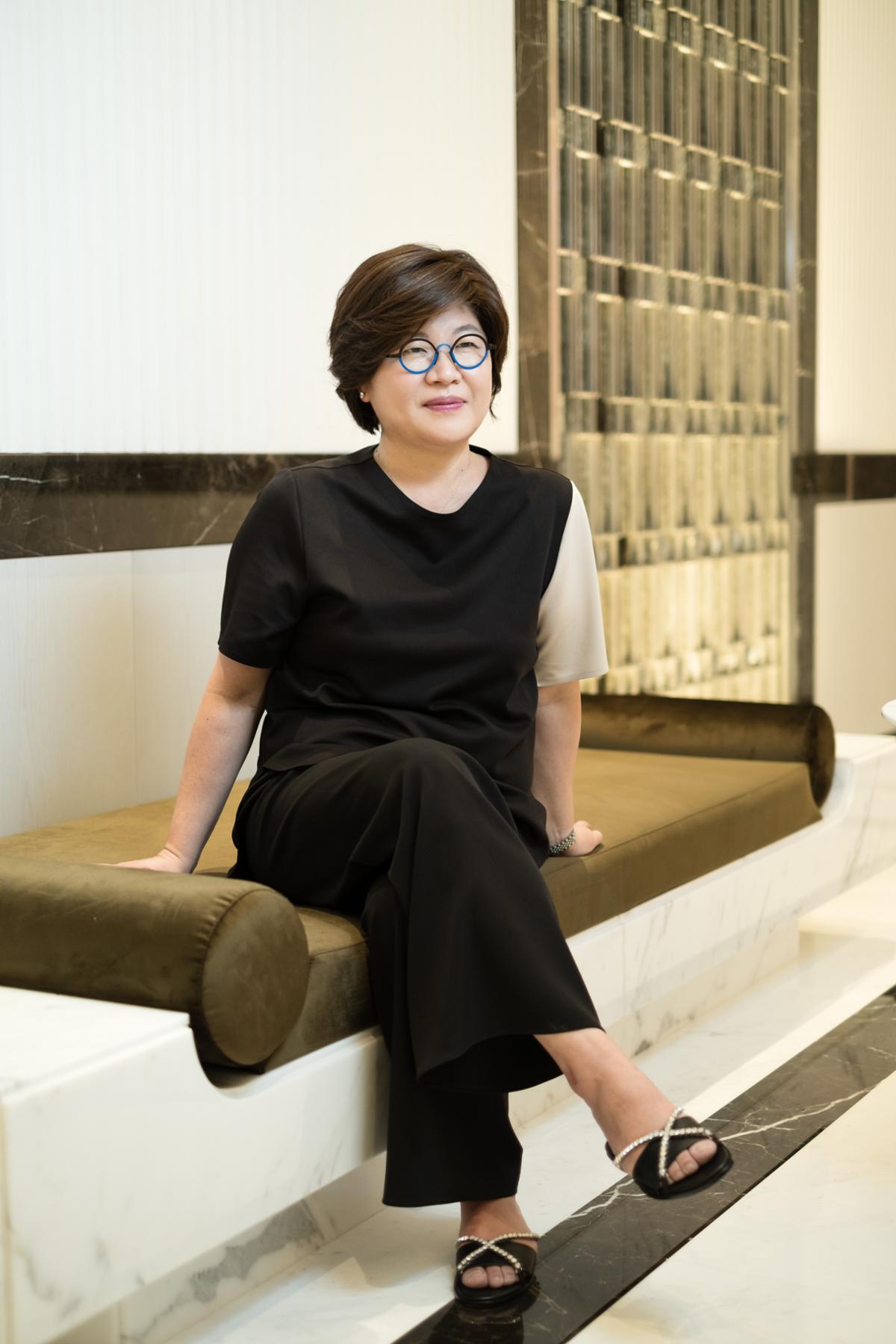
Leekyung Han is founder and managing director of Seoul-based Polaris Advisor. Before founding Polaris, she served as head of real estate development at China’s new wellness community, Sangha by Octave Living.
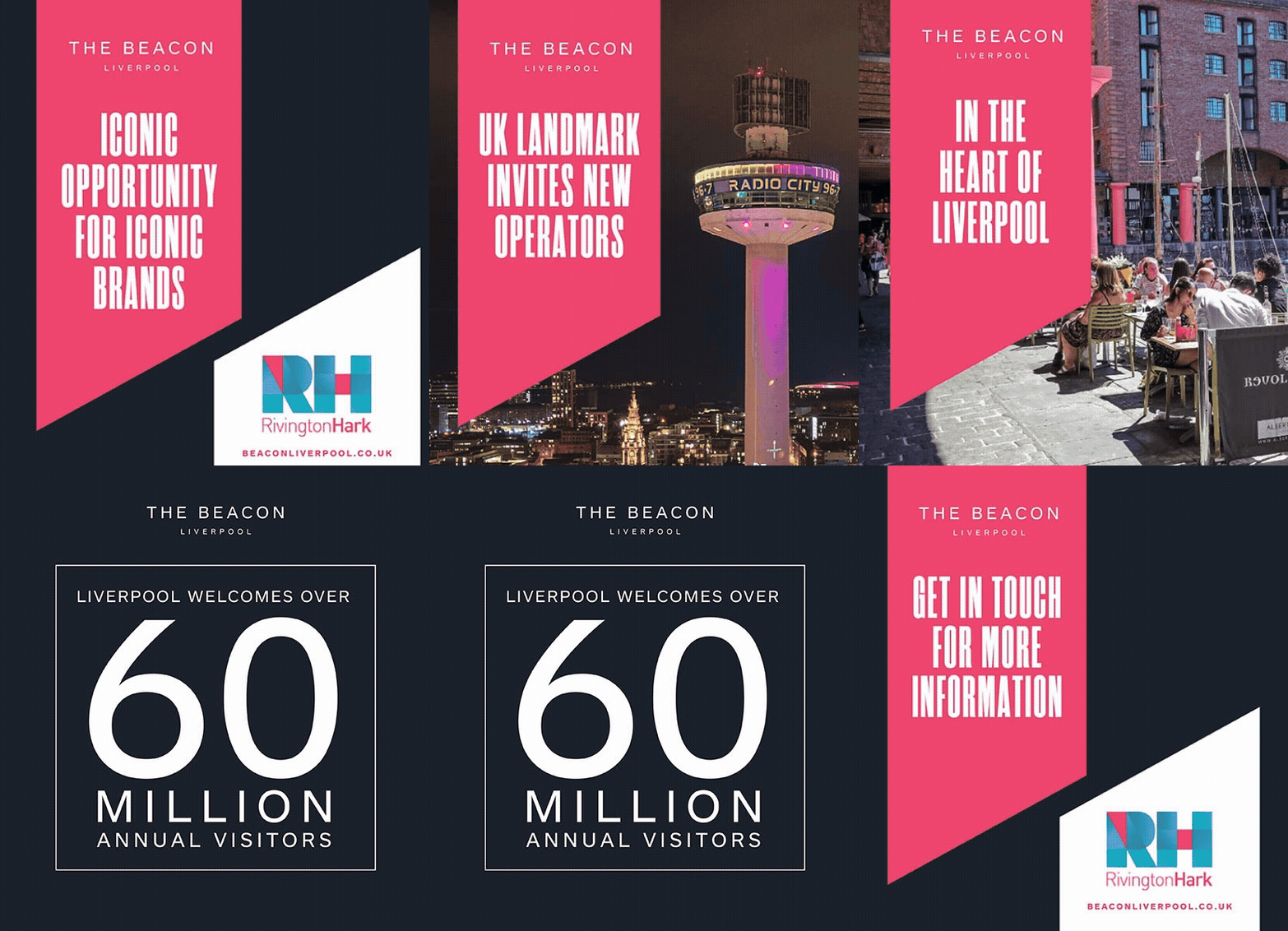
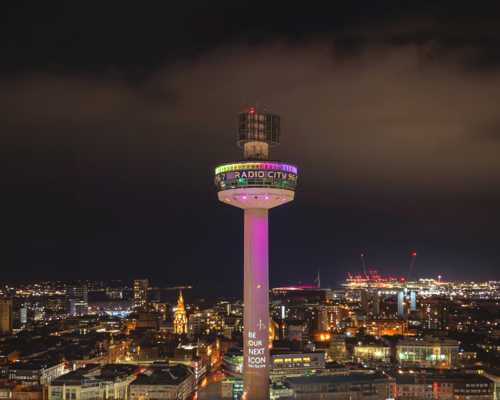
An opportunity to reimagine one of the UK’s most recognisable towers has been formally
opened by Rivington Hark, as St Johns Beacon invites operators and partners to shape its
next phase. [more...]
South Korea has the potential to be the next
up-and-coming destination for wellness,
says Leekyung Han. Investors and
developers should be paying attention
Space to grow: there’s little spa development in rural areas at the moment / photo: chanchai duangdoosan
Although K-Pop and K-Beauty have hit the mainstream, much of Korean culture is still under-represented, including Korean wellness. But wellness has existed in Korea for more than 5,000 years and South Korea has the potential to be the next up-and-coming destination for wellness investors and operators. With a strong influence from shamanism, it’s typically known as traditional Korean medicine (TKM) and is similar to traditional Chinese medicine. South Korea is ready for wellness development and investment because of its distinctive natural attributes and traditions that lend themselves to the creation of new wellness customer journeys.
In addition to TKM, significant draws include an abundance of natural hot springs, salt farms, a history of healthy cuisine and a high concentration of sacred sites. South Korea has many beautiful myths associated with the landscape and is known as a country with great chi. This lays an excellent foundation for brand storytelling that can be translated into every detail of a retreat. Creating a sense of place can help to create a much more impactful experience, because it’s clear guests are being immersed in a healing landscape as soon as they arrive.
The country’s culture of public bathing already runs deep in its DNA, with bathhouses used as a social space for people to relax together. In the early 90s, this public bath concept was transformed into a new form called ‘jjimjilbang’. This introduced a range of saunas with varying temperatures, as well as sleeping areas and F&B outlets.
South Koreans tend to gravitate towards wellness offerings backed by medicine, whether this is TKM or Western medicine. However, acupuncture, cupping and boyak (a customised herb medicine to balance energy) are also very popular activities. Sound healing, yoga, IV therapy, ayurveda and immunity-focused experiences, in particular involving crystals, are also popular.
Most investment into wellness is funded by domestic companies to create more jjimjilbangs and hotel spas in urban areas, but there’s a growing demand for rural retreats as people look to de-stress further afield from their busy daily lives. If investors branch into more rural areas, the development costs will be lower in comparison with city space, and ROI could be just as good.
The most important thing for the South Korean wellness market to take off is a change in mindset. Developers need to break away from their comfort zone and look at the country’s natural assets to harness its full potential as a wellness destination.
Furthermore, if the country can blend its beautiful traditional healing rituals with its natural healing assets, it will attract both domestic and international tourists by offering distinctively Korean wellness experiences that can only be felt authentically in the country.
Investors should focus on bringing a destination wellness offering that offers the usual aspects of wellness programming, but also provides something that can only be found or experienced in South Korea. For example, a full-moon meditation and halotherapy ritual on a salt farm, body scrub rituals at jjimjilbangs, a customised TKM tea ceremony or culinary experience of Korean Buddhist food.
These unique offerings will attract adventurous travellers who are curious about Korean wellness. If there’s a buzz from domestic consumers, this will then catch the attention of the international market too.
About the author:
Leekyung Han is founder and managing director of Seoul-based Polaris Advisor. Before founding Polaris, she served as head of real estate development at China’s new wellness community, Sangha by Octave Living.
Experience design company, BRC Imagination Arts, has completed a transition that sees founder
Bob Rogers pass ownership of the business to four long-serving senior executives, while
remaining actively involved with the company.
Movie Park Germany has opened a new Paramount Pictures-themed attraction as part of its 30th
anniversary celebrations, using immersive storytelling and adaptive reuse to reinforce the park’s
longstanding “Hollywood in Germany” positioning.
Therme Manchester’s 28-acre development, which will include interconnected glass pavilions
that measure 65,000sq m, will be the largest bathing and wellbeing attraction in the world once
complete, according to prof David Russell, CEO of Therme UK.
Efteling has opened Hooghmoed, a new family drop tower designed to broaden the appeal of its
recently launched Sirene Island themed area and introduce younger visitors to thrill attractions.
A proposed Puy du Fou development near Bicester and Universal Destinations and Experiences’
planned resort in Bedford are emerging as part of a wider transformation of the Oxford–
Cambridge Growth Corridor into a major centre for UK leisure and tourism inv
Shedd Aquarium has opened the Immersion Theater developed in partnership with SimEx-
Iwerks, as part of a wider strategy to enhance the guest experience and create additional
revenue opportunities.
The UK government has announced a temporary reduction in VAT on visitor attractions and
children’s meals as part of a summer cost-of-living support package designed to stimulate the
visitor economy and encourage family days out.
As designer Yinka Ilori prepares for his first solo gallery show in London, he speaks exclusively
to CLADmag about his mission to spread joy, the power of play, and his bold approach to using
colour (including the colours you won’t see in his work).
The government of Thailand is exploring plans for a THB300bn (£6.3bn, US$8.3bn)
entertainment complex in the country’s Eastern Economic Corridor (EEC), with officials
proposing a large-scale theme park and sports destination as part of a broader tourism and
economic development strategy.
Royal Caribbean has revealed its Hero of the Seas cruise ship, home to the most pools at sea
(nine), and a record-breaking 28 dining venues, as well as attractions including a waterpark
with two new family raft slides.
+ More news
COMPANY PROFILES
TechnoAlpin Indoor TechnoAlpin is the world leader for snowmaking systems. With the Indoor snow division, TechnoAlpin c [more...]
IDEATTACK IDEATTACK is a full-service planning and
design company with headquarters in
Los Angeles. [more...]
Taylor Made Designs Founded in 1993, Taylor Made
Designs supply corporate clothing
and brand-enhancing merchandise
to [more...]
DJW David & Lynn Willrich started the Company
over thirty years ago, from the Audio Visual
Department [more...]
An opportunity to reimagine one of the UK’s most recognisable towers has been formally
opened by Rivington Hark, as St Johns Beacon invites operators and partners to shape its
next phase. [more...]