A new paper from Yale
University demonstrates how
zoos, aquariums and museums
could collaborate for the
benefit of all earth sciences,
explains Mike Cummings
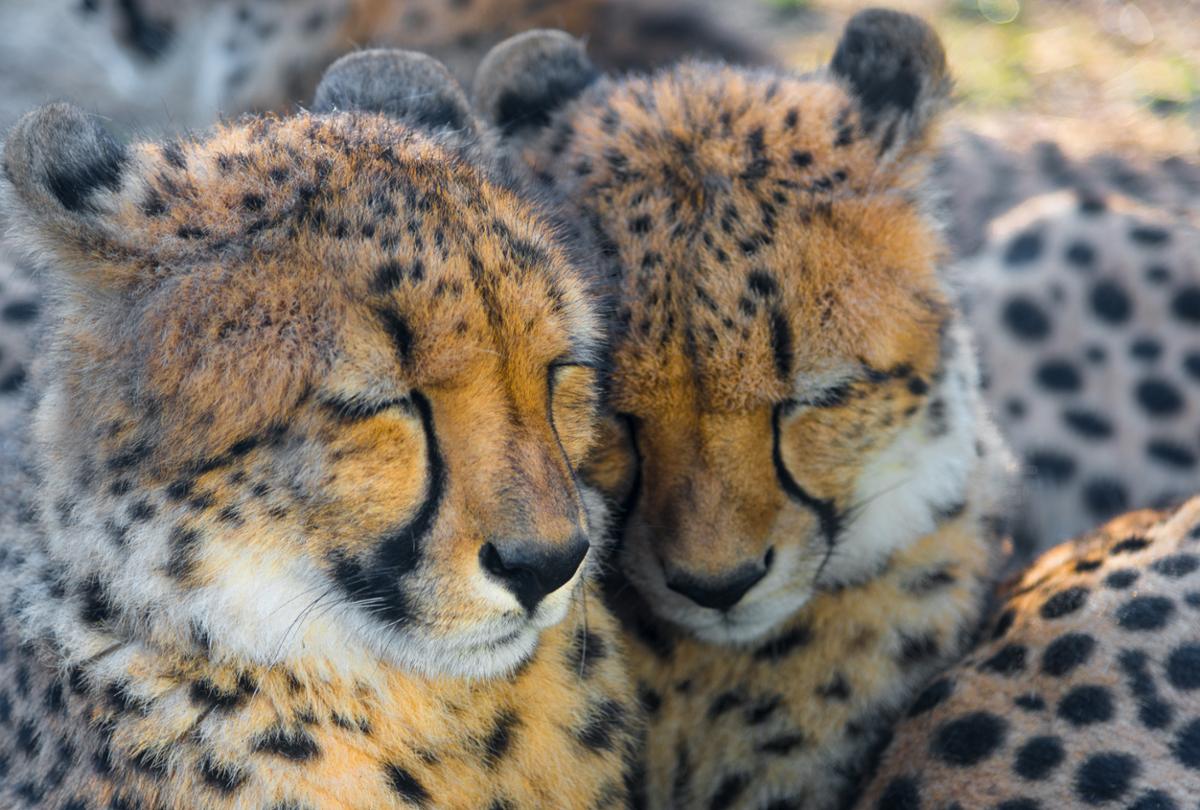
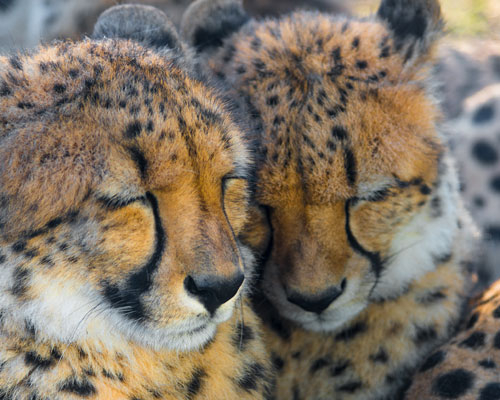
The blood chemistry of a cheetah, held by zoos, could be valuable to researchers / photo: Shutterstock/ Jakub Janele
The animal collections housed at zoos and natural history museums – living specimens in the first case, preserved in the other – constitute an exhaustive trove of information about Earth’s biodiversity. Yet zoos and museums rarely share data with each other according to new research from Yale University.
Published in the journal BioScience, the paper – ‘Bridging the research gap between live collections in zoos and preserved collections in natural history museums’ – lays out a pathway to increasing collaboration between these groups that would enhance our understanding of the animal kingdom.
“Museums have a wealth of preserved specimens that provide scientists with massive amounts of information, but very little data about how the animals lived their day-to-day life,” says Gregory Watkins-Colwell, collection manager for herpetology and ichthyology at the Yale Peabody Museum and a co-author of the paper.
“Zoos and aquariums, on the other hand, have rich data on an animal’s life history, behaviour and health. Combining this complementary information would be a boon to scholars and serve the research and educational missions of both museums and zoos.”
A billion specimens Institutions accredited by the Association of Zoos and Aquariums hold around 800,000 living animals, primarily in the United States.
Zoos and aquariums keep extensive records for each animal in their care, including information on their life history, behaviour, health, pedigree, physiology and the husbandry protocols used during their life – such as diet and veterinary treatments. They also periodically collect and preserve biological samples such as blood, plasma and DNA.
Natural history museums house roughly 500 million to a billion biological specimens in the United States and about three billion worldwide, according to the paper. A specimen’s records typically include information on where, when, and by whom it was collected, as well as its taxonomy and method of preservation. These records tend to capture the moment in the animal’s life immediately preceding its death but offer little information about all the time before that, Watkins-Colwell explains.
“Natural history museums would clearly benefit from having access to the detailed life-history records kept by zoos, which are largely unavailable to museums and the researchers who rely on them,” he says. “For example, the blood chemistry of a cheetah could be very valuable to a researcher. At the same time, zoos can also be important sources of preserved specimens for museums.”
Many zoos house species that are rare, endangered or even extinct in the wild, making them extremely difficult, if not impossible, for museums to collect ethically, according to the paper, whose 35 co-authors represent zoos and museums located across the US. Disposing of deceased animals is a logistical and often a legal necessity for zoos, which lack the expertise and facilities to house preserved specimens, the authors add. As an alternative, zoos could deposit specimens of high scientific value with natural history museums, extending the research and teaching value of their collections and strengthening their credibility as conservation-oriented scientific organisations.
Rare and endangered Depositing specimens in museums can help zoos learn more about the health of the animal while it was living under their care – perhaps an elephant had an infected tooth that went undetected while it was living – knowledge that could inform a zoo’s practices and benefit its collections, Watkins-Colwell explains.
“Depositing a specimen from a zoo into a museum can extend the ‘life’ of that animal in perpetuity – providing research, education and conservation opportunities for years to come,” says Alex Shepack, a postdoctoral researcher at the University of Notre Dame and co-author on the paper.
There are existing partnerships between zoos and museums; the Peabody Museum for example has received specimens from zoos across the United States. Since 2010, the Sedgwick County Zoo in Wichita, Kansas has donated more than 770 specimens and tissue samples to the museum. Those materials have been used in 22 research projects and courses at Yale.
The barriers to increased collaboration are largely cultural, Watkins-Colwell says.
“When we started discussions between zoo and museum staff, we realised how little each understood of the ways we all use collections and maintain data,” says co-author Steven Whitfield, a conservation biologist at Zoo Miami.
“As we worked together over three days to organise this manuscript, we saw great interest in collaborations from people who had never really been in a room together.”
Varied emphasis, shared value The two types of institution vary in their emphasis on research. While many museums are heavily focused on research, zoos place more emphasis on the health and welfare of their living specimens. There can also be legal hurdles to transferring animal specimens between zoos and museums and digital record management systems are often incompatible.
“However, what should unite these institutions is a shared interest in preserving biodiversity in its various forms and contributing to our collective knowledge of these animals,” says Sinlan Poo, senior research scientist at Memphis Zoo and lead author of the paper.
Ultimately, enhanced collaboration will require staff at zoos and museums to build relationships and share their ideas and scientific approaches with each other. The new paper, Watkins-Colwell says, is a first step in initiating that dialogue.
Credit: Yale University. NB Gary P. Aronsen, a biological anthropologist and supervisor of the Yale Biological Anthropology Laboratories, is a co-author of the paper.
Read more from this issue of Attractions Management magazine
View contents of Attractions Management 2022 issue 3
Profile: Bernard Donoghue
When COVID-19 hit, ALVA’s CEO stepped up. He talks us through lobbying government, getting results and supporting the sector through incredibly tough times
Museums: Long walk for freedom
As architects BIG unveil their designs for the National Juneteenth Museum in Texas, partner Douglass Alligood tells us why it’s one of the most important projects of his career
Theme Parks: Lotte World – on a roll
More than 30 years on from the opening of the highly successful Lotte World theme park in Seoul, we take a look at its new sister park
Show review: IAAPA Expo Europe
The industry came together in London to meet, celebrate and plan. We round up some of the show’s highlights
Museums: Going global
Taking a museum or attraction’s retail offer international can have profound and sometimes surprising results, says retail design expert Callum Lumsden
Immersive experience: Stranger & Stranger
Netflix has partnered with live entertainment discovery platform Fever to launch a Stranger Things immersive experience, and it’s proving popular
Research: Time to celebrate
Are celebration and special events worth the investment for attractions? Kathleen LeClair looks at the numbers
Theme Parks: Creating the magic
Disney Imagineers have shared some of the secrets that went into creating the long-awaited Guardians of the Galaxy: Cosmic Rewind attraction at EPCOT
A new paper from Yale
University demonstrates how
zoos, aquariums and museums
could collaborate for the
benefit of all earth sciences,
explains Mike Cummings
The blood chemistry of a cheetah, held by zoos, could be valuable to researchers / photo: Shutterstock/ Jakub Janele
The animal collections housed at zoos and natural history museums – living specimens in the first case, preserved in the other – constitute an exhaustive trove of information about Earth’s biodiversity. Yet zoos and museums rarely share data with each other according to new research from Yale University.
Published in the journal BioScience, the paper – ‘Bridging the research gap between live collections in zoos and preserved collections in natural history museums’ – lays out a pathway to increasing collaboration between these groups that would enhance our understanding of the animal kingdom.
“Museums have a wealth of preserved specimens that provide scientists with massive amounts of information, but very little data about how the animals lived their day-to-day life,” says Gregory Watkins-Colwell, collection manager for herpetology and ichthyology at the Yale Peabody Museum and a co-author of the paper.
“Zoos and aquariums, on the other hand, have rich data on an animal’s life history, behaviour and health. Combining this complementary information would be a boon to scholars and serve the research and educational missions of both museums and zoos.”
A billion specimens Institutions accredited by the Association of Zoos and Aquariums hold around 800,000 living animals, primarily in the United States.
Zoos and aquariums keep extensive records for each animal in their care, including information on their life history, behaviour, health, pedigree, physiology and the husbandry protocols used during their life – such as diet and veterinary treatments. They also periodically collect and preserve biological samples such as blood, plasma and DNA.
Natural history museums house roughly 500 million to a billion biological specimens in the United States and about three billion worldwide, according to the paper. A specimen’s records typically include information on where, when, and by whom it was collected, as well as its taxonomy and method of preservation. These records tend to capture the moment in the animal’s life immediately preceding its death but offer little information about all the time before that, Watkins-Colwell explains.
“Natural history museums would clearly benefit from having access to the detailed life-history records kept by zoos, which are largely unavailable to museums and the researchers who rely on them,” he says. “For example, the blood chemistry of a cheetah could be very valuable to a researcher. At the same time, zoos can also be important sources of preserved specimens for museums.”
Many zoos house species that are rare, endangered or even extinct in the wild, making them extremely difficult, if not impossible, for museums to collect ethically, according to the paper, whose 35 co-authors represent zoos and museums located across the US. Disposing of deceased animals is a logistical and often a legal necessity for zoos, which lack the expertise and facilities to house preserved specimens, the authors add. As an alternative, zoos could deposit specimens of high scientific value with natural history museums, extending the research and teaching value of their collections and strengthening their credibility as conservation-oriented scientific organisations.
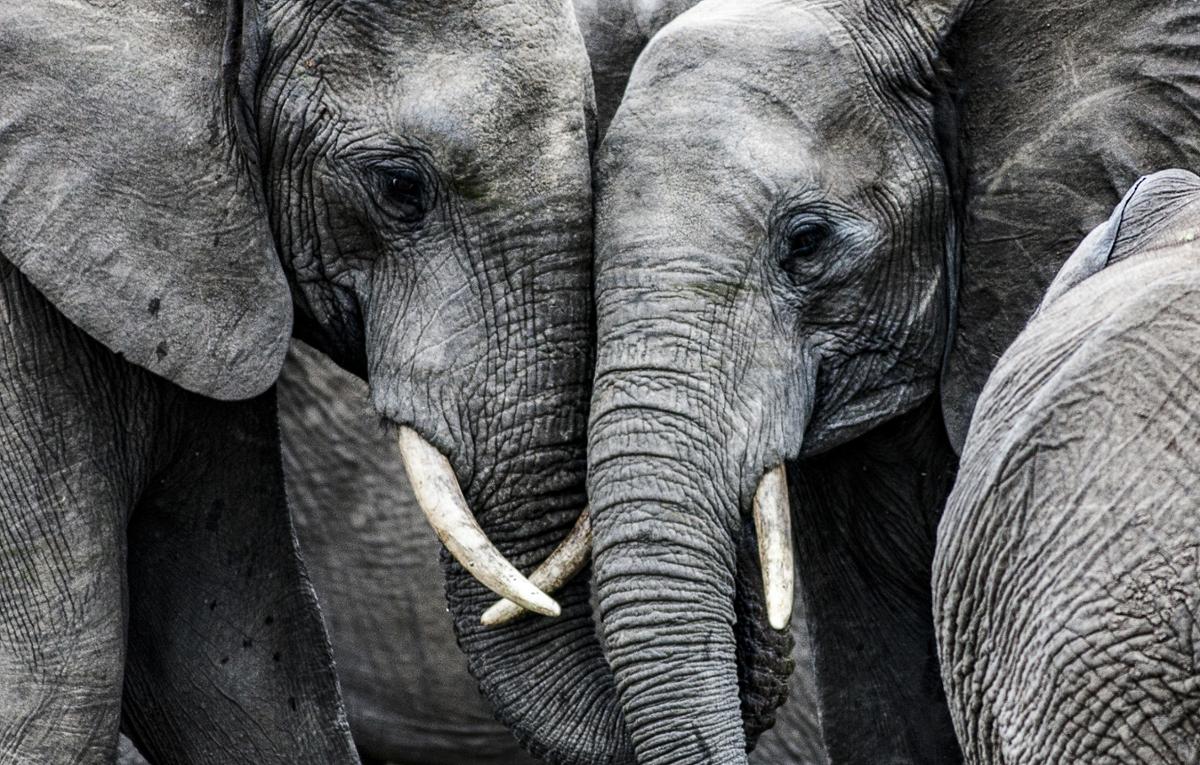
Rare and endangered Depositing specimens in museums can help zoos learn more about the health of the animal while it was living under their care – perhaps an elephant had an infected tooth that went undetected while it was living – knowledge that could inform a zoo’s practices and benefit its collections, Watkins-Colwell explains.
“Depositing a specimen from a zoo into a museum can extend the ‘life’ of that animal in perpetuity – providing research, education and conservation opportunities for years to come,” says Alex Shepack, a postdoctoral researcher at the University of Notre Dame and co-author on the paper.
There are existing partnerships between zoos and museums; the Peabody Museum for example has received specimens from zoos across the United States. Since 2010, the Sedgwick County Zoo in Wichita, Kansas has donated more than 770 specimens and tissue samples to the museum. Those materials have been used in 22 research projects and courses at Yale.
The barriers to increased collaboration are largely cultural, Watkins-Colwell says.
“When we started discussions between zoo and museum staff, we realised how little each understood of the ways we all use collections and maintain data,” says co-author Steven Whitfield, a conservation biologist at Zoo Miami.
“As we worked together over three days to organise this manuscript, we saw great interest in collaborations from people who had never really been in a room together.”
Varied emphasis, shared value The two types of institution vary in their emphasis on research. While many museums are heavily focused on research, zoos place more emphasis on the health and welfare of their living specimens. There can also be legal hurdles to transferring animal specimens between zoos and museums and digital record management systems are often incompatible.
“However, what should unite these institutions is a shared interest in preserving biodiversity in its various forms and contributing to our collective knowledge of these animals,” says Sinlan Poo, senior research scientist at Memphis Zoo and lead author of the paper.
Ultimately, enhanced collaboration will require staff at zoos and museums to build relationships and share their ideas and scientific approaches with each other. The new paper, Watkins-Colwell says, is a first step in initiating that dialogue.
Credit: Yale University. NB Gary P. Aronsen, a biological anthropologist and supervisor of the Yale Biological Anthropology Laboratories, is a co-author of the paper.
Read more from this issue of Attractions Management magazine
View contents of Attractions Management 2022 issue 3
Profile: Bernard Donoghue
When COVID-19 hit, ALVA’s CEO stepped up. He talks us through lobbying government, getting results and supporting the sector through incredibly tough times
Museums: Long walk for freedom
As architects BIG unveil their designs for the National Juneteenth Museum in Texas, partner Douglass Alligood tells us why it’s one of the most important projects of his career
Theme Parks: Lotte World – on a roll
More than 30 years on from the opening of the highly successful Lotte World theme park in Seoul, we take a look at its new sister park
Show review: IAAPA Expo Europe
The industry came together in London to meet, celebrate and plan. We round up some of the show’s highlights
Museums: Going global
Taking a museum or attraction’s retail offer international can have profound and sometimes surprising results, says retail design expert Callum Lumsden
Immersive experience: Stranger & Stranger
Netflix has partnered with live entertainment discovery platform Fever to launch a Stranger Things immersive experience, and it’s proving popular
Research: Time to celebrate
Are celebration and special events worth the investment for attractions? Kathleen LeClair looks at the numbers
Theme Parks: Creating the magic
Disney Imagineers have shared some of the secrets that went into creating the long-awaited Guardians of the Galaxy: Cosmic Rewind attraction at EPCOT
San Antonio Zoo has reported a US$283 million economic impact for 2025, following a decade-
long transformation programme that has seen almost US$200 million invested into the Texas
attraction.
Plans for the AU$180 million redevelopment of Reef HQ Aquarium in Townsville, Australia, are
progressing, with the project set to transform the attraction into a global centre for reef
education and conservation.
Abu Dhabi-based investment firm Mubadala Capital has made a binding, fully financed
€1 billion
offer to acquire Pierre and Vacances SA, the European holiday resort operator behind the
continental European Center Parcs business.
Disney has reaffirmed its commitment to investing US$30 billion in its US parks and cruise
business by 2033, using new America250 celebrations to underline the role its attractions play
in supporting jobs, tourism and economic growth.
Expo 2030 Riyadh is being planned as a permanent visitor destination, with organisers
confirming the six-million-square-metre site will become a Global Village after the event closes.
The owner of one of Australia's best-known waterparks has acquired a major competitor,
creating a new attractions business spanning two of the country's largest visitor destinations.
The Toverland theme park in the Netherlands has announced a €98m expansion programme
that will add a resort, new attractions and staff facilities as it pursues plans to become a multi-
day destination.
Hotel de France, located on the British Isle of Jersey, has created a wellness retreat package
that includes a hot yoga session that will take place in Jersey Zoo’s butterfly sanctuary.
A new immersive attraction designed to transport visitors into the final hours of ancient Pompeii
is preparing to open near the world-famous archaeological site in southern Italy.
Experience design company, BRC Imagination Arts, has completed a transition that sees founder
Bob Rogers pass ownership of the business to four long-serving senior executives, while
remaining actively involved with the company.