Dazzling winter light
events are enabling
attractions operators
to generate vital income
during the cold, dark months.
Kathleen LaClair and
Yael Coifman examine
the economics of these
increasingly popular events
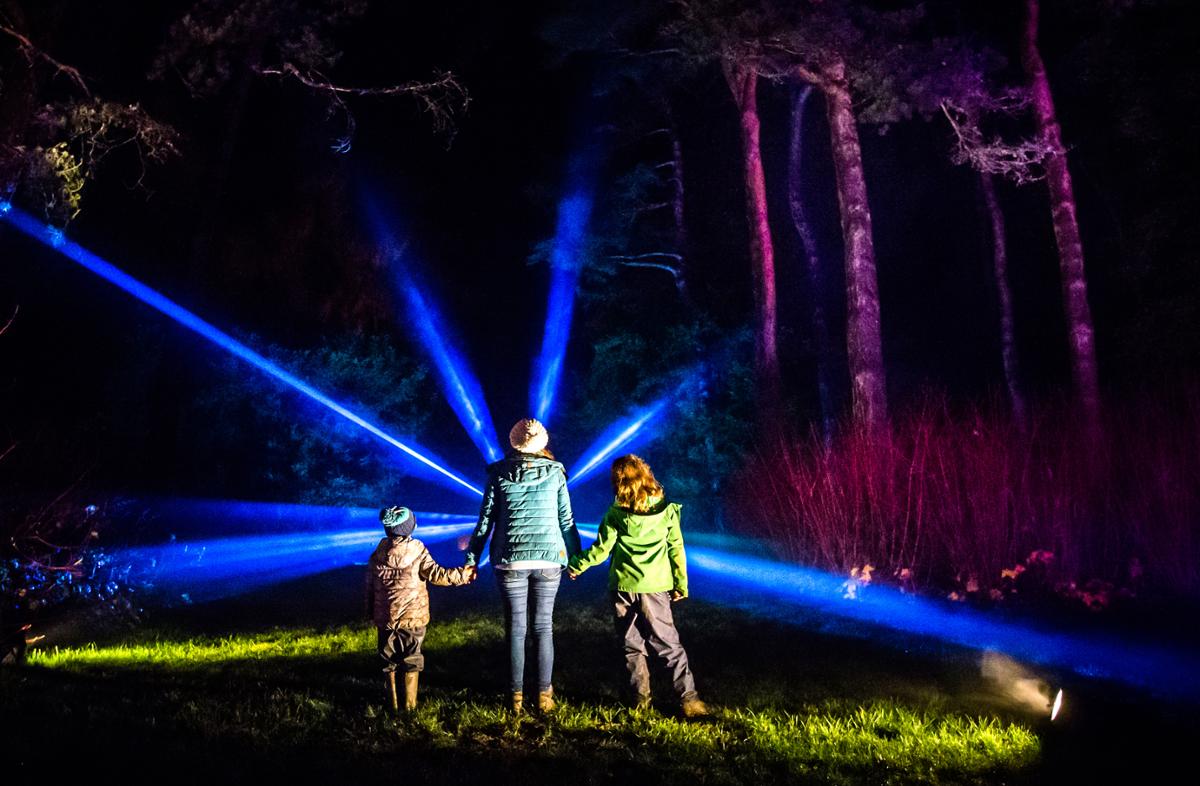
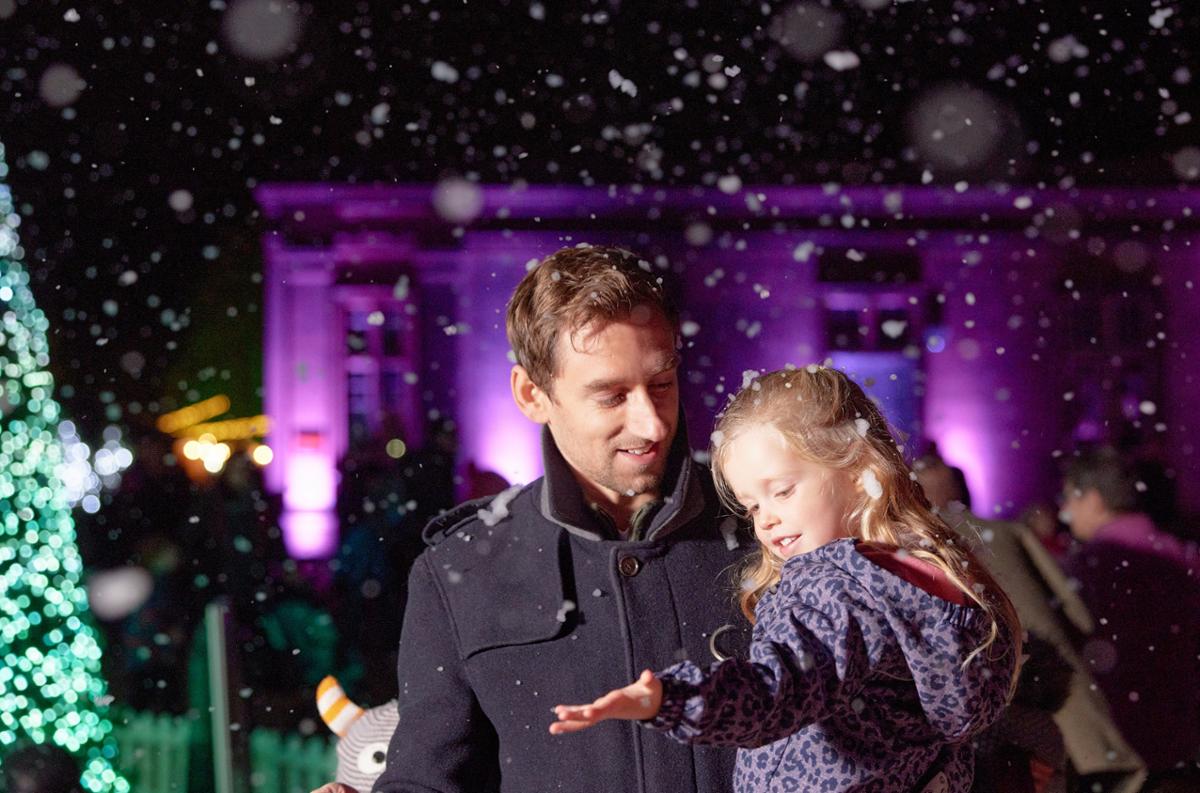
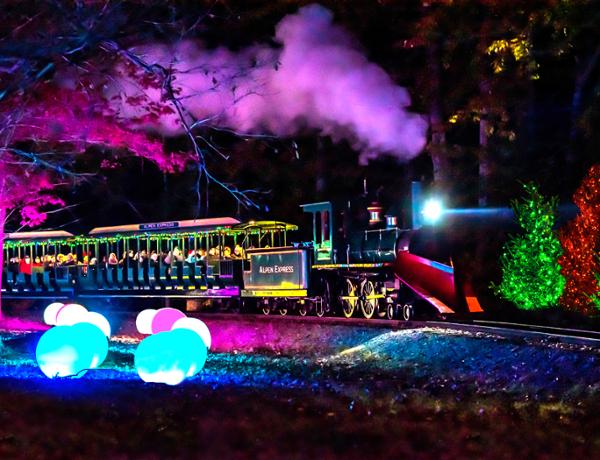
Enchanted Christmas at Westonbirt Arboretum achieved record ticket sales / Johnny Hathaway
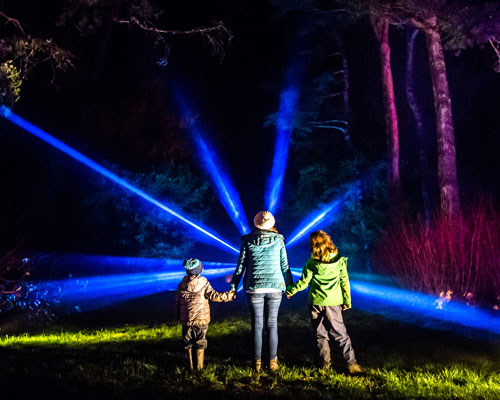
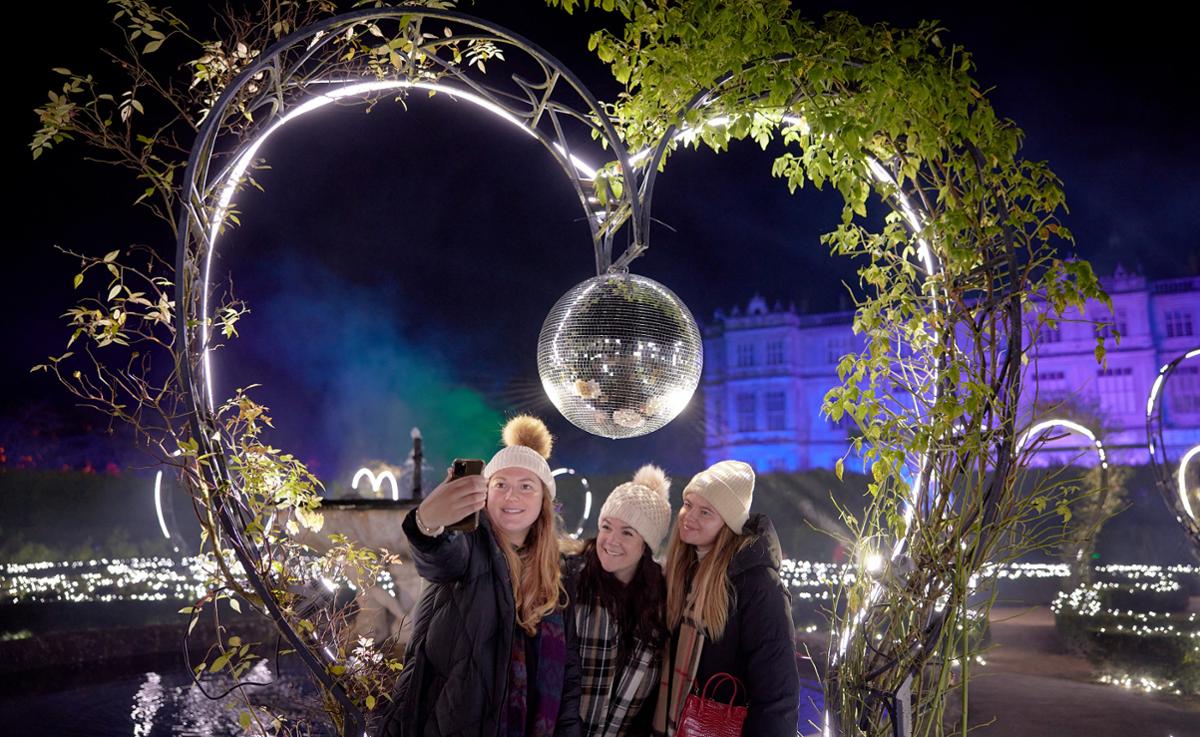
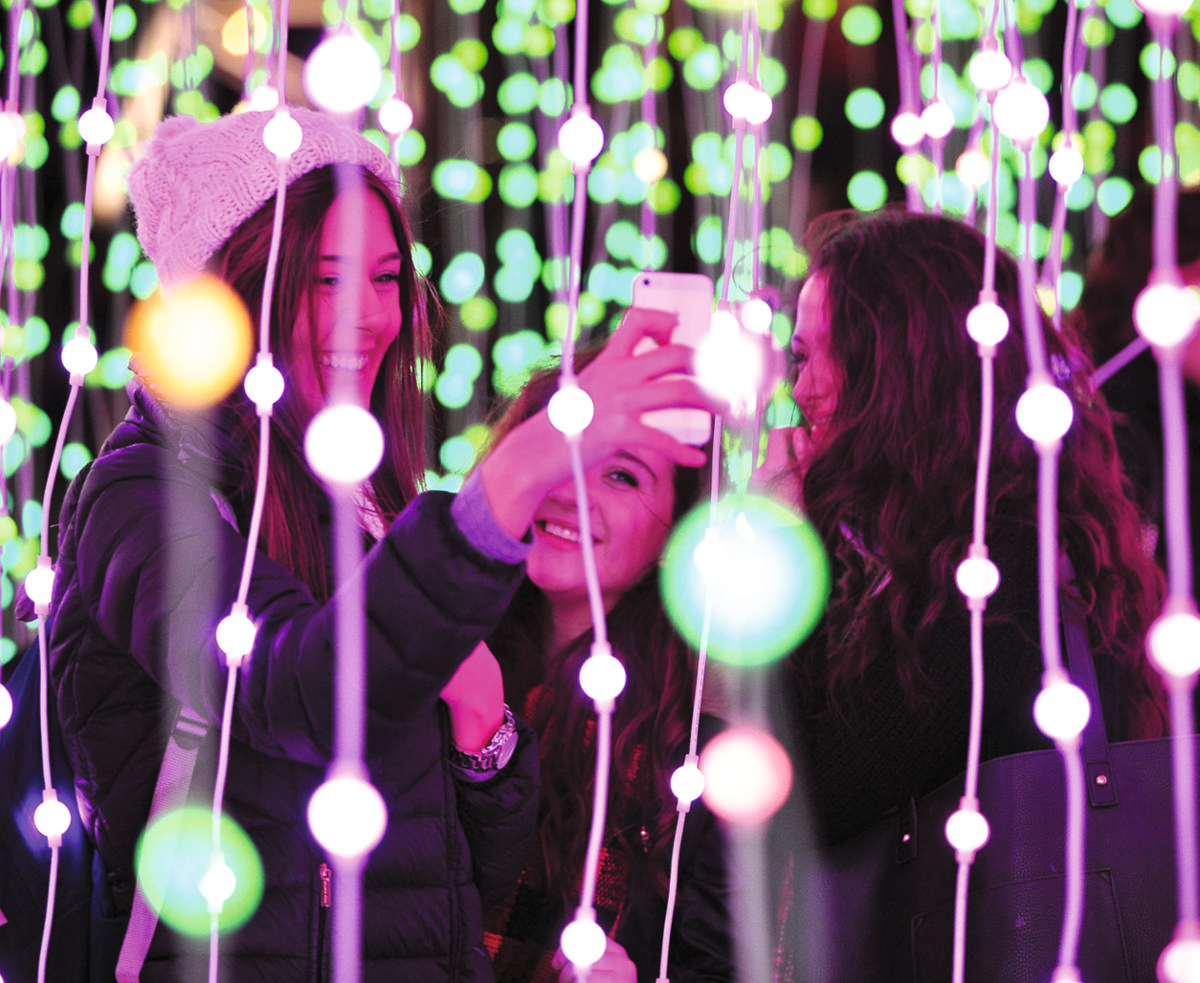
Each year, as Halloween costumes are cast aside, winter light shows come to life, providing us with an opportunity to enjoy magical evenings in immersive environments.You’ve likely experienced one of these illuminated events, whether at the city centre riverfront, public parks or gardens, the city zoo, or the local theme park, providing fun selfie backdrops of larger-than-life animals, Chinese lanterns, and high-tech projections.
Winter light shows have seen increasing popularity as an off-season attraction or destination in recent years, due to guests’ desire to enjoy safe, outdoor experiences and now is the time to be planning for next winter if you’re keen to explore this opportunity.
There are ultimately two categories of winter light events: those that operate within existing attractions, and those that are held more publicly, often by a city organisation. While there are different operating models, depending on the host, many of these events have the same goal: to drive visits and spending to an intended target – and they do. With total visits ranging from 25,000 up to 2 million, and average per person spending anywhere from US$5.00 to US$50.00 (€4.30 to €43.00), these events can contribute significantly to operators, local businesses and the larger community.
Winter light shows within existing attractions We looked at a range of light shows in researching this article. These included LumiNature at The Philadelphia Zoo, US; Magical Lantern Festival at Chiswick House, UK; Christmas Town at Busch Gardens Williamsburg, US; and Christmas at Longleat Safari Park, UK, but specifics of their individual operations cannot be divulged, due to confidentiality.
Globally, winter light shows have become increasingly popular over recent years at a variety of established attraction types, including theme parks, zoos, stately homes and botanical gardens. Depending on lattitude, these attractions are generally in their low season, and would otherwise be closed in most cases; the light shows drive visitation and revenues where it previously did not exist, or when it was not very robust. Winter light shows typically begin after the Halloween seasonal events, sometime around the Thanksgiving holiday in the United States or generally as the winter holiday season is starting, worldwide. Shows usually run until the end of December, but in some cases extend into January.
While some attractions will include admission to the light show with the general ticket, typically, there’s a separate ticket required to enter the evening event. In some cases, members or season pass holders can enter for free, in other cases they pay a discounted or full ticket price. Ticket prices vary, with attractions basing pricing relative to the general admission, and specific market conditions, such as weather and the competitive environment. For attractions that charge for the winter light show, the ticket price is usually between 80 and 100 per cent of the standard general admission.
Overall attendance at winter light shows is highly variable and depends on the location and available markets, number of nights the show runs and weather conditions. For these existing attractions, visitation to winter light shows can represent 5 to 10 per cent of total annual attendance, sometimes more.
In addition to ticket revenues, most attractions benefit from guests spending on food, beverages, and retail purchases. Depending on the offering available, per capita revenues for these purchases can be upwards of US$10.00 to US$20.00 (€8.59 to €17.18). Some attractions also offer upcharge experiences during winter light shows, creating additional revenue opportunities. At a zoo, this could be an animal interaction or photo opportunity; at a theme park there can be VIP carriage or golf cart rides through the experience.
The initial capital cost for a light show can be significant and many attractions gradually ramp up the geographic footprint and level of experience over time, to manage the cost and ensure the expenditure matches market demand. While capital cost can vary widely, the initial expense usually runs between US$0.5 million and US$1.5 million (€0.4m to €1.3 m), with additional investments or reinvestment in subsequent years to upgrade and maintain the asset. Other significant costs include installation, staffing, utilities and marketing, which can be anywhere from 30 to 50 per cent of gross revenues. Net margins vary by year, with initial years lower, due to the higher capital costs and subsequent years typically more robust when those costs are lower. An established, successful winter light show can see margins upwards of 20 to 30 per cent.
Winter light shows in public spaces These are often held in public spaces – town centres, waterfronts or urban parks are typical settings. Shows are often funded by a variety of sources, including local government (taxpayer dollars), sponsorships via regional businesses, grants and other donations. Public light shows are typically free to enter (but not always), with the goal to drive footfall and spending to a targeted area for local businesses, both existing and pop-up in nature, in addition to providing an immersive experience to residents and tourists. Here we’ll discuss two winter light events, Baltimore’s Light City, held in late winter over eight days and Lumiere London, held in January.
The City of Baltimore, Maryland hosts Light City, an event with open-air light exhibitions and sculptures, interactive light displays, and video projections. The event costs the city US$2.9 million (€2.5m) to produce and is funded primarily by sponsorship dollars and the sale of merchandise during the event. The event is free and the goal is to generate spending and associated impacts within the city and state.
The Baltimore Office of Promotion and The Arts conducted an economic impact study in 2018 to assess the impacts from the event to both the city and state. In 2018, Light City hosted 442,500 visits, with almost 40 per cent from city residents, 23 per cent from the larger metropolitan area, 18 per cent from the remaining area of Maryland, and 20 per cent from out-of-state visits.
In 2018, Light City had a total economic impact on Baltimore’s business volume of US$33.5 million (€28.8m). Light City visitors spent an estimated US$6.44 million (€5.5m) at local restaurants and overnight visitors accommodated over 10,700 room nights resulting in a direct impact of US$2.24 million (€1.92m) for hotels and other accommodations.
In addition to revenues received by local businesses and organisations, Light City generates significant tax revenues for the city and state – estimated US$1.26 million (€1.08m) for the State of Maryland and US$0.38 million (€0.33m) for the City of Baltimore. This includes taxes on retail sales, alcohol, hotel rooms, parking, and gasoline excise tax.
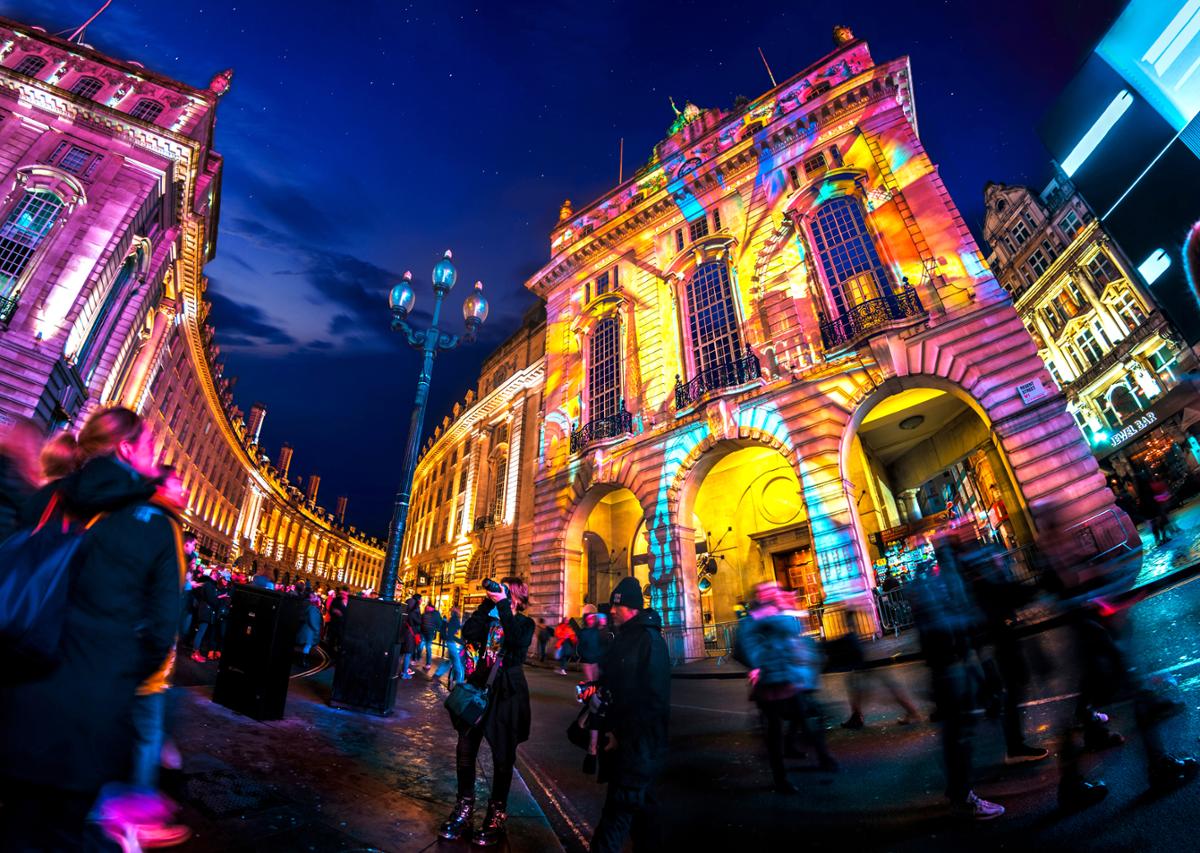
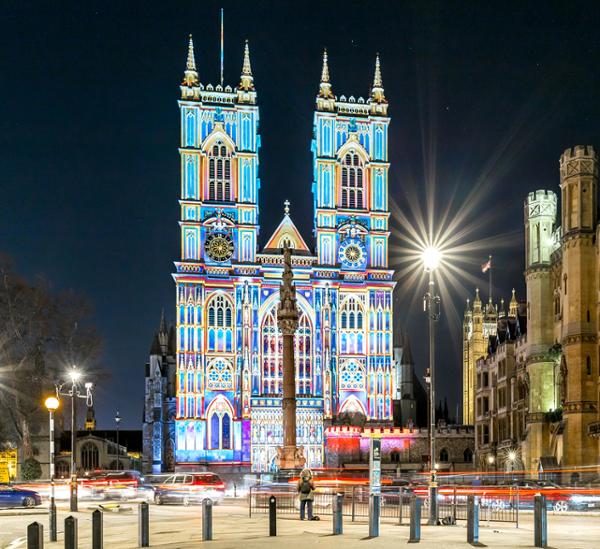
Lumiere London was held under a similar structure in 2016 and 2018 in central London, bringing together an array of artists whose work illuminated the city with light installations. In the inaugural year, this free event welcomed 1.3 million visitors and footfall in central London increased by 44 per cent when compared to January in the prior year, when there was no event.
In 2018, visits increased to 1.5 million. The geographic footprint of the event was increased by 30 per cent for the second year, adding additional locations and installations. Lumiere London is funded by a combination of support from sponsors, grants, donations, and government contributions – totaling £5 million (€5.9m) in 2018, compared to £2.2 million (€2.6m) in 2016, which reflects the expanded footprint, associated operational costs and increased creative content to elevate the visitor experience.
In addition to offering a world-class arts engagement experience for residents and tourists, Lumiere London’s goals include leveraging spending across the business sector in central London, increased spending in the targeted retail area during the post-Christmas sales surge, creating increased pedestrian-friendly passage, school outreach programming and providing hundreds of volunteer opportunities.
Economic impacts from the event are significant with the 2016 event generating £6.2 million (€7.4m) in direct economic impact and £22.2 million in spending overall (€26.1m).
The event is orchestrated by the Artichoke Foundation, producers of outdoor arts events.
Conclusions The performance and impacts of the winter light shows discussed here have been proven in the past, and are likely to continue, as more attractions and cities understand the benefits of such events. As we look to the future, there is a next generation of standalone or traveling events being developed by companies such as Moment Factory (Foresta Lumina, AURA) or at Universal with Harry Potter (Nighttime Lights at Hogwarts), where intellectual property is being incorporated into the experience. Some of these events work as a partnership and revenue share with the creative company developing the concept and some are built bespoke for the location.
Perhaps most important are the non-financial benefits of these events – the commitment of operators and cities to provide engaging and immersive experiences to be enjoyed safely together, especially in these challenging times. Surveys conducted during such events typically report satisfaction levels greater than 75 per cent, and indications on return visits are also high. In 2016, 79 per cent of Lumiere London’s surveyed visitors stated that the event “made them feel happy” and 86 per cent strongly agreed that the event made a positive contribution to London’s cultural offer. And let’s not forget the benefit of a great selfie background, illuminated in millions of lights.
Interview: David Harland & Sir Tim Smit
With projects underway around the world, the Eden Project is going global with its call to arms for the future of the planet
Museums: Getting creative
How the Young V&A will aim to provide children with the creative tools stripped out by the pandemic
Interview: Richard Land
Mixing waterslides with wellbeing, the Therme Group is creating a category all of its own while taking on the world, says the group’s chief development officer
Museums: Kunsthaus Zurich completes
A David Chipperfield extension has more than doubled the museum’s exhibition space, making Zurich a major destination for the arts
Interview: Julien Kauffmann
As Farah Experiences prepares to open SeaWorld Abu Dubai, its CEO talks COVID-19, branding and branching with David Camp
Research: Making pre-booking work
Attractions are benefiting from the switch to pre-booking, but must cater for spontaneous, disorganised visitors too, says Jon Young
Research: All creatures great and small
Zoo enrichment and research can’t just be focused on the large animals most popular with visitors, argues Dr Paul Rose. All must be represented
Research: Popularity game
Research on zoo animals focuses more on ‘familiar’ species such as gorillas and chimpanzees, rather than less well known ones such as the waxy monkey frog, scientists say
Analysis: Light in the dark
A successful winter light show can see margins upwards of 30 per cent. Kathleen LaClair and
Yael Coifman look at some of the operators getting it right
Museums: Munch Museum opens in Norway
The iconic new attraction has opened on Oslo’s waterfront with the world’s largest collection of works by Edvard Munch
Mystery Shopper: Galleries & Gourds
It has transformed the sleepy town of Bruton, UK, but does Hauser & Wirth Somerset live up to the hype? Magali Robathan mystery shops to find out
An opportunity to reimagine one of the UK’s most recognisable towers has been formally
opened by Rivington Hark, as St Johns Beacon invites operators and partners to shape its
next phase. [more...]
Dazzling winter light
events are enabling
attractions operators
to generate vital income
during the cold, dark months.
Kathleen LaClair and
Yael Coifman examine
the economics of these
increasingly popular events
Enchanted Christmas at Westonbirt Arboretum achieved record ticket sales / Johnny Hathaway
Each year, as Halloween costumes are cast aside, winter light shows come to life, providing us with an opportunity to enjoy magical evenings in immersive environments.You’ve likely experienced one of these illuminated events, whether at the city centre riverfront, public parks or gardens, the city zoo, or the local theme park, providing fun selfie backdrops of larger-than-life animals, Chinese lanterns, and high-tech projections.
Winter light shows have seen increasing popularity as an off-season attraction or destination in recent years, due to guests’ desire to enjoy safe, outdoor experiences and now is the time to be planning for next winter if you’re keen to explore this opportunity.
There are ultimately two categories of winter light events: those that operate within existing attractions, and those that are held more publicly, often by a city organisation. While there are different operating models, depending on the host, many of these events have the same goal: to drive visits and spending to an intended target – and they do. With total visits ranging from 25,000 up to 2 million, and average per person spending anywhere from US$5.00 to US$50.00 (€4.30 to €43.00), these events can contribute significantly to operators, local businesses and the larger community.
Winter light shows within existing attractions We looked at a range of light shows in researching this article. These included LumiNature at The Philadelphia Zoo, US; Magical Lantern Festival at Chiswick House, UK; Christmas Town at Busch Gardens Williamsburg, US; and Christmas at Longleat Safari Park, UK, but specifics of their individual operations cannot be divulged, due to confidentiality.
Globally, winter light shows have become increasingly popular over recent years at a variety of established attraction types, including theme parks, zoos, stately homes and botanical gardens. Depending on lattitude, these attractions are generally in their low season, and would otherwise be closed in most cases; the light shows drive visitation and revenues where it previously did not exist, or when it was not very robust. Winter light shows typically begin after the Halloween seasonal events, sometime around the Thanksgiving holiday in the United States or generally as the winter holiday season is starting, worldwide. Shows usually run until the end of December, but in some cases extend into January.
While some attractions will include admission to the light show with the general ticket, typically, there’s a separate ticket required to enter the evening event. In some cases, members or season pass holders can enter for free, in other cases they pay a discounted or full ticket price. Ticket prices vary, with attractions basing pricing relative to the general admission, and specific market conditions, such as weather and the competitive environment. For attractions that charge for the winter light show, the ticket price is usually between 80 and 100 per cent of the standard general admission.
Overall attendance at winter light shows is highly variable and depends on the location and available markets, number of nights the show runs and weather conditions. For these existing attractions, visitation to winter light shows can represent 5 to 10 per cent of total annual attendance, sometimes more.
In addition to ticket revenues, most attractions benefit from guests spending on food, beverages, and retail purchases. Depending on the offering available, per capita revenues for these purchases can be upwards of US$10.00 to US$20.00 (€8.59 to €17.18). Some attractions also offer upcharge experiences during winter light shows, creating additional revenue opportunities. At a zoo, this could be an animal interaction or photo opportunity; at a theme park there can be VIP carriage or golf cart rides through the experience.
The initial capital cost for a light show can be significant and many attractions gradually ramp up the geographic footprint and level of experience over time, to manage the cost and ensure the expenditure matches market demand. While capital cost can vary widely, the initial expense usually runs between US$0.5 million and US$1.5 million (€0.4m to €1.3 m), with additional investments or reinvestment in subsequent years to upgrade and maintain the asset. Other significant costs include installation, staffing, utilities and marketing, which can be anywhere from 30 to 50 per cent of gross revenues. Net margins vary by year, with initial years lower, due to the higher capital costs and subsequent years typically more robust when those costs are lower. An established, successful winter light show can see margins upwards of 20 to 30 per cent.
Winter light shows in public spaces These are often held in public spaces – town centres, waterfronts or urban parks are typical settings. Shows are often funded by a variety of sources, including local government (taxpayer dollars), sponsorships via regional businesses, grants and other donations. Public light shows are typically free to enter (but not always), with the goal to drive footfall and spending to a targeted area for local businesses, both existing and pop-up in nature, in addition to providing an immersive experience to residents and tourists. Here we’ll discuss two winter light events, Baltimore’s Light City, held in late winter over eight days and Lumiere London, held in January.
The City of Baltimore, Maryland hosts Light City, an event with open-air light exhibitions and sculptures, interactive light displays, and video projections. The event costs the city US$2.9 million (€2.5m) to produce and is funded primarily by sponsorship dollars and the sale of merchandise during the event. The event is free and the goal is to generate spending and associated impacts within the city and state.
The Baltimore Office of Promotion and The Arts conducted an economic impact study in 2018 to assess the impacts from the event to both the city and state. In 2018, Light City hosted 442,500 visits, with almost 40 per cent from city residents, 23 per cent from the larger metropolitan area, 18 per cent from the remaining area of Maryland, and 20 per cent from out-of-state visits.
In 2018, Light City had a total economic impact on Baltimore’s business volume of US$33.5 million (€28.8m). Light City visitors spent an estimated US$6.44 million (€5.5m) at local restaurants and overnight visitors accommodated over 10,700 room nights resulting in a direct impact of US$2.24 million (€1.92m) for hotels and other accommodations.
In addition to revenues received by local businesses and organisations, Light City generates significant tax revenues for the city and state – estimated US$1.26 million (€1.08m) for the State of Maryland and US$0.38 million (€0.33m) for the City of Baltimore. This includes taxes on retail sales, alcohol, hotel rooms, parking, and gasoline excise tax.
Lumiere London was held under a similar structure in 2016 and 2018 in central London, bringing together an array of artists whose work illuminated the city with light installations. In the inaugural year, this free event welcomed 1.3 million visitors and footfall in central London increased by 44 per cent when compared to January in the prior year, when there was no event.
In 2018, visits increased to 1.5 million. The geographic footprint of the event was increased by 30 per cent for the second year, adding additional locations and installations. Lumiere London is funded by a combination of support from sponsors, grants, donations, and government contributions – totaling £5 million (€5.9m) in 2018, compared to £2.2 million (€2.6m) in 2016, which reflects the expanded footprint, associated operational costs and increased creative content to elevate the visitor experience.
In addition to offering a world-class arts engagement experience for residents and tourists, Lumiere London’s goals include leveraging spending across the business sector in central London, increased spending in the targeted retail area during the post-Christmas sales surge, creating increased pedestrian-friendly passage, school outreach programming and providing hundreds of volunteer opportunities.
Economic impacts from the event are significant with the 2016 event generating £6.2 million (€7.4m) in direct economic impact and £22.2 million in spending overall (€26.1m).
The event is orchestrated by the Artichoke Foundation, producers of outdoor arts events.
Conclusions The performance and impacts of the winter light shows discussed here have been proven in the past, and are likely to continue, as more attractions and cities understand the benefits of such events. As we look to the future, there is a next generation of standalone or traveling events being developed by companies such as Moment Factory (Foresta Lumina, AURA) or at Universal with Harry Potter (Nighttime Lights at Hogwarts), where intellectual property is being incorporated into the experience. Some of these events work as a partnership and revenue share with the creative company developing the concept and some are built bespoke for the location.
Perhaps most important are the non-financial benefits of these events – the commitment of operators and cities to provide engaging and immersive experiences to be enjoyed safely together, especially in these challenging times. Surveys conducted during such events typically report satisfaction levels greater than 75 per cent, and indications on return visits are also high. In 2016, 79 per cent of Lumiere London’s surveyed visitors stated that the event “made them feel happy” and 86 per cent strongly agreed that the event made a positive contribution to London’s cultural offer. And let’s not forget the benefit of a great selfie background, illuminated in millions of lights.
Interview: David Harland & Sir Tim Smit
With projects underway around the world, the Eden Project is going global with its call to arms for the future of the planet
Museums: Getting creative
How the Young V&A will aim to provide children with the creative tools stripped out by the pandemic
Interview: Richard Land
Mixing waterslides with wellbeing, the Therme Group is creating a category all of its own while taking on the world, says the group’s chief development officer
Museums: Kunsthaus Zurich completes
A David Chipperfield extension has more than doubled the museum’s exhibition space, making Zurich a major destination for the arts
Interview: Julien Kauffmann
As Farah Experiences prepares to open SeaWorld Abu Dubai, its CEO talks COVID-19, branding and branching with David Camp
Research: Making pre-booking work
Attractions are benefiting from the switch to pre-booking, but must cater for spontaneous, disorganised visitors too, says Jon Young
Research: All creatures great and small
Zoo enrichment and research can’t just be focused on the large animals most popular with visitors, argues Dr Paul Rose. All must be represented
Research: Popularity game
Research on zoo animals focuses more on ‘familiar’ species such as gorillas and chimpanzees, rather than less well known ones such as the waxy monkey frog, scientists say
Analysis: Light in the dark
A successful winter light show can see margins upwards of 30 per cent. Kathleen LaClair and
Yael Coifman look at some of the operators getting it right
Museums: Munch Museum opens in Norway
The iconic new attraction has opened on Oslo’s waterfront with the world’s largest collection of works by Edvard Munch
Mystery Shopper: Galleries & Gourds
It has transformed the sleepy town of Bruton, UK, but does Hauser & Wirth Somerset live up to the hype? Magali Robathan mystery shops to find out
Hotel de France, located on the British Isle of Jersey, has created a wellness retreat package
that includes a hot yoga session that will take place in Jersey Zoo’s butterfly sanctuary.
A new immersive attraction designed to transport visitors into the final hours of ancient Pompeii
is preparing to open near the world-famous archaeological site in southern Italy.
Experience design company, BRC Imagination Arts, has completed a transition that sees founder
Bob Rogers pass ownership of the business to four long-serving senior executives, while
remaining actively involved with the company.
Movie Park Germany has opened a new Paramount Pictures-themed attraction as part of its 30th
anniversary celebrations, using immersive storytelling and adaptive reuse to reinforce the park’s
longstanding “Hollywood in Germany” positioning.
Therme Manchester’s 28-acre development, which will include interconnected glass pavilions
that measure 65,000sq m, will be the largest bathing and wellbeing attraction in the world once
complete, according to prof David Russell, CEO of Therme UK.
Efteling has opened Hooghmoed, a new family drop tower designed to broaden the appeal of its
recently launched Sirene Island themed area and introduce younger visitors to thrill attractions.
A proposed Puy du Fou development near Bicester and Universal Destinations and Experiences’
planned resort in Bedford are emerging as part of a wider transformation of the Oxford–
Cambridge Growth Corridor into a major centre for UK leisure and tourism inv
Shedd Aquarium has opened the Immersion Theater developed in partnership with SimEx-
Iwerks, as part of a wider strategy to enhance the guest experience and create additional
revenue opportunities.
The UK government has announced a temporary reduction in VAT on visitor attractions and
children’s meals as part of a summer cost-of-living support package designed to stimulate the
visitor economy and encourage family days out.
As designer Yinka Ilori prepares for his first solo gallery show in London, he speaks exclusively
to CLADmag about his mission to spread joy, the power of play, and his bold approach to using
colour (including the colours you won’t see in his work).
The government of Thailand is exploring plans for a THB300bn (£6.3bn, US$8.3bn)
entertainment complex in the country’s Eastern Economic Corridor (EEC), with officials
proposing a large-scale theme park and sports destination as part of a broader tourism and
economic development strategy.
+ More news
COMPANY PROFILES
QubicaAMF UK QubicaAMF is the largest and most
innovative bowling equipment provider with
600 employees worldwi [more...]
RMA Ltd RMA Ltd is a one-stop global company
that can design, build and produce from a
greenfield site upw [more...]
IAAPA EMEA IAAPA Expo Europe was established in 2006 and has grown to the largest international conference and [more...]
An opportunity to reimagine one of the UK’s most recognisable towers has been formally
opened by Rivington Hark, as St Johns Beacon invites operators and partners to shape its
next phase. [more...]