After almost three decades serving members and contributing
to the growth of the industry, we talk to ISPA’s Crystal Ducker
about the work of the association and the future of spa
As a membership association for spa providers, educators, students and suppliers around the world, the International SPA Association (ISPA) has witnessed great changes and exciting growth within the industry in its 29 years of existence.
The association was started by a number of spa professionals in 1990, who had come together for a spa symposium in New York. Frustrated by the fact that industry talk was almost solely focused on hotels, the group realised there was a need for a united, guiding voice for their own industry.
At that time, there was also a distinct lack of industry resources and data, and limited opportunities for spa professionals to meet up and share business ideas with their peers.
The newly-formed ISPA set out to change all that. The association’s first ever event was held just a year later, in Florida and attracted 150 attendees from 10 countries.
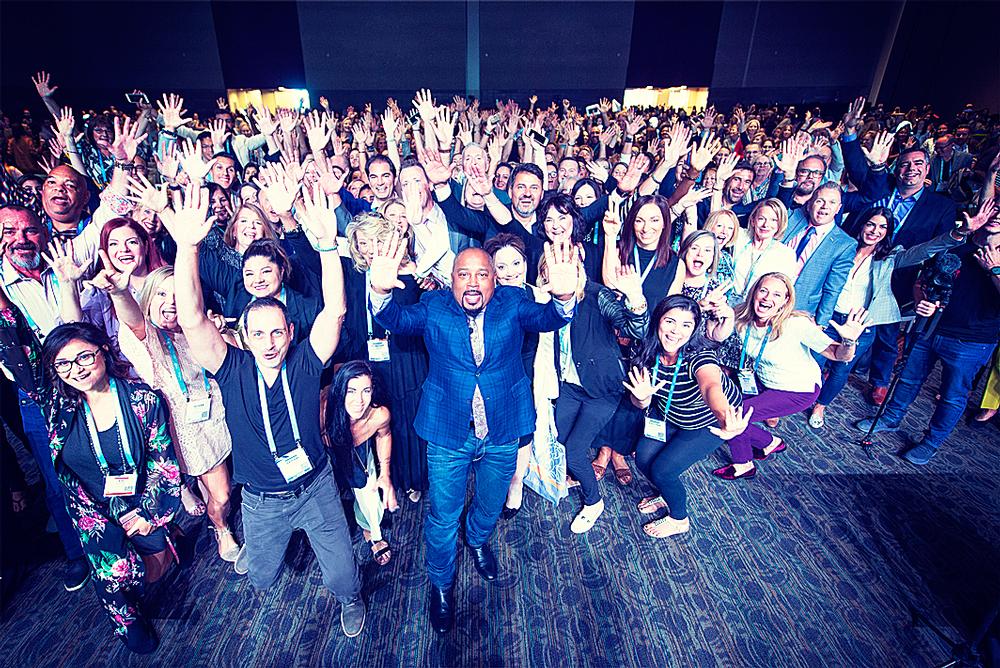
Fast forward to September 2019, and the global ISPA Conference & Expo will welcome more than 2,000 attendees and 250 exhibitors from over 30 countries to Las Vegas, US.
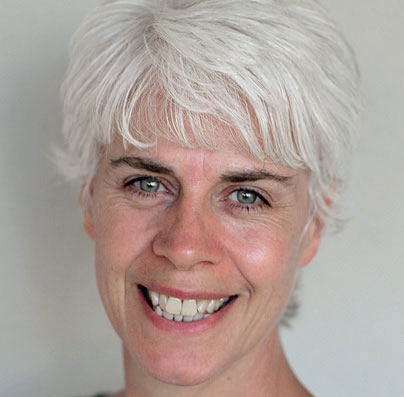
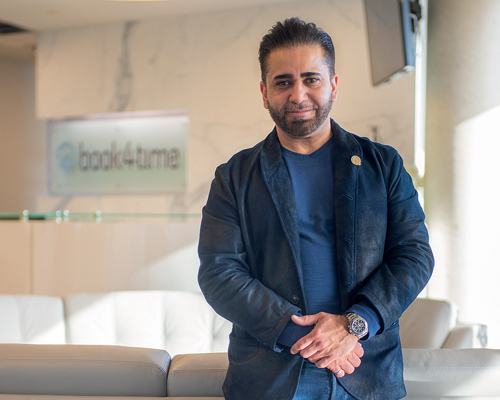
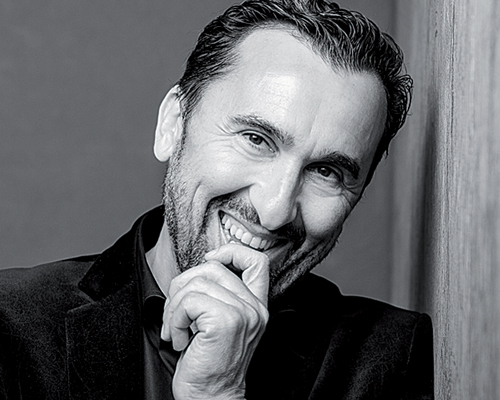
“It might sound like a cliché, but ISPA really is like one big, supportive family,” say Crystal Ducker, vice president of research and communications.
“Its whole culture is founded on spa community and collaboration, which is driven by our members volunteering through various task forces. All our members are passionate industry professionals who have a desire to share their knowledge and make the spa industry the best it can be.”
Strong growth This passion has taken the association far, and so has its commitment to collating and analysing meaningful spa data. Ducker says: “From early on, ISPA identified the immense importance of producing data-driven resources for its members, which they could then use to help inform their business decisions.
“PricewaterhouseCoopers (PwC) were commissioned in 1999 to conduct a full market overview of the spa industry – and that survey, the US Spa Industry Study, has been produced annually ever since.”
In that 20-year period, industry growth – with the exception of the global economic downturn of 2008 – has been strong, consistent and healthy – and this has been reflected in the association’s growth too.
In the first PwC study, there were 4,140 spas in the US generating a total revenue of $4.2bn in 1999. The 2018 survey showed there were now 21,770 spas in the US, generating a total revenue of $17.5bn.
Ducker adds: “ISPA currently has more than 3,000 members in over 50 countries. We have sole proprietor mobile spa operators right up to global hotel and resort brands. Everyone is welcome.”
Spa members pay $689 per year and gain access to high quality online training materials, up-to-date and in-depth industry data, a searchable network of spa facilities and resource partner brands, digital and in-person networking opportunities, and an invite to the annual ISPA Conference & Expo.
Ducker says the voluntary nature of the organisation gives it a level of independence that is one of its greatest strengths.
“Speakers do not pay to present at our events. We invest in education. We’re proud that it’s an event where you know you’ll receive the highest levels of education and information.
And it seems the future for spas is looking even brighter, and younger. Ducker says: “Millennials are a growing force in the spa market. They’re enthusiastic spa-goers and also keen shoppers.
“Our research shows that 75% of millennials will make a retail purchase after a spa treatment, compared to just 42% of baby boomers. Millennials are interested to learn more about the products, what they do and the ingredients they contain. They represent a huge opportunity for spas if they can connect with this market.
Industry challenges ISPA has never been an organisation to shy away from important topics, and a key focus going forward will be on maintaining and up-levelling the workforce and managing talent, says Ducker.
“In 2018 there were 35,000 unfilled spa positions in the US alone. We really must help spas focus on growing a quality workforce through gold standard training, and incentivising them to ensure that both retention and career progression remain high,” she says.
Next year will see ISPA celebrating a landmark 30th anniversary, and Ducker says there are many yet-to-be announced developments and celebrations planned for its members.
With 187 million spa visits recorded in the US alone last year, and with the spa industry emerging rapidly across all parts of Asia, there’s no doubt that the association will continue to grow and flourish.
“The spa lifestyle has truly arrived and visiting a spa is no longer seen as a luxury, but as a necessary part of a healthy lifestyle. Spa is everywhere – from hotels to the workplace and even schools with the spread of mindfulness practices.
Ducker says: “Looking back over almost 30 years, we’d like to feel that the realisation of spa as an attainable and important way of life can be greatly attributed to the work of the members of the International SPA Association.
“And we’ll continue, of course, to serve those members at a very high level and respond to their needs in this exciting marketplace.”
Promotional feature: Lemi - Italian Touch
From humble beginnings in a small Italian village, Lemi has grown a hugely successful global business in the massage bed market. As it celebrates its 30th anniversary year, we talk to GM Matteo Brusaferri
Spa Programmes: On the menu
Olivia Newton-John skincare, Sounds of Africa and jet lag butlers feature in our programming series
Interview: Dale Hipsh
The senior VP of hotels at Hard Rock International tells Katie Barnes why its music-centric spa menu is striking the right chord with consumers and the media
Promotional feature: ISPA
After almost three decades serving members and contributing to the growth of the industry, we talk to ISPA’s Crystal Ducker about the work of the association and the future of spa
Spa Design: Jungle VIP
Kim Megson ventures deep into Mexico’s jungle to discover how two Chablé resorts with Mayan spas are aiming to redefine wellness
Interview: John & Karina Stewart
The inspirational couple behind Kamalaya in Thailand talk to Neena Dhillon about emotional therapies, why stress-busting is the new detox and how they’re evolving the concept
Promotional feature: Gharieni - Luxury Recognition
Gharieni has long been known as an industry innovator. Now, Forbes Travel Guide has named the company as its official Spa & Wellness Equipment Manufacturer. Sammy Gharieni tells us more
Promotional feature: Comfort Zone - Beauty Reloaded
Skincare brand Comfort Zone has partnered with Wellness for Cancer to create a new programme of spa treatments for people touched by cancer. Barbara Gavazzoli tells us more
Family spa: Multi-story
With the rise in multi-generational tourism, family spas are growing in popularity. Jane Kitchen reports
Software: Training & education
From bespoke training programmes to 24/7 support teams and company super-users, how are software suppliers helping spas get the most out of their systems?
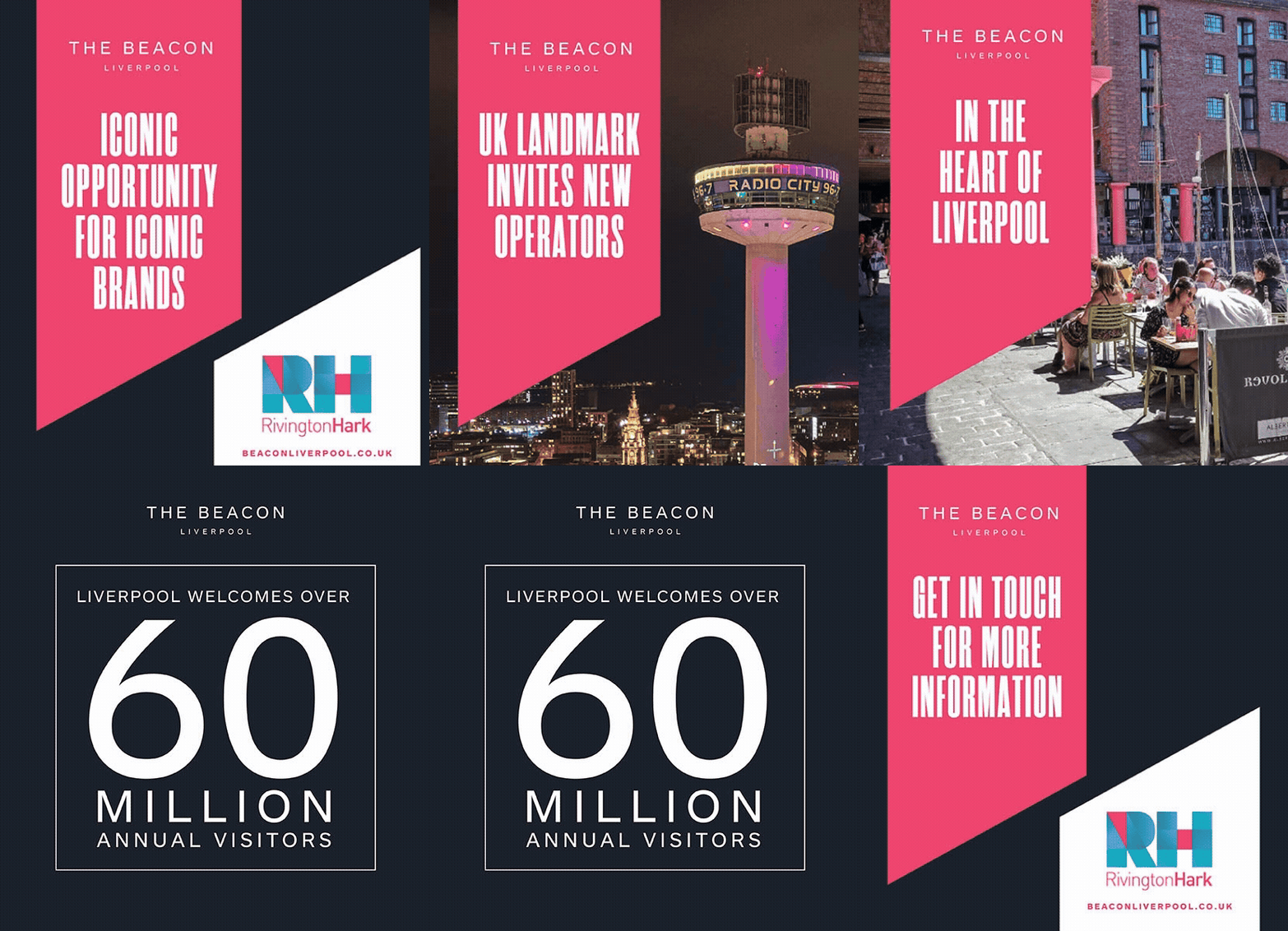
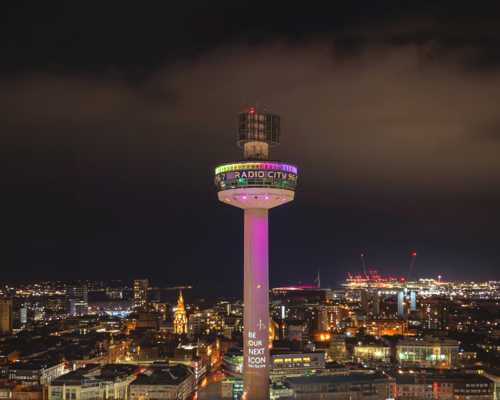
An opportunity to reimagine one of the UK’s most recognisable towers has been formally
opened by Rivington Hark, as St Johns Beacon invites operators and partners to shape its
next phase. [more...]
After almost three decades serving members and contributing
to the growth of the industry, we talk to ISPA’s Crystal Ducker
about the work of the association and the future of spa
As a membership association for spa providers, educators, students and suppliers around the world, the International SPA Association (ISPA) has witnessed great changes and exciting growth within the industry in its 29 years of existence.
The association was started by a number of spa professionals in 1990, who had come together for a spa symposium in New York. Frustrated by the fact that industry talk was almost solely focused on hotels, the group realised there was a need for a united, guiding voice for their own industry.
At that time, there was also a distinct lack of industry resources and data, and limited opportunities for spa professionals to meet up and share business ideas with their peers.
The newly-formed ISPA set out to change all that. The association’s first ever event was held just a year later, in Florida and attracted 150 attendees from 10 countries.
Fast forward to September 2019, and the global ISPA Conference & Expo will welcome more than 2,000 attendees and 250 exhibitors from over 30 countries to Las Vegas, US.
“It might sound like a cliché, but ISPA really is like one big, supportive family,” say Crystal Ducker, vice president of research and communications.
“Its whole culture is founded on spa community and collaboration, which is driven by our members volunteering through various task forces. All our members are passionate industry professionals who have a desire to share their knowledge and make the spa industry the best it can be.”
Strong growth This passion has taken the association far, and so has its commitment to collating and analysing meaningful spa data. Ducker says: “From early on, ISPA identified the immense importance of producing data-driven resources for its members, which they could then use to help inform their business decisions.
“PricewaterhouseCoopers (PwC) were commissioned in 1999 to conduct a full market overview of the spa industry – and that survey, the US Spa Industry Study, has been produced annually ever since.”
In that 20-year period, industry growth – with the exception of the global economic downturn of 2008 – has been strong, consistent and healthy – and this has been reflected in the association’s growth too.
In the first PwC study, there were 4,140 spas in the US generating a total revenue of $4.2bn in 1999. The 2018 survey showed there were now 21,770 spas in the US, generating a total revenue of $17.5bn.
Ducker adds: “ISPA currently has more than 3,000 members in over 50 countries. We have sole proprietor mobile spa operators right up to global hotel and resort brands. Everyone is welcome.”
Spa members pay $689 per year and gain access to high quality online training materials, up-to-date and in-depth industry data, a searchable network of spa facilities and resource partner brands, digital and in-person networking opportunities, and an invite to the annual ISPA Conference & Expo.
Ducker says the voluntary nature of the organisation gives it a level of independence that is one of its greatest strengths.
“Speakers do not pay to present at our events. We invest in education. We’re proud that it’s an event where you know you’ll receive the highest levels of education and information.
And it seems the future for spas is looking even brighter, and younger. Ducker says: “Millennials are a growing force in the spa market. They’re enthusiastic spa-goers and also keen shoppers.
“Our research shows that 75% of millennials will make a retail purchase after a spa treatment, compared to just 42% of baby boomers. Millennials are interested to learn more about the products, what they do and the ingredients they contain. They represent a huge opportunity for spas if they can connect with this market.
Industry challenges ISPA has never been an organisation to shy away from important topics, and a key focus going forward will be on maintaining and up-levelling the workforce and managing talent, says Ducker.
“In 2018 there were 35,000 unfilled spa positions in the US alone. We really must help spas focus on growing a quality workforce through gold standard training, and incentivising them to ensure that both retention and career progression remain high,” she says.
Next year will see ISPA celebrating a landmark 30th anniversary, and Ducker says there are many yet-to-be announced developments and celebrations planned for its members.
With 187 million spa visits recorded in the US alone last year, and with the spa industry emerging rapidly across all parts of Asia, there’s no doubt that the association will continue to grow and flourish.
“The spa lifestyle has truly arrived and visiting a spa is no longer seen as a luxury, but as a necessary part of a healthy lifestyle. Spa is everywhere – from hotels to the workplace and even schools with the spread of mindfulness practices.
Ducker says: “Looking back over almost 30 years, we’d like to feel that the realisation of spa as an attainable and important way of life can be greatly attributed to the work of the members of the International SPA Association.
“And we’ll continue, of course, to serve those members at a very high level and respond to their needs in this exciting marketplace.”
Promotional feature: Lemi - Italian Touch
From humble beginnings in a small Italian village, Lemi has grown a hugely successful global business in the massage bed market. As it celebrates its 30th anniversary year, we talk to GM Matteo Brusaferri
Spa Programmes: On the menu
Olivia Newton-John skincare, Sounds of Africa and jet lag butlers feature in our programming series
Interview: Dale Hipsh
The senior VP of hotels at Hard Rock International tells Katie Barnes why its music-centric spa menu is striking the right chord with consumers and the media
Promotional feature: ISPA
After almost three decades serving members and contributing to the growth of the industry, we talk to ISPA’s Crystal Ducker about the work of the association and the future of spa
Spa Design: Jungle VIP
Kim Megson ventures deep into Mexico’s jungle to discover how two Chablé resorts with Mayan spas are aiming to redefine wellness
Interview: John & Karina Stewart
The inspirational couple behind Kamalaya in Thailand talk to Neena Dhillon about emotional therapies, why stress-busting is the new detox and how they’re evolving the concept
Promotional feature: Gharieni - Luxury Recognition
Gharieni has long been known as an industry innovator. Now, Forbes Travel Guide has named the company as its official Spa & Wellness Equipment Manufacturer. Sammy Gharieni tells us more
Promotional feature: Comfort Zone - Beauty Reloaded
Skincare brand Comfort Zone has partnered with Wellness for Cancer to create a new programme of spa treatments for people touched by cancer. Barbara Gavazzoli tells us more
Family spa: Multi-story
With the rise in multi-generational tourism, family spas are growing in popularity. Jane Kitchen reports
Software: Training & education
From bespoke training programmes to 24/7 support teams and company super-users, how are software suppliers helping spas get the most out of their systems?
A new immersive attraction designed to transport visitors into the final hours of ancient Pompeii
is preparing to open near the world-famous archaeological site in southern Italy.
Experience design company, BRC Imagination Arts, has completed a transition that sees founder
Bob Rogers pass ownership of the business to four long-serving senior executives, while
remaining actively involved with the company.
Movie Park Germany has opened a new Paramount Pictures-themed attraction as part of its 30th
anniversary celebrations, using immersive storytelling and adaptive reuse to reinforce the park’s
longstanding “Hollywood in Germany” positioning.
Therme Manchester’s 28-acre development, which will include interconnected glass pavilions
that measure 65,000sq m, will be the largest bathing and wellbeing attraction in the world once
complete, according to prof David Russell, CEO of Therme UK.
Efteling has opened Hooghmoed, a new family drop tower designed to broaden the appeal of its
recently launched Sirene Island themed area and introduce younger visitors to thrill attractions.
A proposed Puy du Fou development near Bicester and Universal Destinations and Experiences’
planned resort in Bedford are emerging as part of a wider transformation of the Oxford–
Cambridge Growth Corridor into a major centre for UK leisure and tourism inv
Shedd Aquarium has opened the Immersion Theater developed in partnership with SimEx-
Iwerks, as part of a wider strategy to enhance the guest experience and create additional
revenue opportunities.
The UK government has announced a temporary reduction in VAT on visitor attractions and
children’s meals as part of a summer cost-of-living support package designed to stimulate the
visitor economy and encourage family days out.
As designer Yinka Ilori prepares for his first solo gallery show in London, he speaks exclusively
to CLADmag about his mission to spread joy, the power of play, and his bold approach to using
colour (including the colours you won’t see in his work).
The government of Thailand is exploring plans for a THB300bn (£6.3bn, US$8.3bn)
entertainment complex in the country’s Eastern Economic Corridor (EEC), with officials
proposing a large-scale theme park and sports destination as part of a broader tourism and
economic development strategy.
An opportunity to reimagine one of the UK’s most recognisable towers has been formally
opened by Rivington Hark, as St Johns Beacon invites operators and partners to shape its
next phase. [more...]