Club operators must realise they are part of a wider ecosystem where it’s all about getting active generally, not just in the gym / photo: shutterstock.com / Andrew Bassett
Every year the request from the HCM editor lands on my desk, calling on me to dust off the crystal ball and lend my thoughts on the year ahead. As regular as the seasons, it’s confirmation that another great year is coming to an end, and once more we can look ahead with optimism to the future of the sector.?
Sector overview So what do I think the future holds??The founding brands of the sector – those major private institutions on which the industry grew in the 1990s – will either have to rediscover a purpose as we have seen with Fitness First, or else drift off into irrelevance. Meanwhile the proliferation of specialists will continue to explode, with yoga hotting up on even more high streets, enterprising PTs going wherever they are needed, and indoor cycling studios charging fees previously only dreamt of by mainstream operators. This brings a highly personalised service that’s hard to match.
The entry to the market of Mike Ashley’s Sports Direct and the continued success of low-cost operators will keep the heat on any organisation unsure of its purpose and the value it gives customers. Nonetheless, the UK’s low-cost operators will reach a crucial point, where the pressure of continuous growth will be joined by the imperative to retain or implode.??
The public sector – spurred on by efficiency drives, enhanced service levels and greater competition – will thrive and drive growth. We will continue to see the growth of the major trusts and management contractors as more local authorities look to the financial comfort and stability that their economies of scale bring. Expect that to mean bad – or at least challenging – news for smaller trusts, who will find it hard to retain their contracts in a straight-out bidding war, with some opting for a peaceful life by entering into alliances with one of the big boys to ward off their threat.?
2015 will also be the year that wearable technology gets a fuel injection, with the release of the Apple Watch heralding the start of the next evolution in the fitness tracking market. Who remembers what happened to MP3 players and digital cameras when mobile phones started getting involved… Will Apple do the same to the competition in this market??
Strategically as a sector we will see the ongoing redefinition of who we are and what we stand for, driven by an understanding that physical health clubs, leisure centres and activity providers are now part of a wider ecosystem working to get the world fit and healthy. Embracing this position and understanding our role within it will enable us to dramatically redefine the value and impact of our sector, with the growth in its importance to all stakeholders as a result.
Health of the nation Finally, I remain passionate about the role we can play in improving the health of the nation.
Within the health community, stakeholders will get even harsher in their appraisals of what we offer: show them your evidence or they’ll show you the door, not only for health contracts but leisure contracts too. Turning the tide of physical inactivity will take many years, if not decades, to achieve. Nevertheless, in just a single year since we called for a national ambition to tackle inactivity head-on – as a top tier public health priority – we have made remarkable progress.?Local authorities have doubled their investment in both cash and in proportion to their other areas of expenditure. Public Health England has responded to the call for a national strategy with the publication of its new national framework Everybody Active, Every Day. Sport England has rebranded its ‘Get Healthy, Get Into Sport’ fund as ‘Get Healthy, Get Active’, and has allocated greater levels of funding towards it. And organisations the length and breadth of the country have been engaged in trying to understand their role in turning the tide.??
Expectation and integration Yet we have so much more to do. Inactivity rates continue to rise; we’re not going to correct a generational slide to sedentary lifestyles overnight. But with increased investment comes increased expectation: expectation that this investment will make a difference. Expectation that the physical activity sector can step up to the plate and improve health and wellbeing in a measurable way.?I believe that the positive steps we have taken in the past 12 months have been inhibited by a lack of robust, clinically relevant and sound evidence to show the value and importance of what thousands of organisations are delivering every day, in every community.
?Can we take the next step in raising our game, evidencing our practice and living up to our potential as a key part of the emerging National Wellness Service that local authorities across the country are creating??As I look to 2015, I expect to see even more integration: integration of physical activity services within wider public health services such as NHS Health Checks, smoking cessation and weight management; integration of public health outcomes within existing contracts, such as those for leisure services; greater integration between public health and adult social care, in pursuit of shared outcomes of healthy, independent later life; greater integration between CCGs and public health teams in local authorities; and even more integration of public health in wider policy settings such as transport, planning and education.??
These are exciting times for anyone with a passion for improving the nation’s health by getting more people, more active, more often. ukactive has been championing this cause for over 25 years, and we’ll continue to champion it for ever more.
Specialist studios – the new breed of microgyms – continue to proliferate, with yoga hotting up on even more high streets / photo: shutterstock.com / Nina Buday
COMPANY PROFILES
IDEATTACK
IDEATTACK is a full-service planning and
design company with headquarters in
Los Angeles. [more...]
Painting With Light
By combining lighting, video, scenic and architectural elements, sound and special effects we tell s [more...]
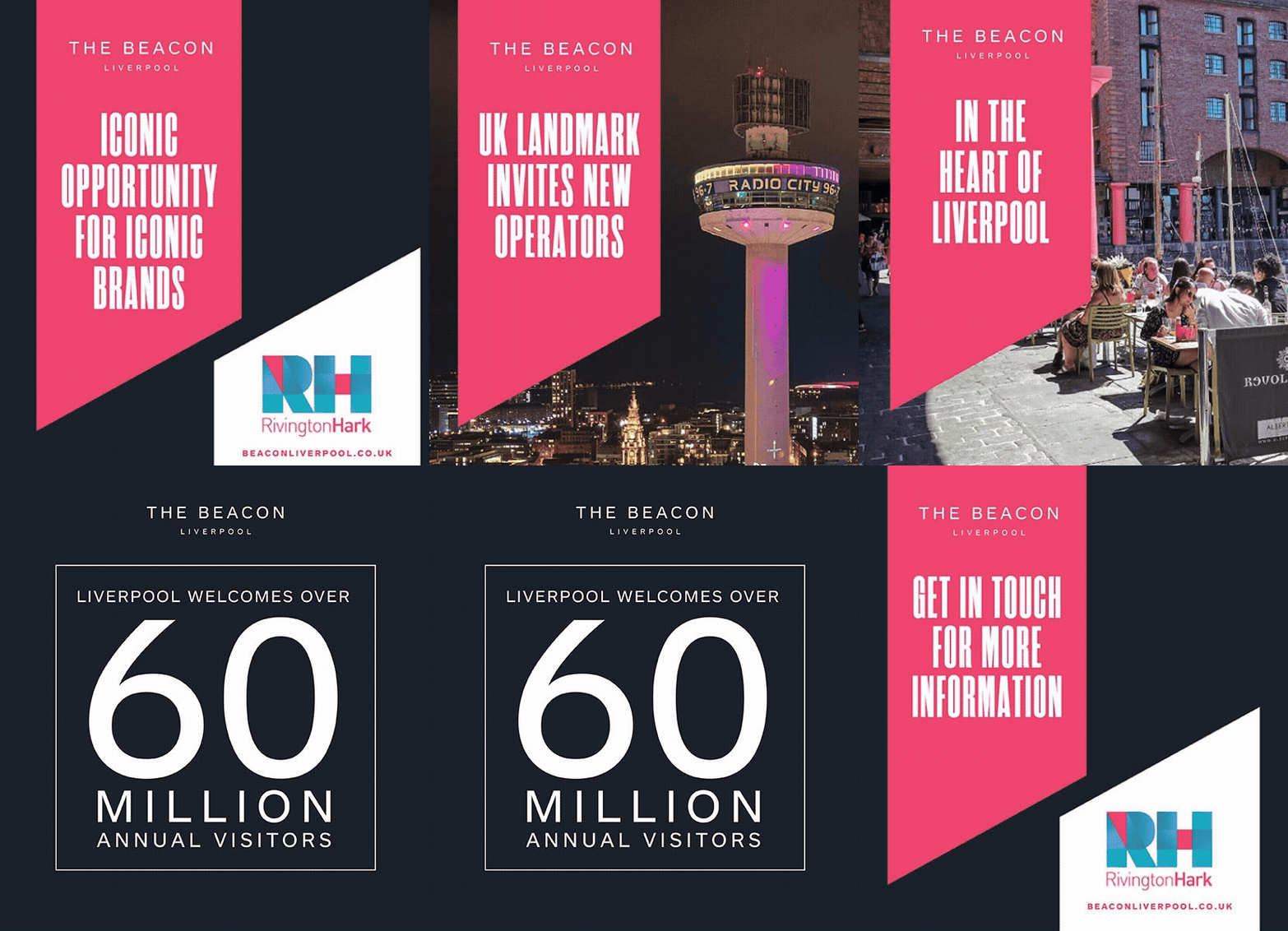
An opportunity to reimagine one of the UK’s most recognisable towers has been formally
opened by Rivington Hark, as St Johns Beacon invites operators and partners to shape its
next phase. [more...]
Club operators must realise they are part of a wider ecosystem where it’s all about getting active generally, not just in the gym / photo: shutterstock.com / Andrew Bassett
Every year the request from the HCM editor lands on my desk, calling on me to dust off the crystal ball and lend my thoughts on the year ahead. As regular as the seasons, it’s confirmation that another great year is coming to an end, and once more we can look ahead with optimism to the future of the sector.?
Sector overview So what do I think the future holds??The founding brands of the sector – those major private institutions on which the industry grew in the 1990s – will either have to rediscover a purpose as we have seen with Fitness First, or else drift off into irrelevance. Meanwhile the proliferation of specialists will continue to explode, with yoga hotting up on even more high streets, enterprising PTs going wherever they are needed, and indoor cycling studios charging fees previously only dreamt of by mainstream operators. This brings a highly personalised service that’s hard to match.
The entry to the market of Mike Ashley’s Sports Direct and the continued success of low-cost operators will keep the heat on any organisation unsure of its purpose and the value it gives customers. Nonetheless, the UK’s low-cost operators will reach a crucial point, where the pressure of continuous growth will be joined by the imperative to retain or implode.??
The public sector – spurred on by efficiency drives, enhanced service levels and greater competition – will thrive and drive growth. We will continue to see the growth of the major trusts and management contractors as more local authorities look to the financial comfort and stability that their economies of scale bring. Expect that to mean bad – or at least challenging – news for smaller trusts, who will find it hard to retain their contracts in a straight-out bidding war, with some opting for a peaceful life by entering into alliances with one of the big boys to ward off their threat.?
2015 will also be the year that wearable technology gets a fuel injection, with the release of the Apple Watch heralding the start of the next evolution in the fitness tracking market. Who remembers what happened to MP3 players and digital cameras when mobile phones started getting involved… Will Apple do the same to the competition in this market??
Strategically as a sector we will see the ongoing redefinition of who we are and what we stand for, driven by an understanding that physical health clubs, leisure centres and activity providers are now part of a wider ecosystem working to get the world fit and healthy. Embracing this position and understanding our role within it will enable us to dramatically redefine the value and impact of our sector, with the growth in its importance to all stakeholders as a result.
Health of the nation Finally, I remain passionate about the role we can play in improving the health of the nation.
Within the health community, stakeholders will get even harsher in their appraisals of what we offer: show them your evidence or they’ll show you the door, not only for health contracts but leisure contracts too. Turning the tide of physical inactivity will take many years, if not decades, to achieve. Nevertheless, in just a single year since we called for a national ambition to tackle inactivity head-on – as a top tier public health priority – we have made remarkable progress.?Local authorities have doubled their investment in both cash and in proportion to their other areas of expenditure. Public Health England has responded to the call for a national strategy with the publication of its new national framework Everybody Active, Every Day. Sport England has rebranded its ‘Get Healthy, Get Into Sport’ fund as ‘Get Healthy, Get Active’, and has allocated greater levels of funding towards it. And organisations the length and breadth of the country have been engaged in trying to understand their role in turning the tide.??
Expectation and integration Yet we have so much more to do. Inactivity rates continue to rise; we’re not going to correct a generational slide to sedentary lifestyles overnight. But with increased investment comes increased expectation: expectation that this investment will make a difference. Expectation that the physical activity sector can step up to the plate and improve health and wellbeing in a measurable way.?I believe that the positive steps we have taken in the past 12 months have been inhibited by a lack of robust, clinically relevant and sound evidence to show the value and importance of what thousands of organisations are delivering every day, in every community.
?Can we take the next step in raising our game, evidencing our practice and living up to our potential as a key part of the emerging National Wellness Service that local authorities across the country are creating??As I look to 2015, I expect to see even more integration: integration of physical activity services within wider public health services such as NHS Health Checks, smoking cessation and weight management; integration of public health outcomes within existing contracts, such as those for leisure services; greater integration between public health and adult social care, in pursuit of shared outcomes of healthy, independent later life; greater integration between CCGs and public health teams in local authorities; and even more integration of public health in wider policy settings such as transport, planning and education.??
These are exciting times for anyone with a passion for improving the nation’s health by getting more people, more active, more often. ukactive has been championing this cause for over 25 years, and we’ll continue to champion it for ever more.
Specialist studios – the new breed of microgyms – continue to proliferate, with yoga hotting up on even more high streets / photo: shutterstock.com / Nina Buday
Hotel de France, located on the British Isle of Jersey, has created a wellness retreat package
that includes a hot yoga session that will take place in Jersey Zoo’s butterfly sanctuary.
A new immersive attraction designed to transport visitors into the final hours of ancient Pompeii
is preparing to open near the world-famous archaeological site in southern Italy.
Experience design company, BRC Imagination Arts, has completed a transition that sees founder
Bob Rogers pass ownership of the business to four long-serving senior executives, while
remaining actively involved with the company.
Movie Park Germany has opened a new Paramount Pictures-themed attraction as part of its 30th
anniversary celebrations, using immersive storytelling and adaptive reuse to reinforce the park’s
longstanding “Hollywood in Germany” positioning.
Therme Manchester’s 28-acre development, which will include interconnected glass pavilions
that measure 65,000sq m, will be the largest bathing and wellbeing attraction in the world once
complete, according to prof David Russell, CEO of Therme UK.
Efteling has opened Hooghmoed, a new family drop tower designed to broaden the appeal of its
recently launched Sirene Island themed area and introduce younger visitors to thrill attractions.
A proposed Puy du Fou development near Bicester and Universal Destinations and Experiences’
planned resort in Bedford are emerging as part of a wider transformation of the Oxford–
Cambridge Growth Corridor into a major centre for UK leisure and tourism inv
Shedd Aquarium has opened the Immersion Theater developed in partnership with SimEx-
Iwerks, as part of a wider strategy to enhance the guest experience and create additional
revenue opportunities.
The UK government has announced a temporary reduction in VAT on visitor attractions and
children’s meals as part of a summer cost-of-living support package designed to stimulate the
visitor economy and encourage family days out.
As designer Yinka Ilori prepares for his first solo gallery show in London, he speaks exclusively
to CLADmag about his mission to spread joy, the power of play, and his bold approach to using
colour (including the colours you won’t see in his work).
The government of Thailand is exploring plans for a THB300bn (£6.3bn, US$8.3bn)
entertainment complex in the country’s Eastern Economic Corridor (EEC), with officials
proposing a large-scale theme park and sports destination as part of a broader tourism and
economic development strategy.
+ More news
COMPANY PROFILES
IDEATTACK IDEATTACK is a full-service planning and
design company with headquarters in
Los Angeles. [more...]
Painting With Light By combining lighting, video, scenic and architectural elements, sound and special effects we tell s [more...]
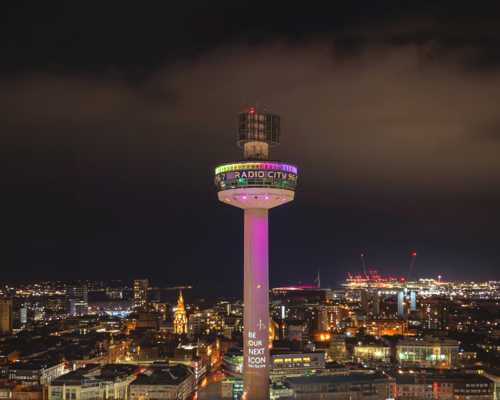
An opportunity to reimagine one of the UK’s most recognisable towers has been formally
opened by Rivington Hark, as St Johns Beacon invites operators and partners to shape its
next phase. [more...]