Magic Leap secures US$793.5m to develop mixed-reality lightfield device
POSTED 03 Feb 2016 . BY Tom Anstey
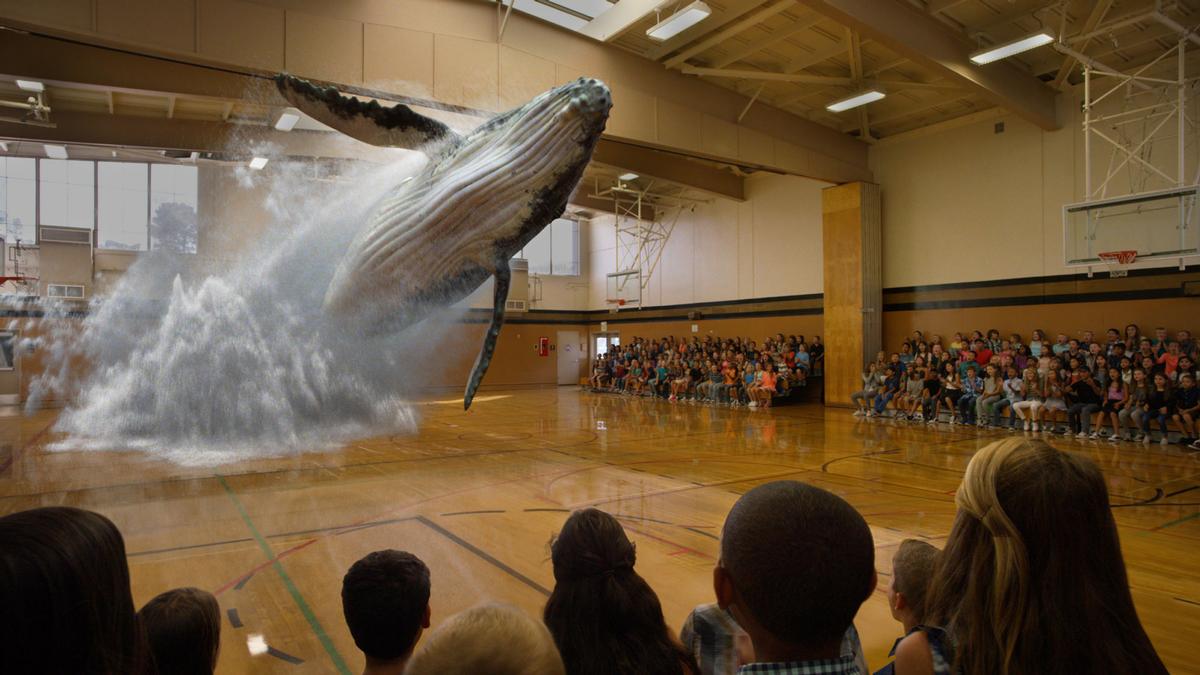
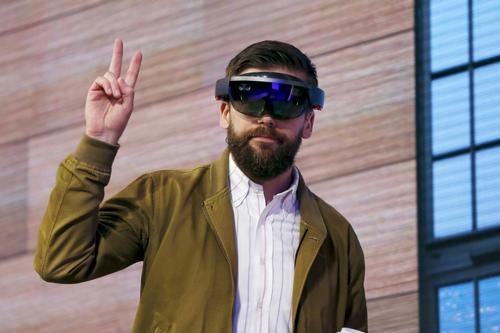
The Magic Leap device shoots images into the user’s eyes Credit: Magic Leap
Augmented reality (AR) startup Magic Leap has said it’s secured a further US$793.5m (€728m, £549m) in new funding, enough to finance its first product – a digital lightfield device which shoots computer-generated images into the user’s eyes.
Differing from market competitors in AR, such as Microsoft’s Hololens, which uses a stereoscopic technique to create the illusion of a three-dimensional image, Magic Leap’s device uses its alternate mixed-reality lightfield to create a world where digital and physical seamlessly blend together.
Based in Dania Beach, Florida, with offices in the US, UK, New Zealand and Israel, the company first hit the headlines in October 2014 when Google revealed that it had invested US$524m (€479.6m, £361.7m) in Magic Leap, despite no-one at the time knowing what the secretive company did. In March 2015, Magic Leap showed-off its first tech demo when its groundbreaking technology used AR to turn the company’s office into a first-person shooter.
The new funding from the Alibaba Group is the latest in a line of big-name investors including Google, Qualcomm Incorporated, Warner Bros, Fidelity Management, JP Morgan, Morgan Stanley and accounts advised by T.Rowe Price Associates and Wellington Management. Following the latest investment, Magic Leap is now valued at around US$4.5bn (€4.1bn, £3.1bn).
Magic Leap’s next phase of development includes making its device useable for consumers. The company has now entered the pilot production phase and is developing prototypes in Florida which will incorporate its “photonic light chip”. A software development kit for people to create content is also to be released. Magic Leap co-founder and CEO Rony Abovitz has said the technology isn’t “years away”, with the company now entering the production cycle, but that the goal is to enter the market with a fully-formed product rather than a beta version.
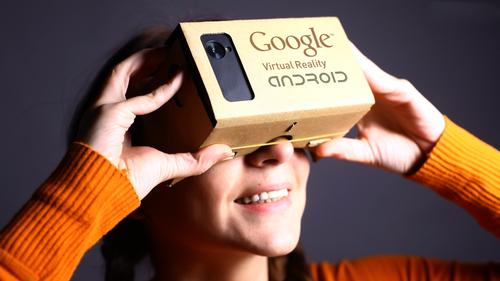
Google launches virtual reality division POSTED 14 Jan 2016. BY Tom Anstey Google has launched its own virtual reality computing division, appointing executive Clay
Bavor to run the new arm of the technology giant.
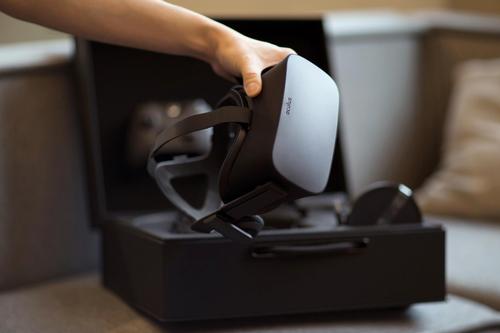
Oculus Rift gets commercial release date POSTED 07 Jan 2016. BY Tom Anstey Oculus Rift developer, Oculus VR, has said made the consumer version of the virtual reality
technology available to pre-order for a commercial release in March.
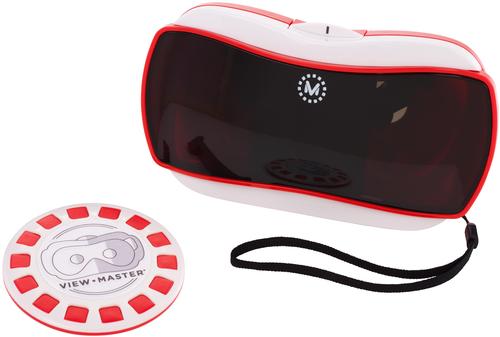
Mattel and Google tie-up reimagines View-Master as affordable VR alternative POSTED 07 Dec 2015. BY Tom Anstey View-Master – a popular children's toy since the 1960s – could be the next big step in
affordable, commercial virtual reality following a tie-up between Mattel and Google to
create a new iteration of the device based on VR using smartphones.
OMA has completed a major transformation of New York's New Museum, creating a larger
cultural campus that combines expanded exhibition spaces with learning, performance,
hospitality and public programming.
A US$50 million (£44.2 million, €51.2 million) transformation of Chicago's historic McCormick
Mansion has created a new destination that combines live magic, immersive theatre, dining and
private membership under one roof.
The Montana Historical Society has officially celebrated the opening of its new Montana
Heritage
Center, a US$107 million (£79 million, €92 million) destination that combines immersive
storytelling with cutting-edge audiovisual technology to bring the sta
Magic Leap secures US$793.5m to develop mixed-reality lightfield device
POSTED 03 Feb 2016 . BY Tom Anstey
The Magic Leap device shoots images into the user’s eyes Credit: Magic Leap
Augmented reality (AR) startup Magic Leap has said it’s secured a further US$793.5m (€728m, £549m) in new funding, enough to finance its first product – a digital lightfield device which shoots computer-generated images into the user’s eyes.
Differing from market competitors in AR, such as Microsoft’s Hololens, which uses a stereoscopic technique to create the illusion of a three-dimensional image, Magic Leap’s device uses its alternate mixed-reality lightfield to create a world where digital and physical seamlessly blend together.
Based in Dania Beach, Florida, with offices in the US, UK, New Zealand and Israel, the company first hit the headlines in October 2014 when Google revealed that it had invested US$524m (€479.6m, £361.7m) in Magic Leap, despite no-one at the time knowing what the secretive company did. In March 2015, Magic Leap showed-off its first tech demo when its groundbreaking technology used AR to turn the company’s office into a first-person shooter.
The new funding from the Alibaba Group is the latest in a line of big-name investors including Google, Qualcomm Incorporated, Warner Bros, Fidelity Management, JP Morgan, Morgan Stanley and accounts advised by T.Rowe Price Associates and Wellington Management. Following the latest investment, Magic Leap is now valued at around US$4.5bn (€4.1bn, £3.1bn).
Magic Leap’s next phase of development includes making its device useable for consumers. The company has now entered the pilot production phase and is developing prototypes in Florida which will incorporate its “photonic light chip”. A software development kit for people to create content is also to be released. Magic Leap co-founder and CEO Rony Abovitz has said the technology isn’t “years away”, with the company now entering the production cycle, but that the goal is to enter the market with a fully-formed product rather than a beta version.
Google launches virtual reality division POSTED 14 Jan 2016. BY Tom Anstey Google has launched its own virtual reality computing division, appointing executive Clay
Bavor to run the new arm of the technology giant.
Oculus Rift gets commercial release date POSTED 07 Jan 2016. BY Tom Anstey Oculus Rift developer, Oculus VR, has said made the consumer version of the virtual reality
technology available to pre-order for a commercial release in March.
Mattel and Google tie-up reimagines View-Master as affordable VR alternative POSTED 07 Dec 2015. BY Tom Anstey View-Master – a popular children's toy since the 1960s – could be the next big step in
affordable, commercial virtual reality following a tie-up between Mattel and Google to
create a new iteration of the device based on VR using smartphones.
OMA has completed a major transformation of New York's New Museum, creating a larger
cultural campus that combines expanded exhibition spaces with learning, performance,
hospitality and public programming.
A US$50 million (£44.2 million, €51.2 million) transformation of Chicago's historic McCormick
Mansion has created a new destination that combines live magic, immersive theatre, dining and
private membership under one roof.
The Montana Historical Society has officially celebrated the opening of its new Montana
Heritage
Center, a US$107 million (£79 million, €92 million) destination that combines immersive
storytelling with cutting-edge audiovisual technology to bring the sta
San Antonio Zoo has reported a US$283 million economic impact for 2025, following a decade-
long transformation programme that has seen almost US$200 million invested into the Texas
attraction.
Plans for the AU$180 million redevelopment of Reef HQ Aquarium in Townsville, Australia, are
progressing, with the project set to transform the attraction into a global centre for reef
education and conservation.
+ More news
COMPANY PROFILES
Sally Corporation Our services include: Dark ride design & build; Redevelopment of existing attractions; High-quality [more...]