Mattel and Google tie-up reimagines View-Master as affordable VR alternative
POSTED 07 Dec 2015 . BY Tom Anstey
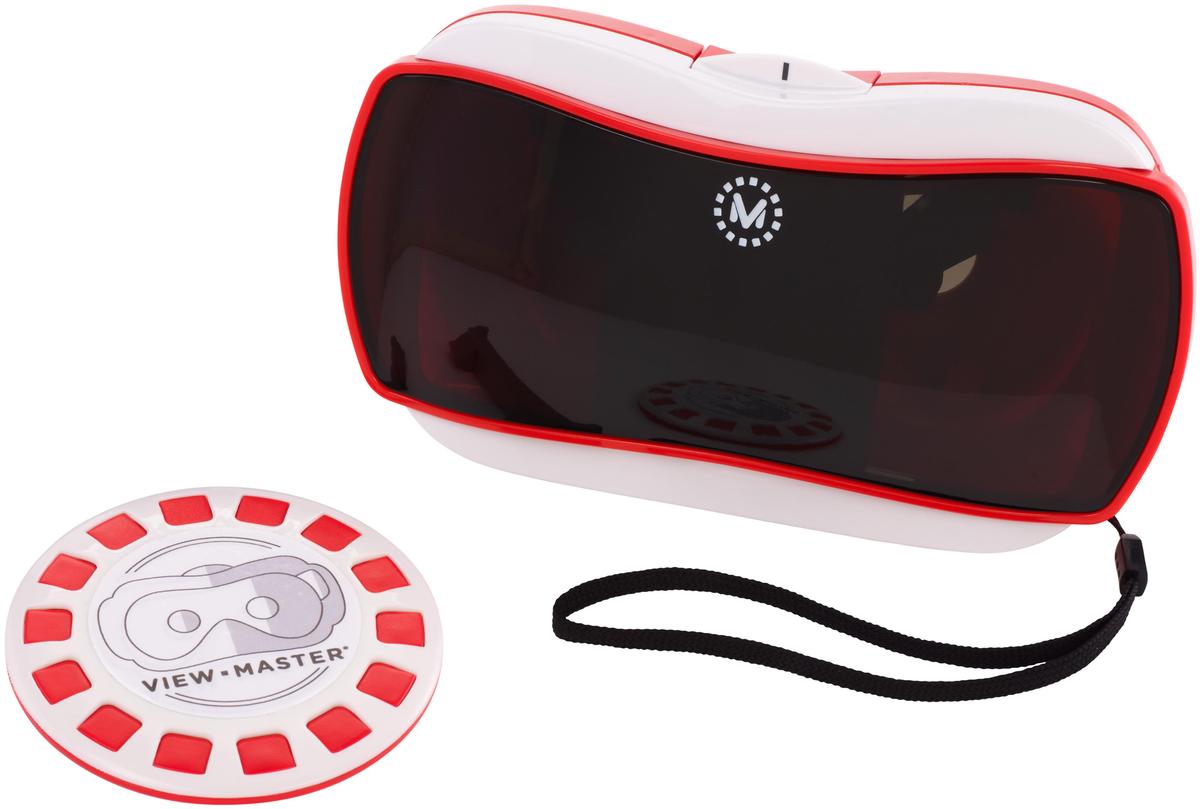
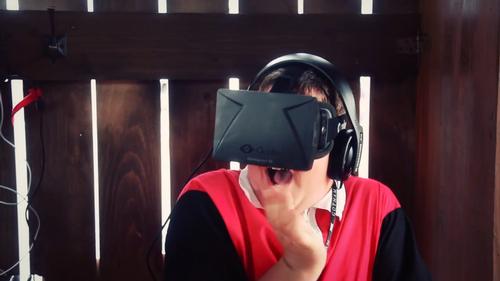
The VR headset is the first to be targeted specifically to children Credit: Mattel
View-Master – a popular children's toy since the 1960s – could be the next big step in affordable, commercial virtual reality following a tie-up between Mattel and Google to create a new iteration of the device based on VR using smartphones.
The original View-Master used a thin cardboard disk with seven small colour photographs on film. When looked at through a viewfinder, the stereoscopic image would create the illusion of a 3D scene.
The modern era version of the near 77-year-old technology does away with the original format, instead using a smartphone placed inside a plastic headset to create a virtual image, taking much inspiration from Google’s cardboard VR headset. The new View-Master still uses a reel, this time however with only a QR code in the centre. When inserted into the device, the smartphone recognises the code and produces the correct scene.
Paired with a View-Master app, users will be able to see 360-degree scenes, looking in any direction at the sights of various world landmarks. In addition to the 360º panoramas, the new version of the View-Master will be able to show 3D models, while users will also have access to VR mini-games.
The product’s commercial launch – targeted primarily at children – came on 1 December but beyond that the device offers many applications to the attractions industry, which is currently searching for its preferred choice in the increasingly competitive virtual reality market. The simpler version could provide a cheap alternative to more advanced headsets currently under development, such as Microsoft’s Hololens, Samsung’s Gear VR and the Oculus Rift. The established brand name could also prove a hit, with a Mattel tie-up likely to appeal to families and nostalgic older audiences.
The View-Master is available now, with current content on offer including scenes by National Geographic and NASA. The device retails at US$29.99 (€28, £20).
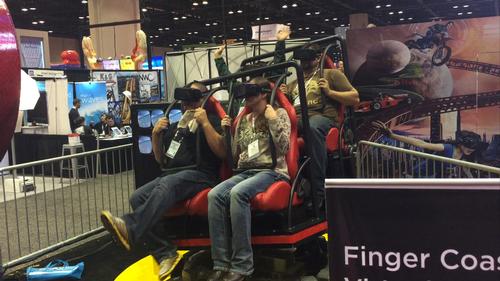
Smaaash's Finger Coaster lets you draw and ride your own VR rollercoaster POSTED 30 Nov 2015. BY Tom Anstey Mumbai-based virtual reality games developer Smaaash debuted its Finger Coaster
innovation at the IAAPA attractions expo, with the new technology allowing
users to draw a rollercoaster and then ride their creation in a virtual space.
VR startup Jaunt secures US$65m to develop immersive technology POSTED 23 Sep 2015. BY Tom Anstey A startup virtual reality company in California’s Silicon Valley has secured US$65m
(€58m, £42m) from a number of global companies including Disney as media and
entertainments companies start to invest in new forms of immersive technology.
London Museum will open four new food and drink destinations when it launches its new home
at Smithfield on 28 November, making hospitality a central part of the visitor experience at one
of the capital's biggest cultural openings of the year.
OMA has completed a major transformation of New York's New Museum, creating a larger
cultural campus that combines expanded exhibition spaces with learning, performance,
hospitality and public programming.
A US$50 million (£44.2 million, €51.2 million) transformation of Chicago's historic McCormick
Mansion has created a new destination that combines live magic, immersive theatre, dining and
private membership under one roof.
The Montana Historical Society has officially celebrated the opening of its new Montana
Heritage
Center, a US$107 million (£79 million, €92 million) destination that combines immersive
storytelling with cutting-edge audiovisual technology to bring the sta
Mattel and Google tie-up reimagines View-Master as affordable VR alternative
POSTED 07 Dec 2015 . BY Tom Anstey
The VR headset is the first to be targeted specifically to children Credit: Mattel
View-Master – a popular children's toy since the 1960s – could be the next big step in affordable, commercial virtual reality following a tie-up between Mattel and Google to create a new iteration of the device based on VR using smartphones.
The original View-Master used a thin cardboard disk with seven small colour photographs on film. When looked at through a viewfinder, the stereoscopic image would create the illusion of a 3D scene.
The modern era version of the near 77-year-old technology does away with the original format, instead using a smartphone placed inside a plastic headset to create a virtual image, taking much inspiration from Google’s cardboard VR headset. The new View-Master still uses a reel, this time however with only a QR code in the centre. When inserted into the device, the smartphone recognises the code and produces the correct scene.
Paired with a View-Master app, users will be able to see 360-degree scenes, looking in any direction at the sights of various world landmarks. In addition to the 360º panoramas, the new version of the View-Master will be able to show 3D models, while users will also have access to VR mini-games.
The product’s commercial launch – targeted primarily at children – came on 1 December but beyond that the device offers many applications to the attractions industry, which is currently searching for its preferred choice in the increasingly competitive virtual reality market. The simpler version could provide a cheap alternative to more advanced headsets currently under development, such as Microsoft’s Hololens, Samsung’s Gear VR and the Oculus Rift. The established brand name could also prove a hit, with a Mattel tie-up likely to appeal to families and nostalgic older audiences.
The View-Master is available now, with current content on offer including scenes by National Geographic and NASA. The device retails at US$29.99 (€28, £20).
Smaaash's Finger Coaster lets you draw and ride your own VR rollercoaster POSTED 30 Nov 2015. BY Tom Anstey Mumbai-based virtual reality games developer Smaaash debuted its Finger Coaster
innovation at the IAAPA attractions expo, with the new technology allowing
users to draw a rollercoaster and then ride their creation in a virtual space.
VR startup Jaunt secures US$65m to develop immersive technology POSTED 23 Sep 2015. BY Tom Anstey A startup virtual reality company in California’s Silicon Valley has secured US$65m
(€58m, £42m) from a number of global companies including Disney as media and
entertainments companies start to invest in new forms of immersive technology.
London Museum will open four new food and drink destinations when it launches its new home
at Smithfield on 28 November, making hospitality a central part of the visitor experience at one
of the capital's biggest cultural openings of the year.
OMA has completed a major transformation of New York's New Museum, creating a larger
cultural campus that combines expanded exhibition spaces with learning, performance,
hospitality and public programming.
A US$50 million (£44.2 million, €51.2 million) transformation of Chicago's historic McCormick
Mansion has created a new destination that combines live magic, immersive theatre, dining and
private membership under one roof.
The Montana Historical Society has officially celebrated the opening of its new Montana
Heritage
Center, a US$107 million (£79 million, €92 million) destination that combines immersive
storytelling with cutting-edge audiovisual technology to bring the sta
San Antonio Zoo has reported a US$283 million economic impact for 2025, following a decade-
long transformation programme that has seen almost US$200 million invested into the Texas
attraction.
+ More news
COMPANY PROFILES
Simworx Ltd The company was initially established
in 1997. Terry Monkton and Andrew
Roberts are the key stakeh [more...]